
Germany is about to flood one of the largest energy reserves in Europe. The country’s largest open-pit mine, Hambach, sits on more than one billion tonnes of extractable lignite. Originally permitted to produce coal until 2045, the mine will shut down early under the Act to Reduce and End Coal-Fired Power Generation, passed in 2020. Its owner, RWE, received €2.6 billion in compensation for the financial burdens imposed by the law. This sum covers the early closure of coal-fired plants in North Rhine-Westphalia as well as the closure of Hambach and other mines.
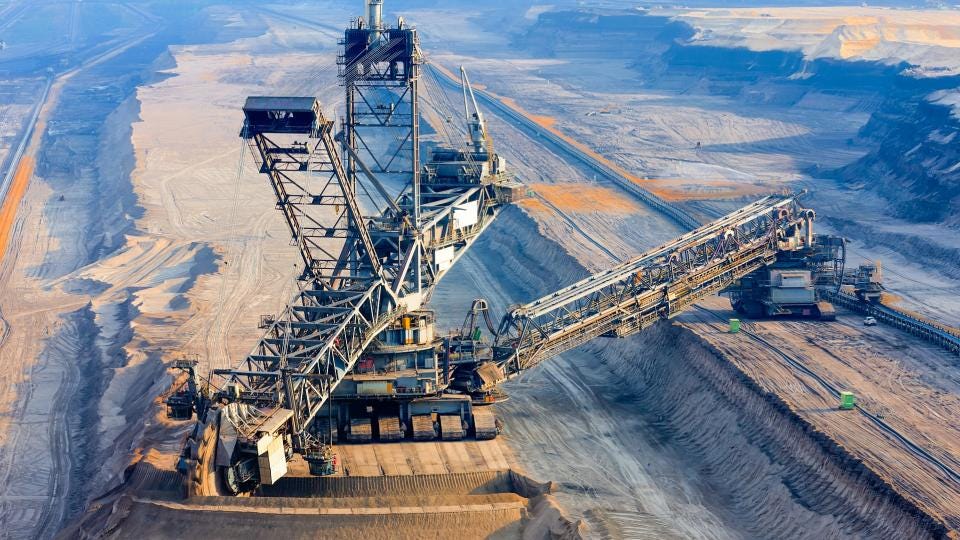
RWE is now obliged to flood the pit fifteen years earlier than originally planned. Starting in 2030, Rhine water will create Germany’s second deepest lake over the course of four decades. The project is not uncontested on environmental grounds. Critics cite excessive strain on the region’s water reserves and long-term chemical risks to the groundwater, among other issues.
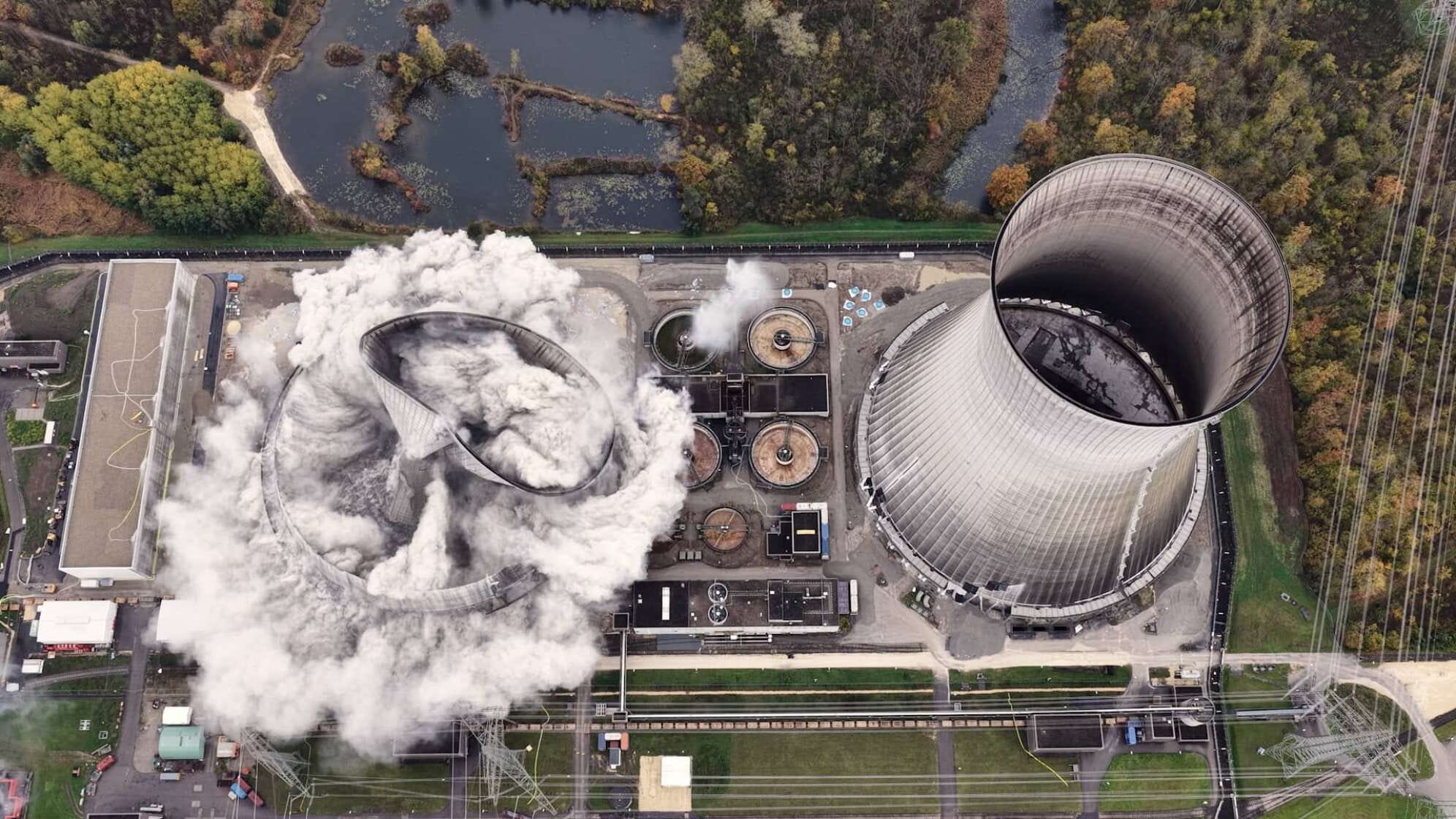
Drowning a billion tonnes of coal under a recreational lake—making future access economically impossible—is not unlike dynamiting functioning nuclear cooling towers. Both amount to the irreversible destruction of a strategic reserve, executed by politicians who seem to price energy security at zero. It may not be a coincidence that both the economics and environment ministries of North Rhine-Westphalia are led by the Green party. Neither of them sees the current energy situation as a reason for renewed debate on whether this plan should really be set in motion.
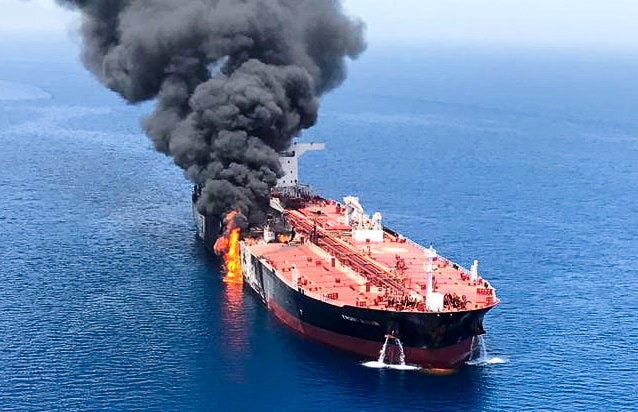
Just weeks after the groundbreaking for the pipeline to channel water into the pit, Europe’s energy security met another critical deadline. April 10 was the date JP Morgan’s shipping analysis marked as the day the last pre-closure tankers from the Persian Gulf reached European ports. A growing share of every barrel burned from here on comes out of storage. According to the Financial Times, European airports face “systemic” shortages of jet fuel if the Strait of Hormuz is not fully reopened within three weeks.
The Hormuz closure and the mine flooding may seem unrelated until you consider that for nearly a century, a proven industrial process has been turning coal into synthetic diesel, gasoline, and jet fuel.
At their peak in 1944, Germany’s synthetic fuel plants produced a combined 124,000 barrels per day. Synthetic fuel supplied 92% of the Luftwaffe’s aviation gasoline and more than half of its total motor vehicle fuel. It’s hardly surprising the Allies identified these plants as truly strategic targets.
The technology that worked then still works today. Modern plants prove that coal-to-liquids works commercially, not just under wartime desperation. Time to take a closer look at the potential Europe is drowning along with its coal.

Industrial chemistry offers something markets can’t: optionality in a crisis. The Fischer–Tropsch process, developed in 1925, converts coal into liquid fuels (CTL). Energy-intensive and water-hungry but with one underappreciated advantage: virtually all conventional pollutants are stripped out at the source. No particulates, no mercury, no SOx, no NOx. The only significant emission is CO₂. The usual air quality argument against coal doesn’t apply.
The largest CTL plant is in South Africa. Sasol Secunda was built for energy security after the 1970s oil crises exposed the country’s heavy reliance on imported oil—a vulnerability that became existential during peak apartheid sanctions in the 1980s. The plant produces 150,000 barrels per day from sub-bituminous coal.
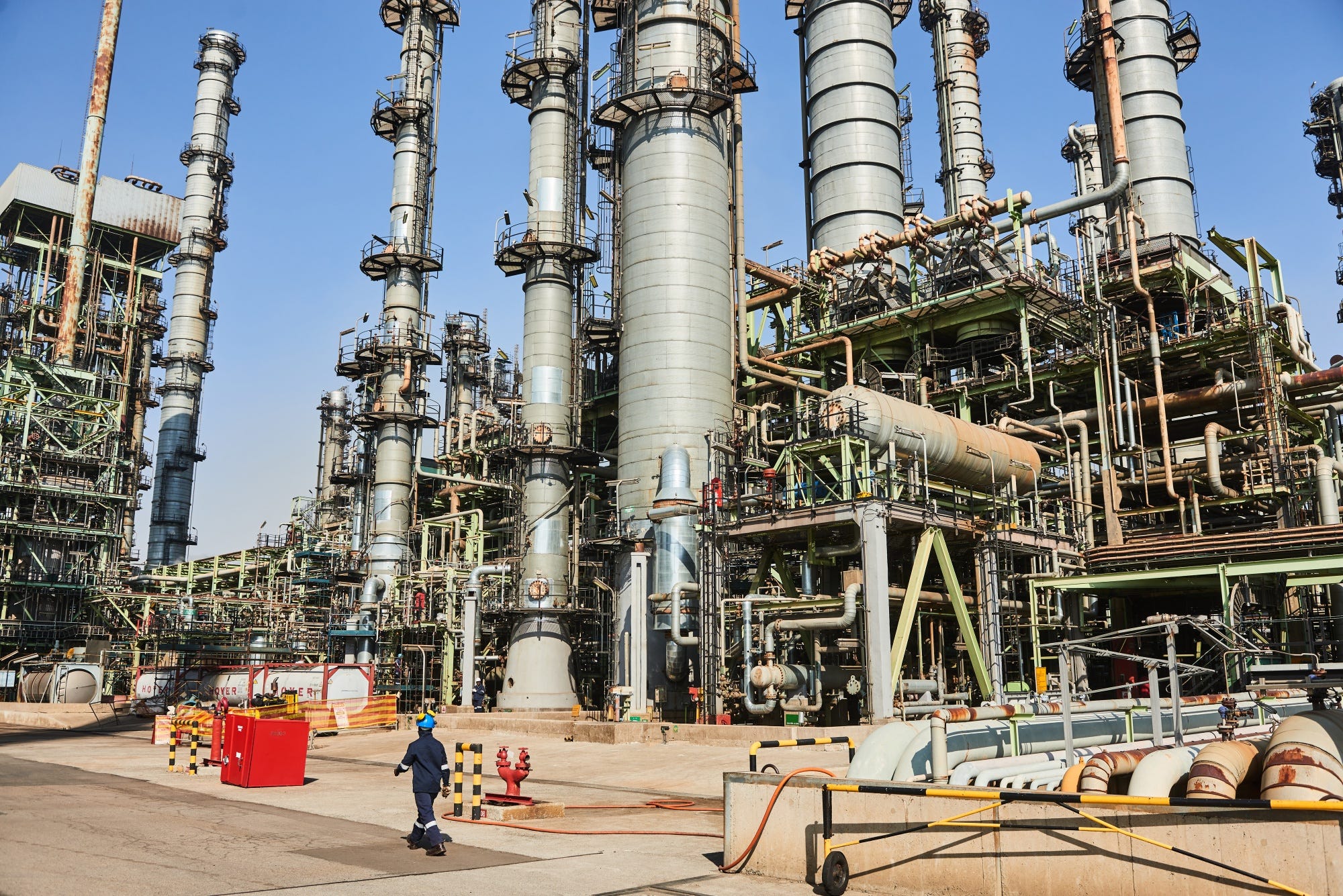
China reached a similar conclusion. With 70% of its crude oil imported, most of it by sea, its vulnerability is obvious. The Shenhua Ningxia plant in Inner Mongolia—Beijing’s flagship CTL facility—reached full capacity of roughly 80,000 barrels per day in December 2021 (4 million tonnes per year according to Chinese media). A second facility at Ordos, with matching capacity, has operated since 2010.
While tiny relative to China’s overall liquids consumption, CTL provides a domestic buffer that contributes to national security, which is why Beijing is intent on expanding its capabilities. In late 2024, CHN Energy Investment Group launched a 170 billion yuan (about $24 billion) CTL project, slated to come online around 2027 with a name‑plate capacity of another 4 million tonnes per year of synthetic fuels.
The engineering is proven, the question is what it costs. The answer depends on whether you’re running an existing plant or building a new one. For an existing, depreciated plant, the economics are surprisingly workable. Sasol reported an oil breakeven price of $59 per barrel for its 2025 fiscal year and is targeting $50 per barrel by 2028—well below current Brent prices.
Building a new one is a different proposition. Total plant costs are estimated to run $90,000 to over $300,000 per barrel per day of installed capacity, with a mean around $145,000. That’s ten to fifteen times more capital-intensive than a conventional refinery. Amortise that capex over a 30-year plant life, add European construction costs, labour, and permitting timelines, and by my math the investment breakeven climbs to $80 to $140 per barrel.
But are standard breakeven comparisons adequate in a multipolar world of contested sealanes and lingering conflict? China doesn’t seem to think so. As economies shift from efficiency to resilience, the question is no longer what fuel costs at the margin, but whether it is available at all. Guaranteed fuel doesn’t trade at the same price as cheap fuel.
Beyond price, there is a quality problem. The coal in the Hambach pit has roughly 50% moisture and less than half the energy density of the sub-bituminous coal Sasol uses at Secunda. Stack those losses and two-thirds of the energy in the coal never reaches the fuel tank. Terrible by any commercial standard. But comparable to green hydrogen’s round-trip efficiency of 25 to 30%. The EU is still spending billions subsidising the latter.
What would European CTL actually yield? Sasol’s empirical record gives a real-world yield of 1.9 barrels per tonne (1.5 billion barrels from approximately 800 million tonnes of coal). Adjust for Hambach’s lower energy lignite and the range drops to 0.5 to 1.0 barrels per tonne. Applied to about one billion tonnes of extractable reserves, that yields 500 million barrels at the low end and up to one billion at the high end. A midpoint of 700 million barrels is equivalent to one year of Germany’s total oil consumption.
But Hambach is just one mine. The EU’s total anthracite and bituminous coal reserves—higher quality than lignite, yielding 1.5 to 2.5 barrels per tonne through Fischer-Tropsch—amount to 25.5 billion tonnes according to the Statistical Review of World Energy. At even the conservative end of the yield range, that represents over 38 billion barrels of potential synthetic fuel, a decade of the EU’s total oil consumption.
Add the continent’s far larger lignite reserves on top and the feedstock base is not a rounding error. In principle, that’s one of the world’s largest untapped domestic liquid fuel reserves.
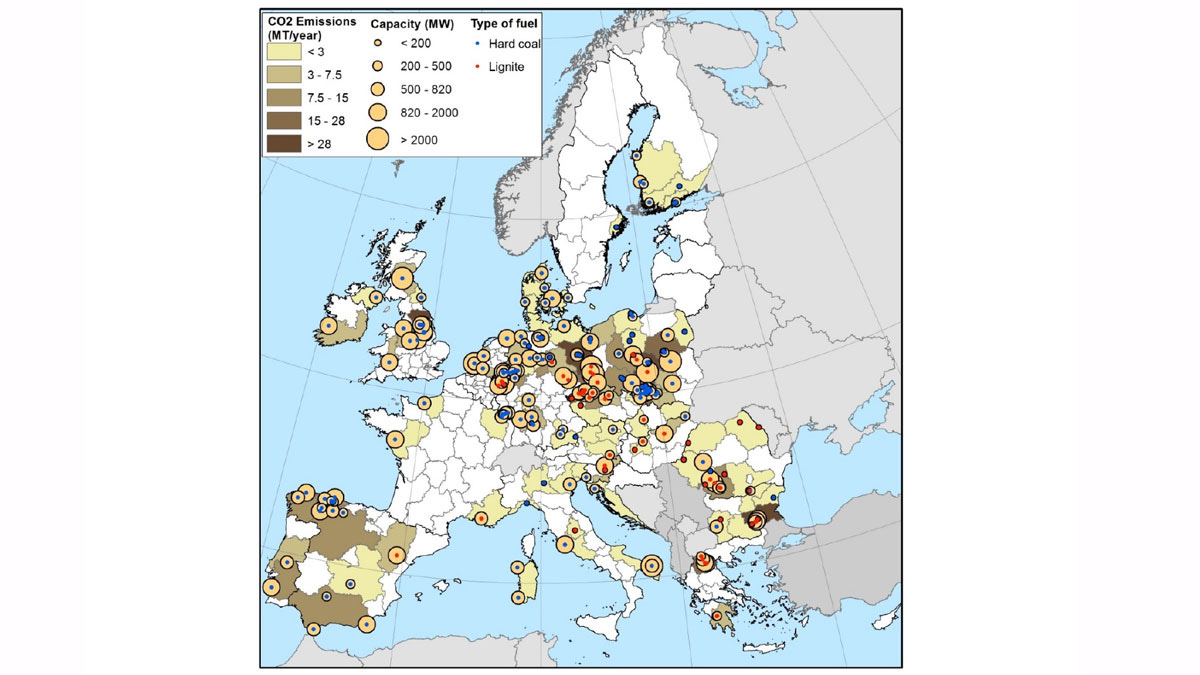
The biggest constraint is self-imposed: the EU’s carbon arithmetic. The Emissions Trading Scheme makes Fischer-Tropsch economically impossible even at elevated Brent prices. Any domestic fuel production is being taxed into oblivion while hundreds of billions flow into wind and solar in a world that will run overwhelmingly on hydrocarbons on any timescale that matters.
But as 1940s Germany, South Africa, and now increasingly China have shown, physical constraints always override political preferences. What happened in Australia this week is instructive. The Guardian reports:
Hundreds of service stations across Australia have run empty, fuel prices are elevated and oil shipments have been cancelled. Australia is battling a fuel crisis as Iran’s closure of the strait of Hormuz continues to bite. The federal government has released fuel reserves, cut fuel excise taxes and rolled out a national fuel security plan.
As a result, the Australian opposition is calling on the government to adopt coal-to-liquid fuel. Politicians spent decades assuming global markets would always deliver. Now a shadow minister is standing in parliament arguing for Fischer-Tropsch. This is how the turn begins. The deeper the pain, the faster the post-Hormuz world will produce proposals that looked unthinkable six months earlier. In hindsight, it won’t be the subsidising of CTL plants that looks irrational. It will be the flooding of the mines.
Share this with anyone who thinks barrels only come from wells!
🔈 A few days ago I joined The Contrarian Capitalist to talk Hormuz, European gas, and what happens when storage runs out. Listen here (paywall drops soon).
No posts
Comments
Nothing yet. Say the first thing.
Sign in to join the conversation.