
Dear Cherished Reader:
A scowl. A grimace. A cold stare. It’s what we Americans call a “dirty look,” but what Italians more colorfully refer to as faccia di cazzo, which roughly translates to “face of a penis.”
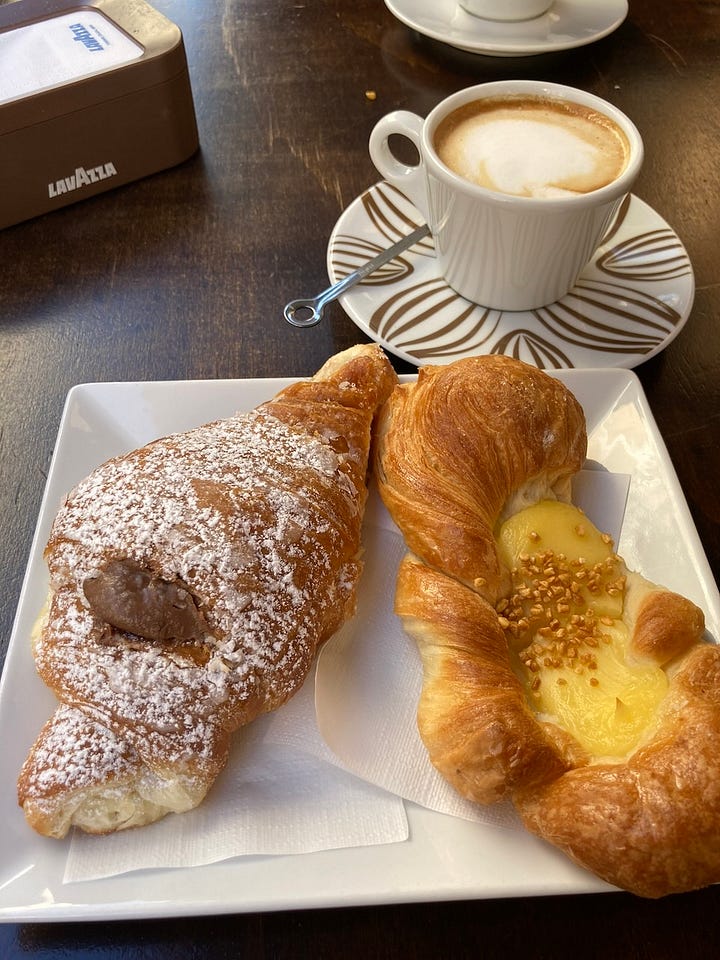
That’s the look Fabi gave me over our brioche con crema (crisp Italian croissants filled with vanilla custard) and cappuccinos, our first Italian food in over two weeks. We were sitting at a table in the shade of huge trees hanging over our favorite café, having just returned from Cabo Verde (CV) a few hours earlier.
“But aren’t you happy to be home in Italy, amore?” I asked, wiping foamy milk from my mustache and taking a bite of the crisp pastry.
Fabi’s foul look said “no,” and I understood why. Our time in the CV archipelago was simply delightful, and we didn’t want it to end.
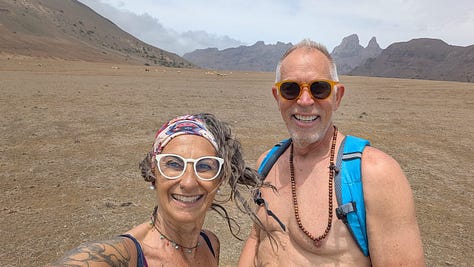
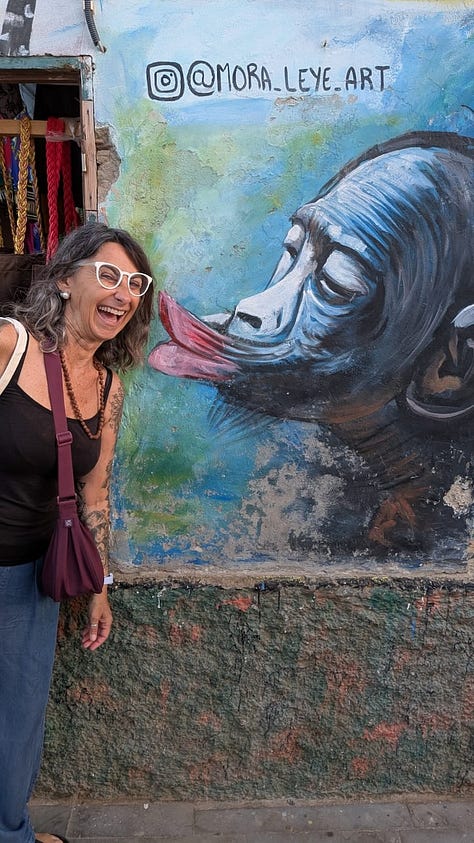
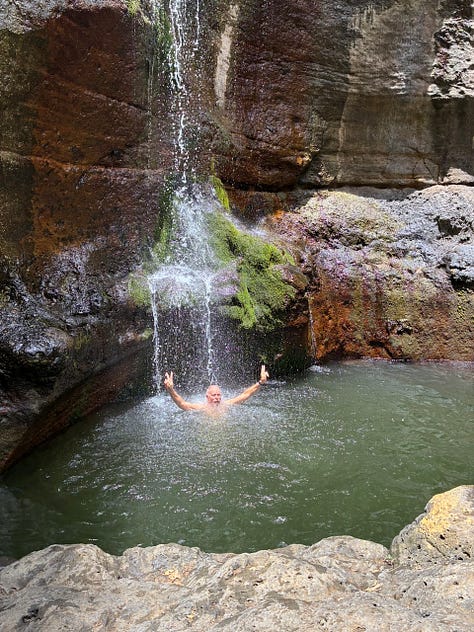
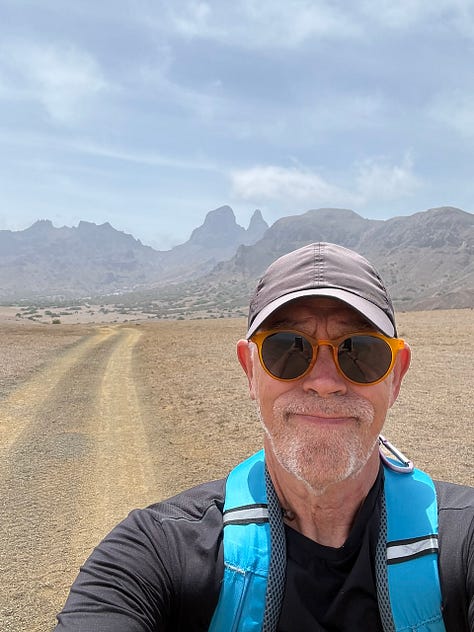
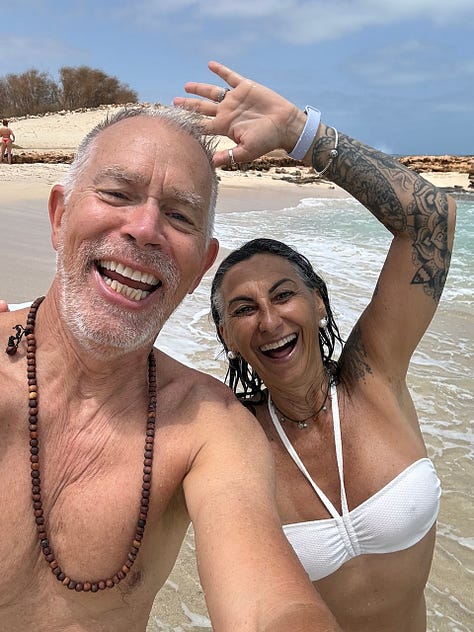
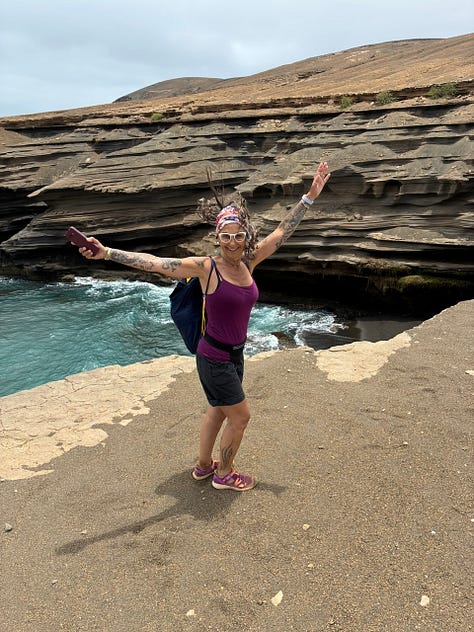

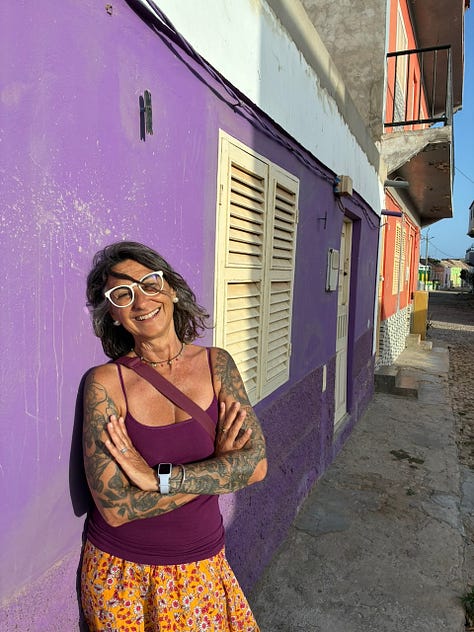
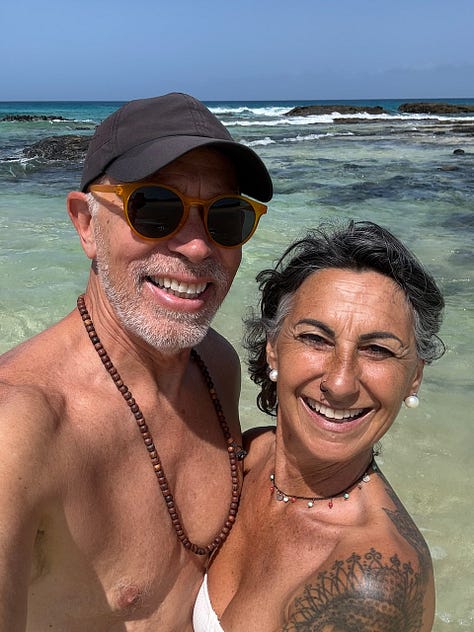
But alas, there are things one can do at home that need doing: haircuts, doctor’s visits, deep cleaning, newsletters, etc., and there was no putting off those tasks. We have less than a week to go before we are off again, this time to Albania, where we plan to spend the balance of June.
But for now, this letter, and perhaps the next, will be about the images, music, food, and lovely people of Cabo Verde.
It’s what I see…
“How did you like Cabo Verde?”
My answer depends on which island. There are ten in the CV archipelago, only nine of which are inhabited, and we visited six of those. CV is like Forrest Gump’s proverbial box of chocolates. You never know what you’re gonna get, that is until you put your feet on the ground, sniff the air, and taste the mangoes.
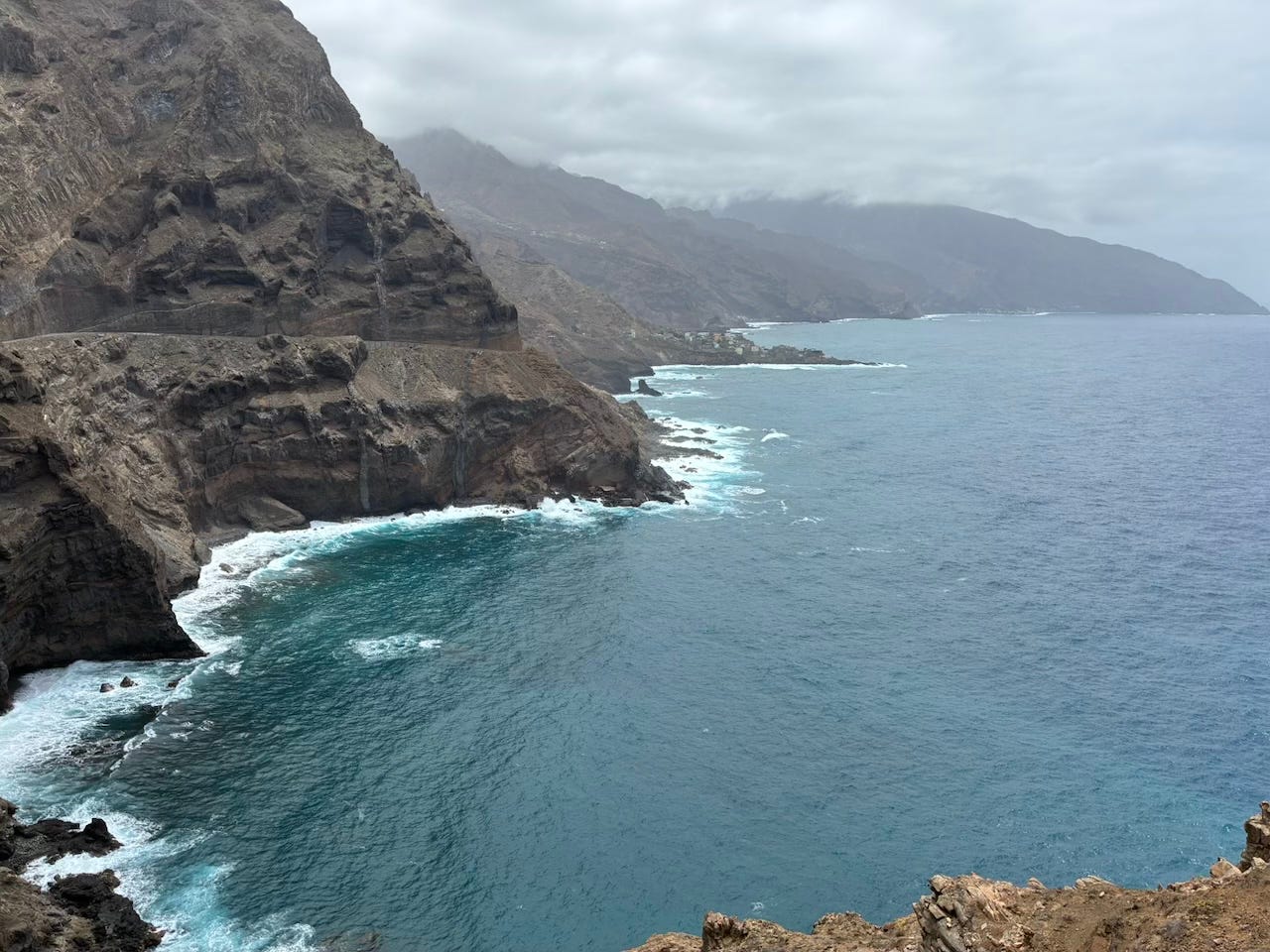
Some islands, like Sal, are flat, dry, and boring. Others, like Santa Antão (my favorite), are lush and green. Most are a mixture of both.
Here is a 51-second video of Fabi showing which islands we visited over the 15 days we spent hopping around the archipelago.
Cabo Verde (formerly Cape Verde) was once a Portuguese colony, and the natives still speak that language, along with Creole and local dialects. Many also speak enough English, French, or Spanish that Fabi and I were able to bump along with very few problems.
Of course, there is always our old standby of grunts, mimics, and hand motions, which we refer to as “monkey language,” and of which Fabi is especially proficient. We use the simian lingua franca (my apologies to the French) all over the world, and it works more effectively than you might imagine. Necessity is the mother of invention.
I asked (in English) one local fellow, our CV taxi driver, whether he felt more European, Portuguese, or African.
“None of the above,” he said. “I feel Cabo Verdean.”
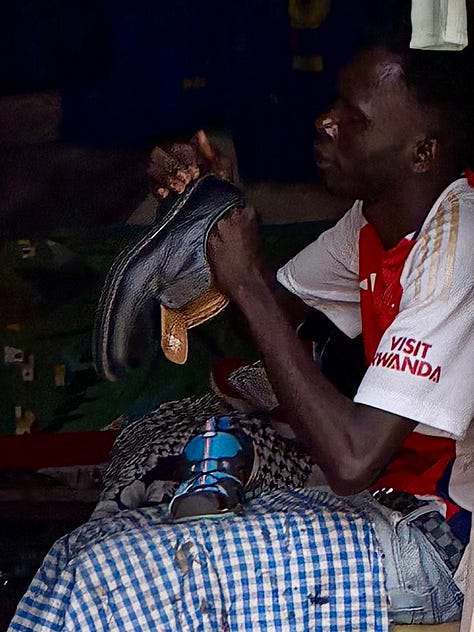
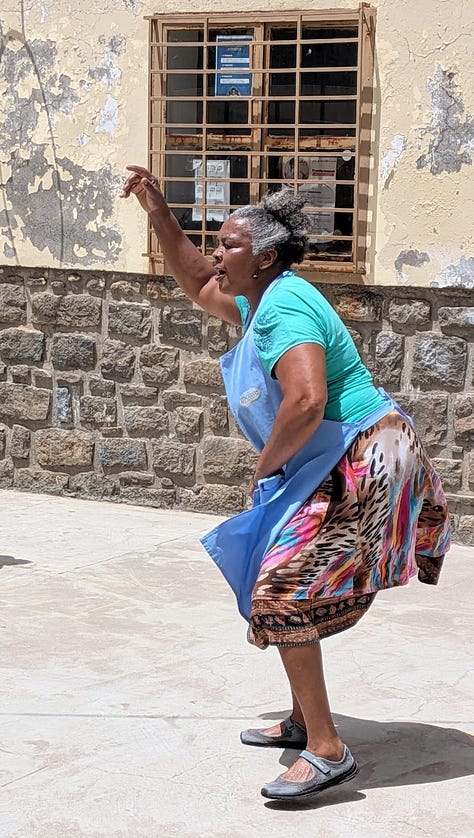
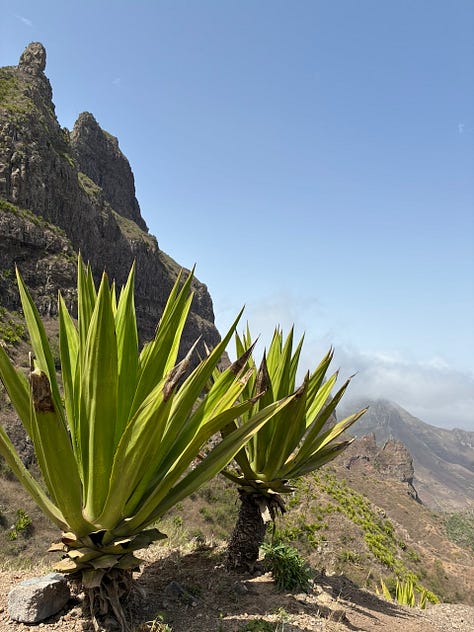
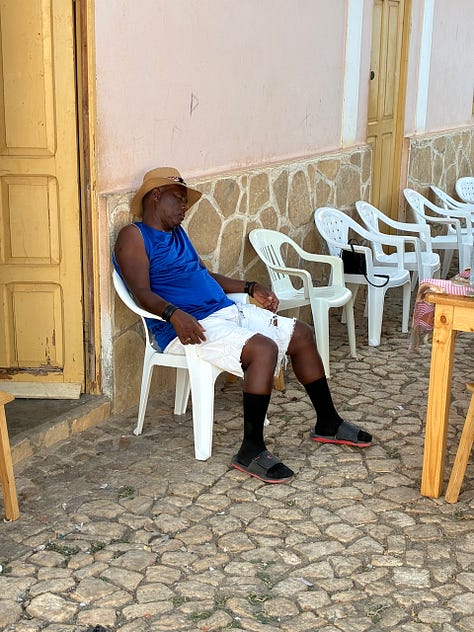
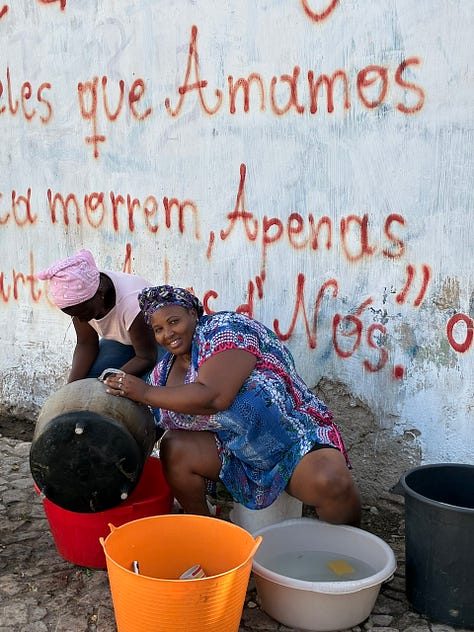
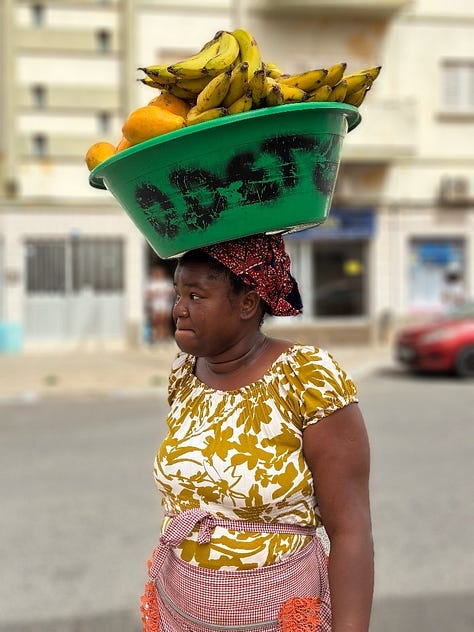
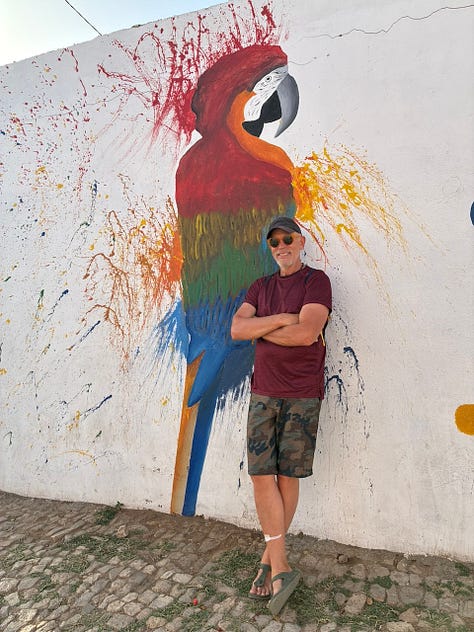
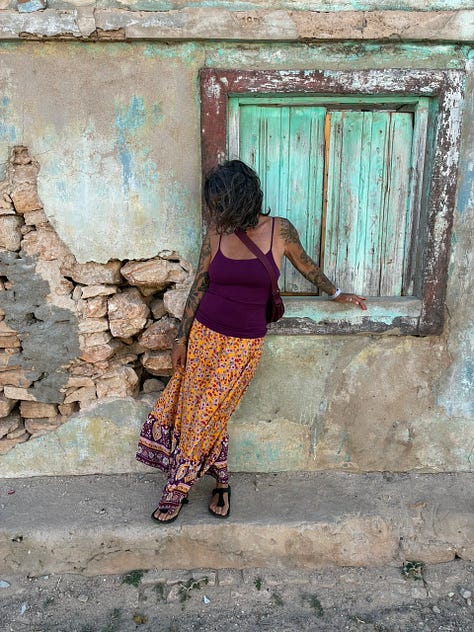
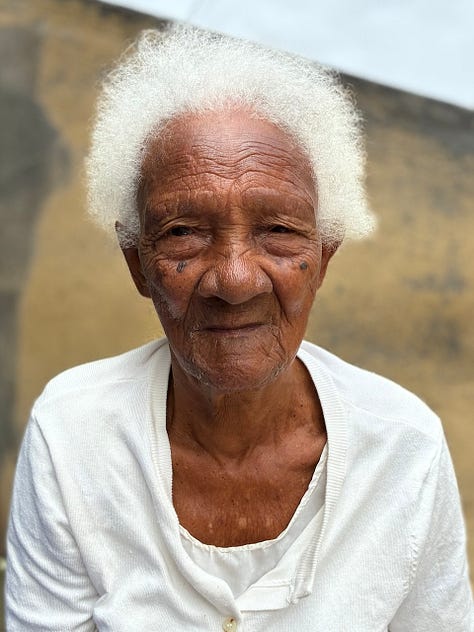
I liked his answer. CV people have a unique culture and national pride, undoubtedly burnished by their football team qualifying for the 2026 World Cup. Italy’s didn’t, by the way. Boo!
“Mainland Africans call us ‘white,’” the taxi driver said with a chuckle.
I looked at him. Definitely not white the way I think of it, I thought. He was a lovely chocolate brown, as are most Cabo Verdeans.
“Dude, you are not white, and neither am I. Snow is white. Paper is white. This trim is white,” I said, pointing to a part of his taxicab. “We are all just various shades of brown, are we not?”1
He laughed and agreed. It didn’t occur to me until later that he had probably never seen snow.
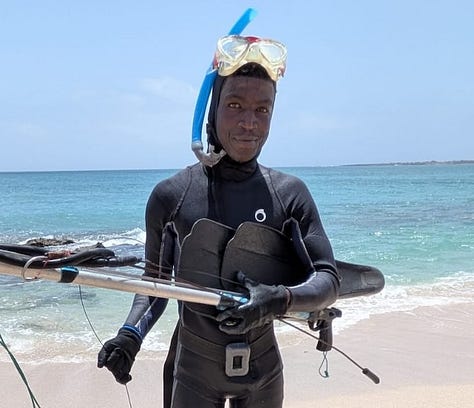
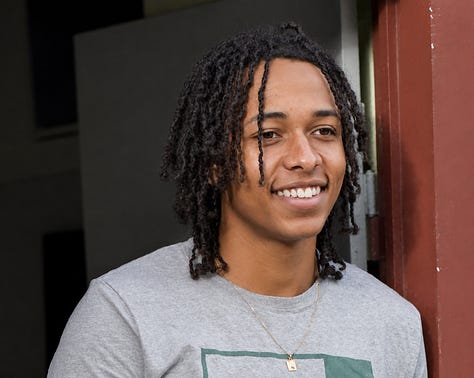
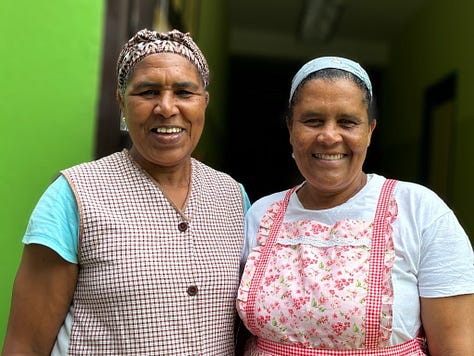
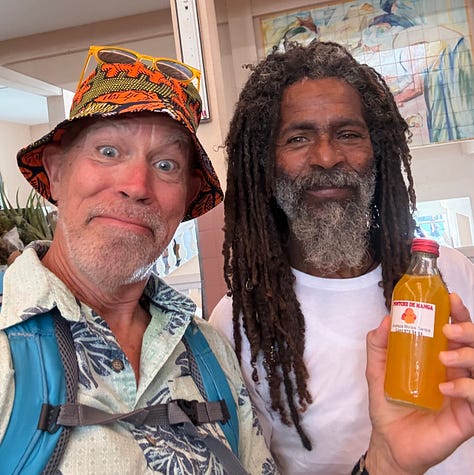
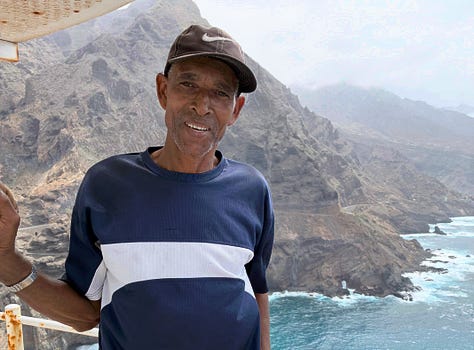
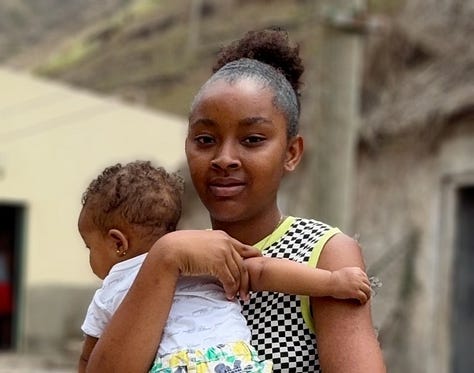
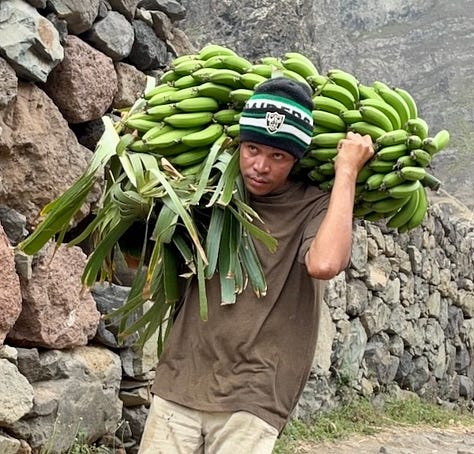
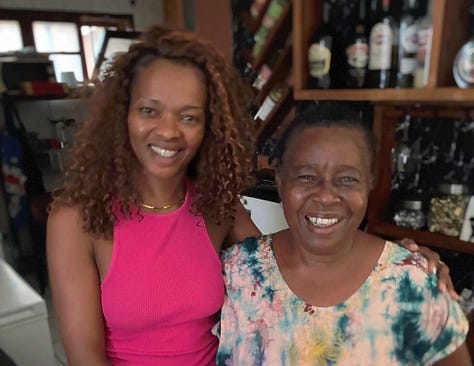
Substack starts complaining when I paste too many photos into my newsletters, so I’ll offer you the option to watch three short videos jam-packed with moving and still images, plus my usual quirky commentary. Each is only 60 seconds long, so I hope you enjoy one or more.
If you are short on time, this is the one to watch. It features 60 seconds of images from all the islands, set against a backdrop of children dancing and playing in their schoolyard. No commentary from me on this one, thank goodness.
One of my favorite experiences was hiking deep into the jungle of Santa Antão in search of a waterfall rumored to have a natural swimming hole. We found it!
Warning: Corny dad joke at the end. 😝
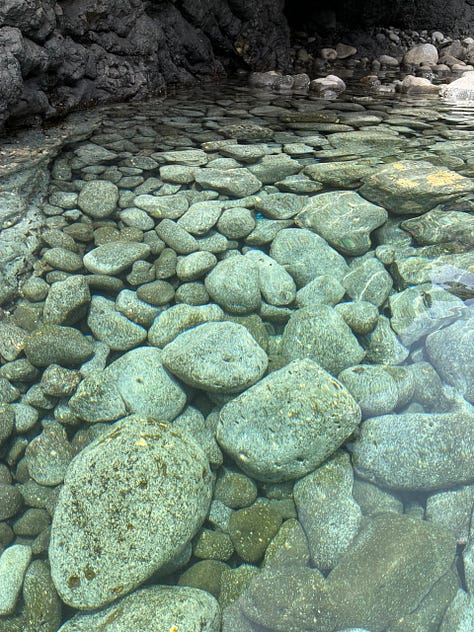
Fabi learned about a remote swimming hole, but we were warned it would require a bit of a hike through dry terrain that reminded me of the surface of Mars (not that I’ve been there). We took the hike and were not disappointed. Amazing!
Heads up! I modified one of the images with AI, adding a few dry bones for a spooky effect. Watch for it.
I often mention that I have written five books, but I only brag publicly about four of them.
“Only four?” some may wonder. “Hmmm. What happened to book #5?”
I’ll tell that story next time, plus how it relates to a new feature of the newsletter: “Stories from Alien Intelligence,”2 where I share instances of how I use AI to enhance my travels and other life experiences.
The case I share below led me to a wonderful discovery.
We were wandering around Maio Island when I noticed this mural painted on the side of a restaurant. The gentleman depicted was identified as jazz musician Horace Silver.
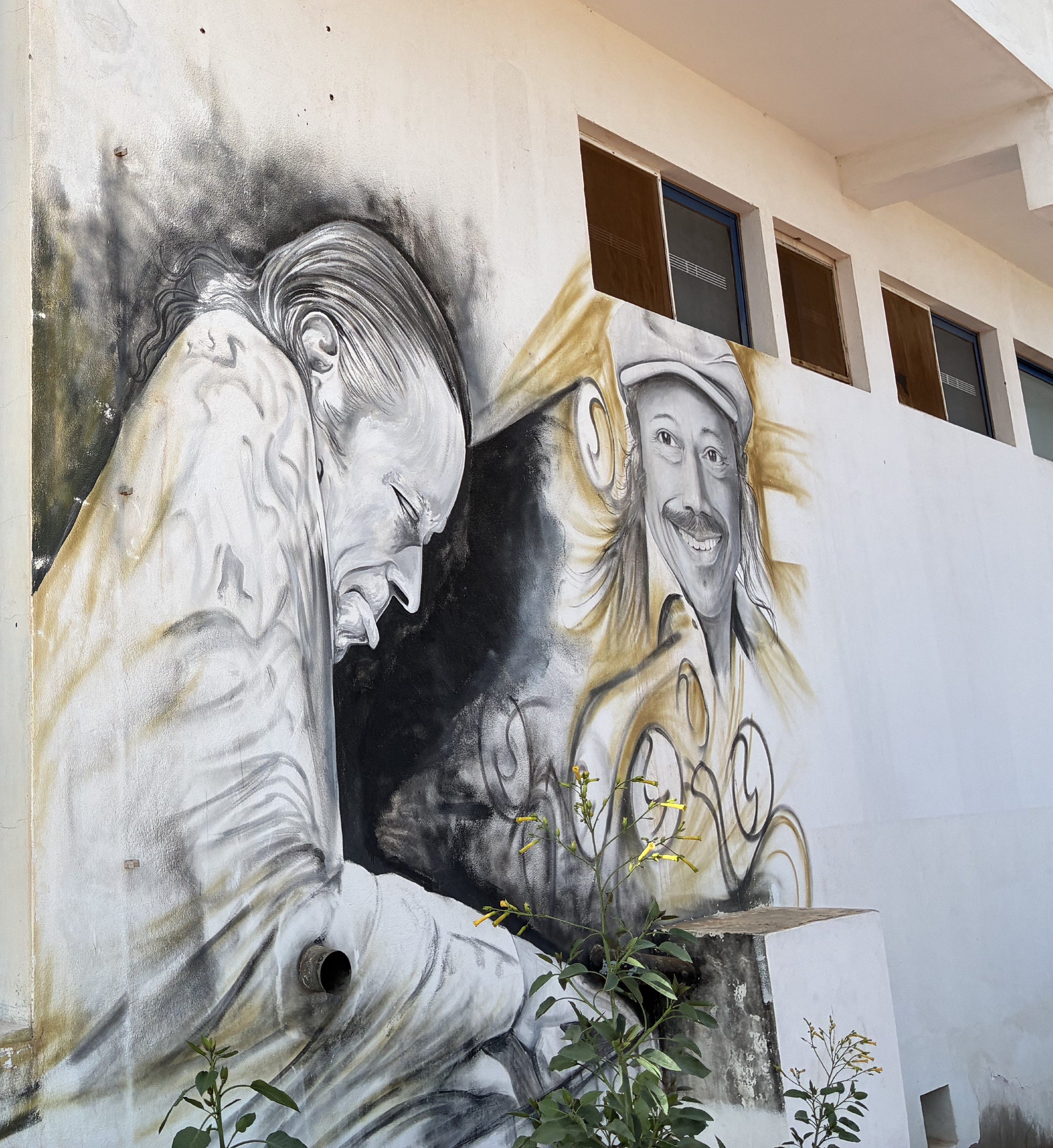
I was curious about the mural, so I asked ChatGPT:
“What is the relationship between jazz musician Horace Silver and Cabo Verde?”
The answer it gave introduced me to a wonderful new American musician with Cabo Verdean roots. ChatGPT said:
The connection is deep and personal. Jazz pianist and composer Horace Silver was born in Connecticut, but his father, John Tavares Silver (Silva), was born on the island of Maio in Cabo Verde and emigrated to the United States as a young man. Horace grew up hearing Cape Verdean folk music played at family gatherings, and his father taught him many of the traditional melodies and rhythms.
That influence found its way into Silver’s music. Although he became one of the founders of hard bop jazz, he often incorporated rhythmic and melodic elements inspired by Cape Verdean music. His best-known tributes include:
“Song for My Father,” dedicated to his father and influenced in part by the music and atmosphere of his family’s heritage.
“The Cape Verdean Blues,” an explicit celebration of his Cape Verdean roots and his father’s homeland.
An interesting detail: Silver’s full name was Horace Ward Martin Tavares Silver. “Tavares” is a common Cape Verdean surname and came from his father’s side of the family.
If you’re traveling in Cabo Verde right now, you may notice that Silver remains a point of pride there. Along with artists such as Cesária Évora, he’s often cited as one of the most internationally significant musicians of Cape Verdean heritage, even though he spent his life in the United States.
One of the pleasant ironies of history is that a small Atlantic island nation helped shape the sound of American hard bop through a boy in Connecticut listening to his father’s Cape Verdean songs. Humans keep inventing borders; music keeps ignoring them.
Wow. What a great response! (Especially the last line. Maybe AI has a soul after all) It really made the moment standing in front of that mural more meaningful.
And Mr. Silver’s music is delightful! I’m listening to it now as I write this letter.
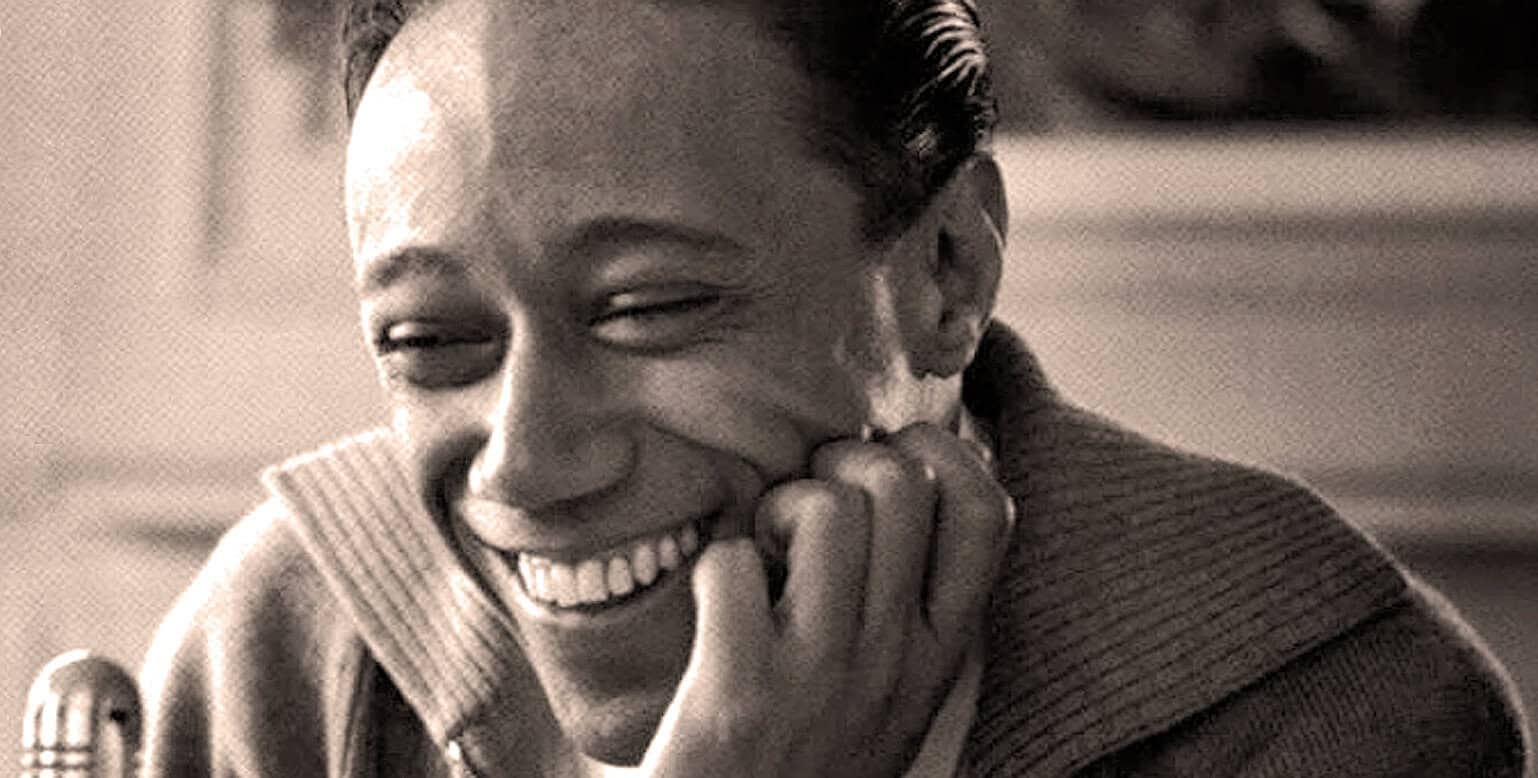
If you are a fan of African music like I am, be sure to check out the other famous Cabo Verdean musician the AI mentioned: Cesária Évora. Her picture is found throughout the islands, and her music has influenced many Cape Verde diaspora musicians as well as American pop singer Madonna. Évora is also known as Cize, the Barefoot Diva, and the Queen of Morna.
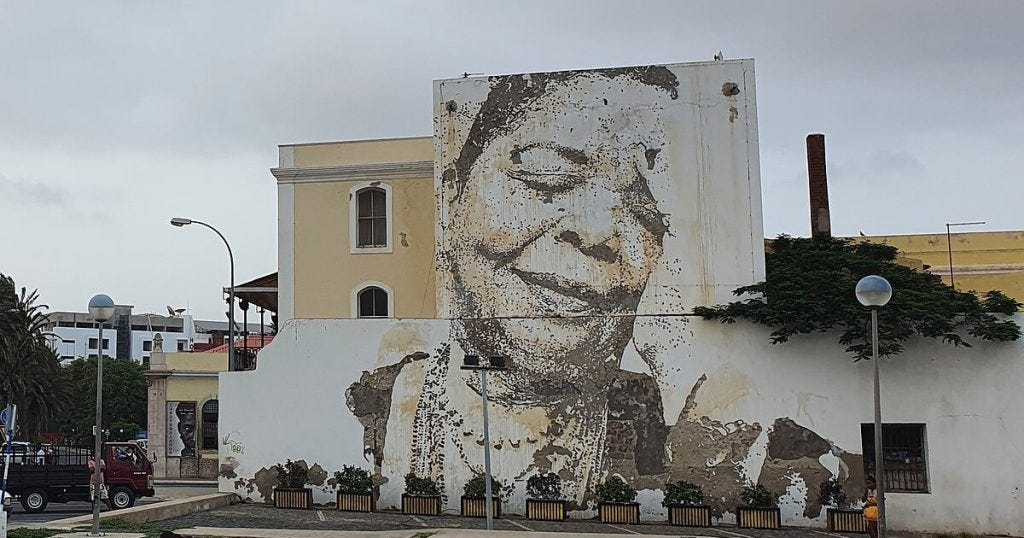
Do you know any aspiring filmmakers? Évora’s life story of heartbreak and resilience would make a riveting biopic. Her music is great, too.
Thanks for tagging along on our trip to Cabo Verde. I’ll be back next week with more stories and scenes from the fabulous islands, including something tasty — the recipe for Cabo Verde’s national dish. Buonissimo!
I’ll also reveal the secret of the missing fifth book. Where is it? What did it say? You’ll just have to wait and see. Muhahaha!
I despise those racist terms “white” and “black.” They are inaccurate relics, and I use them only when I must.
I borrowed the term “Alien Intelligence” from a favorite writer, thinker, and historian, Yuval Noah Harari. I recently read his book “Nexus,” in which he warns about the rise of AI and how it will greatly enable totalitarian governments, among other catastrophes. I don’t disagree, but what can I do about it, short of throwing away my smartphone (which he did, by the way.)
No posts
Comments
Nothing yet. Say the first thing.
Sign in to join the conversation.