
Our analysis of San Francisco’s Slow Streets program updates daily with the latest vehicle crash and emergency response data. Check out Dan Brekke’s excellent coverage of our work in KQED.
In April 2020, at the height of the COVID-19 pandemic, San Francisco Mayor London Breed directed the San Francisco Municipal Transportation Agency (SFMTA) to install signs on 14 low-volume, residential streets to discourage cut-through traffic and create a safe space for people to recreate and socially distance. These 14 streets would become the foundation for San Francisco’s “Slow Streets” program which turns five years old next month.
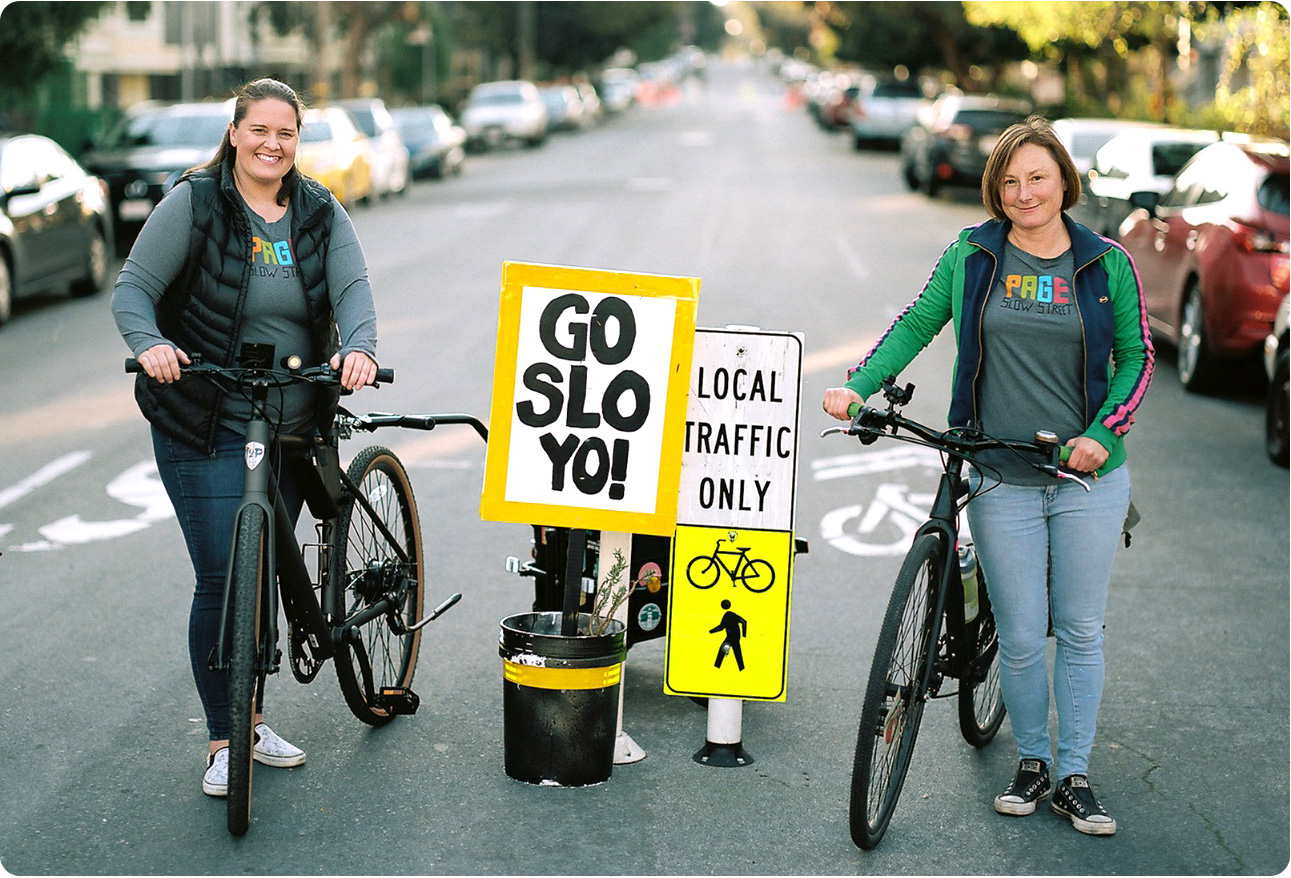
While the Slow Streets program was widely embraced by residents, it quickly became controversial when a handful of unscrupulous drivers loudly complained that being asked to simply drive slowly on these 14 streets infringed on their freedom of movement. These extraordinarily selfish people aggressively fought the program forcing the SFMTA Board of Directors to vote on its future on December 6th, 2022.
To prepare for that hearing, we analyzed the impact the Slow Streets program had had on traffic safety and found that these 14 streets collectively reduced vehicle crashes by 61% compared to just a 20% drop in crashes citywide over the past two years. As a result of our analysis and the advocacy of hundreds of residents across the city, the SFMTA Board of Directors unanimously voted to make the Slow Streets program permanent and directed SFMTA staff to start exploring opportunities to expand it across the city. The video below shows public comment I gave at the hearing, highlighting the key takeaways from our analysis as opponents of the Slow Streets program grumbled behind me.
Now, two years later, plans are in the works for Slow Streets 2.0 which will include elevating the signs at intersections onto concrete islands to help protect them from errant drivers and installing modal filters at major intersections to further discourage cut-through traffic. As these proposed upgrades will almost certainly, once again, ignite debate over whether we should prioritize driver convenience over the health and safety of our city’s residents, a more ominous threat lurks that can block the evolution of the Slow Streets program and that is the San Francisco Fire Department.

Fire departments in the United States are notorious for blocking efforts to install traffic calming devices (speed bumps, protected bike lanes, chicanes, etc) that are proven to save lives. This, of course, is ironic as our fire departments are supposed to be doing everything they can to protect us. Our fire departments often claim, often without any evidence, that installing anything in the roadway that might slow a driver down would negatively impact their ability to respond to an emergency. They then strongarm our transit agencies behind closed doors and force them to abandon, or significantly water down, any plans that would make our streets safer.
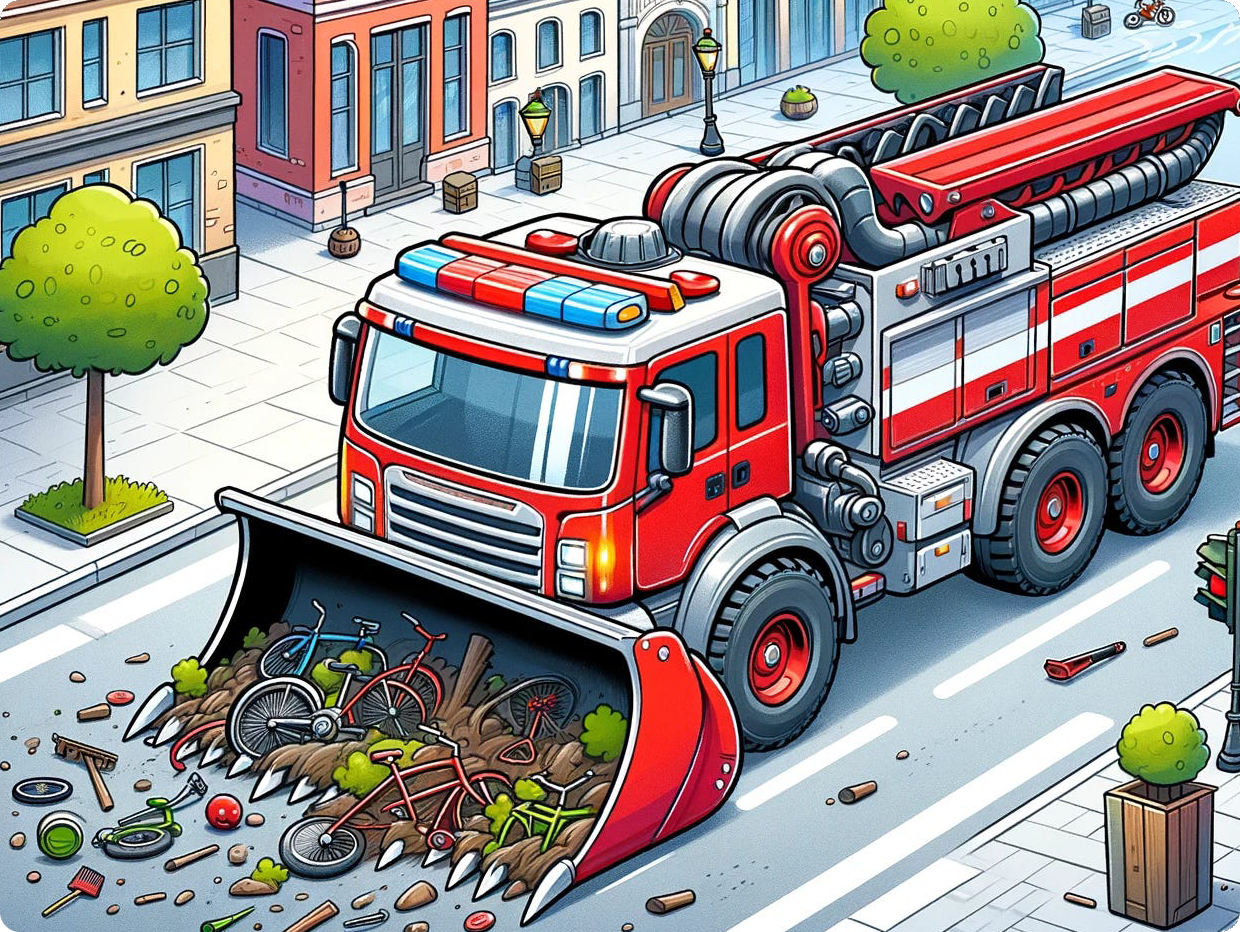
To prepare for push back from the San Francisco Fire Department on the proposed upgrades in Slow Streets 2.0, we analyzed their response times to emergencies on every Slow Street over the past five years to see, once and for all, if traffic calming devices are having an adverse impact on their ability to respond to an emergency.
The verdict? It’s complicated.
The response time of an emergency is the amount of time it takes for the fire department to get from its responding station to the scene of an emergency. While fire department personnel typically arrive at the scene of an emergency within a few minutes, there have been cases when it has taken them 20-30 minutes or more to travel a few blocks.
On January 10, 2025 at approximately 4:48pm, a man on a bike riding eastbound on Page Street hit a dip in the street and crashed, severely injuring his shoulder. Molly Hayden, steward of Page Slow Street, happened to be nearby and witnessed the crash. At approximately 4:52pm, Molly called 911 who dispatched emergency personnel from Station 36 at Oak and Franklin Streets, 5 blocks away. Approximately ten minutes later, not hearing any sirens in the distance, Molly called 911 again. Finally at 5:29pm, emergency personnel arrived and treated the man’s broken shoulder. According to public records, emergency personnel left Station 36 at 4:58pm, which means it took the fire department 31 minutes to travel less than 1/2 of a mile.
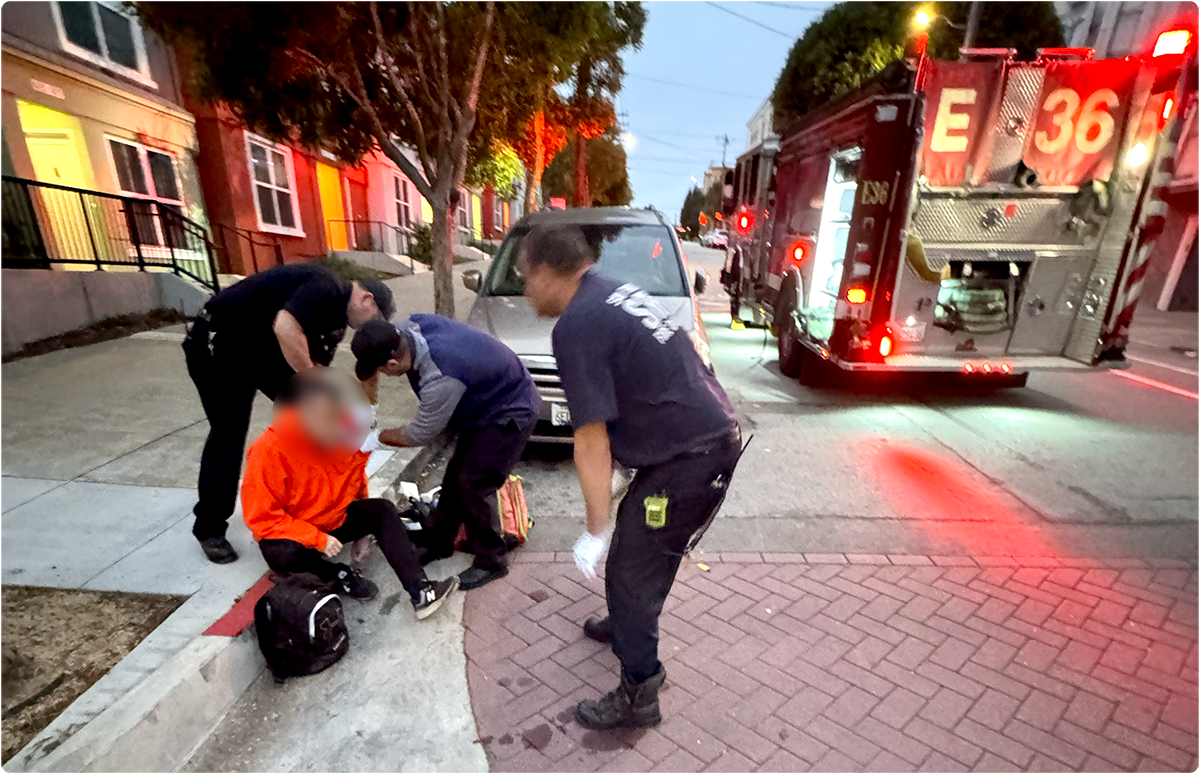
It is preposterous to suggest that a plastic stick in the middle of the street or a speed bump is the culprit for such an excessively long response time so what exactly is going on here? The fact is we don’t know, but we intend to find out because it is imperative that our fire department arrives at the scene of an emergency within minutes and that the response data they are sharing with the public is accurate.
Unfortunately this incident is not the only time it has taken the San Francisco Fire Department over 20 minutes to get to the scene of an emergency from just a few blocks away. If you filter emergencies by their response time on our map, you will see unacceptable response times to nearly every Slow Street over the past five years.
Despite these outliers, our analysis found that the average emergency response time to a Slow Street (4 mins & 17 seconds) is still faster than the citywide average (4 mins & 42 seconds). However the average emergency response time to a Slow Street did increase by 12.78% after SFMTA made the program permanent in 2022, while citywide emergency response times only increased by 5.20% over the past two years.
While this is the most comprehensive audit of San Francisco’s Slow Streets program available, there is still more work to do. The next version of this project will include the impact Slow Streets have had on adjacent corridors and recommend streets that should be included in the program based on historical vehicle traffic and speed, crash data and the socioeconomic characteristics of the surrounding neighborhood.
Here are four ways you help us make our streets safer right now:
Share our analysis with your neighbors, your district supervisor and on social media. The more people who have access to the data we’re sharing, the more power we have to fight speculation, lies and disinformation.
If you live near a Slow Street or want one in your neighborhood, reach out and I will connect you to the people who are organizing in your neighborhood.
Support our work. This project took several weeks to research, design and build and is now a free resource that updates daily with the latest available data to help you advocate for safer streets across San Francisco. We simply cannot do this work without the financial support of people like you.
Hire us to help you with a project. If you are fighting for safer streets in your city and need help making a compelling, data-driven case for them, we’ve got your back. Reach out, we’d love to work with you!
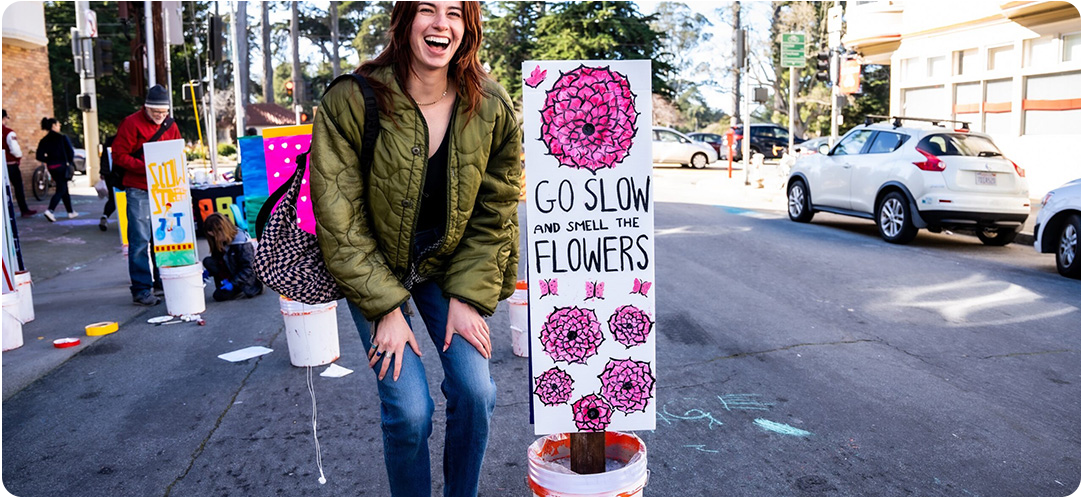
We have a lot of projects in the works to help you fight for a safer, healthier and more equitable San Francisco and I can’t wait to share them with you. In the meantime stay safe, go slow and don’t forget to smell the flowers.
No posts
Comments
Nothing yet. Say the first thing.
Sign in to join the conversation.