
Hello, everyone. I hope you’re enjoying summer wherever you are. For me, the middle of August means one thing: an abrupt shift to back-to-school mode. My college course in brain health nutrition and lifestyle at the University of Cincinnati starts next week!
One of the updates I’m making to the course* this semester draws from our latest BHK mini-series: the brain health benefits of some rather controversial foods.
First, we tackled dairy products, including cheese, milk, yogurt, and cottage cheese. Then we delved into new brain health data about coffee and tea. A flurry of outlandishly sensational headlines spurred me to write about red meat and eggs. Is steak the new brain-healthy food? Not exactly. Does eating more eggs translate to a reduction in Alzheimer’s risk? As we discussed last time, there’s compelling new data about eating eggs for brain health. The headlines however, mostly overstate their case as a brain food.
Today, we’re continuing our conversation about eggs. What’s the best way to prepare them?
If you’ve read my book, you know I have a whole section devoted to what I call “brain-friendly cooking methods.” In short, low and slow is the way to go. But what does that mean for your eggs? Are you destined to give up fried eggs with crispy edges? How molten should the yolk be?
I’ll get into all of that below.
*Many of you have asked me to create a brain health course just for you—BHK readers—based on my college curriculum. The BHK Course is now in session! Learn more about how to enroll here, and scroll to the end for a special subscriber discount code.
Learn more about the BHK Course
There’s plenty of discussion about the best foods for brain health. But how you prepare those foods matters, too. This is especially true for foods that provide healthy fats, such as eggs. Apply too much or too much direct heat, and those fats can oxidize, potentially making them less beneficial. Certain cooking methods can also promote the formation of inflammatory compounds in food, including advanced glycation end products, or AGEs.
It’s worth reviewing what we know about the choice of cooking method impacts AGE formation, and how that may in turn impact your health.
AGEs 101
Applying heat to food—including cooking—can create advanced glycation end products (AGEs), sometimes called glycotoxins. These compounds can enter the bloodstream and contribute to oxidative stress and inflammation. They can damage the lining of blood vessels and, when they reach the brain, accumulate in neurons. Researchers have found that consuming AGE-rich foods is associated with higher levels of AGEs in the bloodstream and brain tissue, as well as poorer memory performance over time.
It’s sobering to know that AGEs can accumulate in key brain regions affected by neurodegenerative disease. For example, these compounds have been found to cluster in the hippocampus of people with Alzheimer’s disease, a region that is particularly vulnerable to the disease. In Parkinson’s disease, AGEs accumulate in the substantia nigra. And in amyotrophic lateral sclerosis (ALS), also known as Lou Gehrig’s disease, they have been detected in the spinal cord. While this doesn’t prove that AGEs are causative in these diseases, they mostly certainly contribute to the neuroinflammation that occurs over years and decades prior to a diagnosis.
Brain-friendly cooking, then, can be defined at its most basic level as the thoughtful application of heat to minimize unnecessary AGE formation and oxidation while preserving nutrients.
Whatever you’re cooking, think about three things:
Preserving nutrients—especially heat-sensitive nutrients and beneficial fats
Limiting unnecessary oxidation of polyunsaturated fats and cholesterol
Avoiding excessive heat, browning, and prolonged cooking
Does this mean an undercooked egg with a runny yolk is always best? Not exactly. I was delighted to find a few recent studies that shed new light on what gentle cooking actually means for your eggs.
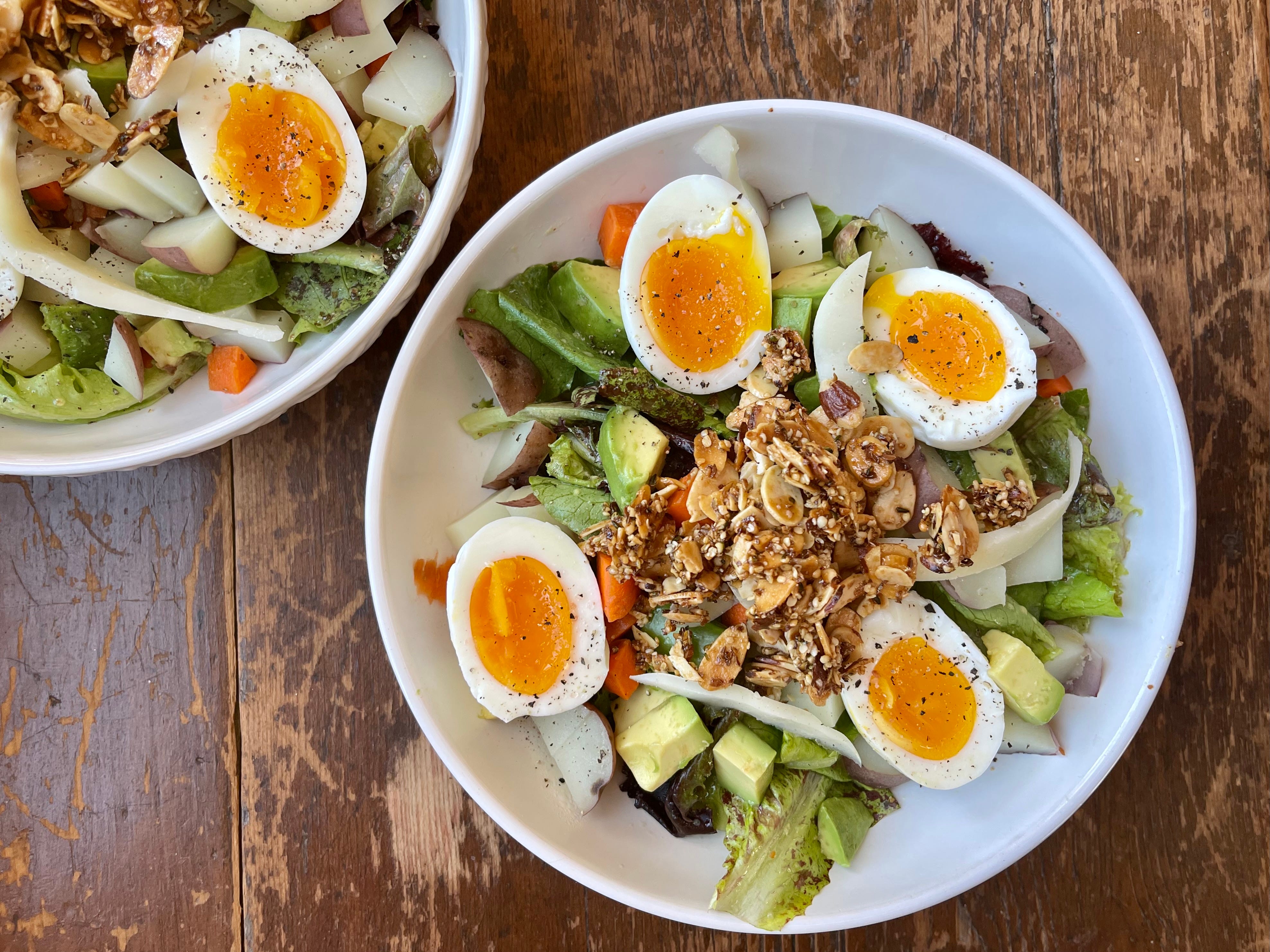
In general, brain-friendly cooking methods include steaming, braising, poaching, and sautéing over medium-low heat. Less desirable methods include frying, broiling, searing, and high-heat baking and roasting. When grilling foods, low and indirect heat is best.
Here’s how to apply these principles to cooking eggs:
Cook gently. Gentle cooking methods can help limit oxidation of the egg’s healthy fats. In general, think low, slow, and indirect heat. Does this mean saying goodbye to fried eggs? Not necessarily; more on that below.
Cook the yolk to your liking. There’s a sweet spot for cooking the yolk if you like it molten but no longer runny. This gives you a cooked yolk without prolonged heat exposure. If you enjoy your yolks cooked through, that’s fine, too. Just try to avoid an overcooked, crumbly yolk. If you like your eggs runny, that’s fine as well—but keep in mind that eggs with a liquid yolk may not reach a temperature sufficient to kill Salmonella and other pathogens. For the safest option, especially for people at higher risk of foodborne illness, cook eggs until both the white and yolk are firm.
Limit browning and crisping. Avoid prolonged high-heat cooking that browns the egg or cooking fat. Browning is a sign that Maillard reactions are occurring, some of which generate advanced glycation end products (AGEs). Dietary AGE formation is generally greater with high-temperature, dry-heat cooking and lower with moist-heat methods, shorter cooking times, and lower temperatures.
Cook eggs with extra-virgin olive oil. EVOO is my go-to choice for cooking eggs in a pan. Keep the heat low to medium-low to minimize degradation of the oil and preserve as many of its beneficial compounds as possible. And don’t worry that heating EVOO automatically makes it unhealthy; it remains a very reasonable cooking fat.
Eat eggs relatively soon after cooking. Oxidation doesn’t necessarily stop when the pan comes off the stove. Recent research on cholesterol oxidation found that storage, reheating, and warm holding can promote further formation of oxysterols. So avoid reheating eggs or holding them warm for long periods when you can. “Hot holding” is common in restaurants, where eggs may be poached in bulk and kept warm in a water bath.
Pair eggs with antioxidant-rich foods. Carotenoid-rich foods, such as tomatoes and spinach, can complement the nutrients in eggs; dietary fat also helps with carotenoid absorption. And there’s intriguing experimental evidence that adding herbs such as basil and oregano during egg cooking may reduce the formation of cholesterol oxidation products.
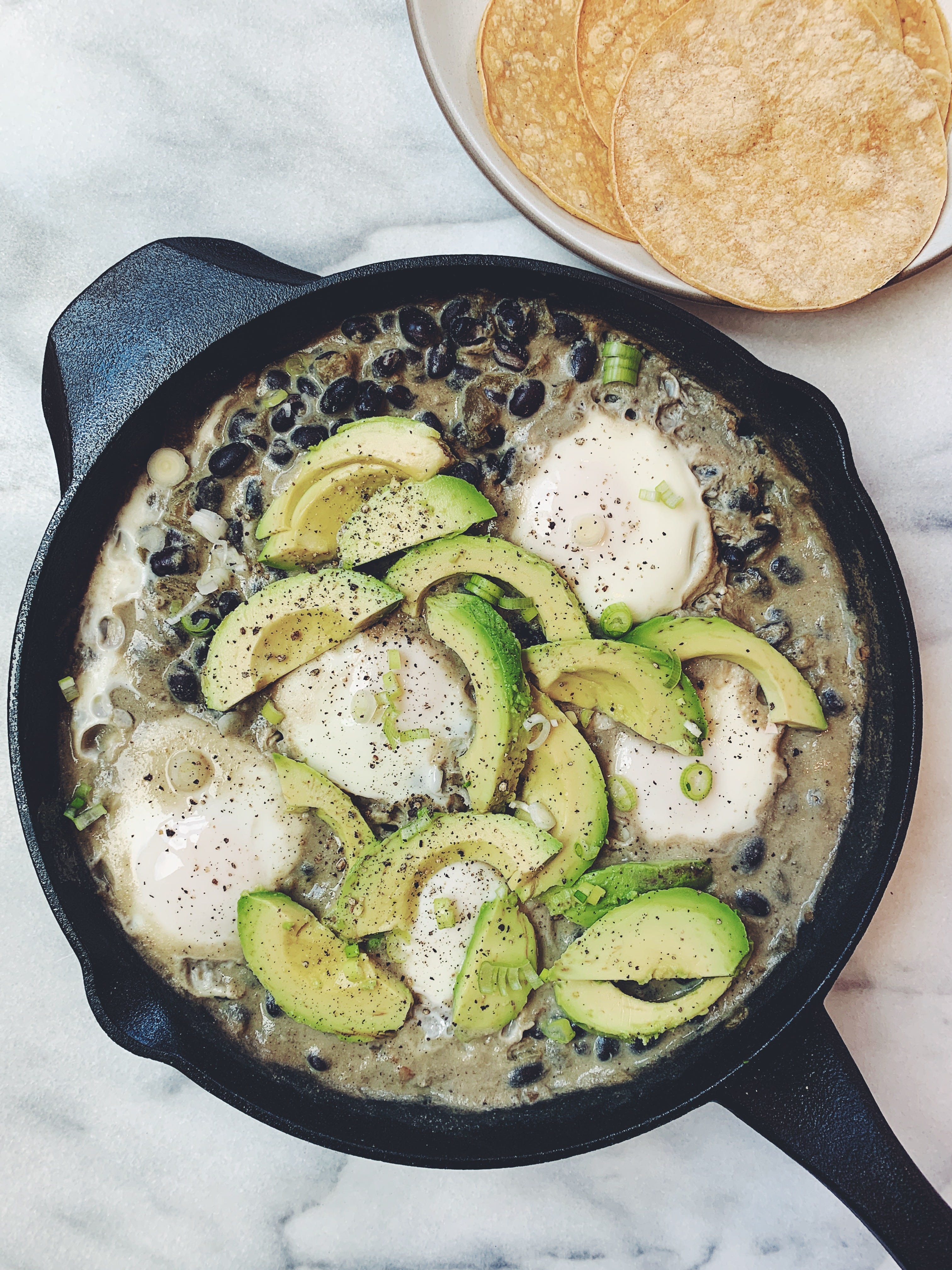
The science of how we cook food is constantly evolving. Two recent studies have taught me that there’s a lot more nuance here than I previously thought. For example, we now know that what happens to an egg after cooking—during warm holding, storage, or reheating—may matter, too.
Comments
Nothing yet. Say the first thing.
Sign in to join the conversation.