
This article is written by Nina Etnier, Co-founder at Float Studio.
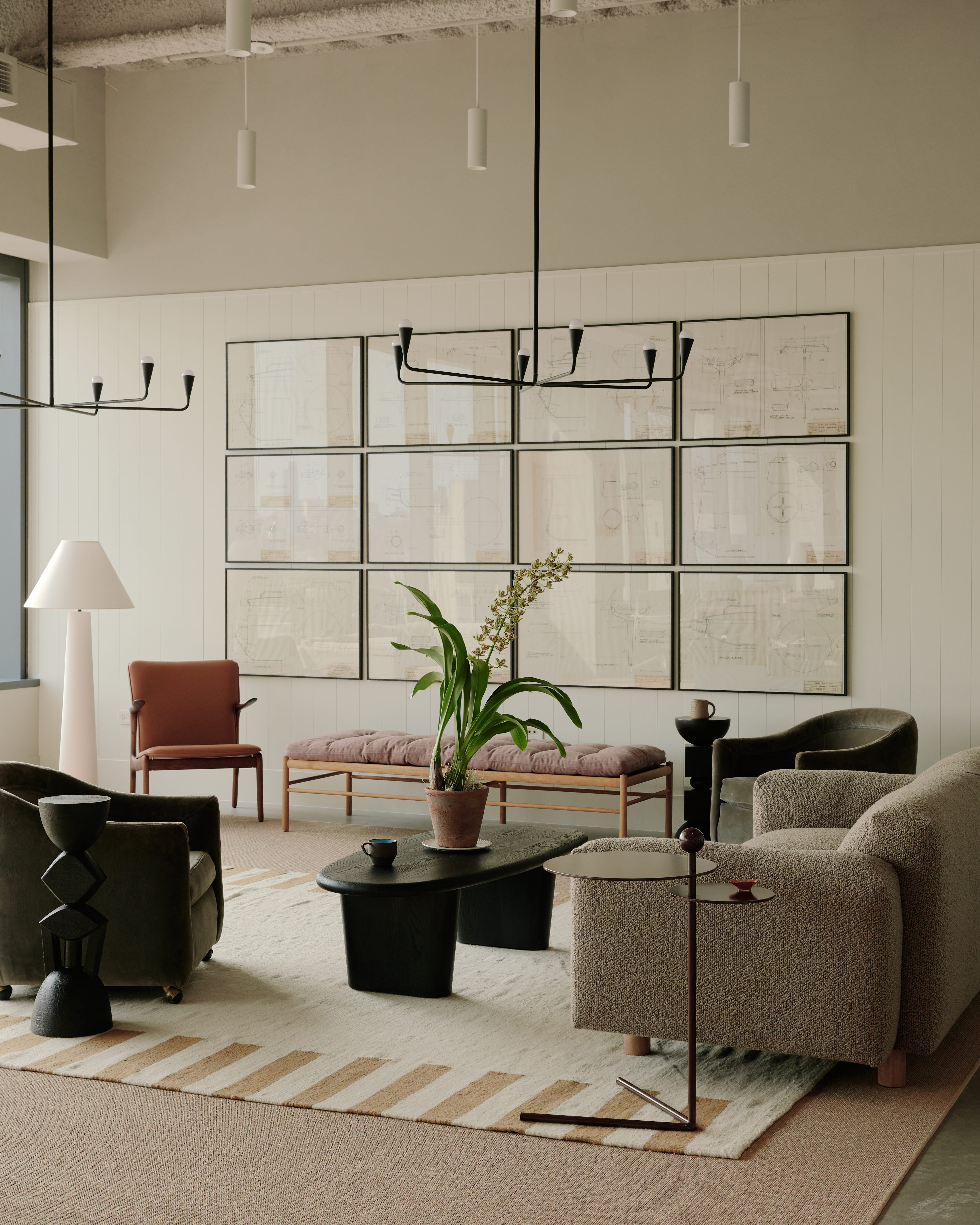
There is something about the transition into the warmer months that naturally makes people reassess the spaces they inhabit. At home, this instinct feels automatic. We tackle closets and garages that haven’t seen the light of day, windows are flung opened, furniture gets rearranged and rearranged again, and suddenly there is an awareness of what has quietly accumulated over the winter months. But in workplaces, this almost never happens.
Most offices operate under fiscal quarters, deadlines, launches, and deliverables, but rarely to the natural shifts happening around the people inside them. The lighting stays the same. The meeting cadence stays the same. Even as the city changes outside the windows, many workplaces continue moving forward as though nothing around them has shifted.
Lately, I have been thinking about how much offices could benefit from seasonal check-ins, not from an operational standpoint alone, but from a human one.
At our New York City based design firm, Float Studio, we spend a lot of time talking about how spaces function physically, but also emotionally. The design of a workplace does not exist in isolation. It is connected to the neighborhood around it, the rhythm of the city, the emotional state of the team, and the energy people carry with them into the office each day. Once I really understood that, it changed the way I thought about workplace culture entirely.
Within Float, my role has naturally evolved into being one of the caretakers of the organization. It is collaborative, of course, but I spend a great deal of time thinking about the organism that is our business and the people inside it. I consider what motivates people and what energizes them, as well as what creates friction, and ultimately how a space supports or inhibits those things. Designing workplaces for clients and thinking about the culture within our own studio are deeply connected practices for me because both rely on the same awareness: people do not work in a vacuum. And the transition into the warmer months, interestingly, tends to reveal that more clearly than any other time of year.
There is an energy shift that happens collectively once winter begins to loosen its grip, especially in cities like New York where people spend months moving between apartments, offices, and dark evenings with very little pause in between. Spring brings people back into the world a bit and by the time Summer is in full swing, there is more openness to gathering, more curiosity, more willingness to reconnect. New ideas tend to emerge more easily this time of year. Teams often feel more optimistic, more social, more energized.
The workplace should respond to that.
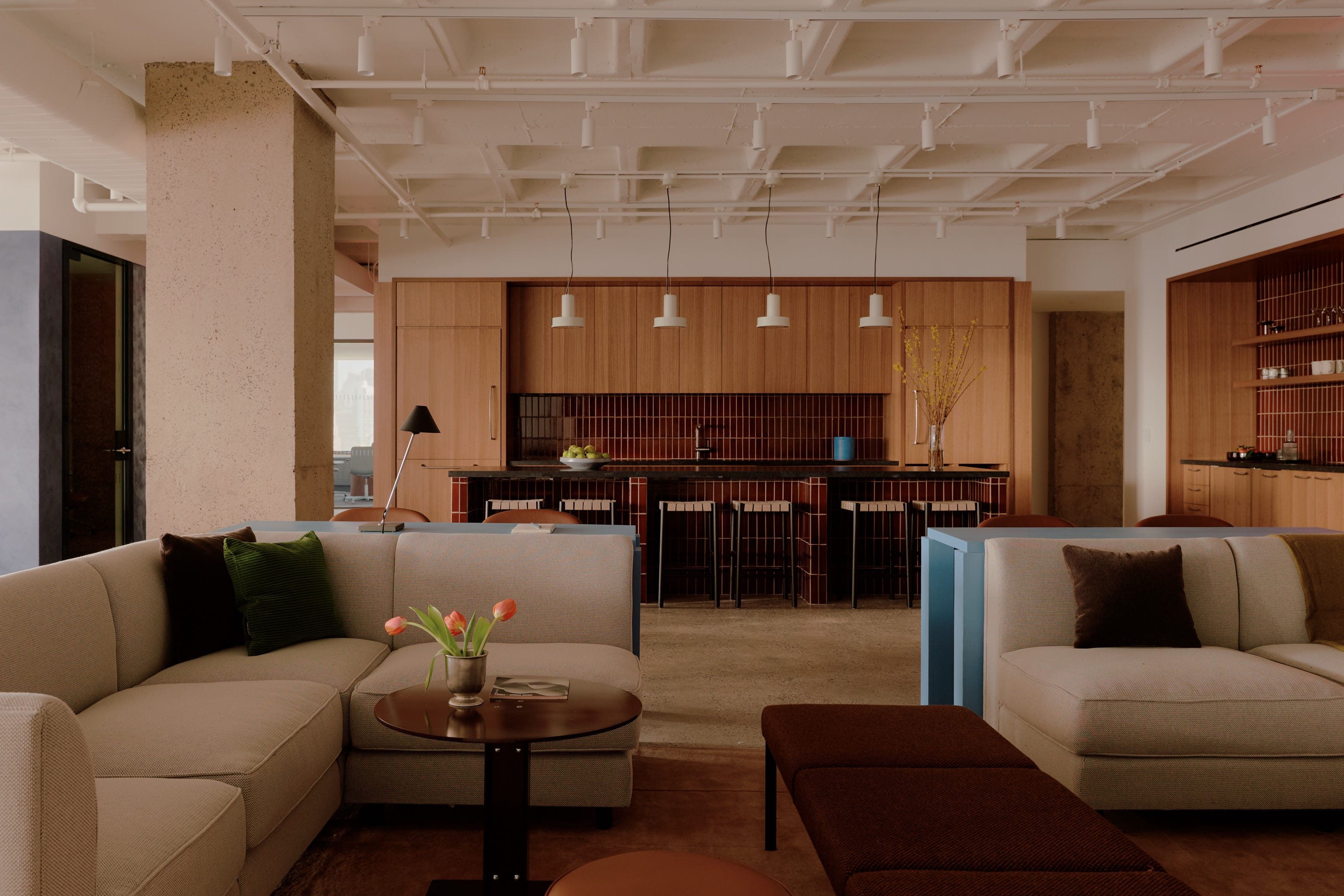
One of the simplest ways to start is by inviting people into your space. Host a gathering. Plan a team dinner. Bring clients in for drinks. It is amazing how quickly you begin to notice your office differently once outsiders are walking through it! The piles that have become invisible suddenly stand out. The awkward circulation path reveals itself. The furniture that no longer supports how your team works becomes obvious. Spaces fade into the background when we see them every day, but bringing fresh eyes into the environment forces a kind of reset.
It also creates an opportunity for reconnection internally. Offices have spent the last several years trying to answer what it means to gather again after the pandemic, and while hybrid work has changed expectations permanently, I still believe people want places worth coming into. Particularly in New York, where so many people live in small apartments, the workplace can offer something emotionally expansive if it is designed thoughtfully. Not just aesthetically, but culturally.
A connection to the outside world is often what workplaces are missing most.
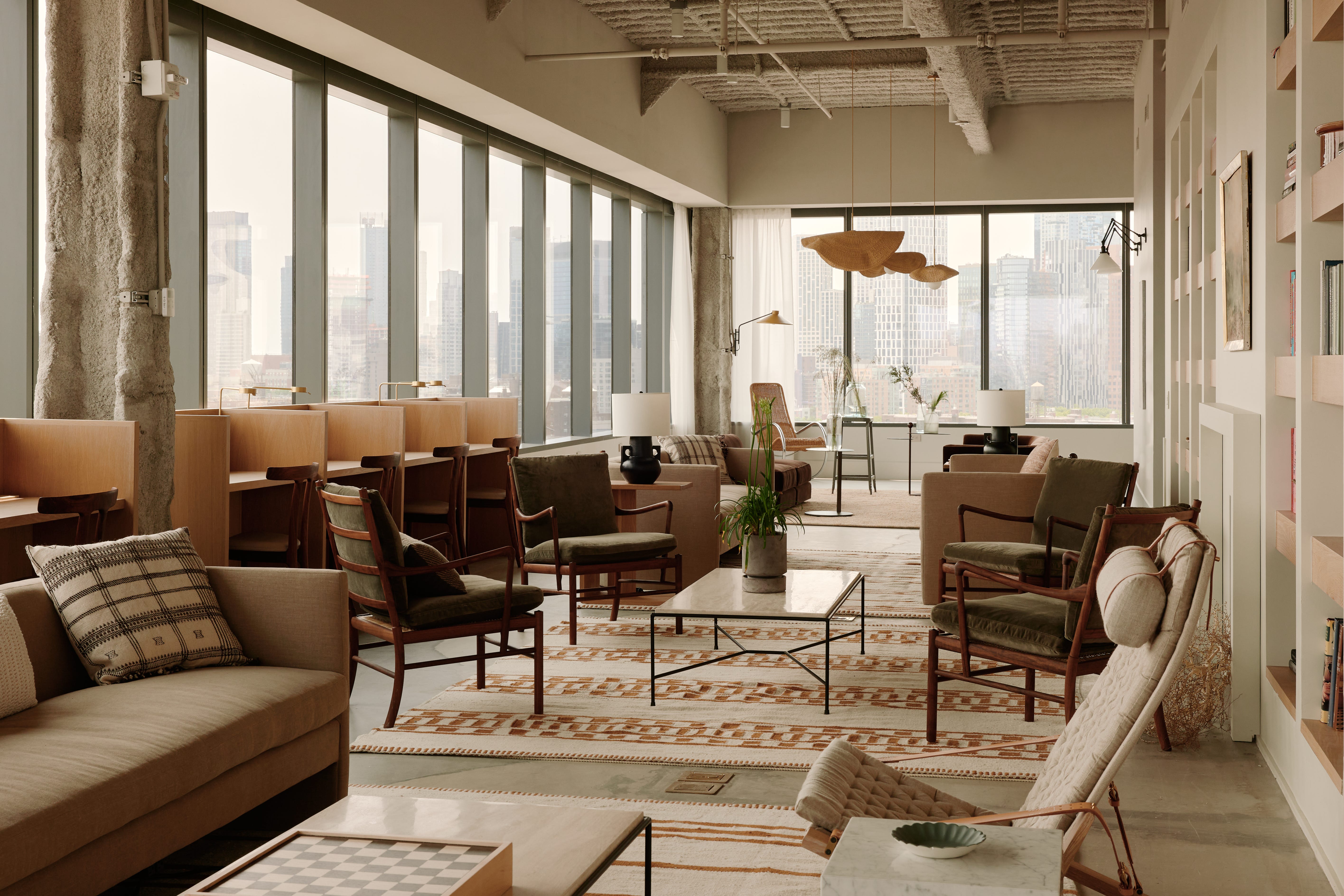
There is a reason casinos and airports feel disorienting. They disconnect you from time, weather, and place. Offices can accidentally do the same thing. People arrive in the morning, sit beneath static lighting all day, eat lunch at their desks, and leave after sunset having barely interacted with the actual world around them. Over time, that disconnect affects morale more than most companies realize.
The workplaces that feel healthiest tend to maintain some relationship to nature, daylight, seasonality, and the surrounding city. Sometimes that happens architecturally through natural materials, dynamic lighting, or spaces that shift throughout the day alongside changing light conditions. Sometimes it happens behaviorally through programming and rituals like taking meetings outside, and using the rooftop patio that sits empty most of the year. Let your teams work outdoors on the warm days of the season instead of pretending everyone should sit inside under fluorescent lights! These things sound small, but they have an enormous cumulative effect on how people feel.
Lighting, especially, plays a major role. One of the things we think about often in workplace design is how to create multiple lighting conditions that support different moods, seasons, and times of day. Winter afternoons in New York require a very different atmosphere than bright summer mornings. Layered lighting, softer ambient sources, and warmer tones can help offices feel more connected to natural rhythms instead of visually fighting against them.
Materiality matters too. We like to incorporate natural woods, textured fabrics, stone, and materials that visibly age over time tend to ground people psychologically in ways synthetic environments often do not. There is comfort in spaces that acknowledge the passage of time rather than resisting it completely.
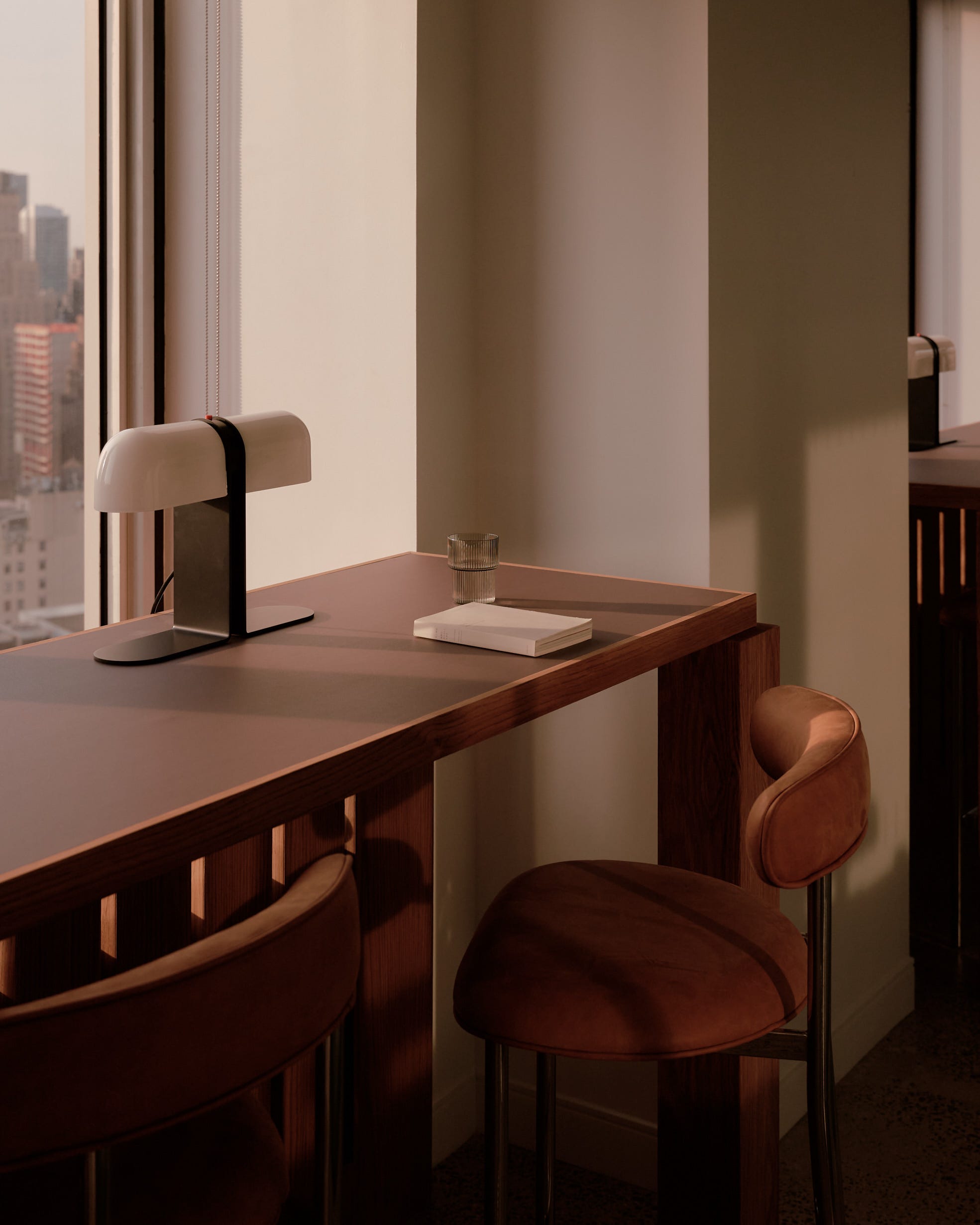
I think people are craving that connection and orientation more than ever right now. As workplaces continue evolving, there is understandably so much focus on efficiency, flexibility, and performance metrics. But there is also another layer that deserves equal attention, which is the emotional ecosystem of a team. The energy inside a workplace is not static. It changes throughout the year. And the best workplaces that we have designed, recognize that and make room for it.
This time of year simply happens to be a very good reminder.
Not because every office needs a dramatic redesign every season, but because organizations, like homes, benefit from moments of pause where people step back, reassess how things are functioning, reconnect to one another, and ask whether the environment still reflects who they are becoming.
In many ways, that is the real work of workplace design. Not creating static spaces that look good on opening day, but creating environments capable of evolving alongside the people inside them.
—Nina, Co-founder of Float Studio
Comments
Nothing yet. Say the first thing.
Sign in to join the conversation.