
This article is written by Nina Etnier, Co-founder at Float Studio.
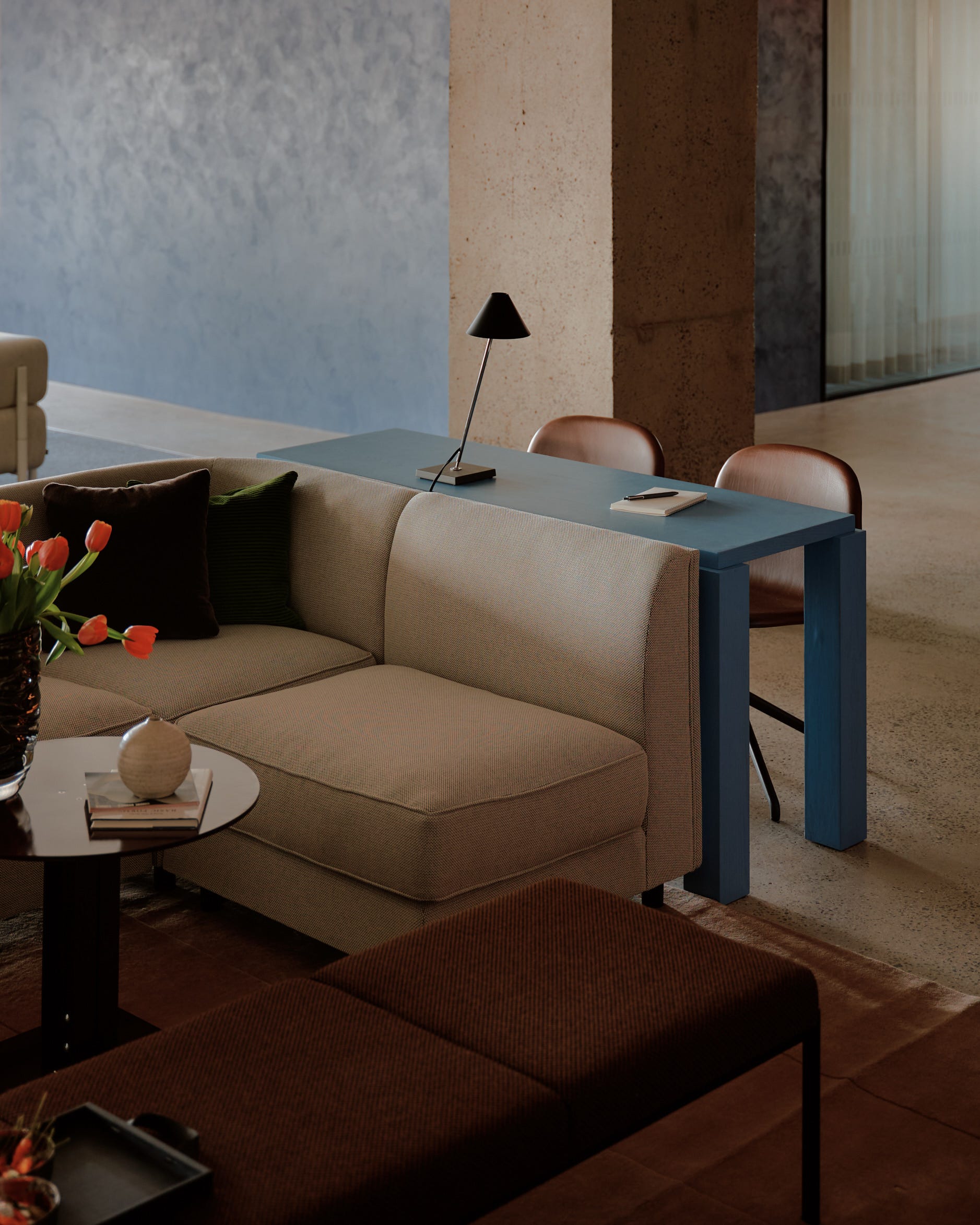
At Float Studio, clients often come to us wanting a workplace that “feels elevated” or “looks beautiful,” but underneath that request is usually something much deeper. What they are often really asking for is a space that helps people feel better inside of it. Which is why we’re always designing for more collaborative, connected, and focused workspaces. The aesthetics matter, of course, but they are never the whole picture.
The workplaces that function best are almost always the ones where leadership is willing to engage thoughtfully with the actual experience of the people using the space every day. That requires listening, curiosity, and a willingness to ask questions that go beyond square footage or headcount projections.
What is energizing your team?
What is quietly draining them?
Does the workplace support the way people actually work, communicate, focus, collaborate, and reset throughout the day?
Has the office simply become a container for productivity without much consideration for the people inside it?
These are the conversations we find ourselves having more and more lately, particularly as companies move faster than ever before. Compressed timelines have become increasingly common, especially within rapidly growing industries where teams scale quickly, leases are signed quickly, and offices are built under immense pressure to open fast. In that kind of momentum, it becomes very easy to prioritize efficiency over reflection. The result is often a workplace that functions operationally, but misses the opportunity to respond meaningfully to the culture, rhythms, and personalities of the team itself.
What gets overlooked in those moments is that every workplace communicates something, whether intentionally or not.
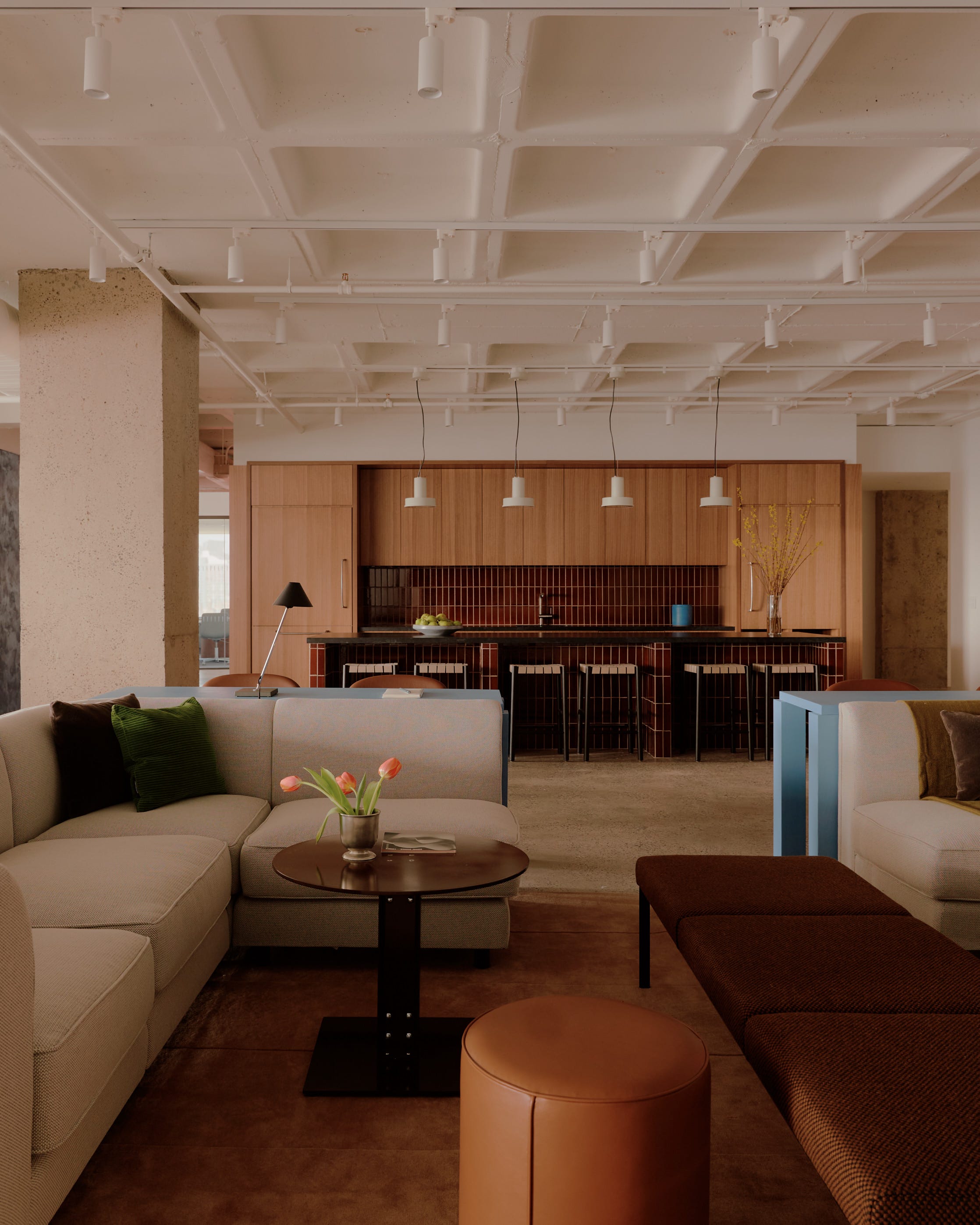
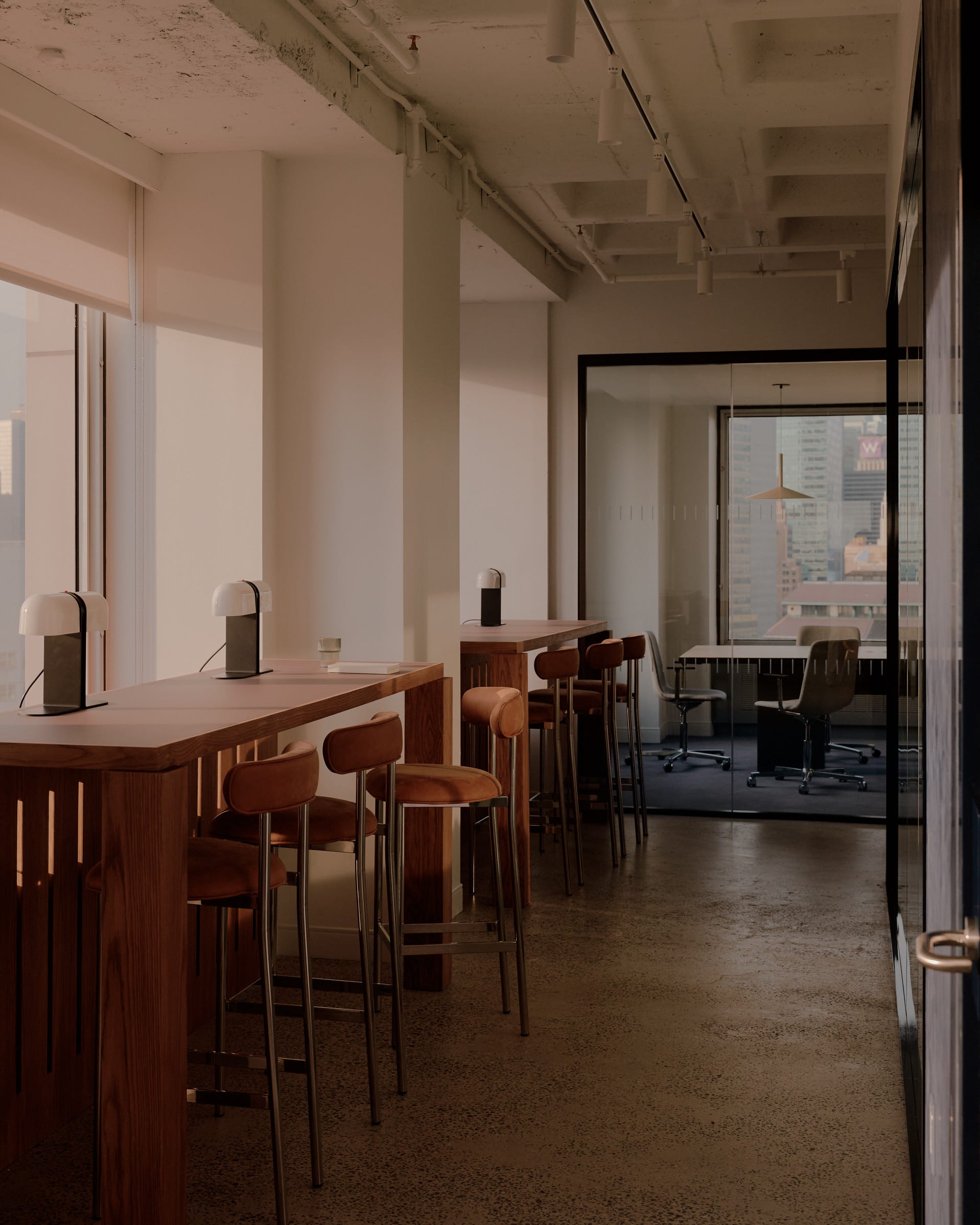
The environment itself becomes a reflection of organizational values. If the office supports people thoughtfully, employees feel it immediately, and if the space ignores acoustics, privacy, comfort, workflow, or emotional wellbeing, they feel that too. The physical environment becomes a daily signal of what matters to the organization and, equally important, what does not.
At Float Studio, Brad and I think about this constantly, both in the spaces we design for clients and within our own studio. The design of a workplace is never isolated from the larger context surrounding it. Leadership styles, communication structures, operational goals, employee wellbeing, growth ambitions, and even the personality of a team all shape the way a space should function.
Workplace design is not simply a visual exercise. It is operational, emotional, and cultural all at once.
One thing we have learned over the years is that the most successful workplace projects rarely begin with furniture or finishes. They begin with dialogue. Some of the most valuable conversations we have with clients involve questions that have very little to do with aesthetics.
What aspects of your culture feel essential to preserve?
Where do you think there is room for improvement?
How does your team collaborate best?
Do employees need quiet focus areas, highly social environments, or a balance of both?
Is hierarchy important to the structure of the organization, or does the company operate more fluidly?
What kind of atmosphere helps people feel motivated, safe, and supported?
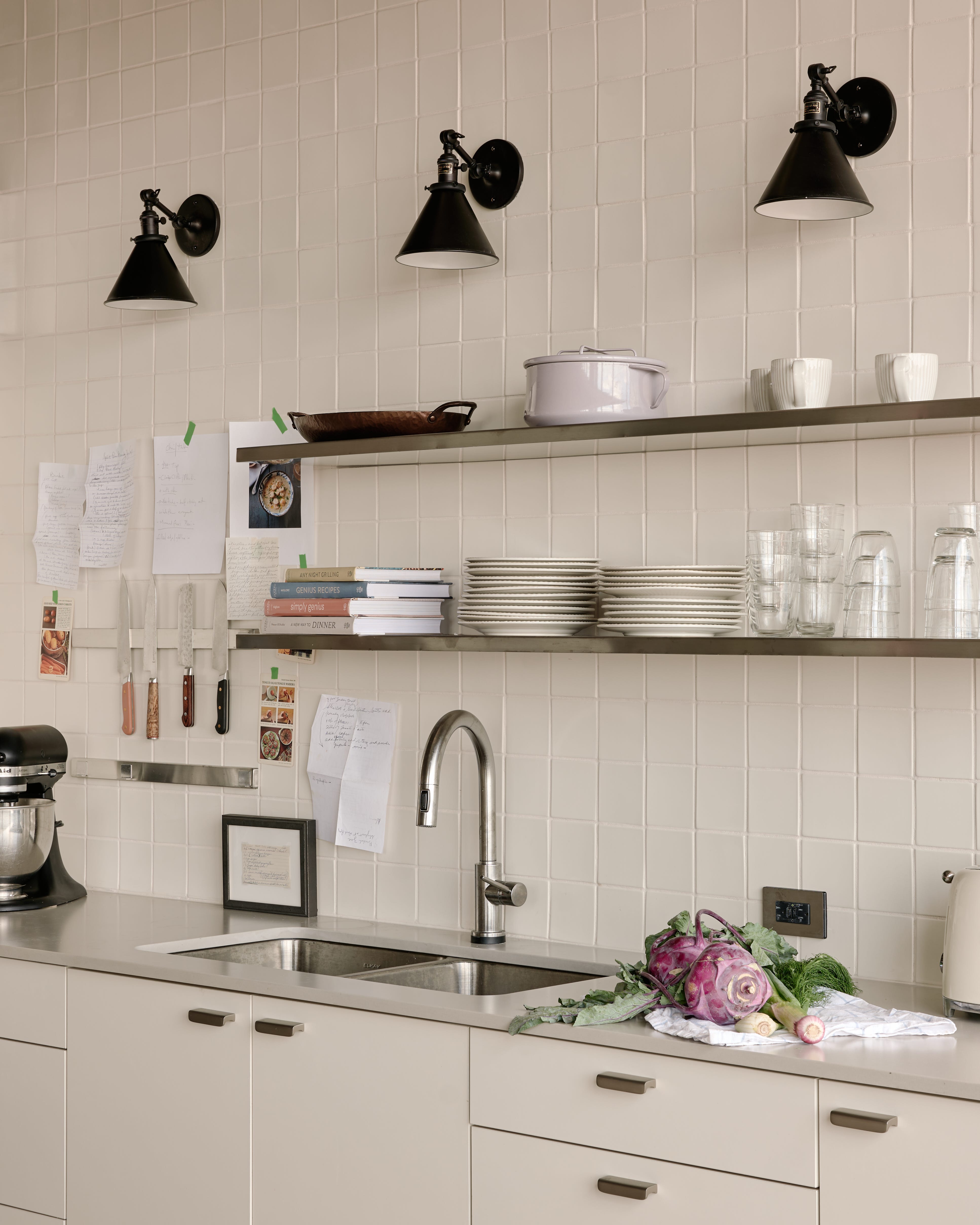
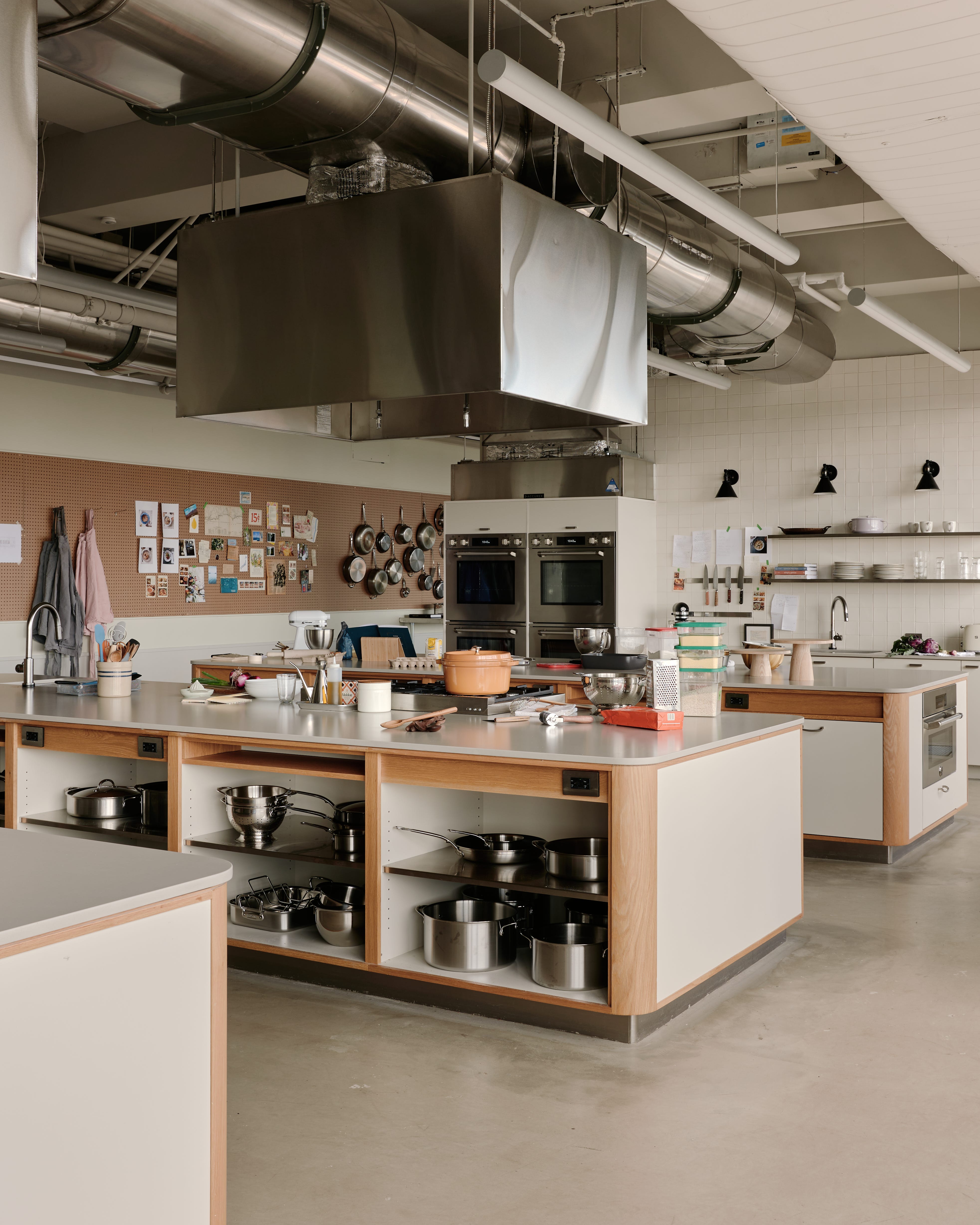
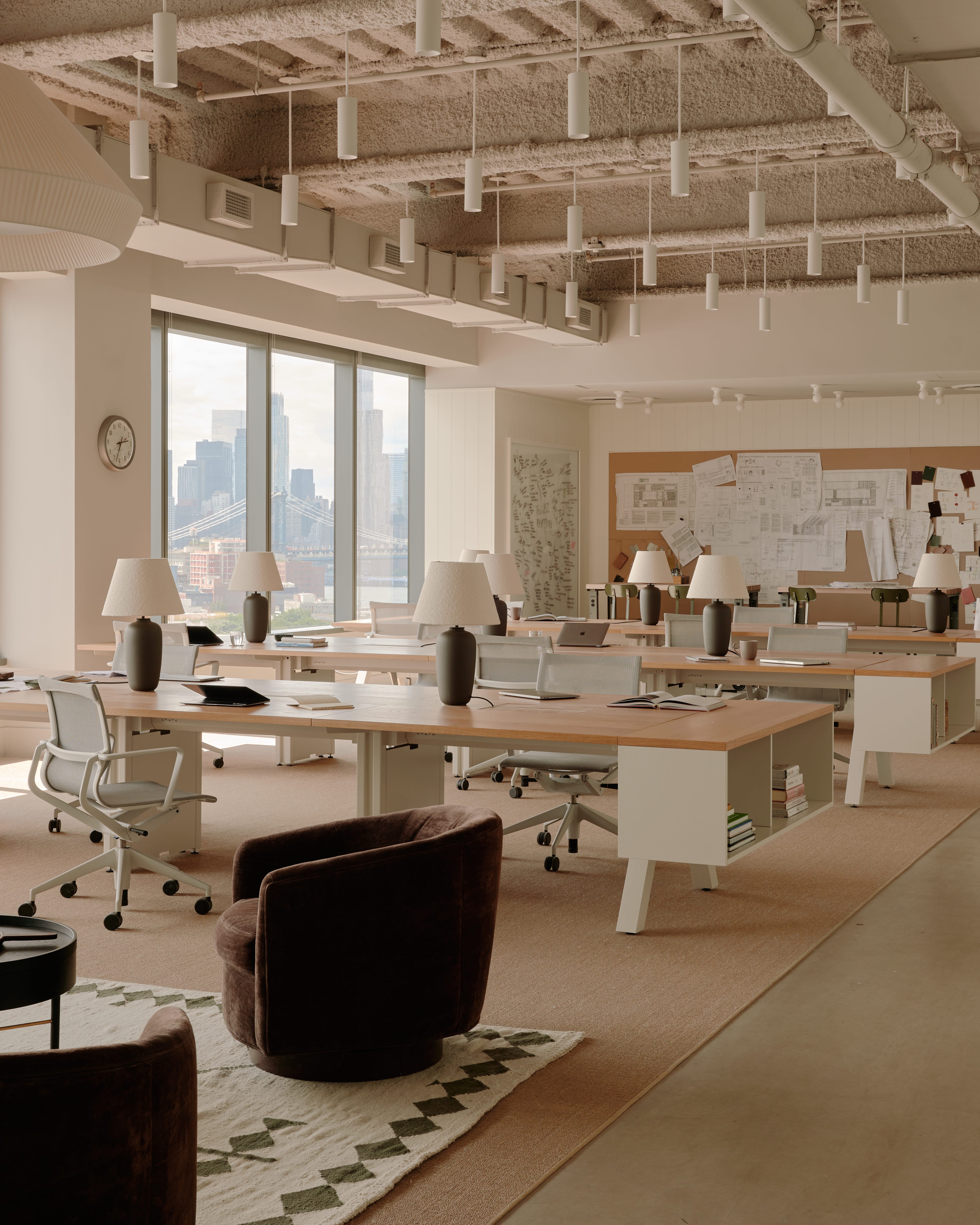
There is often pressure for organizations to emulate what they think a successful workplace should look like, particularly now when so many offices are shaped by the same visual references and trends. Companies absorb the aesthetics of the “modern office” without necessarily questioning whether those ideas genuinely support the people working there. But the workplaces that resonate most deeply are rarely the ones trying to imitate everyone else. They are the ones that respond honestly to the people already inside them.
One of the clearest examples of this for us was in designing a space for Understood, a non-profit organization focused on supporting neurodiverse individuals and people with learning differences across the United States. From the beginning, the conversation was never simply about creating a visually compelling office. The larger focus was what it actually felt like to exist within the space physically and emotionally. ADA accessibility and neurodiverse considerations informed every decision, from acoustics and lighting to heating, materiality, circulation, and the transitions between spaces. The result was an environment that felt calm, intuitive, and supportive, not only for neurodiverse employees but for everyone using the workplace.
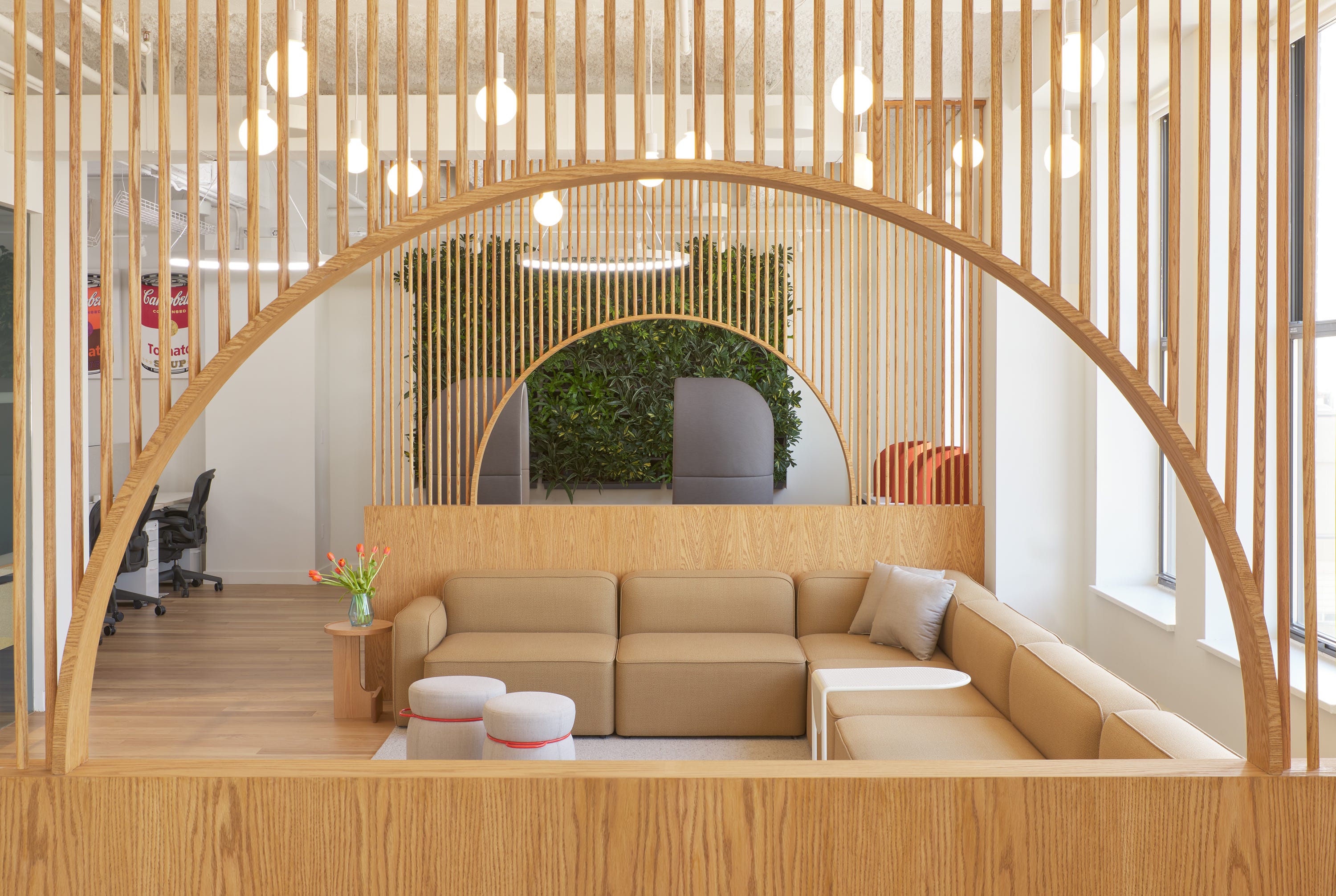
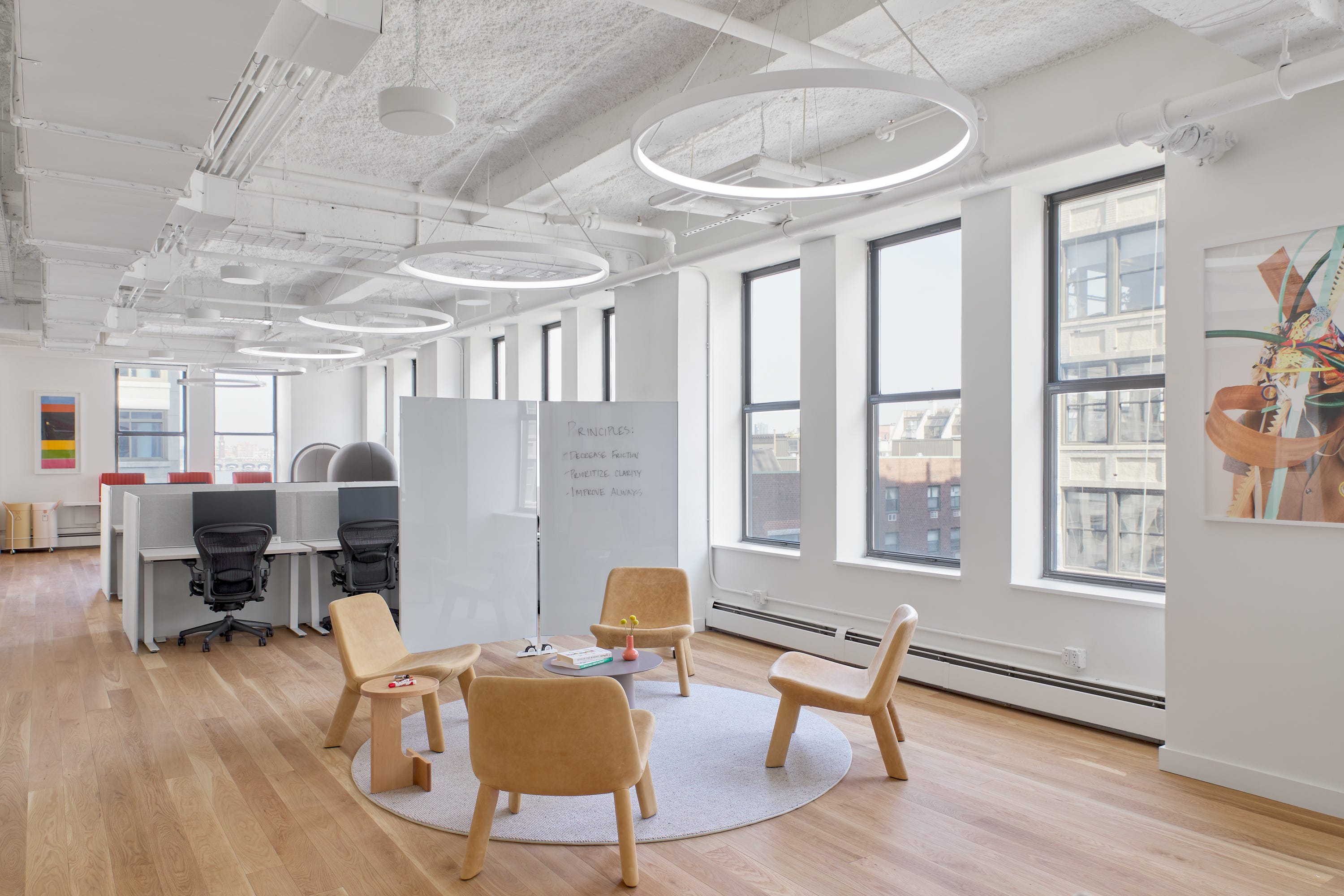
That project reinforced something we believe strongly: when you design thoughtfully for a broader range of human needs, the workplace improves universally. Spaces become easier to navigate, more comfortable to work in, less overstimulating, and ultimately more supportive of the people using them every day. That level of care creates a workplace that feels considered rather than merely optimized. And that distinction matters more than ever right now.
Many organizations still approach office design primarily through the lens of appearance or efficiency, but employees are evaluating something much deeper. They are constantly assessing the exchange the workplace offers them in return for their time, energy, creativity, and presence.
Does coming into the office feel meaningful?
Does the environment support connection, focus, collaboration, and wellbeing?
Does it create opportunities for people to do their best work and feel proud of where they spend their day?
Or does it simply ask them to show up?
The offices that resonate most deeply tend to be the ones where people feel genuinely considered. And increasingly, I think employees can feel the difference almost immediately.
—Nina, Co-founder at Float Studio
Thanks for reading Sightlines! This post is public so feel free to share it.
Comments
Nothing yet. Say the first thing.
Sign in to join the conversation.