
If there’s one thing I get asked about more than almost anything else, it’s where to find a desk that actually works at home. It seems like a straightforward question until you start looking. As hybrid work continues to reshape our homes, the demand for furniture that can move comfortably between residential and professional environments has never been greater. Fortunately, the options available today are far more sophisticated than they were even a few years ago. Height-adjustable desks no longer need to resemble office equipment, power integration has become increasingly seamless, and many manufacturers are finally acknowledging that people want performance without sacrificing beauty.
At Float Studio, we spend a lot of time thinking about workspaces, whether we’re designing headquarters for growing companies, creating hospitality-inspired offices, or helping clients carve out a dedicated place to focus within their homes. What we’ve learned is that the desk itself is only one piece of the equation. The best workspace solutions balance comfort, storage, flexibility, and aesthetics in a way that feels effortless.
Below are a handful of desks I regularly recommend, source, or return to for inspiration. Some are contemporary, some are vintage, some prioritize flexibility, and others excel at solving small-space challenges. Together they represent the kinds of pieces that make working from home feel less like an obligation and more like an intentional part of daily life.
Before getting into specific recommendations, there are a few things I always encourage people to think about first.
The first is function. Most people begin their search by looking at aesthetics, but the better question is how you actually work. Do you need storage? Do you spread out materials? Are you primarily working on a laptop or do you have multiple monitors? Do you want your desk to disappear into your home or become a focal point within the room?
The second is ergonomics. One of the biggest misconceptions I see is around sit-stand desks. People often assume the purpose is to stand all day, when in reality the greatest benefit is adjustability. The standard desk height of roughly 29.5 inches is intended to accommodate a wide range of users, but that means it is rarely perfect for anyone. Height-adjustable desks allow the surface to fit you rather than forcing you to fit the desk, which is why we often recommend them in both commercial and residential settings.
The third consideration is placement. The instinct is usually to push a desk against a wall because it feels practical. It simplifies cable management and can make a room feel larger. But some of the most successful home workspaces we’ve designed position the desk differently, taking advantage of natural light, views, circulation, or sightlines (cheeky) through the room. I say it’s worth experimenting before committing!
With that in mind, here are the desks I find myself returning to again and again. If you want to skip the details and go right into the links, you can view The Desk Edit here.
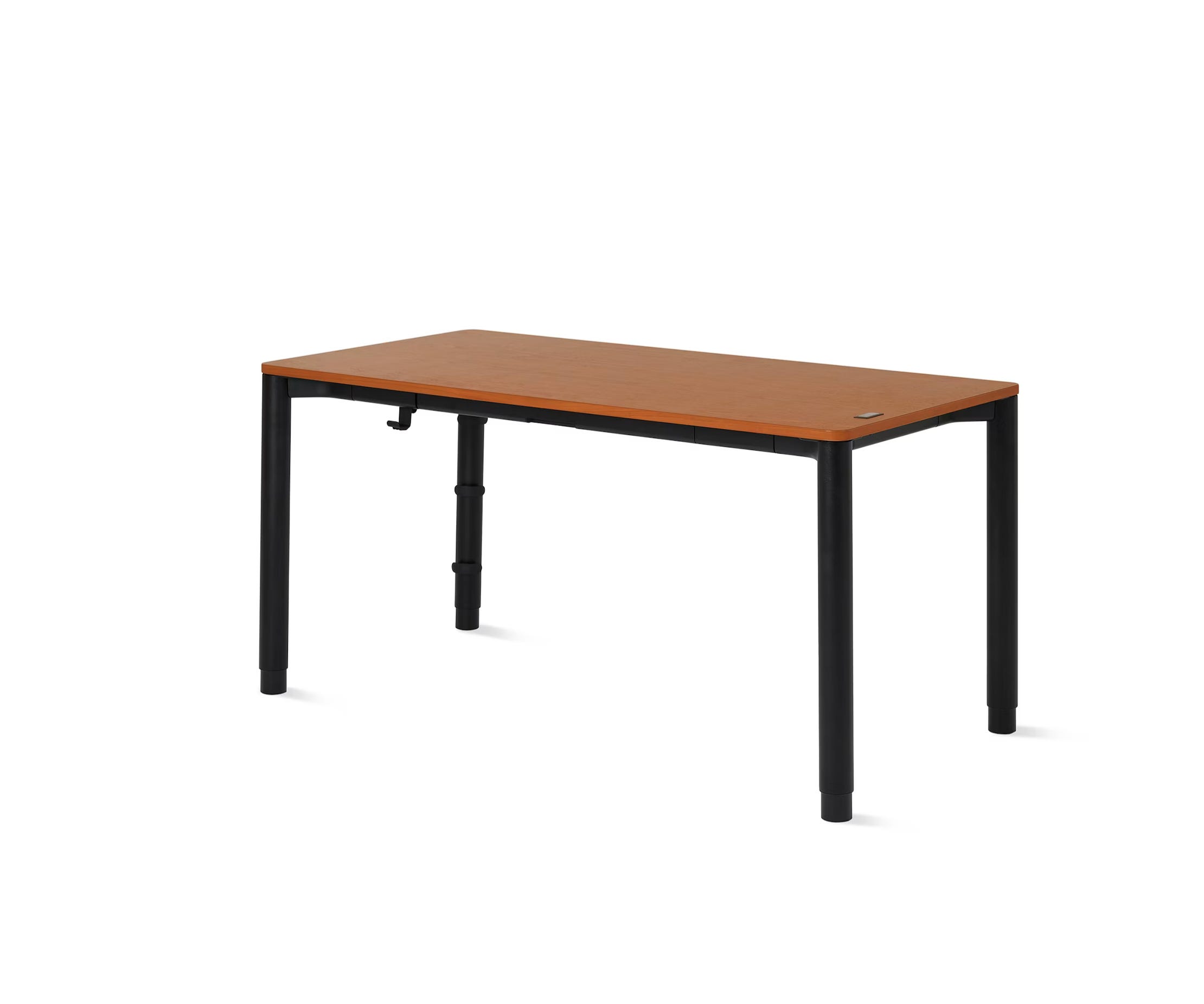
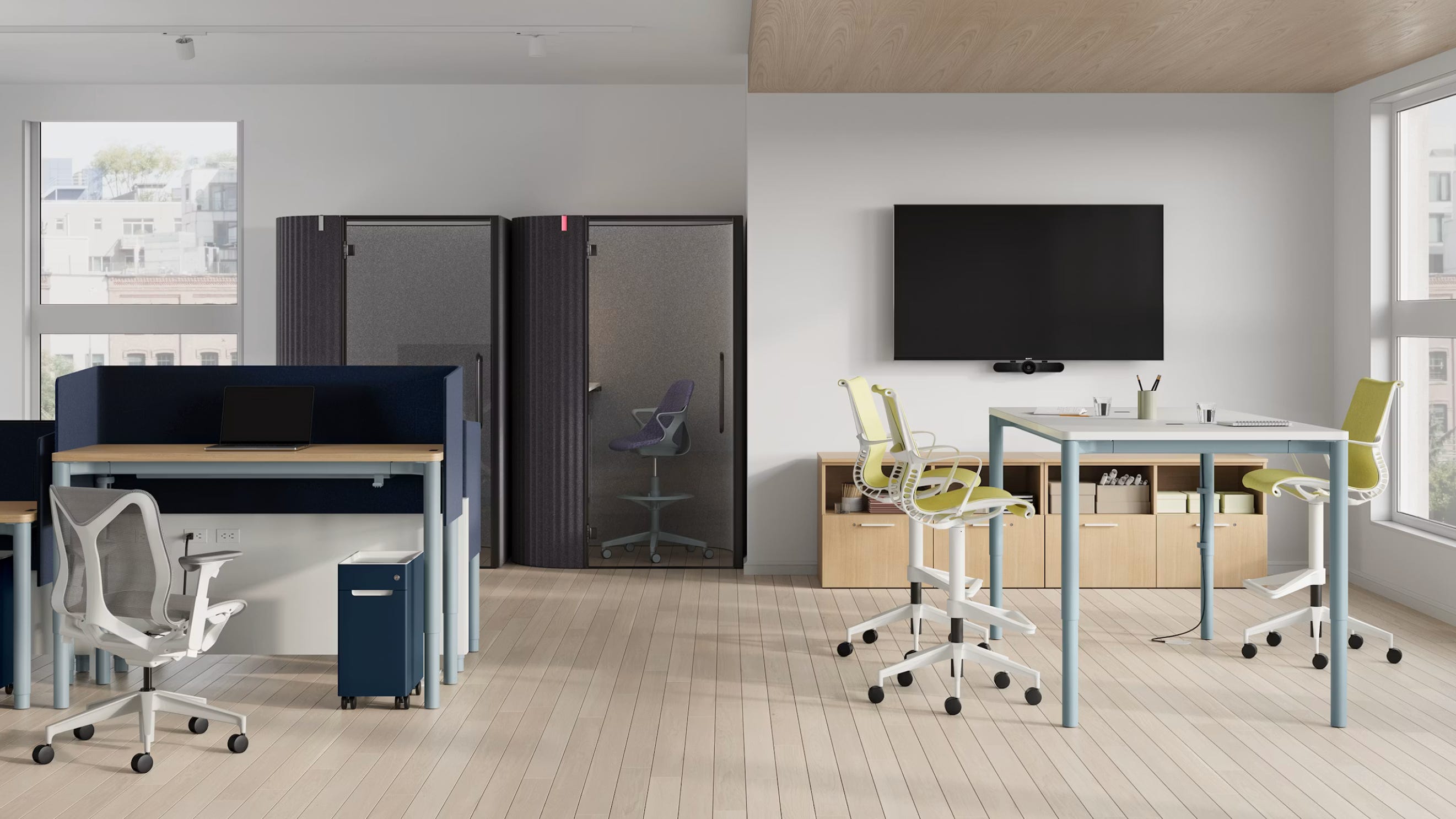
For years, sit-stand desks felt like a compromise. You gained functionality but sacrificed aesthetics. The Spout is one of the first systems that feels equally comfortable in a home or office environment.
The proportions are lighter than traditional commercial desks, the detailing feels thoughtful, and the mechanism disappears into the design rather than defining it. If ergonomics are a priority but you don’t want your home office to feel corporate, this is one of the strongest options currently available.
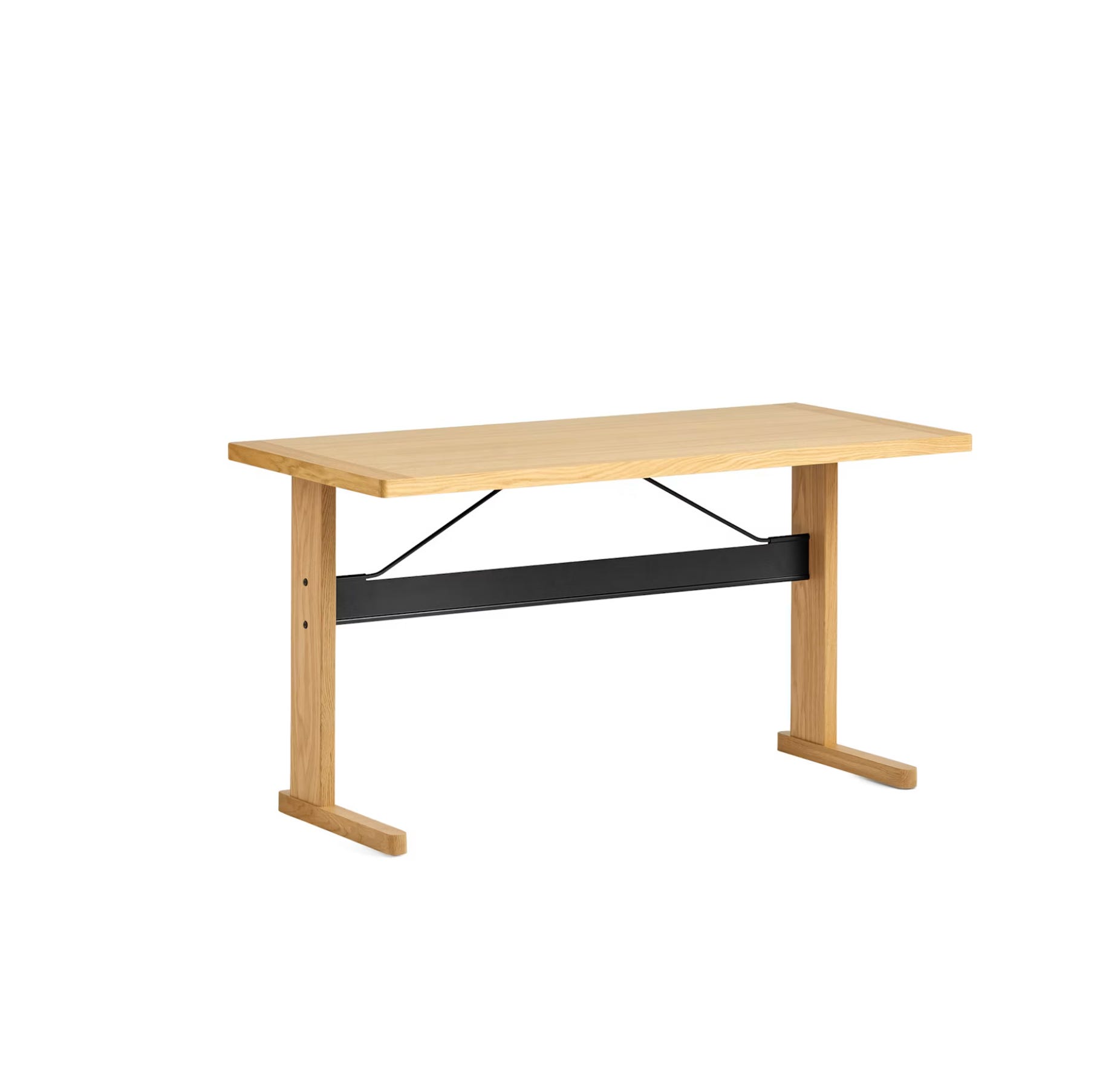
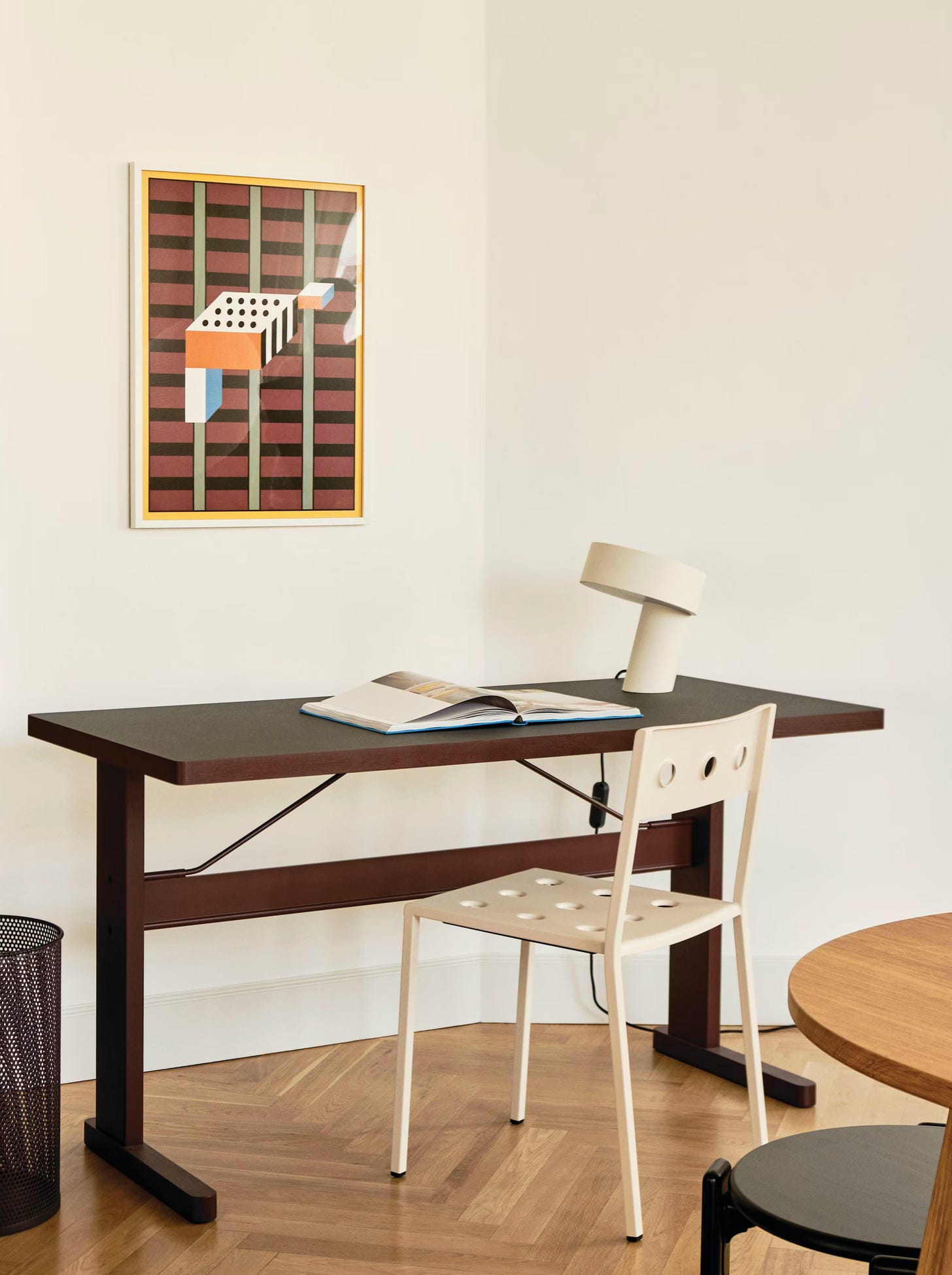
The Passerelle represents what I think residential work furniture should aspire to be. It functions beautifully as a workspace while still reading as furniture first.
The solid wood detailing, architectural lines, and understated presence allow it to integrate seamlessly into living spaces without feeling like office equipment. This is often my recommendation for people who don’t have a dedicated office and need a desk that can coexist with the rest of their home.
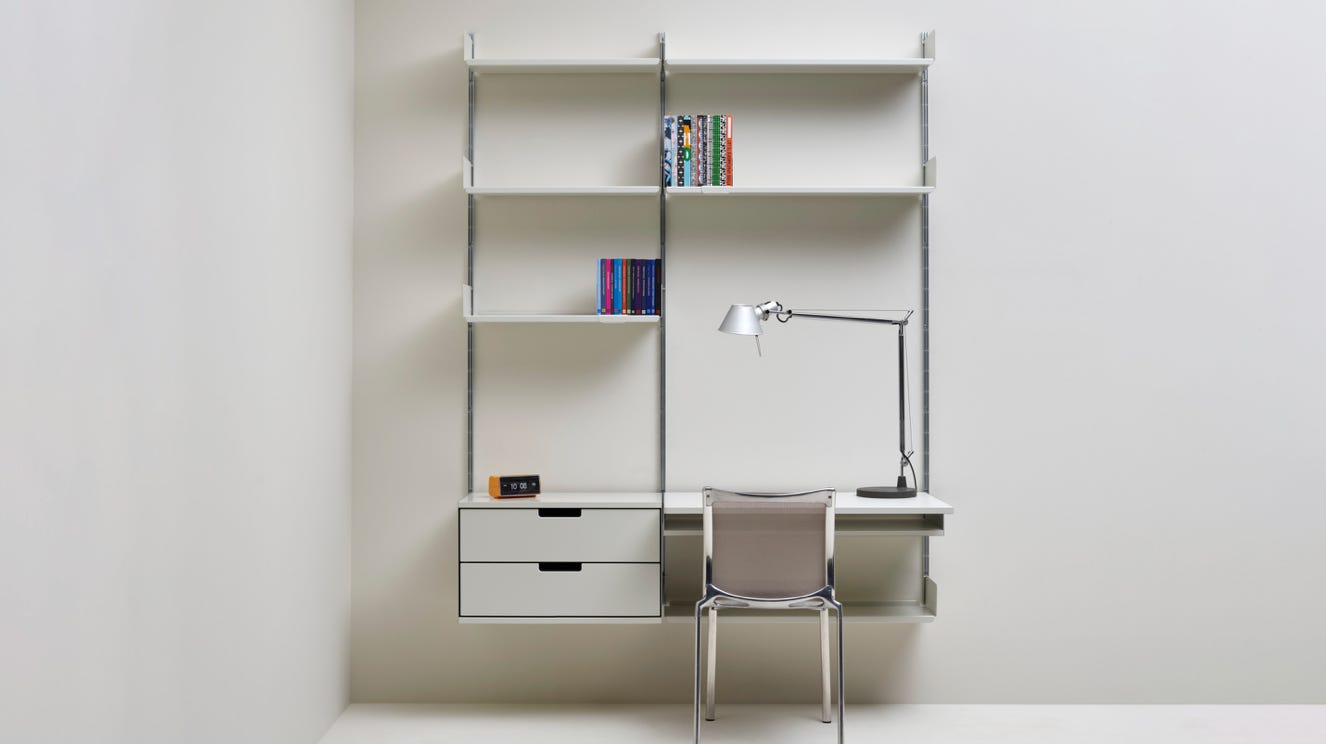
What makes the system so compelling isn’t simply the desk component itself, but the way it integrates storage, display, and workspace into a single solution. Particularly in cities like New York where square footage is limited, combining these functions often results in a much more successful room.
A well-planned Vitsoe system can solve for an entire wall while maintaining a remarkably light visual footprint.
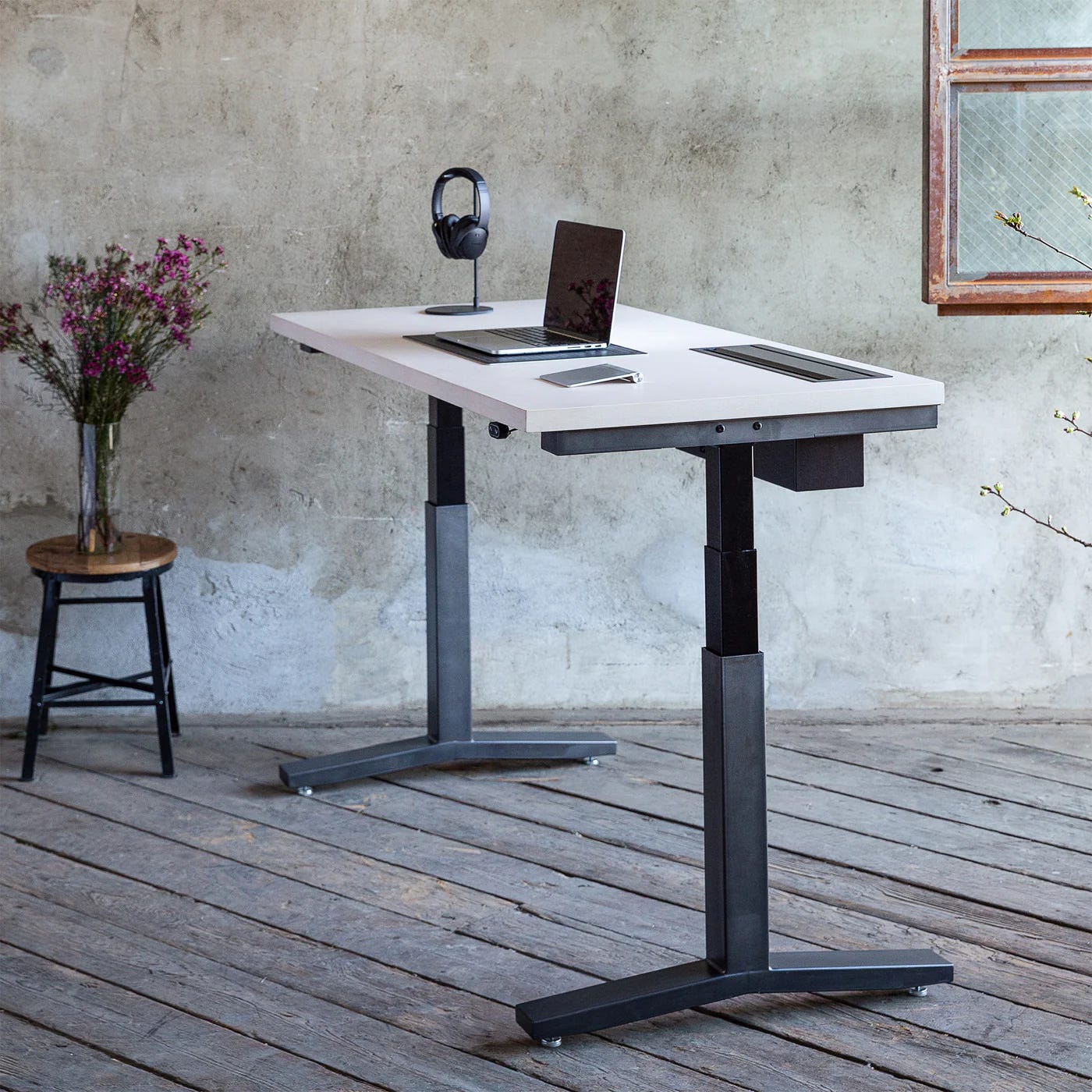
One of the challenges of modern workspaces is managing technology without letting it dominate the room. The Minim Rise Desk addresses this thoughtfully through integrated power solutions and a refined sit-stand system that feels considerably more residential than many of its competitors. The result is a workspace that accommodates contemporary technology while maintaining a sense of calm.
Some of my favorite desks aren’t technically desks at all.
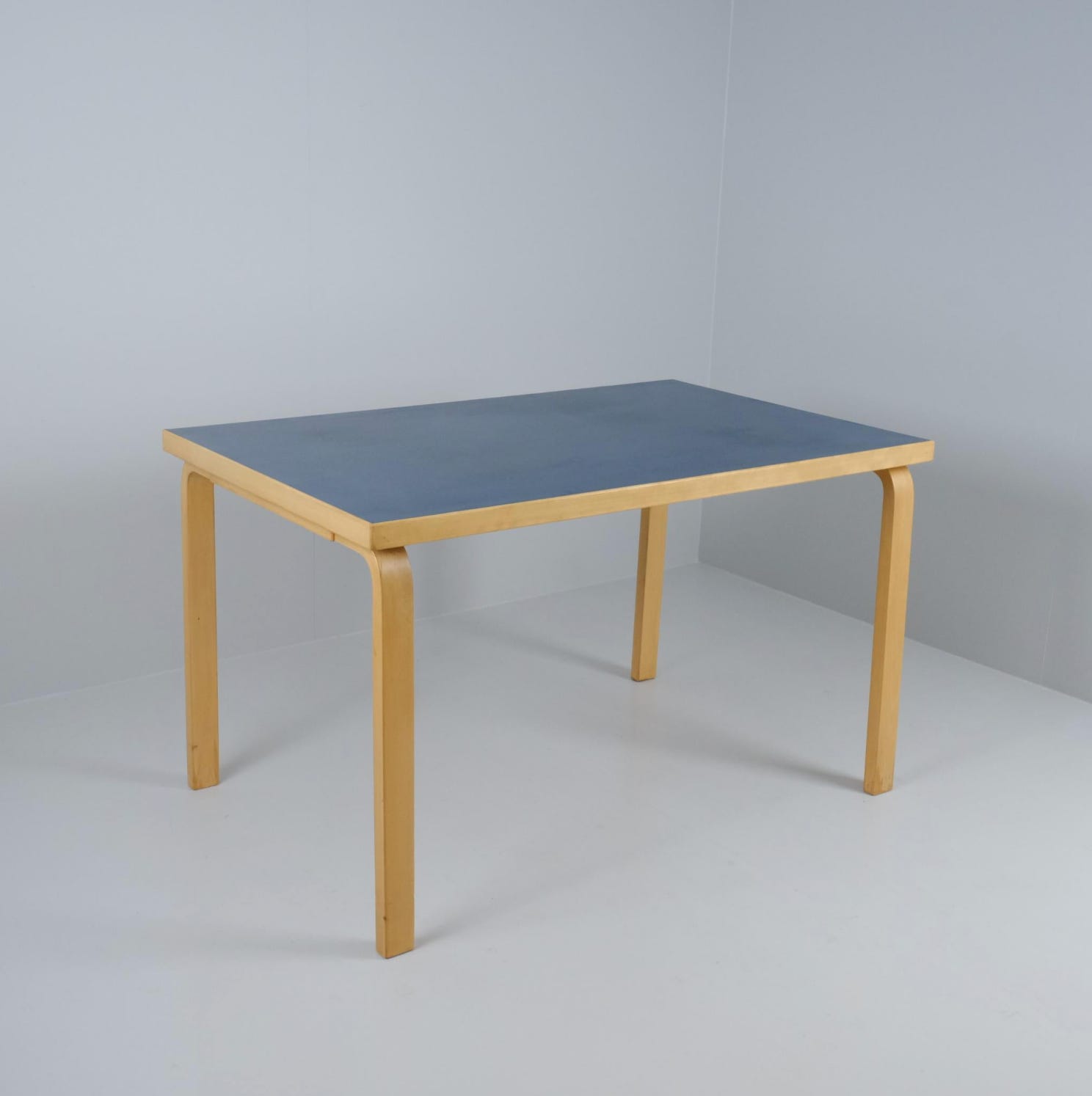
During a trip to Switzerland last year, I found myself continually drawn to Artek pieces because of their versatility. The proportions are timeless, the materials age beautifully, and they integrate effortlessly into almost any interior.
Vintage Aalto tables can make exceptional desks because they bring something many contemporary workstations lack: character. The patina, wear, and subtle imperfections tell a story that develops over decades rather than years.
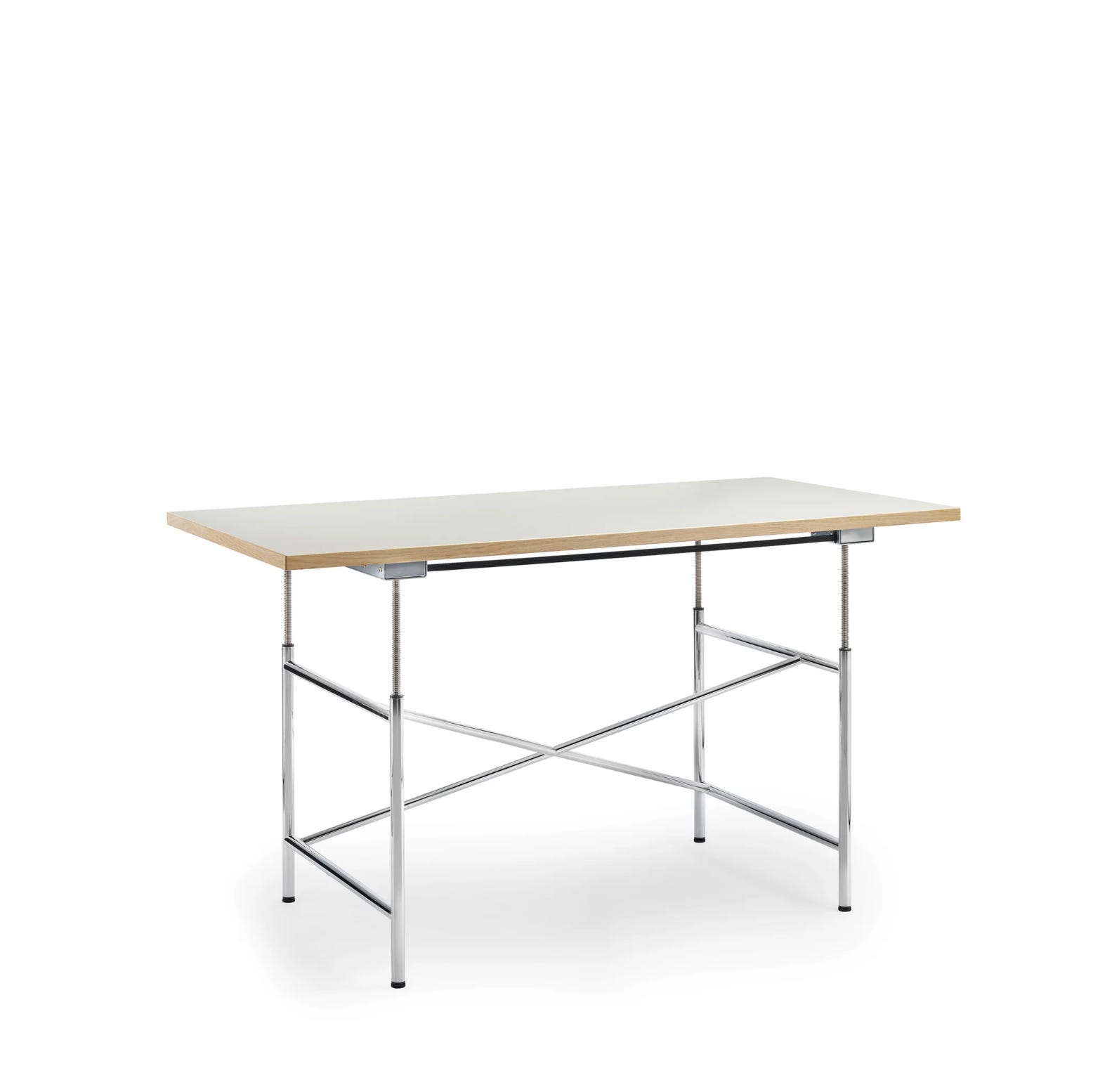
The Eiermann feels almost impossibly simple, which is precisely why I like it.
The exposed frame creates a lightness that allows the desk to disappear visually while still providing a generous work surface. For anyone looking to create a quiet workspace without unnecessary visual clutter, it’s a piece that consistently delivers.
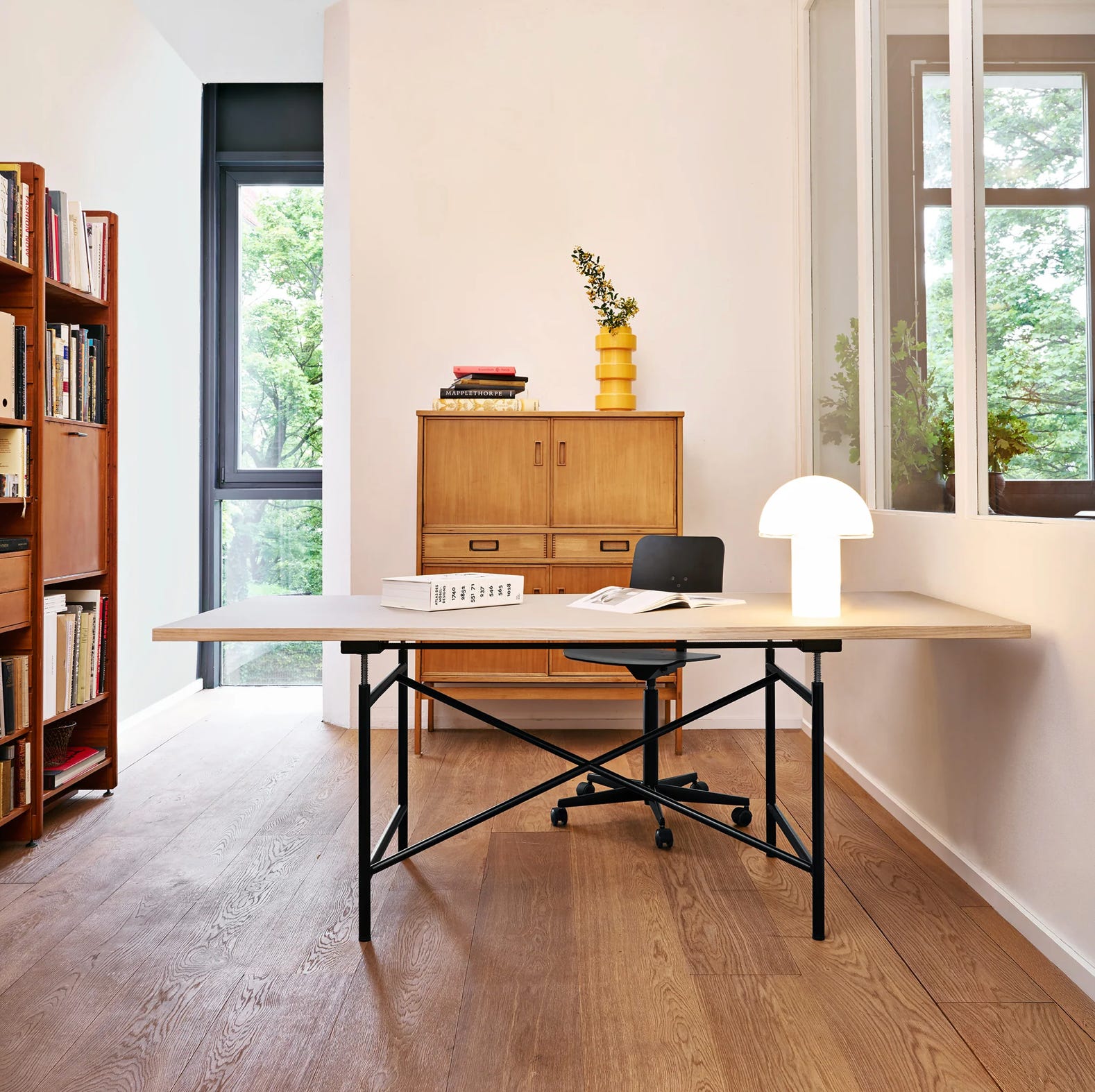
Not every workspace needs to look like a workstation.
The Co Table works particularly well for people whose work blends into the rhythms of daily life. It feels approachable, warm, and residential while still providing enough surface area for focused work. For clients who prioritize atmosphere and aesthetics above all else, it’s often a strong fit.
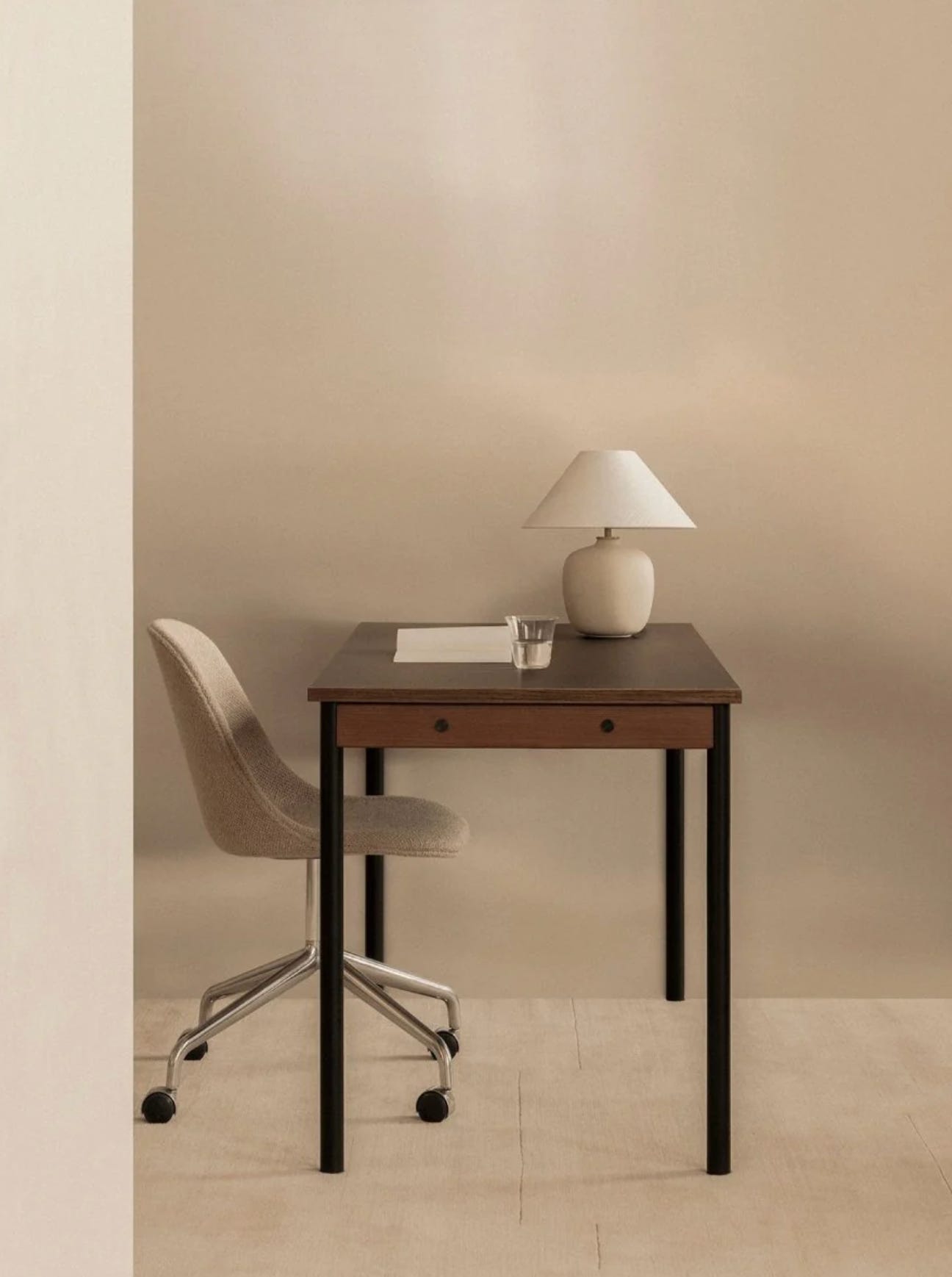
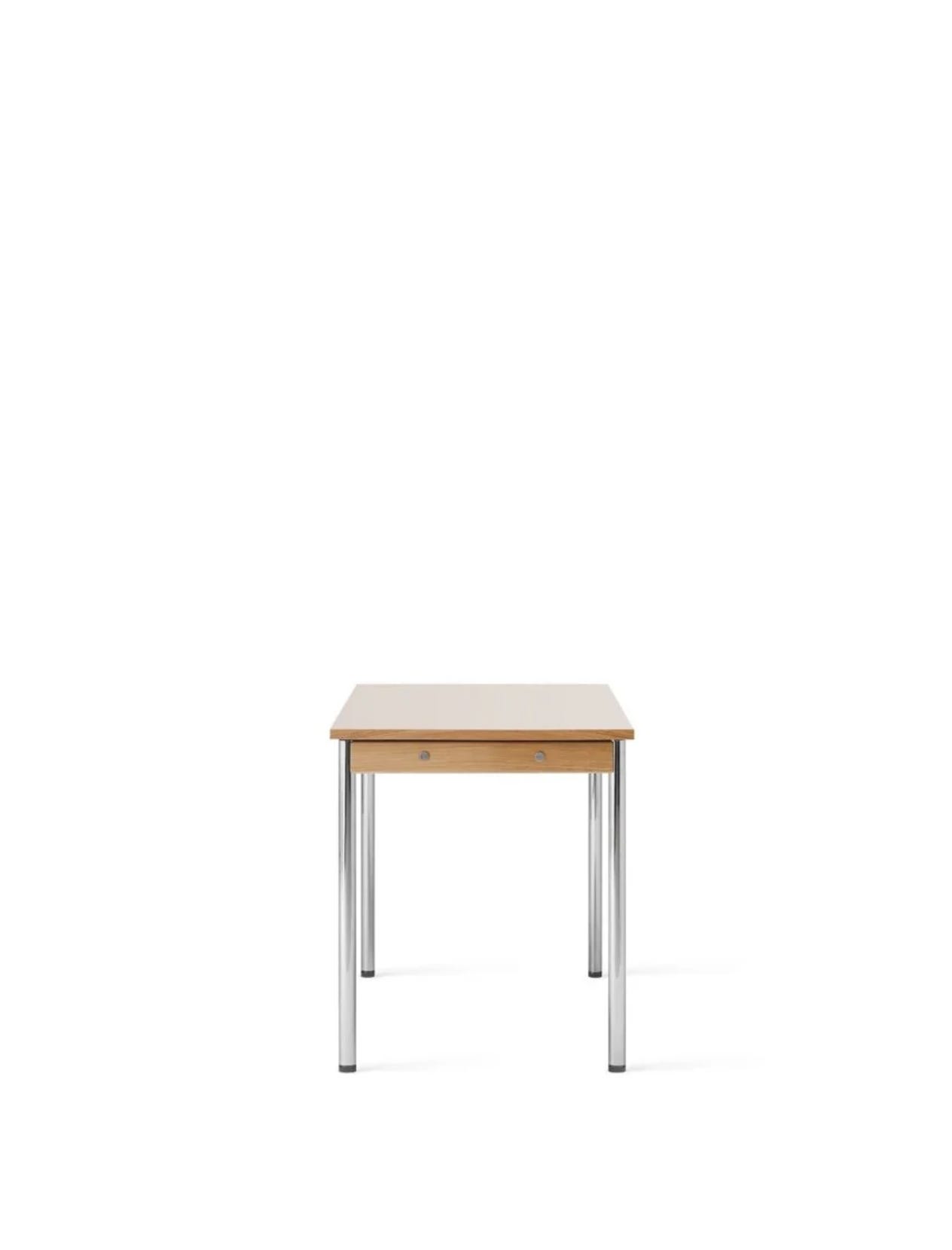
One thing I’ve learned over the years is that the best desk is rarely the one with the most features. It’s the one that supports how you work while fitting naturally into the life happening around it, especially when that workspace is within your home. The future of work may be increasingly digital, but the environments we work within remain deeply physical.
If you’re investing in one piece for your workspace this year, I’d start here. And if you’re looking for something a little different, send me a message or leave a comment and I’ll let you know my recommendation.
Ps. All of these desks are available through my ShopMy: The Desk Edit. Thanks for your support!
—Brad
Thanks for reading Sightlines! This post is public so feel free to share it.
Comments
Nothing yet. Say the first thing.
Sign in to join the conversation.