
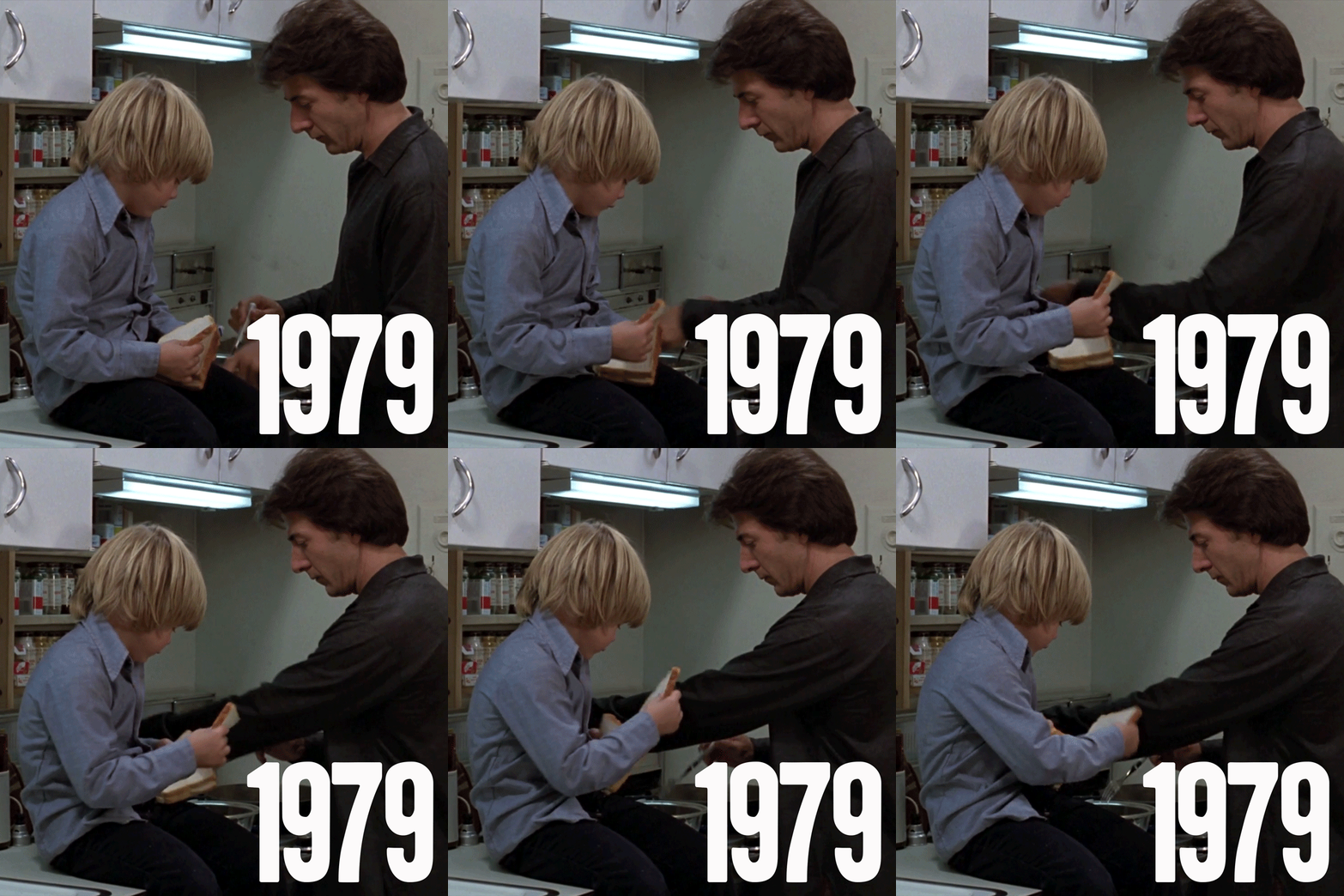
A post for everyone, intended to encourage you to subscribe (the May sale will get you a year of this stuff for half price!). God knows how a post about the history of divorce could possibly do that, though. I need to go on a marketing course or something. Part one, which is about the film, is here.

Privilege, scandal, spectacle. For most of history, divorce wasn’t a routine legal remedy but a big deal reserved for aristocrats and monarchs - an event so socially destabilising that ordinary people couldn’t possibly be allowed to get involved. In Britain before the 19th century you needed an actual Act of Parliament. Even for Kings and nobles it wasn’t something you did on a whim but it was at least an option - especially if there was some territory or treasure or a throne at stake. Everyone else was just trapped. In this era, marriage was less a personal relationship than a structure. Property, inheritance, legitimacy, social order and all that. If you were married and unhappy there was no question of ‘moving on’ because that would mean disrupting a system much larger than your shitty marriage. Sorry.
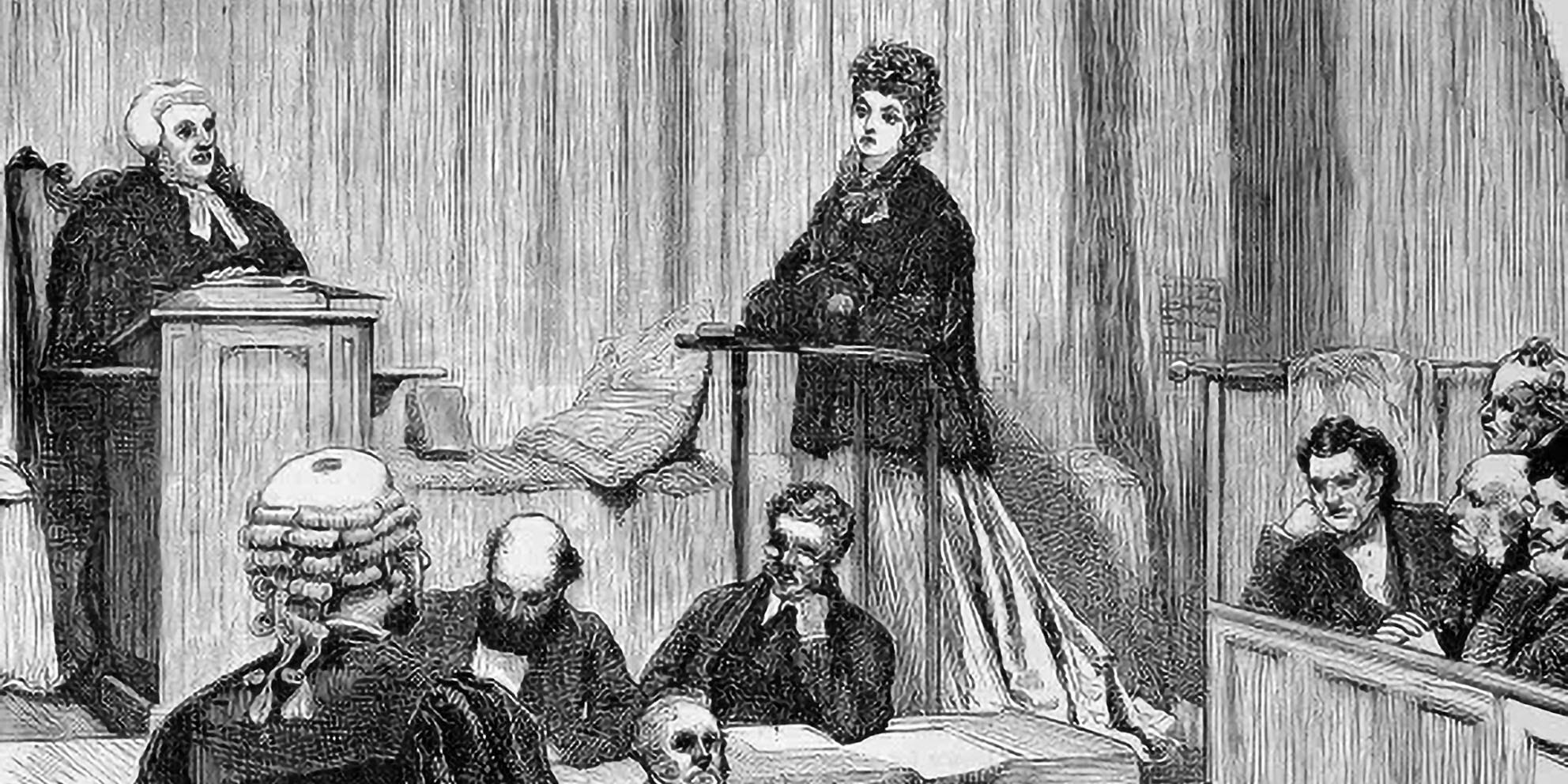
Bureaucracy. But then came industrial modernity and a brand new social class - the bourgoisie - with economic clout and feelings about happiness and fulfilment1. The Western nations now had big, restive urban populations and increasingly self-confident bourgoisies - people who couldn’t be told that if their marriage had fallen apart they’d just have to suck it up - for the rest of their lives. “Fuck that,” they’d say - these educated, economically independent folk - in polite Victorian terms. So governing elites adjusted, absorbed divorce into the administrative state, gave it a new status. In Britain there was the Matrimonial Causes Act of 1857, that moved divorce from Parliament into the civil courts. In America it was a more chaotic, state-by-state thing but the effect was the same and by the middle of the 20th century2 the idea that grown-up couples could separate just because they were unhappy was essentially universal. That’s the shift that made 1979 the peak year for divorce in all of American history - and made Kramer vs. Kramer possible. By this point divorce wasn’t an exceptional political drama any more, but a repeatable legal process. And once divorce became kind of procedural it was thinkable on a larger scale: something people had seen in their friendship groups and neighbourhoods - and it could be absorbed by pop media and the movies as a new social norm: a storyline.
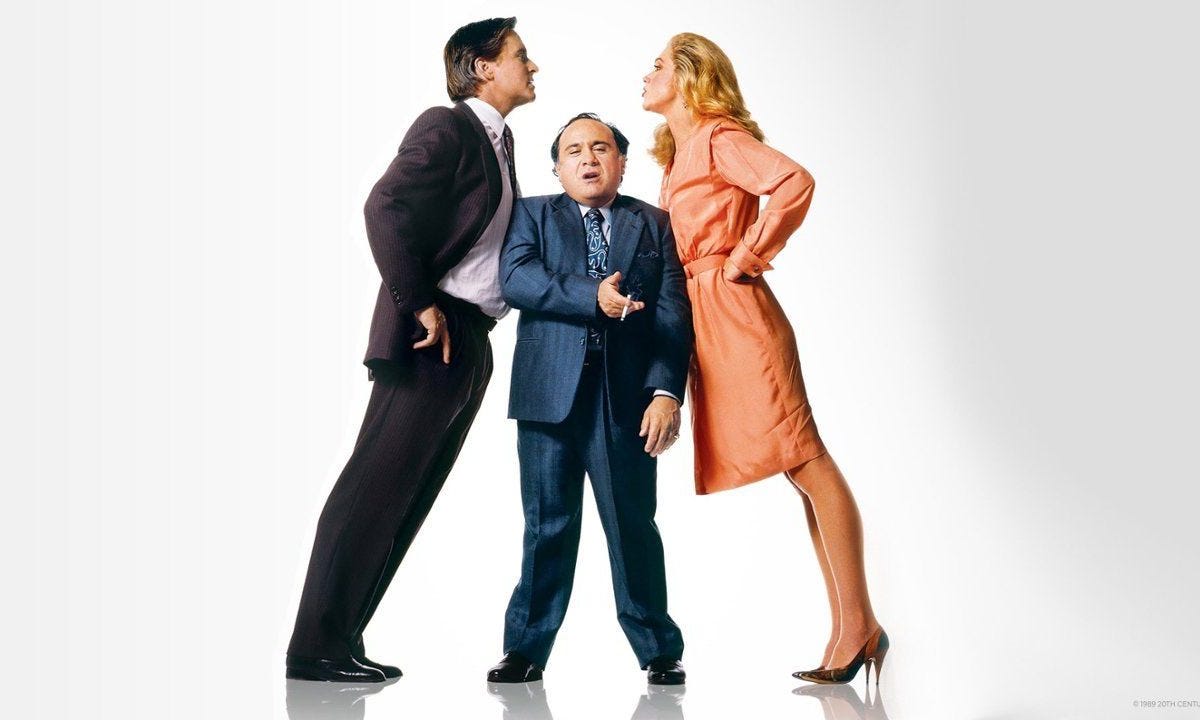
A new kind of lawyer. I feel comfortable saying there are divorce lawyers everywhere (am I wrong? Is there a country on earth where you couldn’t find one?). And in the United States they’re a highly-developed, prestige sub-species and a very lucrative business (and there must be a thousand Hollywood movies in which a divorce lawyer has an important part). Once there was enough divorce to produce repeat business, plus growing technical expertise and standardised negotiation techniques, the business was bound to boom. Kramer vs. Kramer’s divorce lawyer Shaunessy is essentially the archetype. A pit-bull who will stop at nothing to secure a ‘win’ for his party3. This new type of lawyer is now part of the bureaucracy of marriage, an aspect of its democratisation. Once marriage is imagined as an institution that’s the same for everyone, divorce too had to become universal. It’s not liberation or freedom, exactly - more of a management efficiency in a simplified system.
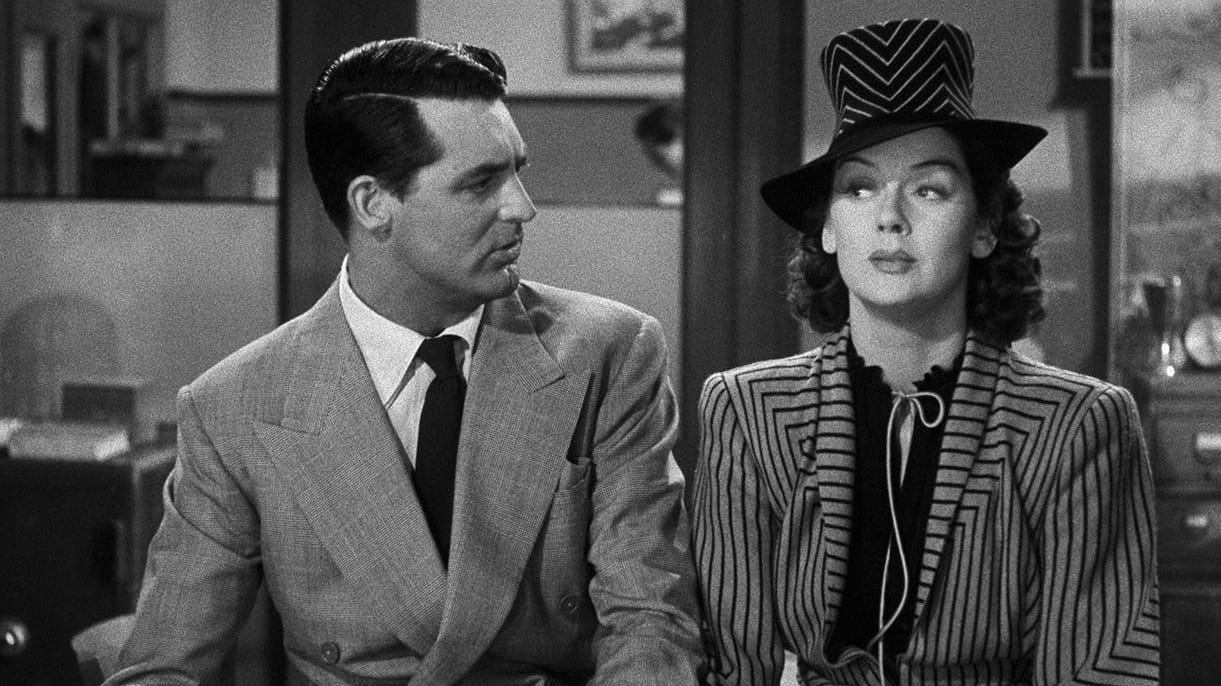
Divorce in cinema. In the early decades of Hollywood, divorce was present but it wasn’t usually the subject matter of the movie. It was comic or scandalous or it stood for something else (like degeneracy or decadence or loss of innocence). As I said in the first Kramer vs. Kramer piece, divorce was the motor of many of the great screwball plots, producing social awkwardness, hilarity or darker cautionary tales.
In this period - the 1930s and 40s in particular - divorce was a kind of nicety of the plot - often taking place before the action begins, or just assumed to have happened - and setting things up for high jinks or for a romantic reunion. But as the 20th century progressed - especially after the second world war - divorce evolved from plot device to a new social norm, a condition of existence. Europeans like Bergman and Rosselini anatomised it, seriously4. Hollywood eventually domesticated it, not as a catastrophe for a family but often as a comic framing - even in kids’ movies5. By the time Kramer vs. Kramer arrives in 1979, divorce is no longer unmentionable but still painful enough to carry dramatic charge. It’s no longer a nasty ending but more of a system to be lived in.

Routine. So Ted and Joanna Kramer are fully of the new kind of divorced couple. They’re not aristocrats, libertines or outcasts: they’re bourgeois professionals passing through a newly normalised institutional machine. Kramer vs. Kramer doesn’t need to treat divorce as either scandal or liberation. In fact it’s obviously neither - everyone is miserable. Instead divorce is administrative modernity colliding with emotional fallibility. Lawyers, custody hearings, evaluations - the structures of a society in which intimate life has become legally negotiable. In Ted’s Madison Avenue day job, he sells the fantasy of the stable nuclear family but, in the movie, the courtroom emerges as the place where its failure is rationalised, written into a contract.
Which they’d got from the event movies of the period, of course - Anna Karenina, Madame Bovary, Middlemarch - not novels of divorce but stories in which marriage as sexual, emotional or intellectual fulfilment was described and actually seemed possible if not accessible to everyone yet.
The big moment, in American terms, was California’s Family Law Act, of 1969, which introduced the idea of ‘no-fault’ divorce. Pretty soon, every American state had an equivalent law and it’s this framework that made the divorce in Kramer vs. Kramer possible.
See Allison Janney, one of the divorce lawyers in The Roses (a remake of 1989’s The War of the Roses), who brings an angry Doberman to the first meeting of the parties. Her brutality is theatrical but only slightly exaggerated: “the fact she ever let you fuck her should be enough for her to claim every dollar…”
In movies like Scenes from a Marriage (which began life as a TV series and was thus even more of the moment) and Journey to Italy (a movie which, if I’m honest, preserves the sense that marriage breakdown is only for sophisticated, sensitive types).
Like The Parent Trap, controversial in both of its versions because the divorce at the centre of the thing is taken for granted, a morally neutral pre-condition for the story.
Comments
Nothing yet. Say the first thing.
Sign in to join the conversation.