
(This appears to be becoming a series! You might also like stockholm in january and helsinki in february)
Last week, the Sunday Times released its annual list of the best places to live in the UK, and Norwich, the jewel of East Anglia, was at the very top. This came as absolutely no surprise to anyone who has ever lived in or spent time in Norwich, who could only wonder what had taken the Sunday Times so long.
I - I have to confess - do not live in Norwich and never have. But my parents do, and my grandparents have, in various combinations throughout my life: as a child and a teenager it was a place to spend school holidays, and as an adult, now that my parents have moved on from my childhood home, it’s where I return for weekends and celebrations and escapes. I know it well. I love it dearly. I get the hype.
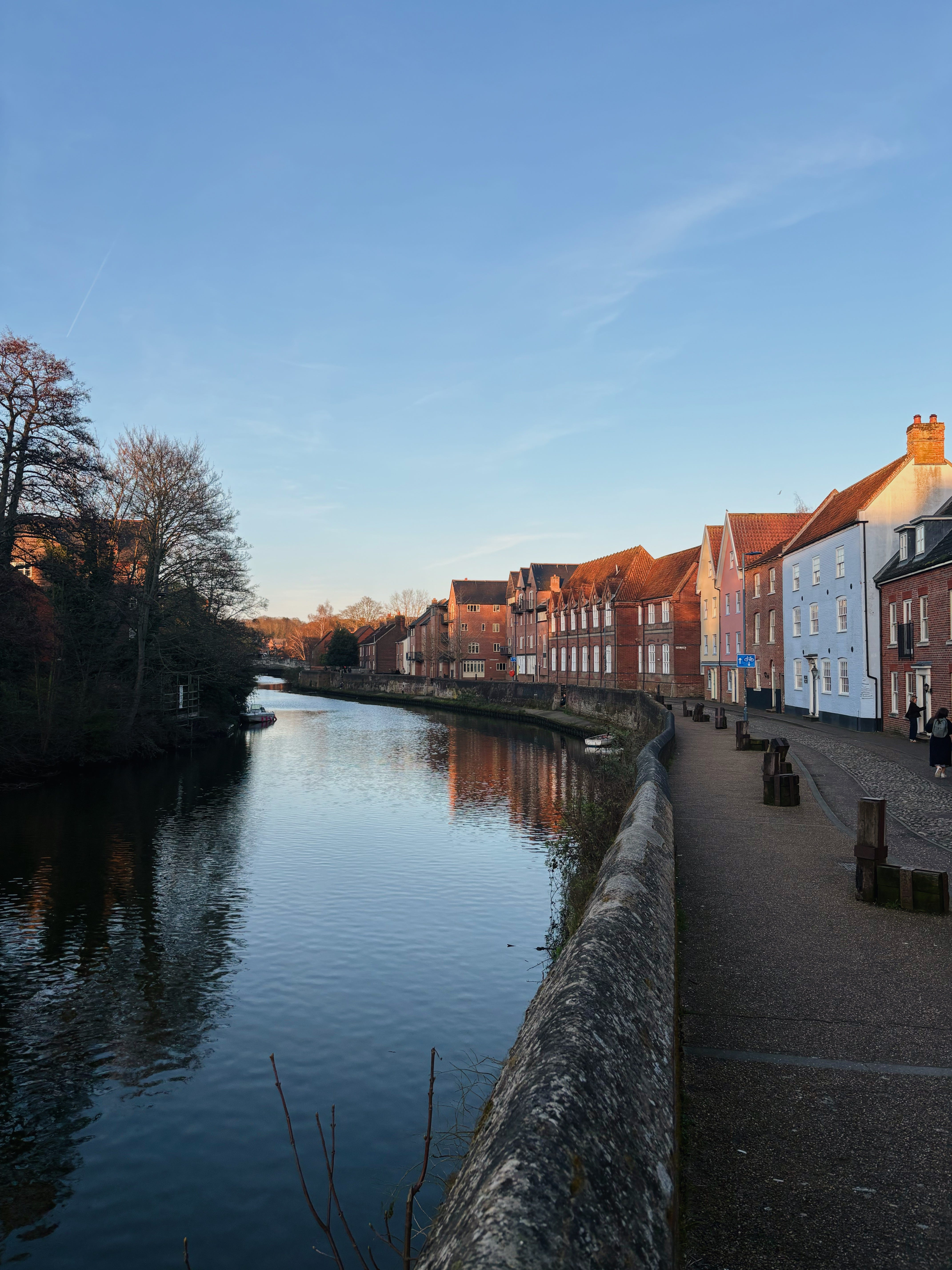
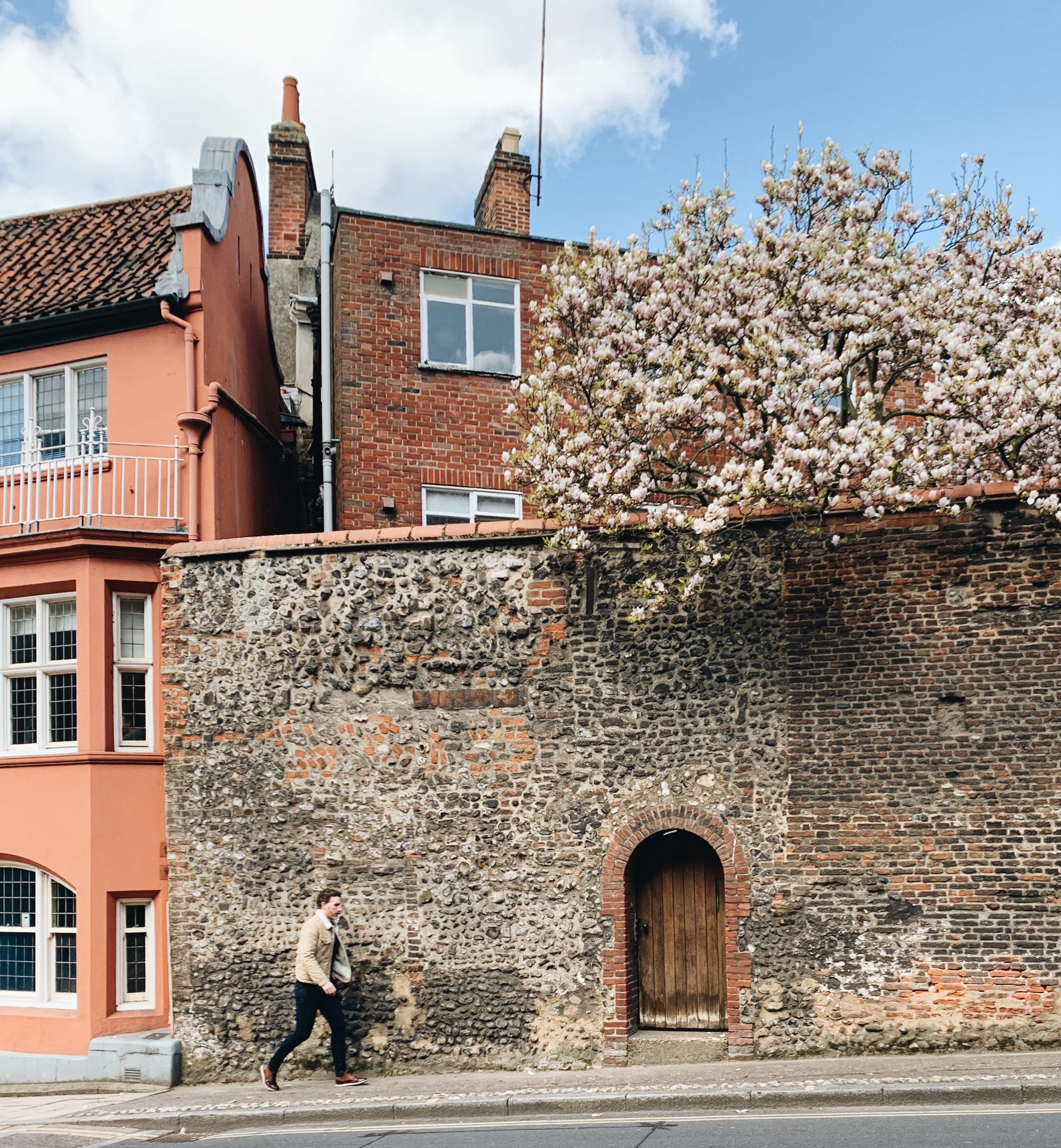
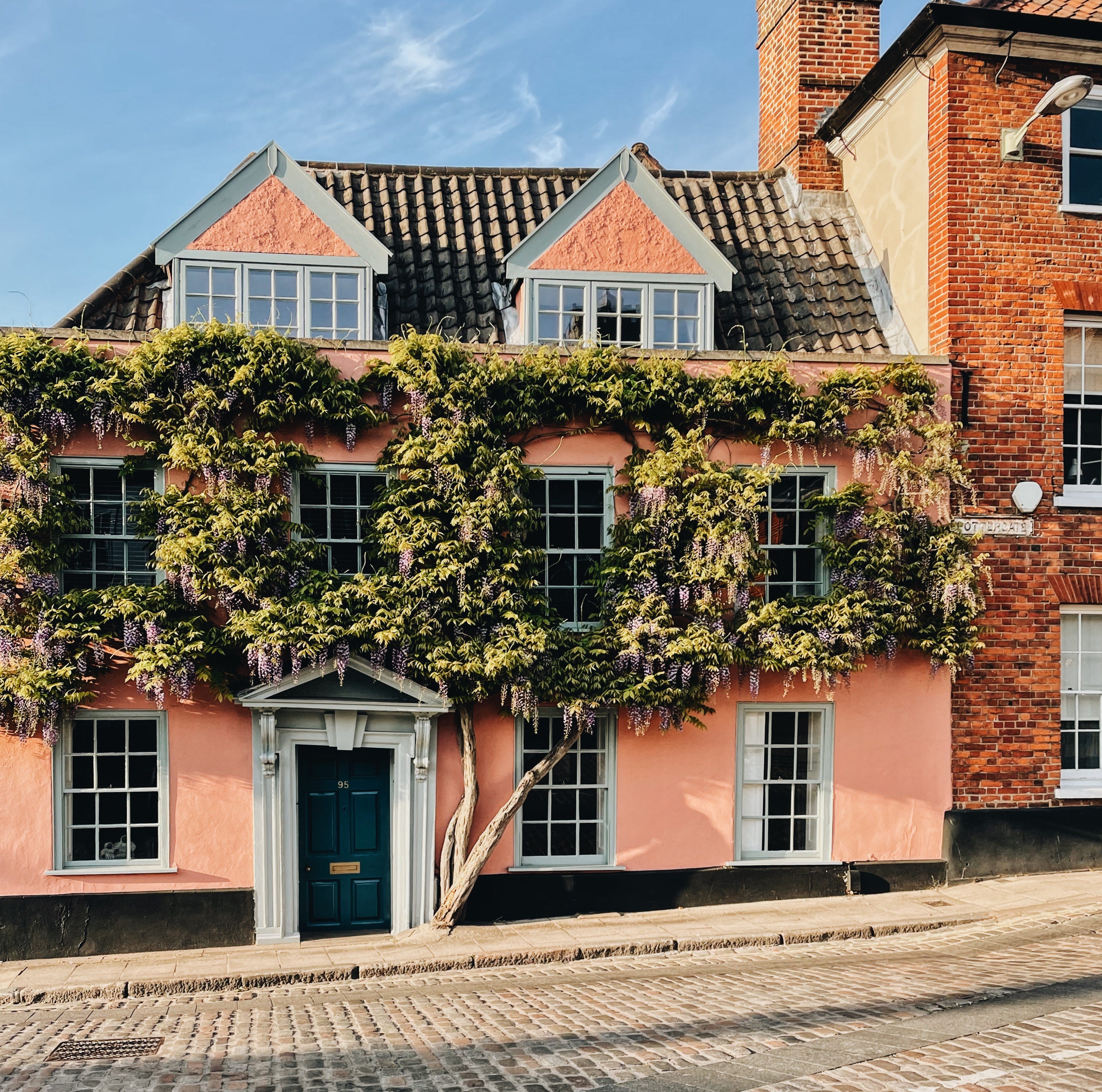
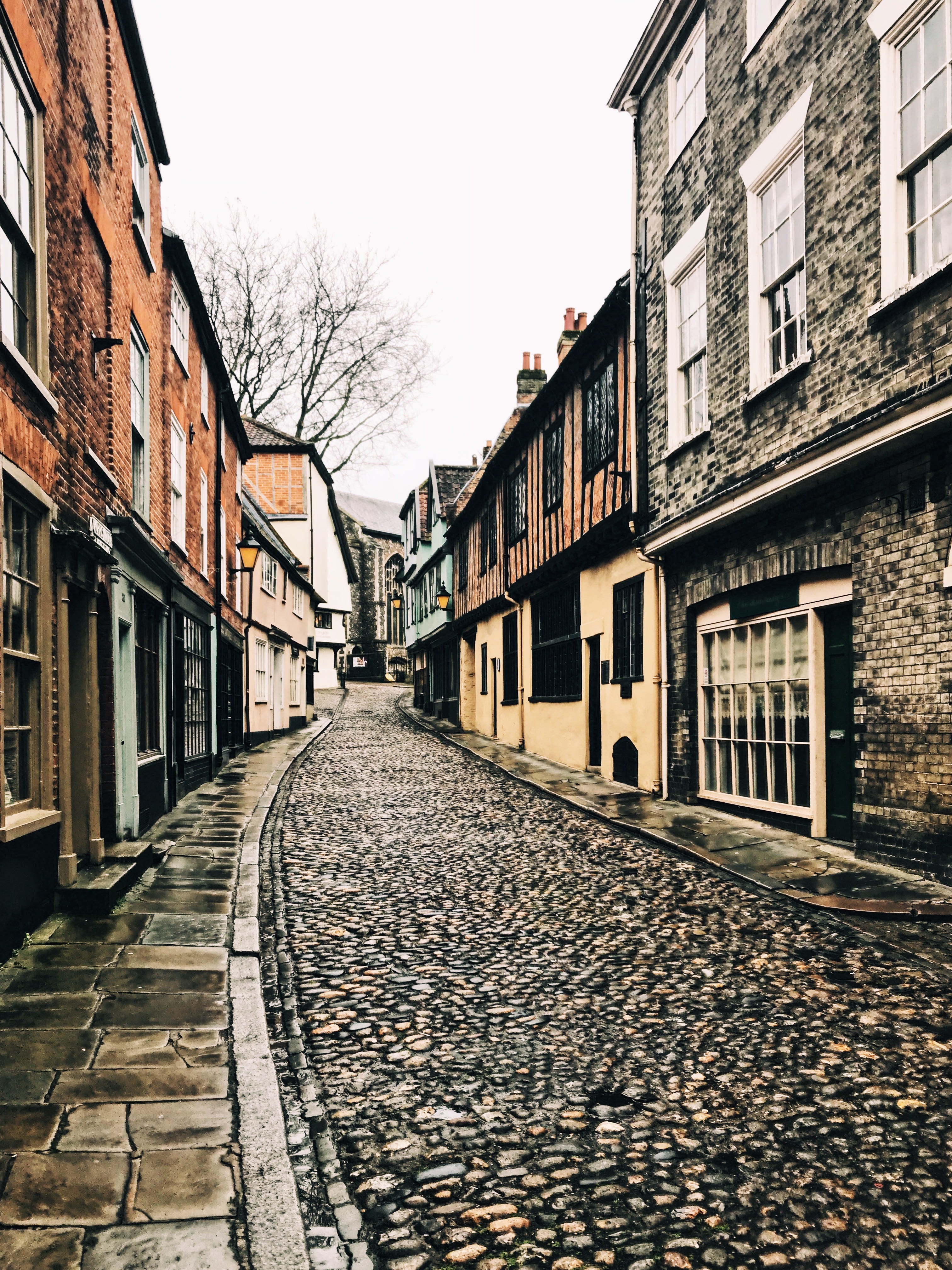
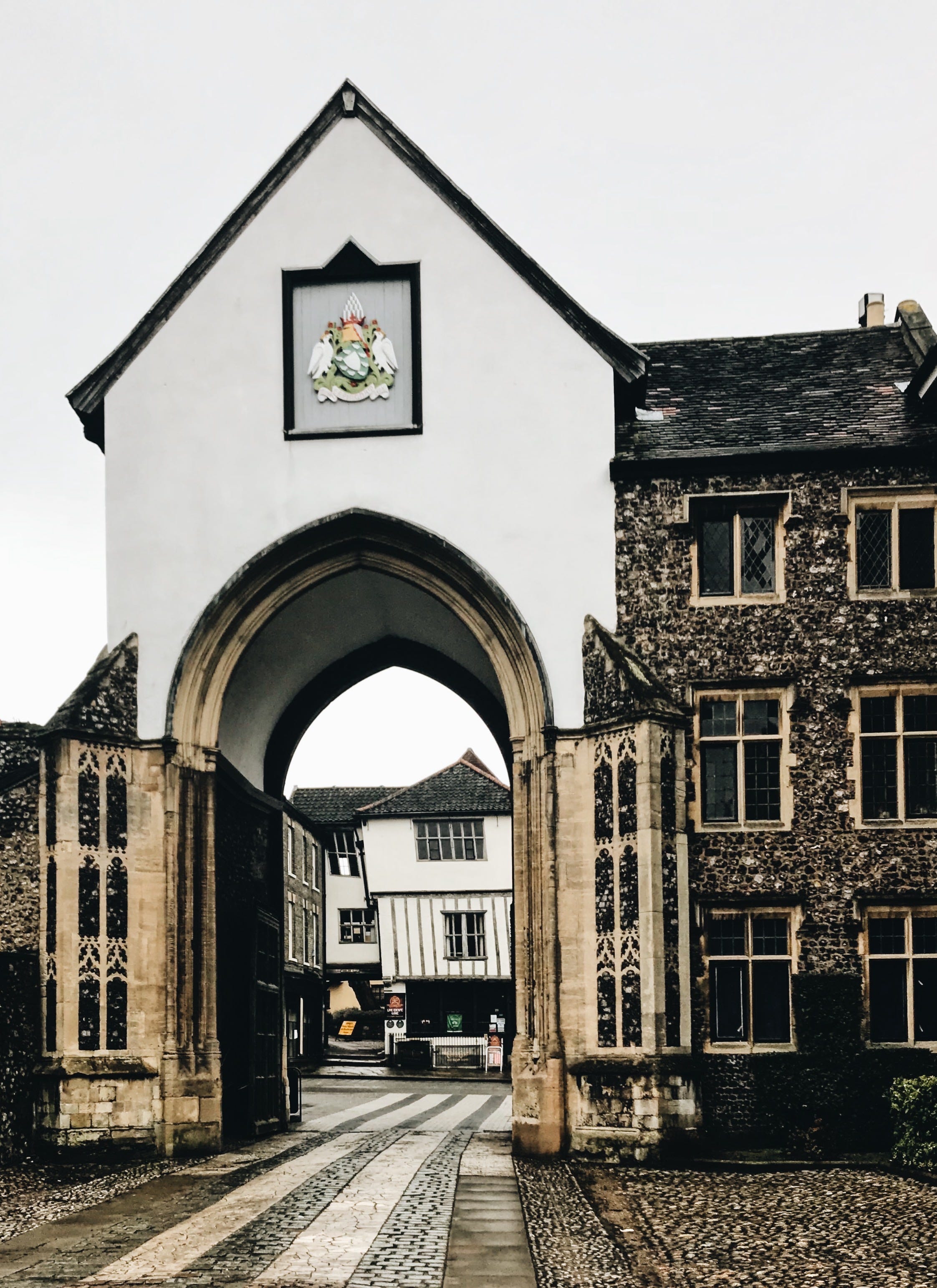
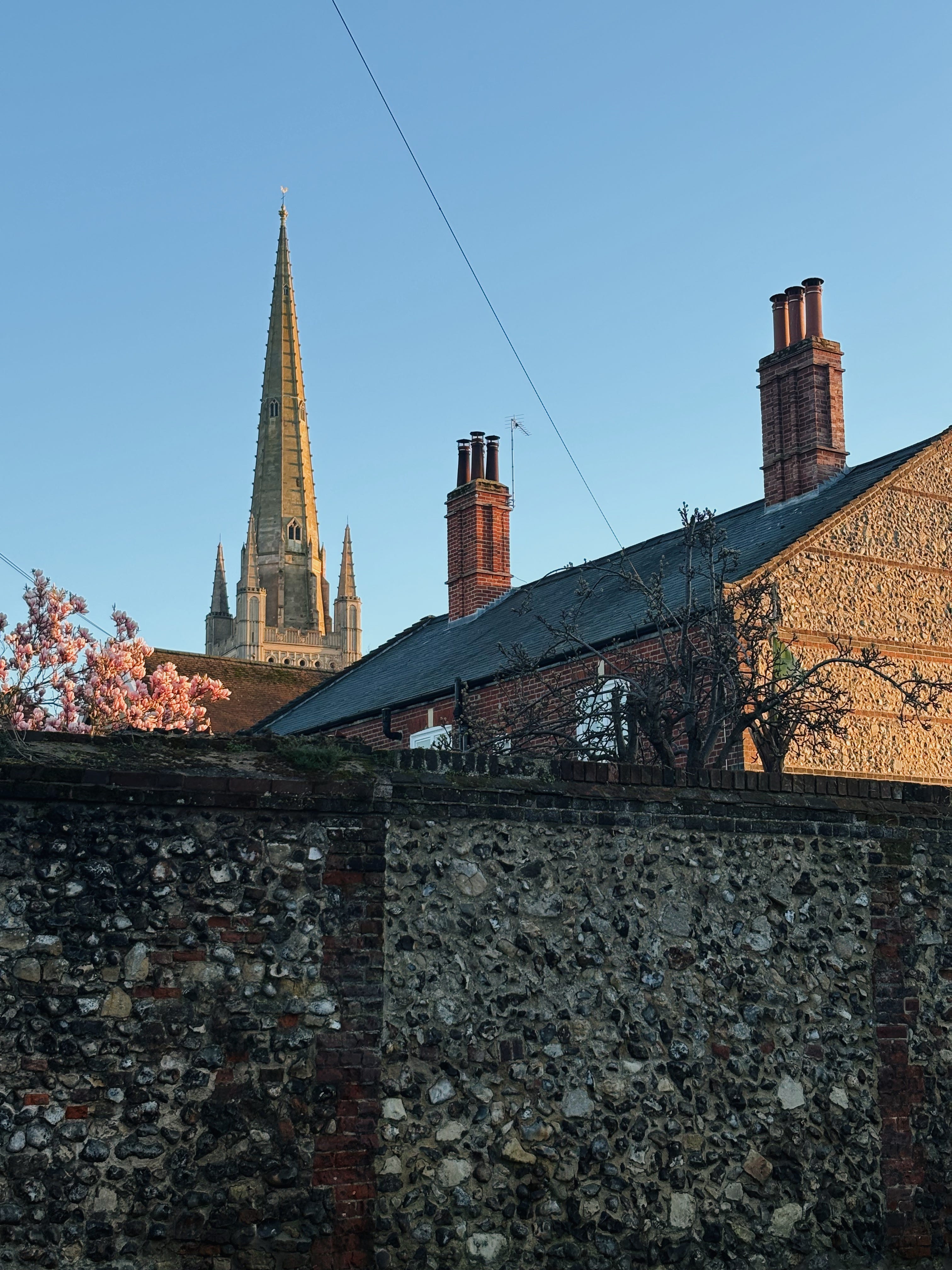
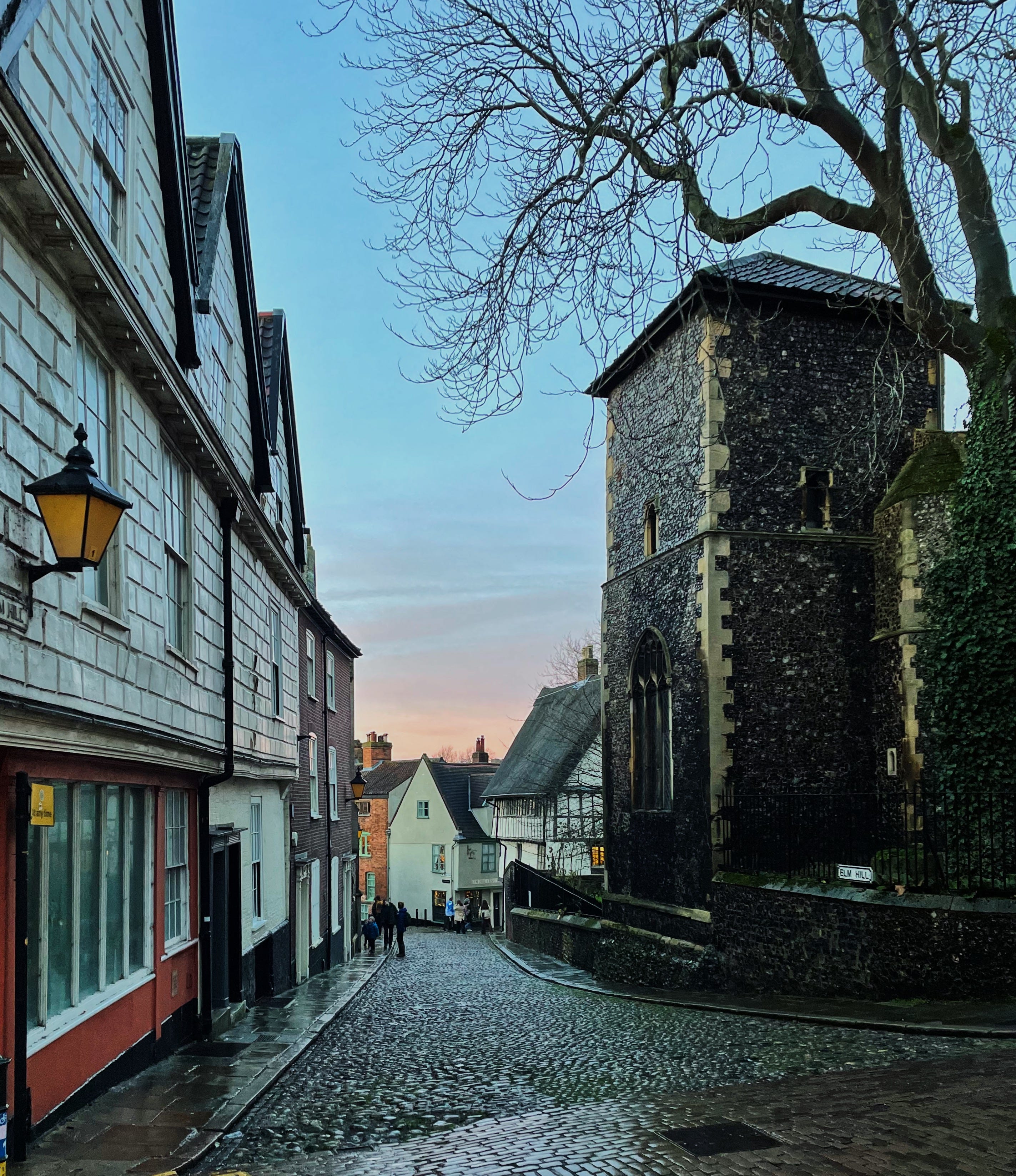
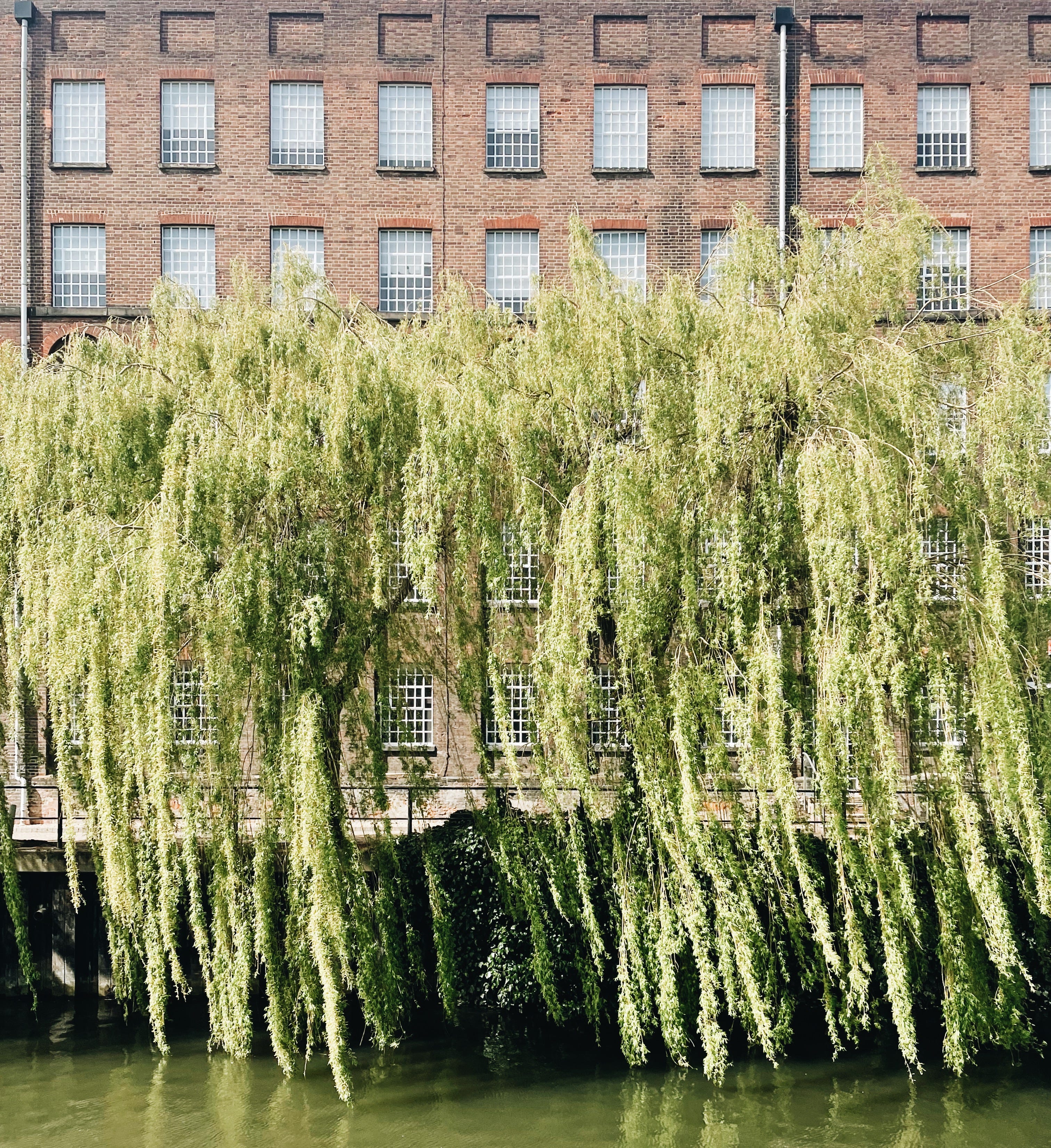
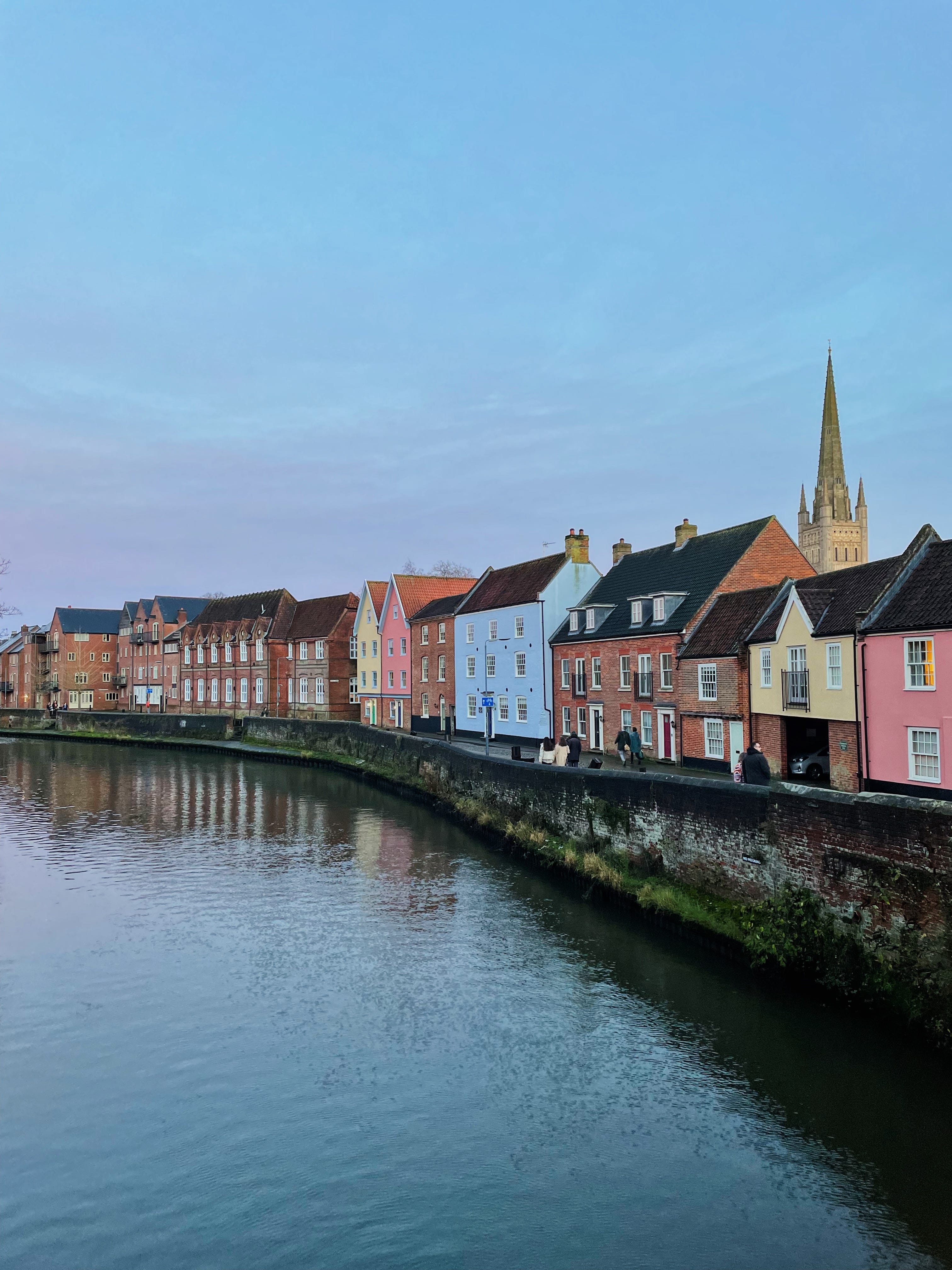
I love Norwich all year round but I particularly love it in the spring, when the trees start to blossom, blooms of white and pale pink against pastel-coloured houses and bright blue skies. My favourite Norwich walk takes me along the river, past the art school and over Fye Bridge, where the view of the skyline looks more like northern Europe than England. A little further along the river, a willow tree hangs like a curtain, a sheet of green brushing the current. Eventually I loop back towards Elm Hill, cobbled and sloping, with its hodgepodge of wonky timber-framed shopfronts and elegant old-time lampposts. Back on St Andrew’s hill, an explosion of magnolia is bursting out from behind a muted orange wall. These colours: I think somebody chose them on purpose. And as the flowers open out, so too does the city. Tables and chairs spill out of its many pubs and cafés into the largely pedestrianised city centre, so you can sit for a while in the East Anglian sun (and you really do get more hours of sun in the East of England).
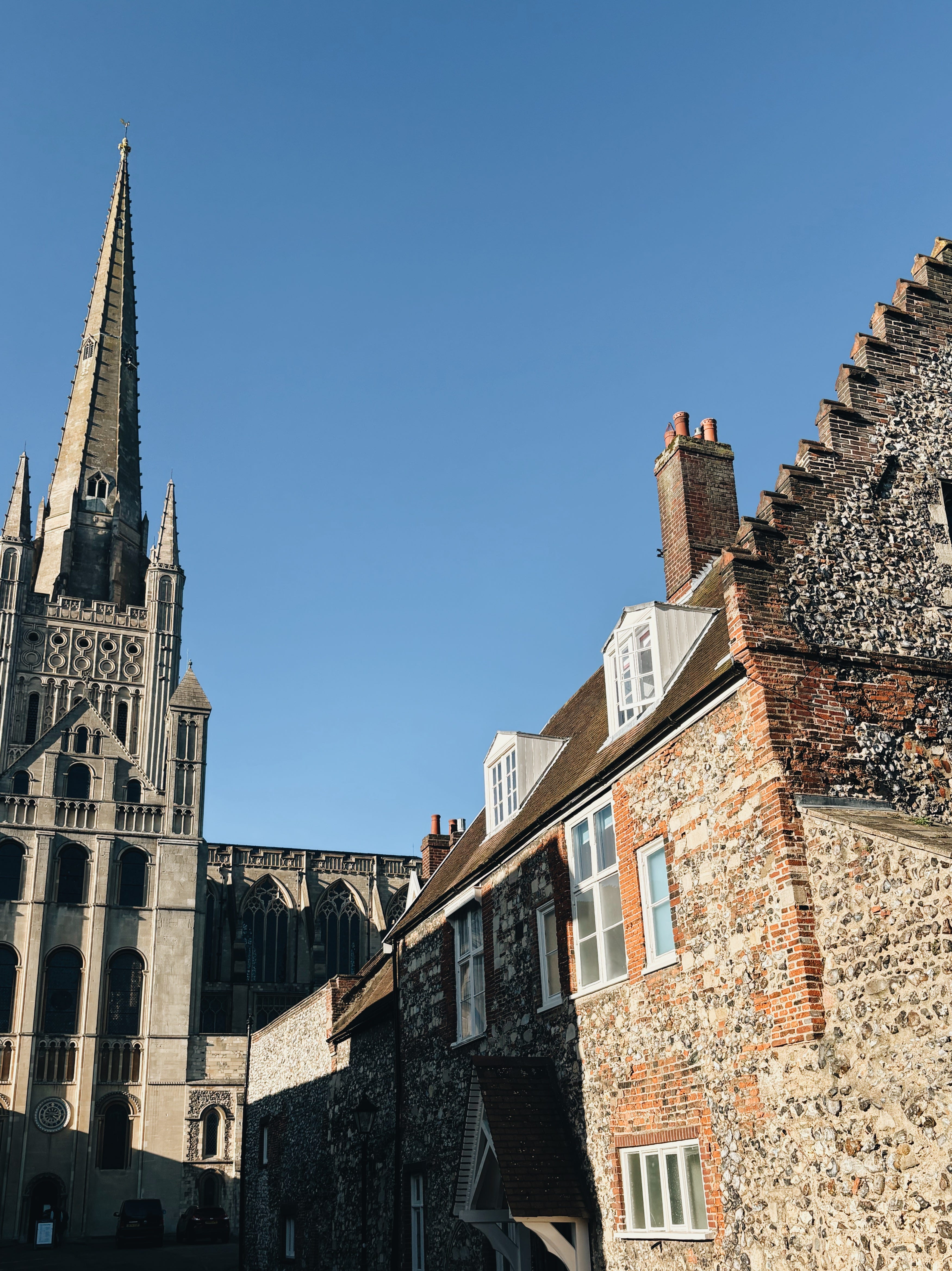
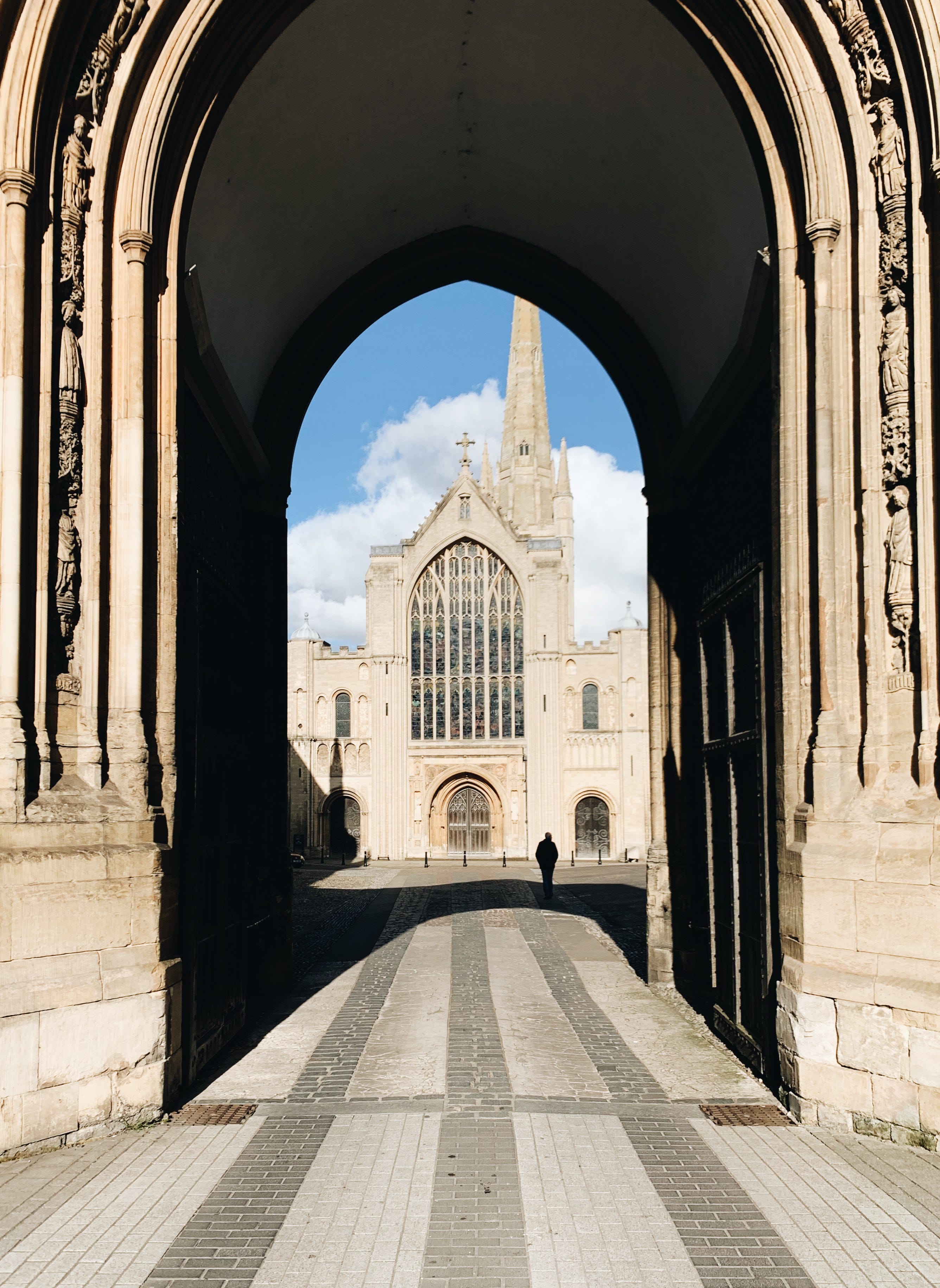
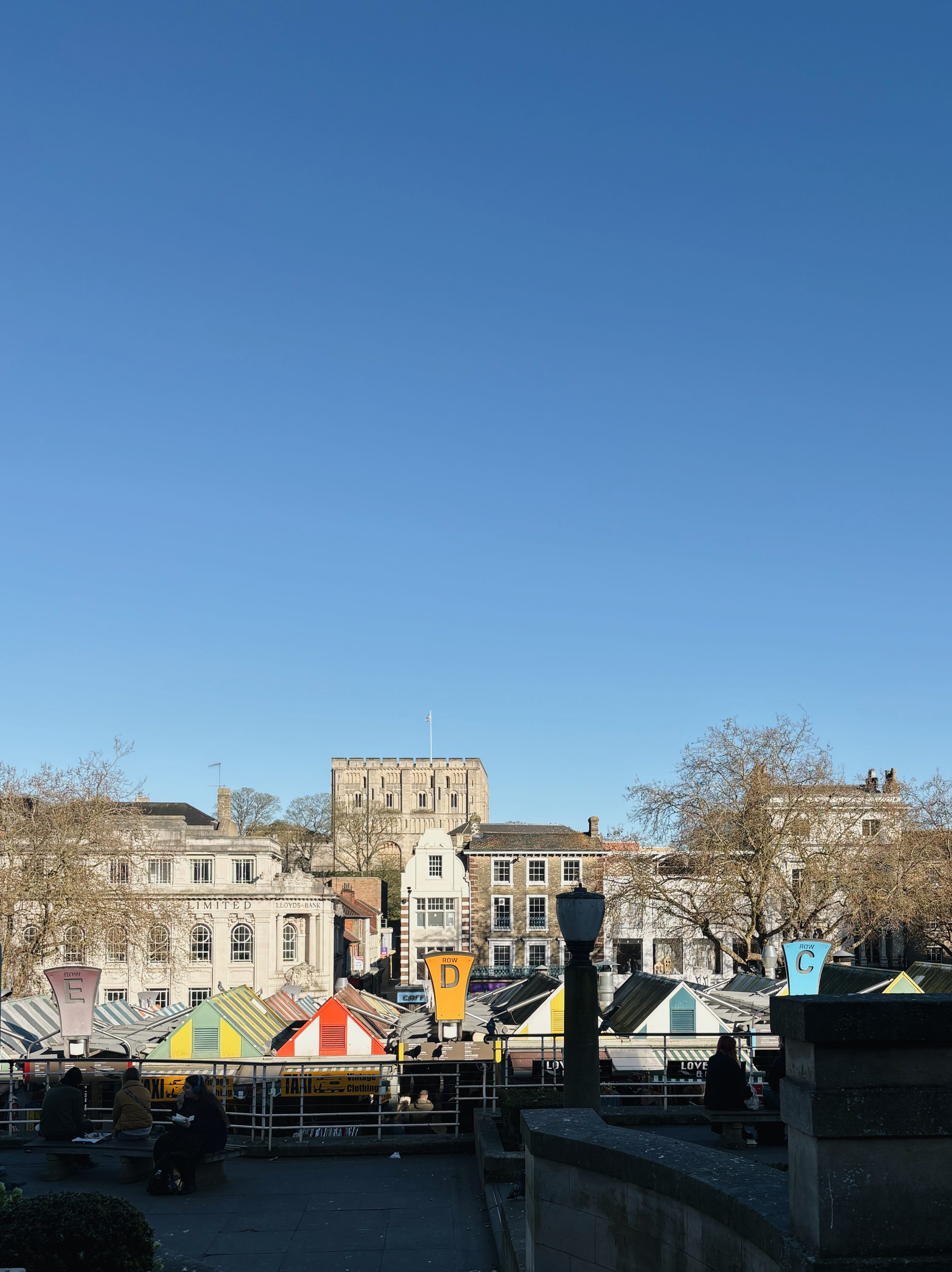
The Sunday Times article made a quip about Norwich being the only place in the country where you can buy fresh sourdough under the shadow of a Norman castle (or something to that effect) and I’m afraid to say they were exaggerating: there is indeed a Norman castle, and there are many places you can buy sourdough, but that’s where the venn diagram ends. What they really should have mentioned is Breadsource, the stylish coffee shop with irresistible pastries in the annexe of the eleventh century cathedral, or the sell-out selection of sweet treats at Devecchio Bakery (in sight of the castle, if not under its shadow).
It’s a foodie place. There are delicious and established restaurants, like Benoli, whose popularity boomed after Grace Dent raved about it in the Guardian, and Haggle, which serves feasts of grilled meat and Turkish sides. But there are also exciting new places doing things a little differently: I love Tallow, an impeccably-branded steakhouse on St Benedicts which serves only steak, fries, and 99p ice creams, or Yard, an effortlessly simple and incredibly well-styled pasta restaurant. A little way out of the city centre there’s also Blue Joanna, a buzz of low lighting, Asian tapas and very good cocktails.
There’s an urban legend that Norwich has a pub for every day of the year and a church for every Sunday. That is - much like the Sunday Times quip - exaggerated, but there are a lot of pubs. In the warmth of the early Spring sun last weekend, we sat outside the Red Lion, one half of the table watching the River Wensum rushing below, the other half admiring the spire of the cathedral in the evening light. Later, we crowded into the Mad Cat, with its chequerboard floor and eclectic wall art and almost overwhelming beer selection. On the way, we walked past the Adam and Eve, the oldest pub in Norwich, dating back to 1249 and blighted only by its proximity to a carpark. And Buddy, my parents’ beloved border collie, has been known to pull determinedly into the Ten Bells on his evening walks, where he knows he’ll be warmly welcomed and perhaps even treated and fed.
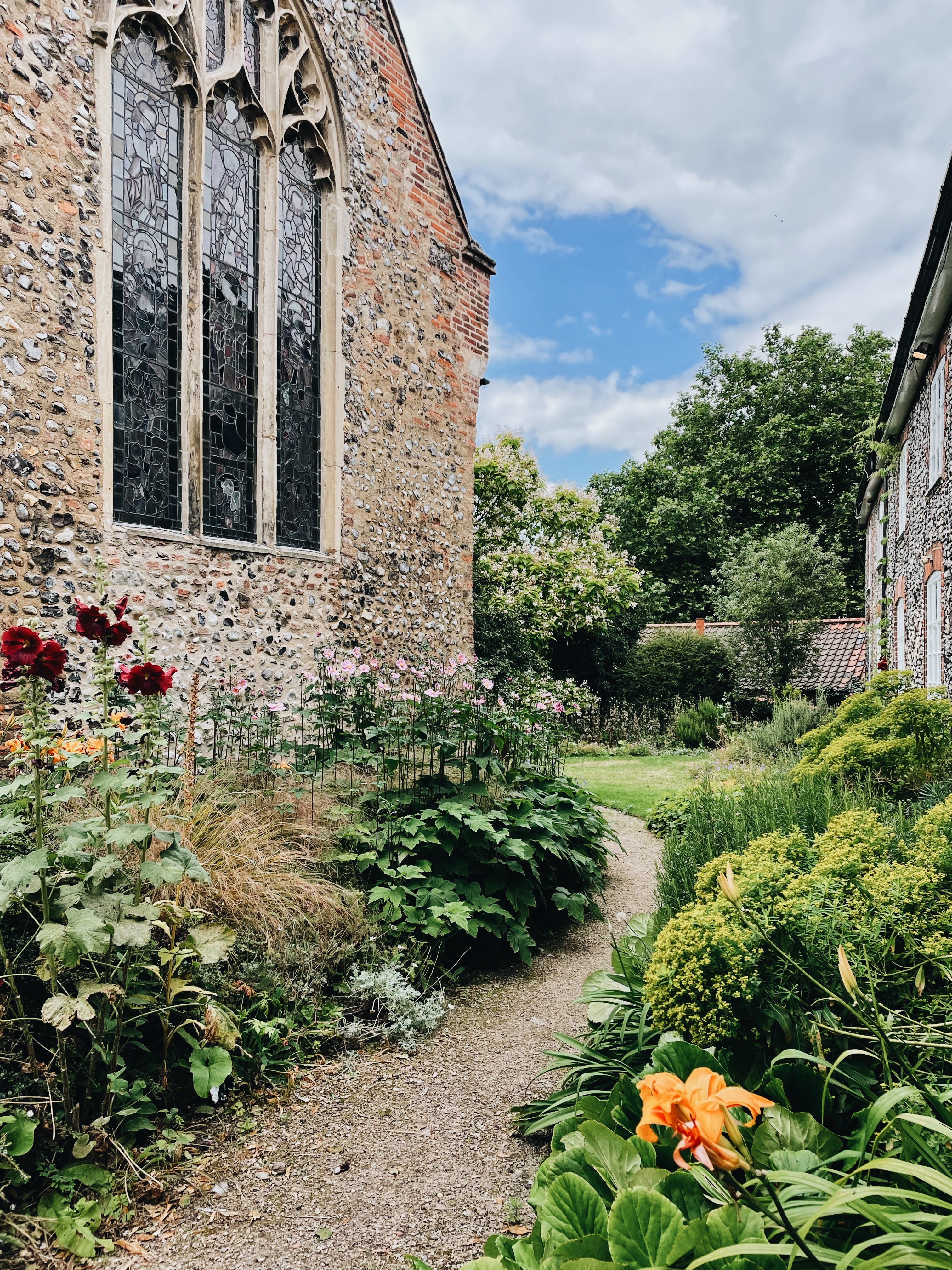
So pubs, yes, but churches too: there really is one on every corner, endless towers and jumbles of shiny flint and cacophonies of bells. Some of them house art galleries and community spaces and vintage sales, but many others are still in use as churches, with the week’s services pinned to noticeboards at their gates. At Easter and Christmas I’ll pile into the busy cathedral and try to sit near enough to the nave to hear the choir, which is magical in its own way - but I am much more charmed by the smallest churches with their open doors, the churches that almost fade into the background if you don’t stop to notice them. It was in one of these sweet, tiny churches where Julian of Norwich spent most of her life, an anchoress in a cell. Sometimes, when I’m walking around Norwich, I pause in St Julian’s church and try to imagine what it was like in the fourteenth century; what it was like to be Julian, sequestered inside. Did she know she was one of the first women to write a book in English - or at least, did she envisage that Revelations of Divine Love would survive? Who were the people who came to her for spiritual counsel, and what traumas - plague? poverty? grief? - did they bring with them?
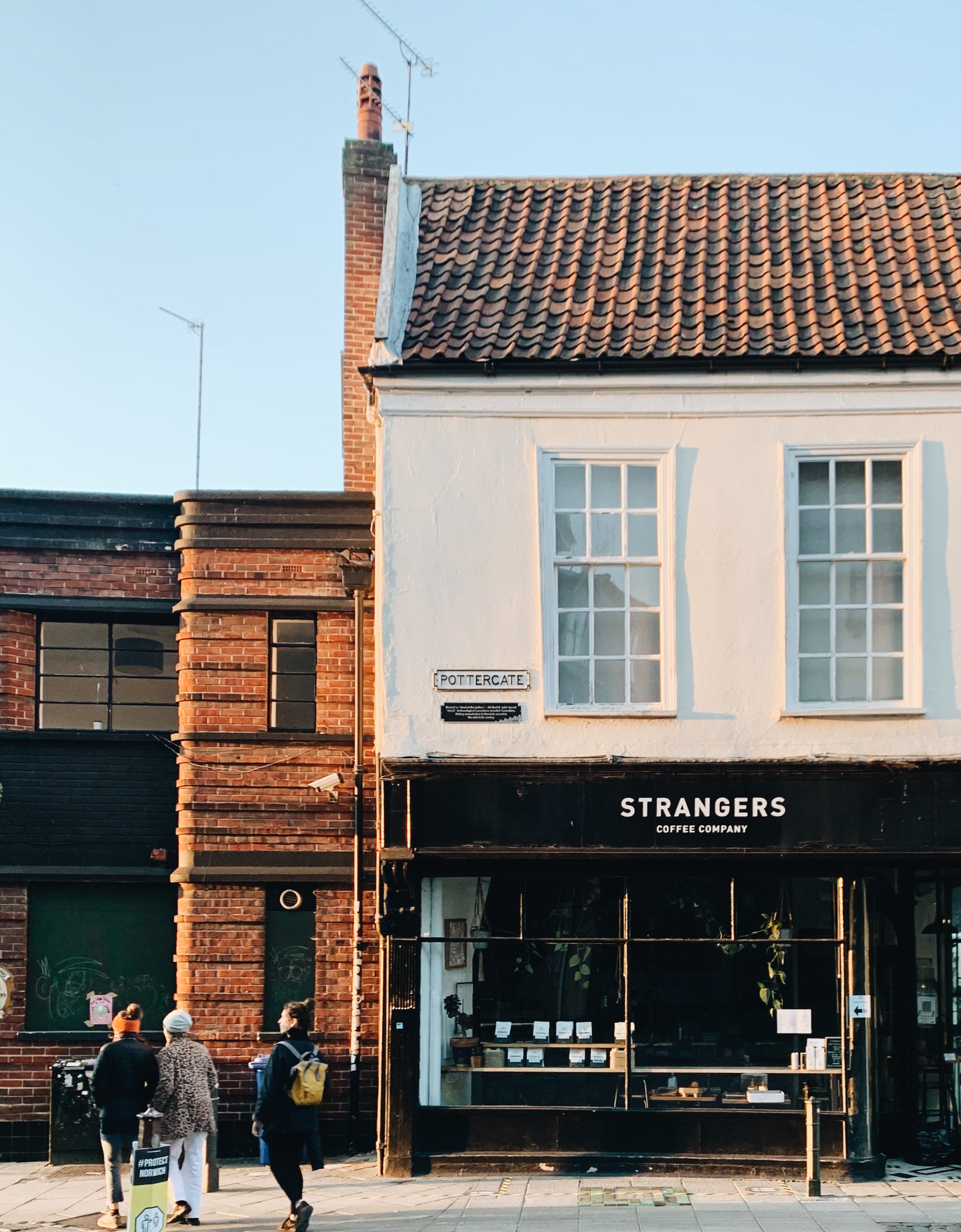
History is everywhere in Norwich, even beyond the fourteenth century mystic and the thirteenth century pub and the eleventh century castle and cathedral. It was actually the Vikings who first made it bustle, arriving at some point in the ninth century and turning it into a key trading port under Anglo-Scandinavian rule. It’s over a thousand years since the Vikings left, but they left their mark: there’s the firmly Scandinavian suffix -gate of Pottergate and Colegate, two of the city’s oldest streets, and there’s the tiny carving of a wolf over the doorway of a church, said to have guarded King Edmund during a particularly ferocious Viking raid. But also: there are so many signs telling you all of this, from little plaques on building walls to the joyful Pottergate mural. One of my favourite things about Norwich is the way it alerts you to its history. Look! it says. I’m here! Read me!
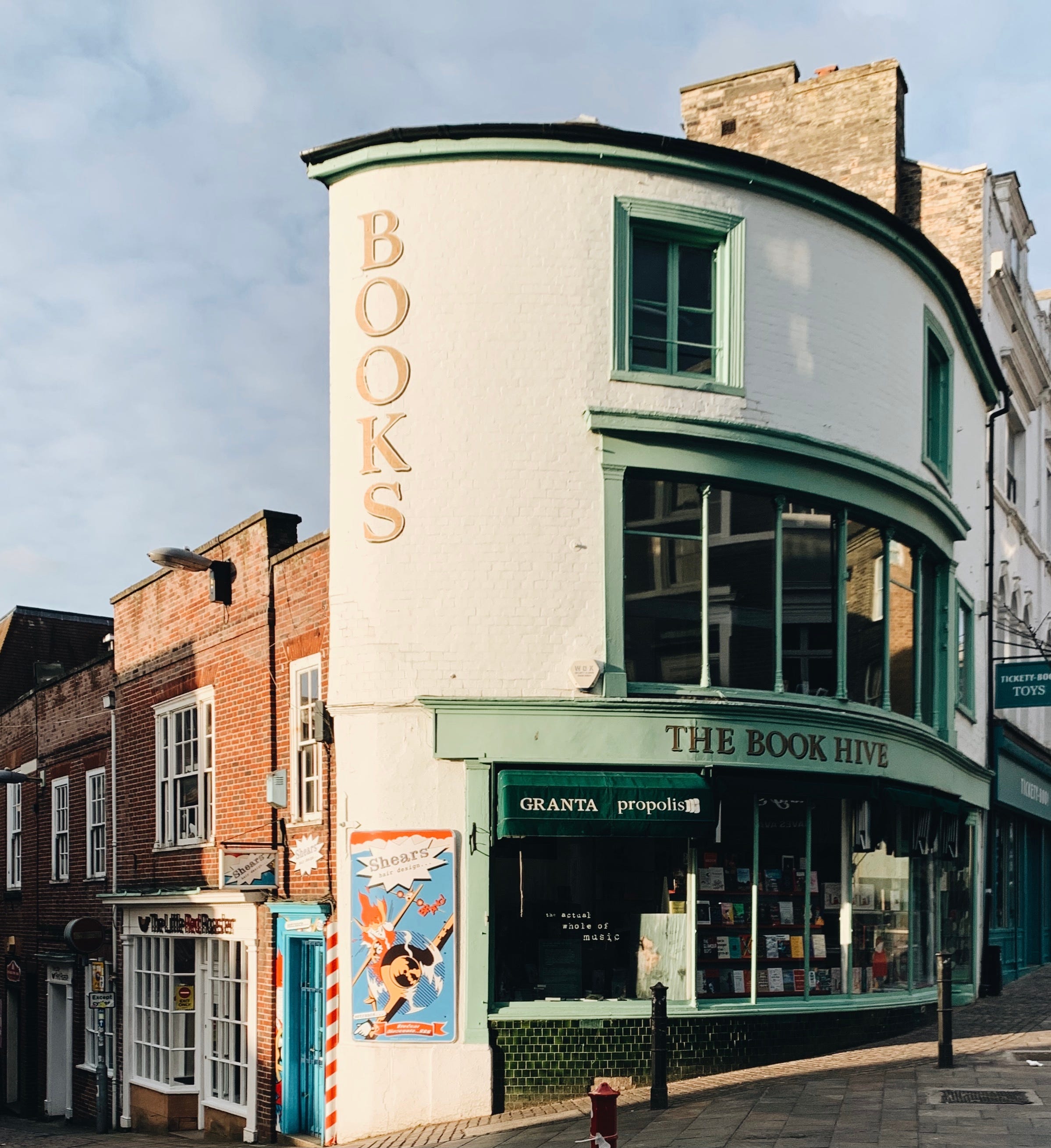
Norwich’s motto is ‘a fine city’, a phrase swiped from the 1851 novel Lavengro by George Borrow, which I have not read. He was right, though: it is fine, in the superlative sense of the word. And how very fitting, how very cool, for a city’s motto to come from a novel! Particularly fitting for this particular city, UNESCO’s first City of Literature, home to the National Centre for Writing, the prestigious UEA Creative Writing MA course, and BookHive, one of the very best independent bookshops. It is a place for writers and artists; a place to feel inspired.
I was almost frustrated by the Sunday Times piece: I’ve always thought of Norwich as a well-kept secret, widely underrated but beloved. I almost want to keep it quiet. Norwich is, I think, as close as you can get to York without the tourists, or Oxford and Cambridge without the dizzying house prices, and maybe more charming than any of them. But it’s March, and spring is blooming, and Norwich - a fine city - is about to be at its very finest.
No posts
Comments
Nothing yet. Say the first thing.
Sign in to join the conversation.