
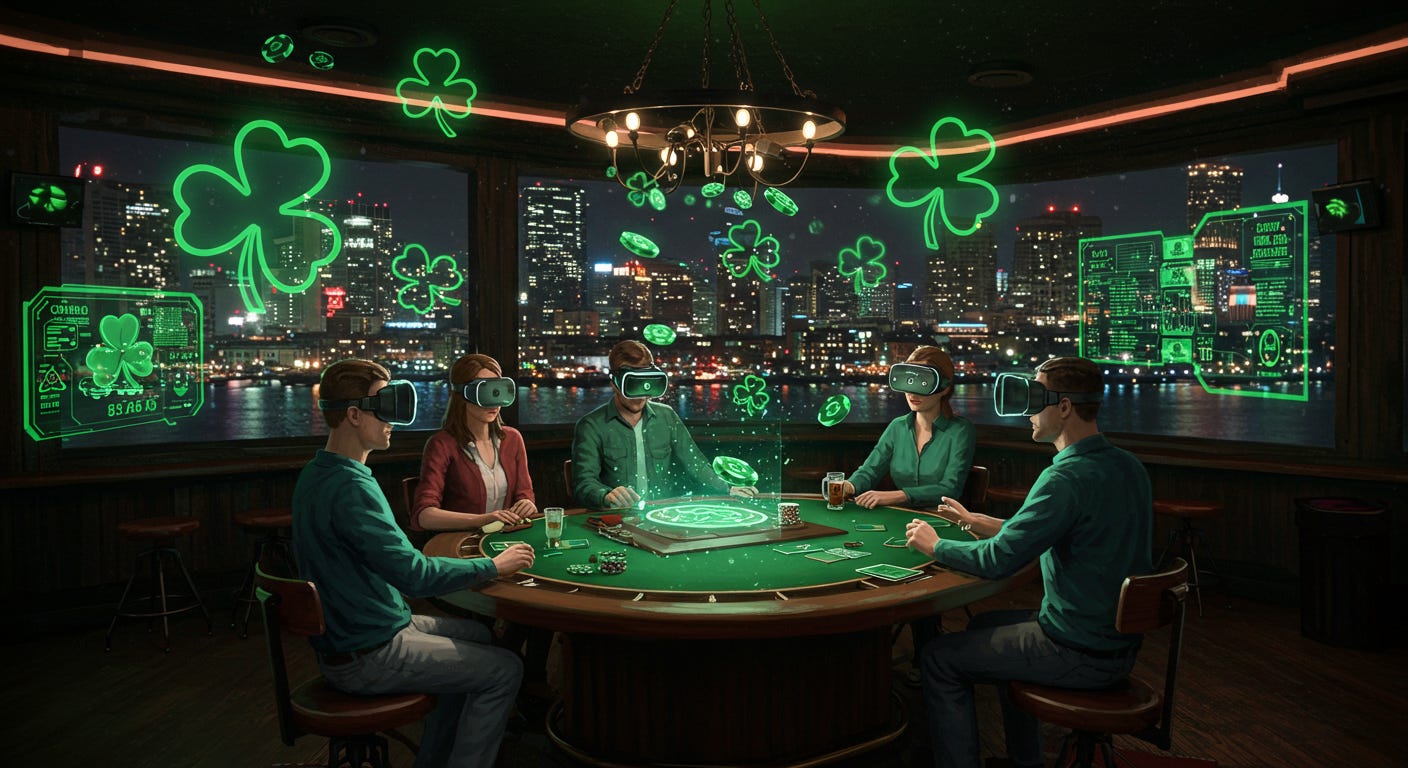
The organizers and volunteers of Boston VR are continuing our monthly socials at TimeOut Market.
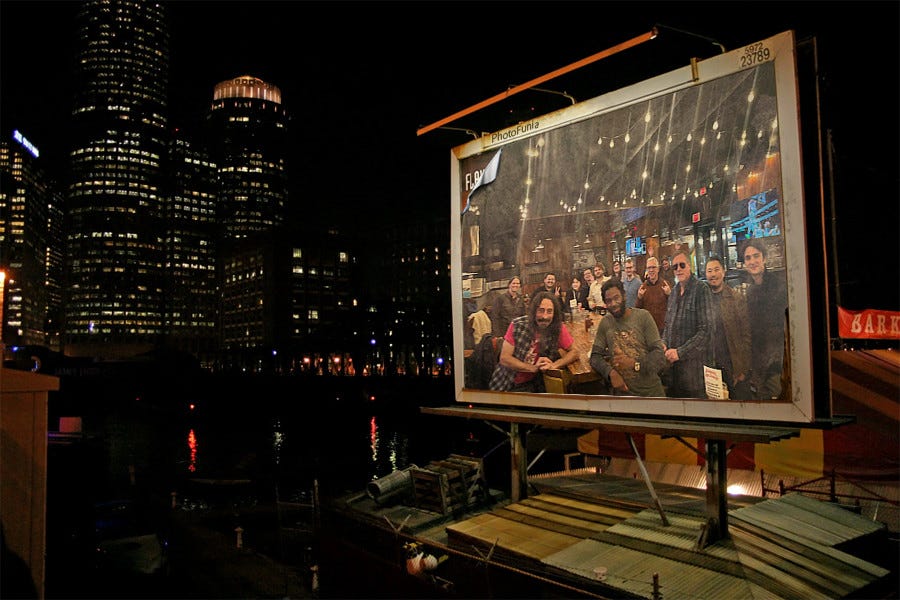
Watertown Public Library, Room: Lucia Mastrangelo Meeting Room
Description:
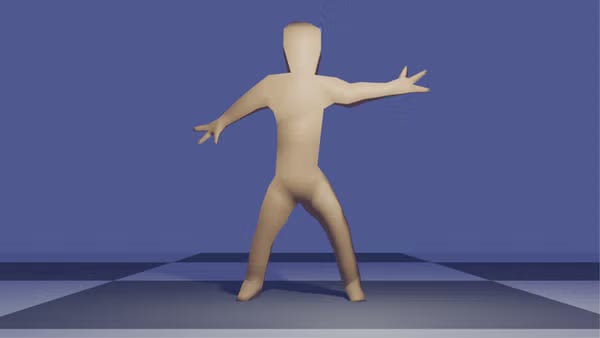
This event is run though the Boston Virtual Reality Meetup Group. At the March meetup, John Gagan will show us how to create a simple character base mesh using the Skin Modifier and then sculpt it in Blender. We will then use the "Rigify" addon to add virtual bones to the character, to "rig" it. We will then pose the character and, if time permits, animate it.
John Gagan is a seven-year veteran in Blender 3D, four of which he spent as the head of the Boston Blender Group.
After the demo, people will have a chance to develop the project on their own, collaborate and network.
For those participating who are new to the world of Blender please-
Bring your laptops and preferably a '3 button mouse'
Download and install the latest version of Blender:
https://www.blender.org/
NOTE- You do not need to create an XR scene in Unity prior to this tutorial, this will only cover Blender.
DUE TO THE LIMITED SPACE PLEASE CHANGE YOUR RSVP IF YOU CAN NOT MAKE IT
Host: John Gagan
by ThrillSeeker
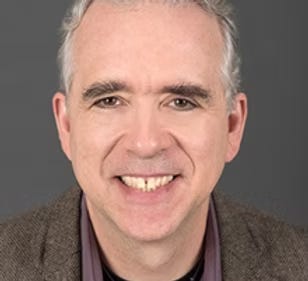
For this month’s newsletter, I had the opportunity to a brief interview with the treasurer, event organizer, and evangelist of Boston VR, Jeffrey Jacobson, PhD on his thoughts on the VR industry.
Chris: What kind of work do you do currently in XR, and then how did you get into this industry?
Jeffrey: Currently, I work at Boston Children's Hospital as the XR lead in the simulation-based training group there. It's called Immersive Design Systems, and it does a lot of other things, as well. I work with the clinical educators to acquire, configure, and create XR-based training experiences. It’s mostly for nurses trainees, but also for more experienced people to get practice. I got into the industry 34 years ago when an architect, Dr. Michael Benedict, University of Texas, told me about what virtual reality is, and I was hooked. I figured, well, in 10 years, this will be big, right? So, thank God I lived long enough to see it! So, I got my PhD, dragged it out as long as I could, was involved in museums and education, tried a couple businesses, a research think tank, architecture consulting firm, and I ended up here.
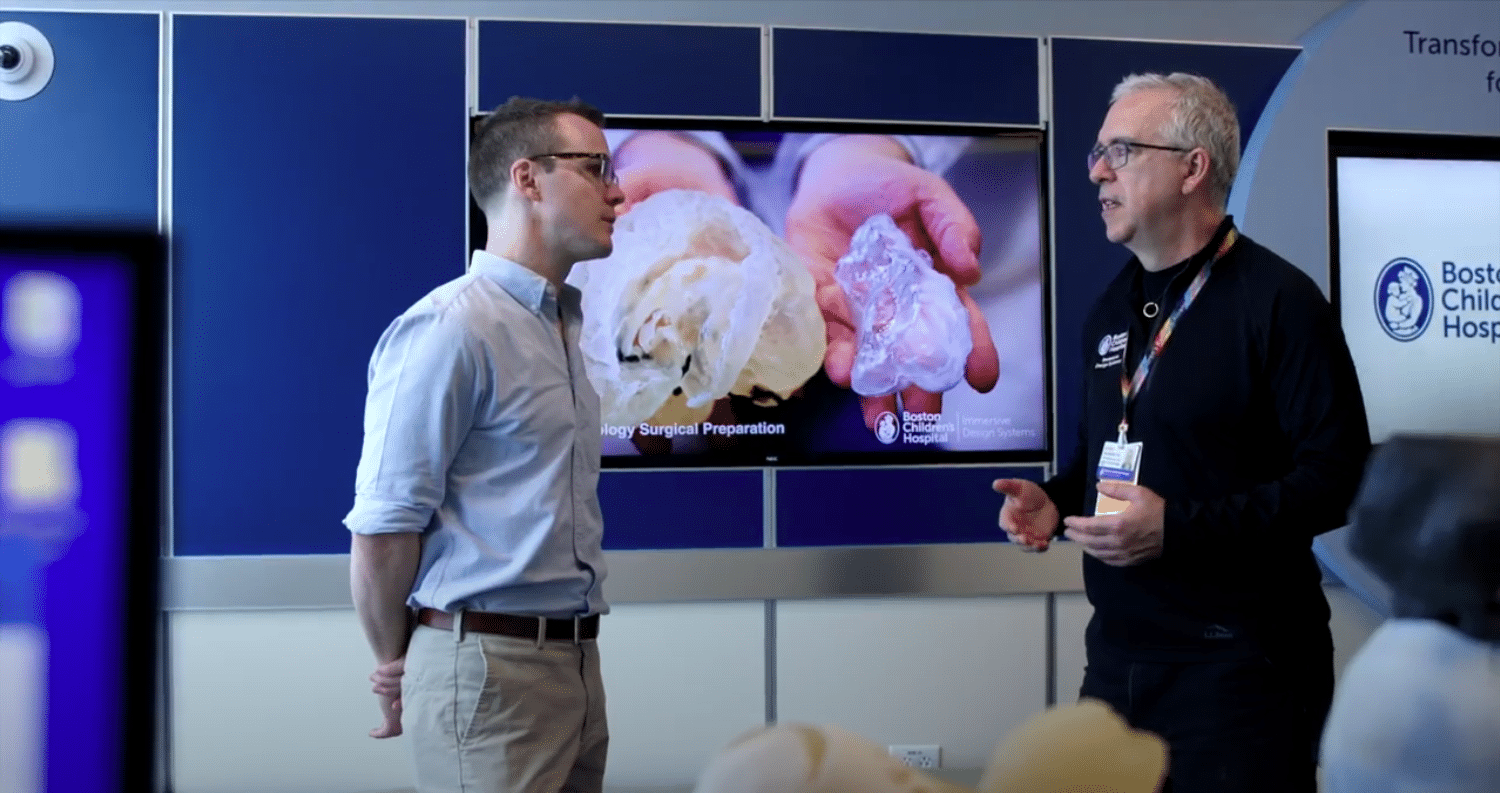
(Jeffrey is the one on the right)
Source for photos: https://oxfordmedicalsimulation.com/case_study/revolutionizing-training-at-boston-childrens-hospital-embracing-virtual-reality-for-enhanced-staff-onboarding-and-training/
Chris: What advice would you give to someone who's just getting into the industry versus someone who has years of experience under their belt?
Jeffrey: Well, XR is a media. It's a medium that can be used for almost any line of work. So, the first thing you have to ask yourself is, are you interested in XR for itself? Or, are you interested in being an XR artist or an XR salesman or an XR architect or whatever. And if you're interested in one of the professions, then all you have to do is look at the various products that are aimed at that profession and find the enthusiasts that are in it. And it's pretty straightforward to get into it and use it and so forth in whatever field. If you're interested in XR for itself, it divides into four areas. One is the computer science, with the software and the hardware. Next is the visual artwork. Third is the sound, which is underappreciated and very important. And then, finally, the psychology of how XR works. That's very interesting.
Chris: What about for someone who is then more seasoned?
Jeffrey: Be ready to throw away most of your tools every three to five years. That's typical not just of XR, but really anywhere in the computer industry, though it varies a lot. There are certain tools like GitHub that last forever. Never get too comfortable in your niche. Get out there. Go to conferences if you can afford it. That's the fastest way to see everything. Join groups like Boston VR! Find your people and question everything. Because it's always going to change. Last and least, don't worry about the hype cycle. Those come and go.
Chris: Anything else you want to say for our audience on XR?
Jeffrey: There is one little downer I do want to throw in. Is the XR, just like the rest of the tech industry, is very sexist and very racist. And if you're a woman or a person of color, or God forbid, a woman of color, you just have to be so much better to get anywhere. So just be ready for it. And I want to put the word out to all us white guys. Help that DEI in our community. And I don't know where age discrimination is. Like all the hot youngsters who've gotten into XR in their 20s, you know, are now in their late 30s. So when they start turning gray, maybe that'll change. So we'll see.
For more info on Jeffrey or to contact him,
please visit his Linked-In here (@jeffreyjacobsonvr)
or at Boston Children’s Hospital’s Immersive Design Systems here:
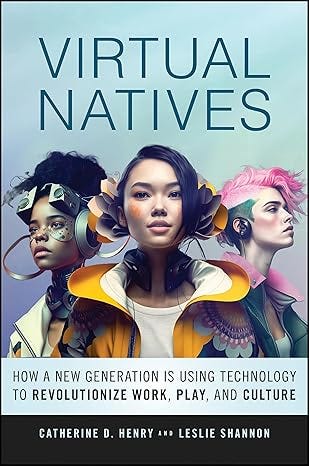
From the publisher’s website:
Description
The eclipse of Digital Natives and the dawn of virtual culture—how Gen A, Z are radically redefining the future of work, play, economics, and social life.
We’re living through what is arguably one of the most exciting, confusing, and powerful social moments in the history of humanity, the shift from the Digital Age to the Virtual Age. This shift is being driven by technology, and the people who are leading it are the ones who know it best: the Virtual Natives, made up of Gen Alpha and Z. This book will introduce you to the Virtual Native cohort and mindset, decipher their socio-cultural and economic experiences, and unpack their expectations of companies looking to engage, market, or employ them.
In this book, we explore:
How Virtual Natives are deploying the new technologies driving the virtualized world
How relationships and work habits are being virtualized
Identify ten main Virtual Native-led behaviors that are upending work and culture
How Virtual Natives are evolving their expertise into a full-blown economy
This is nothing short of a cultural revolution. Virtual Natives are the driving force behind a seismic change that is redefining the world through technology and virtual worlds: this book tells you how they are navigating everything from AI to Augmented and virtual reality, gaming, blockchain and Web3 in easy, accessible language.
To understand the future, read Virtual Natives.
The University of Chicago offers a Master of Arts in Digital Media with a focus on Extended Reality (XR) technologies. This program is part of the Digital Studies of Language, Culture, and History, and it includes courses related to digital media, human-computer interaction, and computational methods. While it is not a dedicated master's program in XR, it provides a specialization in Digital Media and Extended Reality.
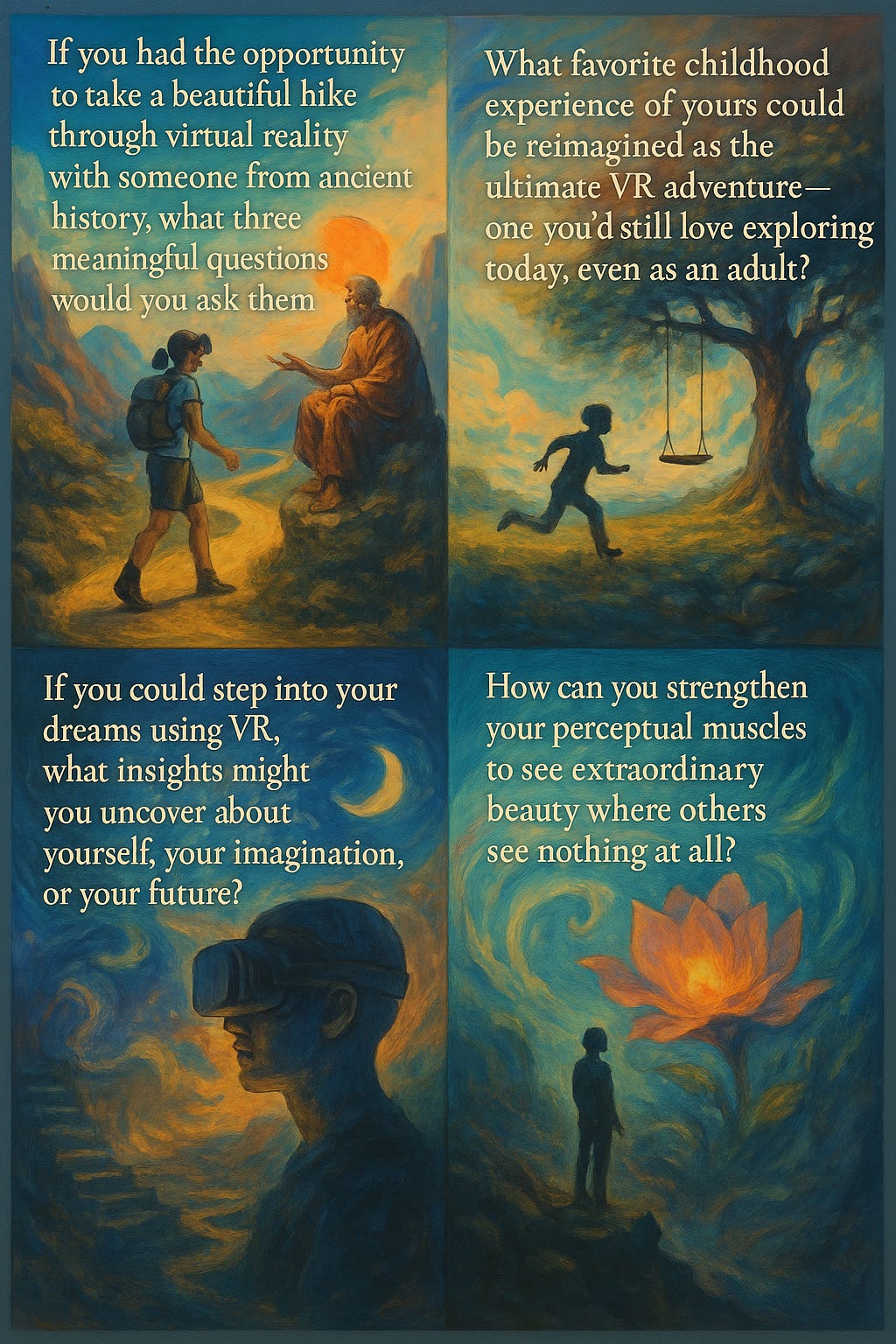
For more QQs to enrich and enhance your creative thinking, follow me on X @letsaskqqs
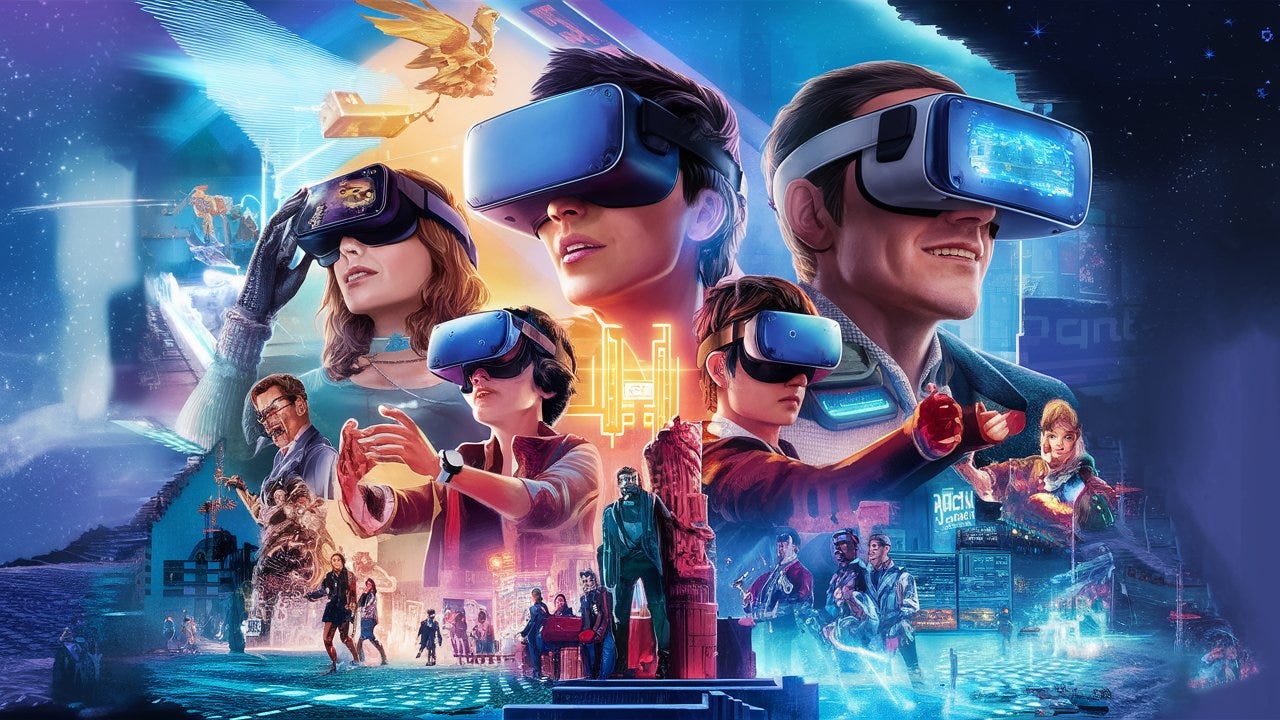
Boston VR is committed to fostering a welcoming and innovative community for XR enthusiasts and professionals.
Whether you're a developer, creator, researcher, or just plain curious, we're excited to explore the future of XR with you.
For more detailed discussions and to share your thoughts or experiences, don't hesitate to join us at our next meetup or reach out through our community channels.
See you in the virtual world!

To join, click here
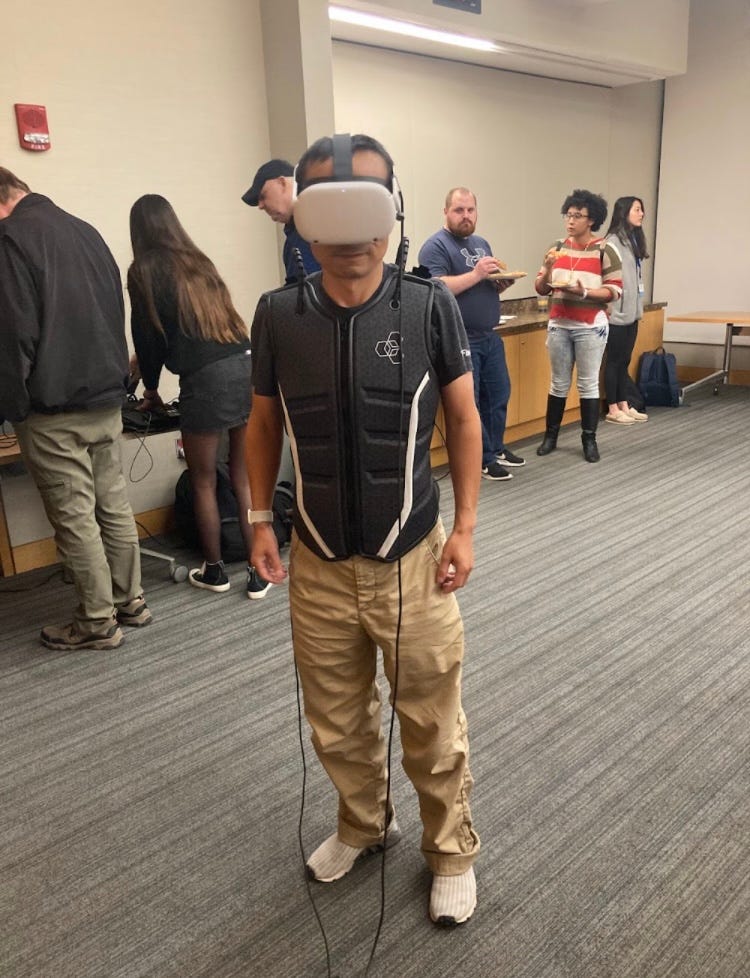
Email Casey We need help with marketing, event planning, dev jams, sponsorship, and more!
AMXRA is the premier medical society advancing the science and practice of medical extended reality, https://amxra.org/.

AMXRA has generously committed to being a premium sponsor for Boston VR over the coming years. We are immensely grateful for their support and partnership in exploring the forefront of XR technology.


No posts
Comments
Nothing yet. Say the first thing.
Sign in to join the conversation.