
When culture stopped moving forward
An article in The Hollywood Reporter this week pinpointed the 2014 Oscars selfie as the beginning of the end for ‘monoculture’ as we once knew it: genuine movie stars, when such a thing still existed, meeting the newly digital moment, and the snake drawing its last breaths before it began to choke on its own tail.
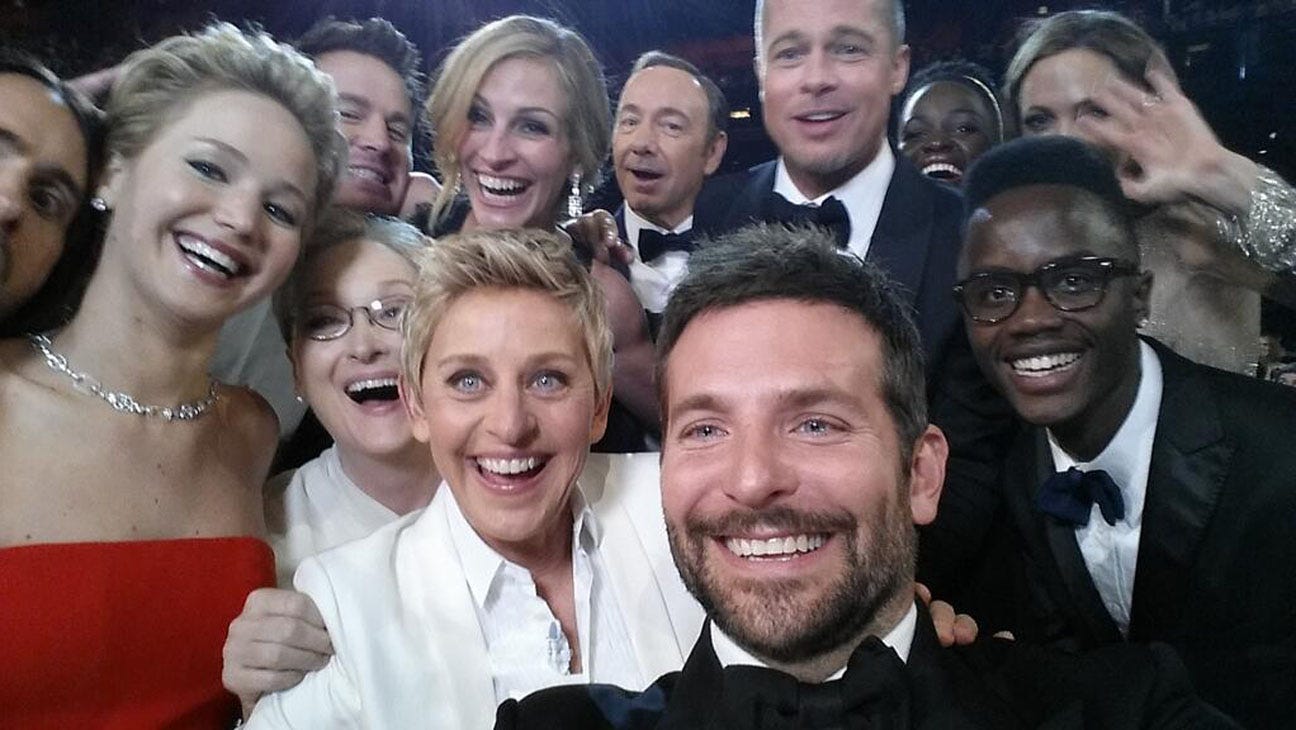
This argument is perhaps not original, even if its chosen point of origin is. Our choice economy has turned us in on ourselves, and the concept of even meagre consensus is rocked daily by the simple proliferation of stuff that surrounds us. If the algorithm caters to our taste, the measure of what makes a ‘popular’ culture, that which once unified and appalled, falls ever lower. The culture of narcissism, as Christopher Lasch once called it, is now the narcissism of culture. This we all know.
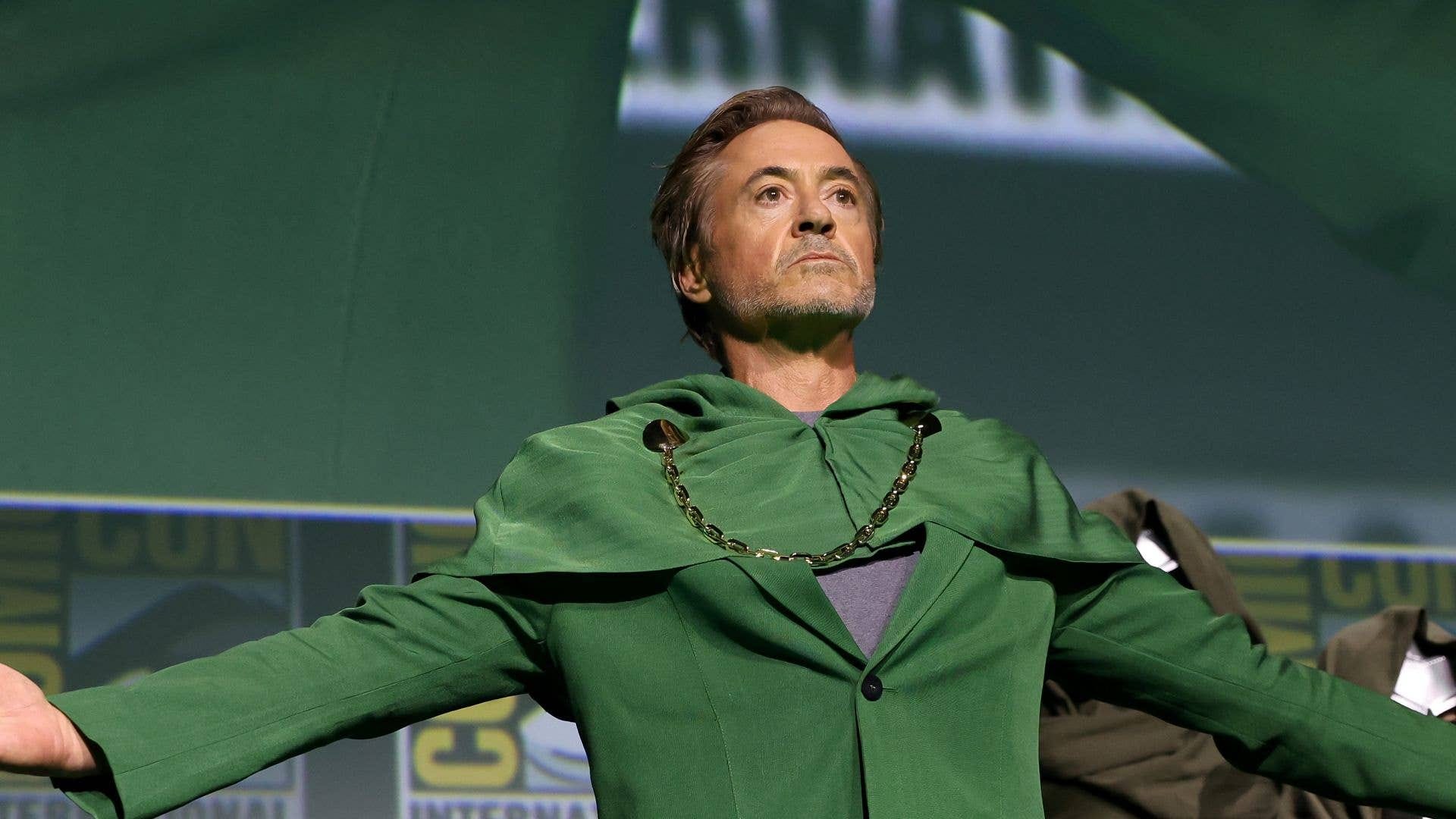
But if the argument is not original, it is at least an interesting jumping-off point. The Oscars selfie represents maybe not the end of monoculture as a whole, but the last moment that something ‘new’ (ish) could be put in front of an audience who would all, to a one, recognise it. The last vestiges of popular culture that still exist - tentpole movies, big brand campaigns, new album releases by popstars of yesteryear - now trade almost exclusively on nostalgia. In recognising that nothing new can exist that everyone will know, celebrities and brands work increasingly in the realm of the past: Robert Downey Jnr returns to the Avengers, Madonna revives Confessions on a Dance Floor, Euphoria trades in Y2K aesthetic pastiche for people who didn’t live through it the first time. The instinct is not to push forward, but to retreat. Culture, in other words, is stuck.
The ‘Lindy effect’ holds that the longer something has existed, the longer it will last. The Oscars selfie, and the apex of stardom it represents, holds weight even now, even as a symbol of a dying thing, because it traded on the one currency everyone still understands - the power of twentieth-century celebrity. Not everyone is paying attention to the same thing anymore. But, as a lesson for those wondering how to rebrand a troubled pop star, brand, or actor, one thing is true: everyone still remembers.
Full speed PR overreach
When F1 world champion Lando Norris sat down for an interview with experienced Guardian journalist Donald McRae to bask in the halo of yet another honour, it must’ve seemed like a fairly low-risk endeavour.
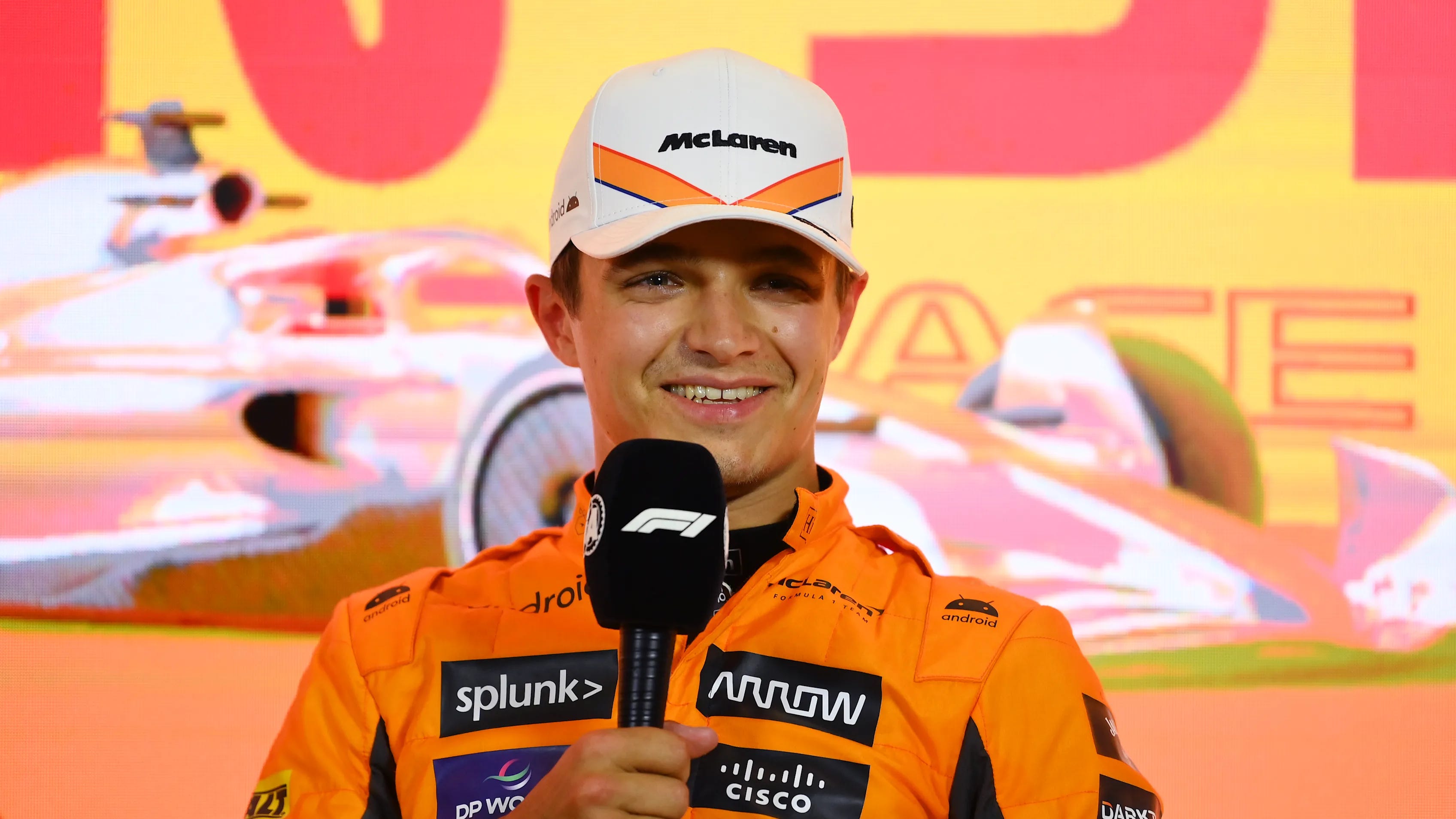
Never mind that his job is to screech round hairpin bends at 100mph in a rocket car, Norris is considered by most to be naturally likeable, and has been an astute media operator since before he was a teenage test driver. He’s at the top of his game with the world at his feet, and it sounds like the Guardian conversation was positive, interesting and flowing naturally - all the hallmarks of a good profile.
But then the PR got involved…
There are times when PRs and management can legitimately save clients from themselves in interviews, but this wasn’t one.
Norris was more than capable of answering and deflecting the (fairly obvious) questions that led to the intervention. Even if things were to get ropey, there’s a cost-benefit analysis between a slick, intelligent media operative having to circumnavigate an awkward question and the Guardian as an outlet that notoriously and gleefully reports on PR interventions in celebrity interviews.
Sometimes the best way for us to justify our existence is just by getting out of the client’s way.
NYT Bestseller exposes parts of Hollywood still ignored
Lena Dunham exploded onto the scene when she created the hit millennial HBO series Girls, and at just 23 years old, was hailed ‘the voice of her generation’.
She stays true to her natural candour in her new memoir Famesick, delving into her experience with fame and chronic illness. Dunham’s long-term battle with health has seen her struggle with EDS, severe endometriosis, fibromyalgia, and a hysterectomy in 2017.
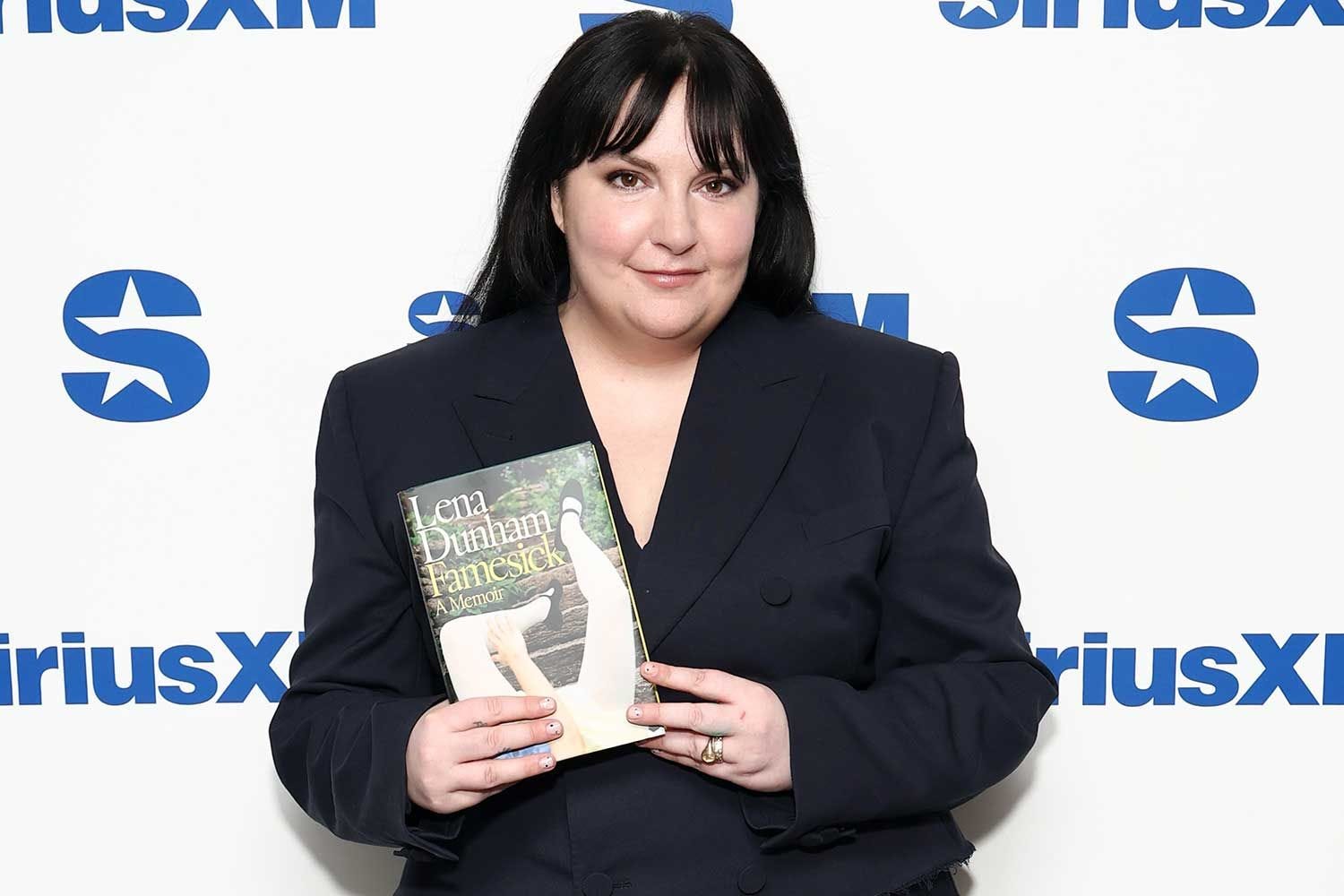
With Famesick landing #1 on ‘The New York Times’ bestseller list, it has had mixed reactions. One journalist said: “I am depressed that Dunham has used her skilful artistic voice to make misery, sickness and despair the leitmotifs of modern feminist struggle”. Whether you agree or not, there is a striking lack of acknowledgement or criticism of her former co-star, Adam Driver, who played her intense and volatile boyfriend in Girls.
Dunham describes Driver as “something feral…half-man, half-beast” and recalls the time when she attempted to throw him a surprise birthday party, only for him to “exit through the back door”. Dunham then received a “stern” warning from his agent saying, “Never try and surprise him again”.
Whilst Driver may not like surprises, it is ironic that he then “hurled a chair at the wall” next to Dunham and screamed “WAKE THE F*** UP” when she had a mind blank during a rehearsal. Dunham also writes about the uncomfortable process of filming their sex scenes, where her “careful blocking went out of the window”, as Driver “hurled me this way and that”.
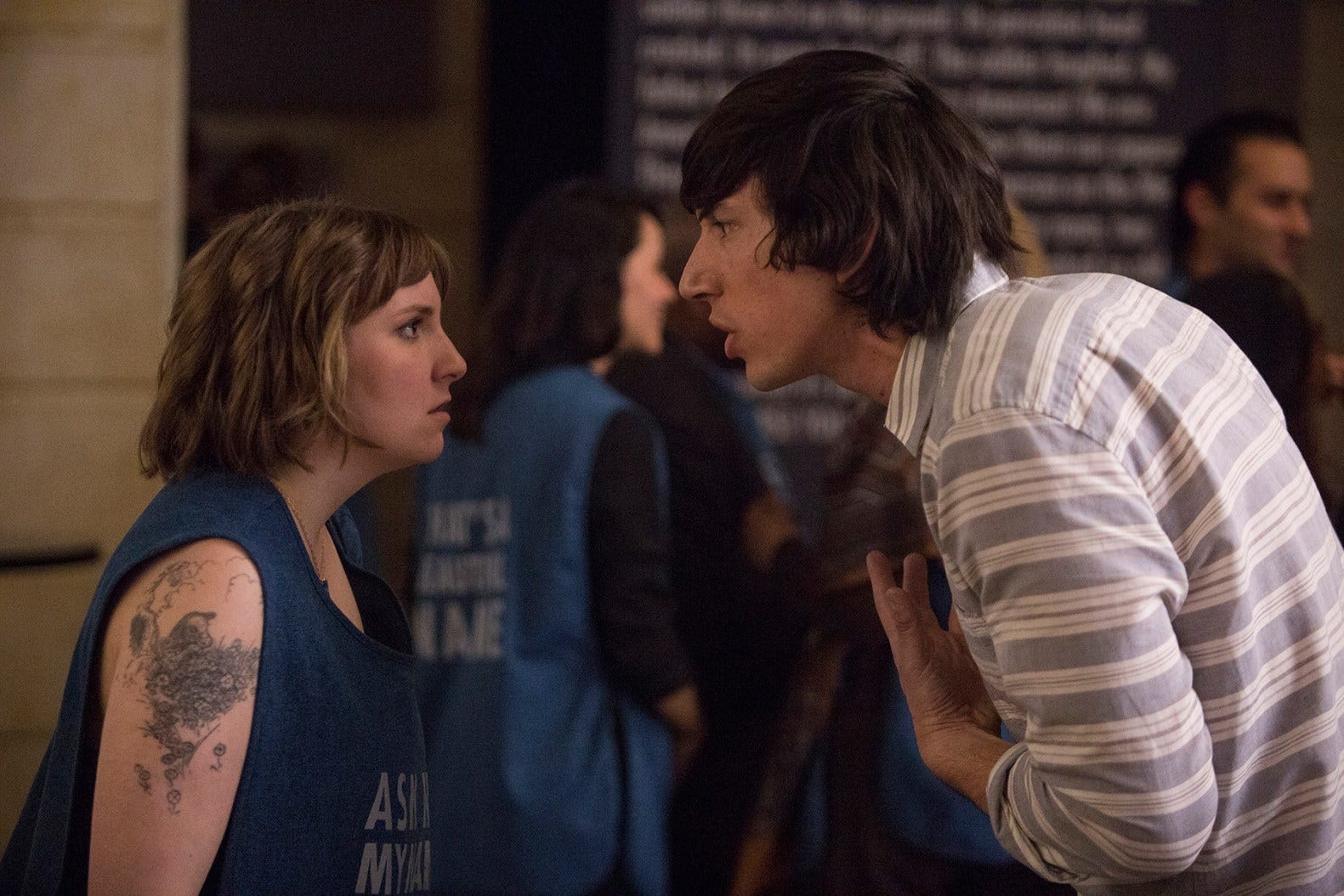
Driver seemed to have blurred, or actually just completely smeared, the lines between the character and himself - a tale all too familiar with a certain cohort of Hollywood, which is perhaps why the critics might not have batted an eyelid. The focus of Dunham’s brand of feminism and chronic illness is a reminder not just of Hollywood’s standards, but of what it still chooses not to see.
The Onion pursues InfoWars in vow to maintain editorial standards
How does a satirical digital media brand pursue one of the biggest peddlers of misinformation and conspiracy theories with millions of listeners? Because there are layers to this game. The Onion is attempting to strike a deal for Alex Jones’ InfoWars - specifically, a licence to hold the IP of InfoWars’ parent company, Free Speech Systems, at $81,000 a month.
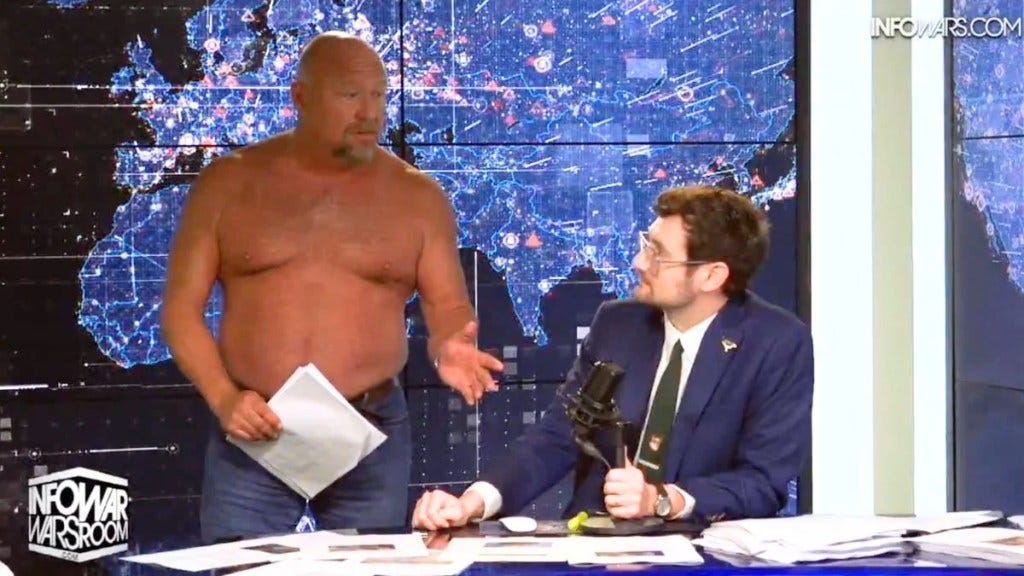
It’s been a whirlwind ride for Jones, who founded InfoWars back in 1999, gradually growing its popularity on YouTube and social media, peaking around Trump’s 2016 election. He raised millions in ad revenue, donations, and sales of his dietary supplements, including survival foods marketed as supporting “male vitality”. That was until he went after the Sandy Hook victims, claiming the 2012 school massacre was staged, and his false claims contributed to the harassment of grieving families. This led to a lawsuit against Jones, where he lost and ordered to pay a staggering $1.5 billion in damages.
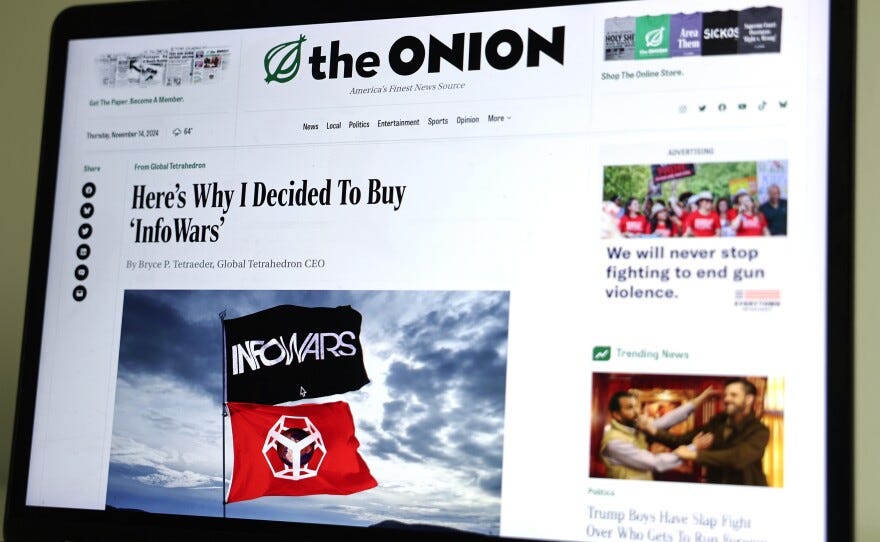
It was such a financial and legal collapse that InfoWars is now on the chopping block. With The Onion pursuing the remains, it’s a move that affirms what makes the brand special, supports Sandy Hook families who have struggled to recover damages, and needles Jones in the process - The Onion has committed to sharing revenue from the site with the families. Jones is expected to appeal, and the deal still requires sign-off from the Texas state court.
But the irony is hard to miss. The most effective weapon against a misinformation empire, it turns out, may well be a satirical media brand punching considerably above its weight.
Comments
Nothing yet. Say the first thing.
Sign in to join the conversation.