
JP Morgan Sex Scandal: Lawsuits as Reputation Warfare
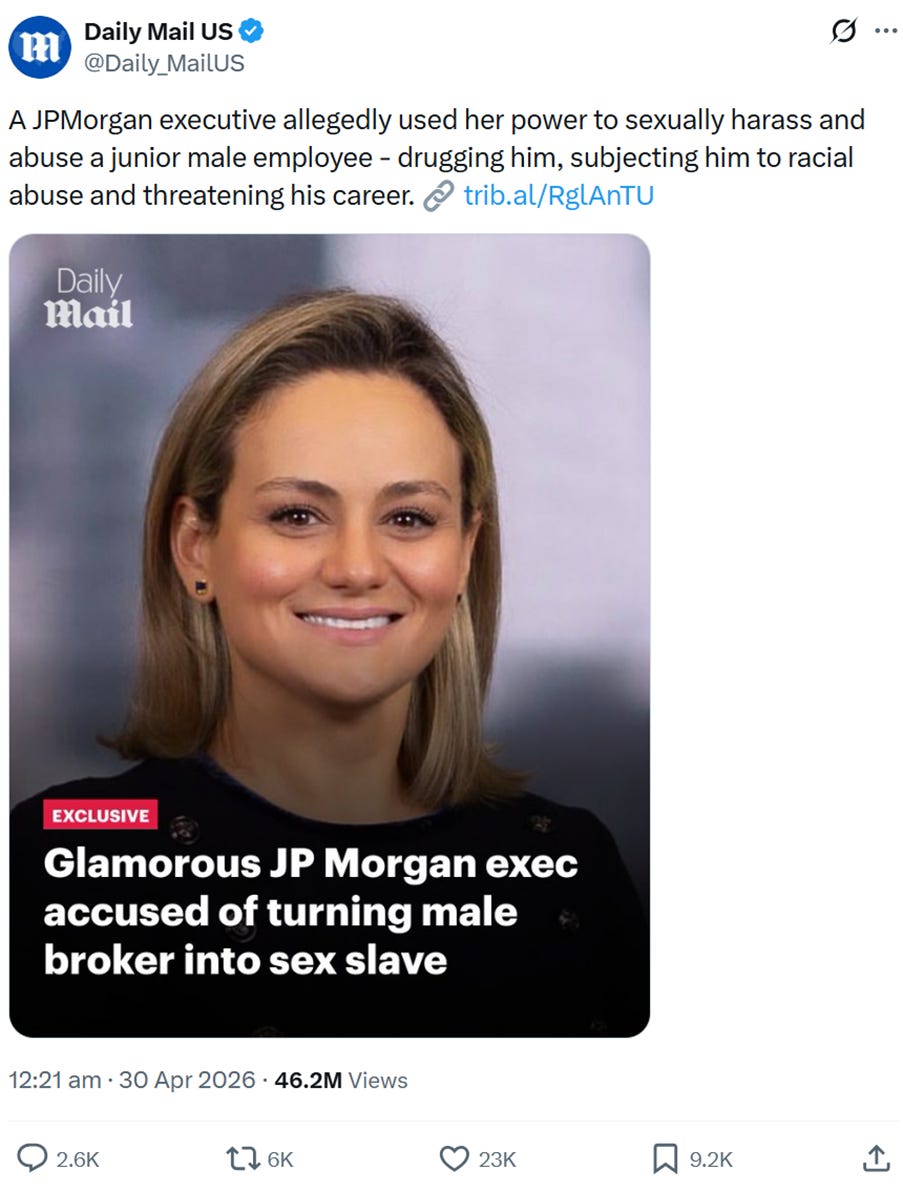
A viral Daily Mail story this week contained a litany of lurid allegations against a senior JP Morgan executive who, according to a lawsuit, coerced a junior colleague into a series of sex acts. The allegations were breathtaking in their detail, awkwardness and Trumpian humour, and set off a cascade of memes.
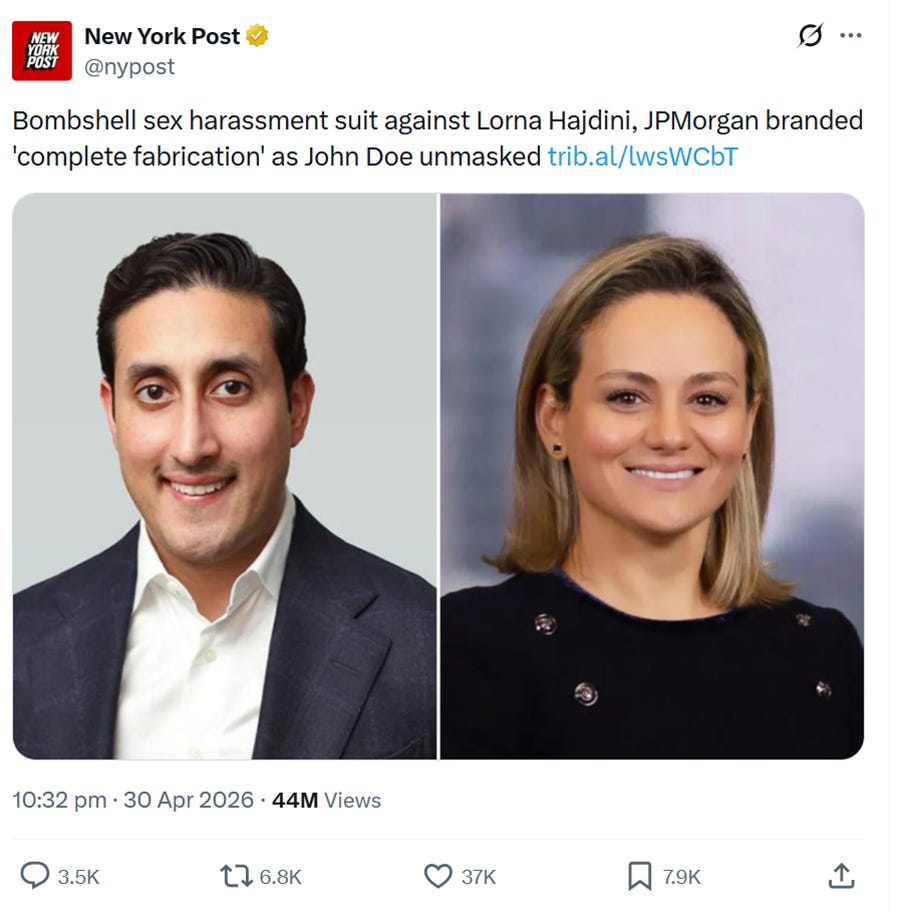
The response was swift – a New York Post exclusive unmasking the accuser and labelling his account a ‘fabrication’. Cue thousands more memes ranging from suggestions that he was attempting a bold new genre of erotic autofiction, to his digs about his wife, to the fact that everybody took one look at him and decided the story didn’t add up.
Underpinning the absurdity, there’s a serious point; the allegations saw the light of day because they were included in a (leaked) lawsuit. If it turns out that the lawsuit is without merit and dropped, then it will heighten the sense that this was another case of the weaponisation of the legal system – in both the USA and UK - to inflict reputational embarrassment on an opponent to try to force a settlement.
It’s a thorny issue and hard to legislate against or regulate; something uttered in court or an affidavit, even if its merit as a legal argument is oblique, carries more weight than a social media rant - and that is undoubtedly a tactic certain parties are now using to turn an (often weak) legal argument into a PR offensive. Another deadly weapon on the reputational frontline.
John Terry’s Own Goal
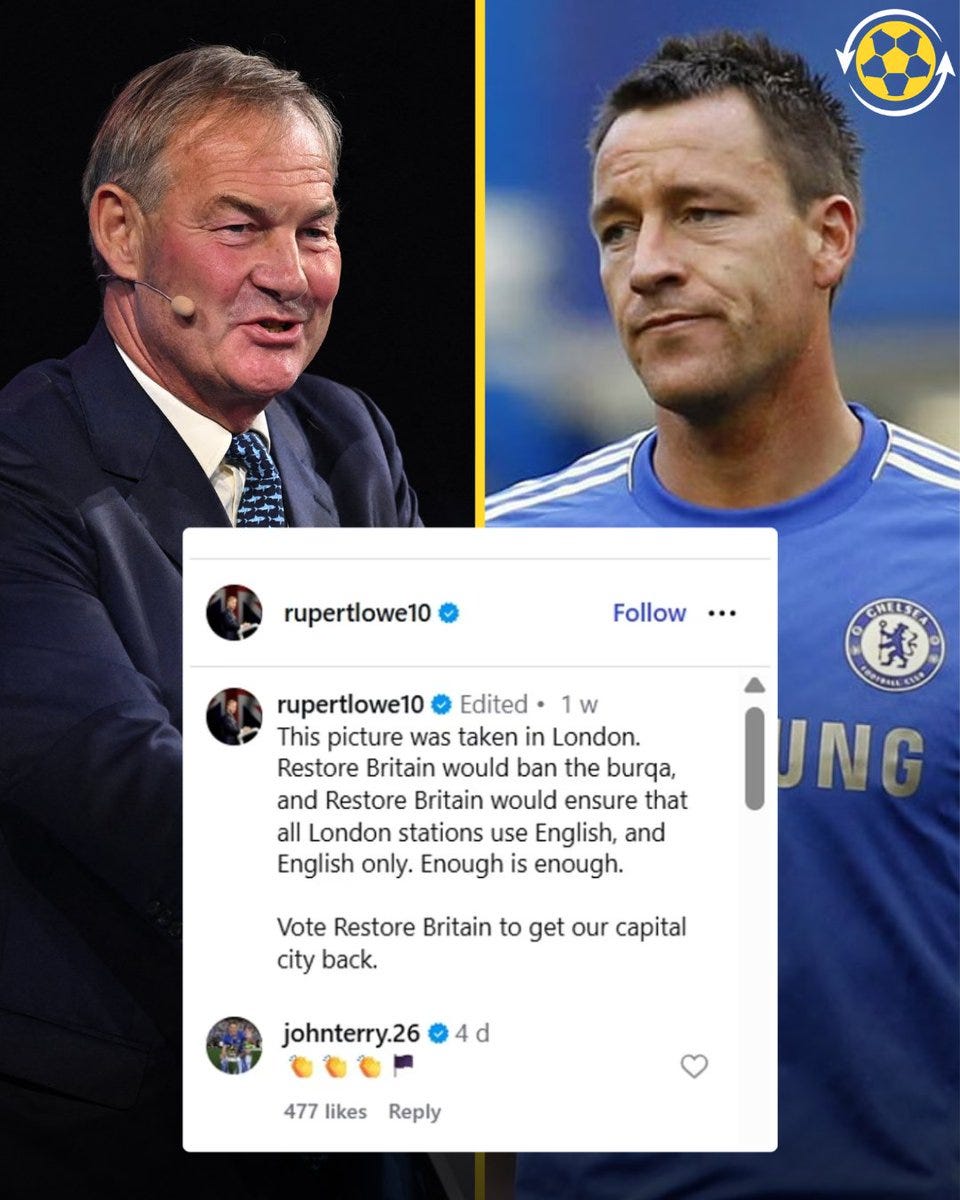
John Terry has always been his own worst enemy. His time on the pitch sees him as one of Chelsea and England’s most decorated defenders; off it, he’s one of England’s most controversial. And now, not for the first time, dipping his toes into explicitly political territory, endorsing an Instagram post by Rupert Lowe calling for “foreigners” to be banned from claiming benefits, among other things. While this is undeniably ‘bad’ for him, it’s almost so authentically John Terry that we’re surprised a story this size hasn’t appeared in the press sooner.
To understand why this barely registers, you need to understand where ex-pros sit in our collective consciousness. Football is an entertainment business, and increasingly the entertainment happens off the pitch - nowhere more visibly than in the podcast boom, which has been good to former players. Platforms like Goalhanger and The Overlap have turned them into media brands in their own right, rewarded handsomely for the kind of tribal, opinionated chat that once lived exclusively in the pub.
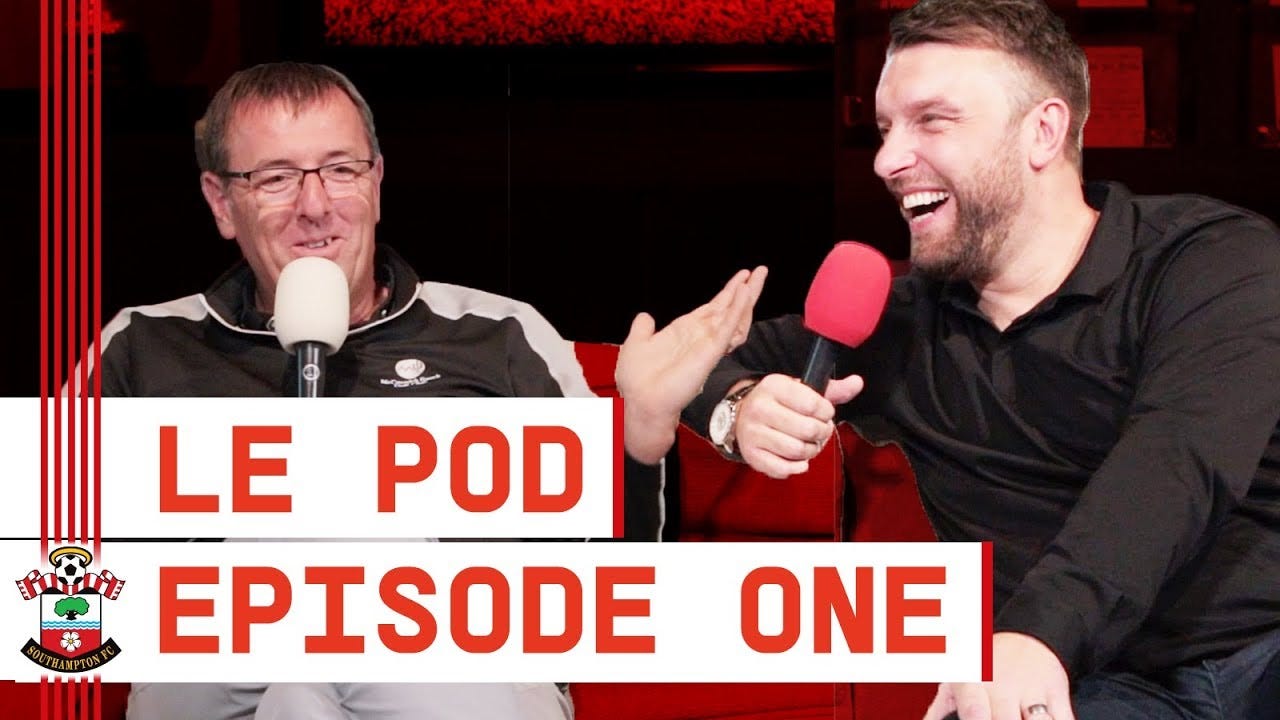
The same infrastructure that amplifies Gary Neville’s tactical insight also amplifies Matt Le Tissier’s vaccine scepticism and Rickie Lambert’s drift into outright conspiracy territory. This landscape continues to fracture - where more traditional news publications share hot takes or anecdotes from yesteryear, the more outlandish content from personalities like Joey Barton or JT circulates and festers on platforms like X.
The podcast doesn’t discriminate - crucially, nor does football. These men remain embedded in the game, welcomed on platforms, invited to events, their reputations largely intact within their core audiences. There are no real consequences to housing extreme views when the platforms that host you are incentivised to reward the most inflammatory takes with engagement.
Which is why Terry’s “100% yes” lands with a thud rather than a full-blown crisis. Condemned, yes. Career-ending, no. Outside the clickbait headline, these interventions tend to disappear into a void of limited return. Terry is a coach, not a pundit with a broadcasting contract to lose. The levers that might once have applied - sponsor pressure, broadcaster sanction, public shaming with teeth - don’t quite reach him where he now operates. Words have consequences, even slow-burning ones, and Terry has reminded everyone who he is. When managing one’s reputation, there are few things harder to recover from than that.
Banksy Suited and Booted
Banksy’s habit of appearing where he isn’t expected still endures, this time swapping walls for plinths. A life-sized statue of a suited figure, flag billowing across its face, appeared in central London on Wednesday, a stone’s throw from statues of Crimean War generals and the gilded Athena of the Athenaeum Club. He confirmed ownership via Instagram, posting behind-the-scenes footage of a low loader, hi-viz vests, and what James Peak, creator of the BBC podcast The Banksy Story, called “the sort of dudes who can set up a Metallica concert in 24 hours.”
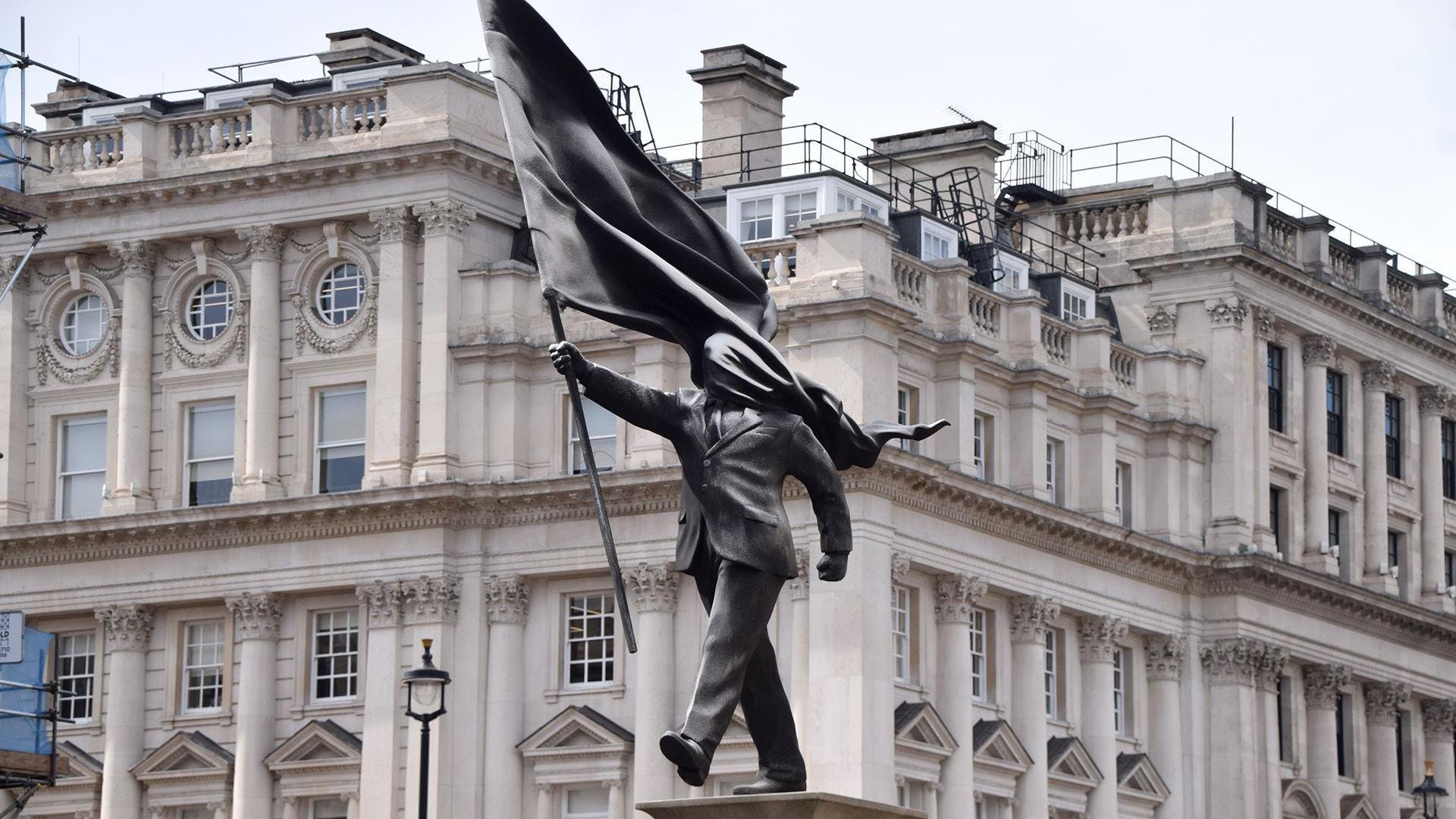
The shift from mural to monument is notable. Unlike September’s work of a gavel-wielding judge outside the Royal Courts of Justice, which made a clear, bloody attack on state power, the new installation trades overt violence for something more ambiguous. Peak praised the stunt, suggesting it captures “a very precise moment in time… the flag’s kind of blinding this puffed up, besuited leader who’s about to step off a precipice.” Others have read it as a comment on performative authority, or the way modern political figures become defined more by image than action.
Westminster City Council has been quick to put up barriers, but stated it is “excited” and hopes to preserve the piece. Whether this represents a genuine evolution in Banksy’s practice or simply a clever change of materials, the consensus among onlookers is unusually unified: regardless of whether you like his work, he knows how to start a conversation.
Comments
Nothing yet. Say the first thing.
Sign in to join the conversation.