
As a group that receives frequent inquiries about book donations, Books Beyond Bars is often approached by well-meaning people who want to donate their collections of classic novels or literary fiction. When we respond that we are in need of genre fiction and cannot make use of such donations, they are often surprised. There is an underlying assumption here about the kinds of books that “should” be sent to incarcerated individuals.
Bestseller lists are usually topped by genre fiction, thrillers, and romance novels such as It Ends With Us by Colleen Hoover, Passions in Death by J. D. Robb, and Capture or Kill by Vince Flynn. These are the kinds of books that the majority of Americans spend their time reading, so why would the requests of incarcerated people be any different? Our most highly requested author is James Patterson, which should come as no surprise since Patterson currently holds the Guinness World Record for the most #1 New York Times Bestsellers by a single author.
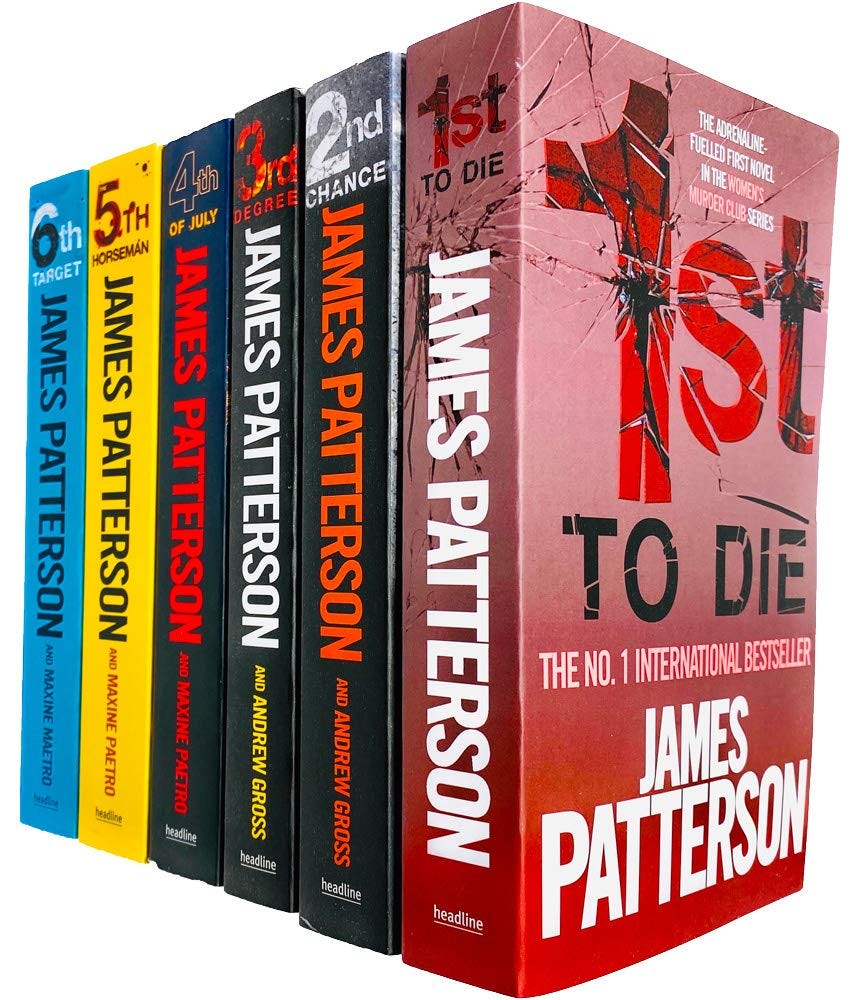
Some may challenge the idea that we should be sending out mass-market paperback thrillers or urban fiction. These books will never win prestigious literary prizes, receive write-ups in the New York Times, or make it onto school reading lists. Yet when you request a book from your local public library, you have a completely free choice, whether or not your selection is regarded as having educational value or literary merit.
The assumption that incarcerated people should only read books to ‘better themselves’ is a dangerous one. When we decide that the fact of a person’s incarceration dictates the kinds of books they should receive, we are denying them the full scope of their humanity in the same way that carceral institutions do. By respecting the autonomy of our clients to dictate their own interests, we can work against the persisting narrative within carceral systems that conceives of reading and access to information as serving to either punish or rehabilitate the incarcerated individual. Instead, we recognize that incarcerated people, while they may have some interests that are informed by their incarceration (such as reentry, legal information, and medical and/or psychological information), have as broad an array of reasons for reading as anyone on the outside, whether they are looking for entertainment, education, escapism, or spiritual enrichment.
No posts
Comments
Nothing yet. Say the first thing.
Sign in to join the conversation.