
This Pride Month, we’re highlighting the difficulties faced by incarcerated LGBTQIA+ people in accessing books and information. First, it is imperative to recognize that these individuals, particularly those living in poverty and people of color, are overrepresented in jails and prisons. In their book Library Services and Incarceration, Dr. Jeanie Austin points out that information access is often restricted in order to further control incarcerated LGBTQIA+ people, who, along with other marginalized groups, already face heightened levels of surveillance. In prison, this oppression is exacerbated by the lack of available resources.
In a recent interview for Books Through Bars: Stories from the Prison Books Movement, Zoe Lawrence, a trans woman incarcerated in Alabama, reported that LGBTQ resources were often scarce at her prison’s library: “LGBTQ was the one topic that seemed taboo. Maybe because this prison is in the South, maybe because the concern that reading a gay book makes you look weak. I am not sure of the thought process here. All I knew then was that I had little to read (at least in terms of being able to relate to the characters).” According to Black and Pink’s National LGBTQ Prisoner Survey, Lawrence’s experience is not uncommon: only 20% of LGBTQ people in prison had access to LGBTQ-affirming reading material. The statistic is unsurprising, since the culture in jails and prisons is one which, according to Terry A. Kupers in “The Role of Misogyny and Homophobia in Prison Sexual Abuse,” fosters misogyny and homophobia.
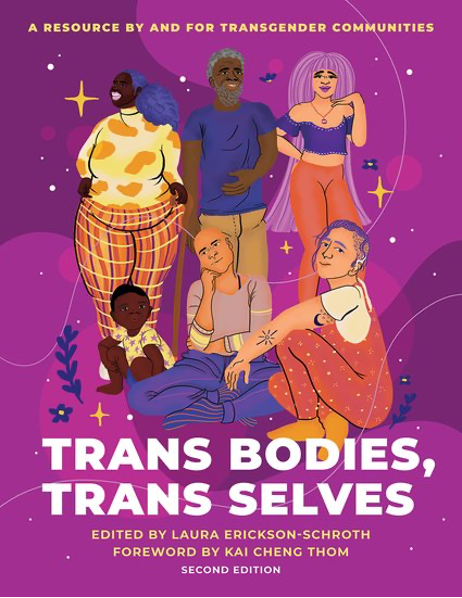
Lawrence’s response to the scarcity of LGBTQ material was to establish her own underground library, filling her locker with books such as Trans Bodies, Trans Selves and If I Was Your Girl. She donated many of these titles to the prison library but found an LGBTQ section difficult to maintain; books would often go missing or suffer damage. Regarding book rejections, Lawrence observes that, despite policy to the contrary, inmates are rarely informed when a title has been turned down. “The fear of a book being rejected has influenced my decisions when ordering books,” she states. “I attempted to get Our Bodies, Our Selves, a woman’s health guidebook. It was rejected on the grounds that I was not a woman. I didn’t get a chance to fight that decision because the book was sent back before I ever had the chance.”
LGBTQIA+ materials often face increased levels of censorship in carceral facilities. PEN America’s 2023 Reading Between the Bars Report found that the most common reason for rejecting books in most states was sexual content, a reason which is often applied excessively to censor LGBTQIA+ reading materials. In “Until There is a World Without Prisons: Books for LGBTQ people” in Books Through Bars: Stories from the Prison Books Movement, Melissa Charenko outlines the difficulties that LGBT Books to Prisoners encountered when trying to work with a corrections officer to improve their resources. It became clear that the prison system and staff were not properly equipped to meet the needs of LGBTQ people: “LGBT Books to Prisoners could provide books to those in detention based on our ‘best judgement’ that the book would most closely match a person’s request, but the facility staff would use their own judgements to decide whether the person would ultimately receive the books. The officer suggested that once the books were vetted, they would only be provided as a ‘resource accommodation,’ rather than as standard materials for all those incarcerated.”
Access to books and information can be a lifeline for LGBT incarcerated people. Dr. Austin discusses the guidebook Surviving Prison in California: Advice by and for Transgender Women as notable for its realistic approach, which works to build community through shared resources. Materials like these defy the power of the state carceral system to dictate what LGBT people need instead of allowing them to voice their own preferences. In the introduction to the second edition of Captive Genders: Trans Embodiment and the Prison Industrial Complex, Cece McDonald, a trans activist who served a sentence in a men’s prison for defending herself from her racist and transphobic attacker, describes the impact of books like Assata Shakur’s autobiography, Angela Davis’s Are Prisons Obsolete, and the first edition of Captive Genders: “It was here that I learned about Miss Major, who helped lead the Stonewall Uprising, and how strong trans women of color like her were kicked out of the official story by transphobia, capitalism, racism, sexism, and so many other things that dull the light of our intellectual past.” She describes sharing this knowledge with people in her facility and being surprised by the positive responses she received.
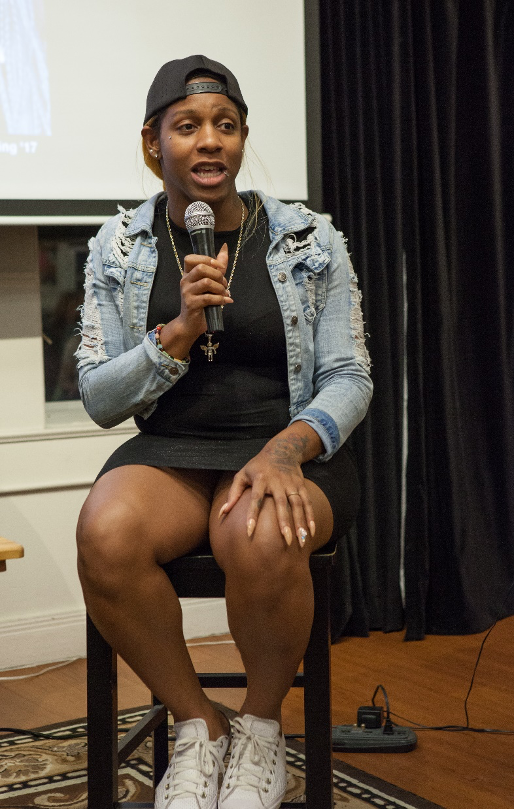
Cece McDonald. Photo by Pax Ahimsa Gethen
At Books Beyond Bars, we will continue to provide our clients with the LGBTQIA+ resources they need, allowing them to dictate their own needs by matching their requests as closely as possible. We strive to maintain a library that responds to the diversity of our clients’ requests in the hopes that we can, at least in a small way, fill in a few of the many gaps in knowledge and resources that exist within prisons and jails.
No posts
Comments
Nothing yet. Say the first thing.
Sign in to join the conversation.