
This Black History Month, we’re highlighting several books detailing the experiences of Black incarcerated people. These books, which include The Autobiography of Malcolm X by Alex Haley, Assata by Assata Shakur, and The New Jim Crow: Mass Incarceration in the Age of Colorblindness by Michelle Alexander, illuminate the ways in which incarceration acts as a systemic form of racial oppression, intersecting with its present and past manifestations. Each book is widely requested among the incarcerated people we serve, and we are grateful for the opportunity to spread such valuable knowledge behind prison walls. However, given the active work it takes to fight racism, those who have not been affected directly by the carceral system also have much to gain from these diverse perspectives.
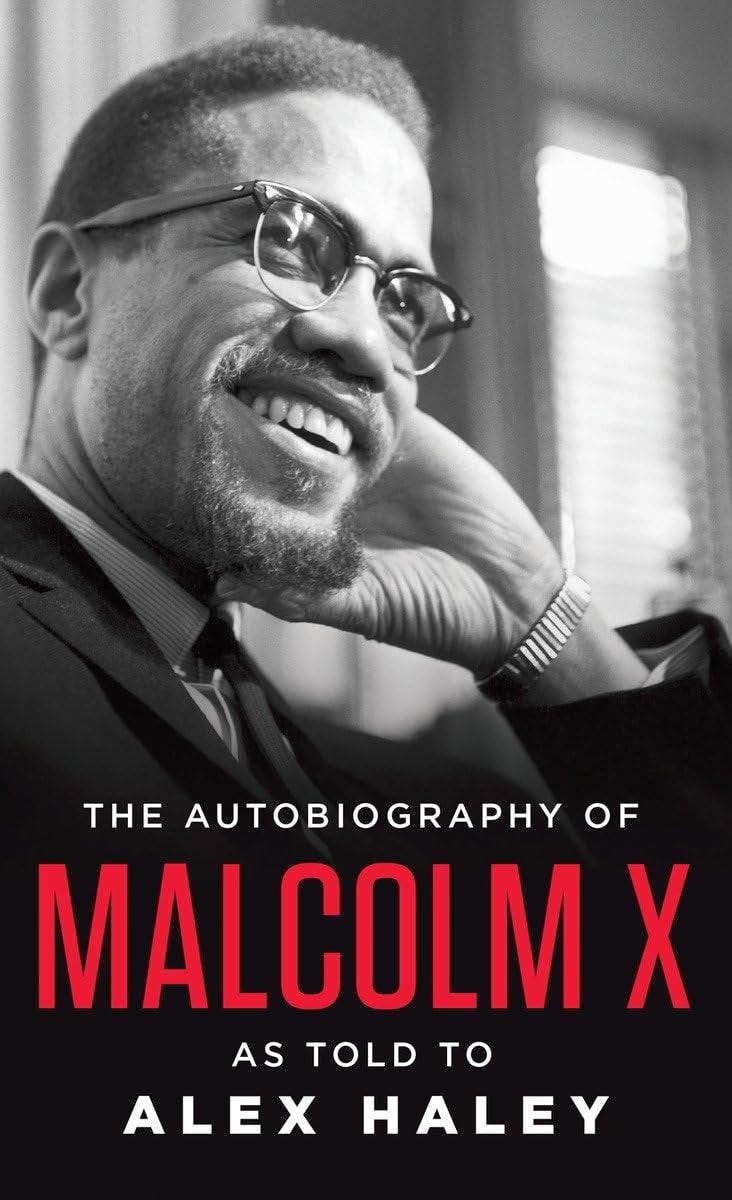
Malcolm X, as told to Alex Haley, The Autobiography of Malcolm X
Malcolm X’s autobiography contains many poignant reflections on incarceration. “Behind bars,” he writes, “a man never reforms. He will never forget. He never will get completely over the memory of the bars.” During the time the activist and minister spent in prison, he famously copied out the dictionary in order to improve his vocabulary, a practice reflective of the burden that still often falls on incarcerated people to educate themselves. He also learned more about the atrocities of slavery, knowledge that informed his developing ideas about Black oppression in America and encouraged him to draw parallels between the dehumanization of prison and the mistreatment of Black people: “If you’re born in America with black skin, you’re born in prison, and the masses of Black people in America today are beginning to regard our plight or predicament in this society as one of a prison inmate.”
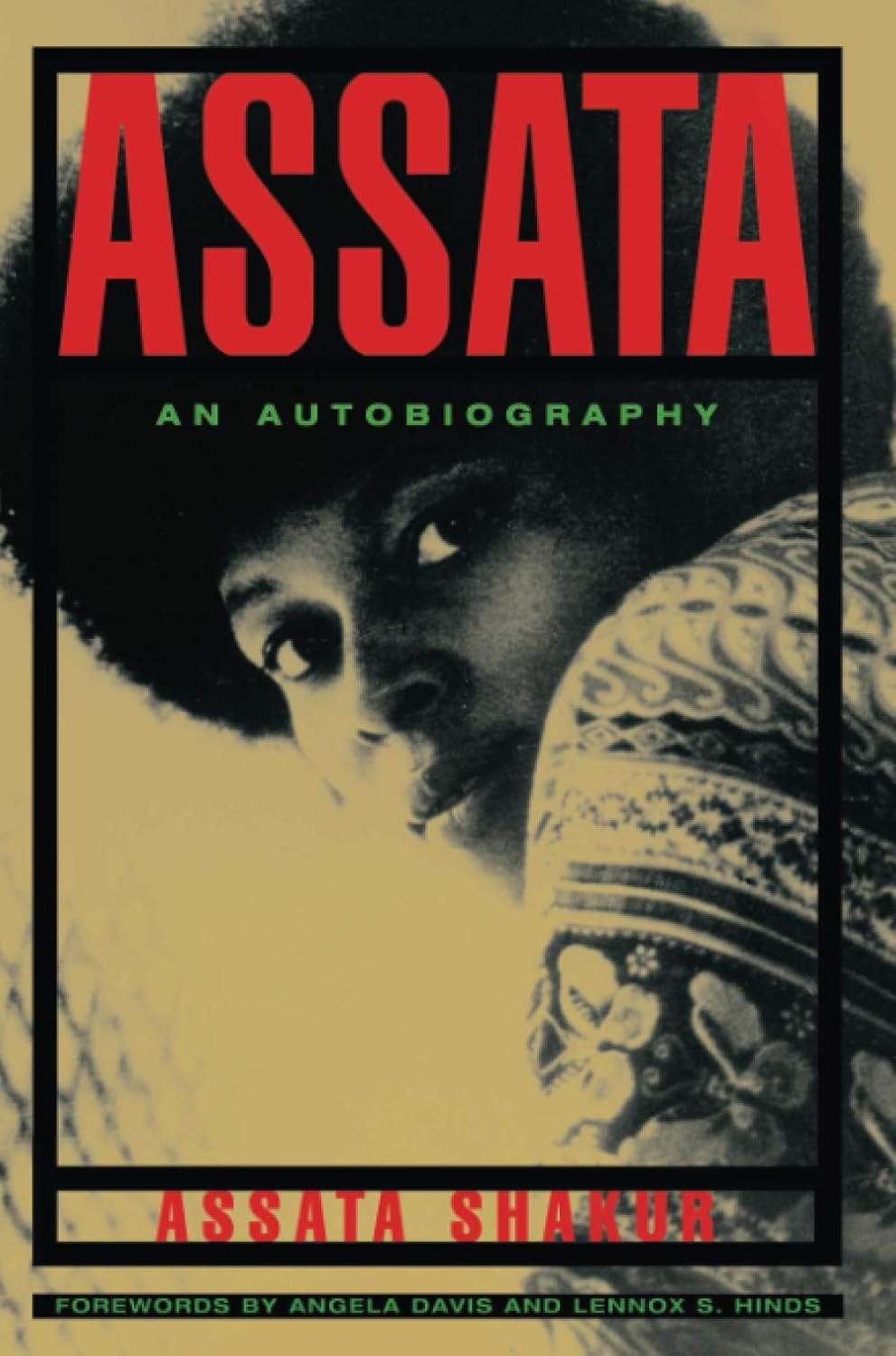
Assata Shakur, Assata
Assata Shakur’s autobiography contains horrific accounts of her treatment while incarcerated. She learns that slavery is essentially legal in prison, and reflects on the link between the oppression of people of color and incarceration:
“[Learning that slavery is legal in prison] explained why jails and prisons all over the country are filled to the brim with Black and Third World people, why so many Black people can’t find a job on the streets and are forced to survive the best way they know how. Once you’re in prison, there are plenty of jobs, and if you don’t want to work, they beat you up and throw you in the hole.”
At Rikers, Assata notices the racial disparity among the incarcerated women, remarking that the majority of Black women had been charged for offences that would never have landed a white woman in jail. Although written more than thirty years ago, Shakur’s reflections on racism in America remain relevant today, especially considering that she is still in political exile in Cuba, even after numerous activists have campaigned for her release.
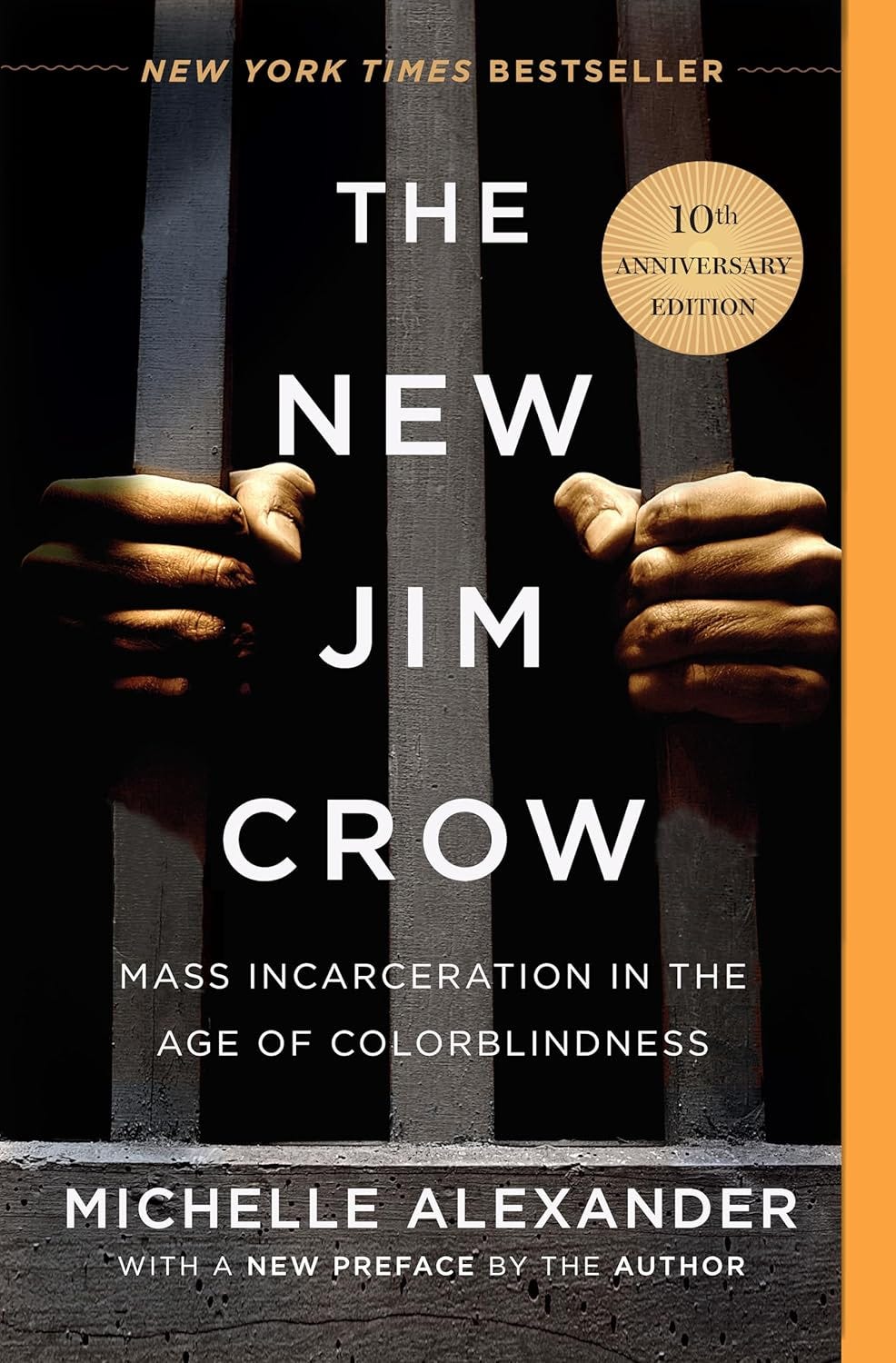
Michelle Alexander, The New Jim Crow: Mass Incarceration in the Age of Colorblindness
In The New Jim Crow, Michelle Alexander argues that a contemporary equivalent of the Jim Crow laws is present in America’s system of mass incarceration, which subjects Black Americans to oppression by using the label of criminality to justify its racist ideology. “The racial dimension of mass incarceration is its most striking feature,” she writes. “No other country in the world imprisons so many of its racial or ethnic minorities. The United States imprisons a larger percentage of its black population than South Africa did at the height of apartheid.”
Through a thorough and damning examination of the racial disparities within the criminal justice system, Alexander focuses on the way in which Black men, in particular, fall victim to a rigged system that is designed to exclude them from society, often labelling them as criminals at a startlingly young age. Of the crisis, Alexander says: “One in three young African American men will serve time in prison if current trends continue, and in some cities more than half of all young adult black men are currently under correctional control—in prison or jail, on probation or parole. Yet mass incarceration tends to be categorized as a criminal justice issue as opposed to a racial justice or civil rights issue or crisis.”
These books are just a small portion of those we send out to incarcerated people. Books on Black history make up many of the requests we receive. In most cases, we can match the specific titles that individuals request by purchasing the books ourselves. If you are able to make a contribution, please consider supporting our work by making a donation.
Comments
Nothing yet. Say the first thing.
Sign in to join the conversation.