
This is my monthly wrap up where I talk about some of my favourite things from the last month. What I’m reading, enjoying, looking forward to—sort of anything floating my boat.
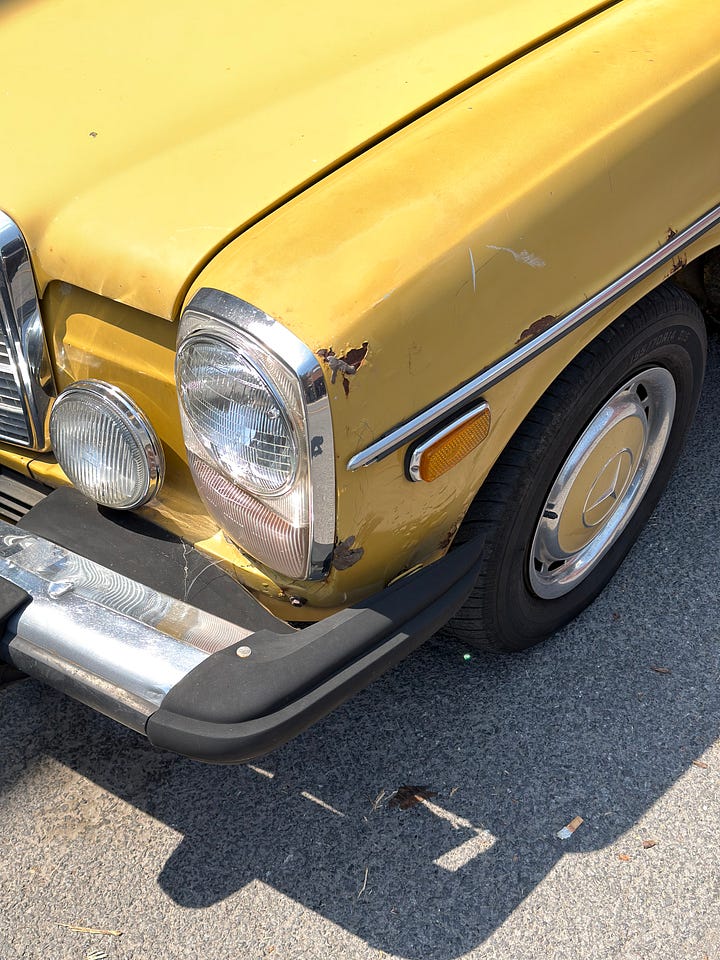
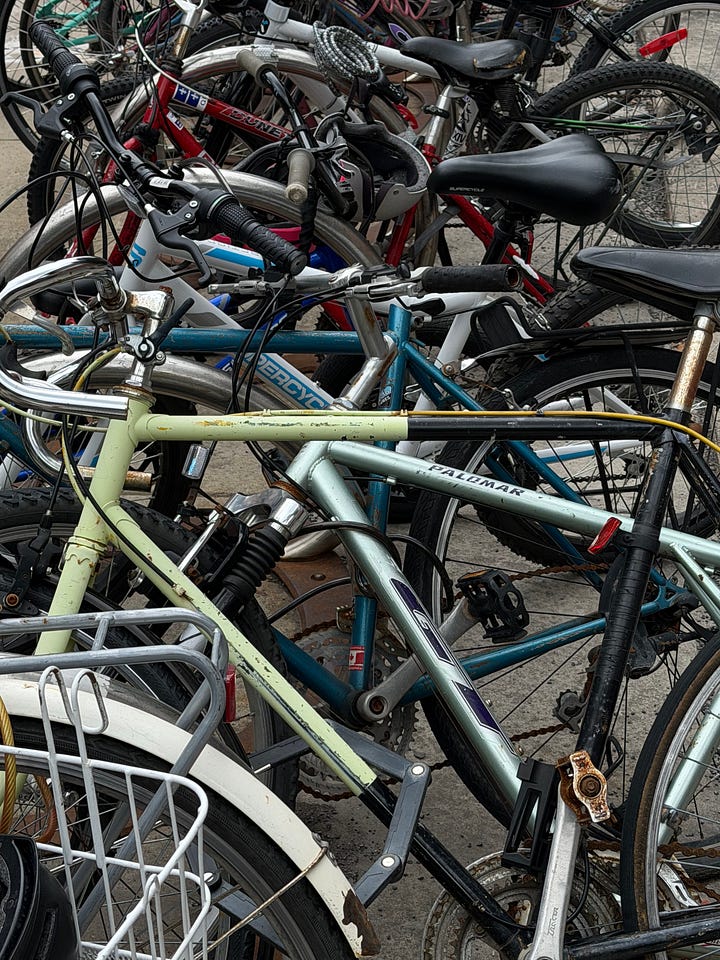
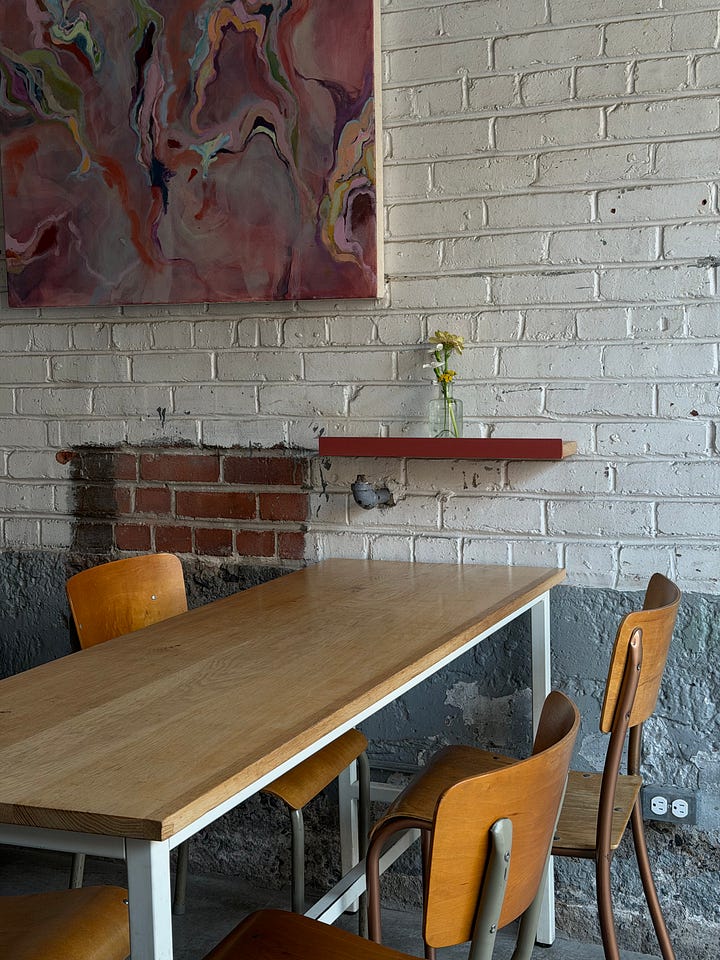
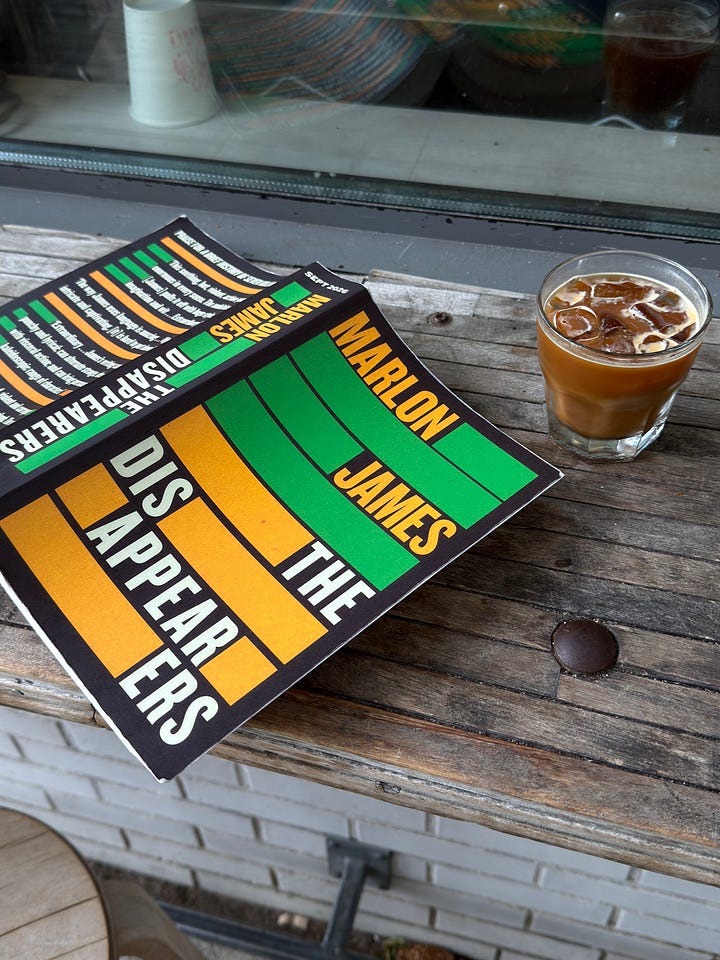
In July, I went back to Montreal for the first time since moving to London. I’m a very sentimental person, so I expected to feel so much throughout my stay. I went to my old house to pick up mail, some of my favourite restaurants, my local bookstores… and nothing. The feeling can only be described as a lack of feeling.
I have no family there, so I don’t really get a sense of homecoming. I loved seeing my friends and the people that I miss, but the people are not the city. My friend who’s lived in London for a while told me that maybe it was too early, maybe in a few years I will feel differently. I think the more time goes on, the more I might miss it, but the further the city will get from what I knew.
If anything, the trip confirmed that I really do love living in London. It might be a sign that I’ve already changed, that Montreal doesn’t quite fit anymore. Maybe it will again someday, but for now where I am fits like a glove.
Below is a rundown of every book I read last month. I’ll be adding a star next to my standouts, like a starred review where a star isn’t a 1 to 5 scale, it just means good!
Before the written ramblings, here is a video version of my monthly wrap up if you’re more of a visual person:
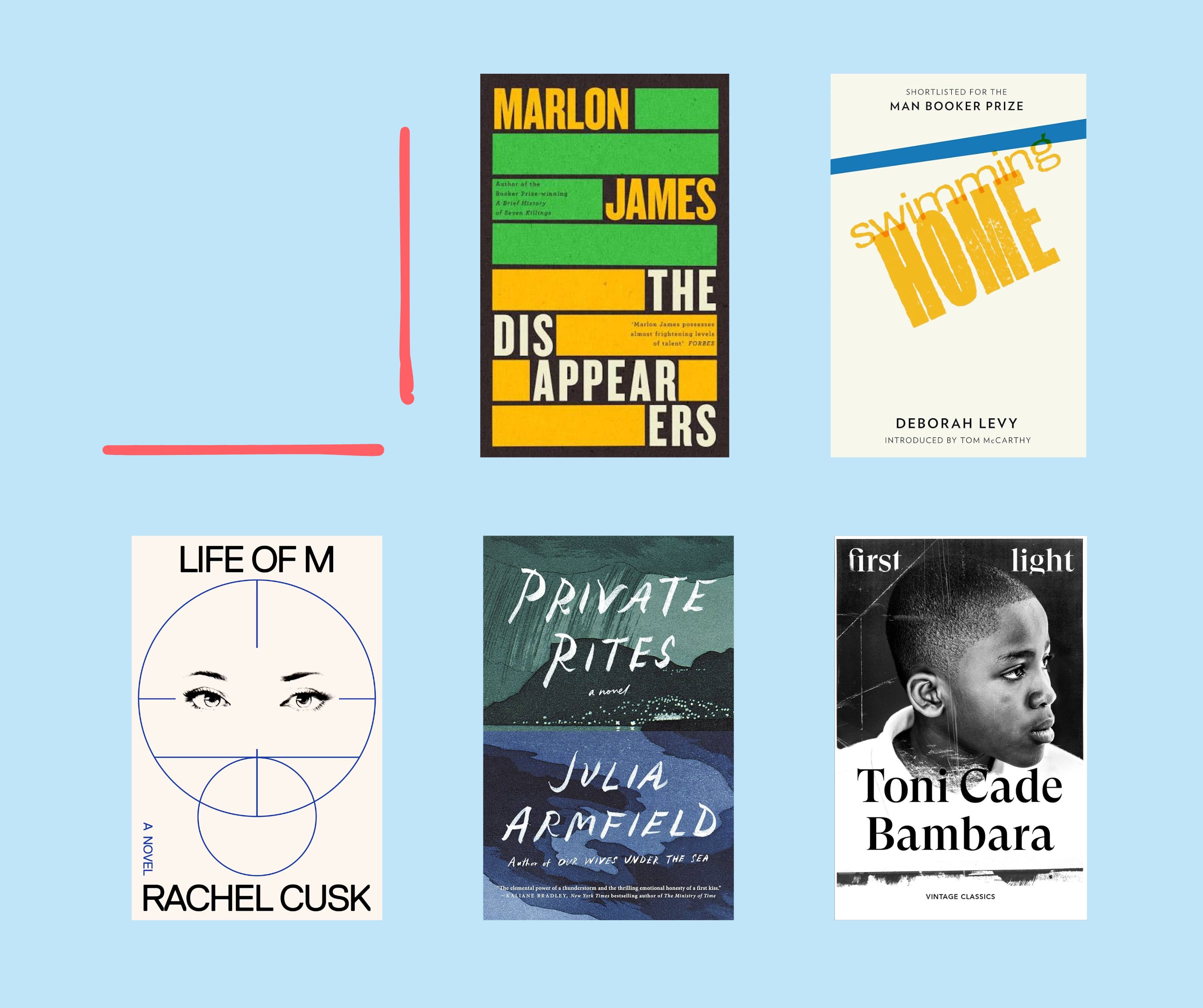
The Disappearers by Marlon James (Out September 1st) ★
This book was just longlisted for this year’s The Booker Prizes. It was one of two books I predicted correctly, and the one I was most excited to see on the list! When it was announced, I happened to already be reading it.
The Disappearers is about a group of gay Jamaican men putting up a gay play in Jamaica in the late 1980s. As they are going through rehearsals, they are attacked by a bunch of men in a targeted homophobic assault. One of the members of the troupe is murdered, most of the others are severely injured, and only one decided to skip rehearsals that day.
The rest of the novel is the fallout from this experience over the next few decades. How do all of the men cope with the lingering trauma from such violence? How do they make sense of living in a place that has criminalized their identity, that allows authorities to turn a blind eye to their sufferance? Who even were these men and how can they live with themselves?
This is a 600 page brick, but it goes by quite quickly because it’s split into sections that almost read as separate novellas. Each part has its own mode of storytelling, from diary entries to interview segments, and each centres a different man to get his perspective on the events and the aftermath. Jumping around through decades and through their different heads made this feel less like a trauma dump and more like a really important piece of art about a time and place that I had never accessed before.
So many elements of this novel are standouts. A few of the men we follow are mixed and this exploration of race was so fascinating—how they all interact with it in different ways. There’s also so much conversation about AIDS. Being set in the late 1980s into the 2000s, this felt even louder. We get to track the evolution of these men’s feelings towards AIDS over time.
This was incredible, and absolutely earns its 600 pages. I described this book to a friend as requiring an active read and being challenging, but I meant that because it was rewarding to finish. This is only my first read from The Booker Prize Longlist, but I already feel like it could win. Nobody else could’ve written this, it’s so specific and the writing is fantastic.
Swimming Home by Deborah Levy ★
I’ve read one Deborah Levy book before, a novella called Swimming Geography. It was good, but mostly fine. That middling experience left me lukewarm to Levy, but I’m so glad I broke out of that misguided impression of her.
Swimming Home follows a family as they descend on a compound in the South of France for a vacation. The villa they’re staying in is connected to other villas with more people. They all gossip about each other and get into each other’s business but when a grifter finds a way to stay there, she throws the whole thing off-balance. This outlier, Kitty, is a vixen mixed with a manic pixie dream girl but she has a purpose.
Everyone swirls around her as the chaotic nucleus, she wreaks havoc mostly by allowing the others to reveal their true selves. Marriage troubles, teenage rebellion, aging jealousy, control, gossip, it tumbles out of all of them like diving straight into the deep end. While we know from the start of the novel where Kitty ends up, the journey was still electrifying.
This is a surprising novel. When you think a swerve is coming, it doesn’t, then one catches you by surprise. It’s simple, elegant, a little dangerous, a little sexy, and very gritty. I’m heavily on the Deborah Levy train now.
Life of M by Rachel Cusk (Out August 25th)
If you didn’t see, this book has a bit of controversy attached to it. Allegedly, Natalie Portman and Rachel Cusk are friends as they both live in Paris. Cusk would’ve floated the idea of writing a book about Portman, who agreed as long as it was fictional and she was unrecognizable. Now that it’s coming out, Natalie Portman isn’t happy with how she comes across and, again allegedly, is suing Rachel Cusk over it.
Now, when this was all happening, I immediately picked up my advanced copy and started reading.
This is a character study of an actress who’s been famous her entire life and is slightly out of touch. A writer befriends her and she begins to write her life story in bursts. From the outset, we the reader are told this is a work of fiction—the book in the book, and perhaps also a reminder from Cusk? These moments in the actress’ life are recounted as if the writer were in the room but it’s not clear whether she was or whether the actress told her about these events.
There are so many layers of the construction of the self to uncover in this. It’s also about fame and identity and commodification and performance. We see this actress take part in a filmed rehearsal for a fashion brand’s book club ahead of a real event in front of the public where she replicates what had been practiced. We see her connect with a younger actress, give her advice, or have a screenwriter friend write a script for her that she hates. It was very interesting to see this woman live a very abnormal life, but deem it completely normal.
The actress’ life is contrasted by the bits of the writer’s life we get to see. She is basically anonymous despite having a lot of success, and goes about her days mostly without interference from other people. She gets to be a person without having to simulate personhood.
I really enjoyed this slice of life from both of these women. Had I not heard about the Natalie Portman of it all, I would’ve been able to figure it out as there are mentions of a very Black Swan film, a Leon le professionnel film, and more. But even removing the who of the story or the inspiration for the book, the writing is so compelling and breezy and delightful. I had a great time with this.
Private Rites by Julia Armfield ★
This is technically a King Lear reimagining with three queer daughters, but I found it to be so much more. It’s a delicious mix of dystopian and queer and family drama.
When a genius architect passes away, his three daughters are left to pick up the pieces: Isla is a therapist having just gone through a separation, Irene is the middle sister trying to pull her siblings together, and Agnes is their much younger half-sister finding her way through new love. All of them had different relationships with their father, but for better or worse he was mostly their only present parent.
What their father leaves behind is fractured relationships between the three of them and questions about inheritance. How will his money and assets be divided? Do all sisters get the same treatment in the will? Can they find their way back to each other as the world falls apart?
Each of the sisters has a romantic entanglement of some kind. Whether it’s new love or a broken heart, this tethers each of them to a world outside of their father’s death. It’s almost like it’s a way into the sisters, because who they present when they’re together is vastly different. Maybe you can only be yourself with a sister, or maybe you can never be yourself with a sister.
The dystopian piece of this story is that while all this is happening, the world is drowning. Water levels are rising, it rains near constantly, and there’s a sense of impending doom because of it. Much like grief, it takes over slowly or all at once and it never really leaves.
Combining this tense plot with a speculative world works so well here. It all feels connected without feeling heavy-handed. Julia Armfield is brilliant and I can’t wait to read more from her.
First Light by Toni Cade Bambara
This is a slim novella that’s part of the Brief Encounters collection from Vintage Classics. It’s meant to be read in one sitting, which is exactly what I did.
It’s the story of a mother, Zala, living in Atlanta in the 1980s as she wakes up one morning to find one of her teenage children missing. Over the course of a weekend, she tries anything she can to get someone to care, someone to help. The city is jostled by violence and fear, it is hard for anyone to pay attention.
It’s inspired by a series of murders of black children in Atlanta from 1979-1981. Dozens of teens and children vanished or were found dead and it took the authorities far too long to take any of it seriously. This is what we learn through Zala’s story. Her pain drips off the pages, it is so palpable that I had difficulty breathing at moments.
This is part of a longer novel, which I’m now interested in reading, but I think it still works as a standalone. It’s so sharp and manages to do a lot with so few pages.
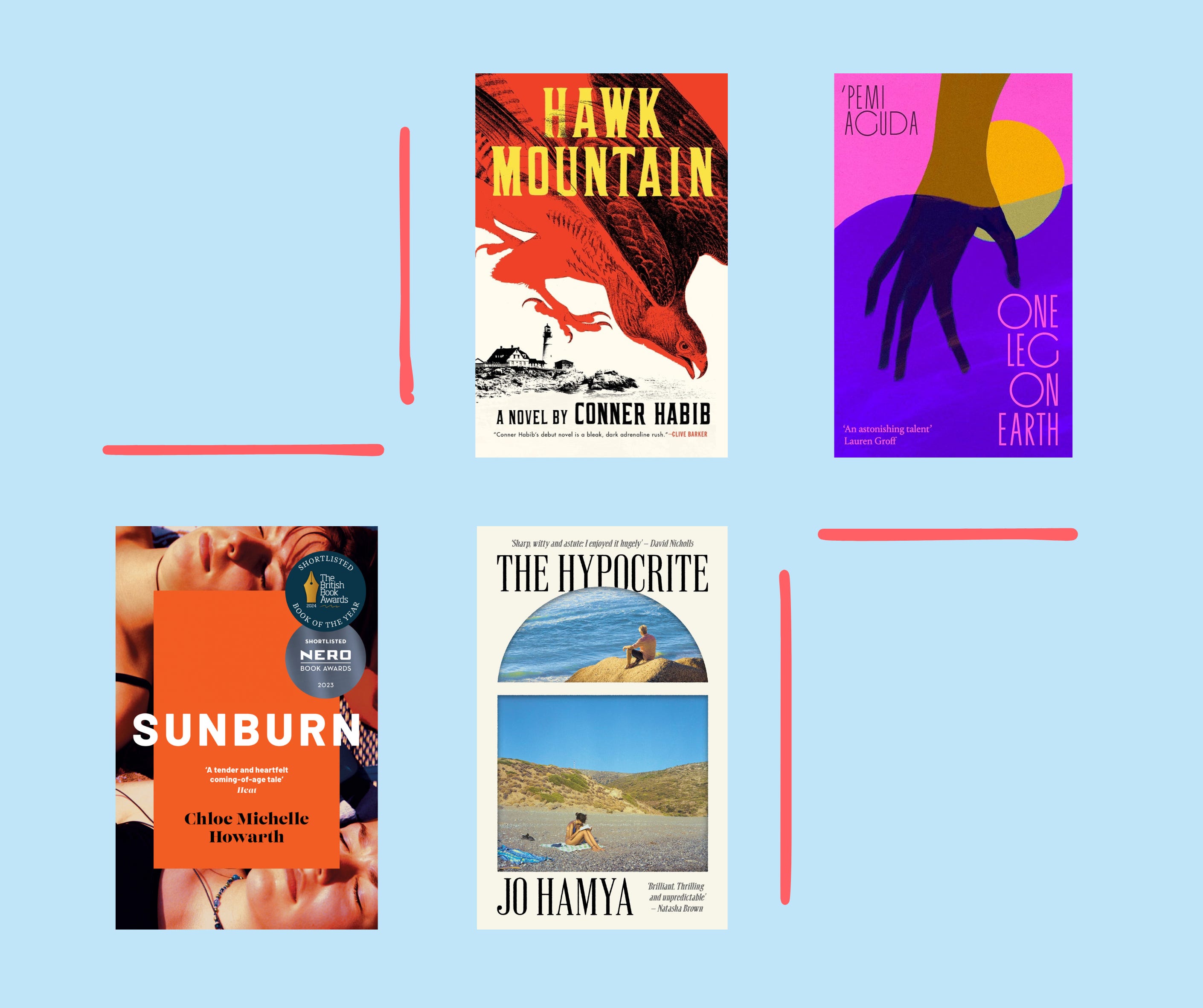
Hawk Mountain by Conner Habib
This was recommended to me, I think because it’s kind of gay, and I read it even though it isn’t really my kind of book. I spent some time in the hospital in July and this was the only book I had left with me, so I read it. Had circumstances been different, I don’t know if I would’ve gotten to the end.
It is a thriller with two timelines. The first is about two high schoolers, one is a bully and the other gets bullied. The second timeline is many years later, the bullied man has a son and is starting his life over in a New England town, and the bully find and befriends him. From there, things devolve into obsession and violence and gore.
This isn’t my kind of book because I don’t really enjoy this kind of thriller. It was effective, I read through this so quickly and felt compelled to keep going. But there are elements that don’t work as well. The dual timeline loses steam, the homophobic bully being secretly gay feels played out, the son in the story reads more like a plot device… but I digress.
I didn’t hate this, I don’t think it’s bad, this will probably be a really fun read for someone who likes this genre. I just wasn’t the target reader and I happen to have finished because I had nothing else.
One Leg on Earth by ‘Pemi Aguda
I’ve encountered ‘Pemi Aguda’s Ghostroots so many times. I’m not always drawn to story collections so I never picked it up, but when this fell into my lap, I was eager to get to it.
One Leg on Earth is about Yosoye, a young woman moving to Lagos ready to start her life up. She has a great internship lined up and is hopeful about what the city has to offer. Very quickly she becomes pregnant, which isn’t ideal since all the pregnant women of Lagos have mysteriously been walking into the ocean and drowning.
She gets acclimated to this new city, a city that’s changing before her eyes, meets new people and lovers, and despite the thing plaguing pregnant women she remains optimistic.
There’s a clash between nature and human intervention in this that I loved. How does nature feel about the shiny new construction? How does nature get its revenge? The horror of this is not only the mystery surrounding the pregnant women, but this reality that humanity itself is sinking with no sign of stopping in sight.
I wanted this book to be longer. I rarely say that, so I really mean it. There was some meat left on the bone that I wanted to gnaw at, but this was still so great. The writing is incredible, especially any passages about water. I’m hungry for more ‘Pemi Aguda.
Sunburn by Chloe Michelle Howarth
This book is maybe the most recommended book in my comments. It is sad and gay, so I understand why.
Sunburn is about Lucy, a teenage girl growing up in rural Ireland in the 1990s, as she navigates a world of convention and rules. She has a tight group of friends and a boy everyone assumes she’ll end up marrying even though she feels nothing towards him. Her object of desire happens to be one of her friends, Susannah.
A swirling summer of heat and hormones brings them together, but their love remains secret. Obligation, norms, fear, shame, all of it weighs heavily on Lucy who cannot fathom a world where Susannah and her love each other freely.
There’s heartbreak and more desire and partnership, and all of these things follow Lucy for years. First love often leaves an indelible mark on a person, and this is very much the case here. We clearly see the impact of it in her future relationships.
The writing is exquisite, there were several passages I just had to reread. While this story may seem familiar, there’s a sense of modernity to this one, it feels so today. There’s a balance of yearning and also real life. I found that to be so gripping.
I have Chloe Michelle Howarth’s second novel on my shelves and it has moved up the ranks.
The Hypocrite by Jo Hamya ★
I picked this up on a whim in a charity shop and I’m so glad I did. It’s always so fun when you simply happen upon a book and it turns out to be just what you needed.
The Hypocrite navigates two timelines. In the first, we find a father and daughter on vacation in Sicily. There’s some distance when they arrive, and it only grows. The father parades his sex life in front of the daughter and forces her to type out a novel as he dictates it to her. The daughter’s perception of her father, and men in general, completely changes.
In the second timeline, many years later, the daughter is putting up a play about their time in Sicily. We follow the father as he goes to see it for the first time, finally getting to see himself through her eyes.
It’s fragmented through time and space, the past melting into the present. It’s like watching a car crash in slow motion, spare but punchy, slow but heavy. I never felt like we were being told who is right or wrong, you don’t really get the full picture. But it isn’t about that, it’s about the fracture.
I loved this so much. I loved the restraint, I loved the construction of the story, I loved the writing. This also ends in the most brilliant way. I was just so taken by this and I’ll be thinking about it for a long time.
In honour of Women in Translation Month in August, this is a dispatch from my bedside table and the translated books written by women that litter it.
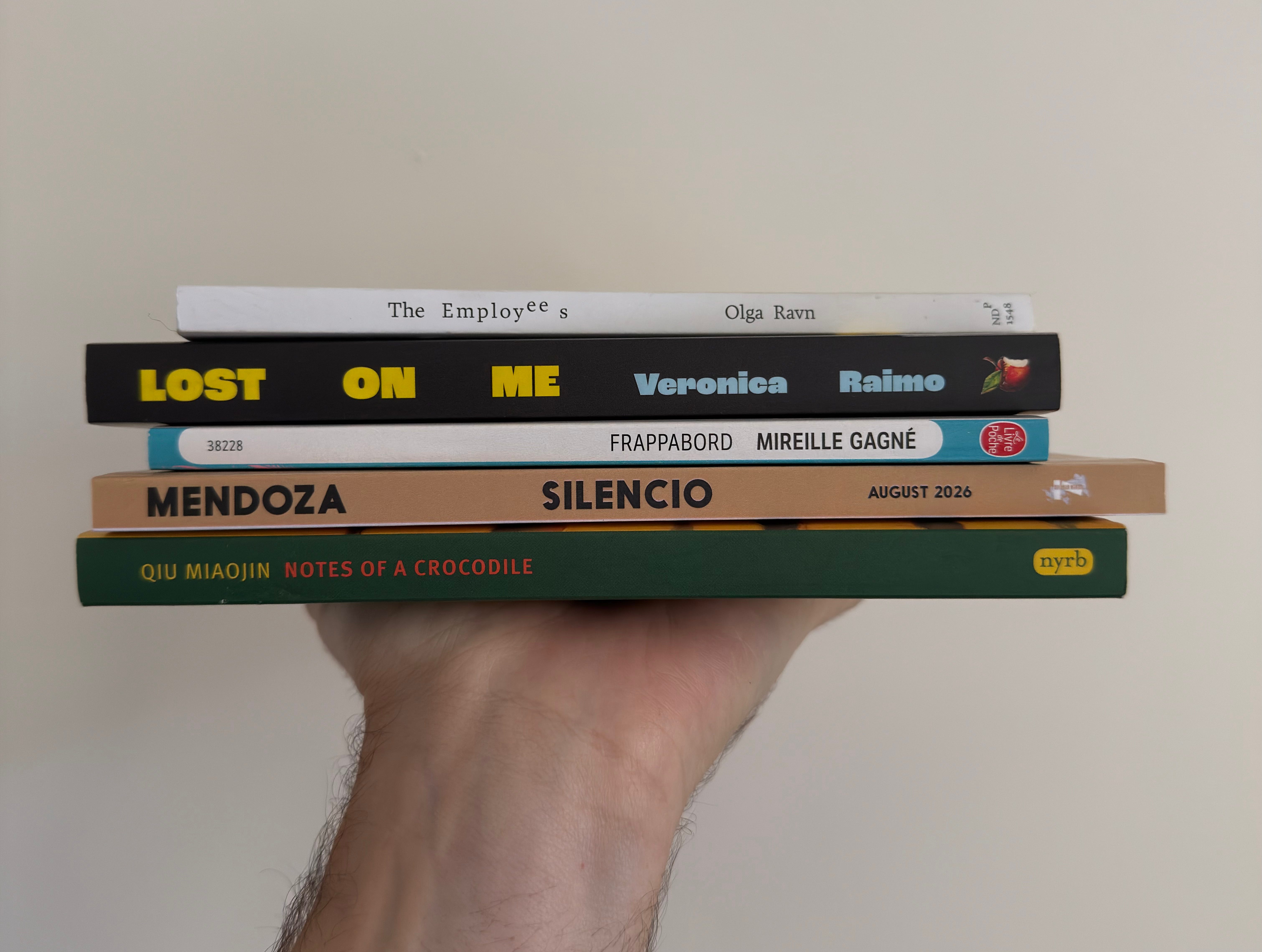
The Employees by Olga Ravn (tr. by Martin Aitken from Danish), the crew of a futuristic spacecraft as they react to alien objects
Lost on Me by Veronica Raimo (tr. by Leah Janeczko from Italian), the coming of age of a young girl who escapes Rome and her family to find herself
Frappabord by Mireille Gagné, a dystopian climate crisis takes the form of a horsefly infestation which is tracked back to government experiments in the 40s
Silencio by Clyo Mendoza (tr. by Christina MacSweeney from Spanish), an inventive account of women surviving femicide in Mexico
Notes of a Crocodile by Qui Miaojin (tr. by Bonnie Huie from Taiwanese), a coming of age of queer misfits set in 1980s Taipei
Have you read any of these? Are any of these non-negotiables? Are any of them skippable?
What did you read and love in July?!
Let me know in the comments!
That’s been my month! Typos (if any) were made on purpose, obviously.
Until next time 🤠
No posts
Comments
Nothing yet. Say the first thing.
Sign in to join the conversation.