
10 years and a day since my mother passed away, I have lost my grandmother.
I think back to when I graduated highschool. I painted a triptych of portraits in oils. Me, my mother, and my grandmother, and paired it with a poem, “Mother Who Gave Me Life” from the Australian Poet Gwen Harwood:
Text within this block will maintain its original spacing when published
  Mother who gave me life
  I think of women bearing
  women. Forgive me the wisdom
  I would not learn from you.
Women pass on knowledge to each other. A kind of wisdom excluded from traditional spaces of knowledge sharing, of institutions, and universities.
This wisdom is not as obvious as the rhetoric practices traditionally taught in the academy, in which you will find logical arguments performed to convince others.
In the 1800s, when women were mostly excluded from writing in universities, Emily Bronte wrote Wuthering Heights. It was a book not about reason or morality, but about the inner life, the intricacies of what it is to feel, to be in a relationship with others, and to suffer.
It was women like the Bronte sisters, and others like Jane Austen, who played a significant role in the development of the modern genre of the novel, by writing not of the conquest of reason, but of the passions and mundanities of their inner lives. They wrote to express the senselessness, the chaos, of human relationships.
There is no reason in suffering. There is no reason in dying. No one can reason what happens to those who have gone, or why they must leave.
Women, back then, excluded from the universities of rhetoric, learnt to put words to paper that weren't geared to persuade, to tell a moral story, or describe a great conquest or adventure.
They wrote of the everyday. Of violence behind closed doors. Of yearning.
Of watching loved ones die.
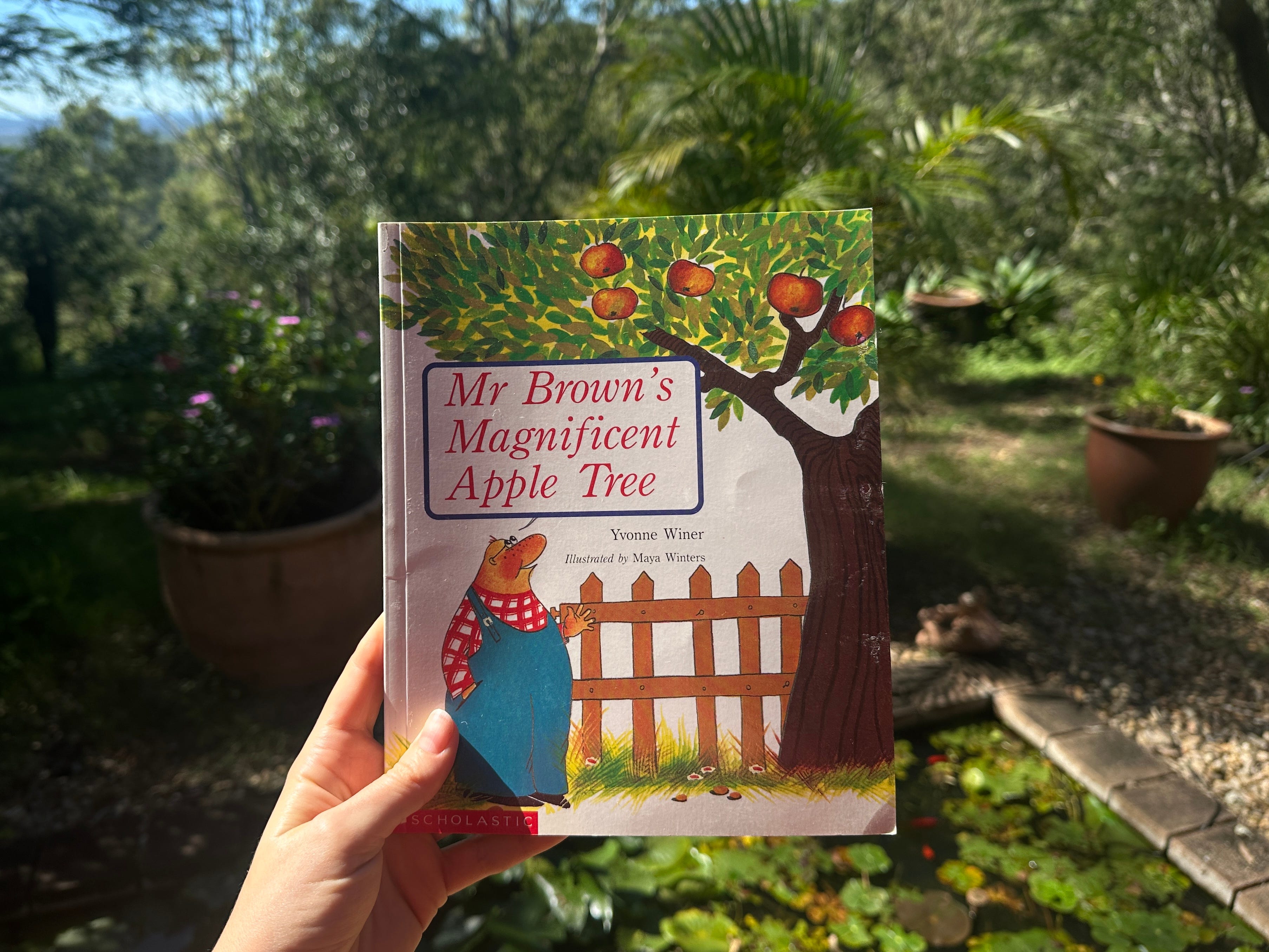
My grandmother was an academic, of a generation when women were starting to take some ground, despite not yet being allowed a superannuation. She made her influence in the field of teaching in worlds left out. Among her achievements she organised the production of 40 picture books in Bislama which were translated across more than 100 other languages of Vanuatu, and developed literacy programs in South Africa and Malaysia. She completed a PhD in early childhood education. And she wrote books for children. One of her most successful, and adored, was Mr Brown's Magnificent Apple Tree:
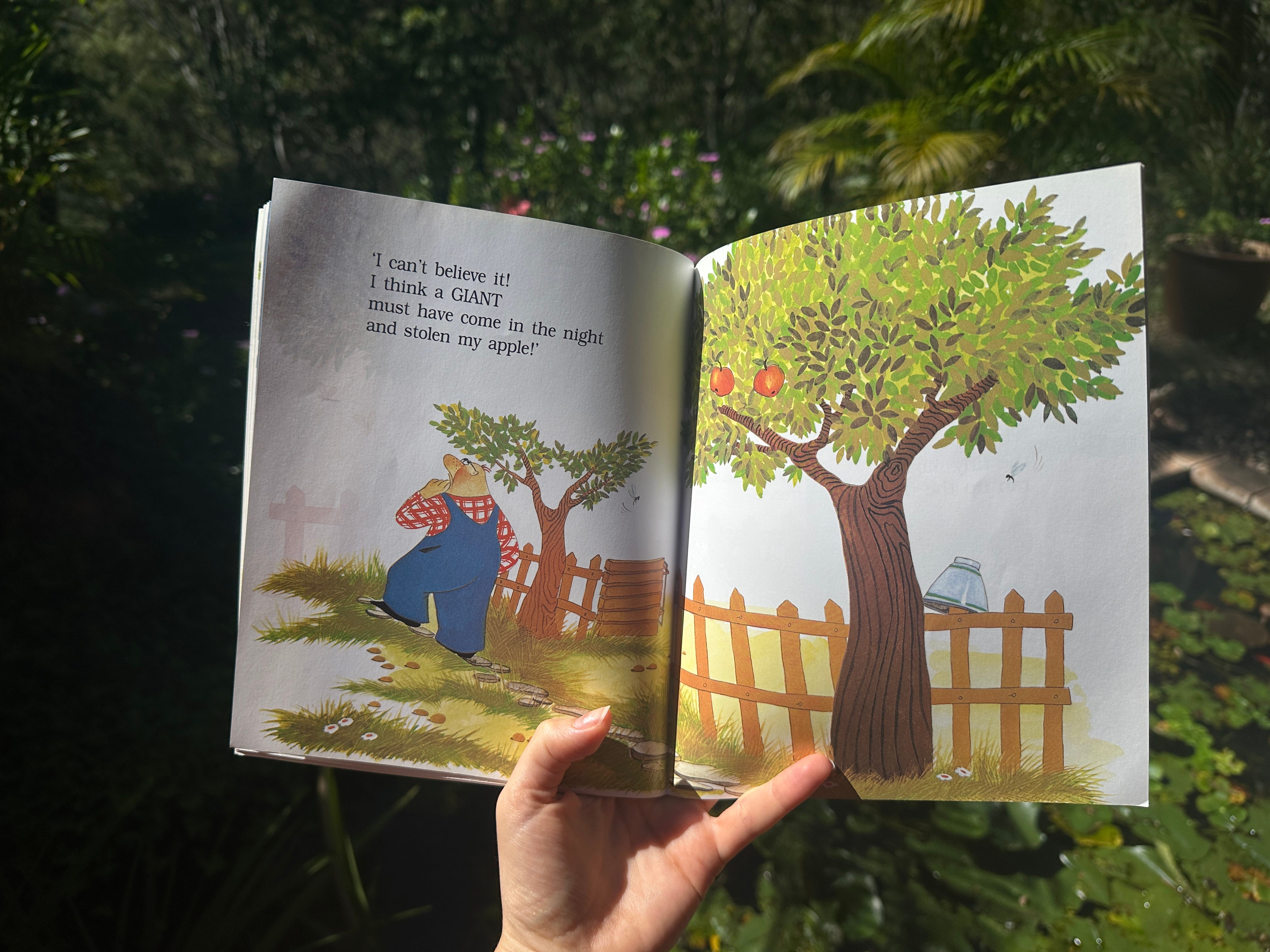
Every morning, Mr Brown would wake to find an apple had been stolen from his magnificent apple tree, and he thought the thief must have been a giant.
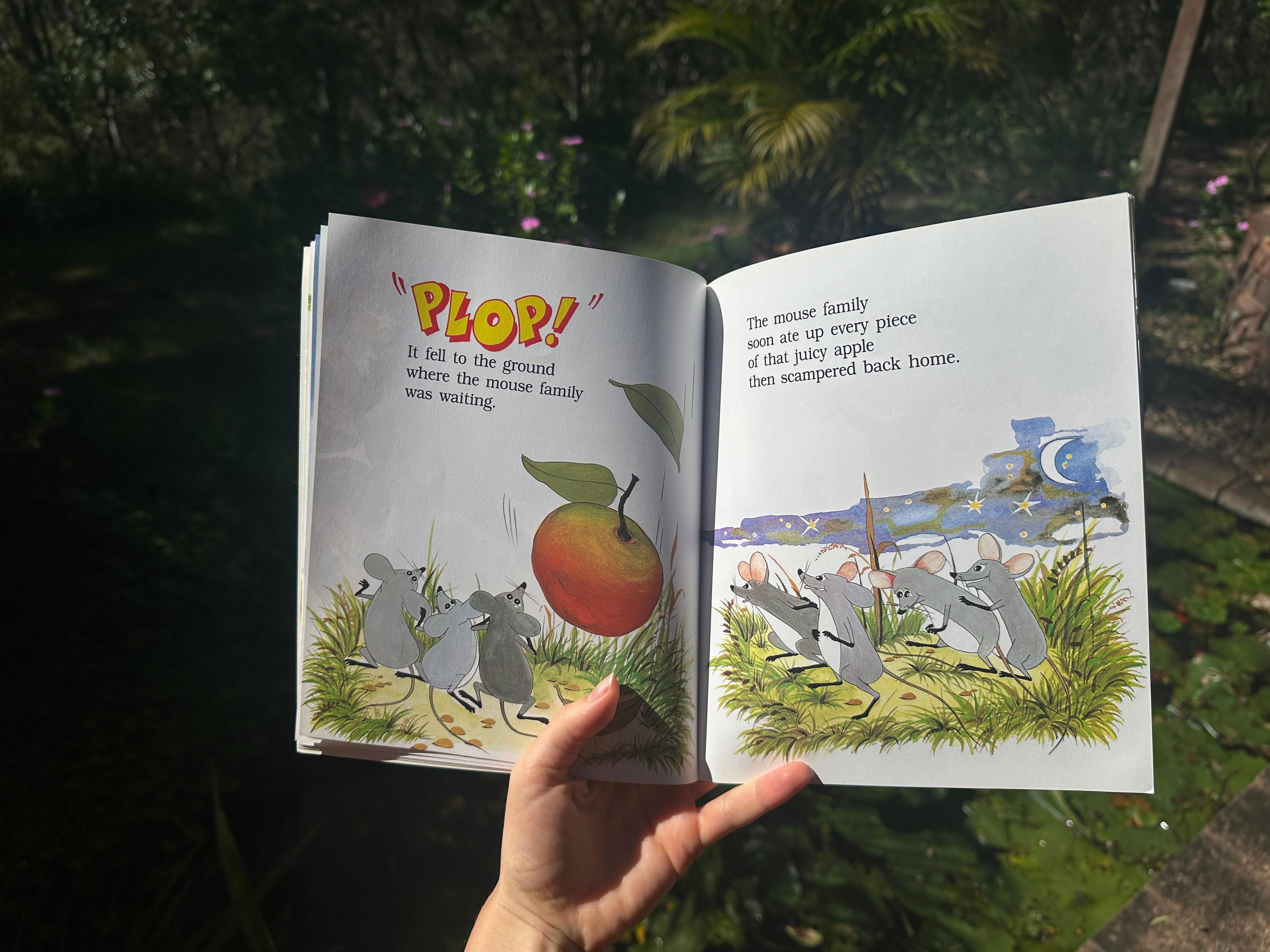
But every night, when Mr Brown was asleep, a little family of mice would scamper up the tree and nibble the stem off an apple, letting it fall to the ground for them to devour.
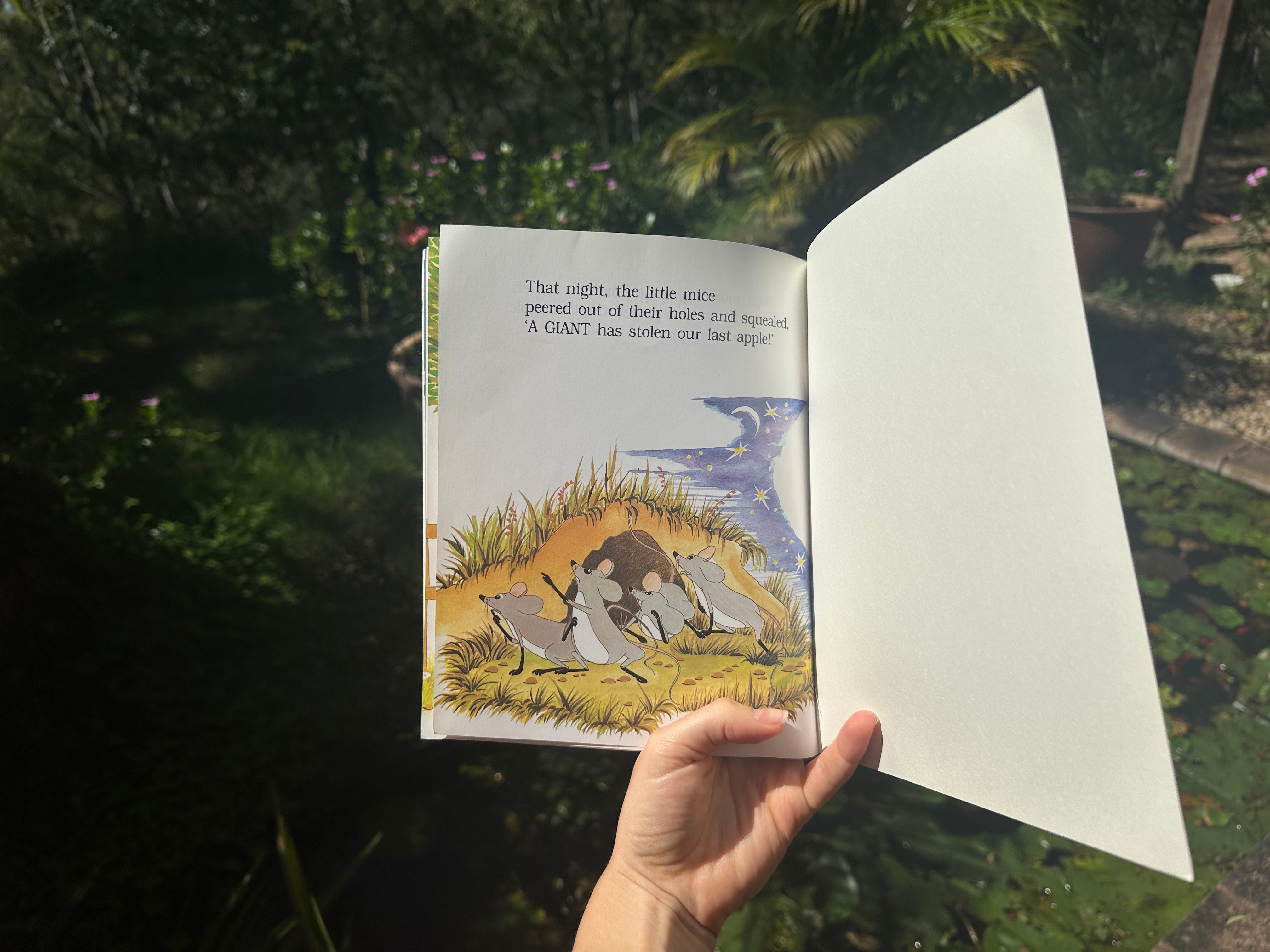
When there was only one apple left on his tree, Mr Brown decided to eat it, and that night, the family of mice saw their last apple had been stolen, and they thought the thief must have been a giant!
The third, invisible character of Mr Brown's Magnificent Apple Tree is The Giant. He represents a space between worlds. A space of overlap between worlds otherwise unknown. Like the world of a human, and the world of a mouse.
There is a giant in all our stories. There is a space of overlap between what one experiences and what other kinds of experiences there could be. The worlds between culture, geography, species, experience, age, time, kind and belief.
There is deep wisdom in those spaces between.
And that is what makes stories worth telling.
I thank the women before me for the wisdom they instilled in me. To my grandmother who inspired and encouraged me to learn, and to write.
Text within this block will maintain its original spacing when published
  Mother who gave me life
  I think of women bearing
  women. Forgive me the wisdom
  I would not learn from you.
          - Gwen Harwood
Text within this block will maintain its original spacing when published
Would I learn to tell stories of not knowing,
of being in an incomprehensible world,
wondering at the giants of others.
Would I learn to watch loved ones die.
To be in the intimacies of presence.
To learn how to attend to the sensual life of the living.
Would I learn to write about the loss and grief of being,
and how to carry the weight of time passing.
Would I learn to grieve. There is much to grieve.
My grandmother always believed in the importance of education, especially for those who were left out, and for the kinds of wisdom that were left out.
She always encouraged me to write.
She gave me her love for wildlife, for plants and gardens, for the incomprehensible, mysterious, dreamy worlds outside our own.
Rest gently, Yvonne Winer
Beloved Mother, Grandmother, Teacher, Author and Dreamer
No posts
Comments
Nothing yet. Say the first thing.
Sign in to join the conversation.