
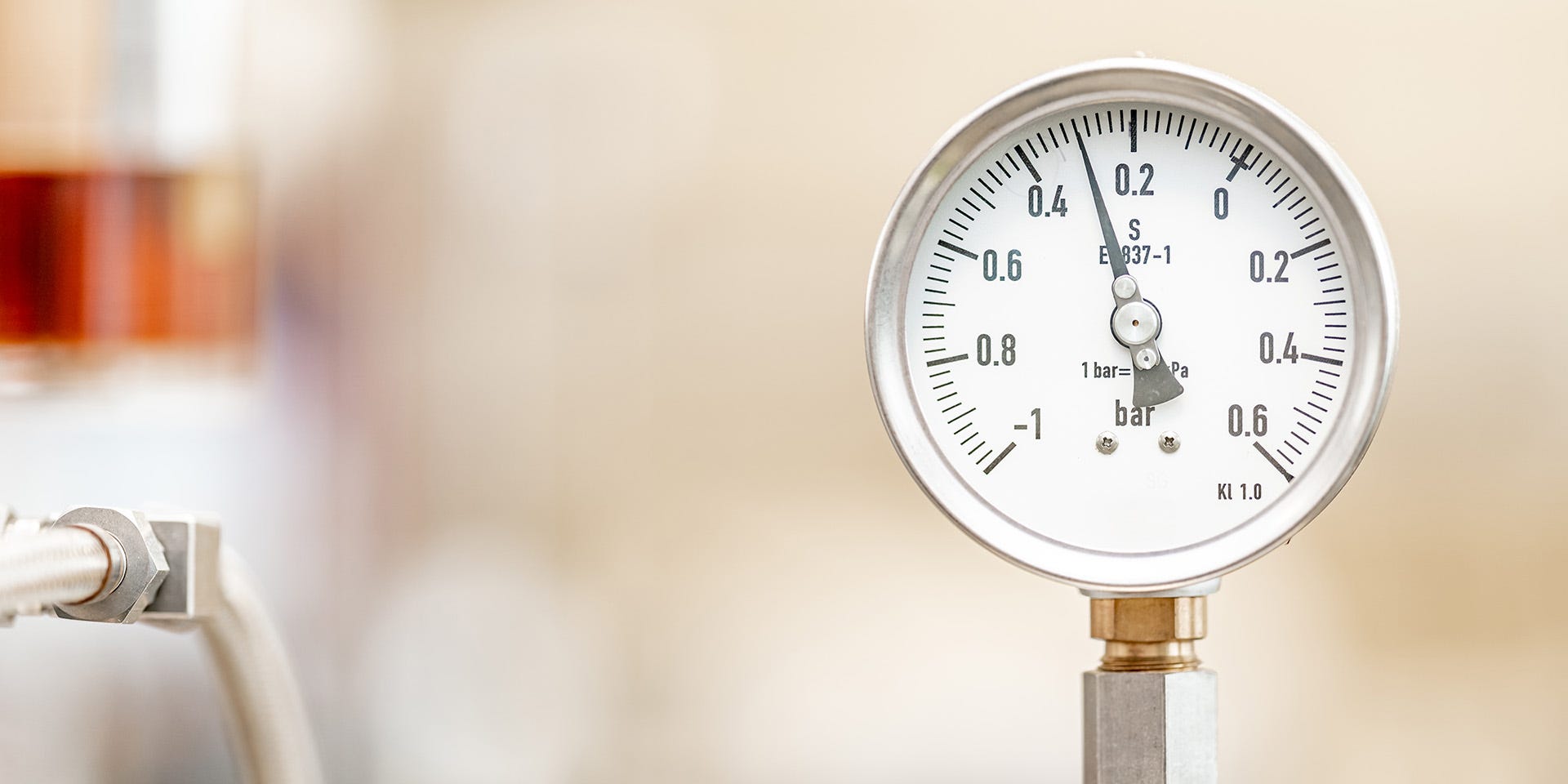
For the last few months, I’ve been proud of the rythym I have found with this project. Since September 2025, I’ve dropped 12 pounds, maintained my 100+ mile engine, and hit the weights four days a week. I’ve gained muscle mass and look and feel better than I have in decades. But recently, I’ve been feeling like I’ve hit a bit of a stalemate. My strength seems to have plateaued, and my Garmin was starting to whisper warnings: my resting heart rate (RHR) was creeping up, and my Heart Rate Variability (HRV) was consistently hitting the floor of my baseline.
As an ultra-endurance athlete over 50, “doing more” isn’t always the answer. Sometimes, the answer is doing things differently.
I sat down with my AI coach to audit my data—Garmin, Cronometer, and all—and we’ve decided to pivot. Here’s the breakdown of the new “Growth & Grounding” phase.
The data showed that while I was hitting my protein targets (1g/lb), my total calories were often too low to support both 200-mile trail resilience and muscle hypertrophy. My body was in a “just-in-time” fueling mode. When you’re in a chronic energy deficit, your body won’t build a bigger chest or stronger biceps—it’s too busy trying to keep the lights on for the next long run.
We are moving away from the “grind” and toward targeted growth. Here are the three pillars of the new plan:
I want to fill out my upper chest and build stronger arms—not just for the mirror, but for the postural stability required at mile 80 of a mountain race. We’ve swapped out heavy Barbell Back Squats (which the data suggested might be hampering my CNS) for Rear-Foot Elevated Split Squats. This protects my spine and lets me pour that energy into my upper body.
We’re prioritizing Stretch-Mediated Hypertrophy. Exercises like Incline Dumbbell Curls and Low-to-High Cable Flyes put the muscles under maximum tension in a stretched position, which is a massive signal for growth even when running high mileage.
This is the psychological hurdle: Eating more to look leaner. On lifting days, I’m bumping my intake to 2,500–2,700 calories and pushing protein to 180g. The goal is “Anabolic Overflow.” By giving the body more than enough fuel, we lower cortisol and give my muscles the raw materials they need to grow.
Muscle isn’t built in the gym; it’s built while you sleep. To bring my HRV back up and my RHR back down, I’m doubling down on my “best self” habits:
10-minute morning meditation and journaling to audit my readiness.
10-minute bedtime meditation with Michelle to down-regulate the nervous system.
Sunday “Reset” Yoga to stay supple and grounded.
At 50+, the goal isn’t just to finish the race; it’s to finish it stronger and more resilient than the year before. I’m 150 lbs today, and while the runner in me is always wary of the scale, the athlete in me knows that a stronger, well-fueled engine is the only way to the next finish line.
Time to eat, lift, and recover. Let’s see what these next 14 days bring.
No posts
Comments
Nothing yet. Say the first thing.
Sign in to join the conversation.