
A neighbor in Tucson reads the news over coffee. ICE killed another human being. The war that is not a war, starting again, with bombings and a naval blockade. Reporters subpoenaed for reporting. The Secretary of State calling to dismantle the court that prosecutes war crimes. Evidence in the killings of two Americans by federal agents, handed over at last, after months of stonewalling. All in the same news scroll.
She feels anger and frustration at the unnecessary deaths, suffering, and cruelty. It is momentary, though, a flicker. Then she puts the iPhone down because the waffles are done, she needs to get to work on time, and first must drive her daughter to school.
She is not a bad person. She was at No Kings 3. She gives what she can. She has a “Be Kind” sticker on the car. She will think about the man ICE killed again tonight, for a moment, before sleep.
That flicker is the subject of this piece. Not the shooting. Not the blockade. The flicker. The small, honest measure of how much less it moved her than it should have. And she is not unusual. She is most of us, on most mornings, and none of us decided to become her.
Here is the thing worth being afraid of. It is not the cruelty. The state has done this before. It marched indigenous nations west at gunpoint under an act of Congress. We call it the Trail of Tears.
It is that we feel so little, and that we notice we feel so little, and that we keep scrolling. The horror is real. The second horror, the quieter one, is that we are being trained not to feel the next one.
That training is the story. It is not an accident. It is happening because a public that cannot be shocked cannot be organized, and a public that cannot be organized cannot stop the firehose of lawlessness, corruption, cruelty, and abuse.
The most dangerous shift is not what they have done. It is what they are training us to accept.
Our battle, throughout multiple generations, continues to be organized wealth versus a disorganized and divided public.
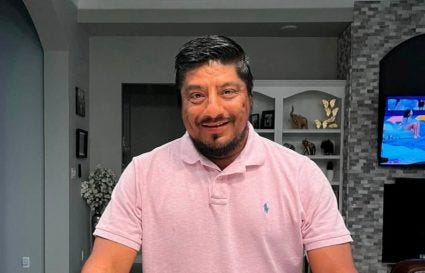
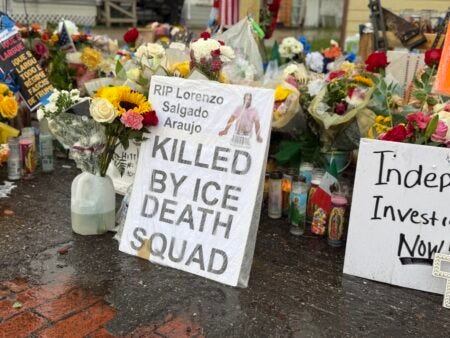
Lorenzo Salgado Araujo was fifty-two years old. On a recent Tuesday morning, shortly before seven, he was driving his van to a construction site in Houston with his younger brother and two fellow workers. Their tools were in the back, with a cooler of water and Gatorade.
ICE agents began following the van. The agents were looking for two other people they incorrectly believed were inside. The four men on their way to work did not know they were being followed.
On Canal Street the van slowed and stopped. An ICE agent approached the lowered front passenger window and fired a single shot. It struck Salgado Araujo. Despite being shot, he exited the van. The agents pulled him to the ground. He died shortly after.
The agents wore no cameras. Their vehicles carried no cameras. The only visual record is low-resolution footage from a nearby gas station.
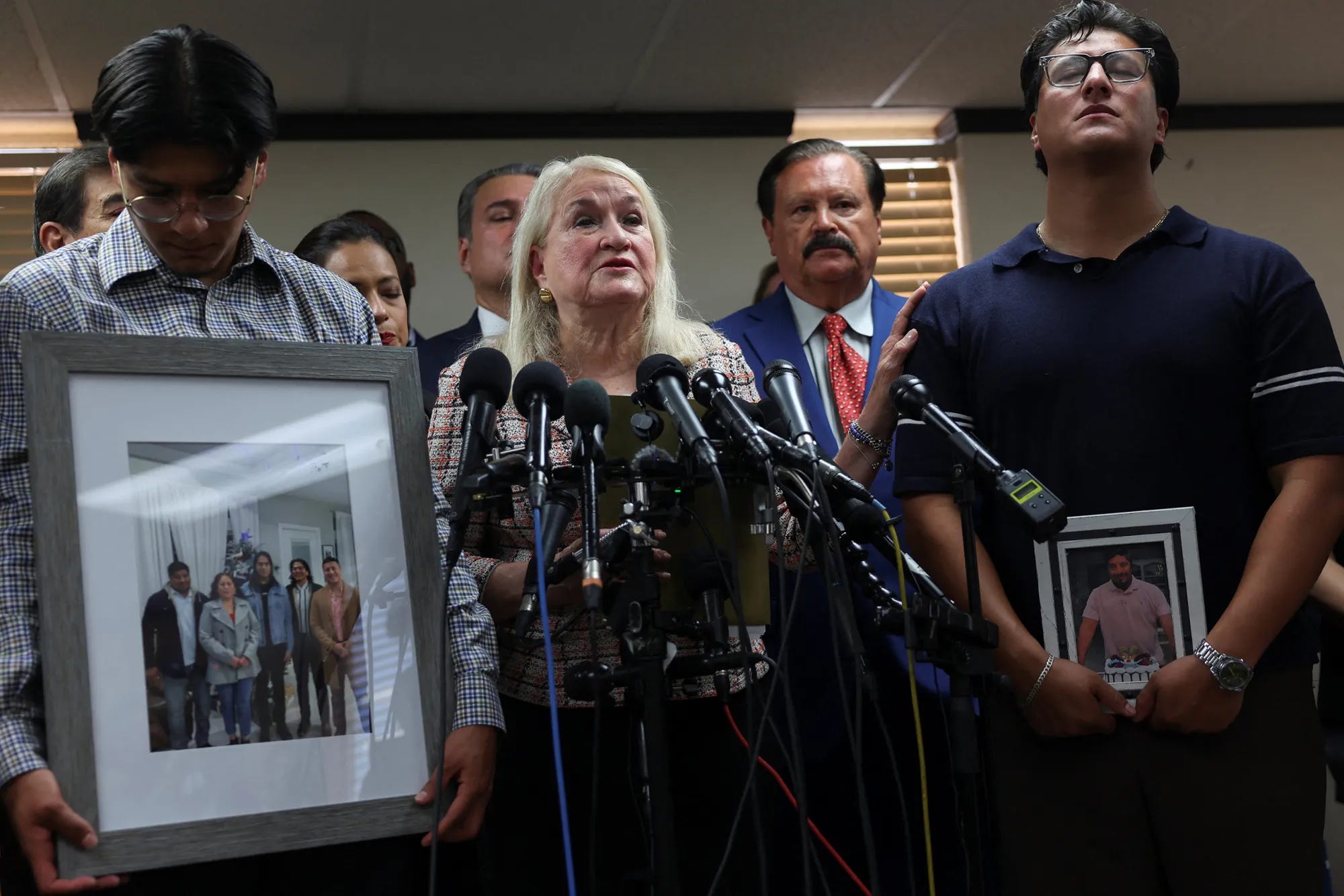
Two of the surviving witnesses spoke to Congressional Rep. Sylvia Garcia. One spoke to a lawyer. They were interviewed separately. Their accounts matched. The congresswoman said the two accounts of witnesses versus the claims of ICE agents were almost like descriptions of different events.
Here is what ICE said happened:
First, ICE agents said that Salgado Araujo rammed an ICE vehicle, ignored orders, and tried to run over an officer. Then ICE claimed that he had weaponized his vehicle. The agency has produced no evidence for any of it.
In January, an ICE agent shot and killed Renée Good, a United States citizen, in her car in Minneapolis. The Department of Homeland Security said she had weaponized her vehicle. Independent investigators disputed it. The agent was never indicted.
Before Renée Good there were Carlitos Ricardo Parias and Marimar Martinez, both shot at by federal agents in 2025, both accused of trying to ram federal agents, both alive. There was Ruben Ray Martinez, shot in the heart in March 2025. The agent said he was using his car as a weapon.
Lorenzo Salgado Araujo was fifty-two years old. His brother was in the seat beside him. He was on his way to work.
He had lived in this country for thirty-five years and was close to obtaining legal status. He met his wife in Mexico when they were teenagers and they came north together. They had three sons, all American citizens. He built houses in the Houston suburbs, started his own business, hired his own crew, and put three boys through college. The oldest became a teacher. One became an engineer. The third is studying engineering. He had no criminal record. His son says he liked to pet his dog and sit on the porch and listen to music.
There were others before him.
In December 2025 the Trump administration launched Operation Metro Surge and sent thousands of federal agents into Minnesota. Human Rights Watch interviewed more than 130 people and documented what followed. Agents killed two people and shot a third. They arrested and detained hundreds.
Nearly two of every three immigrants they arrested had no prior criminal history of any kind.
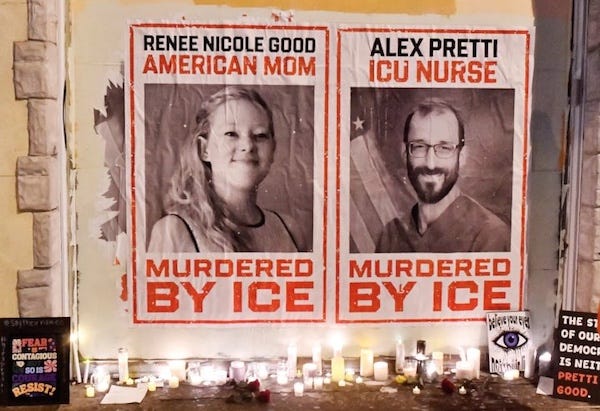
The two people killed by federal agents during Trump’s “Operation Metro Surge” were Alex Pretti and Renee Good. Both of them were United States citizens.
On January 18, masked agents pounded on the door of ChongLy Thao, a fifty-six-year-old naturalized citizen and grandfather in St. Paul. They forced entry without a judicial warrant. They pointed guns at his family. They handcuffed him and walked him out of his own house in his underwear, his sandals, and a blanket. It was 12°F. His four-year-old grandson watched his arrest and cried.
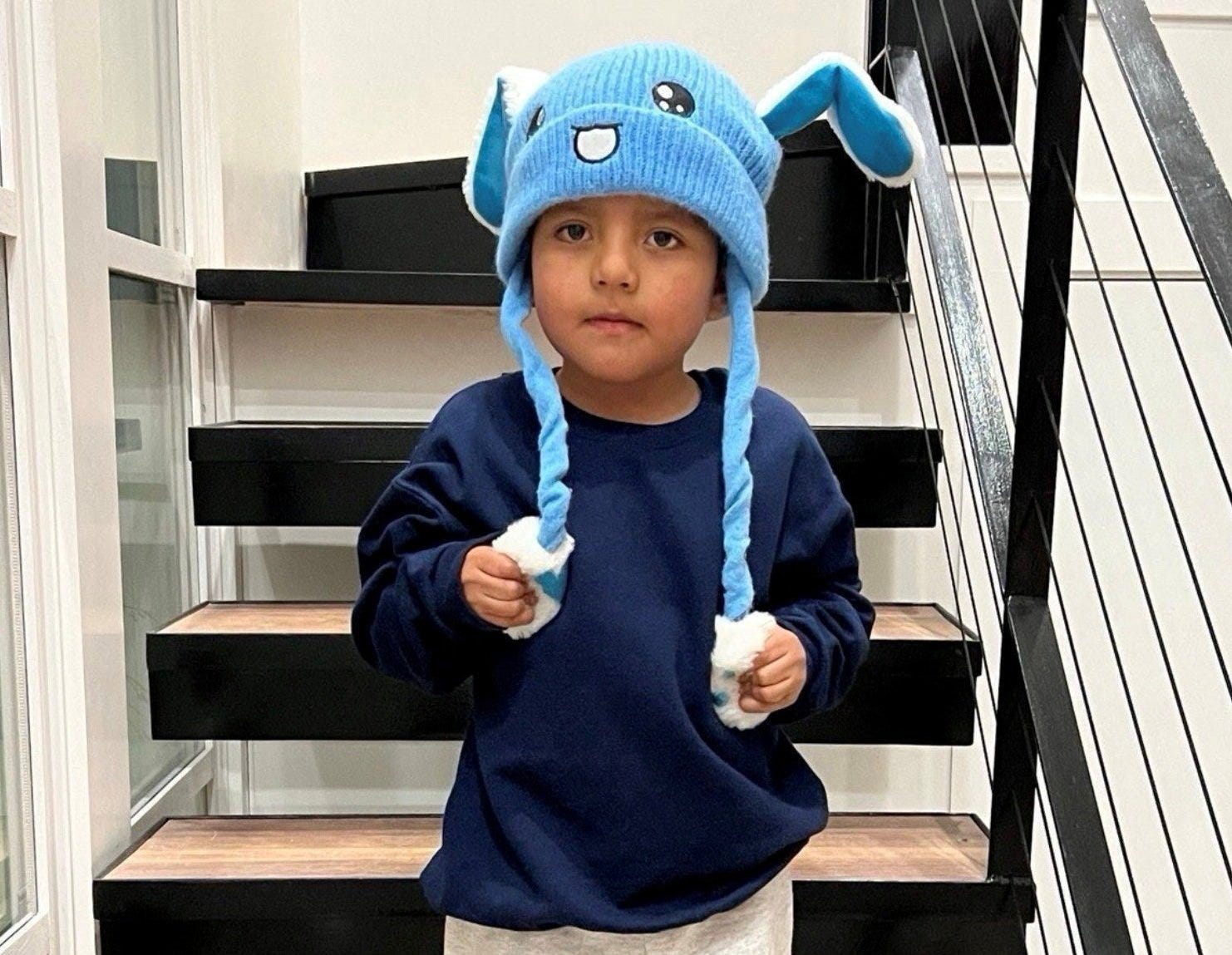
In Columbia Heights they detained a five-year-old boy named Liam Conejo Ramos. Relatives offered to take him. Agents took the child instead.
Human Rights Watch found that thousands of students missed school, that people went without prenatal care, that families sheltered in their homes for weeks. It found that some residents wanted to stand on the sidewalk and watch the agents work but were too afraid of being killed while observing.
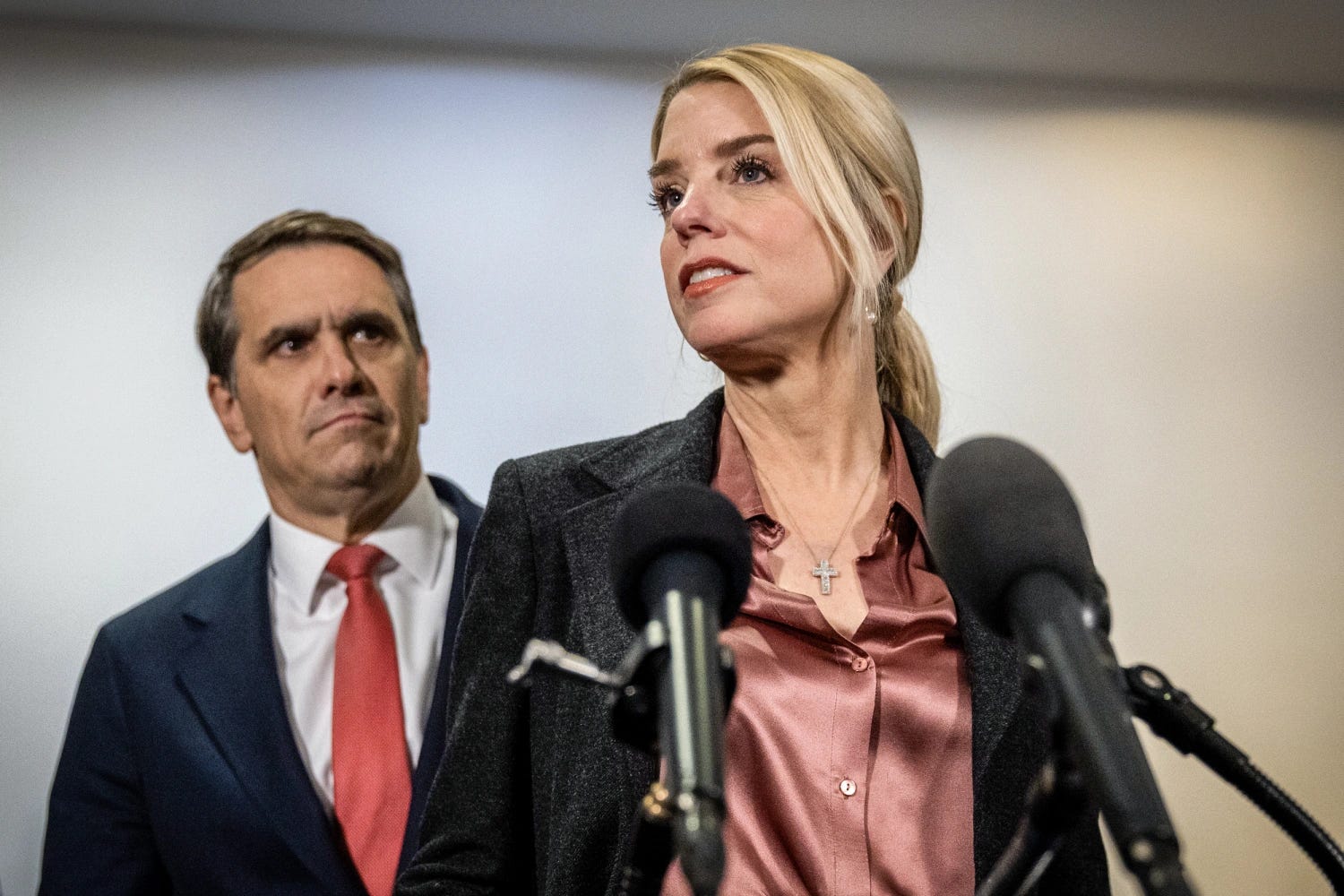
For months the Justice Department, first under Pam Bondi and then under acting Attorney General Todd Blanche, refused to turn over the evidence in the Pretti and Good shootings to state and local investigators. This week it finally arrived. The delay was not an accident of paperwork. A shooting that cannot be investigated cannot result in charges. A shooting that cannot result in charges becomes a death we remember without anyone answering for it.
That is the machine working exactly as intended. It does not need us to forget the dead. It needs only that we stop demanding justice for them. The months of quiet between the killing and the release of evidence are the months in which a nation is taught to let go.
And the next outrage, and the next, and the next are already burying the prior ones.
Earlier this week, an ICE agent shot and killed 25-year-old Colombian father Johan Sebastián Durán Guerrero in Biddeford, Maine. Another man was killed in Florida while fleeing ICE agents. Since September 2025, more than twenty people have been shot at by immigration agents, nearly all of them inside vehicles. More than fifty have died in ICE detention since January 2025.
ICE is one part of one agency, in one country. Now add the rest of the week. Iran under renewed blockade and attack. Israeli troops occupying southern Lebanon while continuing attacks on Gaza. Putin's war grinding on in Ukraine. Mass deportations resuming now that ICE has been fully funded through the end of Trump's second term.
Every story deserves our full attention. There is not enough attention in the country to give it.
Now look at what moved through the same week while none of us had any attention left to give.
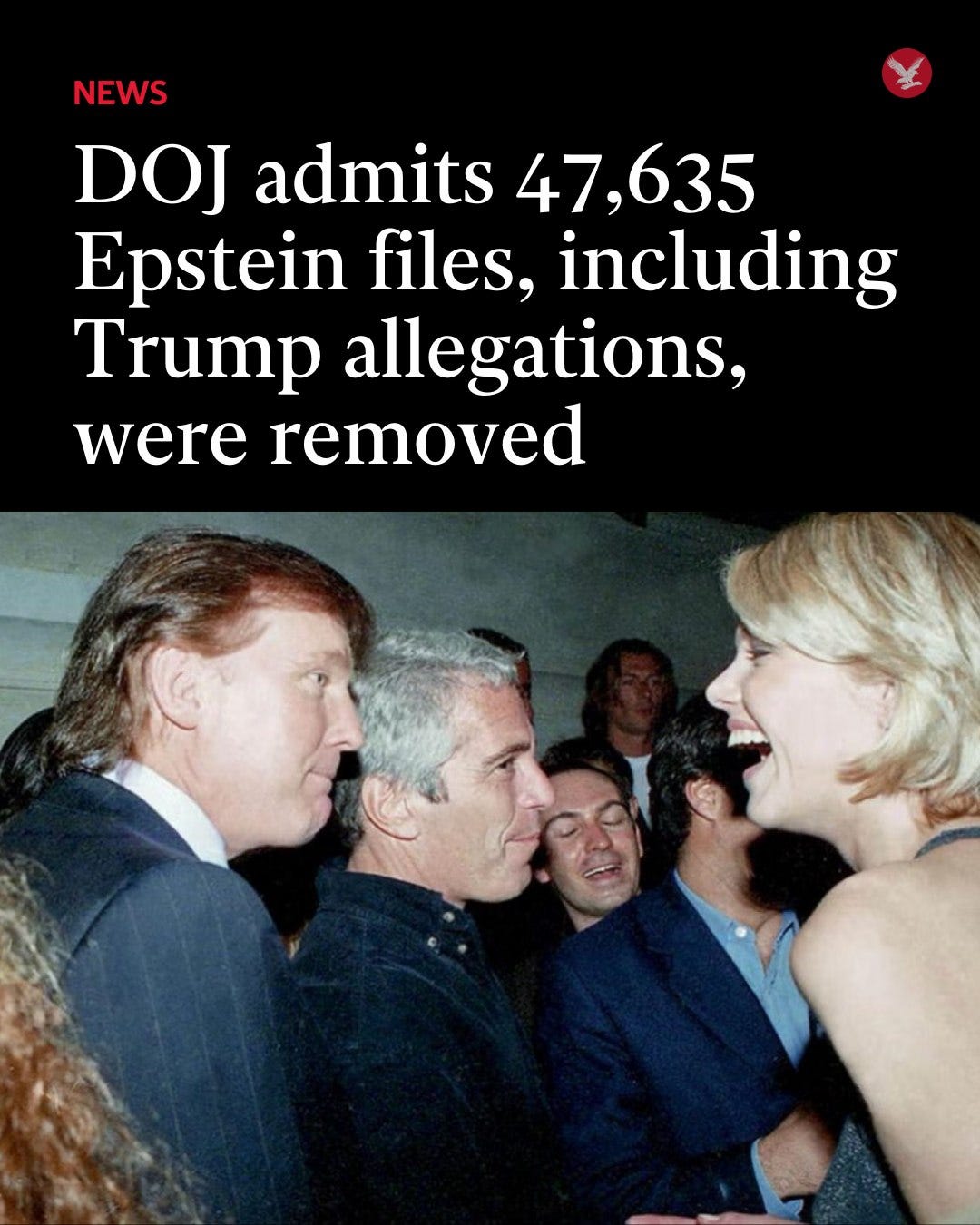
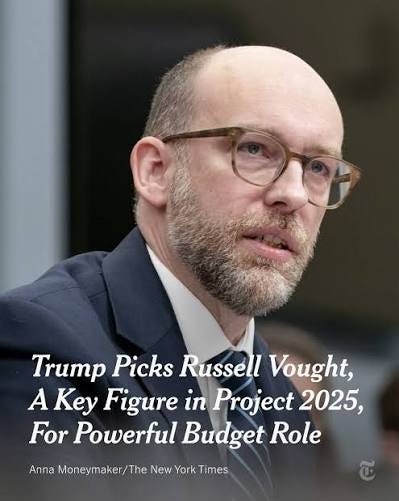
The Epstein-Trump-Maxwell sex trafficking and abuse files, quietly gone from the news. A federal judge calling the President’s IRS settlement self-dealing, and the story lasting an afternoon. The President subpoenaing reporters for reporting on the lack of security for his jet despite spending nearly $1 billion of taxpayer money on retrofitting the Qatar “gift.” An order to drill again off the central California coast, where hotels still stock wet wipes so guests can try to get the oil off their skin from the last catastrophic pipeline disaster. Russell Vought leading the Office of Management and Budget to politicize a system of federal research grants that traditionally has been based on expert scientific review and congressional appropriations, a move straight out of the Project 2025 playbook.
The cruelty is loud. The theft is quiet. This is not a coincidence. This is the arrangement.
That is the case stated at the outset. This is what the evidence shows. Organized wealth does not need a public that agrees with it. Instead, organized wealth needs a public that is divided and exhausted, with nothing left to fight back. A country that spends all its capacity on the shooting in Houston and the state-sponsored terror in St. Paul has no capacity left to confront the self-dealing Trump/IRS settlement, the jet, the threatened coastline, or the research grants The outrage is not the failure of the system. The outrage is used to exhaust us.
So allow me to connect back to the beginning.
My neighbor in Tucson will read the news tomorrow morning. Something will have happened overnight. She will feel the flicker. She will put the phone down because the waffles are done, her daughter needs a ride, and her work shift starts at eight.
None of that is her failure. She did not choose to be worn down. It was done to her, deliberately, by people who need her tired.
But there is one thing the overwhelming flood of unthinkable news cannot reach.
The firehose can bury a story. It cannot bury a ballot. That is why they are not trying to bury it. They are trying to make it cost too much.
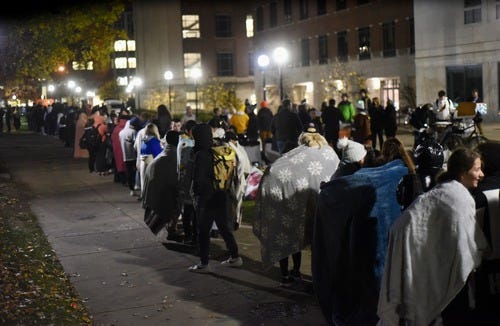
Since 2013, more than sixteen hundred polling places have closed and merged with others. In the Texas primary, the wait ran six hours. In Georgia, it ran eight hours.
They are not counting on our agreement. They are counting on our exhaustion, and then they are engineering one more reason to be exhausted before you reach the doorway to vote.
Which tells you that the vote on the other side of the doorway works.
That is why November matters, and it is the only reason this piece ends in hope rather than grief. Not because a midterm fixes what has been done to Lorenzo Salgado Araujo, or to Alex Pretti, or to Renée Good, or any of the others caught up in the cruelty, incompetence, and abuse of the Trump-Vance administration. It does not. But it is the one thing they have not found a way to drown. And the vote will only work if enough of us arrive at once in the face of all of the barriers already in place or planned.
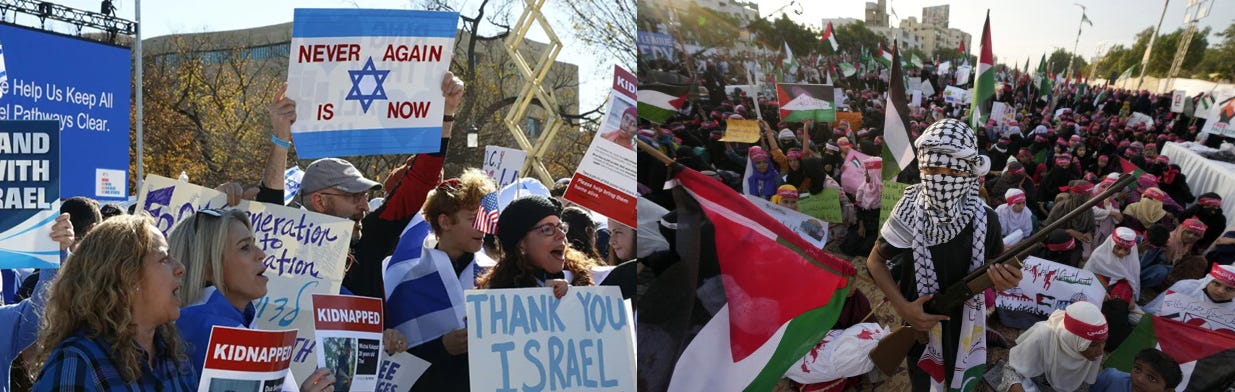
They are not counting on our agreement. They are counting on our division and exhaustion.
The most dangerous shift is not what they have done. It is what they are training us to accept.
Together, we must refuse to accept this freefall into dystopia. We must dissent. And we must show up.
If you find this article of value, please do share with friends, associates, & others who have an interest in the content.
Please note that my articles and subscriptions are not paywalled. This stems from a guiding principle -that any meaningful democracy requires an informed, educated, and engaged society. It is also to honor the life of Aaron Swartz.
Aaron held firmly to the belief that research and knowledge intended for the betterment of humanity should be freely shared.
If the problem is extraction, then the response must be construction.
I am building Civic Works and its core platform, civ.works, as a direct alternative to the systems that have captured our data, our attention, and our civic life. This is a 501(c)(3) effort to create infrastructure that serves the public, not exploits it.
The goal is simple and necessary. A subscriber-supported, ad-free civic network where people can access trusted information, engage constructively, and take meaningful action without being tracked, manipulated, or sold.
No ads. No data harvesting. No hidden incentives.
Just people, information, and the tools to participate in a functioning democracy.
This kind of infrastructure will not be built by the same forces that benefit from the current system. It has to be built by us.
That is why we are asking for direct public support.
If this work resonates with you, I am asking you to make a simple commitment. Visit the pledge page and commit to supporting civ.works at launch. A small monthly contribution, combined across thousands of people, creates the independence required to build this platform without compromise.
https://civ.works/pledge/pledge.html
This is not just about funding a project. It is about proving that a different model is possible. One where civic infrastructure is accountable to the people who use it, not the interests that seek to exploit it.
If you believe the current system is failing, this is one way to begin rebuilding it.
And if you cannot contribute financially, sharing this effort with others is just as important.
The system we have was built deliberately.
What comes next can be built the same way.
Aside from writing, mentoring others, and projects related to democracy, economics, and social innovation, I’m dedicated to Civic Works, a 501c3 non-profit organization building and managing technology that blends social networking and civic engagement. Our core effort is around civ.works. When complete, it will be a subscriber-supported, ad-free social network that does not betray subscriber trust by selling or sharing data with marketers or sinister political operatives.
I’m incredibly grateful for all who contribute to the civ.works effort through our secure payment processor, Stripe, and all who help us gain visibility by sharing the project with journalists and others to move the effort forward.
Special appreciation for all who continue to recommend my rants and musings, restack articles that are found to be worthy, and share with friends and family. And the following are some special recommendations for stacks I value -
Liz Oyer, Former DOJ Pardon Attorney
Comments
Nothing yet. Say the first thing.
Sign in to join the conversation.