
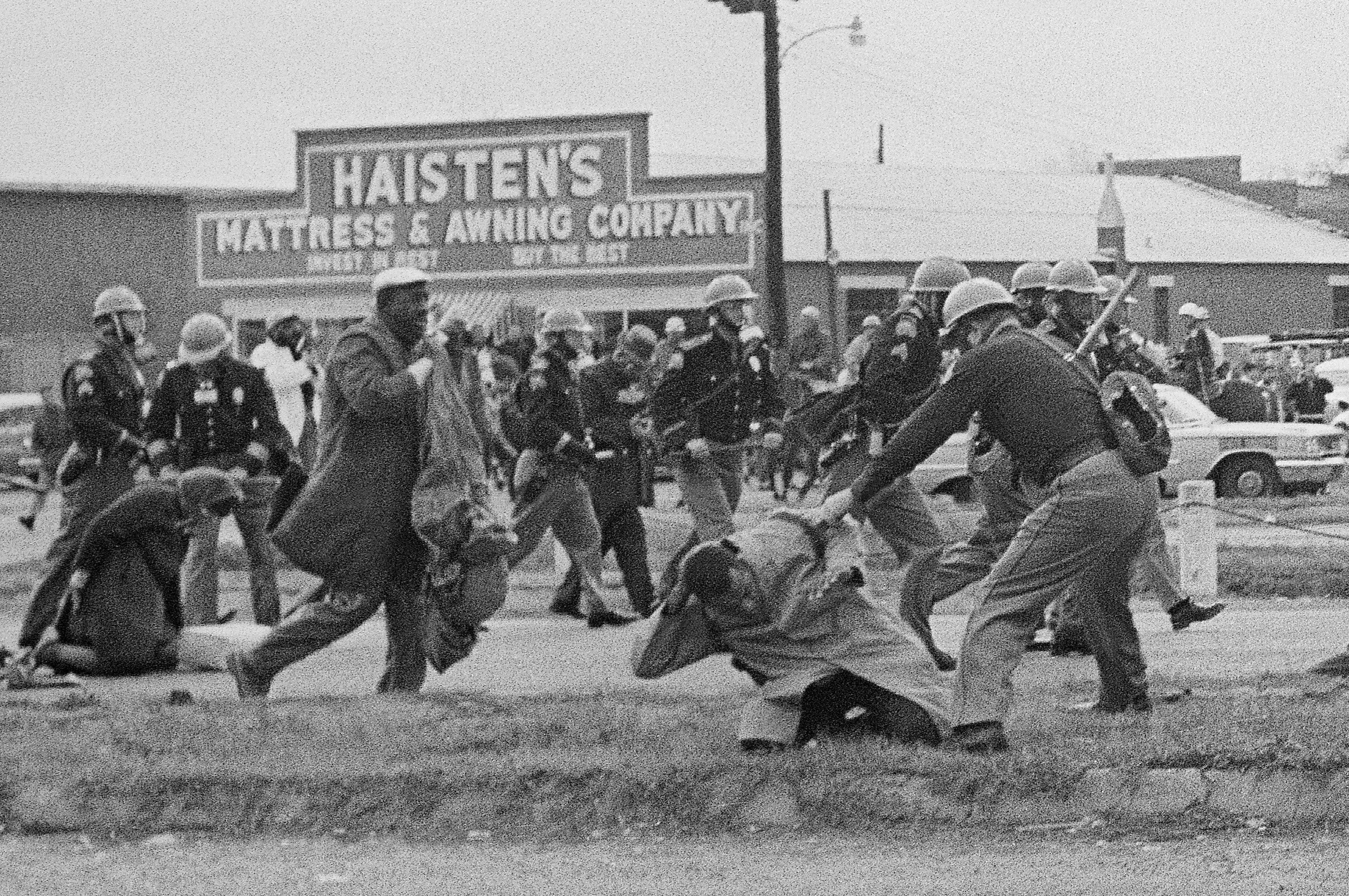
On March 7, 1965, John Lewis walked to the crest of the Edmund Pettus Bridge in Selma, Alabama, and a state trooper fractured his skull for it. He was twenty-five. He had committed no crime. He was asking for one thing. The right to vote.
Amelia Boynton was beaten unconscious on the same asphalt that afternoon. The marchers were gassed, clubbed, and ridden down by men on horseback while the country watched on television. Five months later, Congress passed the Voting Rights Act. Blood on an Alabama bridge bought the franchise for millions of Americans who had been locked out of it for a century.
Sixty years later, more than 88 million eligible Americans did not vote.
That is not a rounding error. In 2024, in a country of roughly 245 million eligible voters, better than one in three stayed home. And 2024 was not a sleepy year. It was the second-highest turnout in modern American history. This was the country at its most engaged. [1]
It is tempting to read that number as apathy. John Lewis gave his blood on the bridge in Selma, and the generations that came after could not be troubled to walk to a polling place to vote. That is the easy story. Only part of it is true.
But 88 million people did not each decide, on their own, to sit out their own representative democracy. Many were guided to that decision. Some were purged from active voter rolls they believed they were on. Some were met with a new state law demanding papers they did not have. Some were sent to a polling place that had quietly closed. Some were fed a lie about voter fraud. Some were simply worn down by toxic campaigns engineered to disgust them into staying home.
The disenfranchisement of voters is not accidental. It is not all apathy. It is architected.
The mathematics of elections forces a question most campaign coverage never asks. If 88 million eligible Americans sat out the last election, and the two parties finished within a few points of each other, then the largest political faction in the country is not a party. It is the people who did not vote.
Move a couple of points of eligible voters from the sidelines to the ballot box and the country is led by a qualified woman president instead of a convicted felon. Alex Pretti, Renee Good, and Keith Porter would still be alive. One hundred fifty-six people, most of them children, would not have died in a U.S. strike on the Shajareh Tayyebeh Elementary School in Minab. The January 6 insurrectionists would still be serving their sentences instead of holding pardons and committing new crimes. Oil and mining lobbyists would not be dismantling environmental protections. Tens of thousands of people abroad would still be alive, with food and medicine delivered by USAID that Elon Musk, DOGE, and the Trump-Vance government destroyed.
None of this was inevitable. All of it was on the ballot. That is what a vote is worth, and it is exactly why so much work goes into making sure you never cast one.
So why are the elections close? Start with what Americans actually agree on, because it is narrower, and more important, than the shouting suggests. On the machinery of political power itself, the country is not divided. Large majorities, left and right, believe money has bought the government, that it answers to wealthy donors before voters, and that the will of the people is silenced whenever it threatens a donor's return on “political investment.” [2]
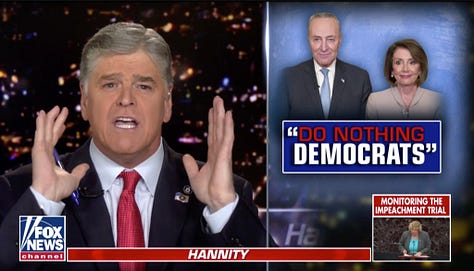
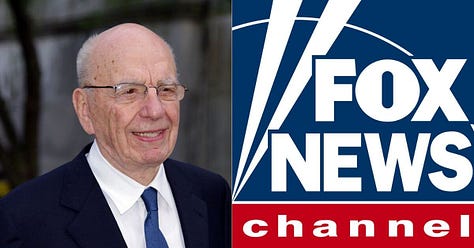

Where Americans are divided, on the fiercest questions of the day, the division is not simply natural. It is intentional. A citizen who spends three hours a night inside an outrage machine built to enrage them is not reasoning toward a position. They are being fed one. Divide people into warring camps and keep them there, and you accomplish two things at once. You obscure the machinery they would otherwise unite to tear down. And you keep them too disgusted to vote. Both parties are corrupt, so who cares? What is my one vote worth against hundreds of millions of Elon Musk and Miriam Adelson dollars?
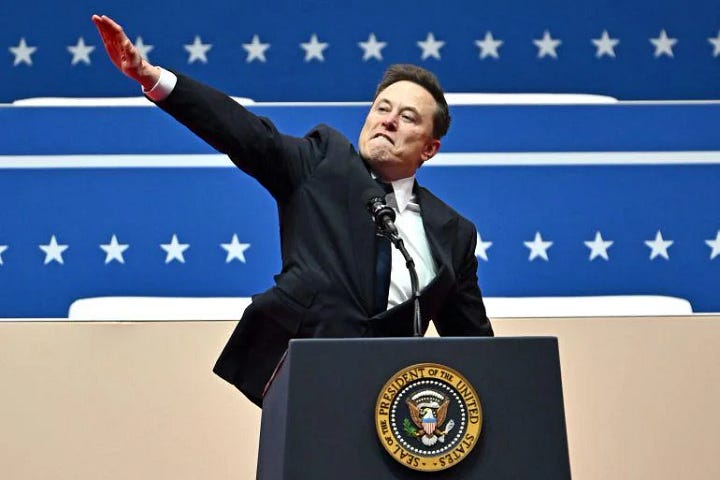
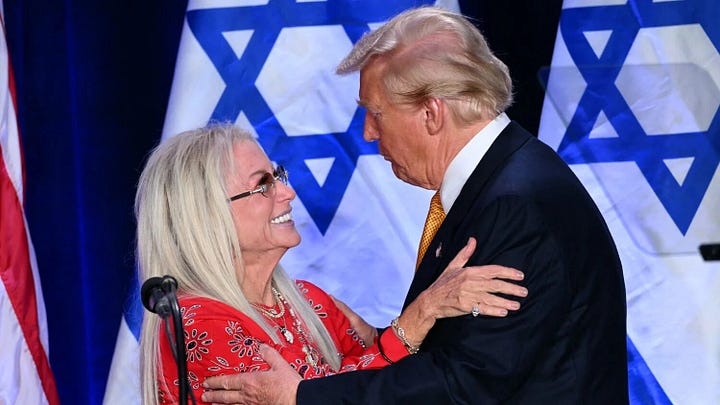
Political operatives know that elections are no longer a competition of ideas about the direction of the nation. Voter turnout is the contest. And the surest way to win a race you would lose on the merit of ideas and a party platform focused on concentrating wealth to the already wealthy is to make sure the other side’s voters never reach the ballot box. You do not have to change a single mind. You only have to shrink the numbers into a mathematics you can defeat.
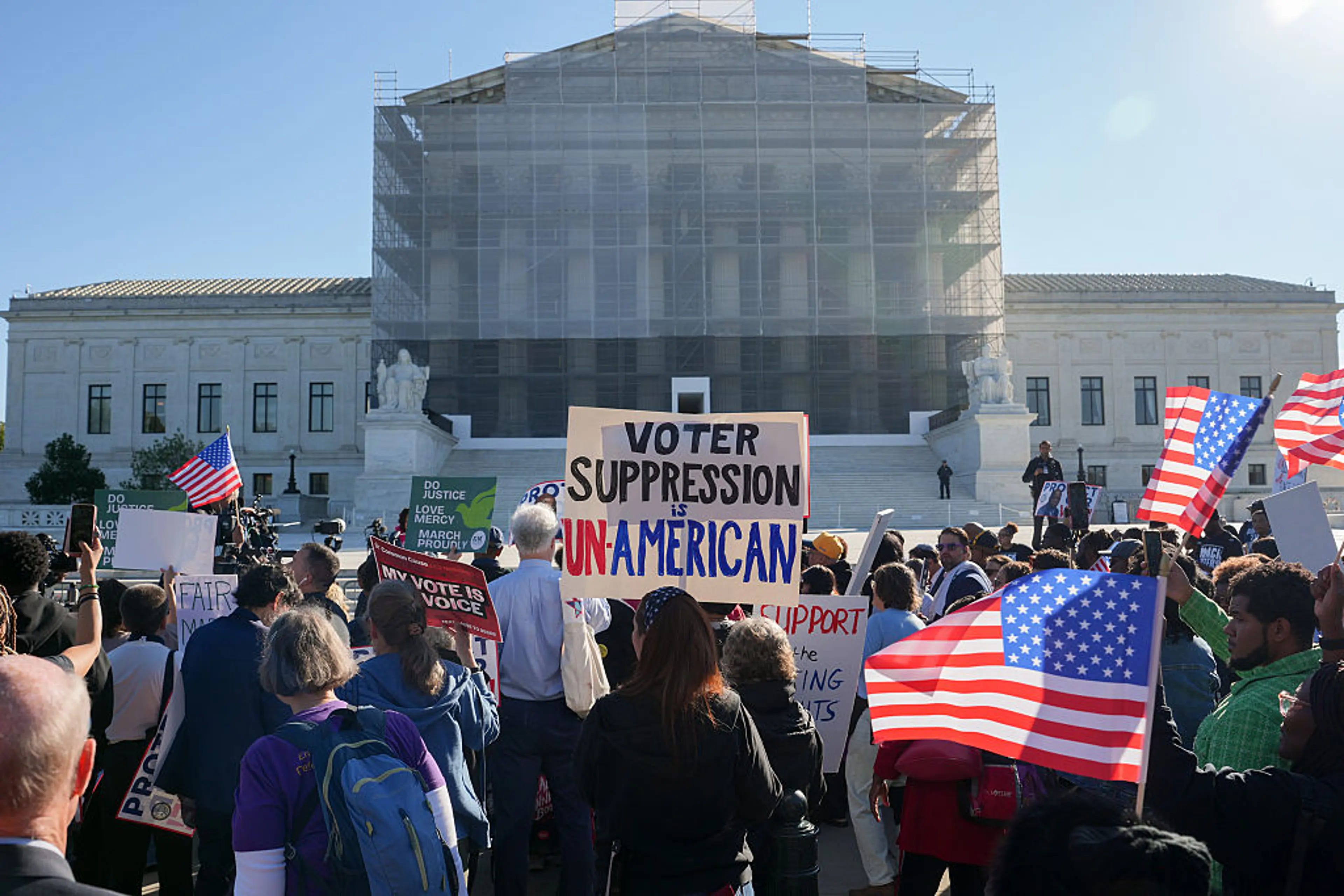
When you cannot win on the candidate, and you cannot win on the platform, you change who gets to vote and whose vote counts.
None of this is new. The rationing of the vote is not a betrayal of the American system. For most of the country’s history, it has been the very design.
At the founding, the vote belonged to white men who owned property. Everyone else was furniture. The Electoral College was engineered so that the popular will would pass through a filter before it could become a result, and so that slaveholding states could count disenfranchised human beings as three-fifths of a person to concentrate their power. That is not a conspiracy theory. That is the text. [3]
Emancipation and the Fifteenth Amendment promised the ballot to Black men. For a brief moment, the country kept the promise. Black men voted, and won office, across the South. Then it was taken back. Poll taxes. Literacy tests that failed Black professors and passed white farmhands. Grandfather clauses. White primaries. Violence and terror when the paperwork was not enough. The machinery of white supremacy had one purpose, and it worked for generations. [4]
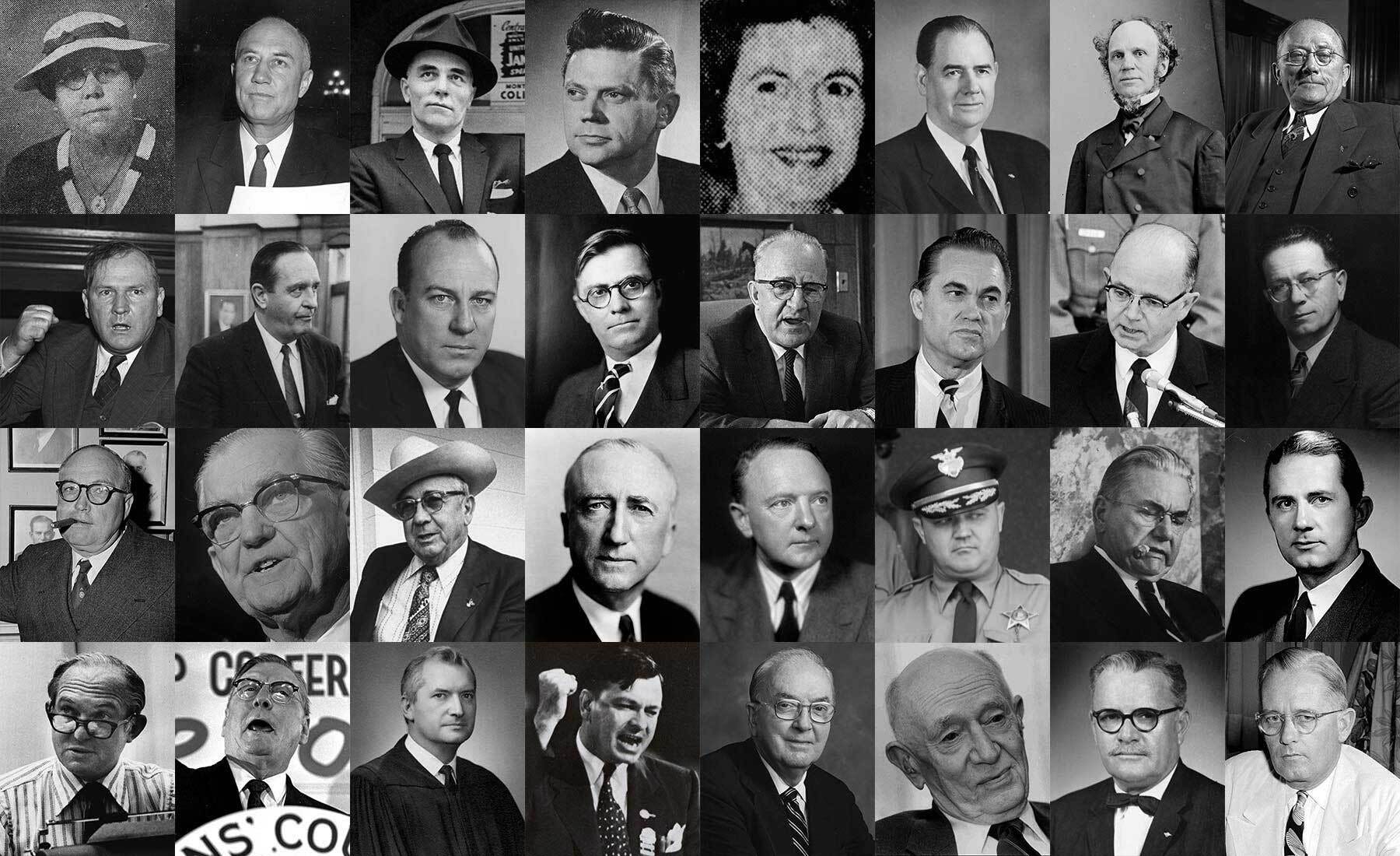
White Supremacists and segregationists from an Equal Justice Initiative report. More at: https://segregationinamerica.eji.org/report/segregation-forever-leaders.html
And others such as: https://www.nytimes.com/2016/08/28/us/politics/donald-trump-housing-race.html
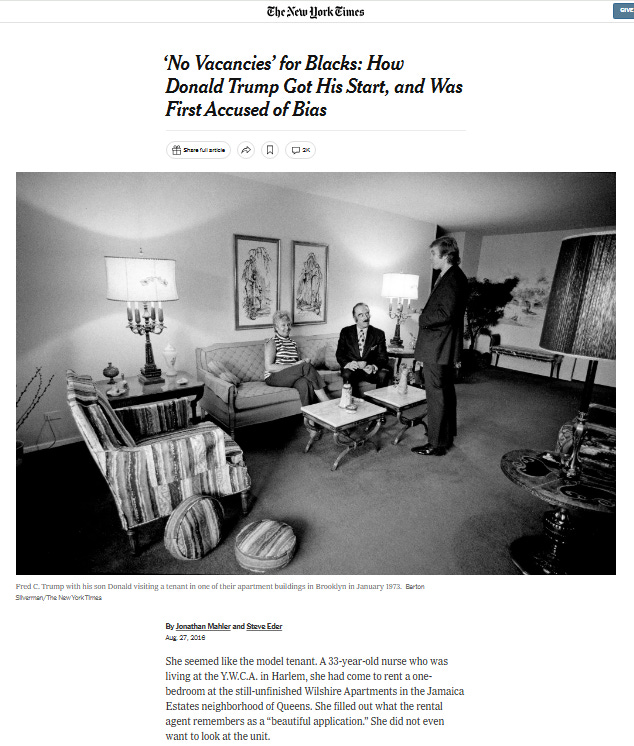
Every era of American democracy has produced a class of people determined to decide in advance whose vote counts. The tools of suppression change. The white hood becomes a business suit or a justice’s robe. The project does not. Selma was the country tearing one version of the system apart. What follows is the country building the next one.
Before anyone is turned away from a polling place, the message is drowned.
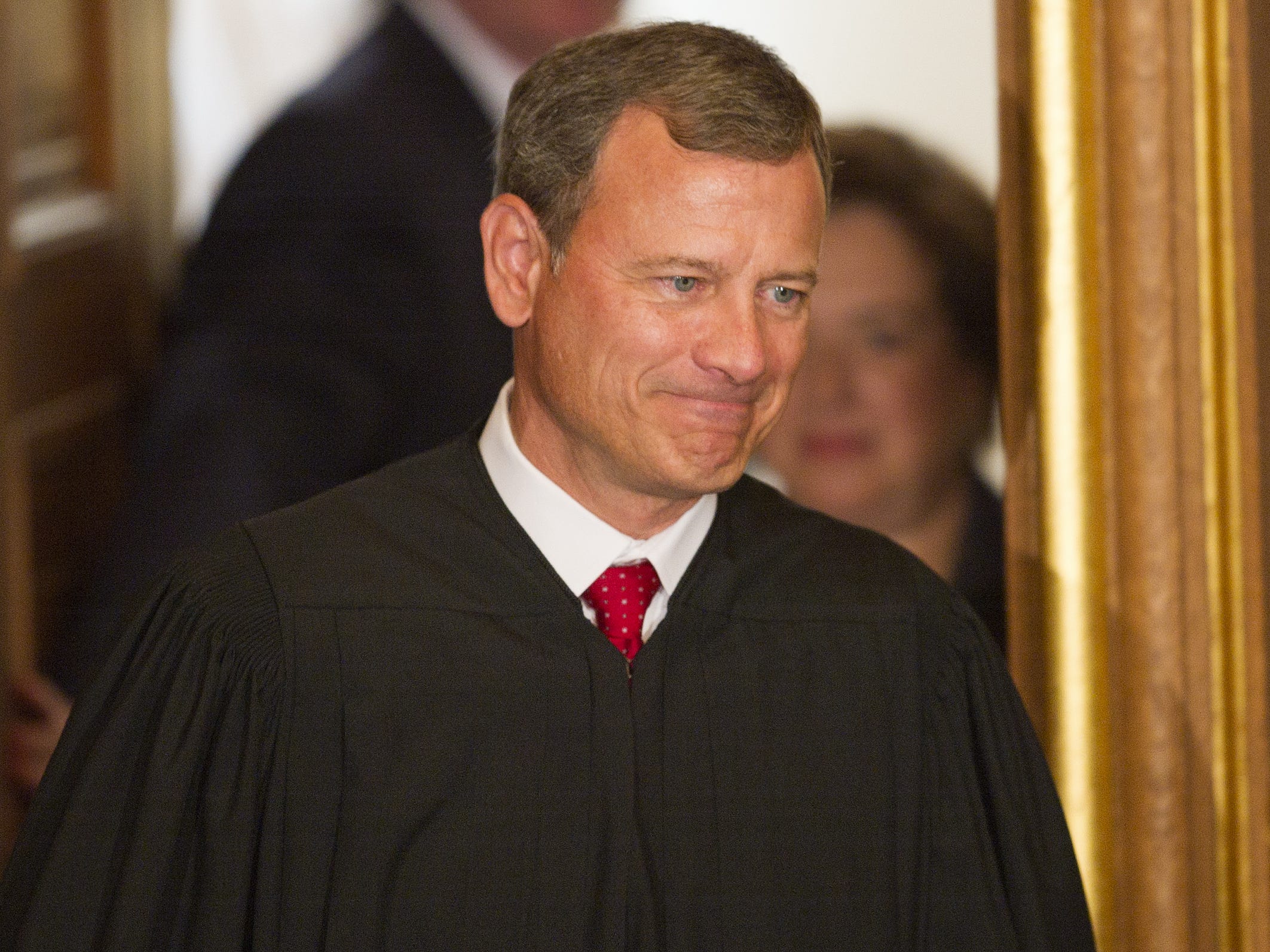
Start with a single decision. In 2010, in Citizens United v. Federal Election Commission, the Roberts Court ruled that the government could not limit independent political spending by corporations and outside groups. Such spending is speech, the Court held, and speech cannot be abridged. The Court also assured the country that this money could not corrupt. Months later, a lower court opened the door to the super PAC. The result was not a trickle. It was a flood. [5]
Outside spending on federal elections ran to 144 million dollars in 2008. By 2024 it topped 4.2 billion, nearly thirty times as much. That is not inflationary impact. That is political capture. And the money does not come from you or me.
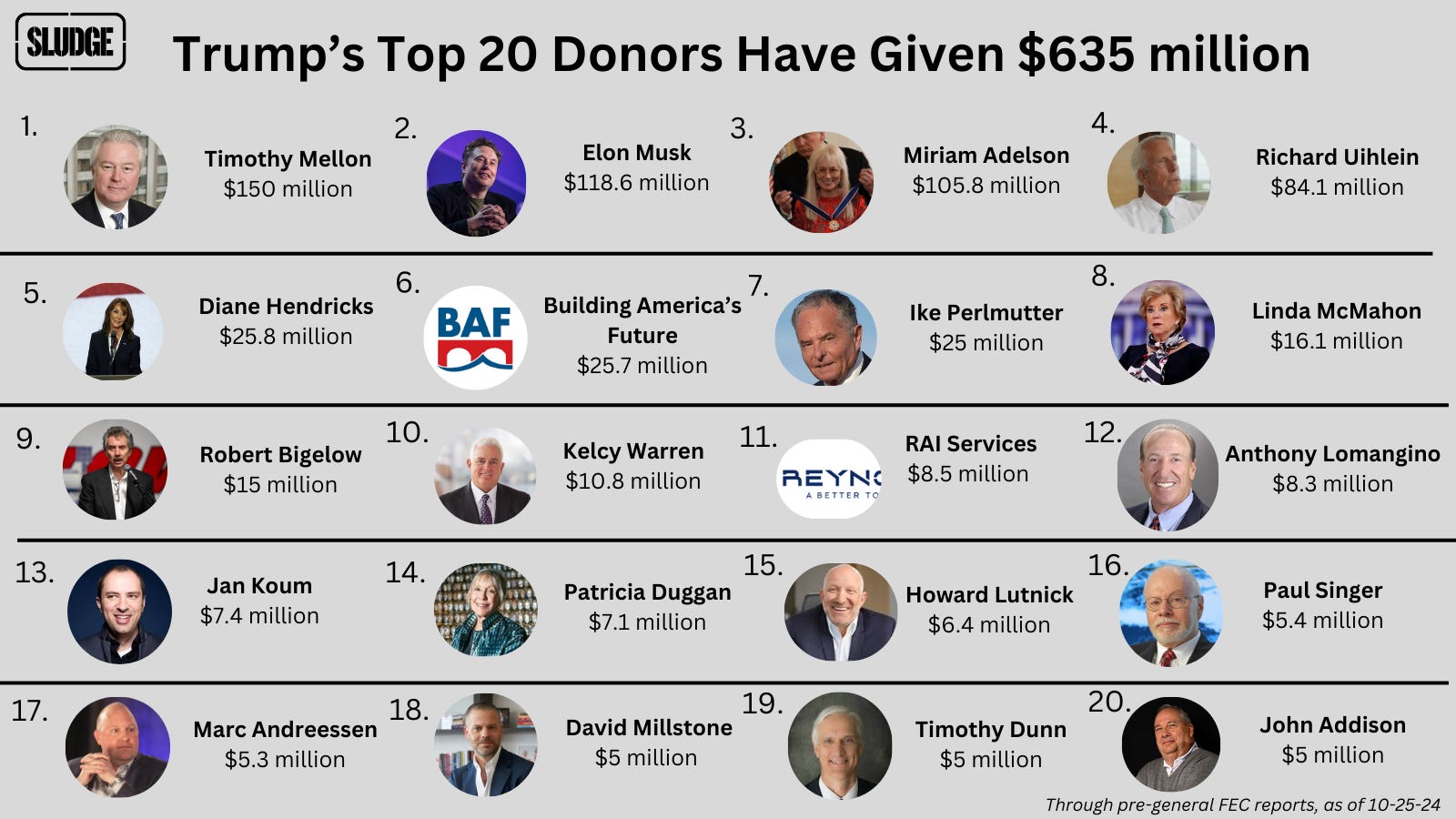
In 2024, the top 1 percent of super PAC donors supplied 97 percent of the money those groups spent.
A few hundred people now finance the machine that broadcasts to everyone else. [6]
Then there is the money you are not allowed to trace. Dark money, spending by groups that never reveal who funds them, rose from under 5 million dollars in 2006 to roughly 2 billion in 2024. The Roberts Court promised this money could not corrupt, and that sunlight would keep it clean. Both promises were lies. The firehose of money corrupts the government in the shadows cast by the Roberts Court decision. [7]
Understand what all this money buys. It buys the airwaves and drowns every voice that cannot pay to be heard. It buys the frame, the fear, and the last word before the polls open. So the majority position loses the argument it should win, because it was outspent into silence. Concentrated wealth is not a spectator in this story. It is the first line of attack. Wealth concentrated past a certain point does not distort democracy. It ends it.
Every barrier to voting needs a reason. The reason is “voter fraud.”
The claim is simple and it is everywhere. Our elections are overrun with ineligible voters. Buses of immigrants driven from one polling place to the next to cast ballot after ballot. Boxes stuffed with counterfeit votes. It is the pretext for every law that follows. "Voter fraud" is the answer handed to every citizen who asks why voting keeps getting harder.
It, Voter fraud, is also blatantly false.
Study after study, across decades and across states, finds that voter fraud is vanishingly rare, rare to the point of statistical nonexistence. You are more likely to be struck by lightning than to find evidence of voter fraud. The people who cite fraud to justify these laws know this. Voter fraud is not the problem they are solving.
Voter fraud is the lie they are telling. [8]
When a voting law is written to stop a crime that is vanishingly rare, the law is not aimed at the crime. It is aimed at the voter.
The first tool is the law. Since the 2020 election, at least 30 states have enacted 123 laws that make voting harder. In 2025 alone, at least 17 states passed 32 restrictive laws, matching the record set in 2021. [9] The favored instruments are voter identification rules, aggressive voter roll purges, and new restrictions on voting by mail. The newest is the demand that citizens produce a passport or birth certificate simply to register. A Brennan Center study found that 21.3 million Americans, more than 9 percent of voting-age citizens, do not have ready access to those documents. [10] While the basis of the law does not produce a single fraudulent voter, it puts the ballot out of easy reach for millions of actual voters.
The second tool is the map. Gerrymandering lets officeholders draw the districts that elect them, sorting blocks of voters into grotesque shapes that guarantee the outcome before anyone votes. Vote dilution does the quieter version of the same thing, splitting a community’s strength across districts so it can never elect anyone at all. The voter still votes. The vote is just a scream into the void.
The third tool is demolition. Before the other tools of suppression can work at scale, something has to tear down the guardrails that once stopped them, and the Roberts Court has swung the wrecking ball at the Voting Rights Act for more than a decade. In 2013, Shelby County v. Holder gutted the law's central protection, the rule that forced states with histories of discrimination to get federal approval before changing how they run elections. In 2021, Brnovich weakened what survived. In 2026, Louisiana v. Callais closed the door almost entirely, making it nearly impossible to win a discrimination claim under what was left of the Act. Three rulings, one Court, one target. As each protection fell, the racial turnout gap widened, and Brennan Center research found it widened twice as fast in the very counties that federal oversight once policed. [11]
The fourth tool is the wait. When the Court struck down preclearance, the doors began to close. Nearly 1,700 polling places were shut in the very counties preclearance once watched, in the years right after the Court stopped watching. Maricopa County, Arizona, closed 171. Dallas County, Texas, closed 74. Georgia shuttered more than 200.
Close enough doors and the line finishes the job. In one national study, voters in precincts that were nearly all white waited about five minutes. Voters in precincts that were nearly all nonwhite waited thirty-two. Long lines alone have driven hundreds of thousands of people out of a single election, not because they did not care, but because they could not stay.
Then they came for the drop boxes. In 2020 Texas limited every county to a single ballot drop-off site, regardless of size, so that Harris County and its 4.7 million people got exactly one, the same as Loving County and its 169. An all-Republican state Supreme Court called it reasonable.
Understand who pays this tax. Not the salaried professional who votes on the way to lunch. The hourly worker. The single parent. The nurse on a double shift. The person who cannot surrender half a day’s pay to stand in a line made long on purpose. The old poll tax was a dollar at the counter. The new one is paid in hours, and it is charged to the people who have the fewest to spare. [12]
The fifth tool is fear. When the law and the map are not enough, there is the man with the gun in the parking lot. In 2022, masked men in body armor stationed themselves at a ballot drop box in Mesa, Arizona, filming voters, photographing their license plates, and following them out of the lot. They belonged to a national operation that had convinced itself, on no evidence, that ordinary people delivering ballots were criminals. Voters filed complaint after complaint. It took a court order to make the watchers stand back and put the guns away.
The quieter version wears no armor. In Georgia, a law lets any citizen challenge the eligibility of any voter, without limit, and activist groups have filed challenges by the thousand, forcing election offices to process the harassment as though it were legitimate. The challenged voter, often flagged for nothing more than a move or a common name, must now prove they belong.
None of it needs to end in an arrest to work. It only needs to make the simple act of voting feel watched, and dangerous, and not worth the trouble. That is the oldest tool in the box. The poll watcher of a century ago stood in the doorway and let you feel his eyes. The tools have caught up with the times. The message has not. We are watching. Are you sure? [13]
The sixth tool is the cruelest, because it hides. When a state rejects your ballot once, you are far less likely to ever come back. Researchers call it silent disenfranchisement. After Texas made mail voting harder, the state threw out thousands of ballots and requests, disproportionately from voters of color. And 85 percent of those rejected were not new or occasional voters. They had voted faithfully in the prior three elections. [14] These are not the disengaged. These are the disappeared. The effect compounds across a lifetime. That compounding is the design.
Now return to the 88 million. Some genuinely opted out. Some were purged, or turned away for the wrong papers. Some were diluted into silence by the maps. Some could not afford the wait. Some were watched until voting felt dangerous. Some were simply worn down, taught election after election that the system was not built for them, until staying home felt less like surrender than common sense. Call the first group self-disenfranchised if you like.
The rest were disenfranchised by design.
The old voter suppression machine kept voters from the ballot. The new machine goes after the count, and the people who painstakingly process it.
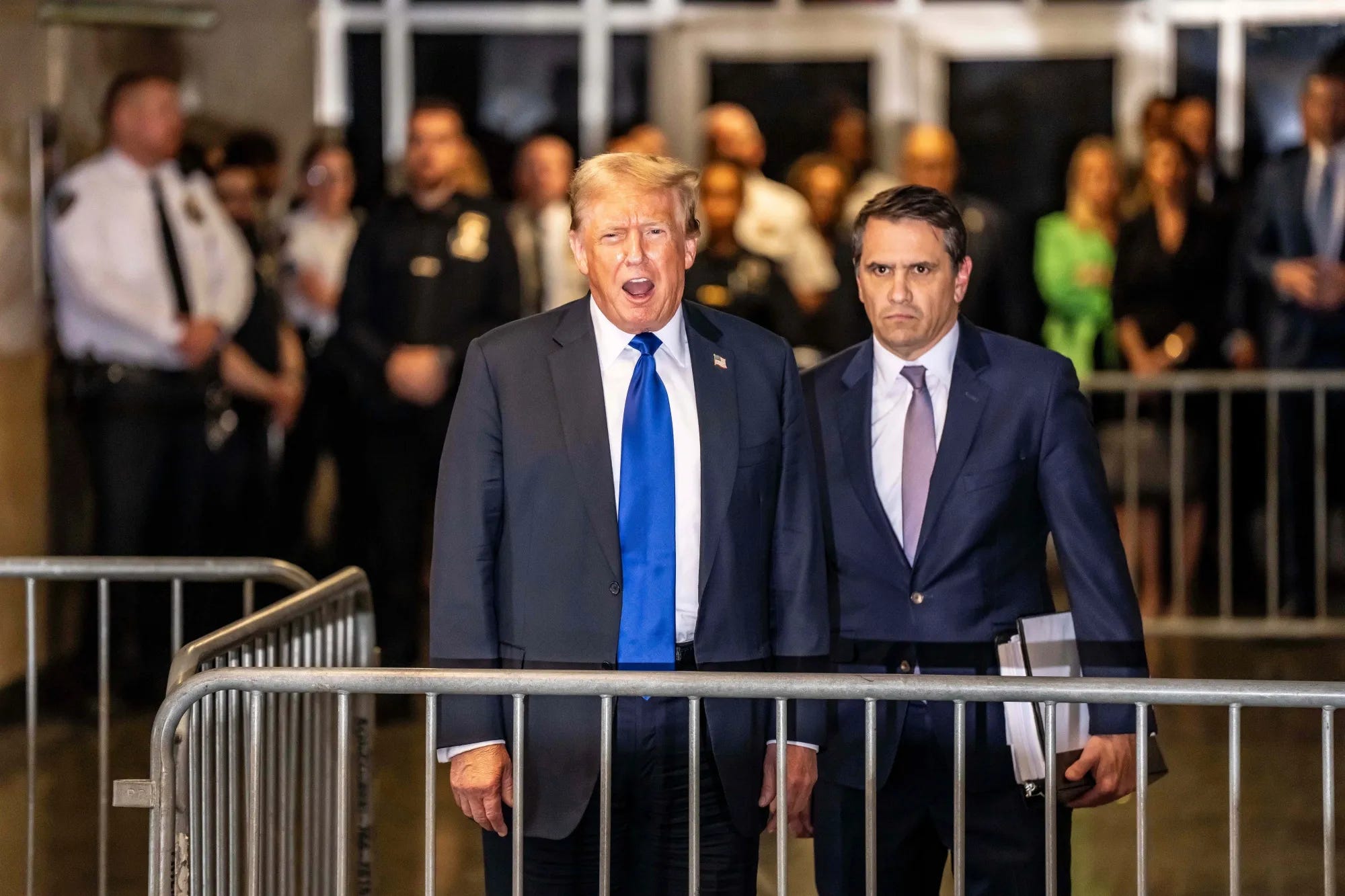
Since 2022, a new category of law has appeared, built not to shrink the electorate but to seize the machinery. These laws let partisans interfere in how results are certified. They create criminal penalties for election workers who make honest mistakes. In 2025, at least seven states passed eight of them. [15] The target is no longer only the voter. It is the clerk, the volunteer, the poll worker who counts the ballots.
Around those laws swirls a fog by design. Rules change weeks before an election. Lawsuits multiply to exhaust the defenders and confuse the voters. The threat of force enters the room where democracy is supposed to be routine.
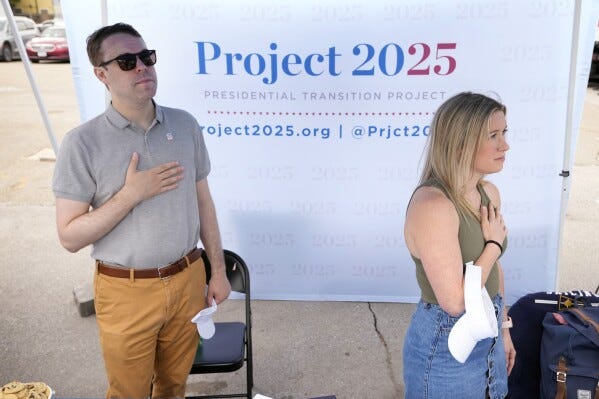
And the ambition keeps climbing. The Project 2025 blueprint proposes prosecuting the very people who help others vote, using a statute first written to stop the Ku Klux Klan from terrorizing Black voters. Read that twice. A law forged to protect the vote, aimed now at the people who defend it. That is not an accident of drafting. That is the architecture announcing what it is. [16]
Congress has its own contribution: the SAVE Act. It would require every American to prove citizenship, in person, with a passport or a birth certificate, simply to register or to update a registration after a move, a name change, or a change of party. Most driver’s licenses would not count. Most Real IDs would not count. A passport would, but more than half the country does not have one. And here is the part its authors do not advertise. As many as 69 million married women hold a birth certificate that no longer matches their legal name. Under the SAVE Act, that mismatch becomes a wall between them and the ballot. A law sold as protection against noncitizens lands hardest on citizen women who did nothing but marry and take a name. [17]
The bill has passed the House more than once and stalled in the Senate, where it needs votes it does not have. So the president attaches it to whatever must pass, tying it to government funding fights and daring the Senate to shut the government down rather than strip it out. All of this to stop a crime that barely exists. Utah, a Republican state, recently checked more than two million registered voters against its records. It found one noncitizen registration and not a single noncitizen vote. The SAVE Act would burden tens of millions to chase a number that rounds to zero. [18]
The Justice Department has joined the effort directly. Over the past year it has demanded the complete, unredacted voter rolls of nearly every state, including home addresses, birthdates, partial Social Security numbers, and driver’s license numbers. It wants to run that data through a Department of Homeland Security system so error-prone that it has flagged lifelong citizens as noncitizens and knocked them off the rolls. When most states refused to hand over their voters’ private information, the department sued them. It has filed more than thirty such suits. So far it has not won one. [19]
Then came the letters. In July 2026 the Justice Department wrote to election officials in all fifty states, warning that they could face criminal prosecution if noncitizens end up on their rolls or cast a ballot, and giving them five days to explain themselves. Every state already bars noncitizens from voting, and audit after audit confirms it almost never happens, so the letters were never really about prosecution. As one election expert put it, if you believed a crime had been committed you would bring an indictment, not mail a warning. The point is the warning itself. The point is to make the clerk, the volunteer, the county official wonder whether counting the wrong ballot could cost them their freedom. The same administration tried to force Georgia to turn over the names and personal contact information of the ordinary people who worked the 2020 election in Fulton County. A judge said no. [20]
Seize the voter data and the voting machines. Threaten the people who guard them. Punish the states that resist by cutting their funds, as the Federal Emergency Management Agency has threatened to do unless they change how they run elections. None of these moves has to survive in court to work. They only have to exhaust the defenders, frighten the volunteers, and build the machinery for a federal hand on the count. That machinery, once built, will outlast the administration that built it.
So return to Selma, and to the allegation that a generation could not be bothered.
There is a hard truth folded into the easy insult. A democracy is inherited, and an inheritance can be squandered and lost. The people who marched at Selma did not secure the vote forever. They secured it for a while, and they handed the stewardship to everyone who came after. Rights are not monuments. They are gardens. Left untended, they are reclaimed by whoever wants the land.
The architects of suppression are counting on exactly one thing. Not your agreement. Your absence. Every purge, every map, every lie about fraud, every closed polling place is a bet that you will decide it is not worth the trouble. The machine of suppression runs on the 88 million who did not vote. Turn out even a fraction of them and the machine sputters, stalls, and fails.
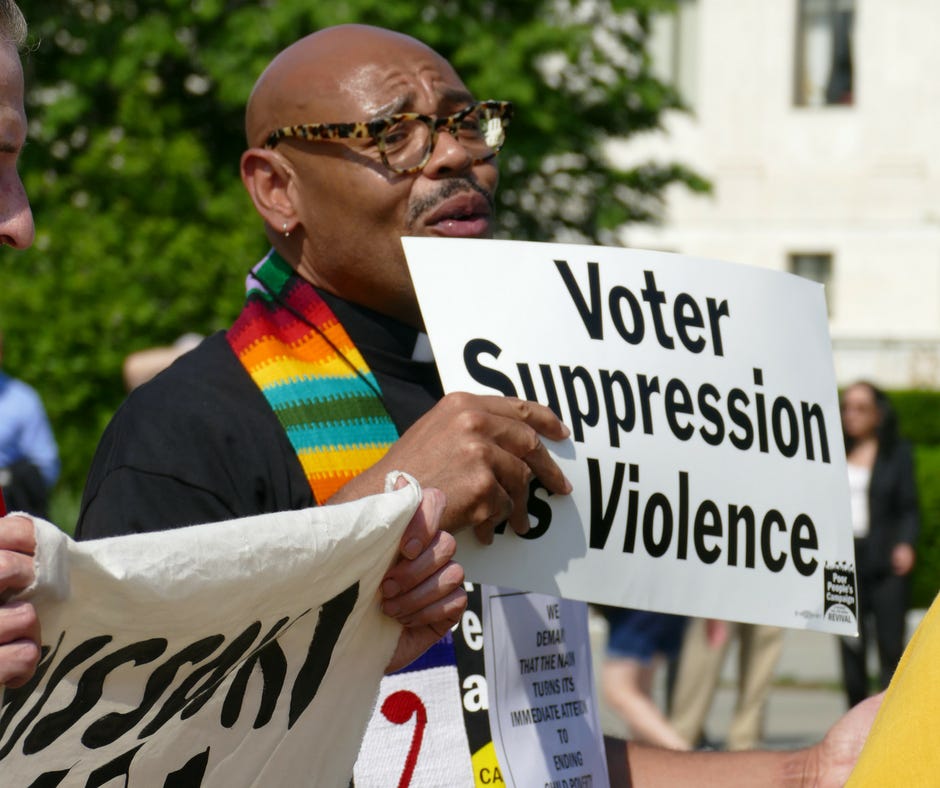
So the answer is not despair, which is the mood the whole apparatus is designed to produce. The answer is the opposite, and it is embarrassingly ordinary.
Check your registration today, not in November, because the purge you do not know about is the one that works.
Confirm your polling place, because it may have moved.
Make a plan to vote, early if your state allows it, and help three other people make the same plan, because turnout is contagious and so is staying home.
And demand the structural repairs that outlast any one election. The Freedom to Vote Act, which came within two votes of breaking a filibuster in 2022, would set a floor no state could dig beneath. The John R. Lewis Voting Rights Advancement Act would restore what the Court tore out and give the courts their teeth back. [21]
And back the people already fighting this in court, because the voter suppression machine is being challenged every week and it is losing. By late May 2026, federal judges in eight states had thrown out the Justice Department’s voter-data lawsuits, and the ACLU alone is advancing more than 80 legal actions against discriminatory laws, racial gerrymanders, and attacks on registration and mail voting. Find them. Fund them. Join them.
Democracy Docket (democracydocket.com). Founded by voting-rights attorney Marc Elias. It tracks every significant election lawsuit in the country and explains in plain language what is being argued and who is winning.
ACLU Voting Rights Project (aclu.org). Running its largest-ever midterm election-safeguarding effort, with active litigation against voter purges, gerrymanders, and the federal data grab.
Brennan Center for Justice (brennancenter.org). The research and legal shop behind much of the record cited here. Tracks restrictive laws and the DOJ’s demands in real time.
Protect Democracy (protectdemocracy.org) and CREW (citizensforethics.org). Co-counsel in the suit to block the DOJ’s national voter database.
Common Cause (commoncause.org). Also suing the DOJ over the voter-data grab, and organizing in dozens of states.
NAACP Legal Defense Fund (naacpldf.org). The original enforcers of the Voting Rights Act, still litigating racial vote dilution today.
Campaign Legal Center (campaignlegal.org) and Public Citizen (citizen.org). Nonpartisan litigators against gerrymandering and the money that drowns your vote.
League of Women Voters (lwv.org). Nonpartisan registration and education, and a plaintiff in voting cases nationwide.
VoteRiders (voteriders.org). Helps you get the ID and citizenship documents the new laws demand, before they can be used to turn you away.
Election Protection (866ourvote.org, or call 866-OUR-VOTE). Run by the Lawyers’ Committee for Civil Rights Under Law. If you hit trouble at the polls, this is who to call while you are still standing there.
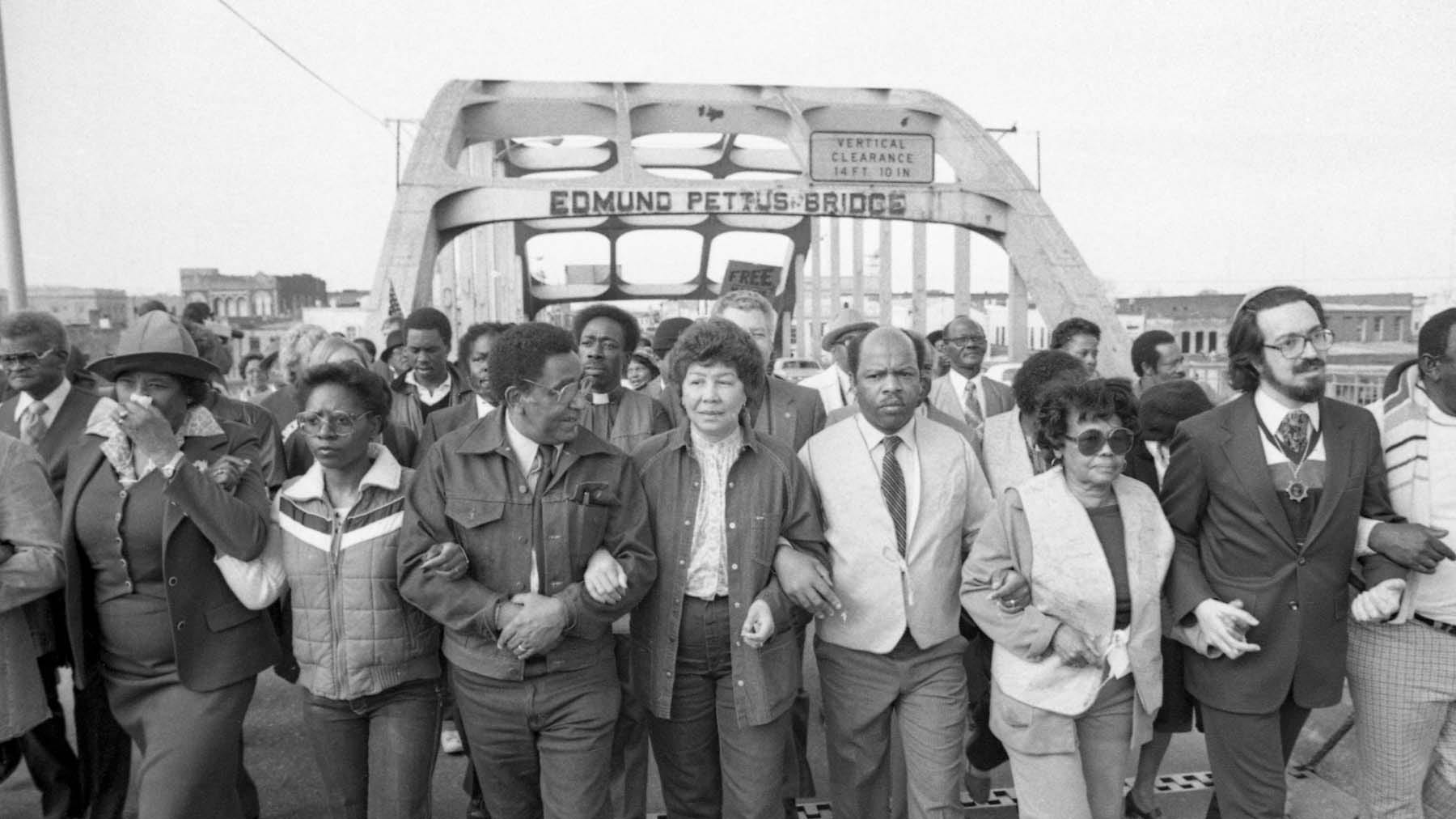
John Lewis crossed that bridge when he was twenty-five years old, with a fractured skull, for a vote he was not even allowed to cast. He spent the rest of his life asking the country to be worthy of what he, and so many others, sacrificed and bled for.
Together, we honor that sacrifice every time we vote, and every time we make sure someone else can.
University of Florida Election Lab, “2024 General Election Turnout.” Turnout near 64 percent of a voting-eligible population of roughly 245 million yields more than 88 million eligible nonvoters. The voting-eligible population is the voting-age population minus noncitizens and, depending on state law, people with felony convictions.
https://election.lab.ufl.edu/2024-general-election-turnout/
https://election.lab.ufl.edu/voter-turnout/Center for American Progress, “Undoing Citizens United and Reining In Super PACs,” 2025, on the majority belief that wealthy donors and special interests outweigh voters. See also Brennan Center for Justice, “Dark Money,” on cross-party majorities identifying money in politics as a major problem.
https://www.americanprogress.org/article/undoing-citizens-united-and-reining-in-super-pacs/
https://www.brennancenter.org/issues/reform-money-politics/influence-big-money/dark-moneyU.S. Constitution, Article I, Section 2 (the three-fifths clause) and Article II, Section 1 (the Electoral College). Primary source.
https://www.archives.gov/founding-docs/constitution-transcriptOn poll taxes, literacy tests, grandfather clauses, and white primaries, and the Voting Rights Act of 1965 that dismantled them, see Brennan Center for Justice, “Strengthening the Voting Rights Act.”
https://www.brennancenter.org/topics/voting-elections/voting-reform/strengthening-voting-rights-actBrennan Center for Justice, “Citizens United, Explained,” on the 2010 decision and the creation of super PACs.
https://www.brennancenter.org/our-work/research-reports/citizens-united-explainedCenter for American Progress, “Undoing Citizens United and Reining In Super PACs,” 2025. Outside spending rose from 144 million dollars in 2008 to more than 4.2 billion in 2024, and in 2024 the top 1 percent of super PAC donors provided 97 percent of super PAC funds.
https://www.americanprogress.org/article/undoing-citizens-united-and-reining-in-super-pacs/Brennan Center for Justice, “New Study Shows Runaway Influence of Dark Money in Politics,” 2025. Dark money reached almost 2 billion dollars in 2024. On the rise from under 5 million dollars in 2006, see Brennan Center, “Citizens United, Explained.”
https://www.brennancenter.org/our-work/analysis-opinion/new-study-shows-runaway-influence-dark-money-politicsBrennan Center for Justice, “Voter Suppression,” summarizing extensive research that voter fraud is very rare while repeated false allegations make it harder for eligible Americans to vote.
https://www.brennancenter.org/topics/voting-elections/voter-suppressionBrennan Center for Justice, “State Voting Laws Roundup: 2025 in Review.” At least 17 states enacted 32 restrictive laws in 2025, matching the 2021 record; at least 30 states enacted 123 restrictive laws since the 2020 election.
https://www.brennancenter.org/our-work/research-reports/state-voting-laws-roundup-2025-reviewBrennan Center for Justice, “State Voting Laws Roundup: October 2025.” A Brennan Center study found 21.3 million Americans, more than 9 percent of voting-age citizens, lack ready access to a passport or birth certificate.
https://www.brennancenter.org/our-work/research-reports/state-voting-laws-roundup-october-2025Brennan Center for Justice, “Strengthening the Voting Rights Act,” on Shelby County v. Holder (2013), Brnovich v. Democratic National Committee (2021), and Louisiana v. Callais (2026), and on the racial turnout gap widening twice as fast in formerly covered jurisdictions.
https://www.brennancenter.org/topics/voting-elections/voting-reform/strengthening-voting-rights-actOn polling place closures, Leadership Conference Education Fund, “Democracy Diverted: Polling Place Closures and the Right to Vote,” 2019 (nearly 1,700 closures in formerly covered counties between 2012 and 2018; Maricopa 171, Dallas 74, Georgia more than 200). On wait-time disparities, Brennan Center for Justice, “Waiting to Vote,” and Rice University’s Kinder Institute reporting on precinct wait times. On voters deterred by long lines, Scientific American, “Smartphone Data Show Voters in Black Neighborhoods Wait Longer.” On the Texas drop-off limit, Texas Tribune and Forbes coverage of the October 2020 order (Harris County, 4.7 million, versus Loving County, 169).
https://civilrights.org/democracy-diverted/
https://www.brennancenter.org/our-work/research-reports/waiting-vote
https://www.texastribune.org/2020/10/13/texas-election-ballot-drop-off/On armed drop-box watchers in Mesa, Arizona, and the resulting intimidation complaints and court order, Axios, “Election officials say armed ‘vigilantes’ watching over ballot drop box in Mesa, Arizona,” 2022; CNBC, “Election officials combat voter intimidation across U.S.,” 2022; Votebeat, “Clean Elections USA drop box watchers connected to True the Vote,” 2022. On unlimited voter-eligibility challenges under Georgia’s Election Integrity Act, The Guardian, 2022.
https://www.axios.com/2022/10/23/mesa-arizona-armed-vigilantes-ballot-drop-box
https://www.cnbc.com/2022/11/06/election-officials-facing-armed-militia-presence-at-some-polls.html
https://www.votebeat.org/arizona/2022/10/27/23427525/clean-elections-usa-drop-box-watchers-voter-intimidation/Brennan Center for Justice, “The Lasting Effects of Voter Suppression.” After Texas Senate Bill 1, 85 percent of voters whose mail ballots or requests were rejected had voted in the 2016, 2018, and 2020 general elections.
https://www.brennancenter.org/our-work/analysis-opinion/lasting-effects-voter-suppressionBrennan Center for Justice, “State Voting Laws,” on election interference legislation. At least seven states enacted eight such laws in a single recent year.
https://www.brennancenter.org/issues/ensure-every-american-can-vote/voting-reform/state-voting-lawsBrennan Center for Justice, “Project 2025’s Anti-Voter Agenda,” on the proposed use of Section 241 of Title 18, enacted as part of the Enforcement Acts of 1870, against those who assist voters.
https://www.brennancenter.org/our-work/research-reports/project-2025s-anti-voter-agendaCenter for American Progress, “The SAVE Act Would Disenfranchise Millions of Citizens,” 2026, on the documentary-proof-of-citizenship requirement: as many as 69 million married women lack a birth certificate matching their legal name, and more than 140 million Americans have no passport.
https://www.americanprogress.org/article/the-save-act-would-disenfranchise-millions-of-citizens/On the phantom problem the SAVE Act claims to solve, Vote.org, “The SAVE Act: What Every American Voter Needs to Know,” 2026 (Utah’s review of more than two million registered voters found one noncitizen registration and zero noncitizen votes). On the president’s pressure and the tying of the bill to must-pass legislation, NPR, “Trump keeps sabotaging legislation over the SAVE Act,” 2026.
https://www.vote.org/save-act/
https://www.npr.org/2026/06/25/nx-s1-5869577/trump-voting-save-america-actBrennan Center for Justice, “Tracker of Justice Department Requests for Voter Information,” and State Democracy Research Initiative, University of Wisconsin Law School, “Tracker: DOJ Lawsuits Seeking States’ Sensitive Voter Data.” The DOJ demanded full voter rolls from nearly every state and sued 30 states plus Washington, DC; no court has ruled in its favor.
https://www.brennancenter.org/our-work/research-reports/tracker-justice-department-requests-voter-information
https://statedemocracy.law.wisc.edu/our-work/tracker-doj-lawsuits-seeking-states-sensitive-voter-dataNBC News, “DOJ warns criminal charges for state election officials if noncitizens vote,” 2026; Votebeat, “Trump administration threatens state election officials with criminal charges,” 2026; MS NOW, “DOJ threatens election officials with criminal penalties over noncitizen voting,” 2026 (July 2026 letters to all 50 states; rejected demand for Fulton County 2020 election workers’ information; FEMA funding threat).
https://www.nbcnews.com/politics/elections/doj-warns-criminal-charges-state-election-officials-non-citizen-voting-rcna353433
https://www.votebeat.org/national/2026/07/07/trump-department-justice-letter-noncitizens-voter-rolls-election-officials/
https://www.ms.now/news/justice-department-threatens-criminal-penalties-noncitizen-votingBrennan Center for Justice, “The Lasting Effects of Voter Suppression” and “Strengthening the Voting Rights Act,” on the Freedom to Vote Act, which came within two votes of overcoming a Senate filibuster in 2022, and the John R. Lewis Voting Rights Advancement Act.
https://www.brennancenter.org/our-work/analysis-opinion/lasting-effects-voter-suppression
https://www.brennancenter.org/topics/voting-elections/voting-reform/strengthening-voting-rights-act
If you find this article of value, please do share with friends, associates, & others who have an interest in the content.
Please note that my articles and subscriptions are not paywalled. This stems from a guiding principle -that any meaningful democracy requires an informed, educated, and engaged society. It is also to honor the life of Aaron Swartz.
Aaron held firmly to the belief that research and knowledge intended for the betterment of humanity should be freely shared.
If the problem is extraction, then the response must be construction.
I am building Civic Works and its core platform, civ.works, as a direct alternative to the systems that have captured our data, our attention, and our civic life. This is a 501(c)(3) effort to create infrastructure that serves the public, not exploits it.
The goal is simple and necessary. A subscriber-supported, ad-free civic network where people can access trusted information, engage constructively, and take meaningful action without being tracked, manipulated, or sold.
No ads. No data harvesting. No hidden incentives.
Just people, information, and the tools to participate in a functioning democracy.
This kind of infrastructure will not be built by the same forces that benefit from the current system. It has to be built by us.
That is why we are asking for direct public support.
If this work resonates with you, I am asking you to make a simple commitment. Visit the pledge page and commit to supporting civ.works at launch. A small monthly contribution, combined across thousands of people, creates the independence required to build this platform without compromise.
This is not just about funding a project. It is about proving that a different model is possible. One where civic infrastructure is accountable to the people who use it, not the interests that seek to exploit it.
If you believe the current system is failing, this is one way to begin rebuilding it.
And if you cannot contribute financially, sharing this effort with others is just as important.
The system we have was built deliberately.
What comes next can be built the same way.
Aside from writing, mentoring others, and projects related to democracy, economics, and social innovation, I’m dedicated to Civic Works, a 501c3 non-profit organization building and managing technology that blends social networking and civic engagement. Our core effort is around civ.works. When complete, it will be a subscriber-supported, ad-free social network that does not betray subscriber trust by selling or sharing data with marketers or sinister political operatives.
I’m incredibly grateful for all who contribute to the civ.works effort through our secure payment processor, Stripe, and all who help us gain visibility by sharing the project with journalists and others to move the effort forward.
Special appreciation for all who continue to recommend my rants and musings, restack articles that are found to be worthy, and share with friends and family. And the following are some special recommendations for stacks I value -
Liz Oyer, Former DOJ Pardon Attorney
Comments
Nothing yet. Say the first thing.
Sign in to join the conversation.