
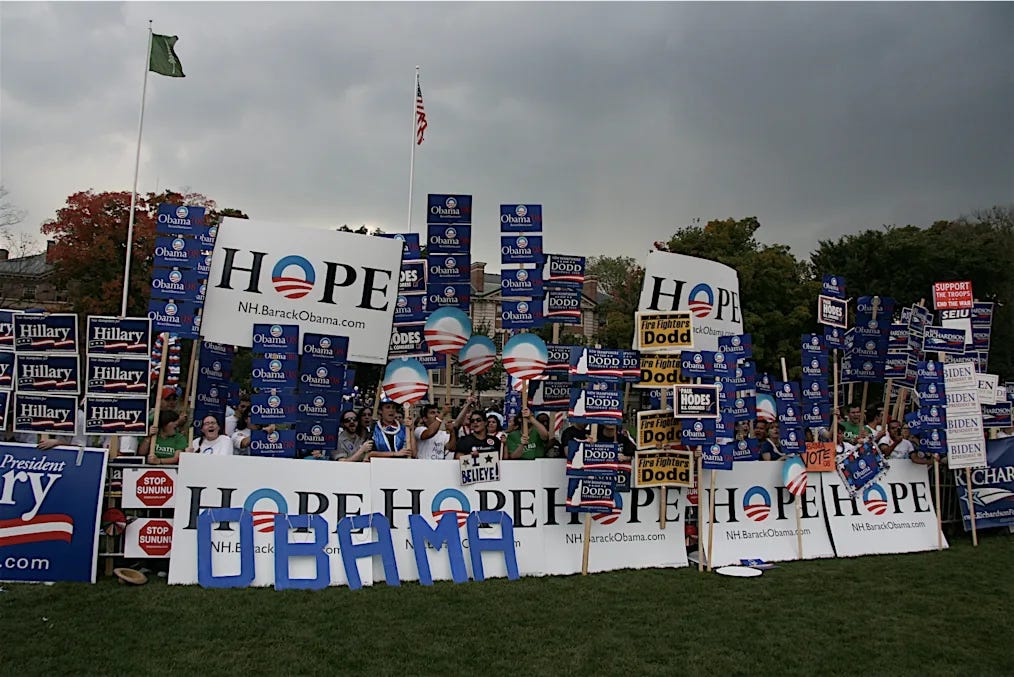
Most of what gets sold as hope in campaign speeches is a lie. Not the cruel kind. The comforting kind. The version that whispers someone is coming to fix this, that one election will do it, that your donation and your vote will allow you to return to your life and wait for legislation to ride to the rescue. That is not hope. That is anesthesia, and we have had enough of it to last a lifetime.
Real hope asks more of you than a campaign donation and a vote. There is no single Tuesday in November that undoes a machine built and fed for fifty years by a handful of the wealthiest people on earth, who are buying exactly what they want: political control of a tenuous democracy. More hoarded wealth for themselves. Trickle-down crumbs for the rest of us. It was engineered to keep most of us tired, divided, and convinced that nothing can change, and it will not come crashing down by accident or by wishing.
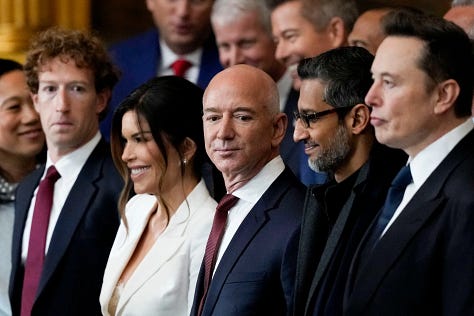
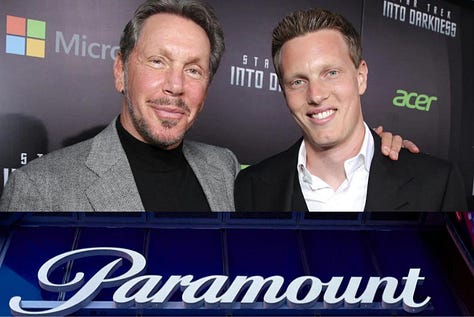
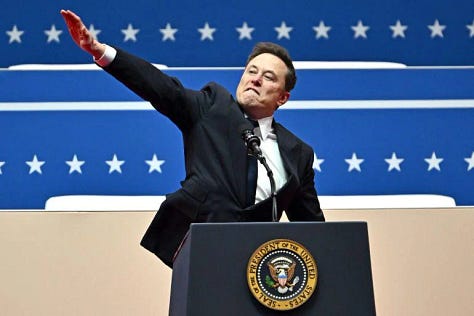


Yet here is what the architects of despair and division cannot afford you to notice. Most of what holds you in place is not stone. It is the belief that nothing can be done, that the wall is simply the wall and always will be. And belief is the one material in the whole structure that bears real weight. If we unite and withdraw that belief, a surprising amount of what looked like a wall turns out to be shadow. What few campaigns will say, if any, is that tearing down a shadow costs nothing. They won't say that building something better, something real and sustainable for our future, will be paid for in our shared sacrifice, patience, and uncomfortable alliances. And they won't say that the price climbs higher every day, driven up by the corruption, self-dealing, and incompetence now at the helm of our nation.
So before we draw a single line on the architectural blueprint, we must answer the question every builder answers first. What are we building? The pollsters ask us endlessly whether the country is on the right track or the wrong one, and almost no one asks the question that actually matters: where is the track supposed to lead? Ask people plainly, with the political team colors off, and the destination divides us far less than the noise insists. A doctor you can afford when your child spikes a fever at two in the morning. A paycheck that covers the rent and still leaves something to save for a rainy day. A main street where the shops are thriving and owned by neighbors. The plain expectation, once treated as a birthright, that your kids will have it better than you did, not worse. That is not a liberal dream, a conservative dream, or a MAGA dream. It is the American one, and most of us never stopped wanting it.



If so many of us agree on so much of the destination, why do we remain so divided? Because we are never in the same room to discover that a large majority of us want the same things, including a brighter future for our children. A handful of the wealthiest people alive, together with a media they have captured and built to sell outrage by the click, have learned that a population fighting with itself never turns to look at them. Every hour we spend at each other's throats over the issue du jour is an hour we do not spend asking who profits from the fight. We are intentionally distracted, divided, and therefore conquered. It is the oldest trick there is, running now at industrial scale and at the speed of light across a fiber-optic line.
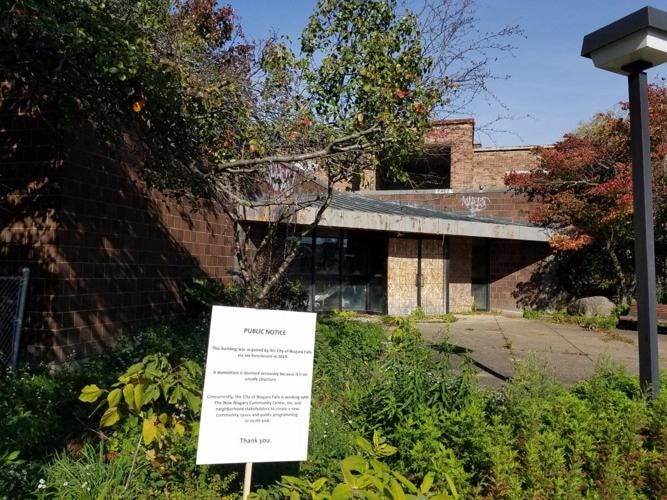
There is a much deeper loss of community under the surface. We used to have places to gather and argue about the things that shaped our lives, our wages, our schools, our streets, our government. The town hall. The union hall. The front porch. The literal kitchen table, where a family argued its way to a shared sense of the future. Those rooms have been hollowed out and replaced by platforms engineered to enrage us and harvest us, owned by the very people who benefit when we never agree on anything. So we argue forever about the track and never name the destination or how we would reach it, because there is no longer anywhere to sit down together and work it out.

The kind of debate that once ran between a William F. Buckley and John Kenneth Galbraith, who disagreed about almost everything and respected each other anyway, has been buried under meaningless phrases crafted by purveyors of hate and othering. “Let them die.” “You lie.” “They’re eating the dogs and cats.” “It’s a hoax.” These phrases are not representative of conservatism, and the conservatives worth talking to would be the first to agree. It is spectacle, and the sneering comes from every direction now, because outrage is the product of media and the platform does not care who supplies it. And here is the part that should stop us cold. This is the model our children inherit, and they are already repeating it. In hallways and on playgrounds, kids now taunt one another with the lines this moment has amplified, “your body, my choice,” “let me see your papers,” “go back home.” We are not only losing our ability to disagree. We are teaching the next generation to replace conversation with cruelty, bullying, and hate.

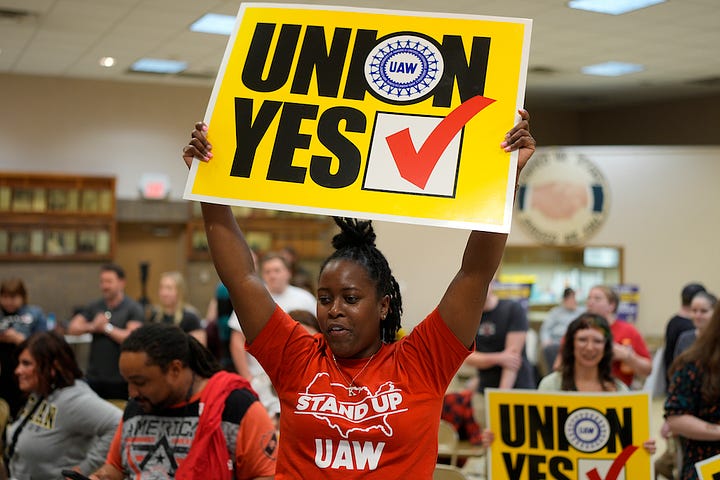
Here is the line we are not supposed to see. The fight was never really an ideological debate of left against right. That is the costume. The real divide is between concentrated wealth and everyone else.

Since the early 1980s, wealth has flowed to the top by design, not by accident. It did not get there because CEOs and executives work harder than the rest of us, and it certainly did not get there because anyone "leaned in." That was always a fantasy. You can only lean in far enough to have it all if you can afford to pay others to raise your children and run your house. Then came a single Supreme Court decision, Citizens United, that turned the flow of political spending into protected speech. Couple hoarded wealth with the egregious Roberts Court decision, and the loudest voice in every room now belongs to whoever has the most wealth, while the rest of us are left shouting into the abyss.
The real divide is between concentrated wealth and everyone else.
The architecture was built and is guarded overwhelmingly by one party. That is the record, and saying otherwise to sound fair is its own dishonesty. But two things stay true. Concentrated wealth has bought enough of the other party that no team is a clean vehicle for the change we need, and the people crushed by wealth-concentrating policies are not exclusive to any one party. So the coalition that wins has to cross party lines, and a precarious majority will not be enough. Nation first means making room for everyone this machine has robbed, even the ones still voting for the people who built it. That is the uncomfortable alliance, and there is no version of winning that skips it.
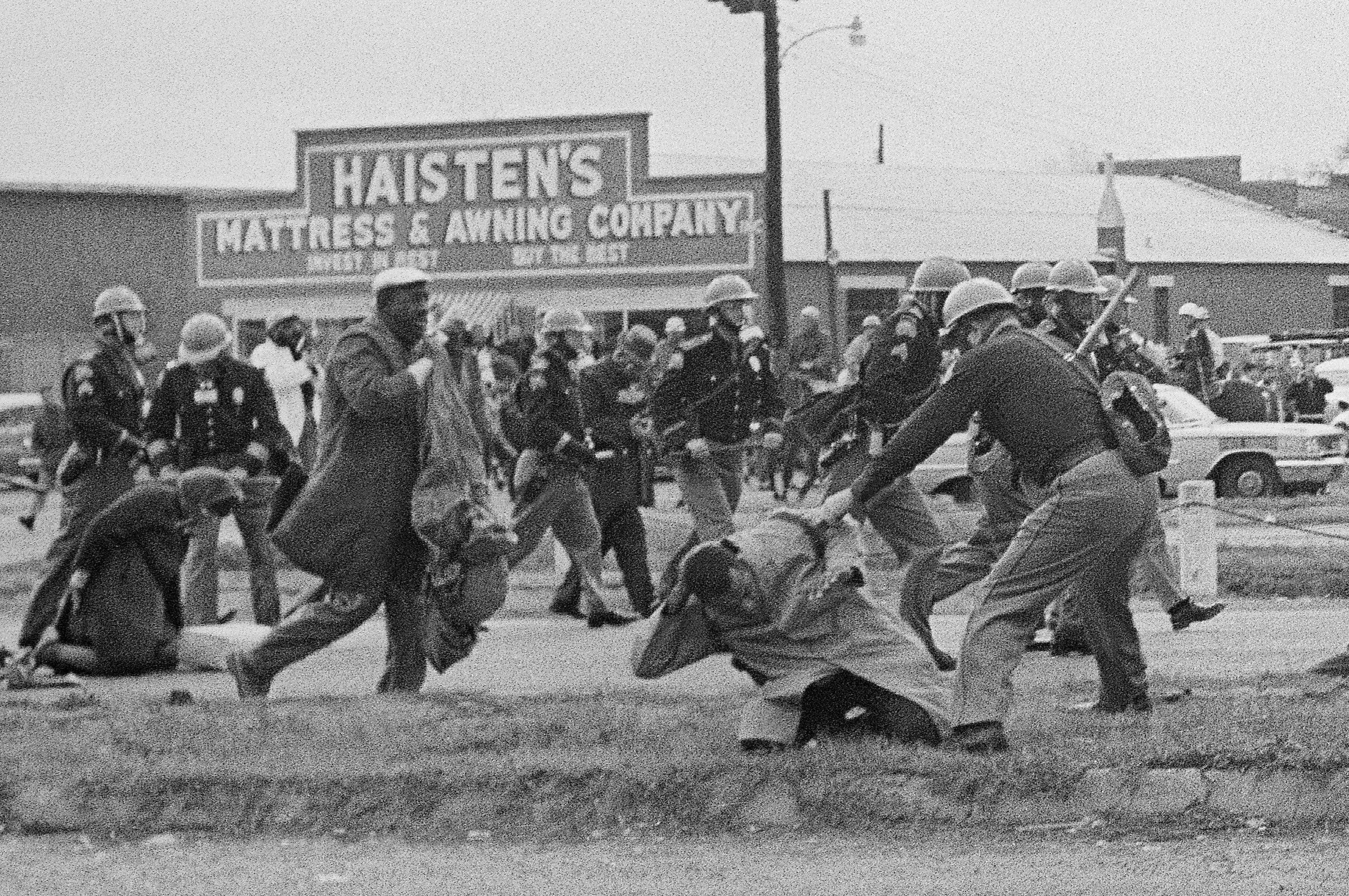
None of this is naive optimism. Together, we have done harder things than this, repeatedly, against people who swore it was impossible. We fought and ended slavery. People sacrificed and earned the right to vote. We formed unions, pulled children out of dangerous factories, and earned the weekend. People marched and suffered to tear down the immoral walls of Jim Crow and force open the ballot box.
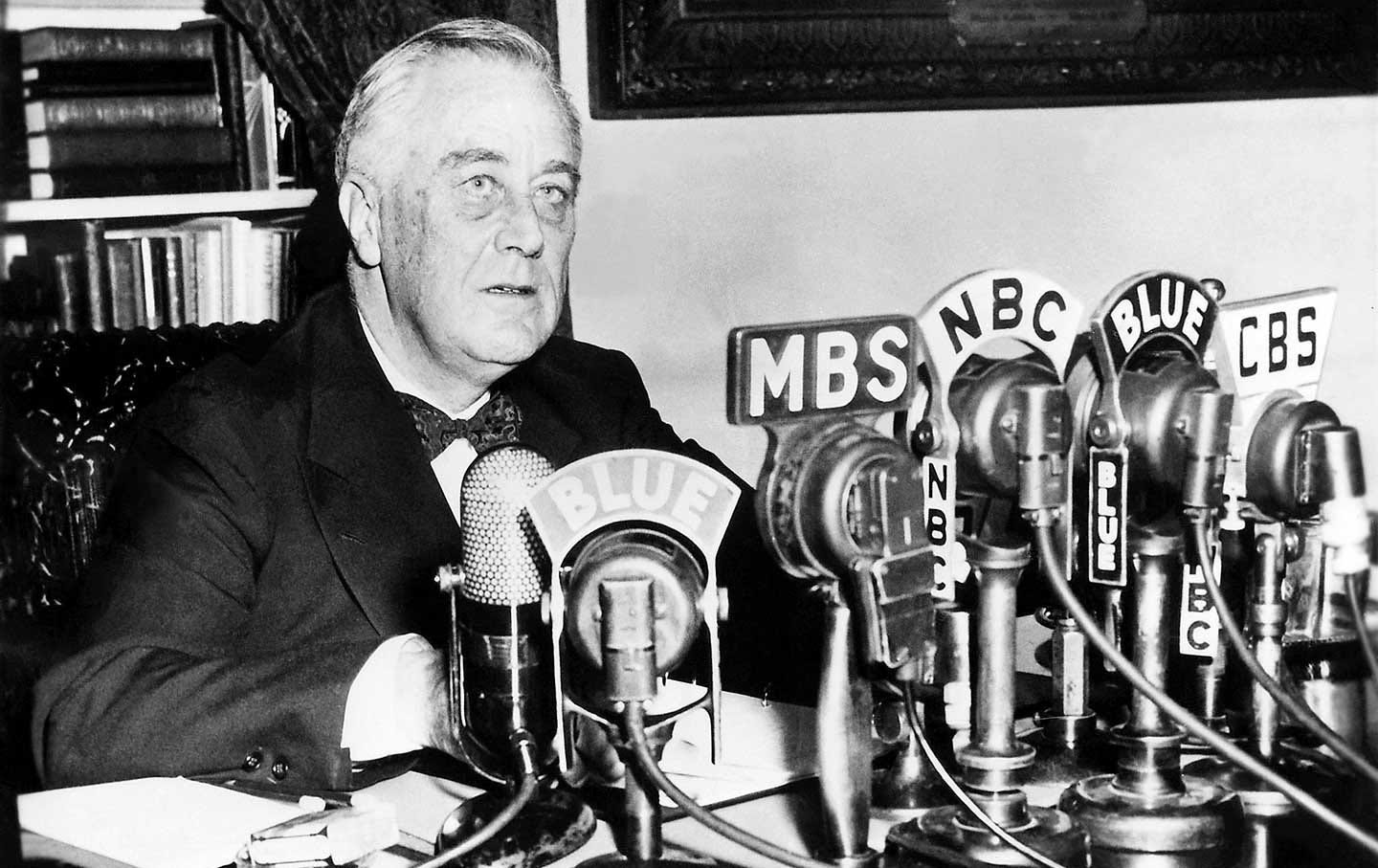
The last time wealth was this concentrated, economic warning signs flashed, and the floor gave way, ordinary people did not just dig out of the wreckage. They poured a new foundation under the entire country: Social Security, a minimum wage, government-backed security for your savings account, the right to organize and collectively bargain as equals. Every one of those was called impossible, even dangerous (Socialism! Communism!), by the people continuing to hoard vast wealth, until enough of us united for a better way forward.
The lesson is not a particular budget. It is the will, and the patience, and the willingness to build something meant to outlast the generation or generations who pour the foundation of a better, more equitable future. It took them years. They sacrificed and suffered. It came in sequence, not in a single act. Architecture, not magic. That is the honest shape of hope, and it is the only shape that holds weight.
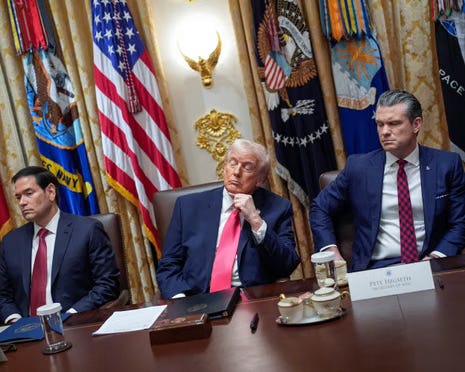
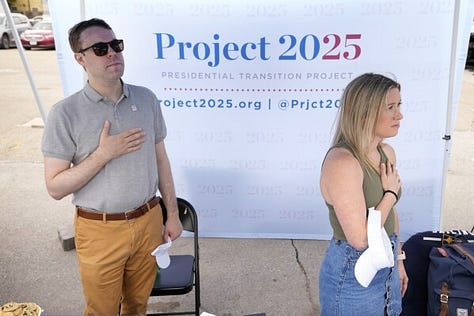
Yes, the man at the podium nods off in his own meetings, which is rich from someone who ran an entire campaign branding his opponent "Sleepy Joe." But do not confuse the sleepy figurehead with the wide-awake machine behind him. The people who wrote Project 2025 were never lazy. They were relentless, and they put it all in writing, over 900 pages: a detailed plan for a corrupt authoritarian plutocracy dressed up as a new "Golden Era." The answer to a blueprint like that is not to throw out the idea of blueprints. It is to draw a better one, in the open, for our children and grandchildren and the generations after them, the people who will actually have to live in the building we design.
Like any real major construction project, the build is sequenced in phases.
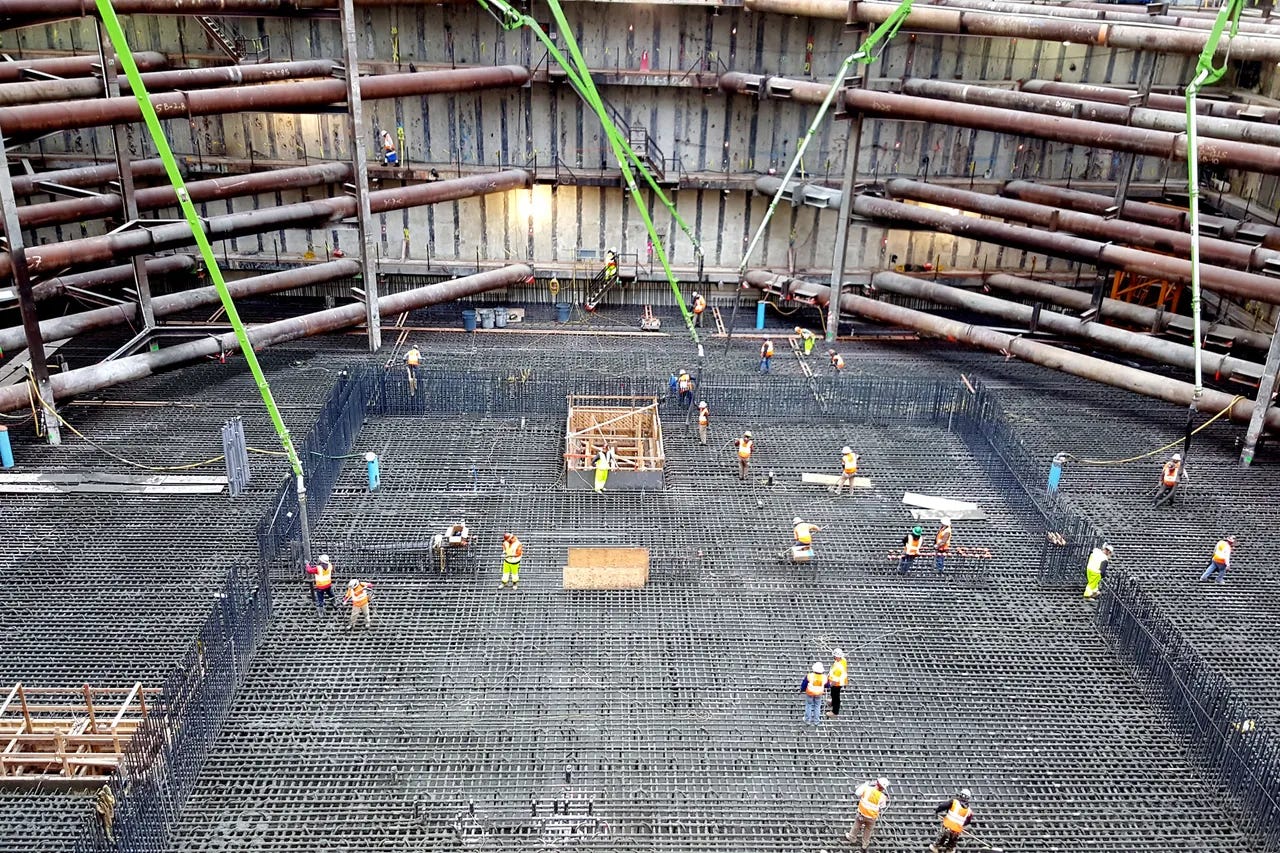
First comes the foundation, and it is load-bearing: everything else rests on it. But a foundation is not a house, so we must be pragmatic about what the next election can and cannot do. We vote in November 2026, but the new Congress is not seated until 2027, and a hostile president will still hold the signing pen and still direct his captured “Justice” Department. Do not mistake Congressional subpoenas for effective weapons. They are only as strong as the willingness to enforce them, and we have already watched this White House ignore them, order its people to ignore them, and pay no price from the DOJ it controls.
2027 is not the year we raise the walls. It is the year we stop the demolition and pour the footing the rest will stand on. It lies in the powers a Congressional majority holds without needing the president's permission: budget appropriations, to starve the worst lawlessness, corruption, abuses, and cruelty of the Trump/Vance Administration; the floor, to block the Project 2025 agenda and the permanent appointments; and the spotlight, to force popular bills to a vote and make every Member of Congress choose, on the record, between the people who elected them and the donors who own them. This is not about handing one party the keys. It is about making sure every member of the next Congress abides by their Oath of Office and commitment to the nation, not their absolute fealty to a party or an individual.
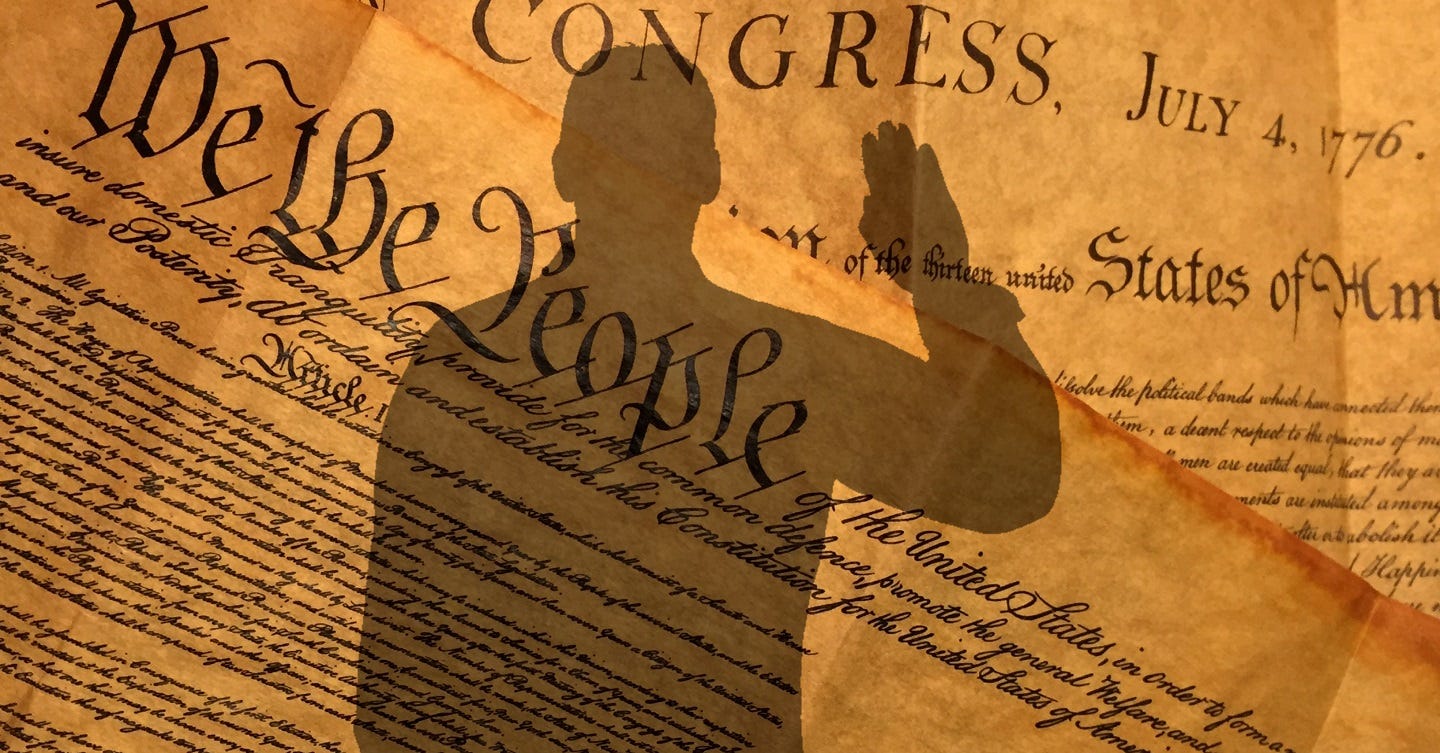
Then the frame. Call it Project 2027. With a Congress that finally answers to the public, we draw the plan in the open and put it in writing, the way they wrote theirs: the destination the people named, turned into a blueprint. A floor restored, care within reach, work that pays a living wage, a tax code where wealth carries its fair share. Money pried back out of politics so the loudest voice is no longer simply the wealthiest.
Then the full structure. Call it Project 2029, the year the executive and the legislature can finally be aligned to the public interest instead of private wealth and insatiable greed. This is when the frame becomes a country: the reforms enacted, the plan the people drew written into law. And it is when we face the one thing the whole structure rests on.
Here is the hardest truth, the one no comfortable politics wants to say. None of it holds without accountability. We ran this experiment before. Nixon was pardoned, and the lesson the powerful took was that power can readily exist above the law. Draw the line forward and you land exactly here, at a Court that has ruled a president all but immune from justice. Every time we shrug and let it go in the name of moving on, the next abuse is larger, because impunity is not closure. It is an invitation. A country rebuilt while the people who tore down the last one walk free, remain in office, or pursue public office is not rebuilt. It is waiting to be torn down again.
So accountability, real and lawful: criminal prosecution for the crimes, civil suits for the looting, and disqualification from office for those who broke their oath to the Constitution. And because the Roberts Court that gave us Citizens United, Dobbs, and presidential immunity cannot be trusted to deliver any of it, we use the remedies it does not control. Impeachment and disqualification, which the Constitution places in Congress's hands, and the courts may not review. The Fourteenth Amendment's bar on insurrectionists and those who provide aid and comfort to adversaries of our Republic holding public office must be assertively invoked. An independent commission to put the whole record in daylight. A Justice Department rebuilt to serve the law instead of the corrupted and lawless. And the reform of the captured court itself. Not a star chamber, not vengeance. The opposite: equal justice, reaching at last the people who spent their lives above it, with the same due process we would demand for ourselves. That is the only real difference between us and them, and it is worth everything.
Through all of it, one test that transcends political “teams,” for who gains your support, your time, your vote: do they keep their Oath of Office, honor the rule of law, defend democracy, and treat every person as equal under the law? Everything else is negotiable. These attributes are not.
Between where we stand and where we are going lies a project list, and a builder does not pour every floor at once. We triage. Restore the guardrails first, because nothing else is safe until they hold. Then the things people actually named when the political hats came off, starting with a tax code where a nurse is not carrying a heavier load than a billionaire. We must sequence what gets built and when. We must stay transparent and honest about our progress. We must adapt as the world changes. And we must stay patient, because a system built to withstand what is coming cannot be thrown up like a house of cards.
Ten years ago I left a conventional career in technology to try to build exactly this. Whether it ends up being the platform I’m working on, CivicSky, or another one dedicated to the public interest and shielded from the billionaires who would buy it and subvert it, there has to be a place where we can define the destination together.
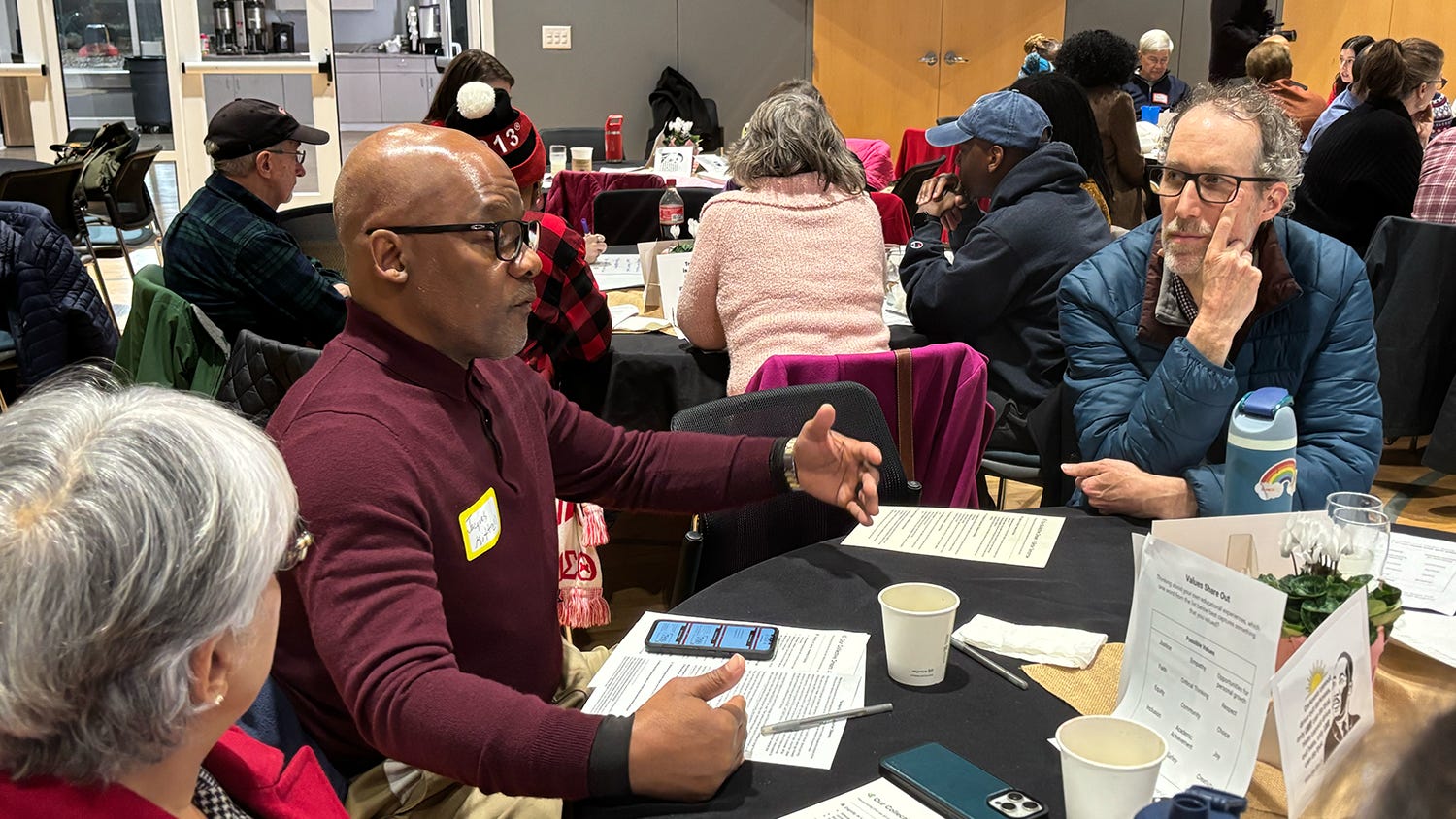
Picture thousands of kitchen tables that, seen together, approximate the size of a country. A commons that no billionaire owns and no algorithm tunes for rage. A place built not to keep us scrolling but to let us hear one another, surface what we actually share, and decide together what we want and in what order. Not a poll. Not a comment section. A conversation that scales without rotting, where the destination stops being something done to us and becomes something we name for ourselves. And then something we make real: the agreement that becomes a bill, a vote, a law. That is the missing piece. It is buildable. And it is the thing I have given myself to building.
The architects of despair and division need exactly one belief to survive: that the wall between where we are and the country we could be is made of solid, impassable stone. It is a lie. The illusion of the wall disappears the moment enough of us stop believing in it.
We can be the architects now. The plans are ours to draw, we the people, in the open, for everyone who will live within the system we rebuild, now and in the generations to come. It will take sacrifice, patience, and the uncomfortable alliances we would rather avoid. It will not arrive in a single election or a single year. But it arrives.
So we sit down at the table and do the serious work. We draw the plans in the open. We vote like the guardrails depend on it, because they do. And we build with the fierce urgency of now, a phrase already generations old, because people are still suffering, still being left behind, and they cannot wait for a country that is always coming and never arrives.
We build like the country we were promised is already ours.
If you find this article of value, please do share with friends, associates, & others who have an interest in the content.
Please note that my articles and subscriptions are not paywalled. This stems from a guiding principle -that any meaningful democracy requires an informed, educated, and engaged society. It is also to honor the life of Aaron Swartz.
Aaron held firmly to the belief that research and knowledge intended for the betterment of humanity should be freely shared.
If the problem is extraction, then the response must be construction.
I am building Civic Works and its core platform, civ.works, as a direct alternative to the systems that have captured our data, our attention, and our civic life. This is a 501(c)(3) effort to create infrastructure that serves the public, not exploits it.
The goal is simple and necessary. A subscriber-supported, ad-free civic network where people can access trusted information, engage constructively, and take meaningful action without being tracked, manipulated, or sold.
No ads. No data harvesting. No hidden incentives.
Just people, information, and the tools to participate in a functioning democracy.
This kind of infrastructure will not be built by the same forces that benefit from the current system. It has to be built by us.
That is why we are asking for direct public support.
If this work resonates with you, I am asking you to make a simple commitment. Visit the pledge page and commit to supporting civ.works at launch. A small monthly contribution, combined across thousands of people, creates the independence required to build this platform without compromise.
https://civ.works/pledge/pledge.html
This is not just about funding a project. It is about proving that a different model is possible. One where civic infrastructure is accountable to the people who use it, not the interests that seek to exploit it.
If you believe the current system is failing, this is one way to begin rebuilding it.
And if you cannot contribute financially, sharing this effort with others is just as important.
The system we have was built deliberately.
What comes next can be built the same way.
Aside from writing, mentoring others, and projects related to democracy, economics, and social innovation, I’m dedicated to Civic Works, a 501c3 non-profit organization building and managing technology that blends social networking and civic engagement. Our core effort is around civ.works. When complete, it will be a subscriber-supported, ad-free social network that does not betray subscriber trust by selling or sharing data with marketers or sinister political operatives.
I’m incredibly grateful for all who contribute to the civ.works effort through our secure payment processor, Stripe, and all who help us gain visibility by sharing the project with journalists and others to move the effort forward.
Special appreciation for all who continue to recommend my rants and musings, restack articles that are found to be worthy, and share with friends and family. And the following are some special recommendations for stacks I value -
Liz Oyer, Former DOJ Pardon Attorney
Comments
Nothing yet. Say the first thing.
Sign in to join the conversation.