
Ladies and Gentlemen of the Jury:
The Constitution is not vague about who runs American elections.
Article One, Section Four assigns the times, places, and manner of federal elections to the state legislatures, and gives Congress alone the power to make or alter those rules. It gives the president nothing. No authority to decide who receives a ballot, no authority to approve voter lists, and no authority to transform the United States Postal Service into a gatekeeper standing between a citizen and a ballot.
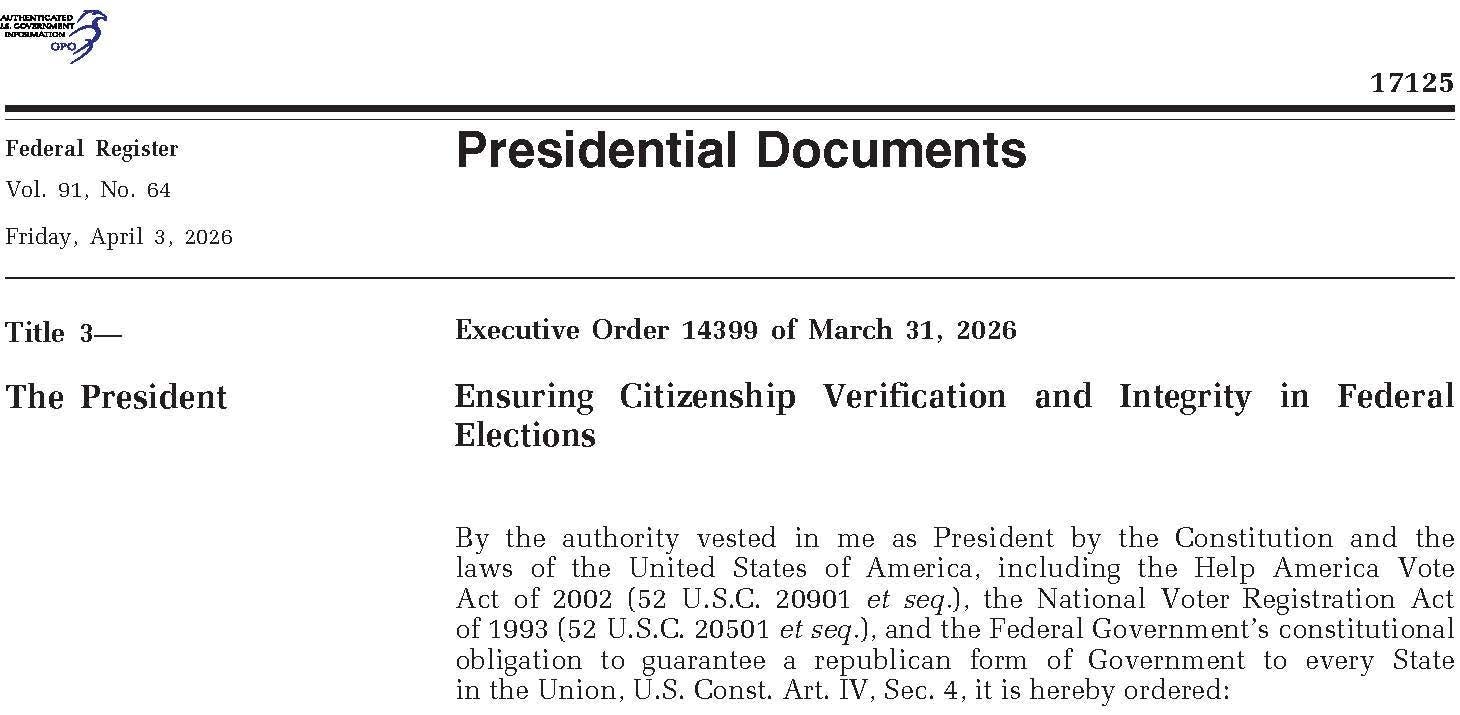
Donald Trump, by edict and with stunning disregard for the Constitution and the rule of law, is claiming those powers for himself. On March 31 he signed Executive Order 14399, titled “Ensuring Citizenship Verification and Integrity in Federal Elections.”
The Order requires every state to provide the Postal Service with a list of the voters it intends to send ballots to sixty days before a federal election, after which the Postal Service would deliver ballots only to people appearing on that list. It directs the Department of Homeland Security to assemble citizenship rosters from federal databases and transmit them to state election officials. And it directs the Attorney General to prioritize prosecution of state and local election officers who send or receive ballots involving people the federal government has deemed ineligible.
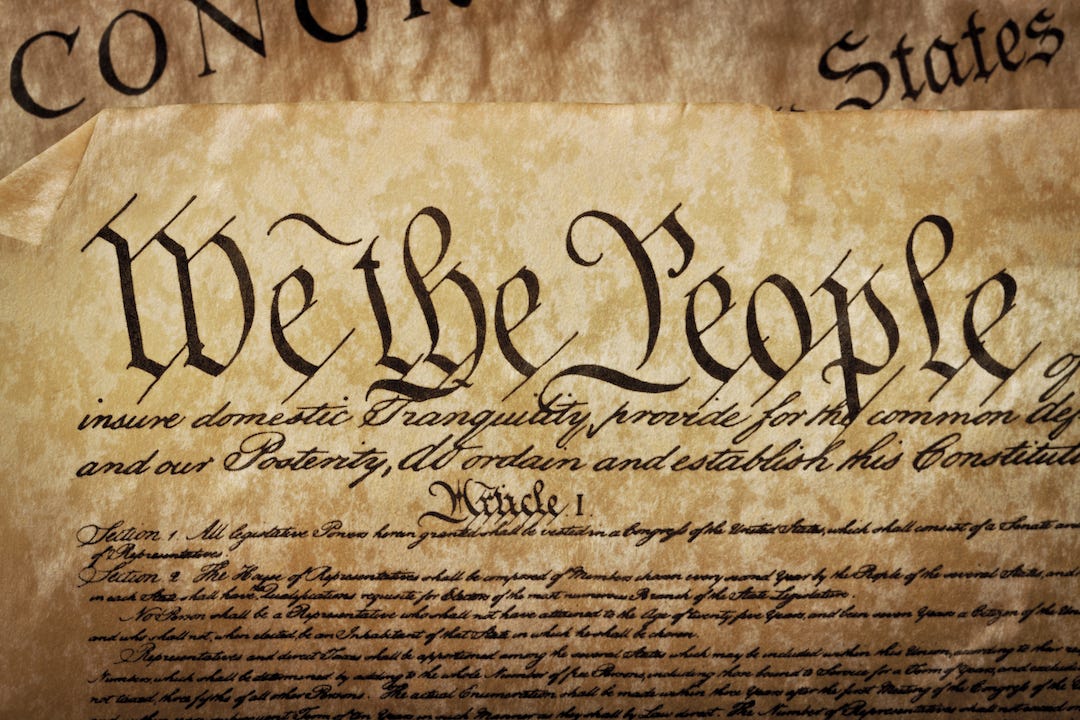
So where does a president find the authority to do any of that? The Order gives an answer. It skips over the part of the Constitution that puts elections in the hands of the states and Congress, and reaches instead for a promise made in Article Four: that the federal government will guarantee every state a republican form of government. That phrase, “a republican form of government,” has nothing to do with the Republican Party. The Article was written in 1787, decades before the party existed. It refers to a form of government where “We the People” choose our leaders. The clause exists to protect self-rule in the states, to keep a state from being handed over to a king or a strongman.
The language of “election integrity” or “integrity in federal elections” cannot disguise what it represents. It is not election reform. It is a lawless usurpation of power, an attempt by Donald Trump to seize authority over American elections, authority the Constitution does not give him and Congress has never granted him.
States must submit their voters to the federal government for review.
The federal government decides which of those voters it will accept.
The Postal Service becomes a checkpoint between a citizen and a ballot.
The election officials who refuse to go along are threatened with prosecution.
The phrase “election integrity” does the same work that “Healthy Forests Initiative” did for logging. The words describe the opposite of the policy. American elections are secure, and documented voter fraud is vanishingly rare. The Brennan Center, reviewing elections that had been studied closely for fraud, found rates of voter impersonation between three ten-thousandths of one percent and twenty-five ten-thousandths of one percent. An American is more likely to be struck by lightning.
The Heritage Foundation, the home of “Project 2025”, built its own database expressly to prove the problem exists. It has assembled more than fourteen hundred proven cases, spanning several decades and all fifty states, out of well over a billion votes cast. When the Brennan Center audited that database, it found forty-one cases involving noncitizens registering, voting, or attempting to vote. Forty-one, across five decades. That is the evidentiary basis for an order titled “Ensuring Citizenship Verification.”
The most complete test came from the administration itself. In 2017 the president created the Presidential Advisory Commission on Election Integrity, chaired by Vice President Pence with Kris Kobach as vice chair, and charged it with finding the fraud. It had federal resources, subpoena requests, and every motive to succeed. Hans von Spakovsky of the Heritage Foundation sat on the panel and handed out copies of the database at its first meeting. The Commission was dissolved in January 2018 without producing evidence of widespread fraud.
What travels under the banner of integrity, then, is not a remedy for a problem. It is a barrier: proof of citizenship requirements that fall hardest on married women whose names no longer match their birth certificates, on elderly voters, and on rural voters far from a records office. The word “integrity” is not describing the policy. It is intentionally disguising it.
The Order is not an administrative adjustment to election procedure. It is an attempt by the executive branch to subvert elections by inserting itself into a system the Constitution places entirely in other hands.
Consider what this would do to an institution that has never been charged with deciding who is entitled to vote. The Postal Service delivers ballots. It does not decide who may receive them. It does not maintain voter rolls, verify citizenship, or determine anyone's eligibility. The Order changes that. It hands a letter carrier a list and tells her which of her neighbors are on it.
At the other end of the proposed system stand state and local election officials. Their authority comes from state law. Their job is to run elections according to those laws. Now they face a choice: follow the state law they swore to uphold, or follow a federal order that a federal judge twice found exceeded the president's authority, knowing that the wrong answer could bring a criminal referral from a Justice Department run by Todd Blanche, the president's former personal attorney.
This is not an abstract dispute over federalism. It is a lawless attempt to federalize American elections by executive order, undertaken by a president whose party expects to lose control of Congress on November 3.
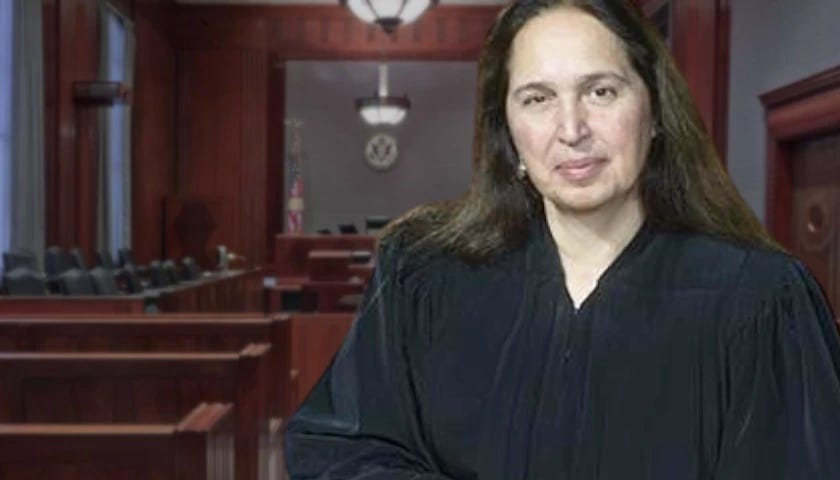
A federal judge has rejected the effort twice. Judge Indira Talwani found that Congress never granted the Postal Service any authority to regulate mail voting, and that the Order exceeded the powers of the presidency. In August she extended her injunction nationwide, finding that the administration was already sowing confusion, threatening chaos, and eroding trust in American elections with fewer than ninety days remaining before Election Day.
What happened next should trouble anyone who believes constitutional limits still matter.
The administration was given the opportunity to demonstrate the emergency it claimed required this extraordinary intervention in elections the states run. It could have argued that blocking the Order would jeopardize the integrity of mail voting. It declined. It could have produced evidence of fraudulent absentee voting sufficient to justify the powers it was claiming. It produced nothing.
Without facts, evidence, or justification, the Trump administration directed the continuing implementation of the Order.
On Friday night, August 21, the Postal Service published a ninety-five page final rule to implement the Order. Ten days earlier, a federal judge had ordered it not to do that. Her injunction barred the Postal Service from completing rulemaking for the November election. It completed the rulemaking for the November election.
The administration had failed to substantiate the emergency it declared. The constitutional authority it claimed had been rejected. A court had told it to stop. The Postal Service finished the machinery anyway.
The rule admits it cannot be used. It says so directly: it will not take effect for the 2026 election unless the administration first gets the injunctions lifted. Then it says what happens if that day comes. Implementation begins immediately, so that officials have as much time as possible to comply.
This is no longer an executive order waiting to be interpreted, or a policy waiting to be drafted. The rule has been written. It has been reviewed by the Office of Management and Budget. It has been prepared for the Federal Register. It is finished, and it is waiting. And finishing it is the part a federal judge had forbidden.
On August 22, the plaintiffs filed an emergency motion asking Judge Talwani to enforce her own order.
Important note:
The Roberts Court did not rule that any of this is legal. On August 24 it ruled that the states sued too early, before the agencies had written the rules. The rules are written now. One injunction still stands between those rules and November, and Judge Talwani has already set a hearing.
Election Day is November 3. Mail ballots begin going out in roughly six weeks. Roughly thirty percent of all votes cast in 2024 arrived by mail.
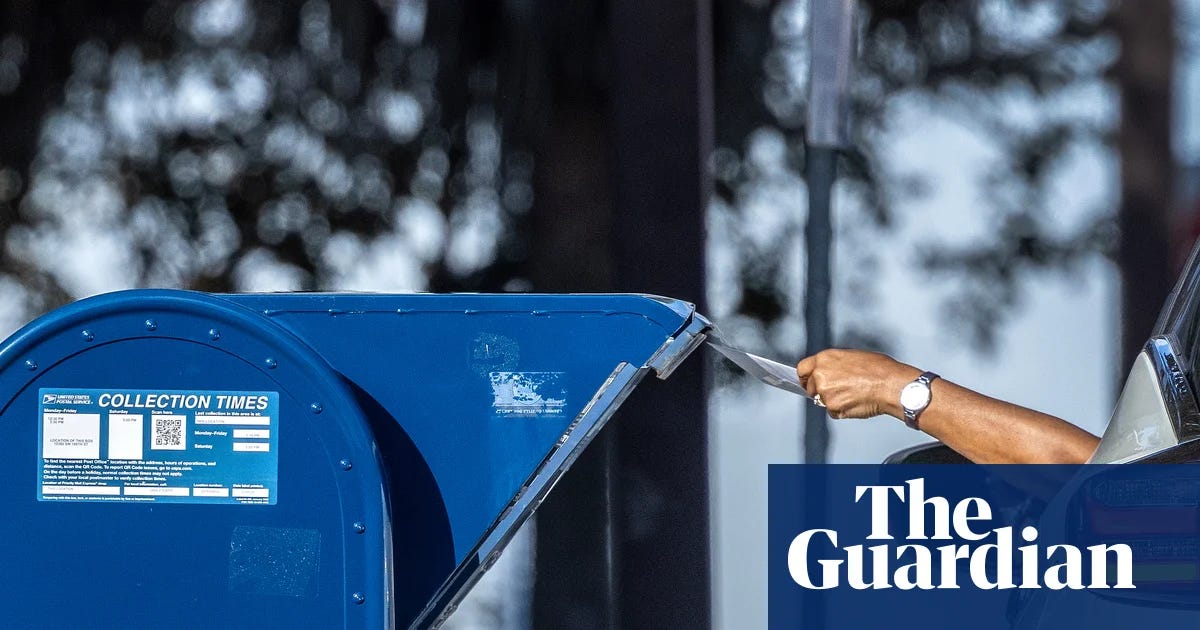
On August 18, Donald Trump voted by mail in Florida’s primary while asking Congress to ban the practice for everyone else. He did the same in a special state election in March. Asked about it, the White House called it a non-story. Three days later the Postal Service published the rule.
This is not a partisan policy argument. A president is claiming authority over an American election that the Constitution does not give him. Federal courts have told him he does not have it. His administration built the machinery anyway, and it is waiting for those courts to be pushed aside.
Trump cannot do something of this scale alone. Every Cabinet official who carries out these directives has chosen to. So has every Justice Department lawyer who signs a letter threatening an election official. So has every senator who voted to confirm the people now doing it. So has every member of Congress who understands the constitutional problem and says nothing. So has every public official who decided that loyalty to a president outweighs the limits the Constitution places on him.
If this ends in a constitutional crisis after November, many of those same people will say that no one could have known where it was heading. That defense is not available to them. All of it happened in daylight. The executive order is in the Federal Register. The letters threatening election officials went to all fifty states. The court rulings are published. The absence of evidence is in the record, because a federal judge wrote it down. The Postal Service rule is ninety-five pages long and anyone can read it. None of this requires an investigation. It requires reading.
There is no hidden conspiracy here. There is a public record.
What follows is not speculation about what Donald Trump might someday do. It is the documented record of what he has already signed, what the agencies have already written, what his Justice Department has already sent to all fifty states, and what the Roberts Court did about it on August 24. Election Day is in ten weeks.
Executive Order 14399, signed on March 31, 2026, is titled "Ensuring Citizenship Verification and Integrity in Federal Elections."
The Order specifies that states must transmit to the Postal Service a list of every voter to whom they intend to send a mail or absentee ballot, sixty days before any federal election. For November 3, that deadline is September 4.
The Postal Service is then authorized to deliver ballots only to voters on that approved list. States may supplement or amend the list, subject to federal acceptance.
The Postal Service is also directed to create unique identifiers, such as barcodes, on ballot envelopes for tracking. And the Department of Homeland Security, working with the Social Security Administration and other federal databases, is directed to compile a list of every adult citizen residing in each state and transmit it to that state’s chief election official. That is a federal roster of the adult population of the United States, assembled from databases this administration has itself described as riddled with errors, and delivered to the states as the answer to who may vote.
The Order also directs the Attorney General to prioritize the prosecution of state and local election officers who send ballots to, or accept ballots from, anyone the federal government has deemed ineligible. That reaches well beyond officials. It sweeps in election administration vendors, postal workers, and the civic volunteers who help voters return their ballots. None of them has any way to determine a citizen’s eligibility. None of them is authorized to try.
That is not a drafting oversight. A provision that no one can comply with is not written to be enforced. It is written to be feared. The volunteer who drives a neighbor’s ballot to the drop box does not need to be prosecuted. She needs only to wonder whether she could be, and decide it is not worth it.
The constitutional problem was obvious the day the Order was signed. The power to run state elections rests with the states. The power to run federal elections rests with the states, except where Congress chooses to act. And the president is not Congress.
That is the whole of it. The administration has never argued otherwise on the merits. When it went to the Roberts Court on August 24, it did not defend the president's authority to do any of this. It argued that the states had sued too early. Trump won on that, and only that.
The Order has been before a federal judge twice, and twice she found against it.
In June, Judge Indira Talwani issued an injunction covering the twenty-three states and the District of Columbia that had sued, finding that two sections of the Order, including the Postal Service provision, exceeded the powers of the presidency, and that Congress had never delegated to the Postal Service any authority to regulate mail voting.
On August 11, Judge Talwani extended the block nationwide, ruling in a separate suit brought by the League of Women Voters and other nonpartisan voting organizations. She found Section Three of the Order likely unconstitutional. That is the provision handing the Postal Service control over who receives a ballot. Her injunction barred the Postal Service from doing two things before the November election: implementing that section, and completing the rulemaking to carry it out.
Her language is worth reading directly, because it is a federal judge describing what the Order was already doing before any part of it had taken effect. She found it was causing confusion and threatening chaos and an erosion of trust in our democracy. She found that protecting voters outweighed the executive’s attempt to insert itself into the domain of election regulation. And she found that with fewer than ninety days remaining, an injunction was critical to stop the administration from changing the rules on the eve of an election.
Then comes the finding that would end this case in an actual courtroom. Judge Talwani noted that the administration declined to argue that enjoining the Order would jeopardize the integrity of mail voting. It provided the court with no evidence of fraudulent absentee voting. Given a hearing, given the burden, given every procedural opportunity to substantiate the emergency it had declared, the administration offered nothing.
Ten days later, the Postal Service completed the rulemaking anyway.
On August 22, the plaintiffs went back to Judge Talwani with an emergency motion to enforce her injunction. Their argument is short. The court told the Postal Service not to complete rulemaking for the November election. The Postal Service completed rulemaking for the November election. They asked her to hold the administration to her order.
Neither of Judge Talwani’s findings has been reversed. On August 24 the Roberts Court stayed the June injunction, and it did not touch them. It ruled 6-3 that the states had sued too early, before the agencies had written the rules those states were challenging. The agencies finished writing them three days before the ruling came down.
The nationwide injunction still stands. No party has asked the Roberts Court to lift it. Not yet.
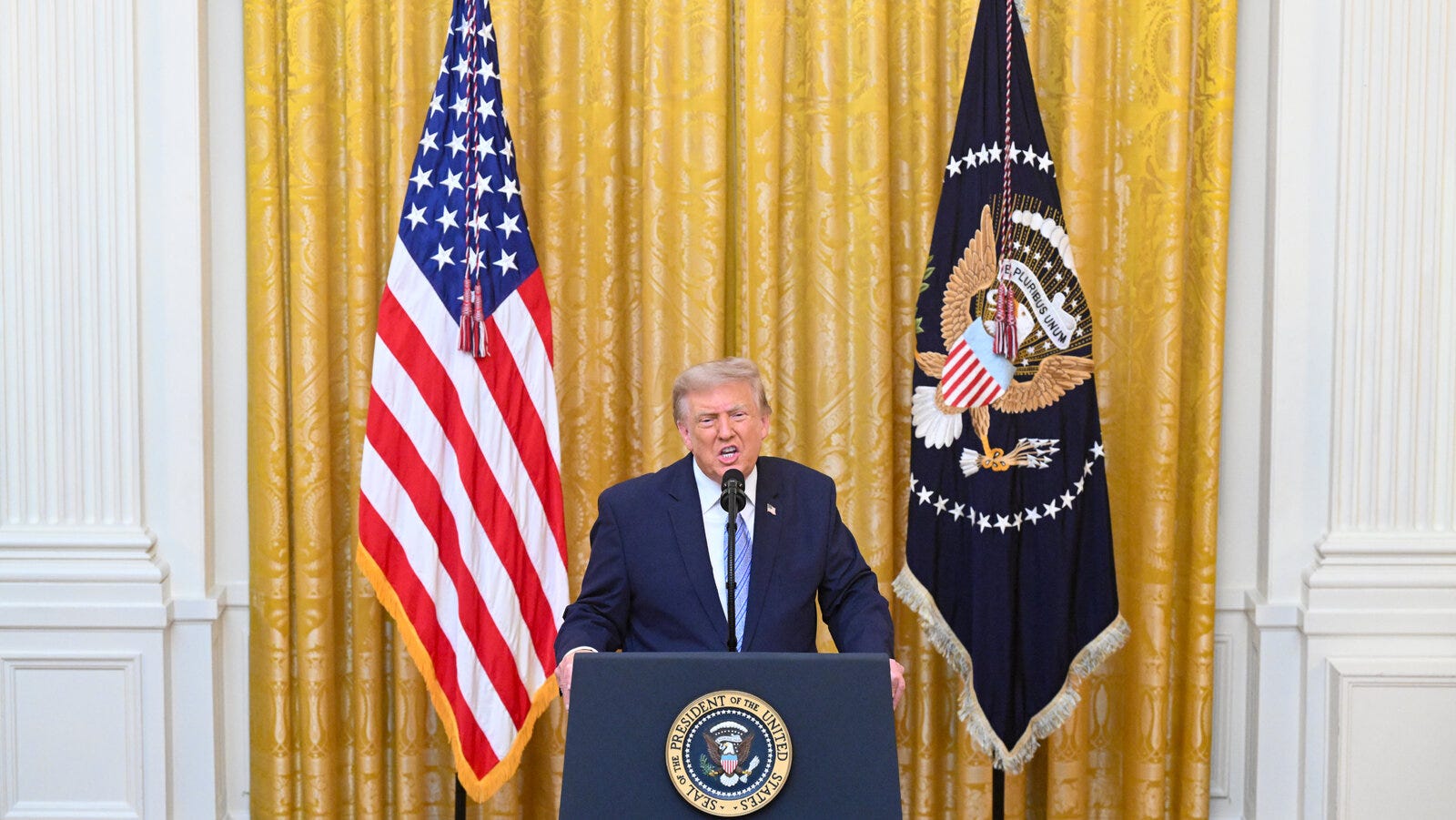
On the evening of July 16, the president addressed the nation from the East Room for roughly thirty minutes on election security. He said the documents he was declassifying covered five areas of concern. The first was China. Beginning in the 2020 cycle, he alleged, China had carried out what he called the largest compromise of election data in history, acquiring two hundred twenty million American voter files. He alleged that intelligence describing a Chinese attempt to manufacture ballots had been suppressed by what he called the deep state, and kept from him and from the public. He ordered the Justice Department to prosecute those he believed responsible. And he closed by asking Congress to pass the SAVE America Act.
The documentation Trump referred to did not support his speech.
One of them, released by the White House that same night, describes a Chinese actor downloading state voter information covering 2013 through 2021, from commercial websites where it was publicly available for sale. The document says that in theory the data could support influence operations, and that the actual motivation was unknown. The Election Assistance Commission has found that thirty states and the District of Columbia place essentially no restrictions on who may purchase their voter registration files. Some provide them free.
That is what the largest compromise of election data in history turns out to describe. Someone bought a public product. The word compromise implies the data was altered. No evidence of that was presented.
None of the declassified material supports the claim that any previous election result, including the one the president lost, was altered by foreign interference or fraud. The intelligence community’s assessment, which the address sidestepped entirely, found no indications of foreign interference capable of changing the 2020 outcome.
A president had just publicly accused China of the largest attack on American election infrastructure in the nation’s history. He announced no sanctions. He announced no expulsions. He announced no investigation, no diplomatic consequence, and no further inquiry of any kind into Beijing. A president who believed his own accusation would have taken action against China.
Within hours, his administration did something to state election officials instead.
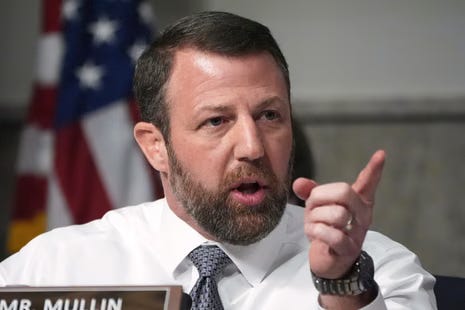
Homeland Security Secretary Markwayne Mullin announced that his department’s investigation had identified roughly two hundred seventy-eight thousand noncitizens registered to vote in federal elections. Mullin offered no evidence for the figure and no account of where it came from. Five weeks later, none has been produced.
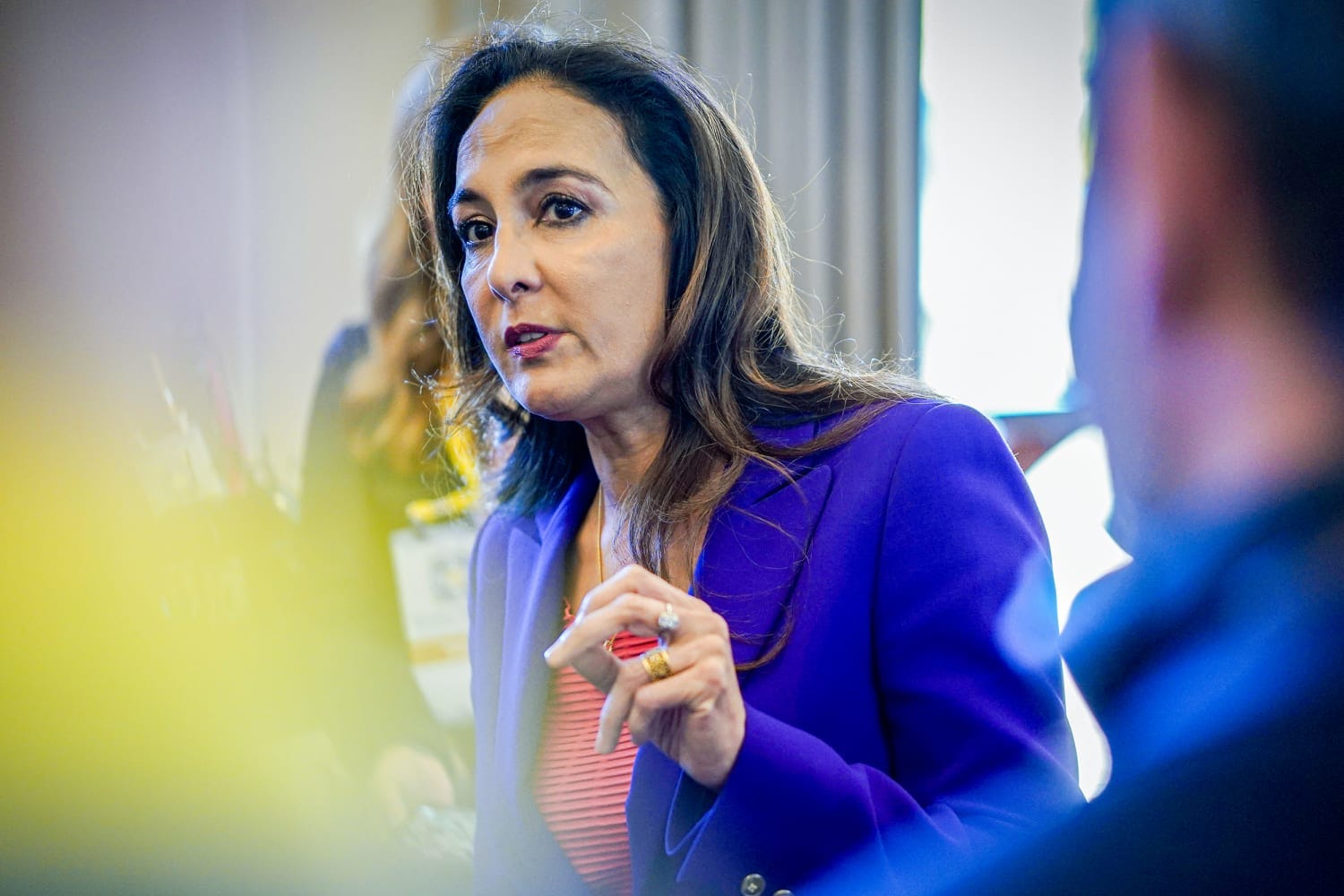
On July 7, the Department of Justice sent letters to the top election officials of all fifty states and the District of Columbia. Signed by Assistant Attorney General Harmeet Dhillon, who leads what was once the department’s Civil Rights Division, they warned that any election officer, including a state’s chief election officer, who knowingly keeps noncitizens on the voter rolls or helps them receive and cast ballots could face criminal liability for aiding and abetting. The letters added that an intentional act aimed at diluting the votes of citizens could violate federal law as well. Officials were given five days to explain how they intended to comply.
Hours after the president’s address the following week, Mullin sent parallel letters to secretaries of state, demanding they confirm within two weeks their intention to collaborate with Homeland Security, and threatening criminal charges against those who did not run their voter rolls through a federal database.
This was the continuation of a pressure campaign that has failed in court at every level. The Justice Department has filed thirty-one lawsuits against thirty states and the District of Columbia seeking complete, unredacted voter registration lists, including driver’s license and Social Security numbers. It has lost in district court eleven times, and lost its first appeal when the Sixth Circuit affirmed dismissal on June 24. No court at any level has ruled in the department’s favor. No court has ordered any state to turn over an unredacted statewide voter roll.
What that campaign looks like when the pretense drops is a matter of public record. On January 24, then Attorney General Pam Bondi sent a letter to Minnesota Governor Tim Walz demanding access to the state’s unredacted voter rolls, and suggested that compliance was a condition of removing federal immigration enforcement officers from the Minneapolis area. Senators reviewing that letter described it as an apparent extortion attempt. It is the clearest documentary evidence in this record that the object was never clean voter lists.
The response from the people receiving these threats crosses party lines.
Deidre Henderson, the Republican Lieutenant Governor of Utah and her state’s chief election official, posted that she had received another love letter from the Justice Department, sprinkled with threats of criminal prosecution. She added that she was surely not the only state election officer being targeted for following the law, and pointed out that at least a dozen courts had already ruled the department’s demands for private voter data illegal. She called it truly bizarre behavior by the federal agency that is supposed to be protecting civil rights.
Adrian Fontes, the Democratic Secretary of State of Arizona, said his office would keep following Arizona law rather than directions arriving as political rhetoric or intimidation, and called it insulting to suggest that county recorders across his state are not doing their jobs.
David Becker, a former Justice Department voting rights attorney who now directs the Center for Election Innovation and Research, has described the letters as looking less like the opening of a criminal investigation than like an attempt to intimidate.
The Brennan Center’s 2026 survey of local election officials found that half are worried about political leaders interfering with how they do their jobs, forty-five percent are concerned about politically motivated investigations, and nearly one in four are concerned about being assaulted at home or at work. More than half worried that threats and harassment would make it harder to recruit and keep election workers at all.
Meanwhile the Justice Department is deploying federal election monitors to fifteen jurisdictions across six states: Arizona, Massachusetts, Michigan, Minnesota, New Hampshire, and Virginia.
And on a call with secretaries of state, a Homeland Security official told them that immigration agents would not be sent to polling places in November. When Maine Secretary of State Shenna Bellows asked the federal officials on that call to say publicly that election administration belongs to the states, no one answered.
The Federal Bureau of Investigation has meanwhile obtained records related to the 2020 election in Fulton County, Georgia and Maricopa County, Arizona, by search warrant and subpoena.
Donald Trump did not build this alone. An executive order is a piece of paper. It takes lawyers to construct the theory, operators to carry it, and a Senate willing to hand them the offices.
All three exist. Most of them are named in public records, and most of them have already been judged.
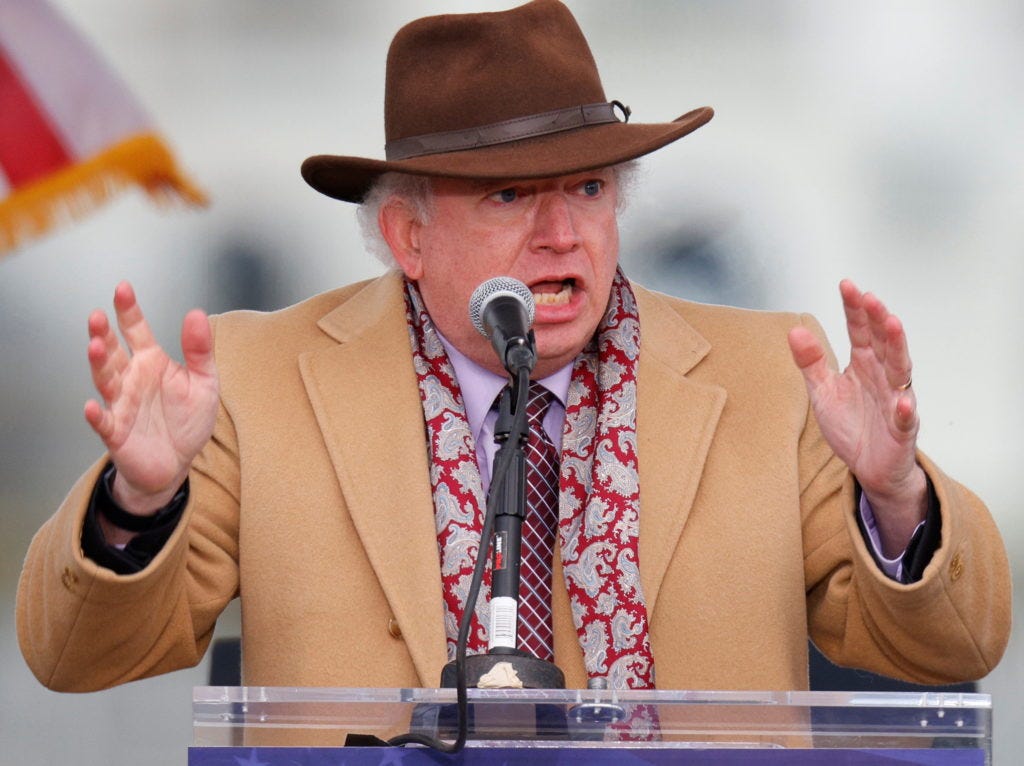
John Eastman proposed the legal theory that a vice president could refuse to count certified electoral votes. On April 15, 2026, the California Supreme Court permanently disbarred him, struck his name from the roll of attorneys, and ordered him to pay five thousand dollars in sanctions. The court denied his petition for review without dissent, letting stand the State Bar Court’s findings that he was culpable on ten of eleven charges of egregious and deceitful conduct. The State Bar’s chief trial counsel described what Eastman did as a calculated campaign to falsely undermine the results of an election his client lost, in which he lied to courts, to Vice President Pence, and to the American people.
Trump pardoned him federally in November 2025. A federal pardon does not reach a state bar. Eastman is appealing to the Supreme Court.
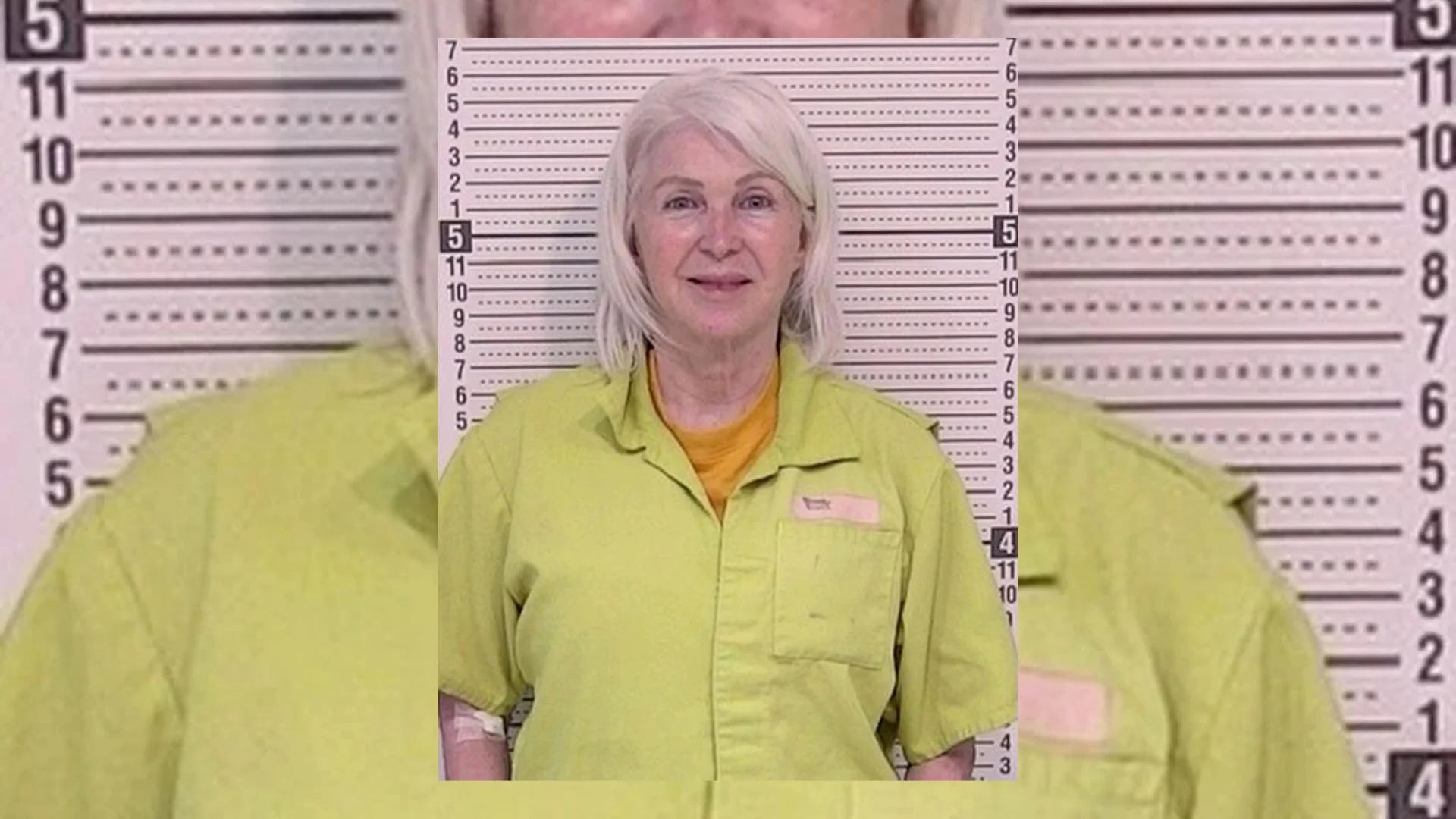
Tina Peters was the elected clerk of Mesa County, Colorado. In 2021 she let an unauthorized outsider into her own county’s secure elections office to copy the hard drive of the voting system, hunting for evidence of a fraud that did not exist. In August 2024 a jury convicted her on seven counts, four of them felonies. She was sentenced to nine years. In April 2026 the Colorado Court of Appeals upheld every conviction.
She served twenty months. Trump posted FREE TINA repeatedly, directed the Justice Department to intervene, and the Bureau of Prisons requested her transfer to federal custody. Governor Jared Polis, a Democrat, commuted her sentence on May 15 under that pressure, and his own state party voted to censure him for it. She walked out of La Vista Correctional Facility on June 1 and immediately resumed claiming that American elections are rigged.
On August 18, Peters was in Washington. She had lunch on Capitol Hill with Harmeet Dhillon, the assistant attorney general whose signature is on the letters threatening criminal prosecution of election officials in all fifty states. Dhillon posted afterward that they had a lovely lunch and called Peters an inspiring lady. Peters also met Commerce Secretary Howard Lutnick. What she came to pitch, according to reporting on the trip, was a plan to invoke emergency powers and assert federal control over elections before November.
She is still a felon. She is still on parole. She needed a travel permit from the state of Colorado to sit down with the assistant attorney general.
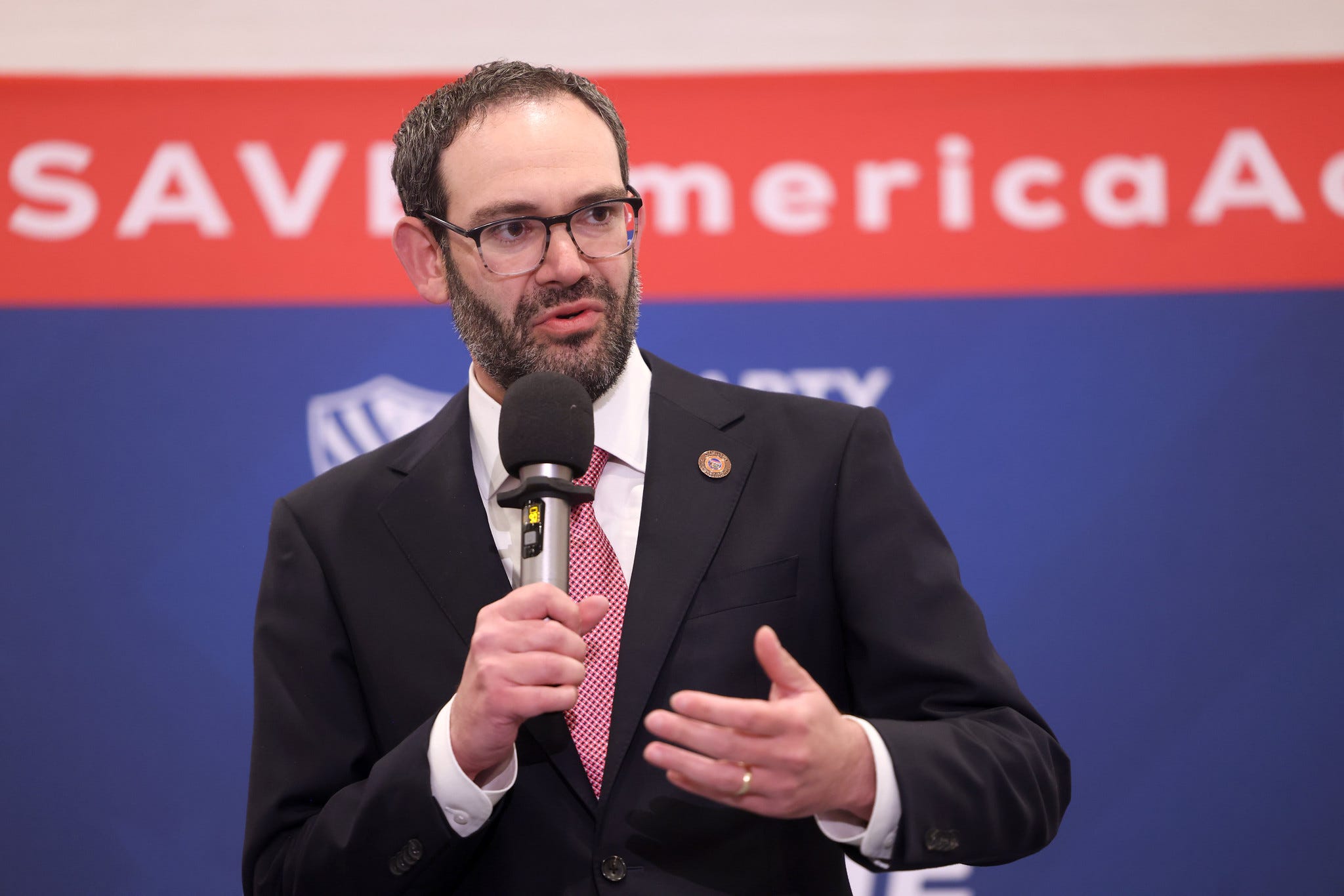
Alexander Kolodin was the Arizona attorney on the 2020 Kraken lawsuit, which asked a federal court to throw out every mail ballot in Maricopa County or order Arizona’s electors to vote for Trump instead. Judge Diane Humetewa dismissed it, writing that the plaintiffs sought relief that would disenfranchise millions of Arizonans on a record sorely wanting of relevant or reliable evidence. In 2023 the State Bar of Arizona admonished Kolodin and placed him on eighteen months of probation. He conditionally admitted violating the rules barring frivolous proceedings and conduct prejudicial to the administration of justice.
In July he won the Republican nomination for Arizona Secretary of State, the office that certifies the state’s voting equipment and its statewide results. He is not hiding what the job is for. The Arizona Secretary of State’s office, he has said, is probably the most important elections official in the country. Asked at a candidate forum in May whether the 2020 election was stolen, he answered that it was stolen fair and square.
A disbarment. A jury conviction. A bar admonishment. Three findings by three tribunals, and all three men have more power today than they did before.
Congressional Republicans were not merely silent about the lawlessness and the threats. They staffed it.
Every official named in this record holds office because the Republican-led Senate confirmed them, and they knew exactly who they were confirming.
On April 3, 2025, the Senate confirmed Harmeet Dhillon as Assistant Attorney General for Civil Rights by a vote of 52-45. Her record of denying the 2020 results was not discovered later. It was in the file, raised at her hearing, and cited in the letters advocacy groups sent to every senator before the vote. Lisa Murkowski was the only Republican to vote no. The division Dhillon now runs contains the Voting Section.
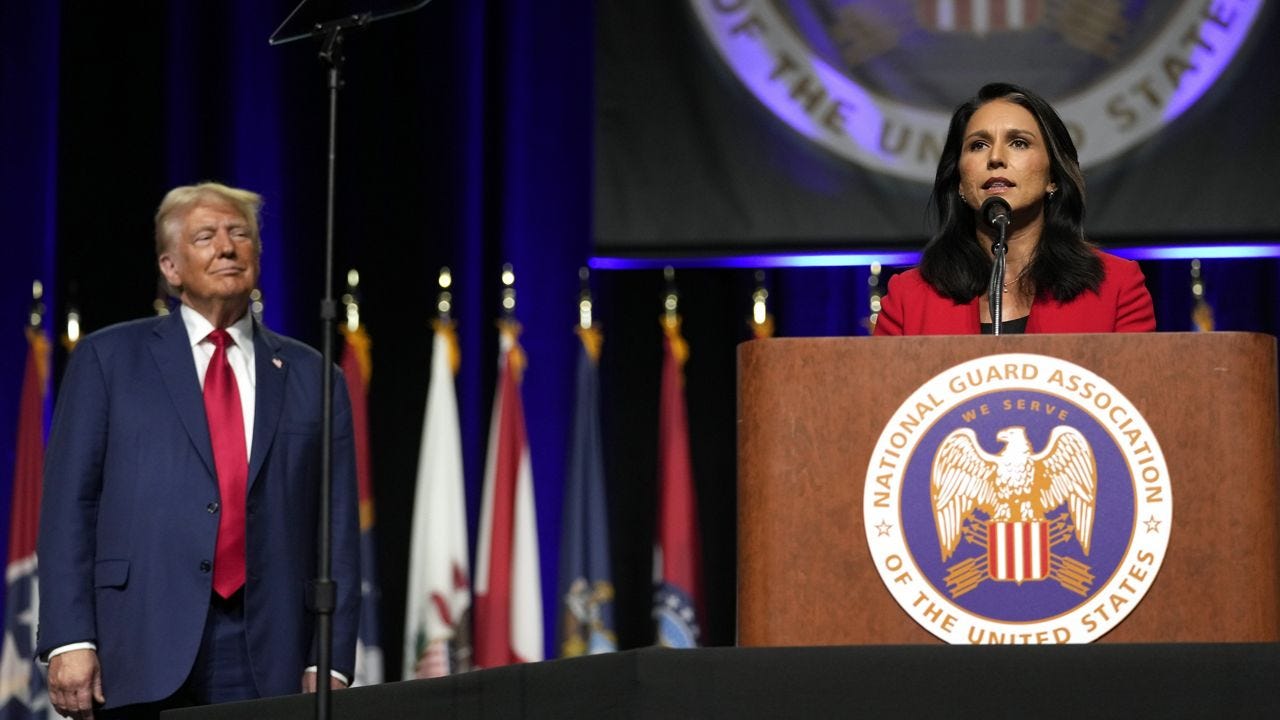
Tulsi Gabbard was confirmed as Director of National Intelligence by a vote of 52-48. Mitch McConnell was the only Republican to vote no.
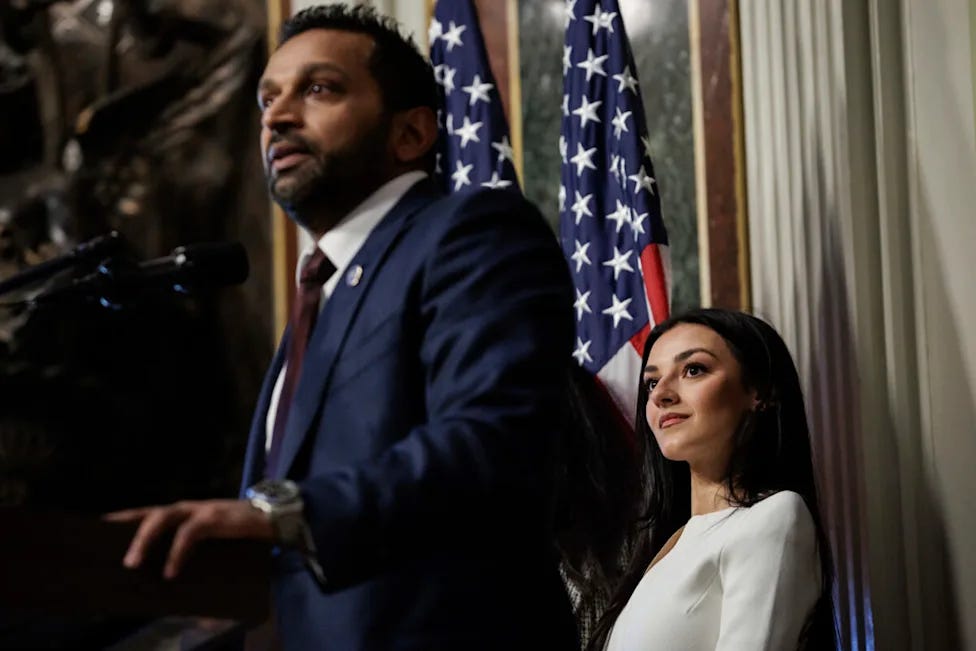
Kash Patel was confirmed to lead the Federal Bureau of Investigation in February 2025. Susan Collins and Lisa Murkowski joined every Democrat in voting no. Two Republicans found a reason. The rest did not. The Bureau under Patel’s direction has executed warrants and subpoenas for 2020 election records in Fulton County, Georgia and Maricopa County, Arizona.
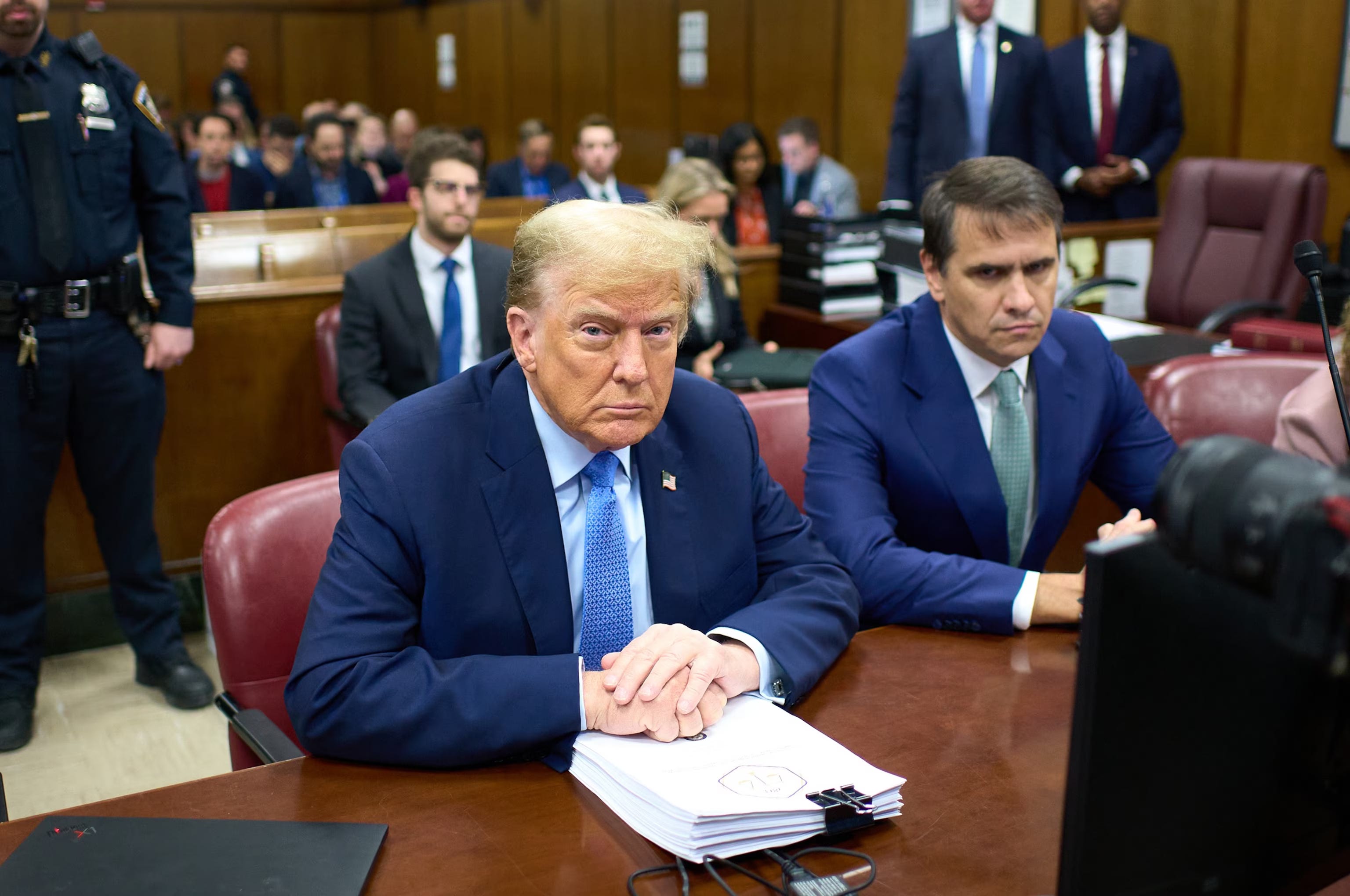
On August 8, 2026, the Senate confirmed Todd Blanche as Attorney General by a vote of 50-49. Blanche was the president’s personal criminal defense attorney, in the New York prosecution and in the federal cases. Two days later he was sworn in as the eighty-eighth Attorney General of the United States and took charge of the department now threatening state election officials with prosecution. One vote. That is the margin by which the Senate handed the Justice Department to the man who had been defending the president in court.
Then came July 16. The president told the country from the East Room that a foreign government had stolen the records of two hundred twenty million American voters and attempted to manufacture ballots, and that his own intelligence agencies had buried it. Election officials in both parties spent the following days explaining that paper ballots, chain of custody rules, and pre-election testing make what he described impossible to do undetected.
In the weeks that followed, no Republican member of Congress stood up in any sustained way to say that the American election system is sound, that the people who run it are honest, and that the president was wrong.
That is the charge. Not silence in the sense of absence, which would be merely disappointing. Silence from a chamber that held every tool the Constitution gives it, and used exactly one of them, in the president’s favor, every time.
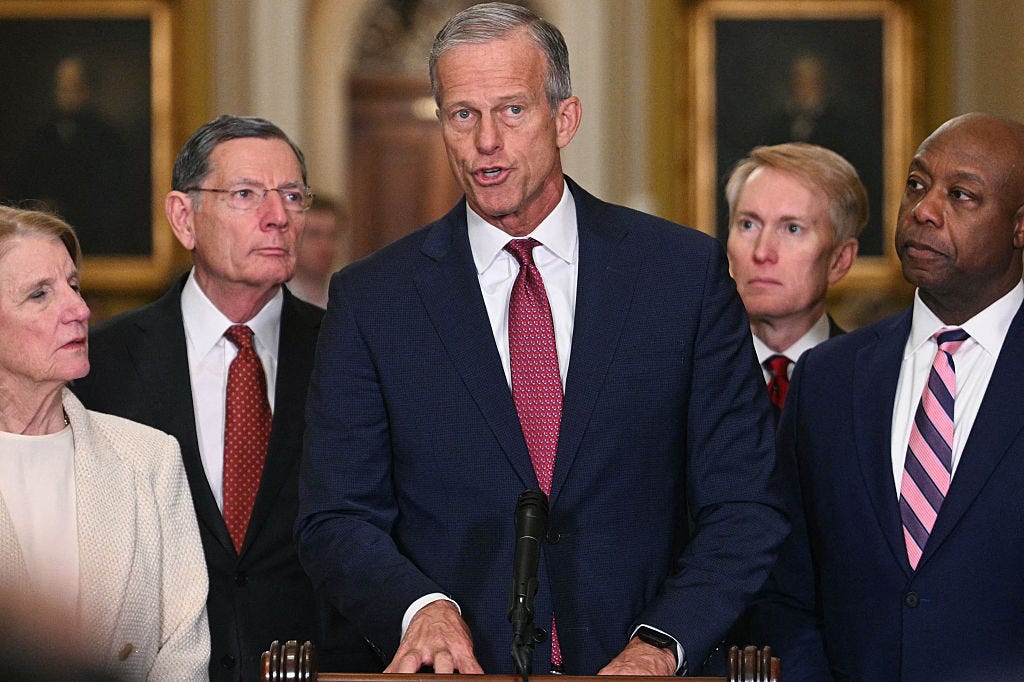
Where Republicans have pushed back, they have pushed back on arithmetic. Senator John Thune has said repeatedly that the votes are not there for the SAVE America Act, the bill that would strip the franchise from millions of married women whose names no longer match their birth certificates and elderly voters without ready access to a birth record. Every objection concerns whether the bill can pass. Not one concerns whether the president may decide who receives a ballot.
On June 29, in Watson v. Republican National Committee, the Roberts Court ruled 5-4 that federal law does not require completed mail ballots to be received by Election Day, only cast and postmarked by it. Justice Amy Coney Barrett wrote the majority opinion, joined by Chief Justice Roberts and the three liberal justices. The challenge was brought by the Republican National Committee and the Mississippi Republican Party. It failed. Grace periods in roughly thirty states survived.
The ruling also gutted the reasoning the Order rests on. The Order directs the Attorney General to threaten states with the loss of federal election funding if they count ballots that arrive after Election Day within their established grace periods. It claims federal law requires that deadline. Two months earlier the Court had read the same federal law and found it does not. The law sets a deadline for casting and postmarking your ballot. It says nothing about when the envelope has to land.
On August 20, Bright Line Watch, a group of political scientists who track the health of American democratic practice, reported that a month after the primetime address there had been no measurable change in public confidence in the integrity of vote counting for the midterms, across a YouGov poll and a survey of more than five hundred political scientists. The predicate did not take.
The Justice Department has lost every voter roll case it has brought. The Order has been found likely unconstitutional. The fraud was alleged and never proven. On the merits, this administration has not won anything.
Then came August 24.
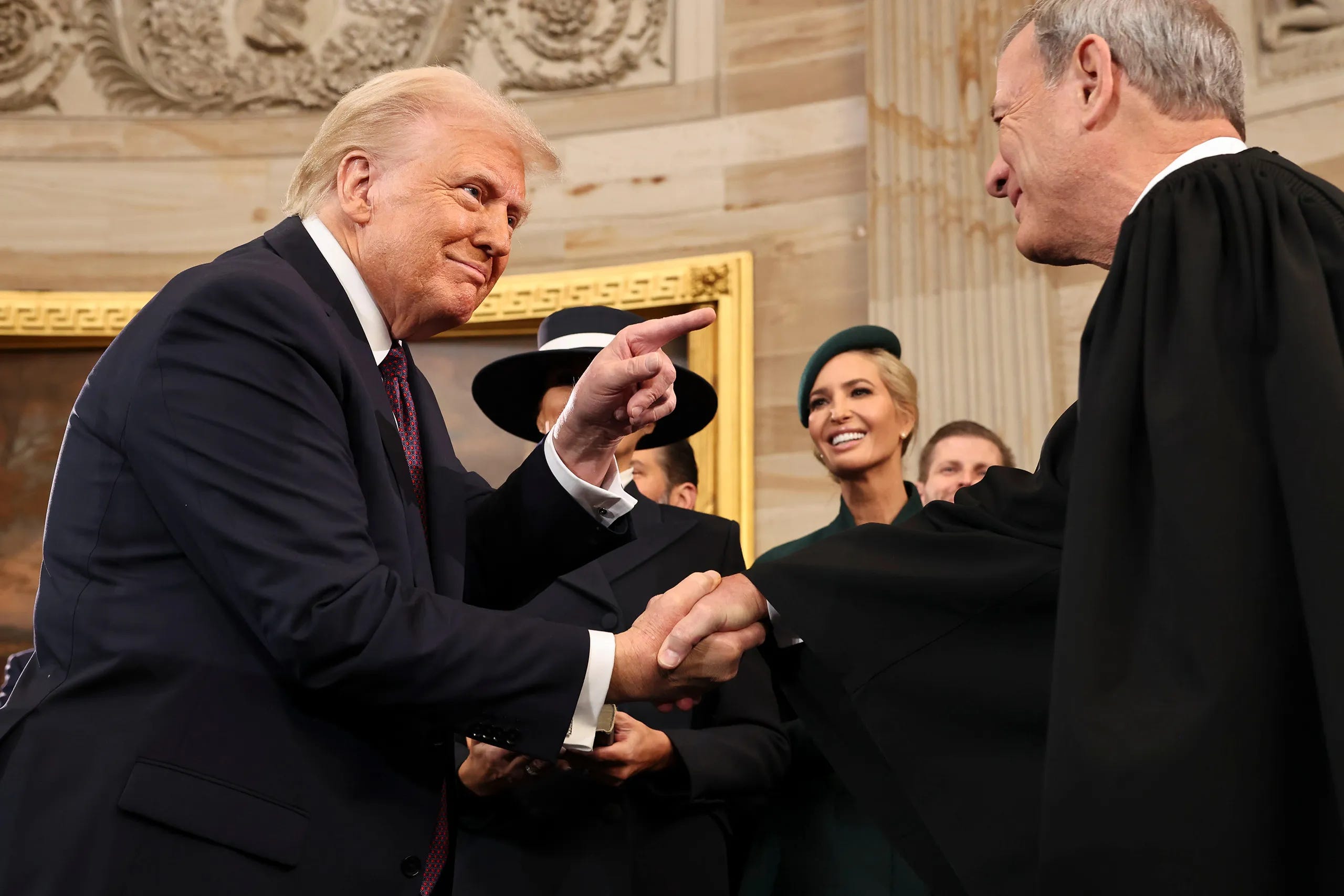
The Roberts Court did not rule that any of this is lawful. It ruled 6-3 that the states sued too early, before the agencies had written the rules being challenged. The agencies finished writing them three days before the decision came down. The majority added that its order does not mean any measure taken to implement the Order will necessarily be lawful, and that on that score, time will tell.
Justice Sotomayor, joined by Justice Kagan, wrote that the decision does not address whether the president’s attempts to interfere with the states’ administration of the November elections are lawful, nor does it suggest the executive branch has any authority to implement his directives. It merely postpones adjudication.
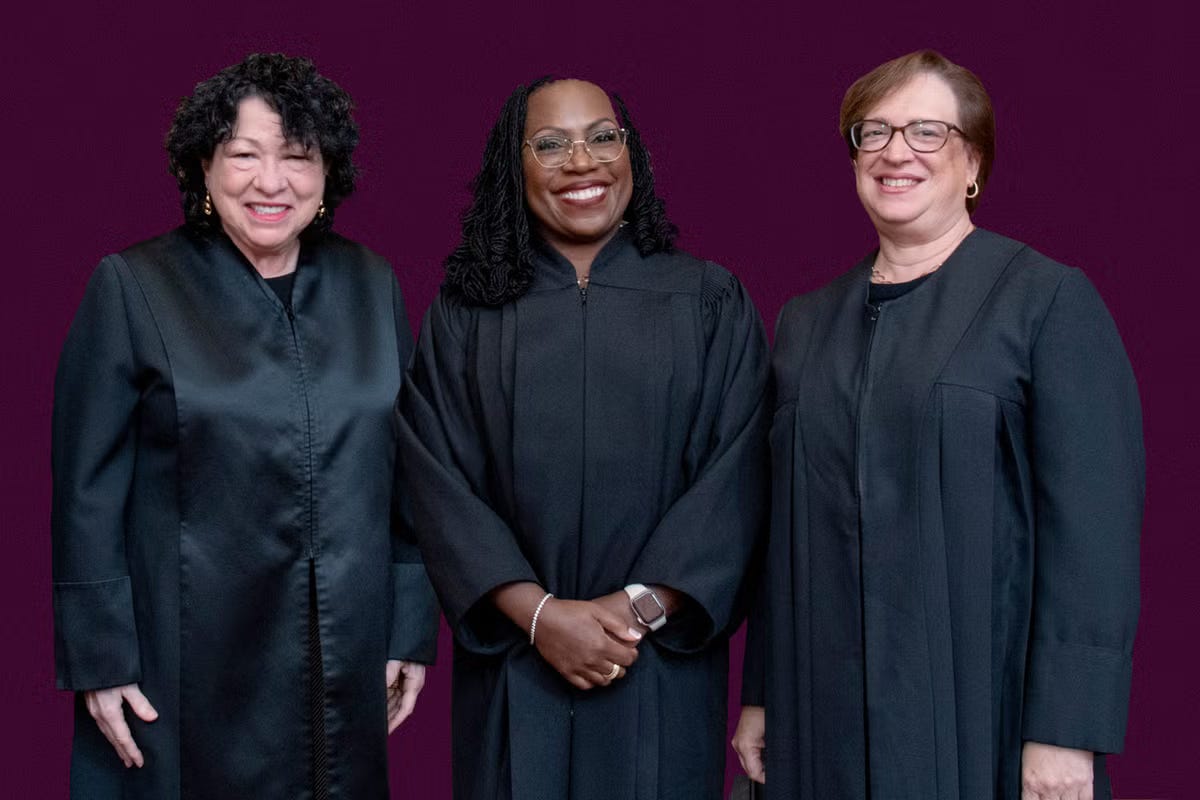
Justice Jackson was blunter. She accused the majority of a lack of situational awareness and of injecting chaos into the election cycle, and said the Court should have given what she called an empty, strategic, and bad-faith stay bid the swift rejection it deserved.
That is the record. On the law, this administration is losing. On the calendar, it just gained ten weeks it did not have on Sunday. And a president who has spent a year losing in court has begun musing publicly about emergency powers. Asked in an August interview whether he would declare a national emergency if the Senate did not pass the SAVE America Act, he said stranger things have happened, and left it there.
What has not been tested is the back end. Certification of results. The seating of members. The machinery of contesting outcomes in a chamber controlled by the party that lost them.
Stephen Richer, the Republican former recorder of Maricopa County who spent years being threatened for counting votes accurately, has said where he believes the president remains most potent. Not at the polling place. In post-election procedure, and in sowing enough doubt that Congress feels licensed not to seat its new members.
The people who would run that procedure are not hypothetical. You have already met one of them in this record, and he is on the ballot in Arizona in November for the office that certifies the state’s results.
Look at what has been assembled. A ninety-five page rule, completed in defiance of a court order that barred completing it, and now waiting on a single remaining injunction. A foreign interference claim that produced no evidence, no sanctions, and no inquiry into the country accused. A criminal threat mailed to every election official in America by a department that has lost every case it has brought. A Justice Department handed to the president’s defense lawyer by one vote. And a Supreme Court that declined to say whether any of it is lawful, and gave the administration ten more weeks to build.
None of it has succeeded yet. All of it will be cited in December as proof that something went wrong.
That is the design. The confusion is not a side effect of the campaign. It is the product. Every rule changed at the last minute, every county clerk threatened with prosecution, every ballot deadline thrown into doubt ten weeks before an election produces exactly the disorder that will later be offered as evidence of fraud.
If Democrats take control of Congress on November 3, expect challenges to results across the country. If Republicans hold, expect none of it. No allegations of foreign interference. No compromised voter files. No emergency. Silence.
That asymmetry is the tell. A fraud that only exists when you lose is not a fraud. It is a strategy.
A closing argument in an actual courtroom can do only one thing. It can argue the record to twelve people who are then sent to a room to decide. Everything after that belongs to the jury.
This is not a courtroom. There is no judge, no jury instructions, no verdict form, no bailiff at the door. The record is real. The proceeding is a device, and I have used it deliberately, because evidence deserves to be laid out the way evidence is laid out rather than shouted. But the device has one advantage over the real thing. A closing statement here can do what no closing statement is ever permitted to do, which is tell you what to do next.
In the opening I told you what this was. What followed was the record that proves it.
What the evidence establishes. An executive order that exceeds the constitutional authority of the presidency. A federal judge who ruled against the Order twice, and found Section Three likely unconstitutional. An administration that, given a hearing and every opportunity, declined to defend the Order on the merits and produced no evidence of the fraud it alleged. A rule completed in defiance of an order barring its completion, published on a Friday night, and written to take effect immediately the moment the last injunction falls. A campaign of criminal threats aimed at the people who administer American elections, brought by a department that has lost every case it has filed. A legal architect disbarred, an operator convicted, and a candidate for chief election officer of Arizona sanctioned for trying to throw out its ballots. And a Senate that confirmed the people carrying all of it out.
What the evidence does not establish. That any of this is lawful. The Roberts Court did not say so on August 24. It said the states asked too early. Justice Sotomayor’s word for what the Court did was postpones.
They have not won on the merits. Not once. They have won ten weeks.
Which is why the failure mode this year is not a stolen election. It is a contested one, argued in the weeks after November 3 by people pointing at confusion they manufactured and calling it evidence. The counter to that is documentation, and documentation requires people in the room.
Check your registration now, and check it again in October. This entire order is built around lists: who is on them, who gets removed, and who decides. Verify at vote.org or your state's election website. If your name is missing or your status has changed, you want to know in September, not at the polling place in November.
Vote early, and vote in a way that leaves a record. If your state has a mail ballot grace period, it survived a challenge at the Supreme Court in June. Do not rely on it. Return your ballot at least a week before your state’s receipt deadline, use a drop box or vote in person if you can, and track your ballot through your county’s system. Confirmed and counted early is one fewer ballot available to argue about in December.
Work the polls. Poll worker recruitment has been running short for six cycles, and the shortage is what creates the improvisation that later gets characterized as irregularity. Apply through Power the Polls (powerthepolls.org) or the Work Elections Project (workelections.com), or directly through your county elections office. Most jurisdictions pay. All of them train you.
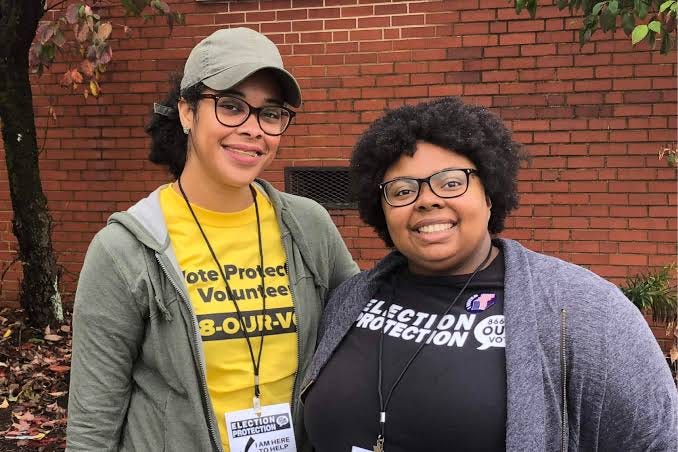
Volunteer with Election Protection. This is the nonpartisan coalition led by the Lawyers’ Committee for Civil Rights Under Law, with more than one hundred partner organizations, operating in all fifty states. Volunteers staff the hotlines, monitor polling places, and document what happens. Sign up at 866ourvote.org or protectthevote.net, or write to volunteer@866ourvote.org. Attorneys can find placements through We The Action, including work defending election officials facing threats and targeting.
Add these phone numbers to your mobile contact list:
866-OUR-VOTE (866-687-8683), English, Lawyers’ Committee for Civil Rights Under Law
888-VE-Y-VOTA (888-839-8682), Spanish and English, NALEO Educational Fund
888-API-VOTE (888-274-8683), Asian languages and English, APIAVote and Asian Americans Advancing Justice
844-YALLA-US (844-925-5287), Arabic and English, Arab American Institute
301-818-VOTE (301-818-8683), American Sign Language video call
Report it, all of it. Voter intimidation, federal agents near polling places, misapplied identification requirements, last minute polling place closures, harassment of poll workers, ballots refused, voters turned away. Call the hotline. Call your county elections office. Call your secretary of state. Threats against election officials should also go to your state attorney general and to local law enforcement, and can be documented through the Committee for Safe and Secure Elections. The Election Protection hotline routes what you report to lawyers who can act on it. Reporting is not complaining. Reporting creates an important record that lawyers and courts need in December, and it is the only reason we know what happened in 2020 and 2022 with any precision.
Say the quiet part out loud in public. Your county elections director is a public servant who has spent two years being accused of crimes by the Justice Department in letters with five day deadlines. Show up at a board of elections meeting. Write to your local paper. The people running your election are the last institutional layer between a manufactured emergency and a remedy waiting on the shelf. They should not have to hold that position alone.
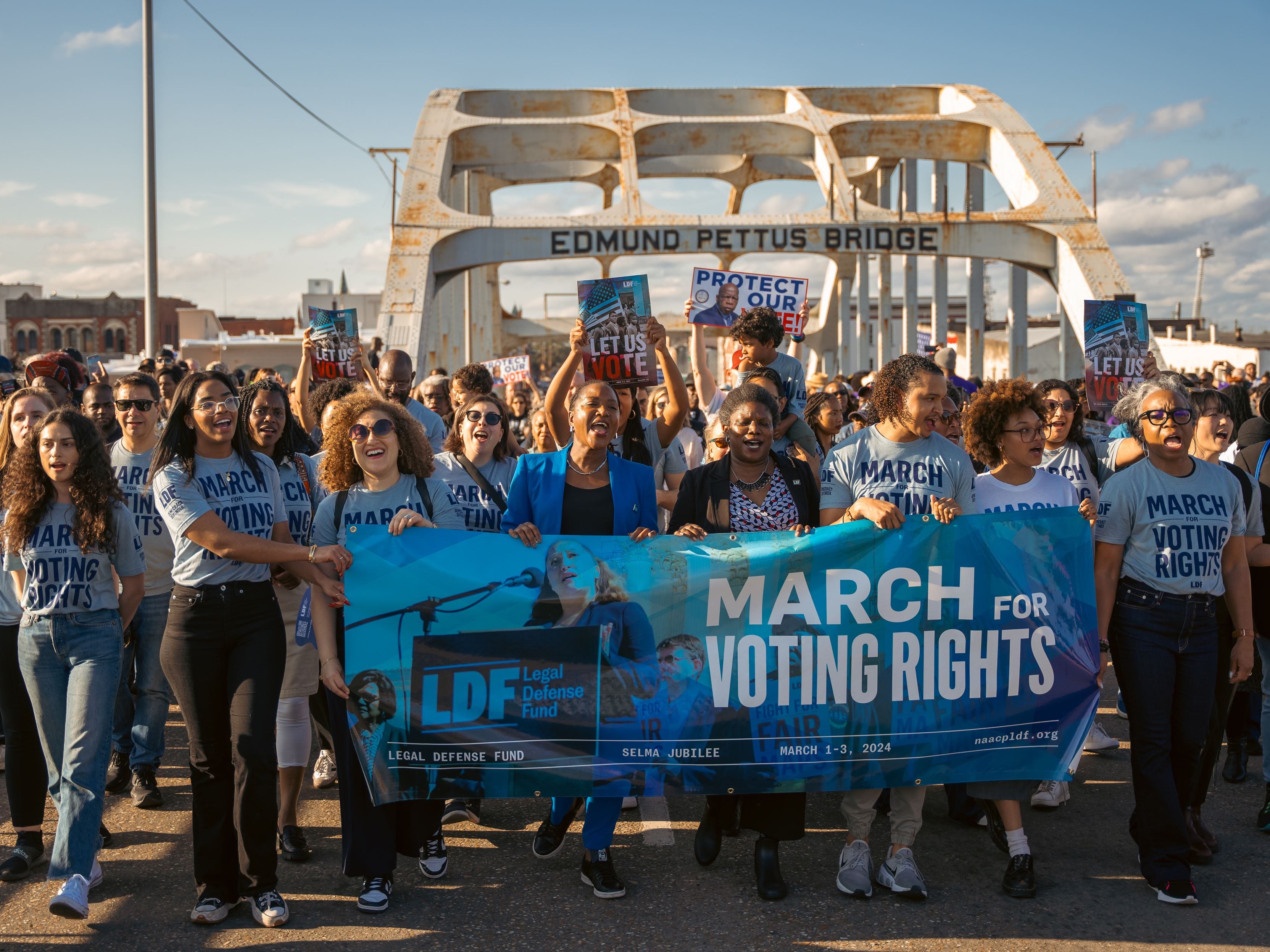
The verdict here will not be rendered by a jury. It will be rendered by everyone who checks their registration, votes early, and elects people who take the Oath of Office seriously.
The “jury room” is open until November 3.
Thank you for reading Leadership Matters! This post is freely available and public. Please consider sharing with others.
If you find this article of value, please do share with friends, associates, & others who have an interest in the content.
Please note that my articles and subscriptions are not paywalled. This stems from a guiding principle -that any meaningful democracy requires an informed, educated, and engaged society. It is also to honor the life of Aaron Swartz.
Aaron held firmly to the belief that research and knowledge intended for the betterment of humanity should be freely shared.
I am building Civic Works and its core platform, civ.works, as a direct alternative to the systems that have captured our data, our attention, and our civic life. This is a 501(c)(3) effort to create infrastructure that serves the public, not exploits it.
The goal is simple and necessary. A subscriber-supported, ad-free civic network where people can access trusted information, engage constructively, and take meaningful action without being tracked, manipulated, or sold.
No ads. No data harvesting. No hidden incentives.
Just people, information, and the tools to participate in a functioning democracy.
This kind of infrastructure will not be built by the same forces that benefit from the current system. It has to be built by us.
That is why we are asking for direct public support.
If this work resonates with you, I am asking you to make a simple commitment. Visit the pledge page and commit to supporting civ.works at launch. A small monthly contribution, combined across thousands of people, creates the independence required to build this platform without compromise.
https://civ.works/pledge/pledge.html
This is not just about funding a project. It is about proving that a different model is possible. One where civic infrastructure is accountable to the people who use it, not the interests that seek to exploit it.
If you believe the current system is failing, this is one way to begin rebuilding it.
And if you cannot contribute financially, sharing this effort with others is just as important.
The system we have was built deliberately.
What comes next can be built the same way.
Aside from writing, mentoring others, and projects related to democracy, economics, and social innovation, I’m dedicated to Civic Works, a 501c3 non-profit organization building and managing technology that blends social networking and civic engagement. Our core effort is around civ.works. When complete, it will be a subscriber-supported, ad-free social network that does not betray subscriber trust by selling or sharing data with marketers or sinister political operatives.
I’m incredibly grateful for all who contribute to the civ.works effort through our secure payment processor, Stripe, and all who help us gain visibility by sharing the project with journalists and others to move the effort forward.
Special appreciation for all who continue to recommend my rants and musings, restack articles that are found to be worthy, and share with friends and family. And the following are some special recommendations for stacks I value -
Liz Oyer, Former DOJ Pardon Attorney
Comments
Nothing yet. Say the first thing.
Sign in to join the conversation.