
What’s up?
It’s become summer, and we’re writing this from the hot concrete slabs of Brockwell lido. We’ve also been in Japan again, which was going to be the subject of this blog but we’ve had so many other good ideas this week that we will just to pop it all in a different kind of post at some point soon.
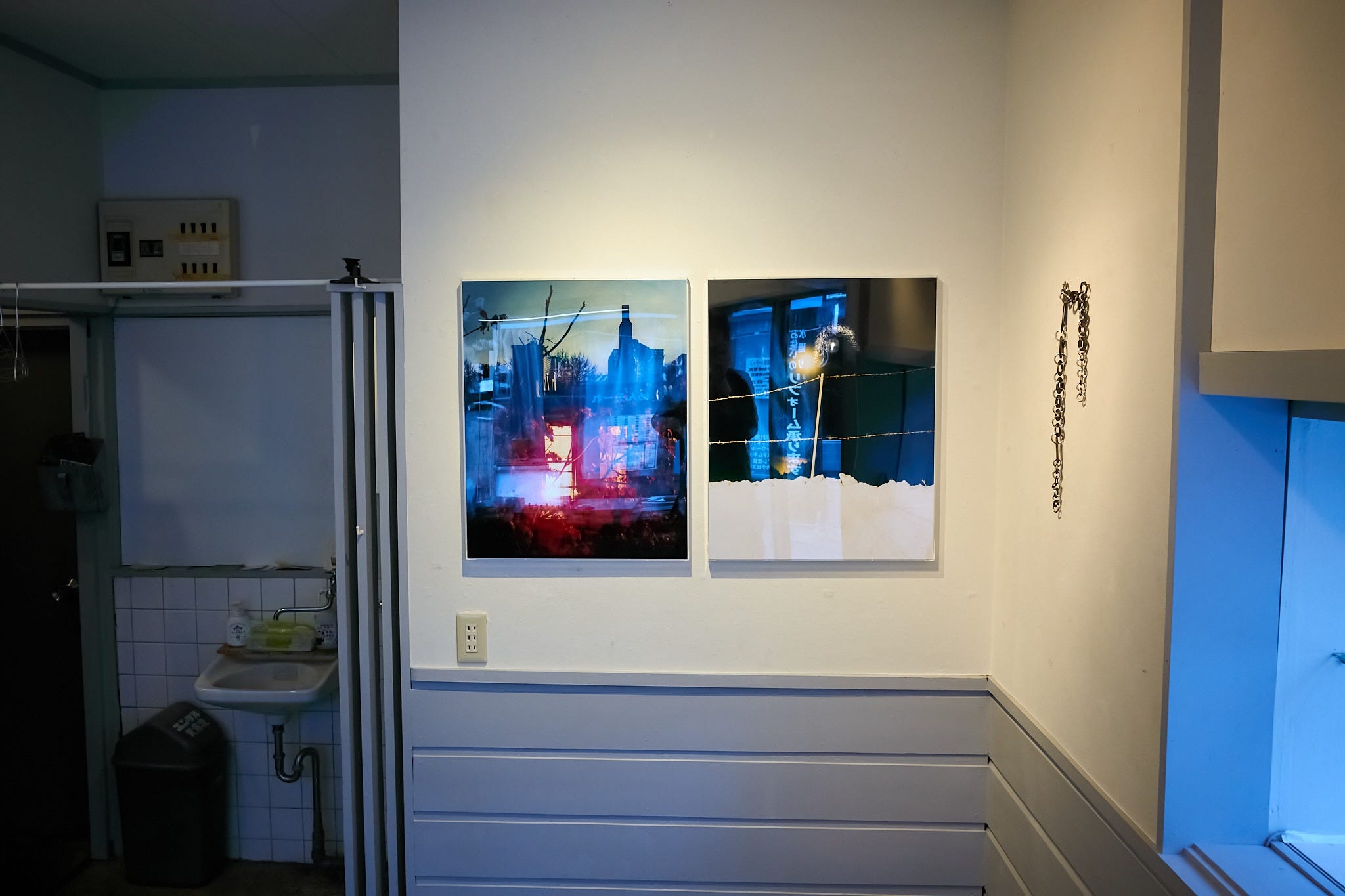
One thing we will mention, though, is a show we got to visit. Straight off the plane, we rushed off to Daitabashi for the opening of CC-Steding and Oscar Foster-Kane’s show at Gallery Kudo. We love their work and known them and their respective practices for a really, really long time, but never encountered them in a more formalised space like this. CC-Steding were sharing some more experimental pieces that include sculptures and found objets crafted into strange shiny magpie-coded objects, and Oscar some more leftfield photographic works.
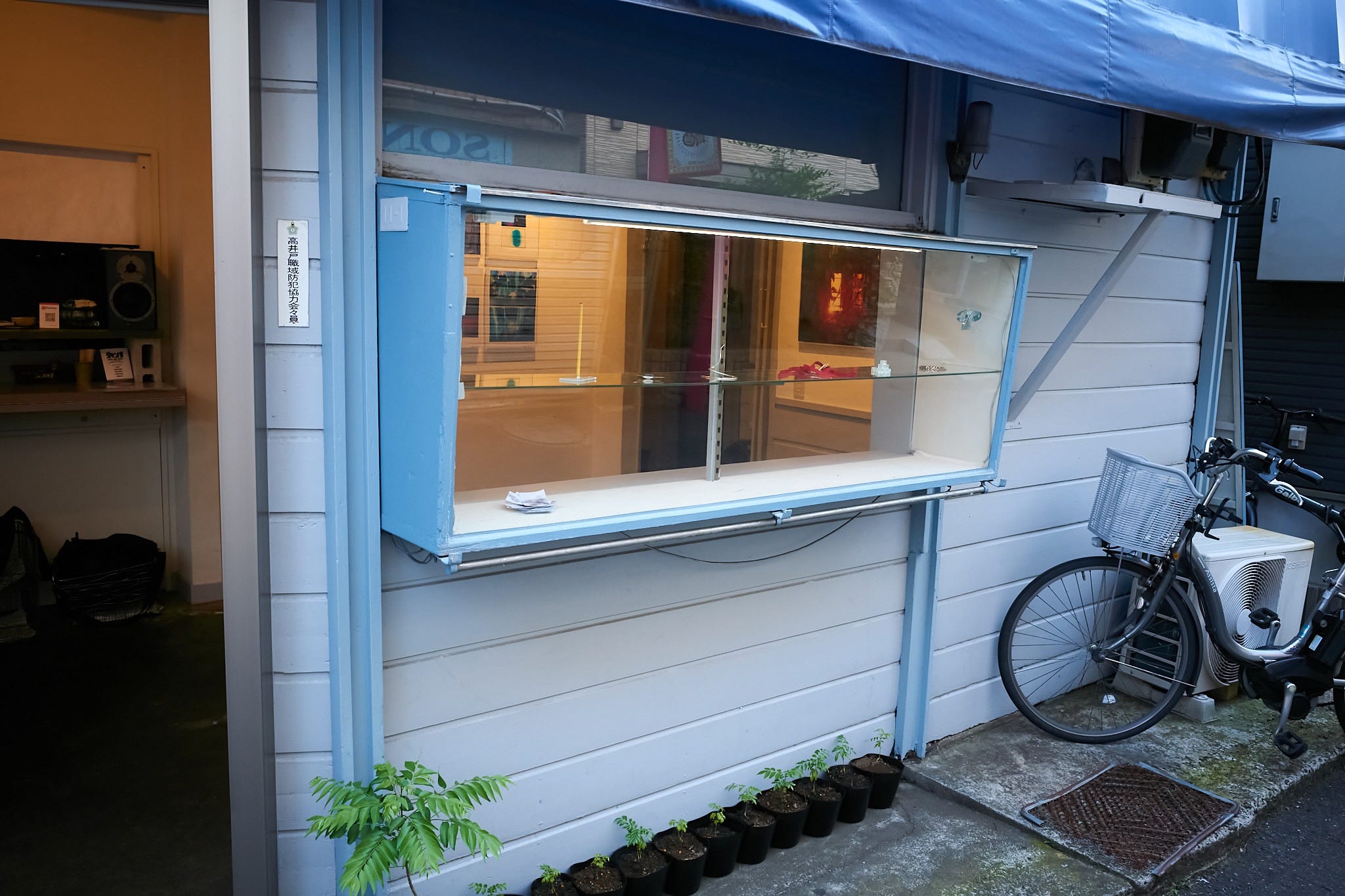
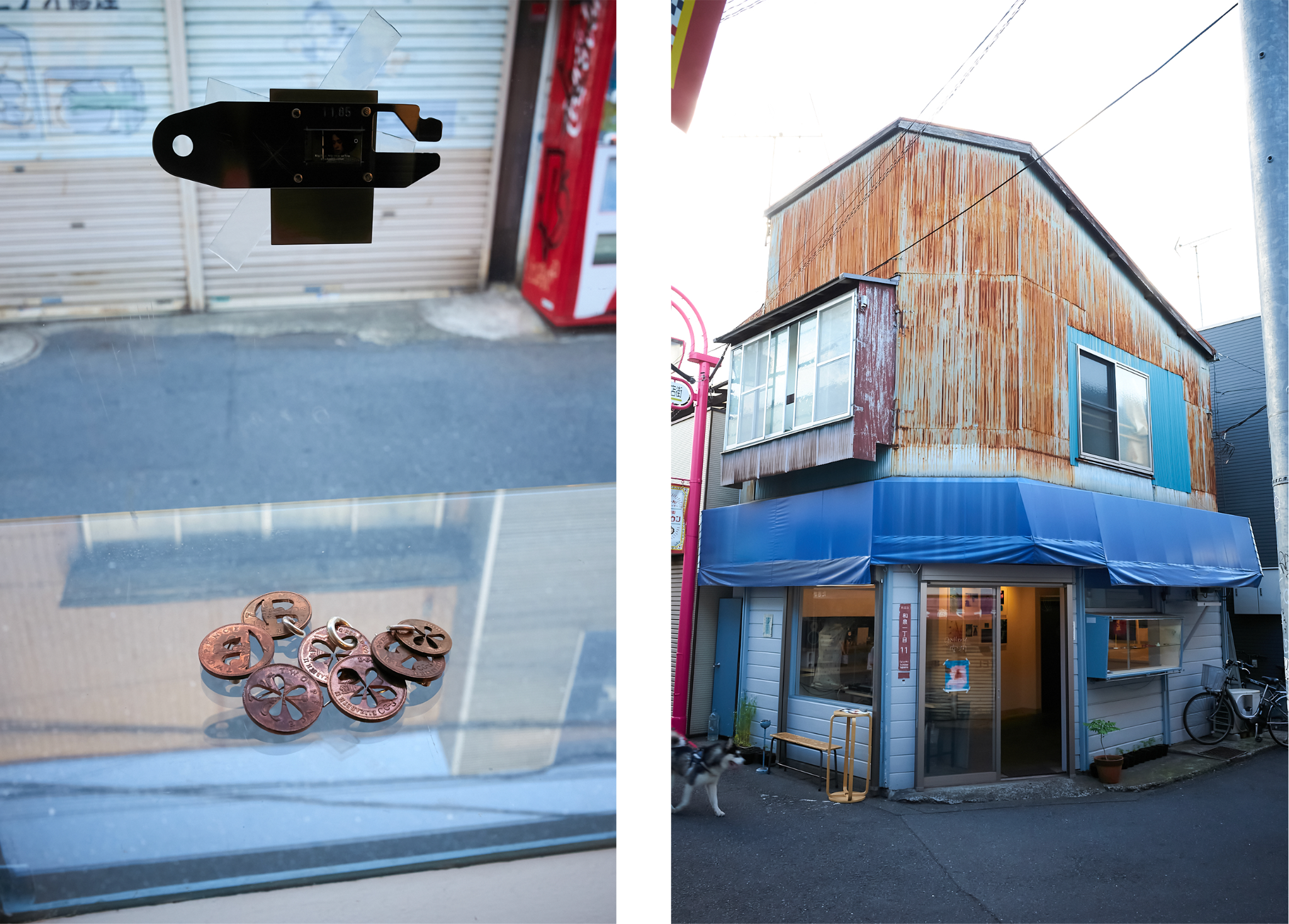
“We were exploring the relationship between value and availability, with rarity defined by luck, chance, or memory, rather than artificial scarcity or cost,” Nic from CC-Steding explained the premise behind their works. Things that are one-off, special because of our attachments rather than their monetary value – in other words, the textbook definition of ‘priceless’. These objects included a single piece of silver wire with a loop to hold a found wildflower (😭) and a single diamond set within it, a candle holder made from an ingot of melted Sterling Silver scraps from around their studio (a nod to the age-old circulation of precious metals) and an attractive clump of shattered safety glass.
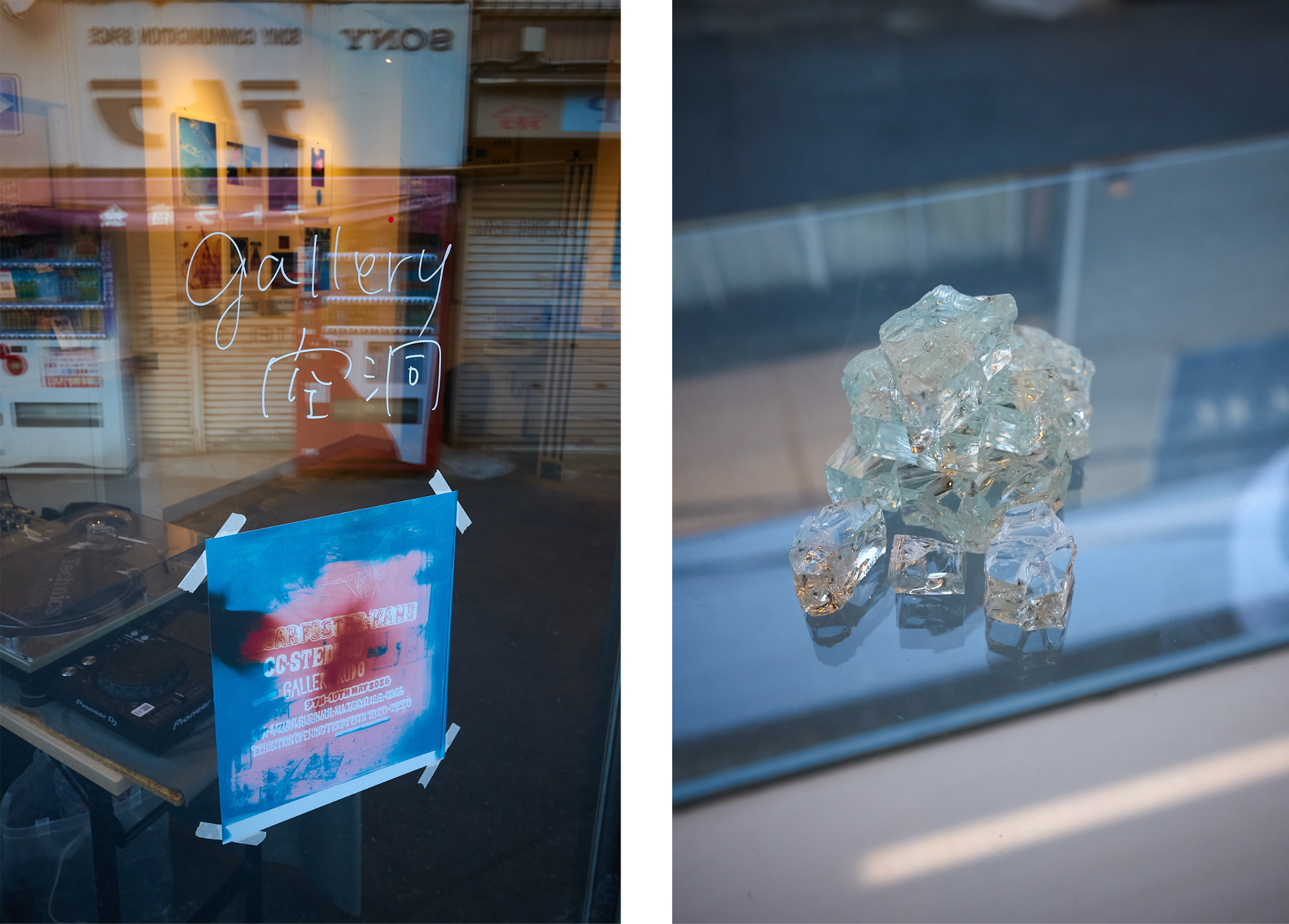

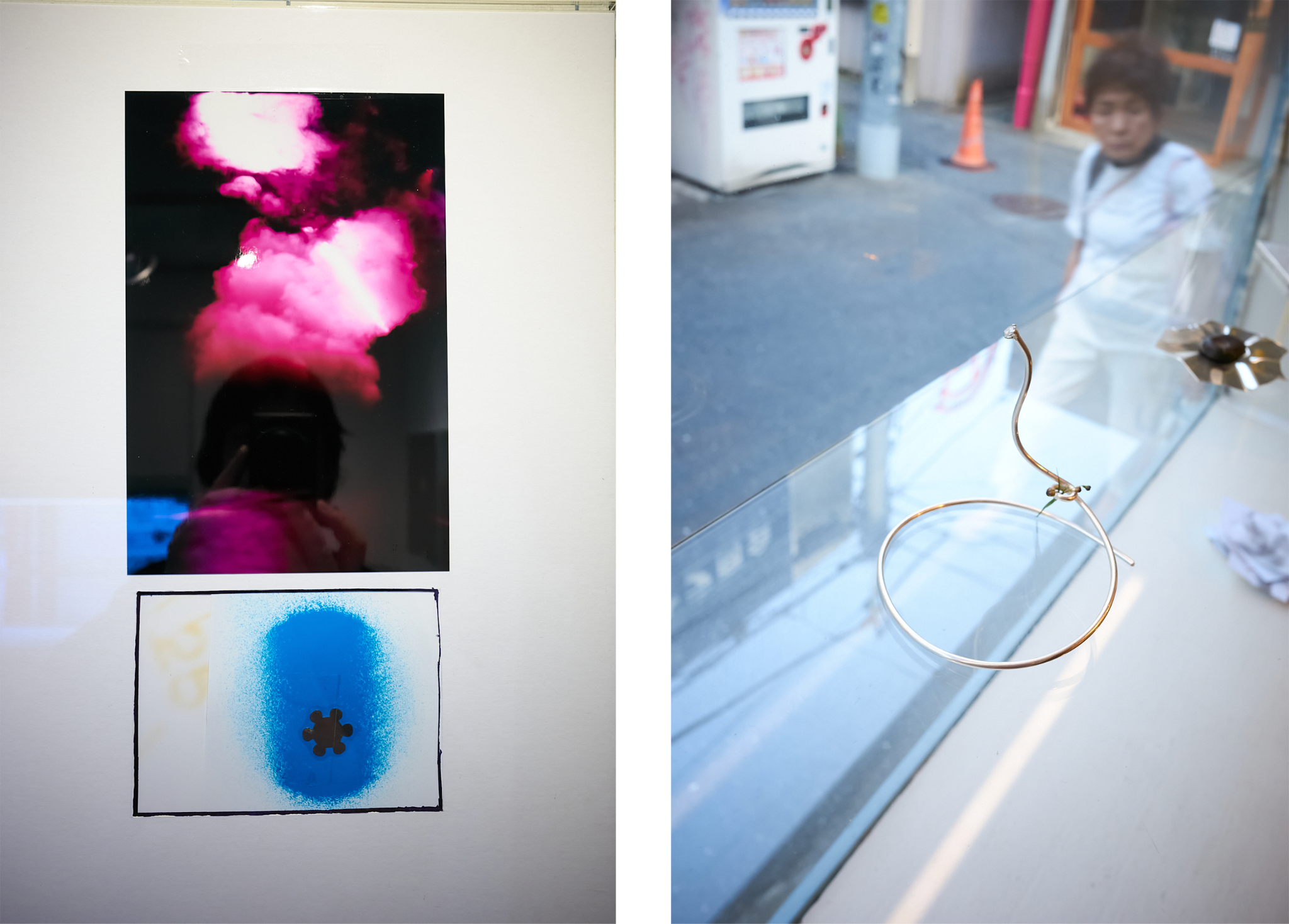
Oscar’s photos, similarly, were an exploration of stuff that’s not quite settled. Often he uses really long exposures (sometimes multiple hours) that capture light over an unusually long period of time, creating strange spots of unnaturally bright or coloured light within the works. The selection of photographs were also taken over a longer period of time, having selected both early and more contemporary works for the show. Oscar mentioned he was focusing on an “irrational logic” in which “sequences don’t fully resolve but unfold through intuition, fragmentation, and loose association.”
Present at the opening was a shiba inu that used to belong to Kim Jones, Shoichi Aoki of STREET and FRUiTS wearing Oakleys and a green plastic fly swatter in the back pocket of his jeans (fangirling!), and the legendary Judy Blame / Nemeth / HOBAC archivist Kudo, who has no relation to the gallery which we found out too late, having already rather embarrassingly thanked him heartily at the end, to which he looked quite bewildered. At first we thought it was due to the language barrier, but no – just our sheer stupidity!
Garm of the week
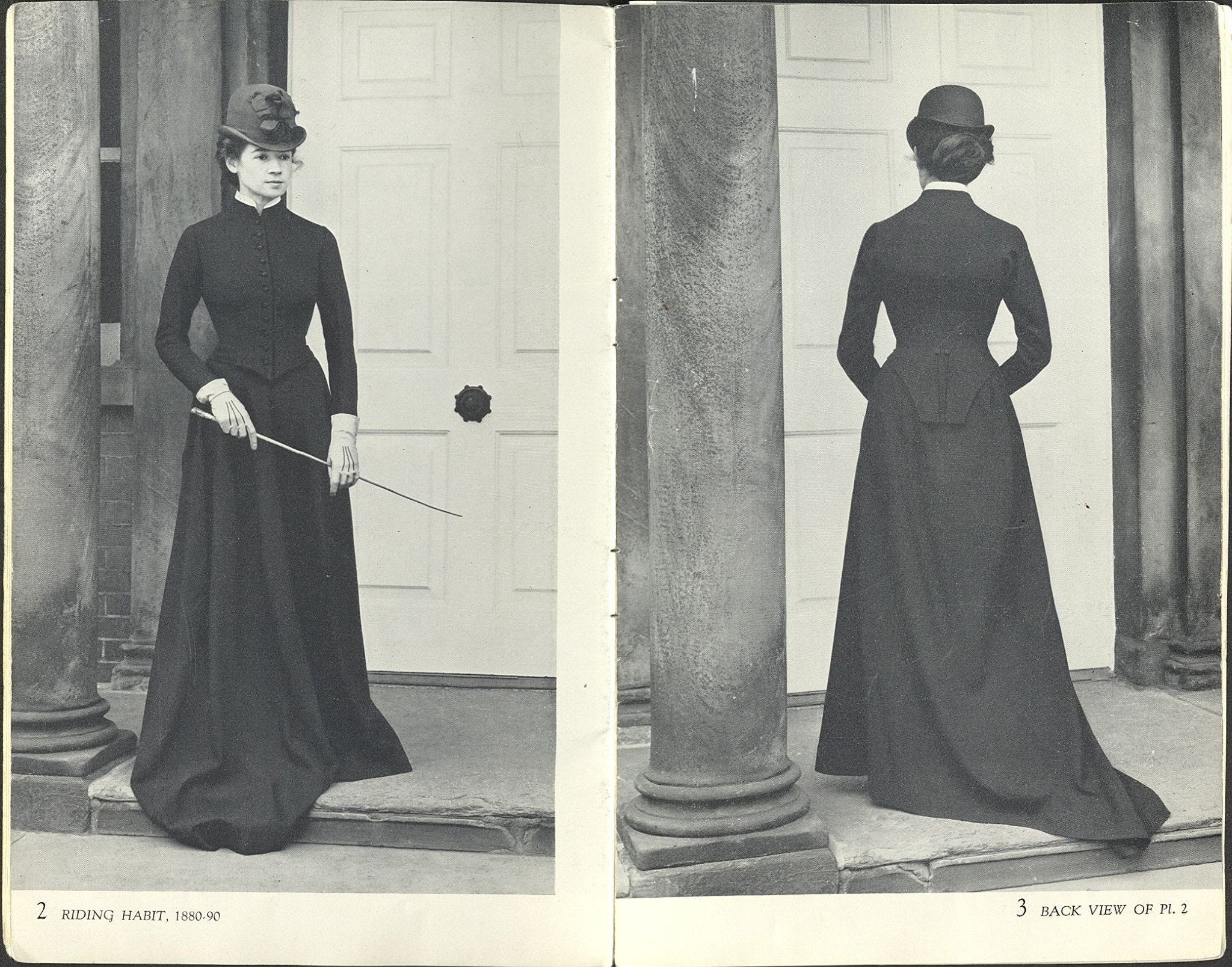
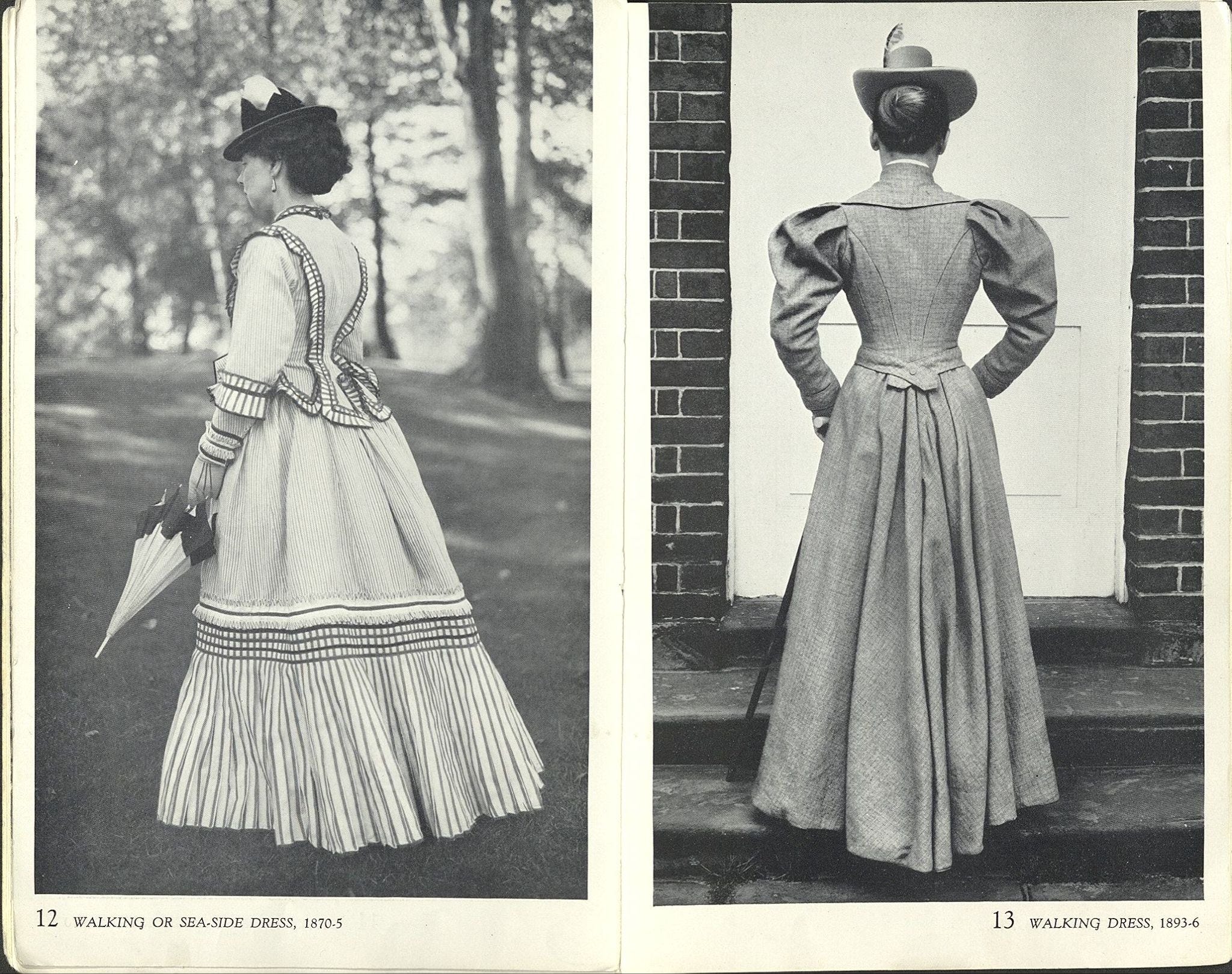
When doing some research into late 19th- and early 20th-century sportswear a few weeks ago, we discovered an incredible little book published by the first ever fashion museum in the UK, The Gallery for English Costume.
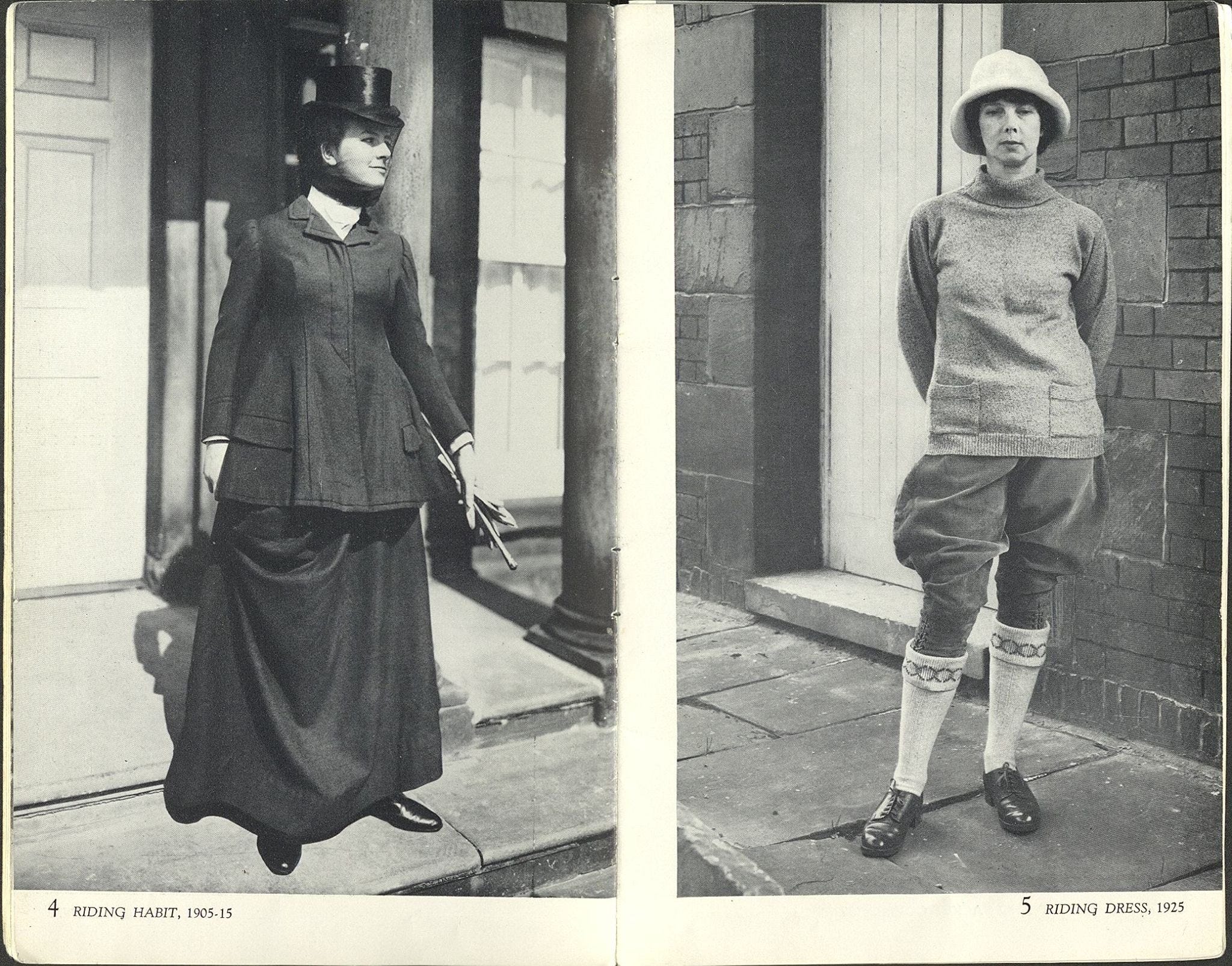
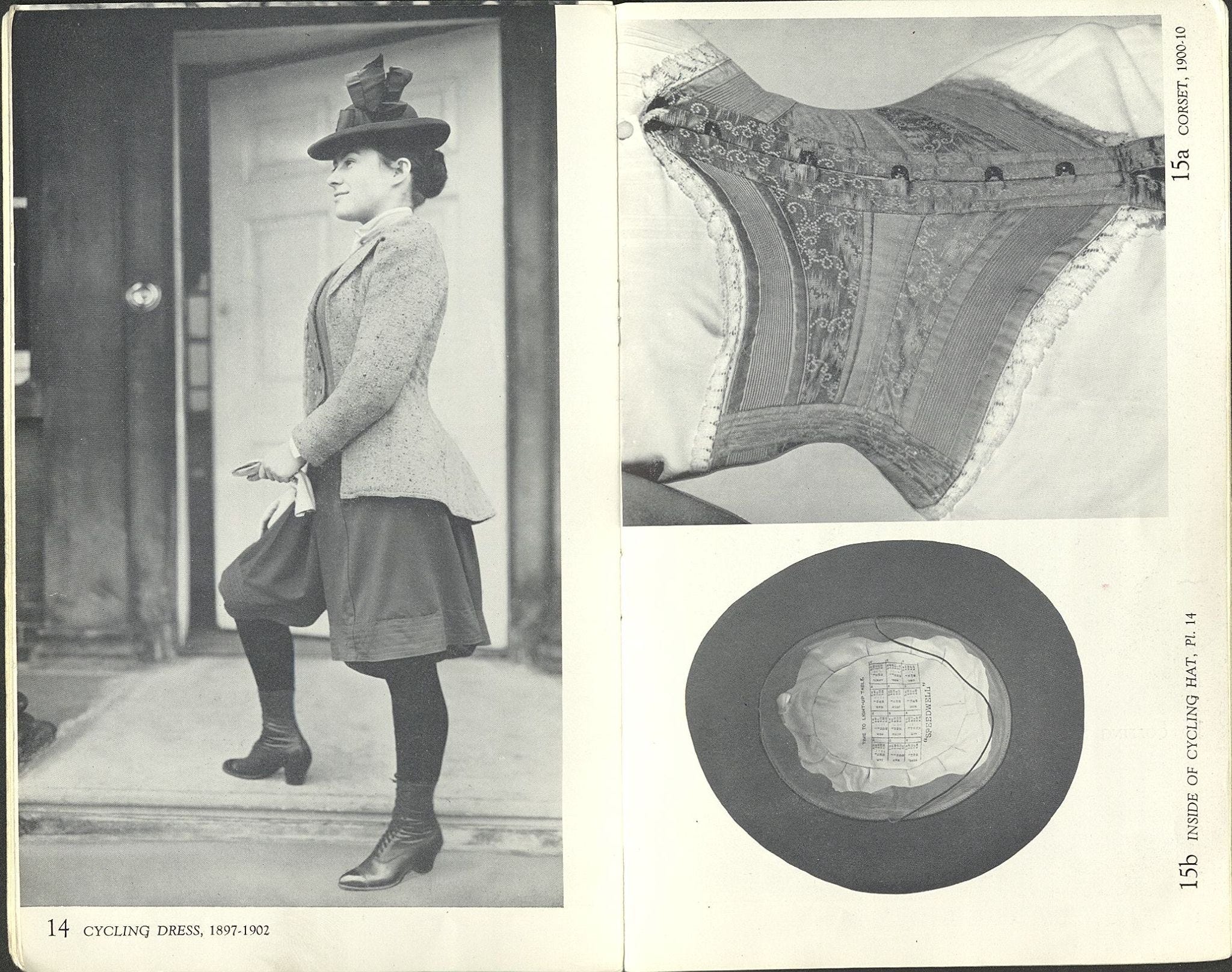
Opened in 1947 in Plat Hall, an 18th-century mansion that was formerly home to the Worsley family, its stores consisted of the private collection of Dr C.W. Cunnington and his wife, Phyllis, who had sold their collection to the Manchester Corporation in 1947. Cunnington was an avid collector of dress, although not a doctor of fashion, but a medical doctor whose “passion for costume was a hobby which he pursued with delight and scholarly insight,” according to his obituary in The Guardian in 1961. When it was sold, the collection consisted of “550 articles of underwear, 650 hats, bonnets and caps, 100 parasols and 90 shawls, as well as 15,000 photographs.”
In a series of seven booklets published in the 1960s by The Gallery for English Costume, of which this sportswear edition is included, garments from Cunnington’s collection are brought to life. What strikes us about these publications is that the garments – in this case women’s sportswear that at the time of publishing in 1963 would have been up to 130 years old – were not shot in the cool, climate-controlled environment of the museum, but around the manor on actual living, breathing, sweating, moving models. It’s a form of documentation that might seem completely absurd to us in the days of accreditation and best practice and guidelines around object handling et cetera. But in the 1960s, it wasn’t necessarily requisite to keep garments in such controlled conditions.
Climate control in museums is a relatively recent thing in relation to, say, the actual objects it is meant to preserve. The first heating systems used to prevent damp in museums date from the late 19th century, but fashion collections weren’t really consolidated into museums until the opening of the Museum of Costume Art in New York the 1930s (which would eventually become the Met) and the founding of The Gallery for English Costume in the 1940s. Clothing had been collected by museums before this point, but these were the first public archives in the US and UK dedicated to fashionable Western dress.
From a quick click around online, we couldn’t discern when the actual guidelines for the care of clothing and textiles in museum collections were drawn up, but these likely evolved in the years after the founding in 1950 of the International institute for the Conservation of Museum Objects, an international organisation that was founded to deal with conservation problems and techniques.
They defined ‘conservation’ as a practice with two distinct prongs: the first, controlling the museum environment to avoid or minimise decay of objects; and the second, guiding how objects were treated to avoid decay altogether. Now clothing that has been accessioned into a museum collection cannot be worn, for fear of “sticky and careless fingers,” and “physical forces such as twisting, shaking, pulling, snagging and rubbing”. This is, at least, the reasoning given by An Illustrated Guide to the Care of Costume and Textile Collections, published by the UK’s Museums & Galleries Commission (MGC) in 2000.
It wasn’t just The Gallery for English Costume that used live models to display their clothing, though. In 1949, Doris Langley Moore, who would go on to found the Fashion Museum Bath in 1963, shot her entire collection of historical woman’s dress on the celebrities and high society ladies of 1940s England for her book, The Woman in Fashion.
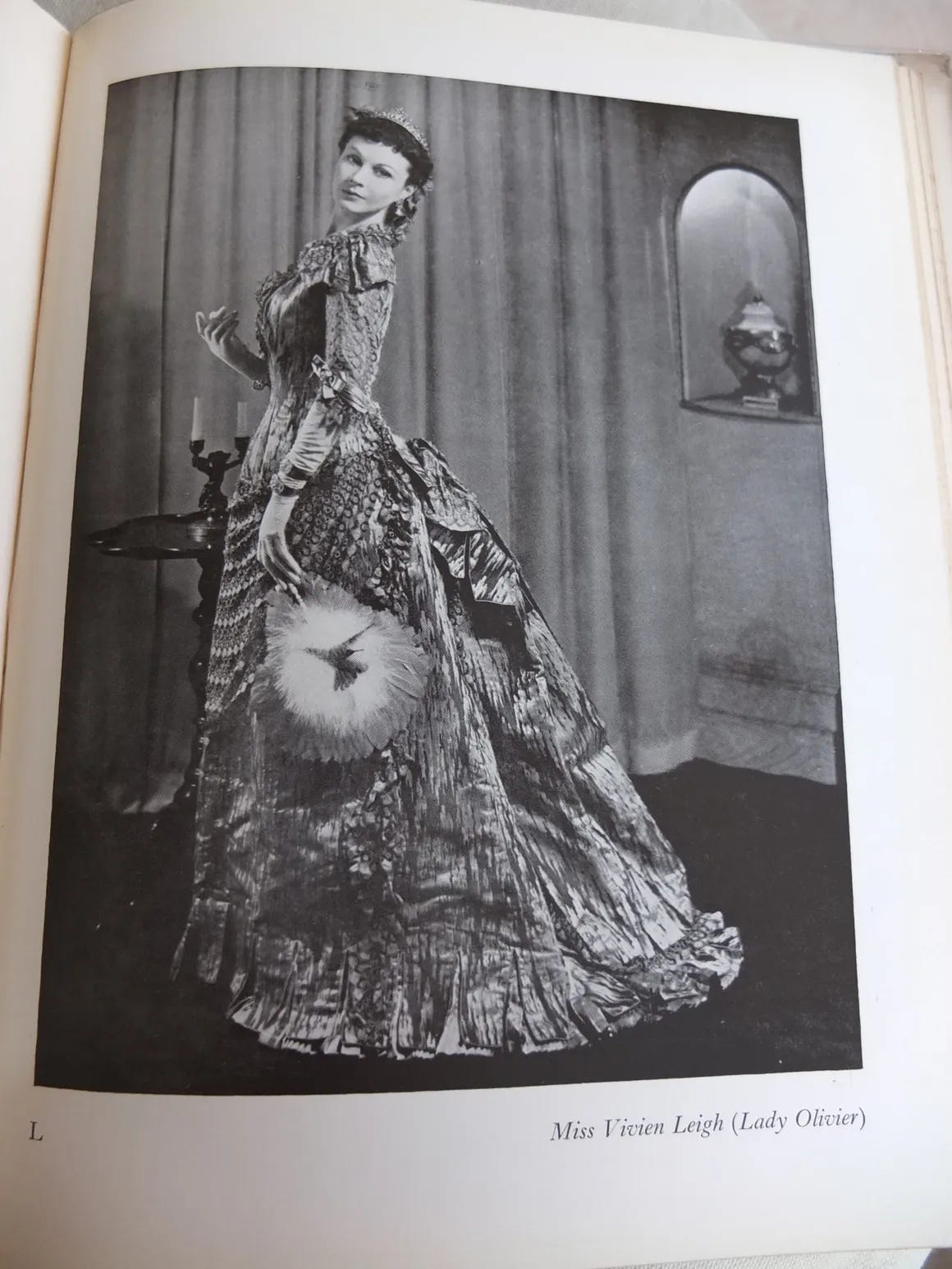
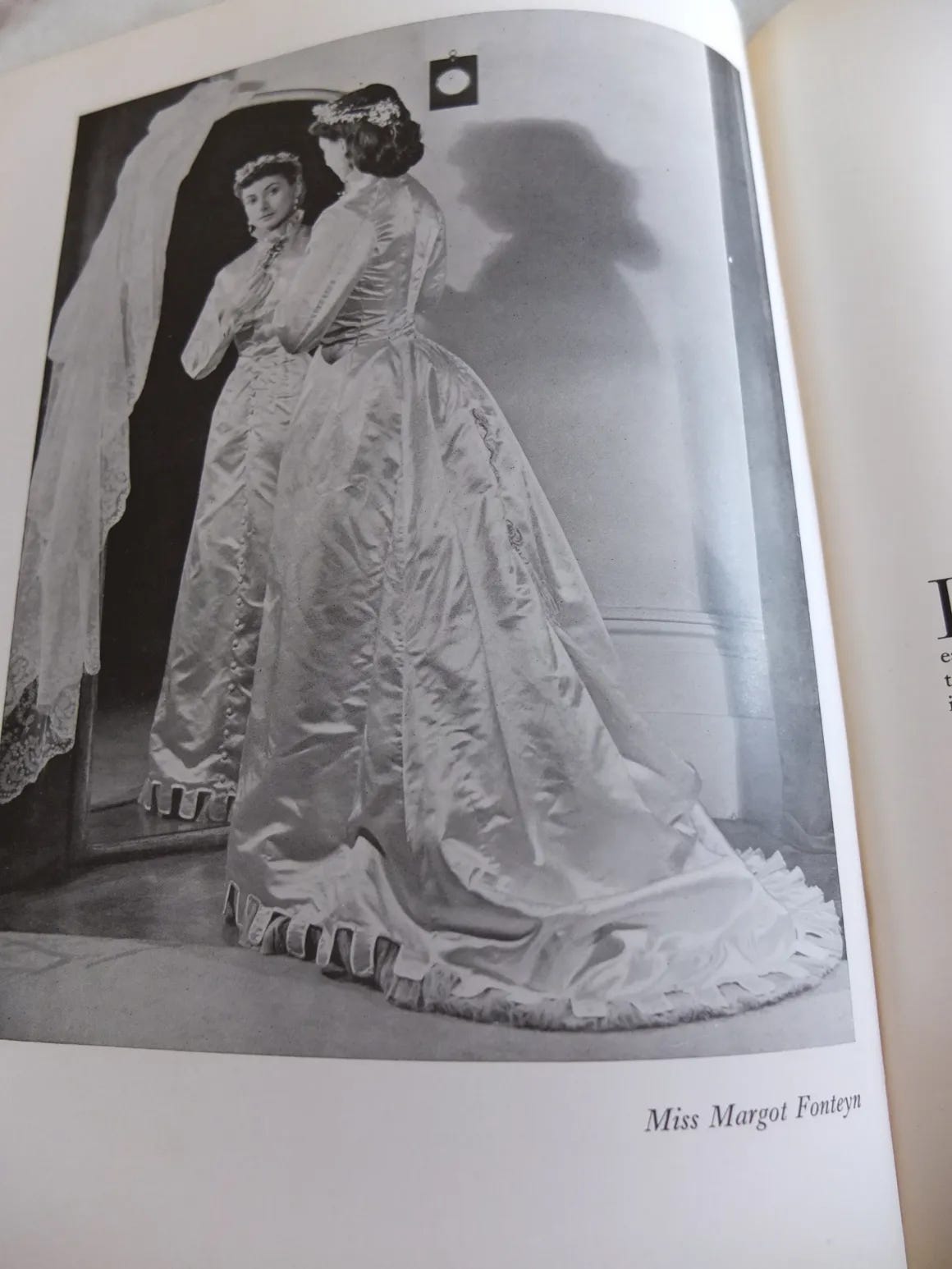
And just a few days after discovering the Gallery of English Costume book, we came across another instance where models were used in a rather incredible shoot, this time of new sportswear design based on garments from the archives of the Museum of Costume Art. The exhibition’s rather clunky title is A Designers’ Exhibition of Costumes and Millinery Derived from Museum Documents and was opened at the International Building at the Rockefeller Center on 9th November 1940.
Perhaps the premise – making Western fashion influenced by non-Western traditional dress – is a little icky to the contemporary viewer, but it’s pretty interesting to think that this idea of sportswear was sort of just shorthand for comfy clothing you could move in, and that traditional forms of dress were posited as good examples (at least within womenswear, anyway).
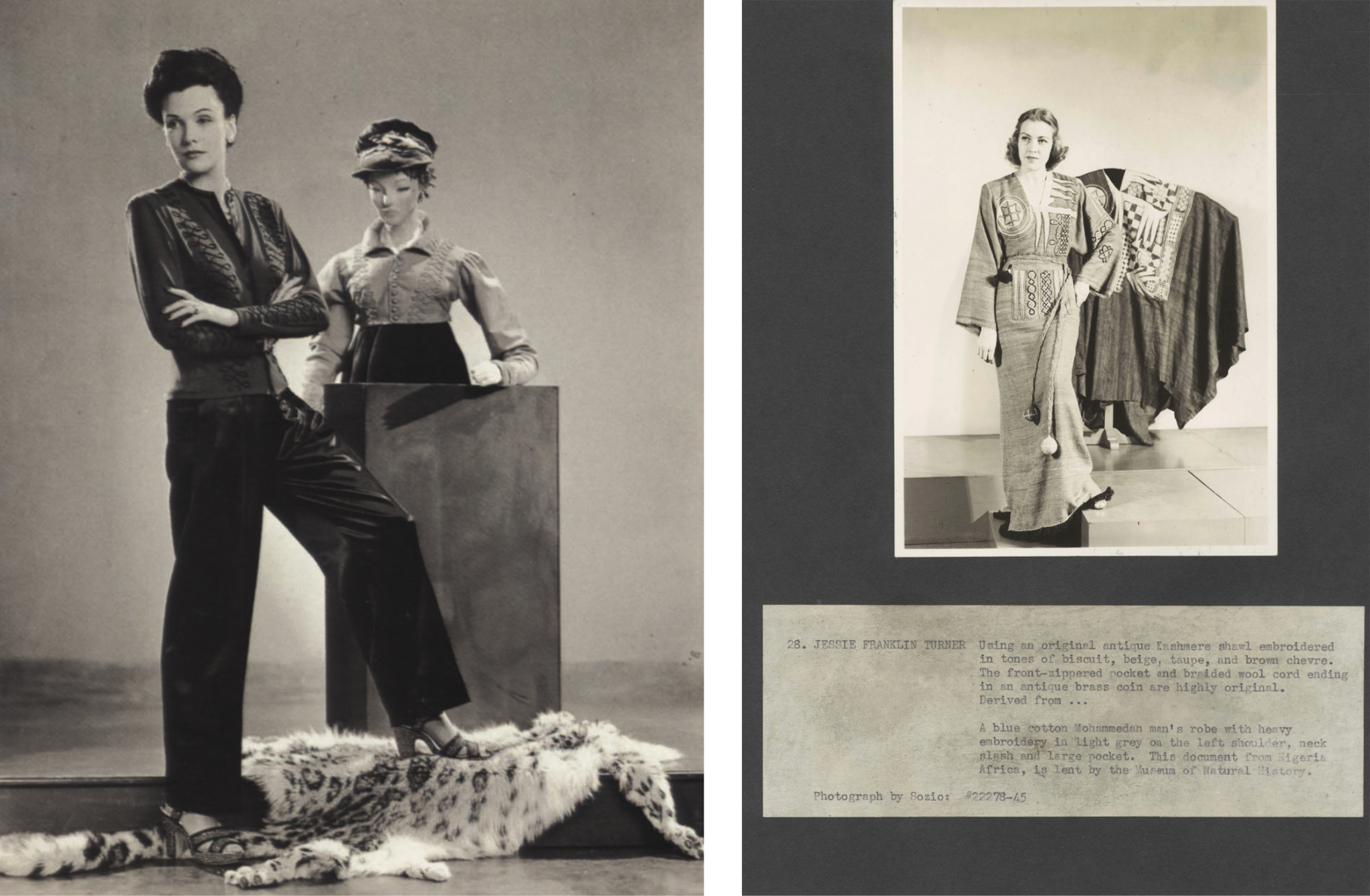
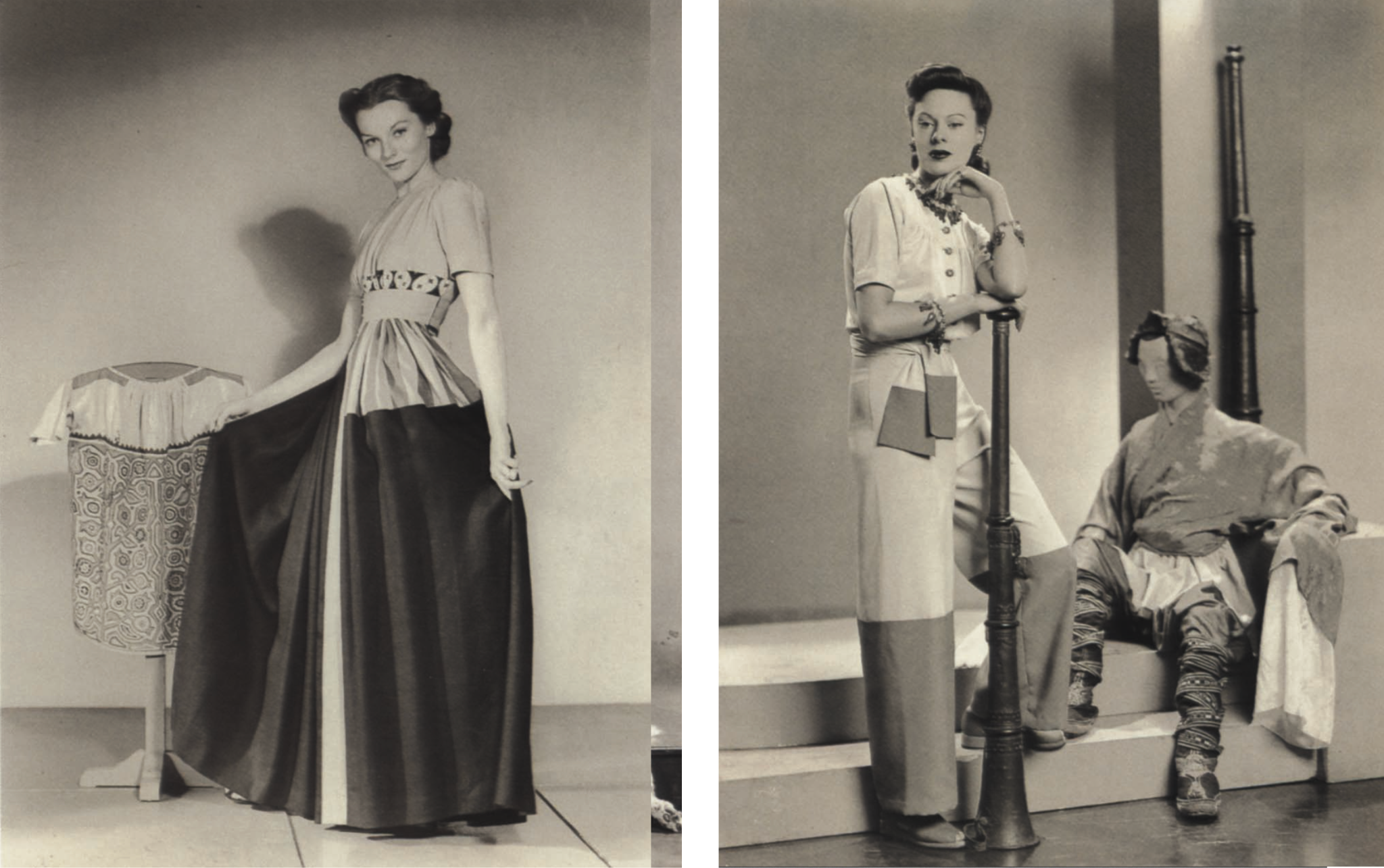
We’re not 10000% sure where these images were published, as the exhibition itself displayed these garments on mannequins. Regardless, we are quite taken by the division between the ‘contemporary’ and ‘archival’ pieces: that one was shot on a model, being ‘alive’, and the other was shot on a mannequin or other type of museological support, being something sort of signalling that it’s reached a point where it’s beyond its former use.
As our friend Claire reminded us in her coverage of the Met museum’s latest exhibition for Harper’s Bazaar, in the 1980s the inimitable Elizabeth Wilson wrote of the garments in a museum being “eerie, uncanny, and, somehow, ‘dead’ without the bodies that once animated them”. When something is accessioned, it is considered beyond its original function. It is an example of its material; any sweat stains, repairs or rips are noted, at least traditionally, as defects. And so this weird sort of sacrifice of the garment has to happen in order for it to be ‘preserved for future generations’ or whatever museums say these days.
Our discovery of these images of models wearing clothing in the possession of a museum is, as some of you might have noticed already, sort of timely. Olivier Saillard’s recent show, The Living Museum of Fashion made a strong argument for the activation of these apparently ‘dead’ garments, and in fact claimed that it is museums themselves that ‘kill’ clothes, by erasing the body from the garment itself (see the work of Ellen Sampson, too). He told Vogue: “Things look very beautiful under glass, like taxidermied animal trophies in a chateau.”
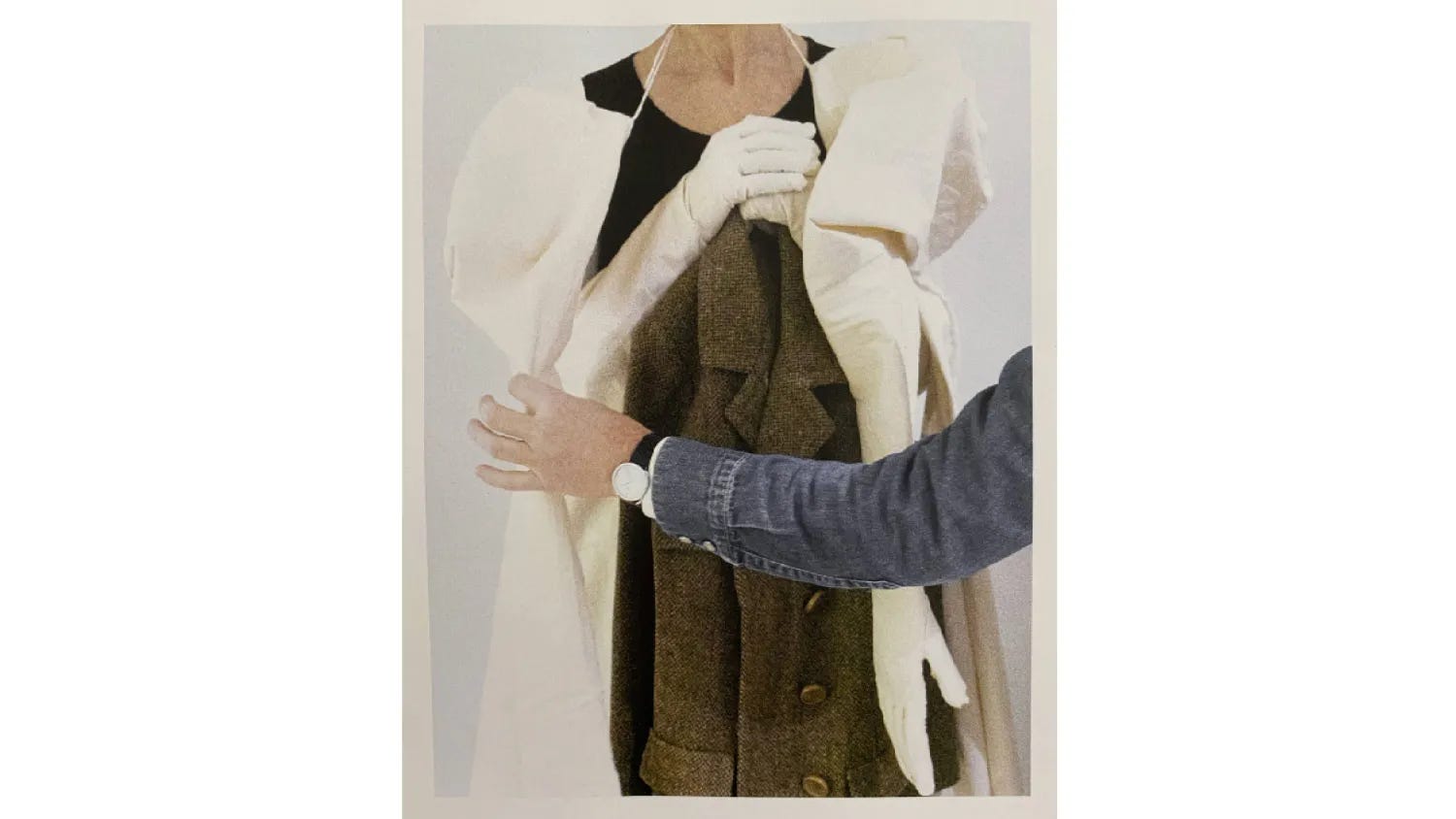
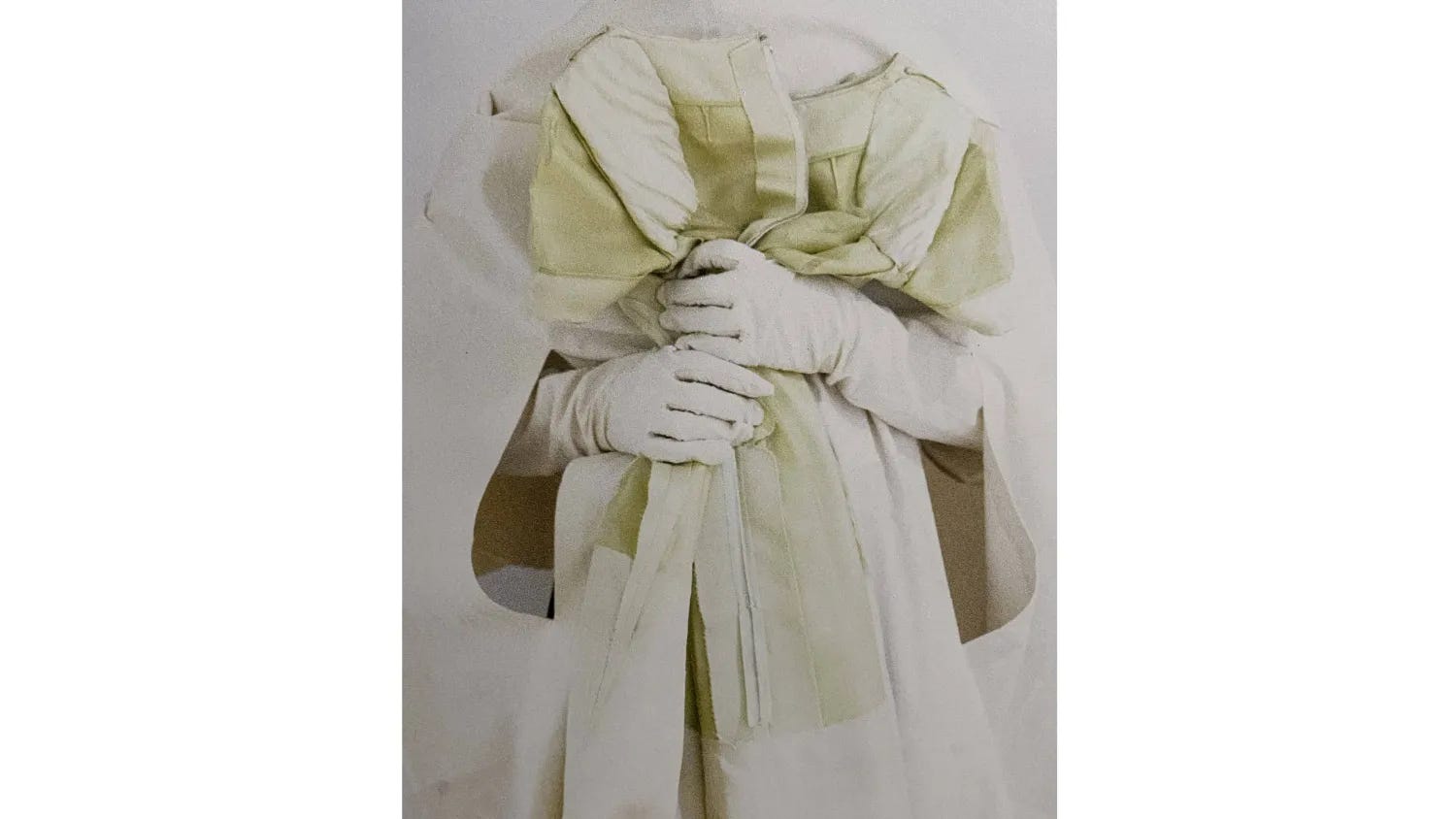
In terms of other stuff that has made us think about the body and the museum: this book on wearing archives was just published (*which we’d really like to read but it’s currently sold out and if anyone reading this has the power to get a copy to us we will give you a bog bag in exchange*). But perhaps the most news-cycle-esque thing is the Met’s new exhibition about ‘fashion art’ or whatever it’s called and all of the mannequins that have been designed to look like ‘real’ bodies based on a small selection of actually existing people.
What’s notable is that the garments displayed on these special mannequins are all relatively contemporary, as museum guidelines for the display of clothing *probably* wouldn’t allow, say, a Rudi Gernreich monokini or, ironically, a Comme des Garçons ‘Body Meets Dress’ piece to be put on a mannequin that is not specifically made for museum garments. This is, as the aforementioned collections care guidelines lay out, in case they get damaged. And ironically oftentimes the museum mannequin is constructed with a smaller form than a normal shop mannequin, and is fitted with pads to fill out the garments without damaging the fabric.
Here’s a couple of fun illustrations demonstrating how:
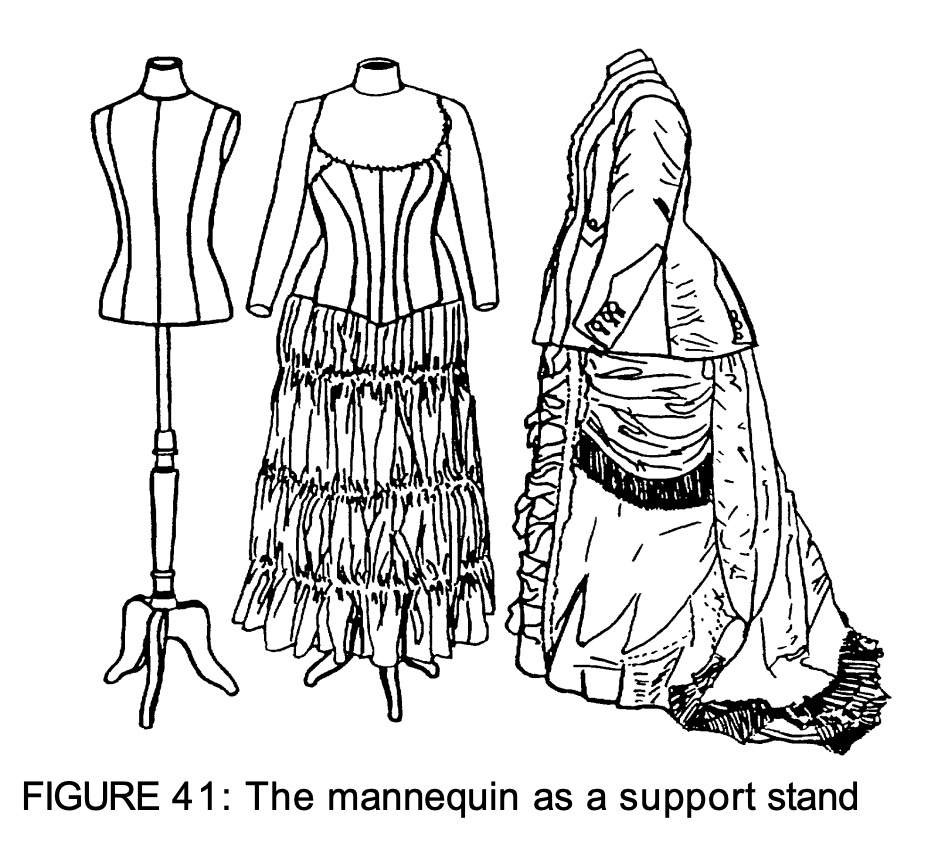
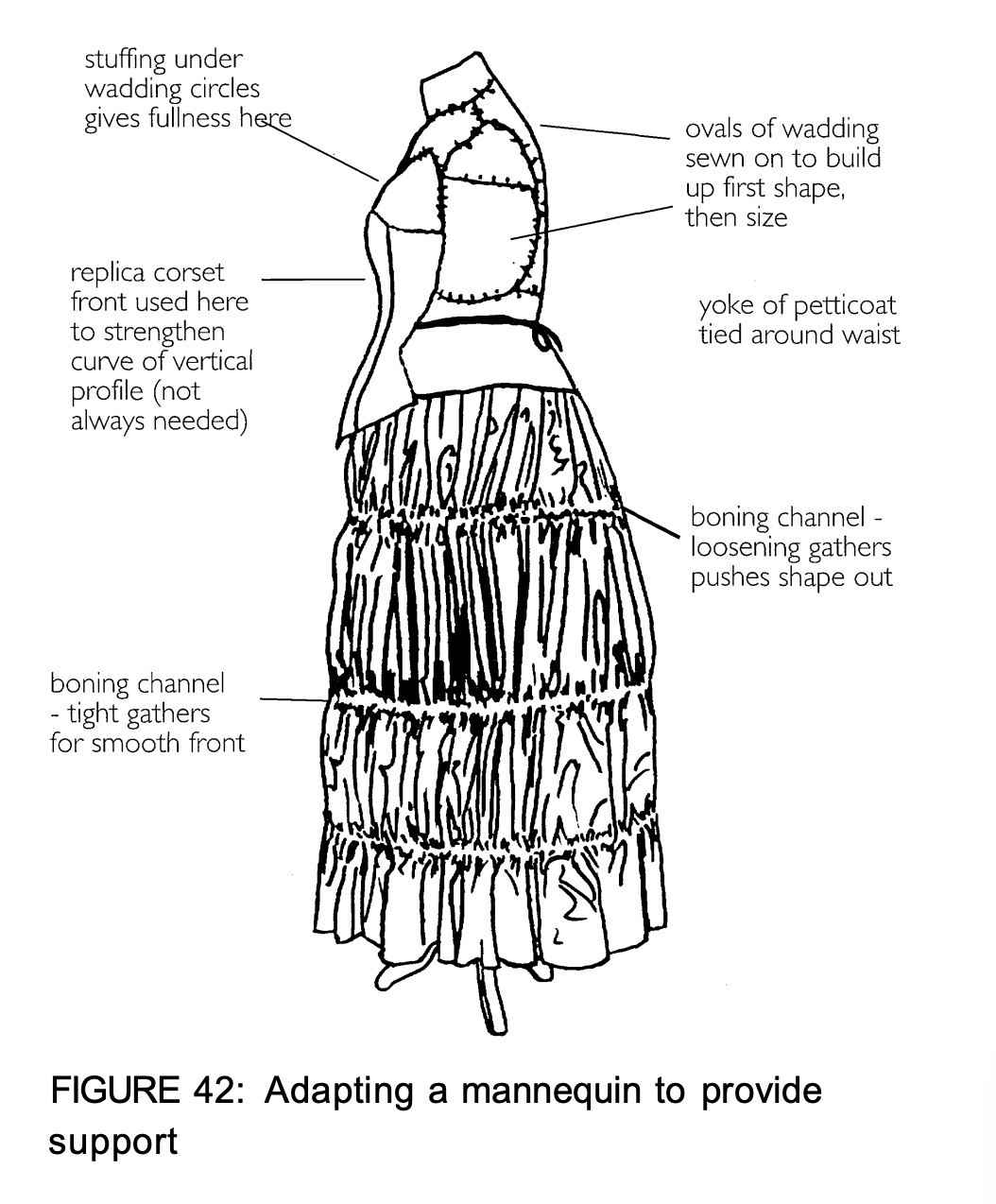
In short, museums are public institutions, and their collections are, in theory, meant to serve the public. Thus popping on an 18th-century chemise à la reine might damage it, and this being a deliberate act, against the ethical guidelines of good museological practice.
Non-museums, even if they posture as a ‘museum’, don’t have to adhere to any of this. Take the infamous moment when Kim Kardashian wore Marilyn Monroe’s ‘Happy Birthday Mr. President’ dress to the Met Gala in 2022, for instance. Owned by Ripley’s Believe it or Not!, the dress is not part of an actual museum archive, thus can in theory be worn, or even destroyed, by anyone if the company lets them.
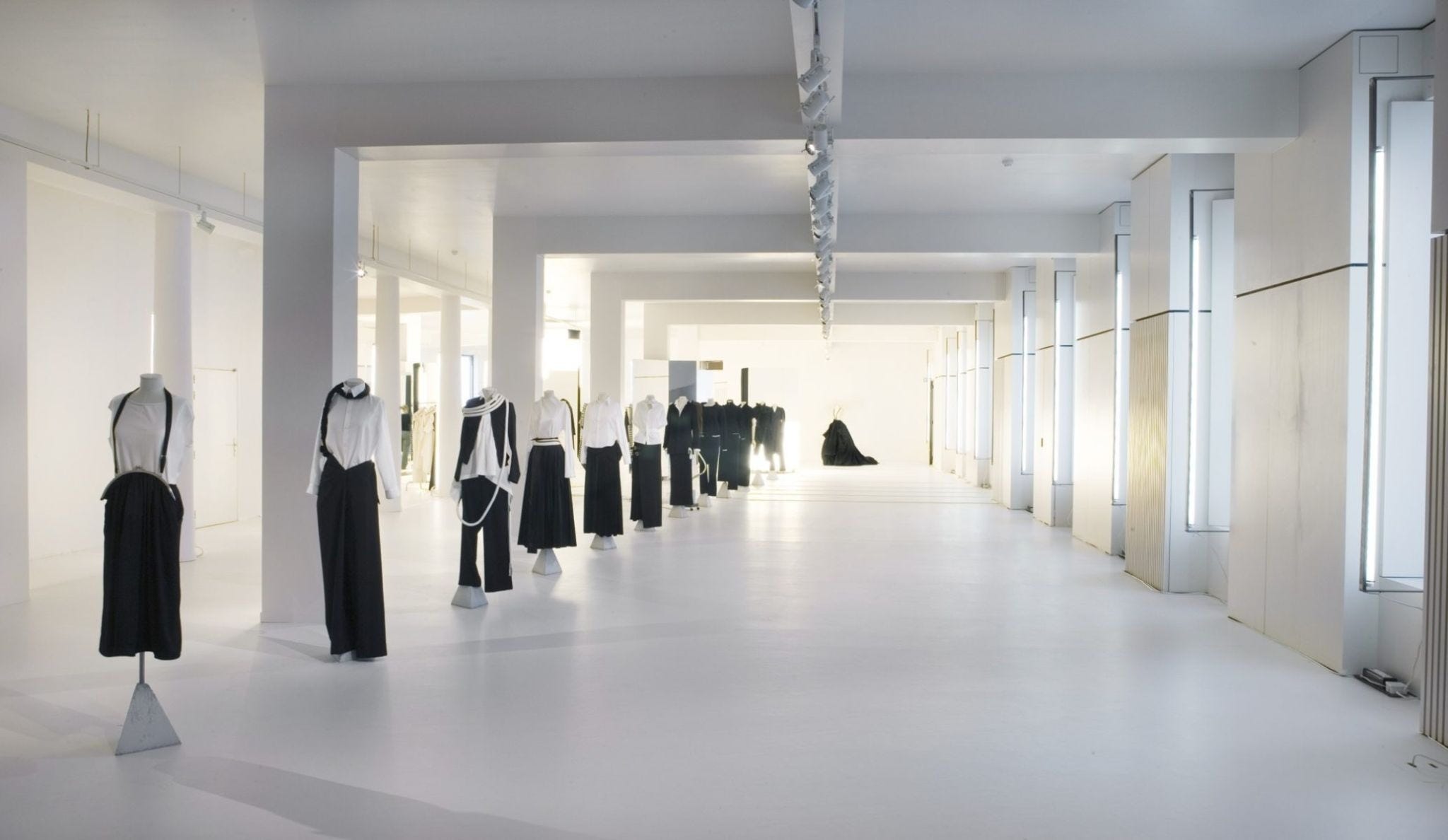
Exhibitions outside the realm of the state-funded museum have indulged in letting people wear things that under the auspices of the museum they could not. Yohji Yamamoto’s 2006-2007 retrospective at MoMu, Dream Shop, for example. Yohji has always been very critical of the fashion exhibition and its reification of the static object, and so Dream Shop which was his attempt to fuck with the system by going against all museological sense and leaving things out in the elements as well as allowing people to try on a selection of the garments from his archive – deliberately doing stuff that might destroy them, but also letting them live as their design intended.
In 2015, this premise was continued at The Live Archives (now Aro Archive) with a special exhibition of Yohji’s work you could try on, alongside narration from curator Jeffrey Horsley.
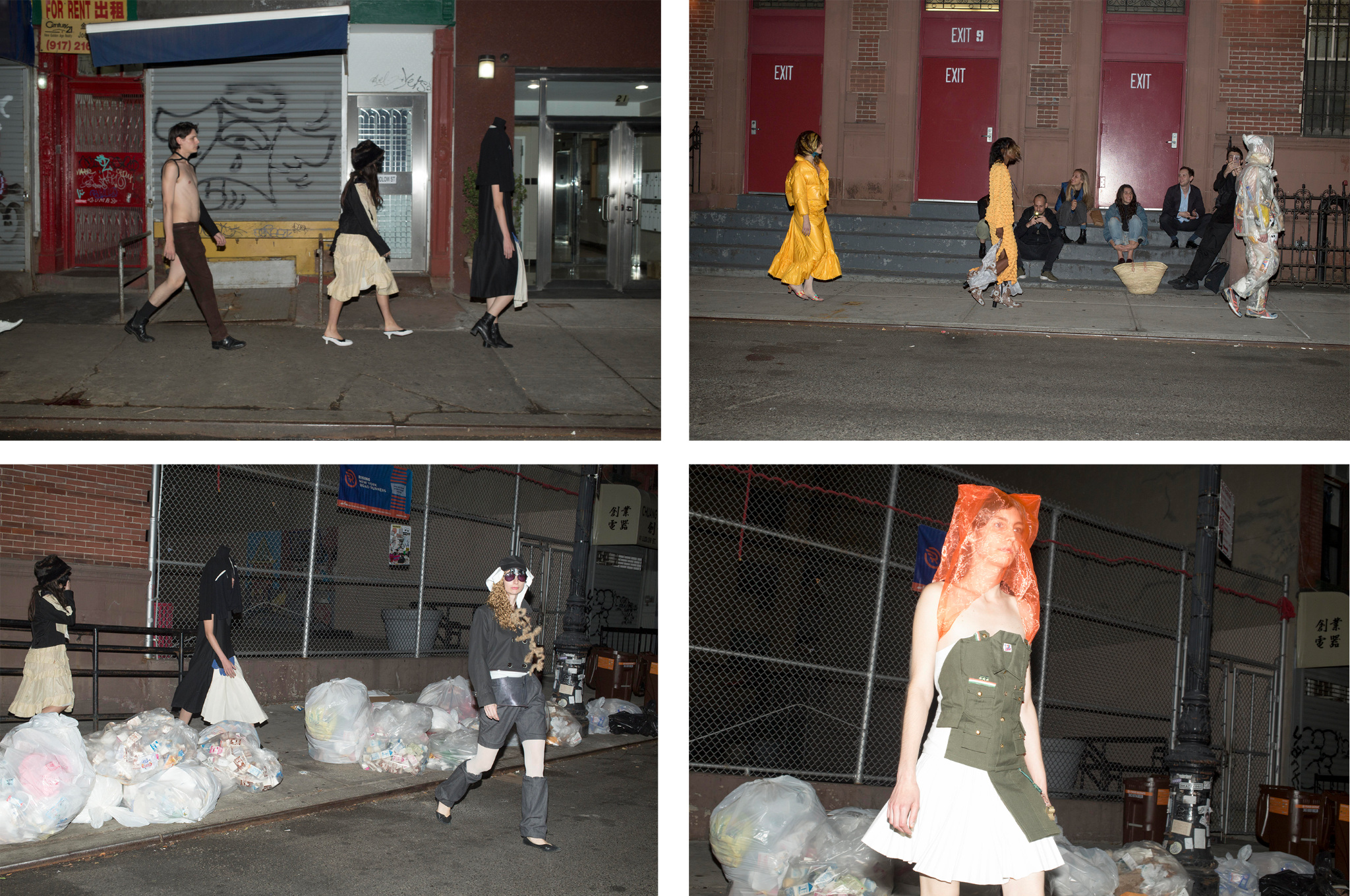
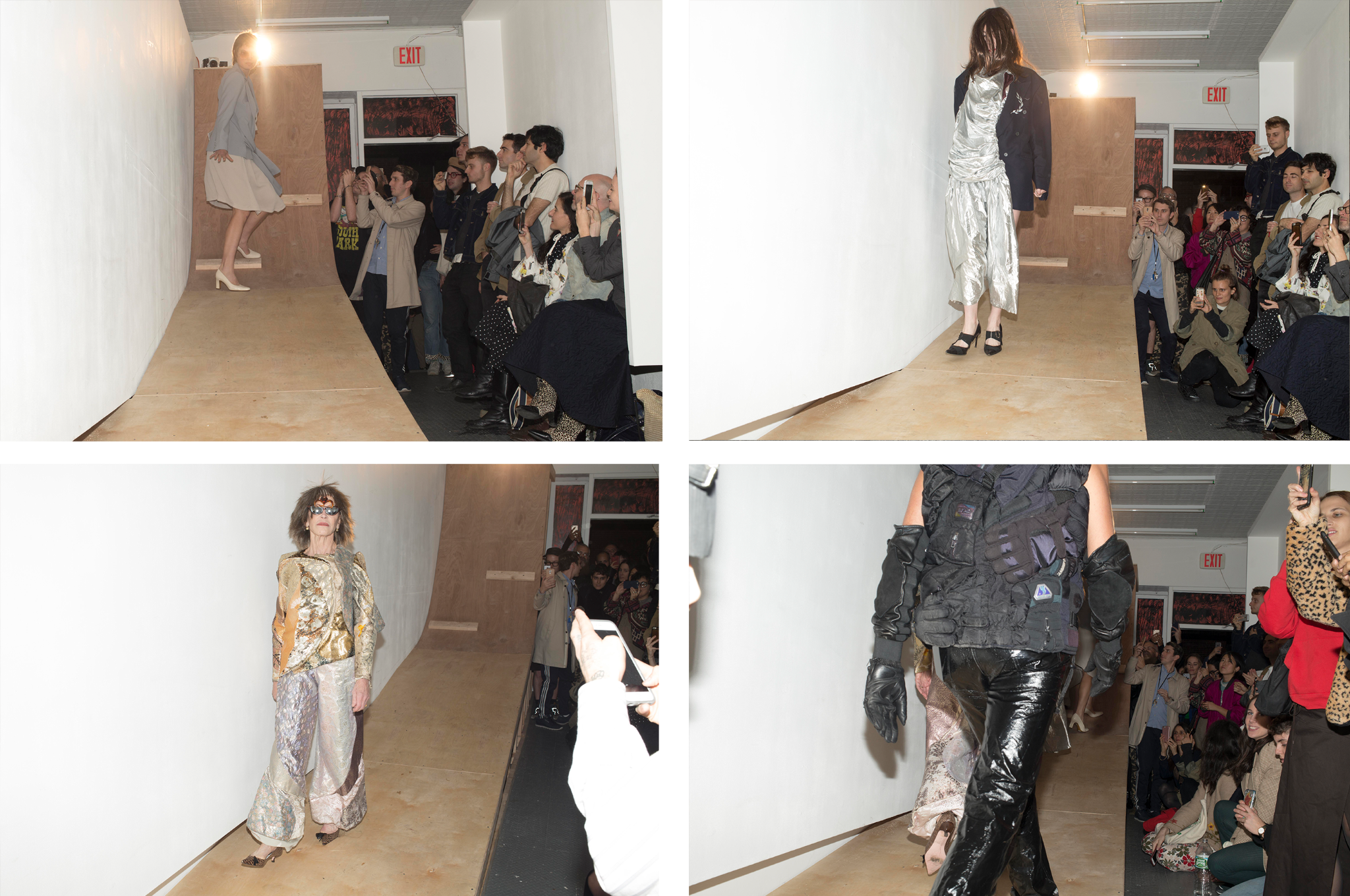
We first encountered Yohji’s hatred of the deathliness of the fashion exhibition when assisting Matthew Linde on his 2017 show The Overworked Body, in which some of the garments (loaned from private collectors or the designers themselves) were worn in a guerilla fashion show set between two galleries partially inspired by Yohji’s Dream Shop.
As if the museum gods wanted to smite us, a pair of 1990s Raf Simons leather trousers ceremoniously ripped up the butt seam when worn on the raised plywood catwalk. This may be a curator’s nightmare, but it was a thrilling moment to see these trousers, rarified as they were in the gallery space, be destroyed by the model’s feverish animation. We can’t quite remember how the archivist who owned the trousers felt about it, but it fundamentally changed how we think of clothes in the gallery – fragile, but dynamic and, despite their conditions, still alive.
Which brings us to the subject of the archive, and what the archive might do that the museum cannot. The archive is usually private, its objects used on the whim of their benefactor. Museums are rigid. ‘Dinosaurs’ as one V&A researcher once described them. And so objects crystallise within them, for better or for worse.
Other stuff we liked on and off the internet
Plane hats
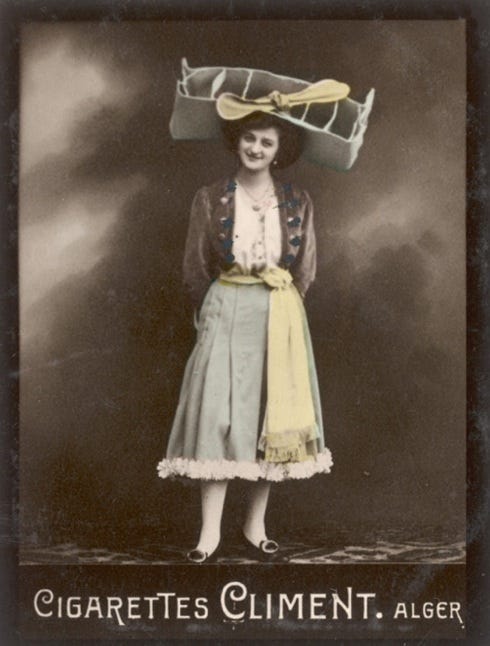
In the early 1900s, women in Chicago and Paris loved aviation so much they wore miniature planes as hats. Yes, you read that right – MINI PLAnES AS HATS.
The mouldy mall
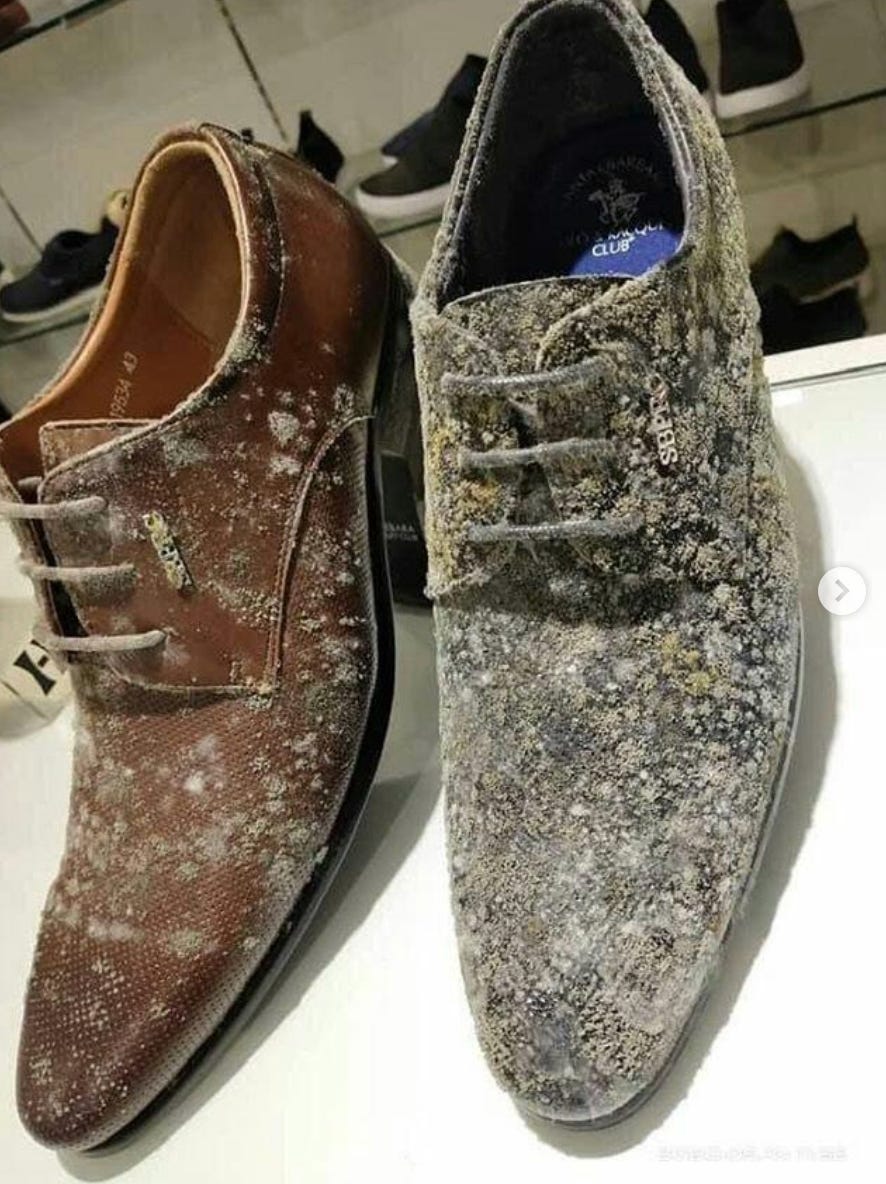
Sort of related to our garm of the week is this mouldy mall (ty Joseph for the tip). A Malaysian mall closed for 50 days, and the damp took over, covering every single leather good in mould <3
Hanae Mori kissaten show
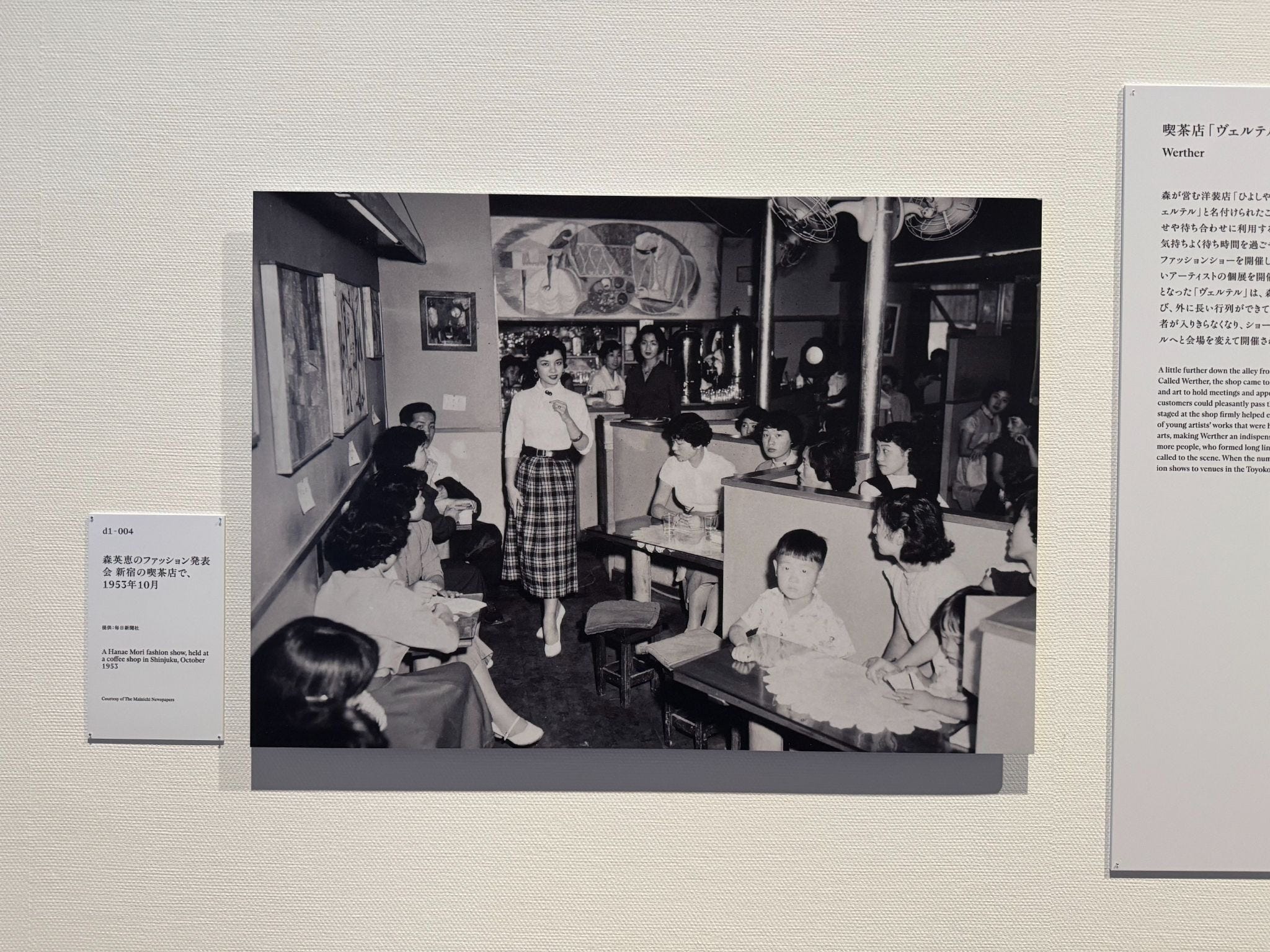
At a big retrospective of Hanae Mori’s work at the National Art Centre Tokyo, we discovered that she used to do fashion shows at her husband’s kissaten (coffee shop) round the corner from her boutique. They had this fab photo to illustrate it. More Hanae Mori content soon………
Seditionaries shoes
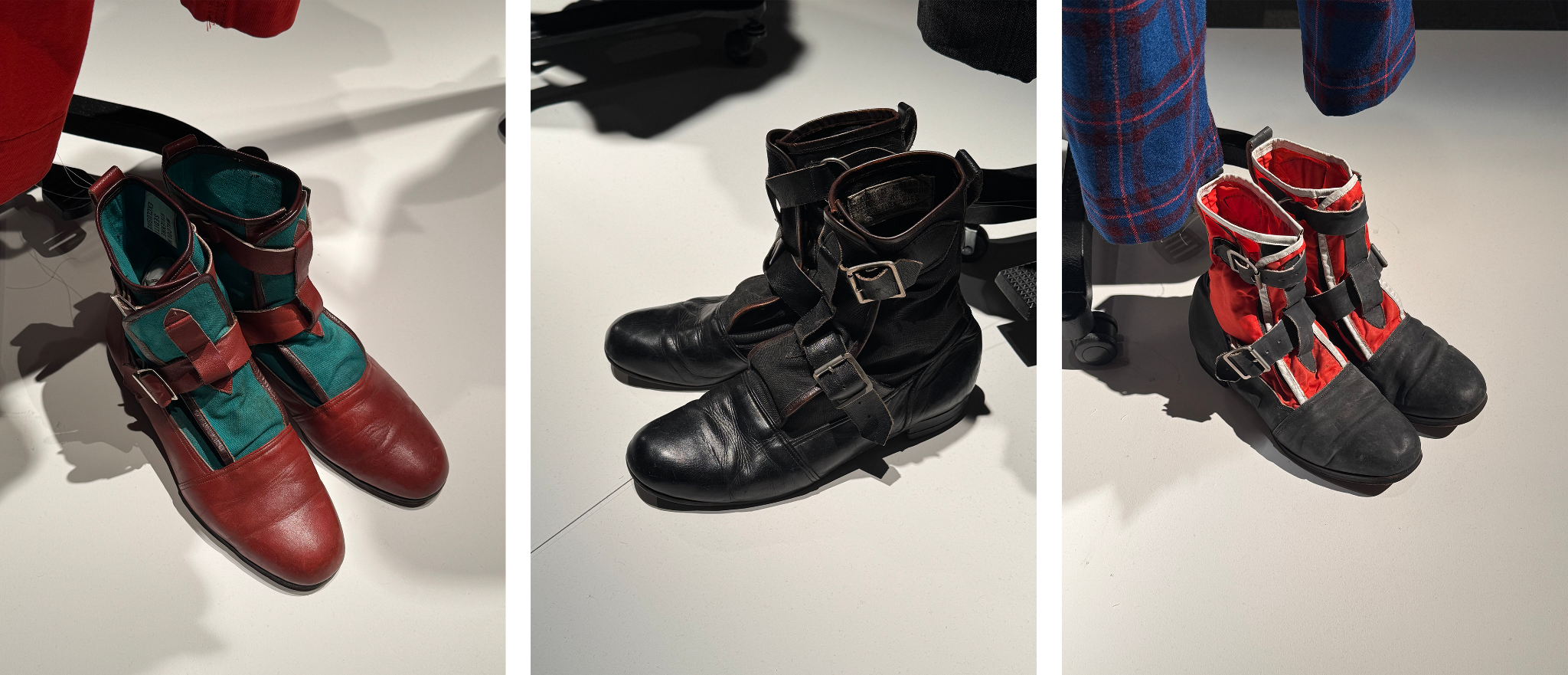
Also in Tokyo was a big show of Vivienne Westwood and Malcolm McLaren’s work in Omotesando Hills, a giant concrete shopping mall in the middle of Harajuku. Cool to see old SEX and Seditionaries stuff, sure, but really Vivienne Westwood’s early solo stuff is so much more exciting and weird. Maybe we’re just too used to punk shit that it’s kind of vernacular now and not really saying much…. Anyway, these shoes were our fave thing in there, and you can still get them today!!! Although the older colourways are like five billion times better.
Ciao for now!
Want more?
Comments
Nothing yet. Say the first thing.
Sign in to join the conversation.