
These past weeks we have been thinking about research. What actually it is and what its inherent value might be – both cultural and financial.
Who is it actually for? And who gets to do it? Is research something that we should, without question, always share? Or should we demand that it has monetary value? Does research and the information/knowledge it generates actually have authorship? Are there other ways we should think about it? And are there structures we can build to share it as a commons? What the fuck even is it?
We have come to no conclusions – as of yet. But we are thinking that the way that we operate will be changing soon. Watch this space.
This thinking was sparked by going to a lot of publicly-accessible, free, presentation-based research stuff in the past couple of months that has been really good. For example, Esther Leslie’s lecture on chemical atmospheres at Chisenhale to accompany Racheal Crowther’s exhibition, Liquid Trust.
It was a generous and undulating hour and a half of theoretical threads that bound together early-to-mid 20th-century military research, the aerosol, social control via atmospheres, the droplet as lens, and Thatcherism, amongst other things.
Most recently, however, was Time Is Away, aka Elaine Tierney and Jack Rollo, and their event celebrating both their recently-opened exhibition as well as one of the researchers who influenced its inception: Jane Wildgoose of the Wildgoose Memorial Library. Wildgoose established her library-slash-archive in the early 2000s, which is also her home, and you can visit it and drink tea with her by making an appointment. She also did the iconic costumes for the 1987 film Hellraiser.
The entire event was about ‘invented institutions’, in relation to the fictional Department of Euterpe Jack and Elaine have concocted at the Warburg Institute. Posing as Warburg’s music studies wing, the department is a fictional one rendered potentially real until the beginning of October this year. Jack and Elaine described their practice as an ‘anti-institution’, which is deliberately messy and uncategorisable, which we vibed with hard. Particularly exciting and bog-like was this slide here:
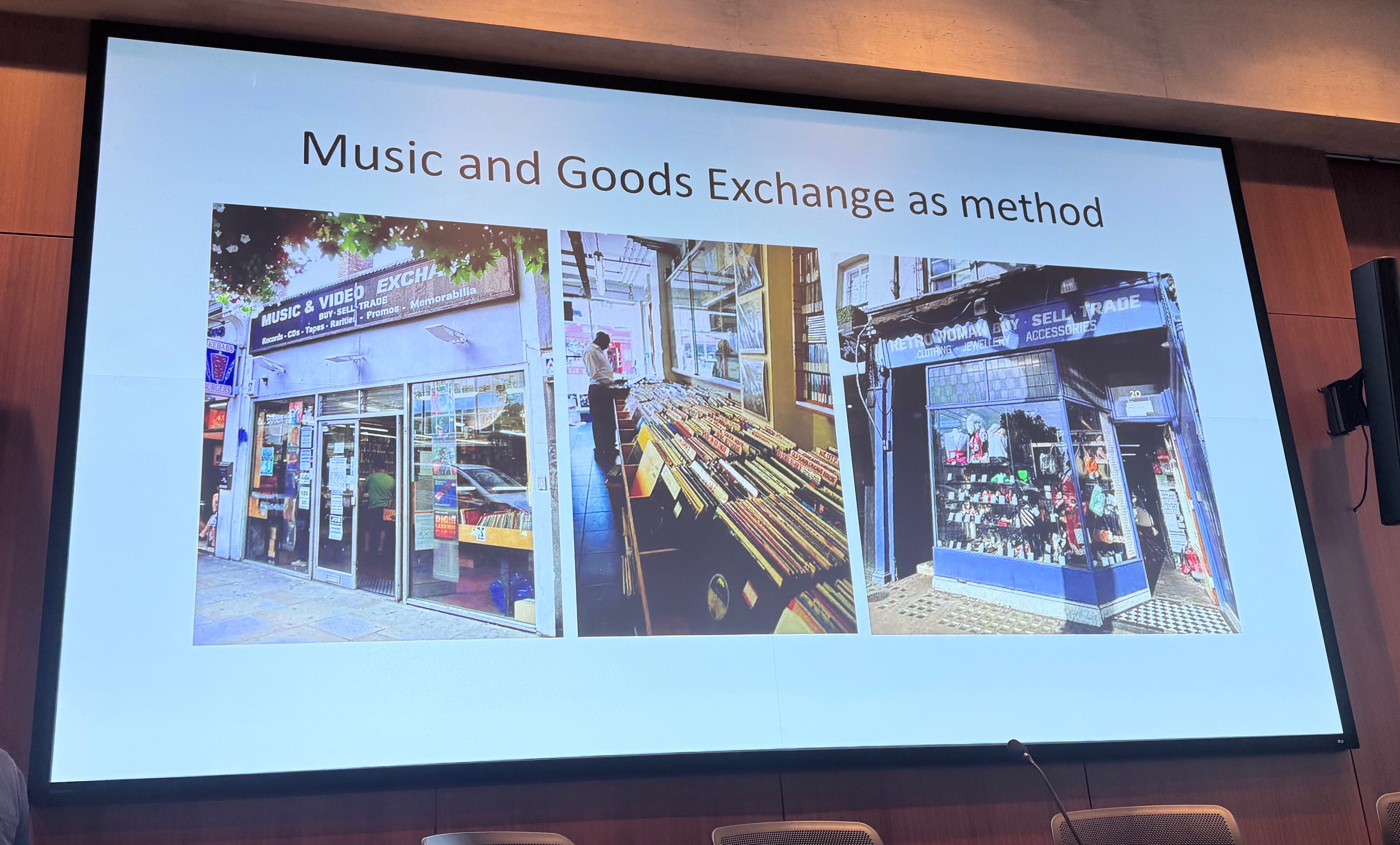
It felt like the beginnings of what might turn into a thorough thinking-through of what an institution is and also what it can/could/should be. These thoughts were expanded at dinner with Jack and Elaine later in the week. Fuelled by too much wine, we won’t share all the thoughts in detail here, but (we think) we discussed the impossibility of changing culture from within, and the necessity of remaining within the edges, on the borders and occupying the spaces in between.
Something rather like the Horse Hospital Collective, whose George Lynch and Alex McKenzie were interviewed for Elephant by Hatty Nestor recently and spoke very well about what they are doing.
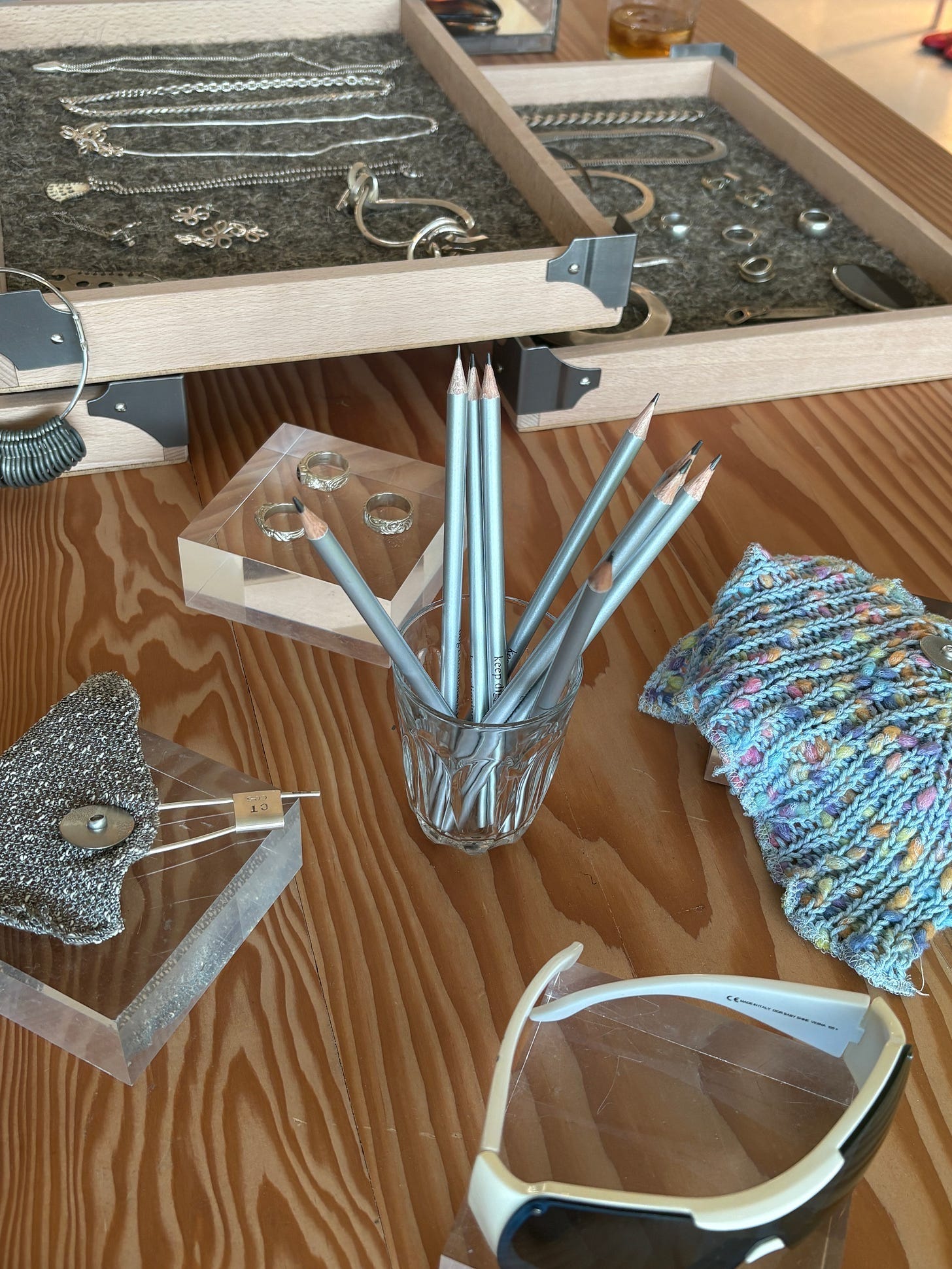
Sort of accidentally, all this thinking comes at a time when we have just had 500 custom pencils made that we are distributing in places (institutions?) we interact with research: libraries, shops, that kind of thing. It’s been a longtime dream to make a pencil, and now we have finally got round to doing it.
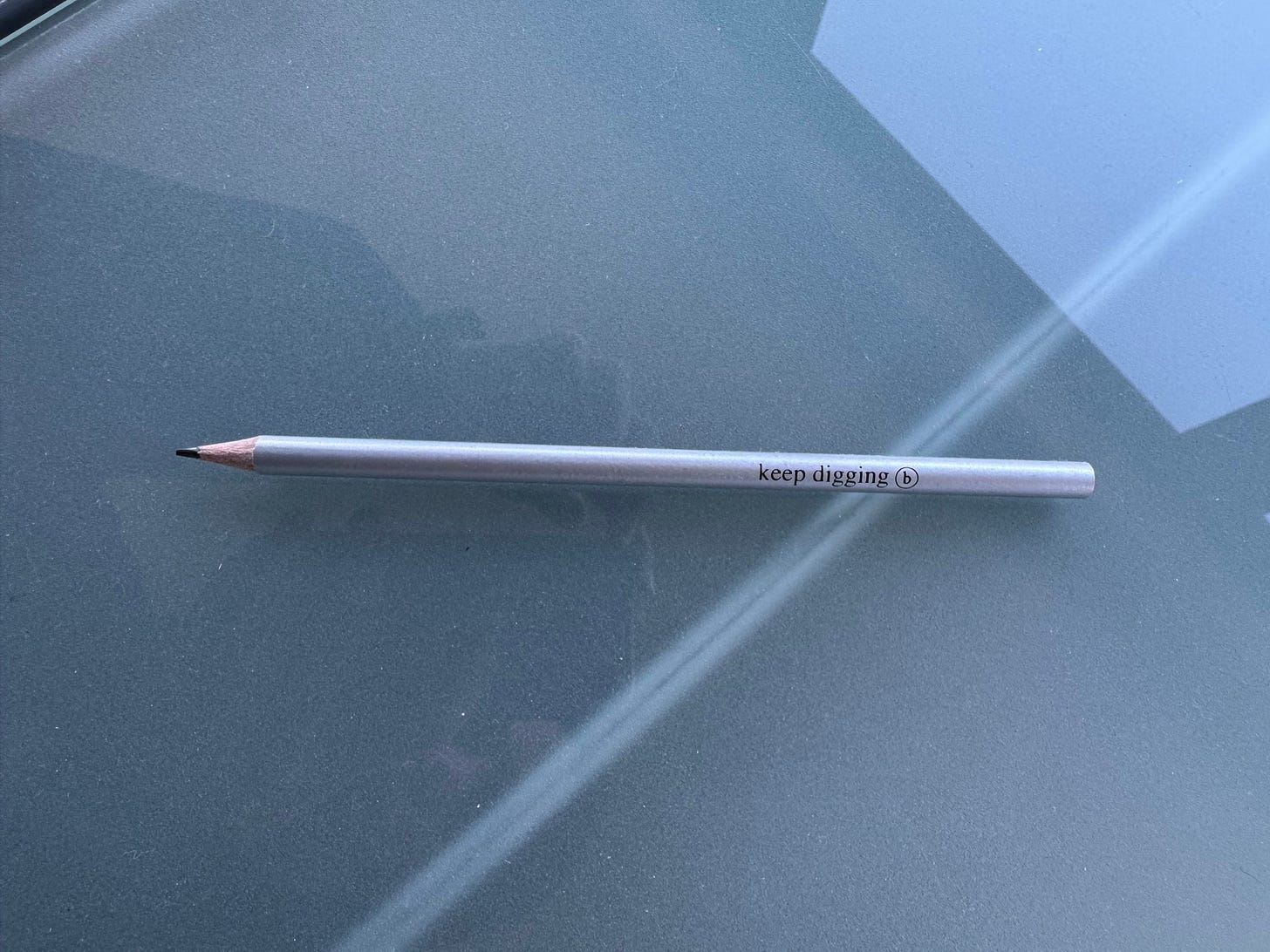
In a bid to beat (or circumvent) the algorithm, we thought we might find some people that want to read this by offering a tool that is so often required in archives and libraries. Think of them as little keys to the bog.
If you would like to find one, we’ve recently been to twos, the British Library, and the Central Saint Martins library. By next week, we will hopefully have some out at LCF, too. And if you want to distribute them around your own place(s) of research, please give us an email or dm telling us where you want to put them and we will send you a pack.
As a short addendum to this, we’d like to share an event our friend Thea has organised at Tramps bar next Thursday the 30th July for the launch of Calla Henkel’s new book – the artist-slash-writer who co-runs New Theatre Hollywood, LA, formerly of TV Bar, Berlin.
We haven’t been to Tramps bar yet and we’ve heard mixed reviews but we like the woman who runs it because she takes absolutely no shit from Zionists. We also think Thea is amazing and she believes that we would all love Calla’s new book – so here we are sharing it. Might not be in London next week, but possibly see you there x
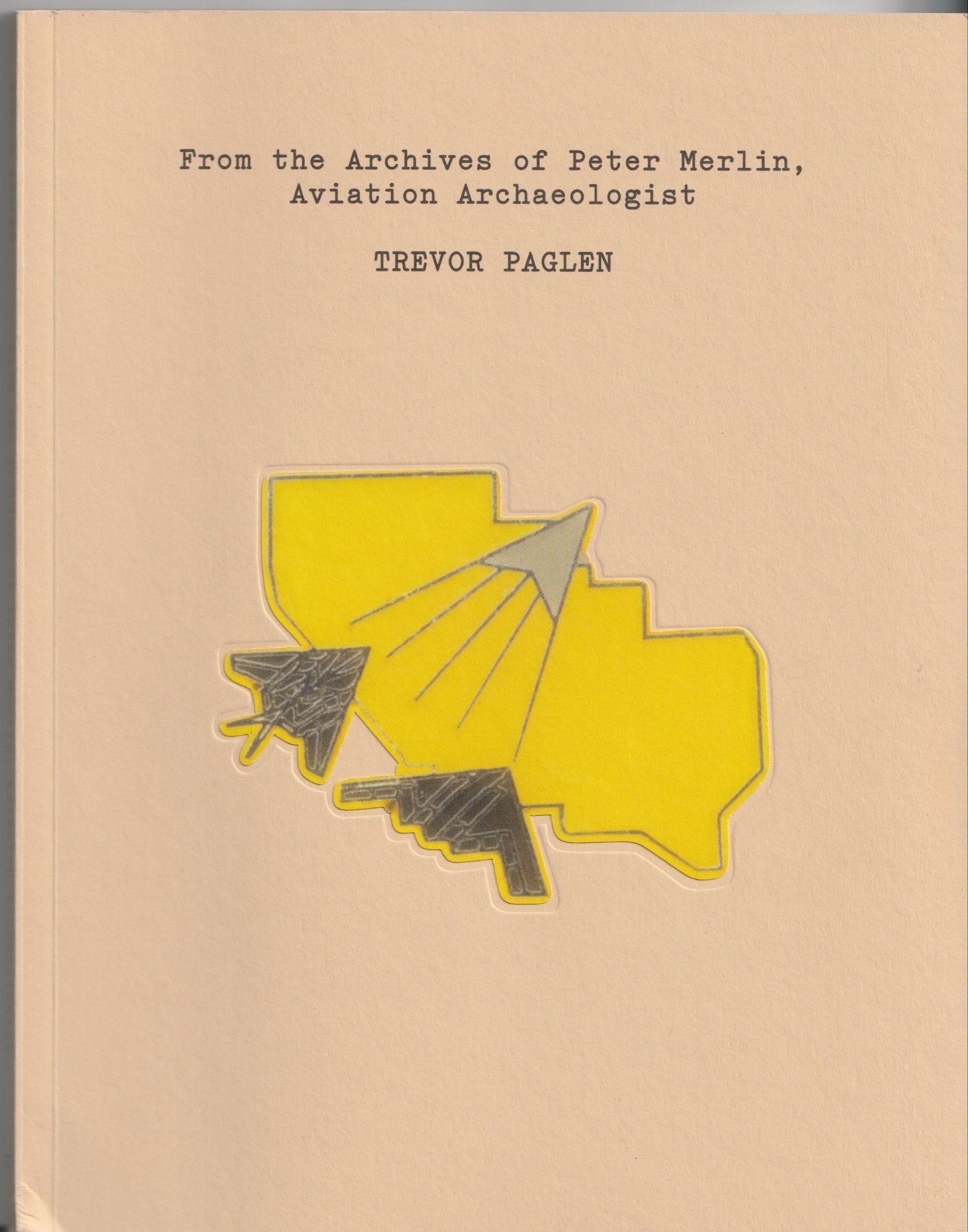
Speaking of the invented institution, we picked up this book at a really cool project space in Tokyo a few months ago, and have been circling around it, allowing things to pile up on top of it, waiting for the right moment to open it up and have a look inside.
Well, we finally did it this week and we are very glad that we did. It’s a book documenting some objects from the collection of Peter Merlin, a former NASA archivist and aviation archaeologist, the practice of identifying and documenting aeronautical crash sites.
There is an informal group who does this in the US that advocates for the cataloguing of these sites called AAIR, whose website is pretty fab. Peter Merlin, we assume, is a bit more cavalier, considering the collection of objects stored at his private archive-slash-office in the outskirts of Los Angeles county. You can read a bit about him on this perfectly designed website.
He has in his collection pieces of meteorite, a Soviet rocket ship key, fragments of trinitite, the glasslike material created from the explosion of the Trinity test, as well as wreckage from experimental warplanes, like the Lockheed A-12 spy plane and the XB-70 Valkyrie bomber. The most alluring things in his collection, at least in terms of their iconographic qualities, were the patches and commemorative coins he got his hands on, from various groups, task forces and teams operating within Area 51.
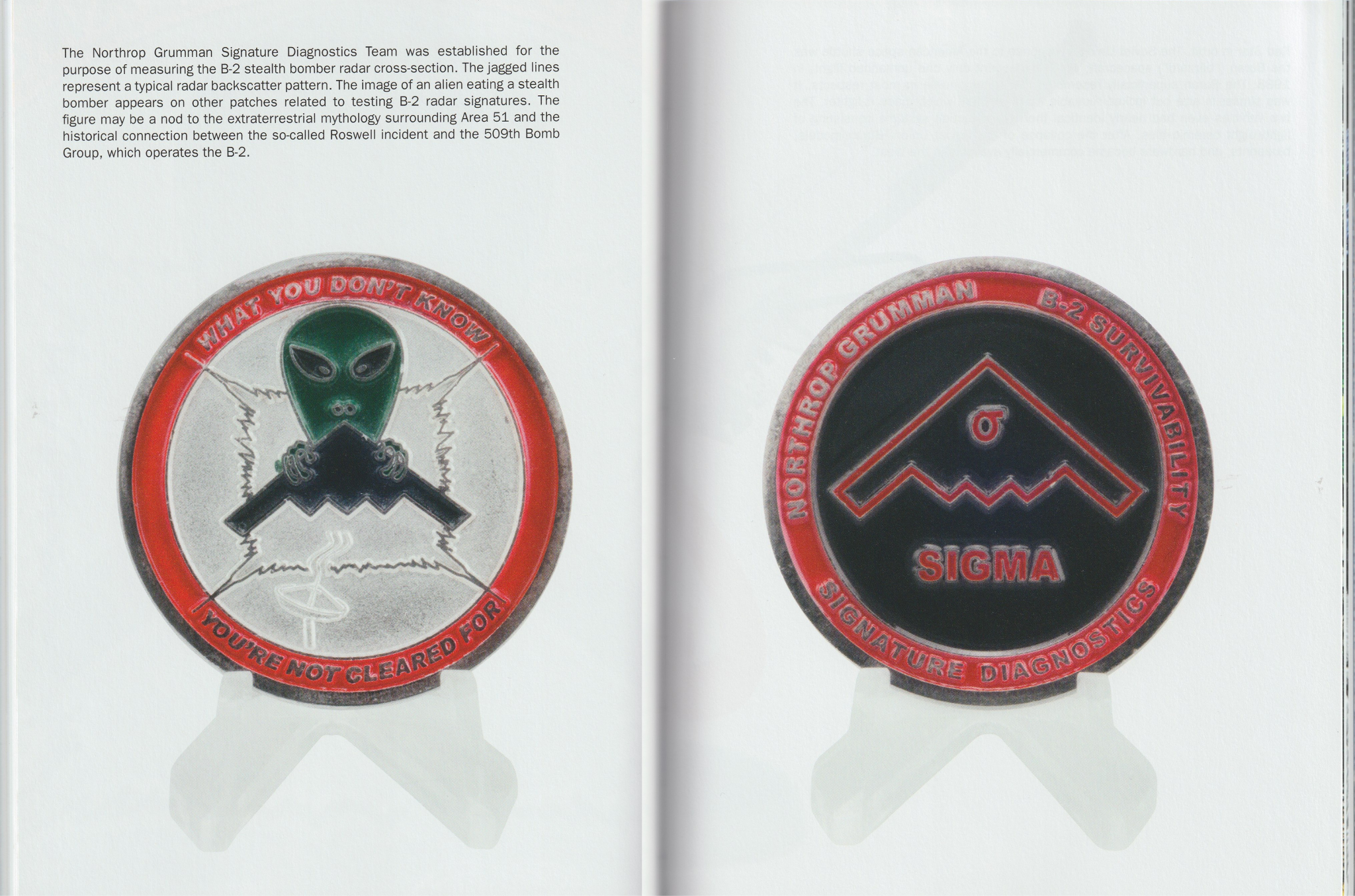
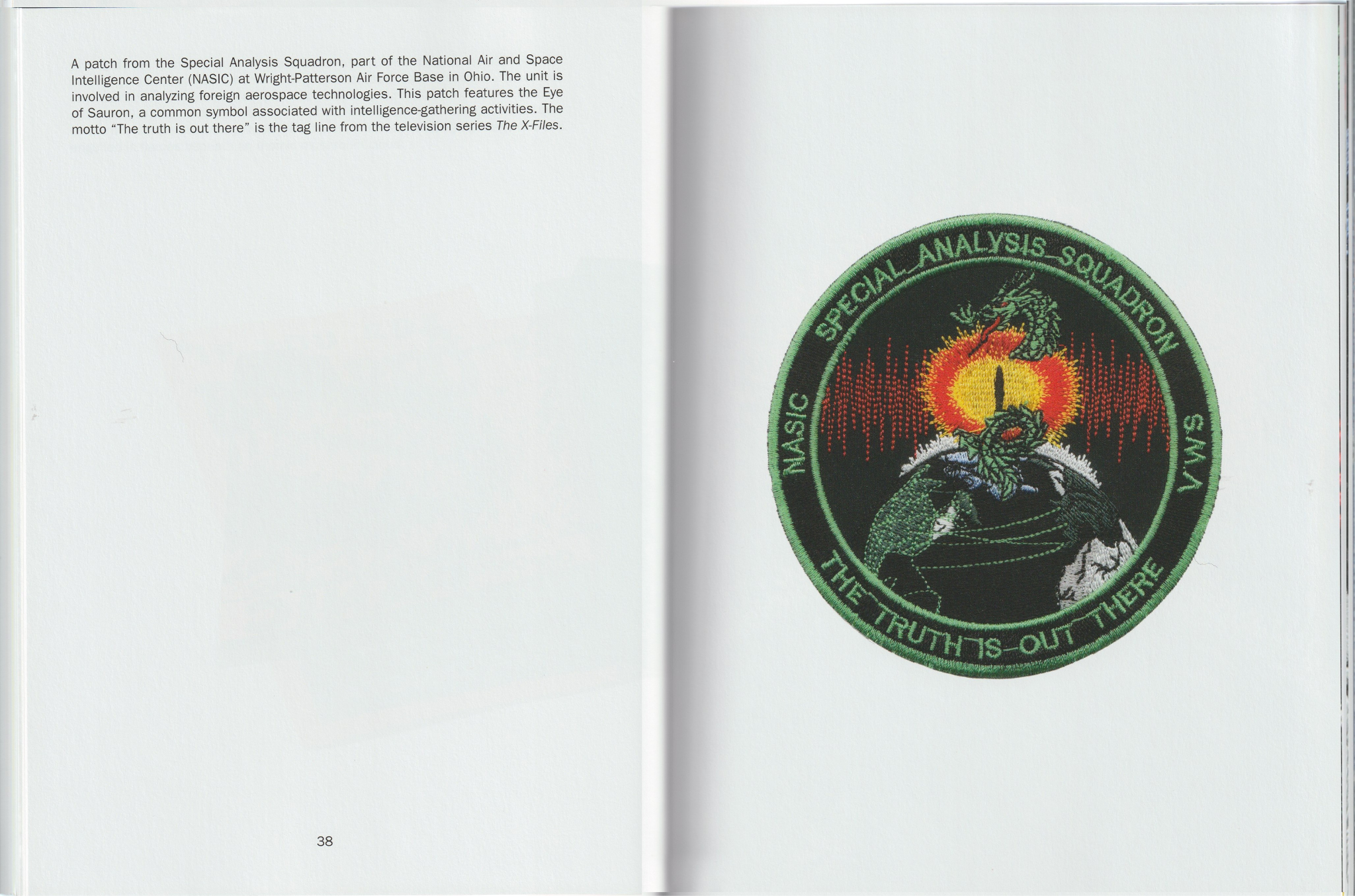
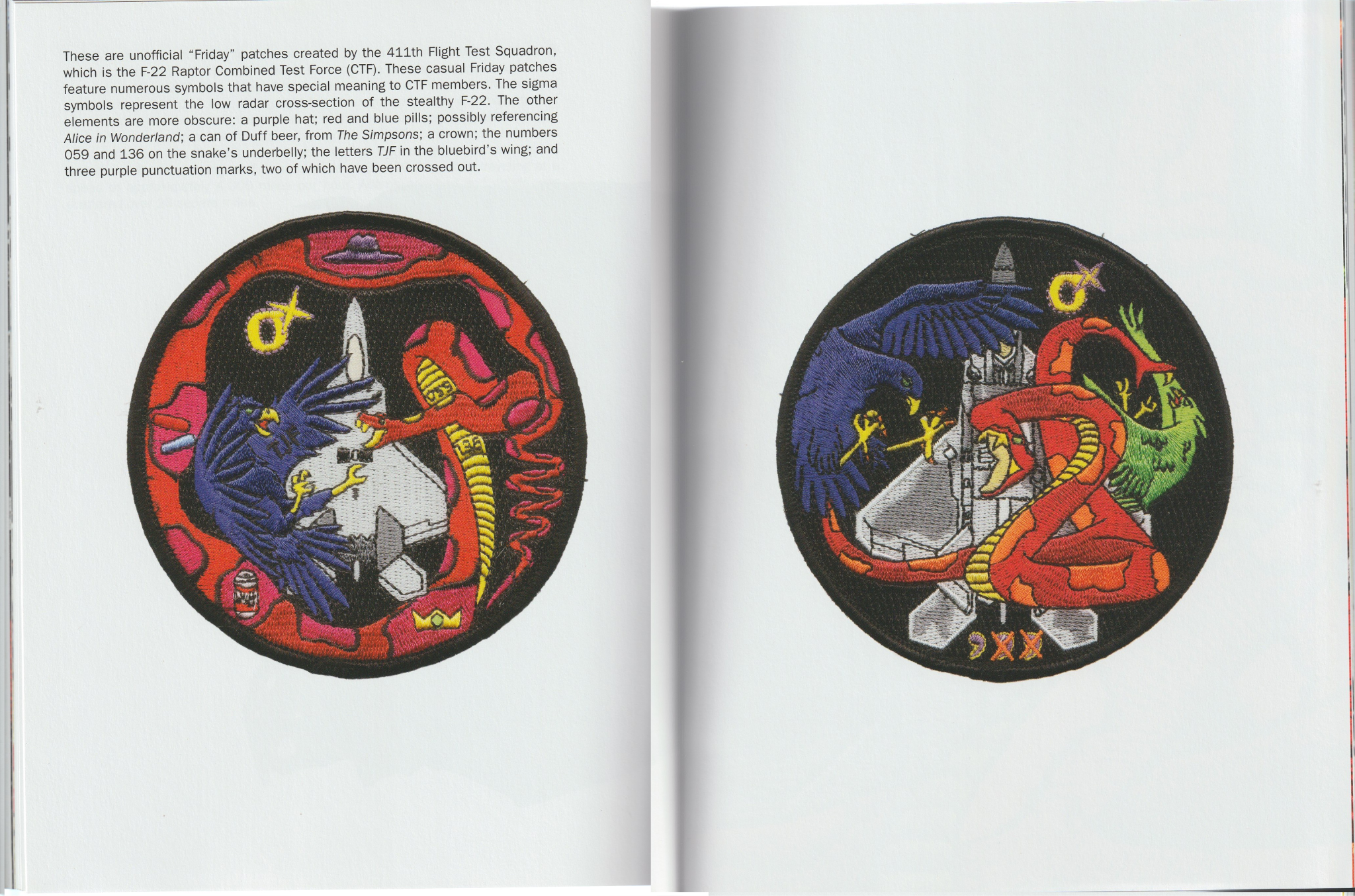
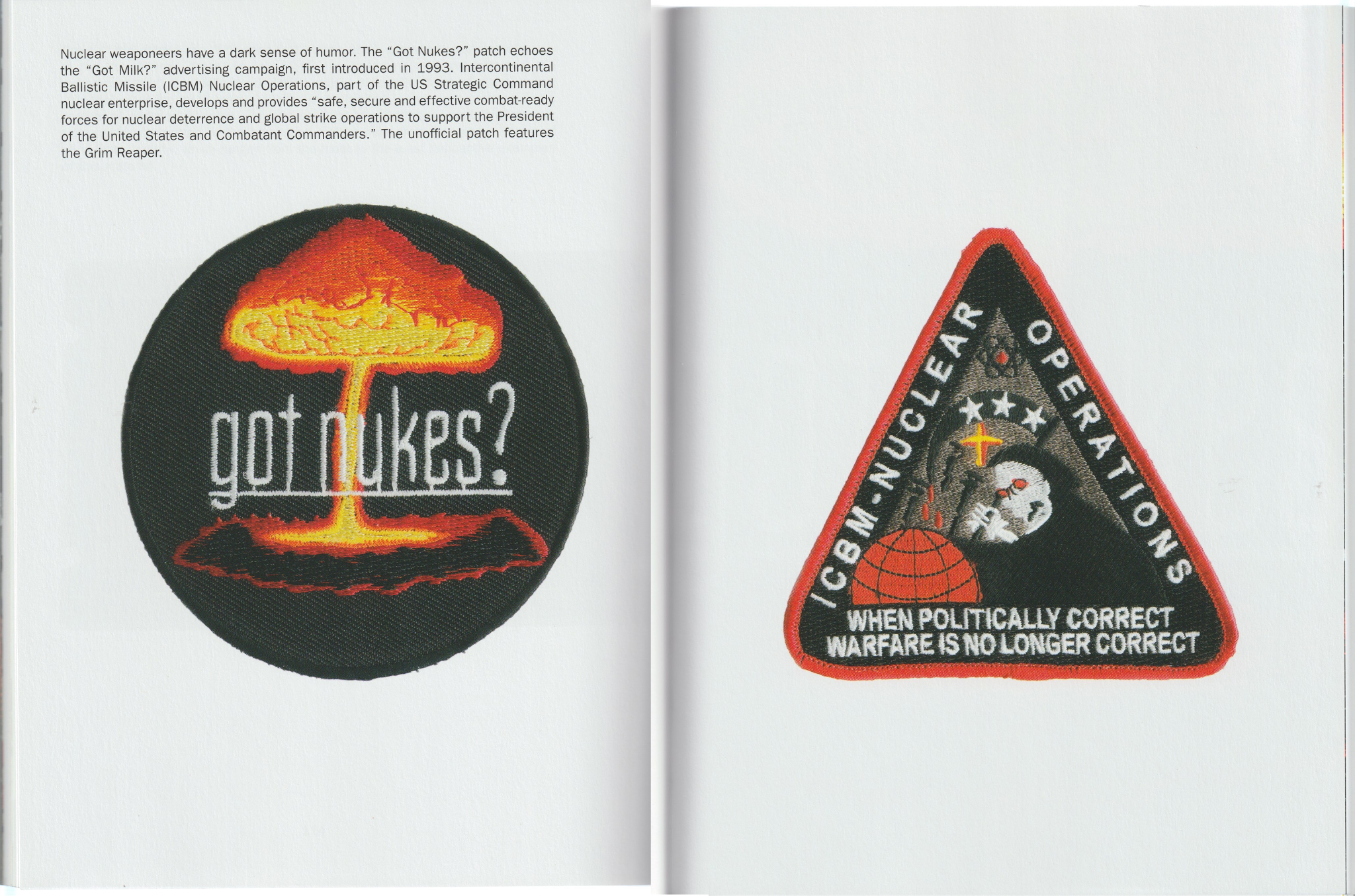
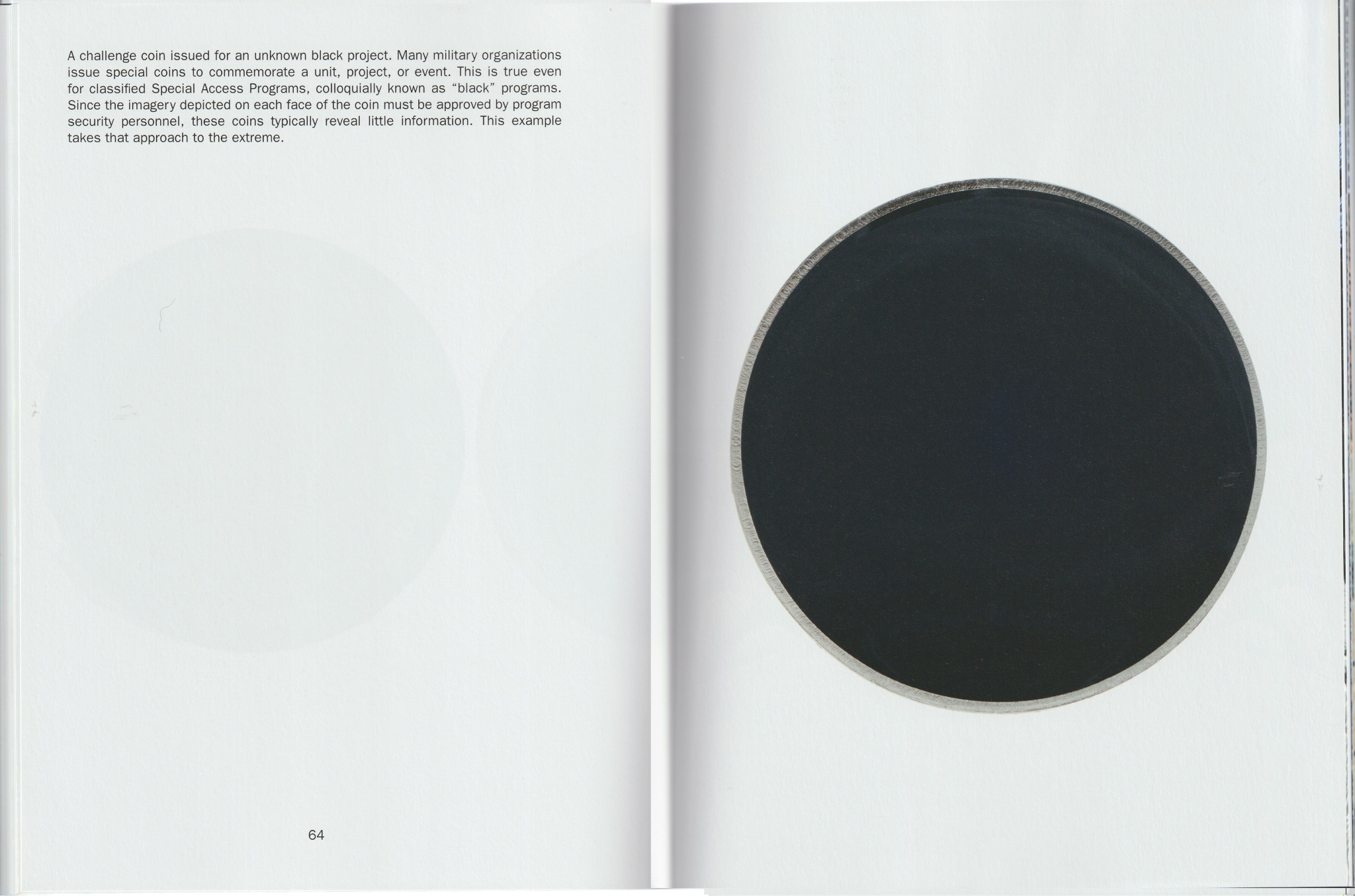
We’ve popped a more extensive selection of images plus the text written by Paglen about the collection in our paid subs folder here.
Upon encountering these images, we immediately searched for any work that’s been done on military insignia and recent-historical designs. The combination of esoteric imagery and popular culture references (e.g., Sauron’s eye and quotes from the X-Files) seem particularly ripe for interrogation. But sadly, there’s not been much done on these objects as of yet. Perhaps one of you guys wants to take up the mantle? We’d be very happy to publish your findings.
Trevor Paglin, the artist who put together the book has, however, dipped his toes a tiny bit. In this short blog post he considers these patches ‘outsider art’ which “can be rare glimpses into some of the niches of military culture” which is a pretty appealing way to frame it. He also highlights some terrible brainrot psyop patches and explains some of their meanings, which is both depressing and incredibly interesting (as most military-dress-related research is).
Most arresting, however, is the very casual fact that American fashion designer Bill Blass was, as a very young man, part of the first psyop group enlisted by the US Army during the Second World War called the Ghost Army. They were a secret force employed to create stuff like inflatable tanks or radio broadcasts to confuse the Axis powers:
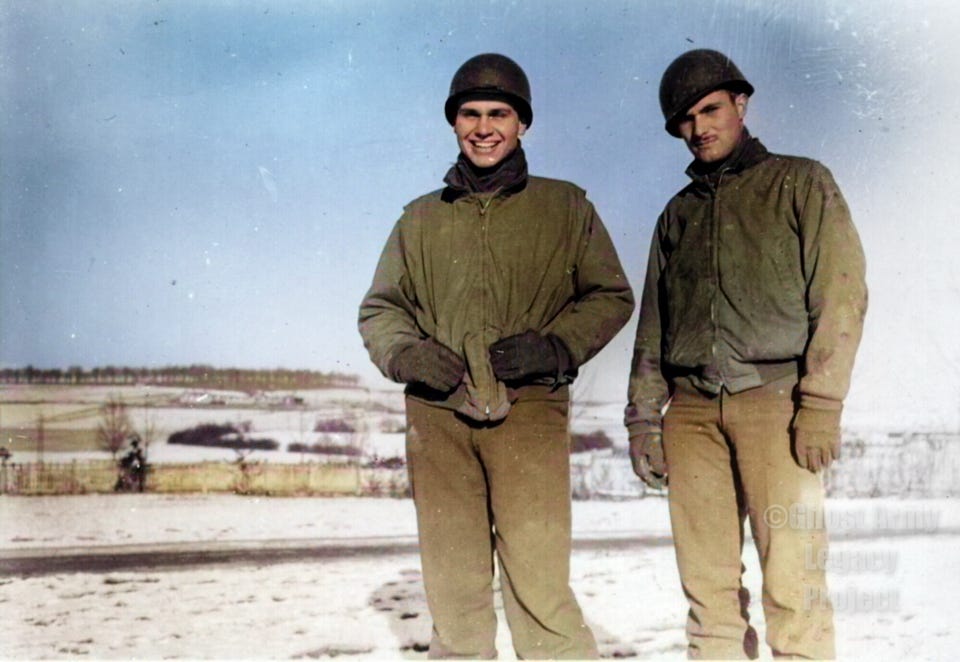
They had their own (made up) patches featuring fictional insignia:
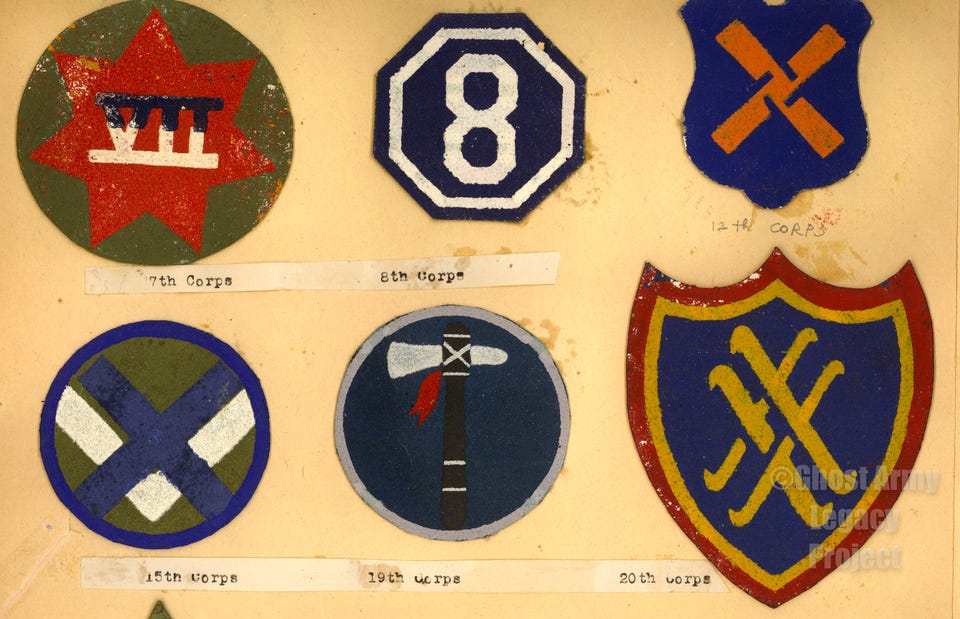
But their actual insignia looked like this. It is a symbol still used to this day for psyop guys in the US Armed Forces. It’s kinda cute, no? Which we obviously hate.

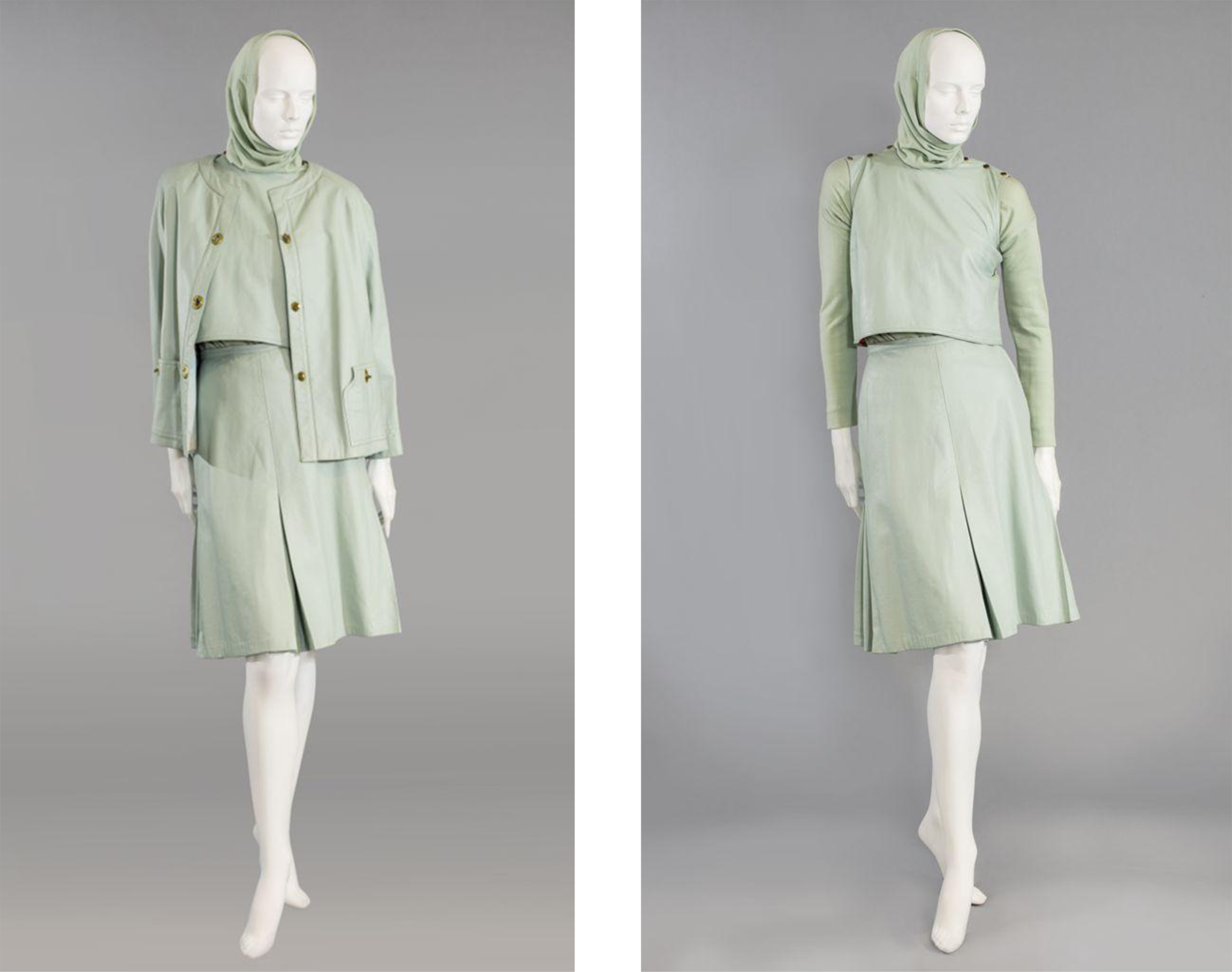
Bill Blass is the second American ‘sportswear’ designer (aka designer who made casual, comfortable clothes for women in the postwar period) we’ve discovered had intimate ties to the military during WWII. The other being Bonnie Cashin, who designed uniforms for women in the US Armed Forces and who received a Coty Award in 1950 for her designs that included aspects of ‘layering’, likely inspired from her time working as a uniform designer, for various reasons. We wrote a bit about her in the latest issue of Practice.
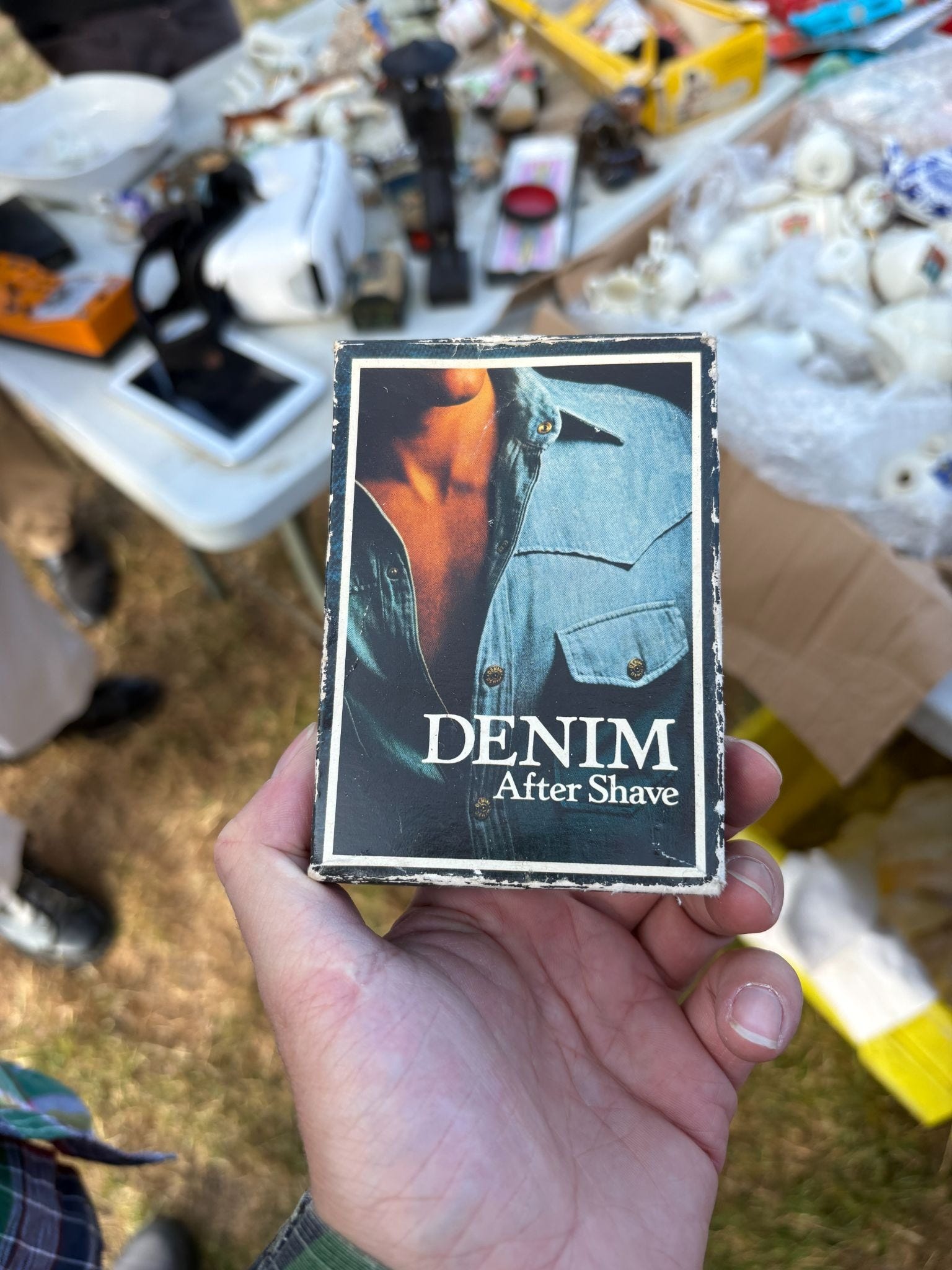
Apparently it smells very bad.
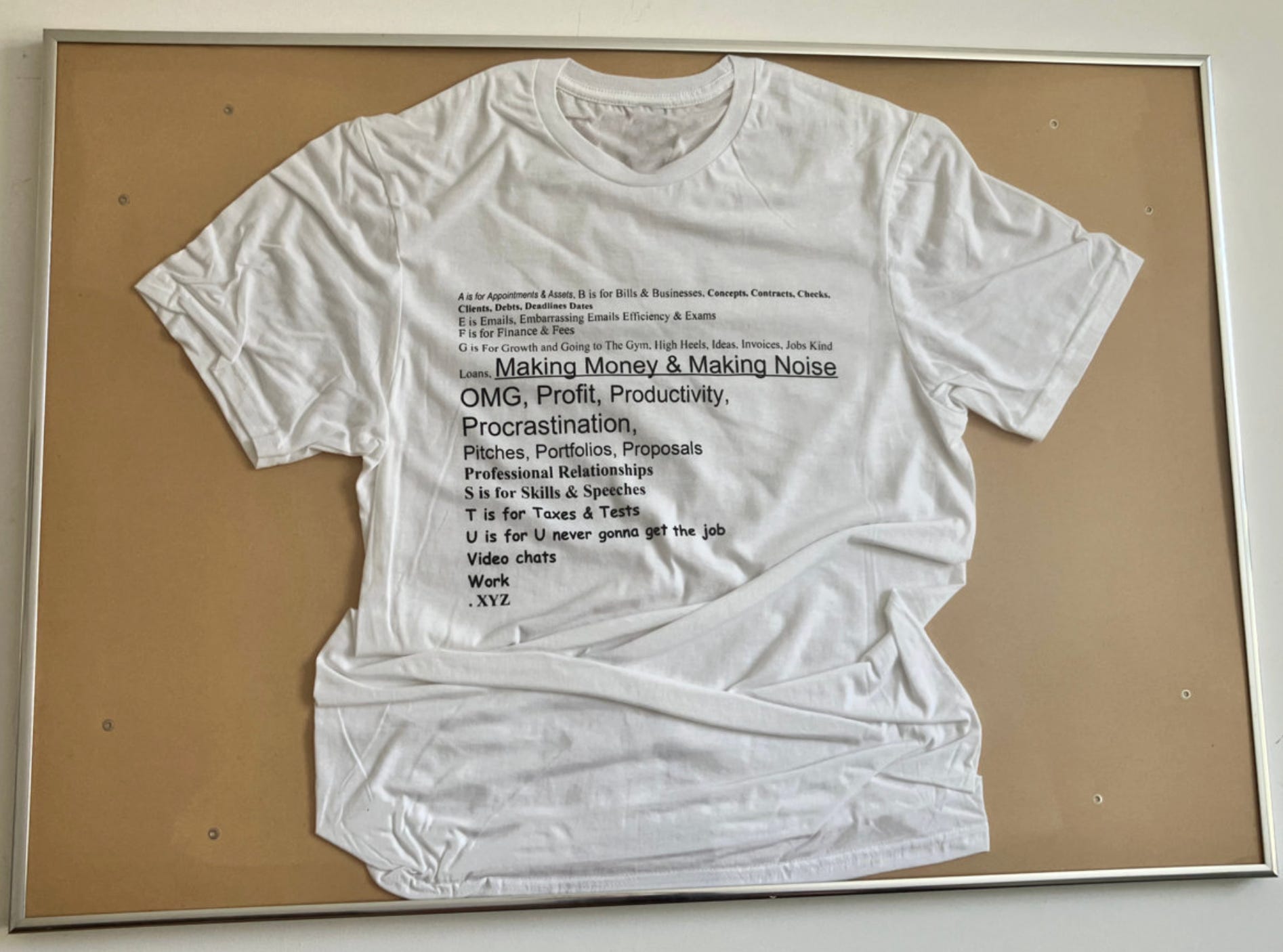
Been wearing ours all week. No word of a lie. Get yours here.
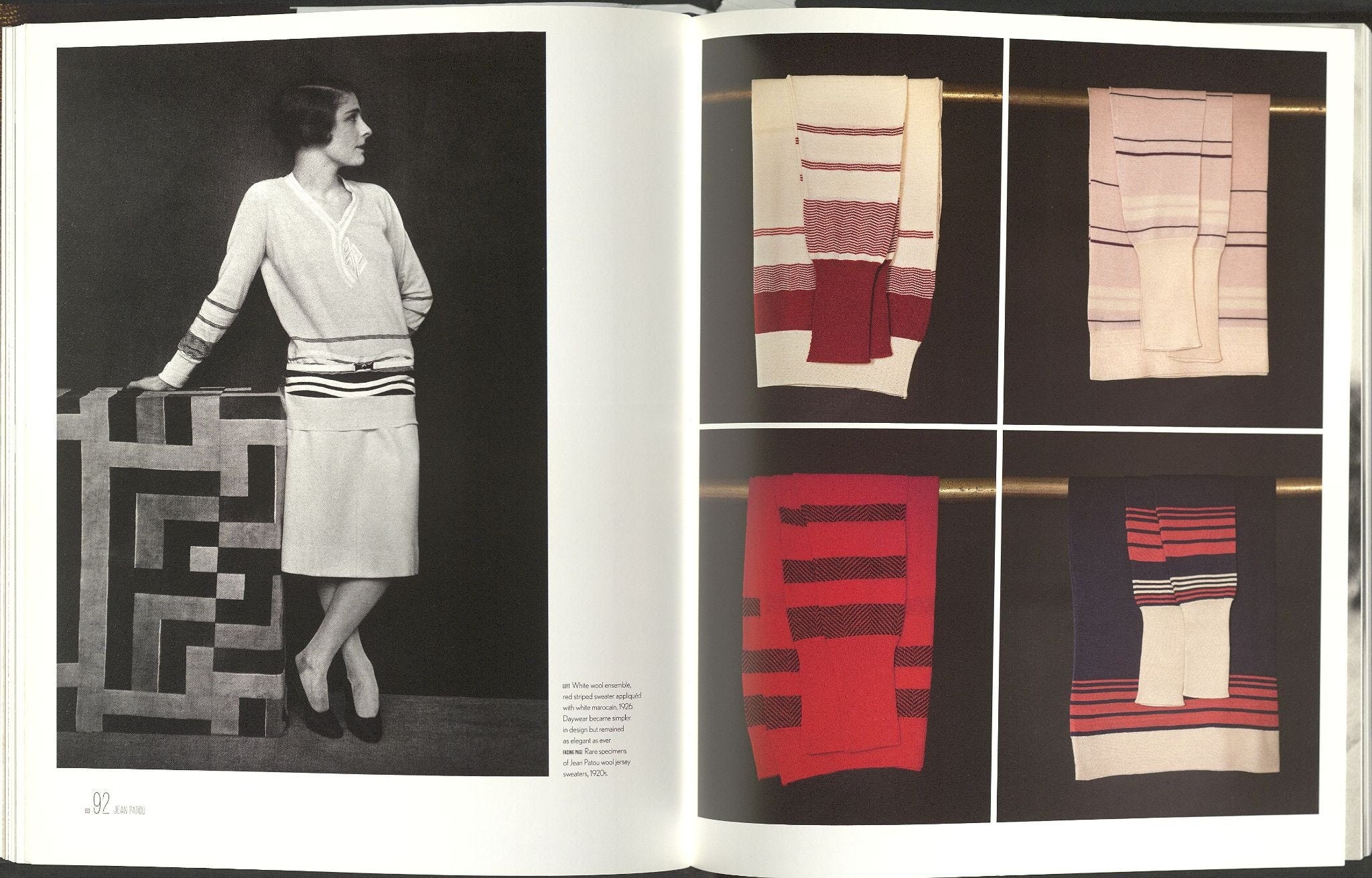
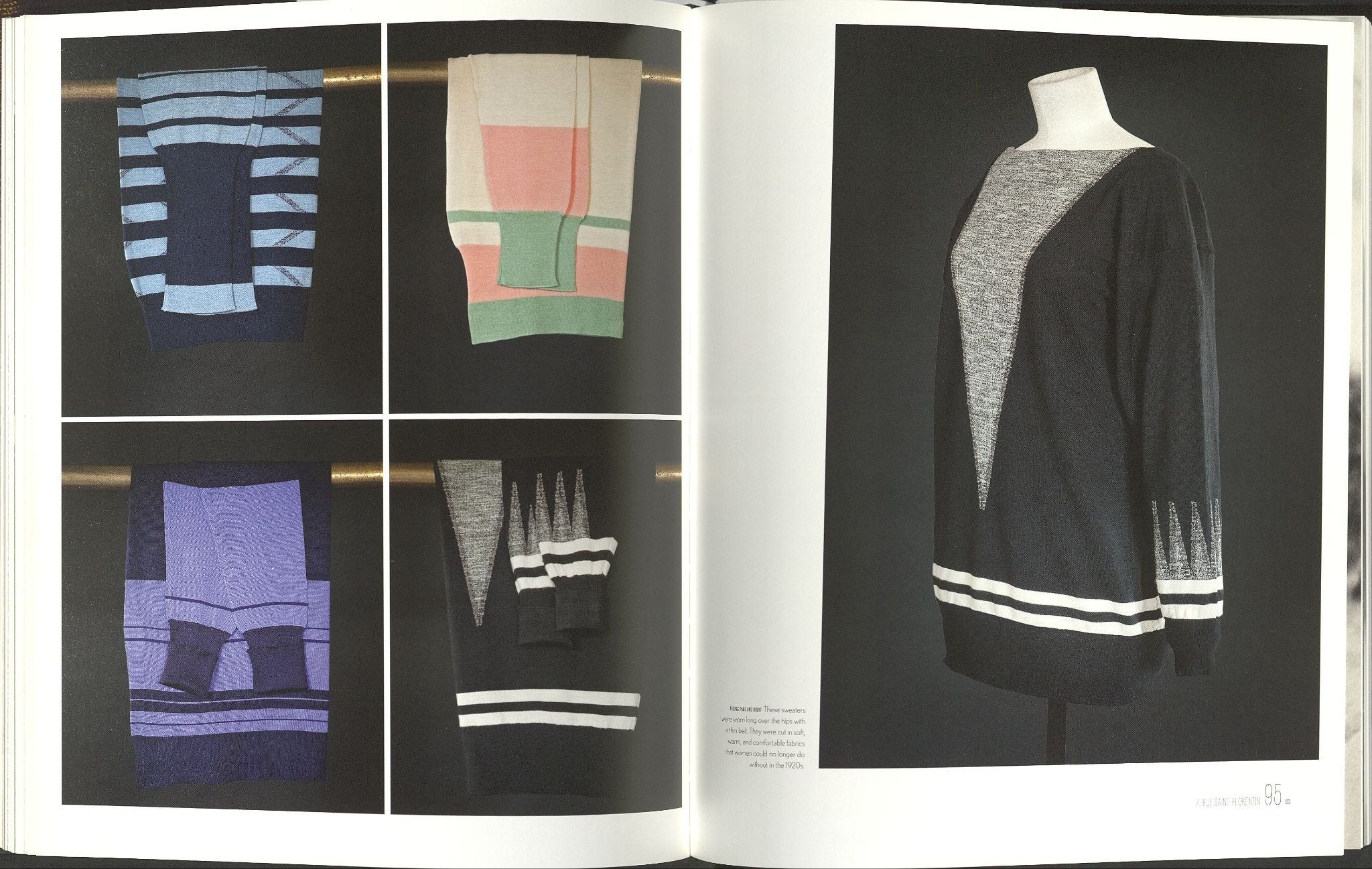
The geometric triangular forms and stripes feel very now, no? Or maybe where we are going.
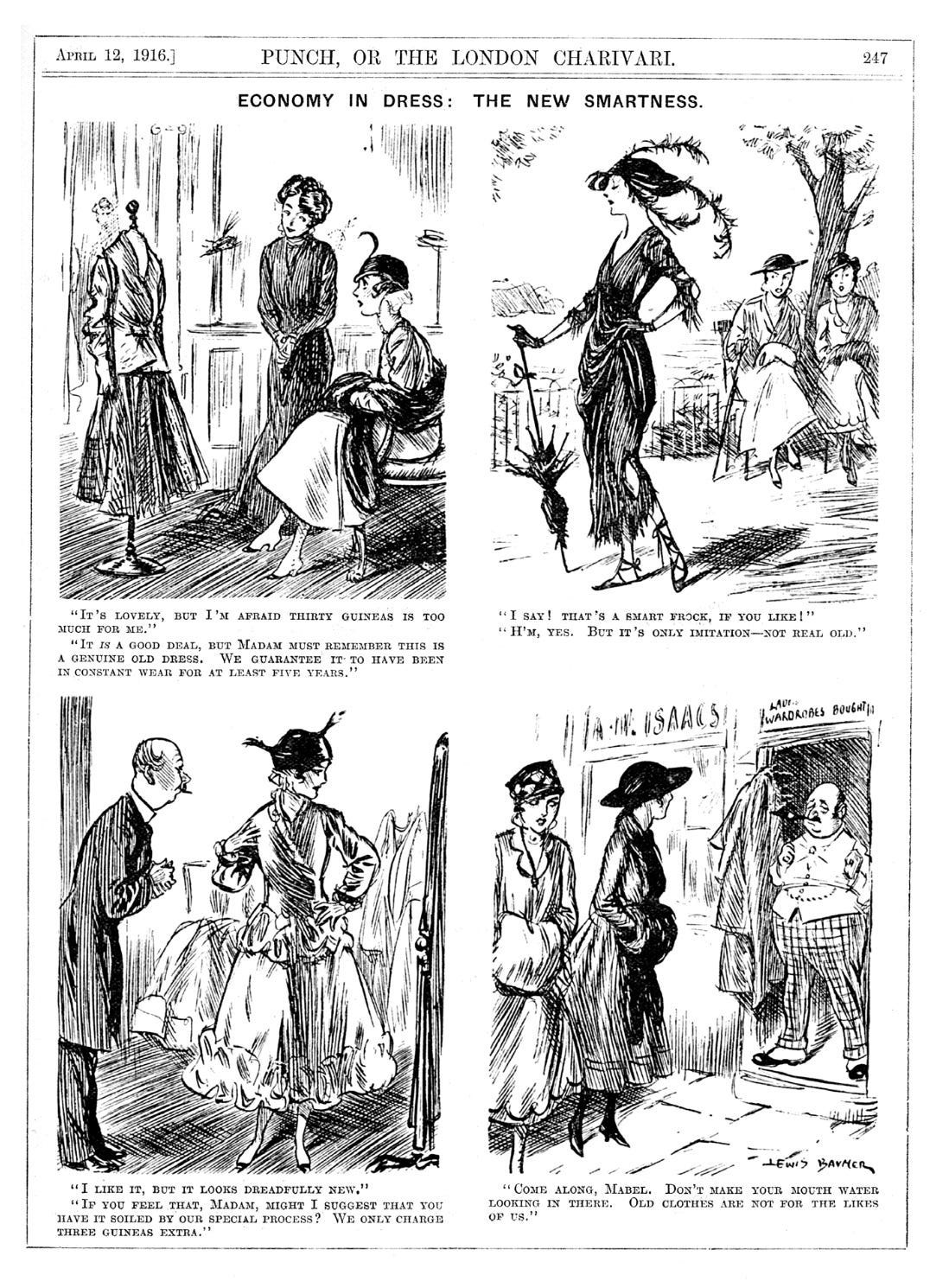
Ciao for now!
Want more?
Comments
Nothing yet. Say the first thing.
Sign in to join the conversation.