
If you’re new to my Substack, I’m a prostate cancer patient that has been receiving treatment with drugs that cause side effects that mimic those of perimenopause, menopause and sometimes post menopause. I’m in the unique position of being a biological man who understands the life challenges that many women experience in their menopause journey. I have experienced nearly every symptom of menopause, including hot flashes, memory loss, brain fog, fatigue, loss of sleep, muscle wasting, weight gain, depression, and low libido. In an effort to learn how to cope with my symptoms, I educated myself on menopause to see how women work through them. I have read countless books and articles by noted women health experts including doctors Lauren Streicher, Kelly Casperson, and Jen Gunther just to name a few. I’ve taken the time to learn about how changes in estrogen, progesterone, and testosterone levels affect women. In the process I have come to realize that women get treated like second class citizens even when it comes to women’s specific health issues. Women often get great care and attention during pregnancy but the quality of care they receive is clearly not up to the same standards once their reproductive years are over. It’s as if they no longer matter.
My main mission with my posts is to educate men on menopause issues from the perspective of a man who’s suffered with the same issues. I also hope to inform men how and why they can and should support their female partners from peri-menopause through post-menopause. If you’re a woman on a journey through menopause, I hope you consider printing out this post and sharing it with your male partner. Please consider sharing this post with a friend or re-Stacking it. I would be honored if you would do so. Also please consider subscribing. It’s free!
Sex and relationships
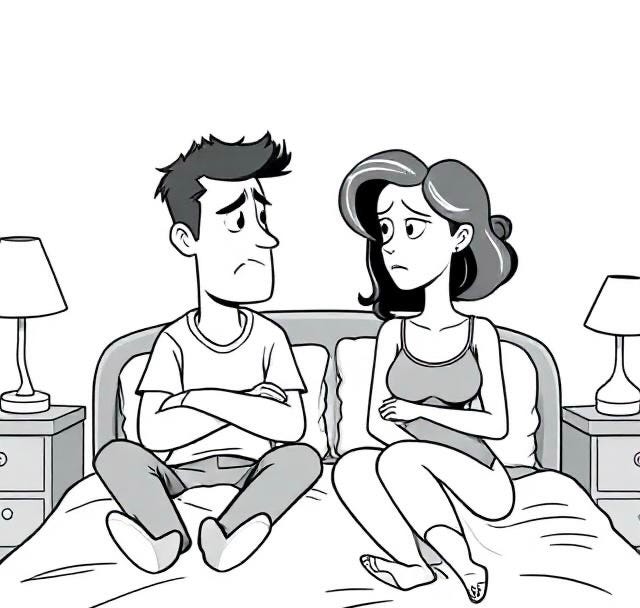
Of all the articles I’ve written about menopause with a focus on helping men understand what their wives/partners are going through, this is probably the most important article because the issue has the greatest potential to disrupt what are otherwise good relationships. Intimacy often suffers with menopause issues, at least temporarily, and most men are dumb as rocks when it comes to understating why. I know firsthand. I was dumb as a rock when my wife Pam went through menopause.
Writing from a male point of view and having experienced symptoms of menopause, I’ve seen the effect on intimacy from both perspectives. From the male perspective, men can’t relate to the effects of peri-menopause and beyond on their partner’s personal sexual experiences, at least not firsthand that is. To start, we men just don’t experience painful sex but wives and partners likely have at least to some extent if they’ve dealt with symptoms of menopause. Some men have experienced the fallout of painful sex when their wife/partner tells them that intercourse has become too painful to continue having. This may have even happened during the act of sex. Since we men don’t have a frame of reference to compare that to so it’s difficult for us to understand. Another thing most men can’t relate to is their partner’s decline or loss of interest in sex that’s the result of perimenopause, menopause and especially post menopause. Men lose desire too over the years but it tends to happen more gradually over time if erectile dysfunction isn’t present. That decline typically happens slowly so most men can’t relate to a loss of libido and often take the lack of interest as a personal rejection. The lack of understanding and the issues themselves can lead to serious relationship problems if either partner pulls away from intimacy.
When sex becomes painful
Before I continue, I wish to acknowledge the fact that the definition of “sex” is not solely limited to intercourse, and intimacy without intercourse is a sign of success in a healthy relationship, not failure.
I believe that it’s widely accepted that intercourse is often a regular staple in heterosexual relationships. Health issues related to menopause may inevitably play a significant role in whether intercourse remains pleasurable as the years go on. Decreases in estrogen levels during and after menopause may cause vaginal dryness resulting in painful intercourse. Northwestern University in Chicago put out a press release in 2023 stating that up to 84% ofwomen will experience painful intercourse at some point in their menopause journey which includes post menopause. It also reported that only about 4% of these women get the medical help they need to correct the underlying issue(s). Sex is supposed to feel good and I can’t imagine anyone enjoying intercourse if it’s painful. Unless that pain is eliminated, intercourse is likely to drop off the menu of intimacy options.
Talking about issues related to sex is difficult for many people. It takes a lot of courage for a woman to tell her primary care physician or OBYGYN that she’s experiencing pain within intercourse, and especially lack of libido for that matter. From what I’ve heard from friends and read here on Substack, many, if not most doctors are afraid to even broach the subject and most are not well trained on the matter. Often times women are often told that vaginal dryness is just a natural part of aging, unavoidable, and that the answer is just better/more lube. To paraphrase what Dr. Lauren Streicher writes in her best selling book “Love Sex Again”, a bathtube full of lube won’t relieve the pain if the root cause is low estrogen. Dr. Streicher goes on to write that topical estradiol vaginal cream is safe, effective and can go a long way towards eliminating the root causes of painful sex caused by low estrogen, as well as prevent urinary tract infections. Estradiol cream requires a prescription here in the US, is typically available at local pharmacies, and from what I’ve read is covered by most insurance prescription plans. There are also other possible causes of painful sex, and since I’m not a doctor, just kind of a science nerd, I’ll just say that any woman experiencing pain with intercourse needs to talk to a medical clinician trained in this area. The situation is far from hopeless.
Where did my Mojo go?
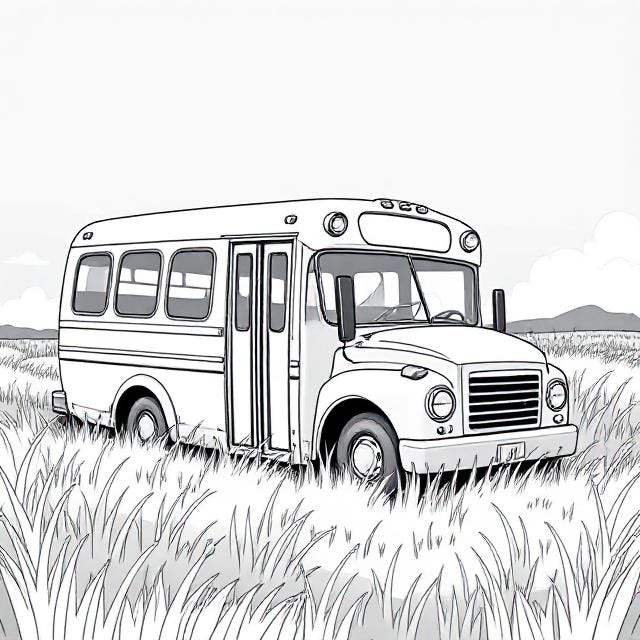
If you’re going through peri-menopause, menopause, or are post menopausal and you’re interest in sex is not what it used to be, I understand. I did not understand before, but trust me; I do now. Before cancer treatment, I had normal levels of testosterone and a healthy libido for a man my age. That libido dropped substantially but was still present to some extent when cancer drugs reduced my testosterone to 15% of normal. Figuratively speaking, the wheels of my “libido bus” rolled along, just at a reduced pace. Seven months after starting androgen deprivation therapy (ADT for short), my testosterone fell to just 1% of normal. The bus stalled and ground to a stop. It wasn’t just the lack of testosterone alone. It was a combination of depleted testosterone, hot flashes that never ended, loss of sleep, depression, fatigue, and brain fog. It was like nothing I ever experienced before. I felt lost and broken. If you’ve gone through something like this or are going through it, I can relate. I’ve been there. You can look at your spouse/partner and recognize that they’re still attractive and that you love them deeply and have little to no interest in sexual intimacy. It’s not them; it’s your hormones or lack thereof causing the issue. A normal reaction is to withdraw and avoid situations that lead to intimacy. Not only is that not constructive, it may have long term negative consequences to your relationship.
How can anyone not like dessert?

Before I experienced this, I always thought that libido was similar to one’s affinity for eating dessert. I always thought “who doesn’t like dessert?” ice cream, gelato, Italian ice, apple pie, a warm brownie, pudding; a cookie perhaps? Perhaps you enjoy dessert once a week; maybe twice if you really like dessert. You look forward to having dessert and while you might enjoy an occasional dessert by yourself you really enjoy having dessert with your spouse or partner. You can’t imagine life without dessert. The reality is one day may come along and those cookies no longer catch your eye. At best you can take it or leave it. At worst you may not be interested to even hear what is on the dessert menu and you’ll pass the chance to share dessert with your best friend. Your best friend won’t understand because they’ve loved sharing dessert with you and may feel crushed at the rejection. It’s understandable. You’ve shared a lot of great desserts together and it’s reasonable that they expected to share more in the future.
Back to the stalled “libido bus”
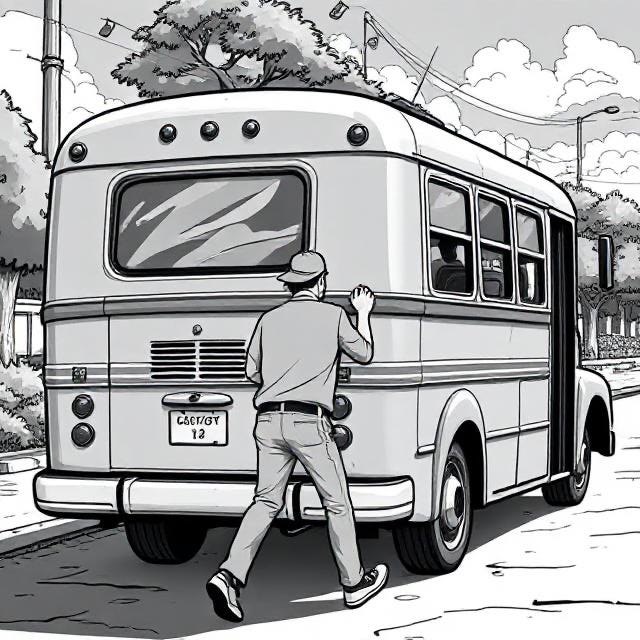
When my testosterone plummeted my “libido bus” stalled. My two choices were: 1.) Get off the bus and start walking; anywhere, or 2.) Give up. I was fortunate. Two women friends who were following my cancer journey understood that my menopause-like symptoms were the result of low testosterone and both suggested that I receive adjuvant testosterone therapy. I explained that wasn’t possible and asked why they suggested that. They candidly shared that they were using doctor prescribed testosterone gel for years to address low libido and vaginal estradiol to address painful sex, and estrogen patches to relieve hot flashes, brain fog and other symptoms of menopause. It was because of them that I became deeply interested in the science an life reality of menopause and became interested in becoming educated and helping others. I was greatly impressed that both women wanted to live their best lives which included maintaining intimacy in their marriages. We never got “deep into the weeds” with conversations of their sexuality but I came to understand how important it was to keep intimacy alive in a relationship, for the sake of the relationship. I came to understand the value of leaning in to address the issue rather than pulling away to avoid it. I learned that if I couldn’t hitch ride on the libido bus, I’d have to get out and push it to keep it moving down the road. I re-learned the importance of non-sexual intimacy with my wife; holding hands, snuggling, holding her or being held, and kissing for the sake of kissing. I also learned that desire could be responsive if I gave it a chance.
Back on the road again
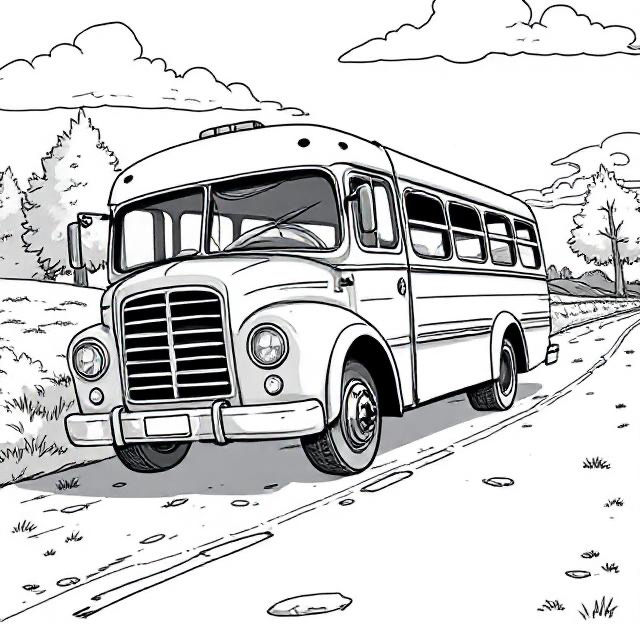
As I write this it’s been 11 weeks since I stopped taking the drugs that were suppressing my testosterone to starve my prostate cancer. Hopefully the drugs did there job and the cancer won’t return. Unlike a women who has low libido and might be prescribed female doses of testosterone, I can’t raise my “T” level with testosterone gel. My body has to learn to produce T on its own again. I’m monitoring my testosterone level with regular blood tests. My current level is just above half of the normal low limit. My brain fog has lifted. I have more interest in doing things and less fatigue. I’m sleeping better. I have fewer hot flashes. Lastly, my libido is returning. The “wheels on my bus” are turning again! The bus isn’t driving briskly but it’s moving. I look at my wife Pam and smile. She’s my best friend and the love of my life. I desire connection emotionally and physically and it will only get better as my testosterone returns to normal.
What I hope my readers take away from this post
If you’re a woman reading this article and you are having painful sex and/or loss of desire, you are not broken. Let me repeat that. You are not broken! Assuming you don’t need HRT in the form of Husband Replacement Therapy, and desire to keep intimacy in your relationship, there is hope. Talk to your partner about what you’re feeling and work out a plan to get medical help you need and keep intimacy in your life together.
If you’re a man reading this article and currently, your wife/partner doesn’t want sex right now due to painful in intercourse or loss of libido from issues related to menopause, don’t take it personally. I know that’s challenging. I’ve seen both sides of this issue. You need to be willing to listen to what she is experiencing and discuss your mutual needs without shame or personal blame. Support her and be patient.
If intimacy has been off the table for more than a short while, you’ll both need to be patient and understanding with each other as the wheels get turning on the bus even with medical intervention. It takes time for estrogen and testosterone to do their jobs. If the absence of intimacy has resulted in deep seated anger and resentment, some counseling might appropriate to put them in the past to be forgotten.
It’s my belief that men in loving and caring relationships can and should help their partners through their menopause journey. The first step is to understand what the health issues are. The second step is for both partners to get educated as to what options are available to help alleviate symptoms of menopause with the mutual goal of retaining an acceptable level of intimacy. The third step is to find a clinician that can facilitate needed care. There is no reason that a man can’t participate in doing research on clinicians if their partner asks for help.
I have some suggested reading for both of you.
“LOVE SEX AGAIN” by Dr. Lauren Streicher
My wife and I have both read this book cover to cover and it’s been helpful for both of us. Dr. Streicher uses humor to demystify anatomy, hormones, and educate how to keep intimacy alive during and after menopause. There’s also a lot of useful information about finding the right clinician to help you on your menopause journey.
“YOU ARE NOT BROKEN” by Dr. Kelly Casperson
I have read this book as well. It’s excellent and there is an additional focus on cultural and psychosocial causes of lowered libido and great information about testosterone replacement.
Substack “COME AGAIN” by Dr, Lauren Streicher
This is a multi-part subscription based podcast available through Substack that addresses every concern I’m aware of regarding female sexual health and anatomy, desire issues and problems with orgasm. It’s combines the information from all of Dr. Streicher’s books into a one-stop-shopping, easy to listen to and absorb format. I love Lauren’s use of humor to destigmatize sexual challenges associated with menopause. If you subscribe to this you’ll likely want your partner/husband to view select episodes to better understand the challenges you face.
All included images generated by DeepAI.com and are copyright free.
No posts
Comments
Nothing yet. Say the first thing.
Sign in to join the conversation.