

As an aging professor, I find myself increasingly interested in articles about #preventing and treating dementia. Like many others my age, I can’t remember where I last left my keys, my cellphone or the book I was reading. I need 20 minutes to come up with people’s names including those I know well. I have to make several attempts to find the word or phrase I’m looking for in conversation,
My brain seems to operate on a “first in, last out” principle meaning I remember things I learned in my youth in vivid detail but don’t ask for details on the weekly grocery list.
These issues are compounded in conversation with my wife and friends. We frequently have conversations that consist of each other trying to guess the word we were looking for based on the context of the conversation. Sometimes we find it and at other times we just give up.
It is estimated that 1.2 – 2 per cent of Canadians have been diagnosed with #dementia. The rate climbs to 15-20% of patients over 80. Women account for two-thirds of patient but that may be because far more women than men live past 80.
In writing this article, I grabbed one morning’s stories from my daily newsfeed. This comprised 12 stories with the following titles:
- Study links nitrates in drinking water to dementia risk
- Researchers urge targeted supplement use in older adults
- A dietitian avoids supplements except for these 3
- 3 common sleep issues may be early warning signs of dementia
- Eating this common vegetable could help fight Alzheimer’s disease
- This vitamin can affect your brain even 16 years down the line
- Experimental treatment could ease misunderstood dementia symptoms
- Study reveals why women are more likely to develop memory loss and dementia
- The foods that Alzheimer experts want you to cut back on
- Scientists pinpoint link between low levels of vitamin c and increased risk of dementia
- Eating eggs 5 times per week could slash Alzheimer’s risk (supported by the Egg Industry)
- The everyday drinks that could ward off Alzheimer’s disease (coffee and tea)
- Neurologists reveal the no. 1 food against memory loss and Alzheimer’s disease
Two more stories appeared since I started writing this piece.
Dealing with this volume if information has been described as “drinking from a firehose.” It’s axiomatic that if there are 10 treatments for a condition, no one really knows what causes it or what to do about it. However, the internet is full of do’s and don’ts.
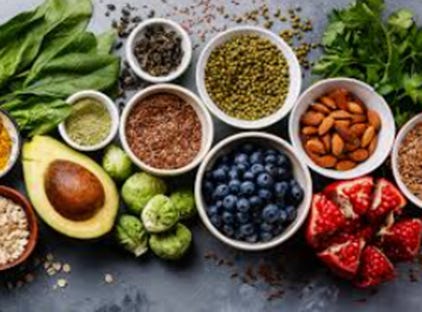
Among some of the do’s
- Get enough sleep
- Maintain hydration
- Eat Foods high in antioxidants (green leafy vegetables, nuts and blueberries)
- Eat foods high in fish oil (natural anti-inflammatory-30% decrease in dementia)
- Use olive oil in preference to butter (butter is high in saturated fat, while olive oil is considered protective)
- Drink coffee daily (3 cups/day associated with an 18% lower risk of dementia)
- Stay active (motion is lotion)
- Stay social (social interaction challenges your mind)
- Do new things (novelty stimulates your brain)
- Do mind work i.e. work, hobbies, Scrabble, Wordle, Bridge
- Actively treat any chronic inflammatory condition i.e. Rheumatoid arthritis
- Hang around young people (Try “to celebrate “the young people you hang around)
- Get a dog (The dog will “celebrate” you and keep you more active)
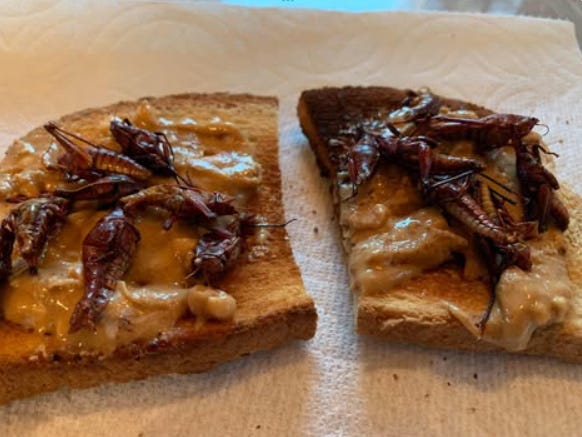
Some of the Don’ts
- Avoid excessive alcohol (some consider alcohol a metabolic poison)
- Avoid refined sugar in the diet (including fruit juices) 30% increase of dementia
- Avoid salty foods (salt causes high blood pressure brain damage in some people)
- Avoid drinking water with high levels of nitrates
- Avoid foods with high nitrite preservatives (bacon, sausages, deli meats, pâté)
- Avoid overly processed foods (preservatives are considered proinflammatory)
- Avoid being overweight (Some authorities feel Alzheimer’s can be considered Type 3 diabetes)
- Reconsider taking glucosamine supplements which has been linked to faster dementia progression. A recent observational study among dementia patients, glucosamine use was linked to a 25% higher risk of death, though no such effect was seen in early memory decline cases.
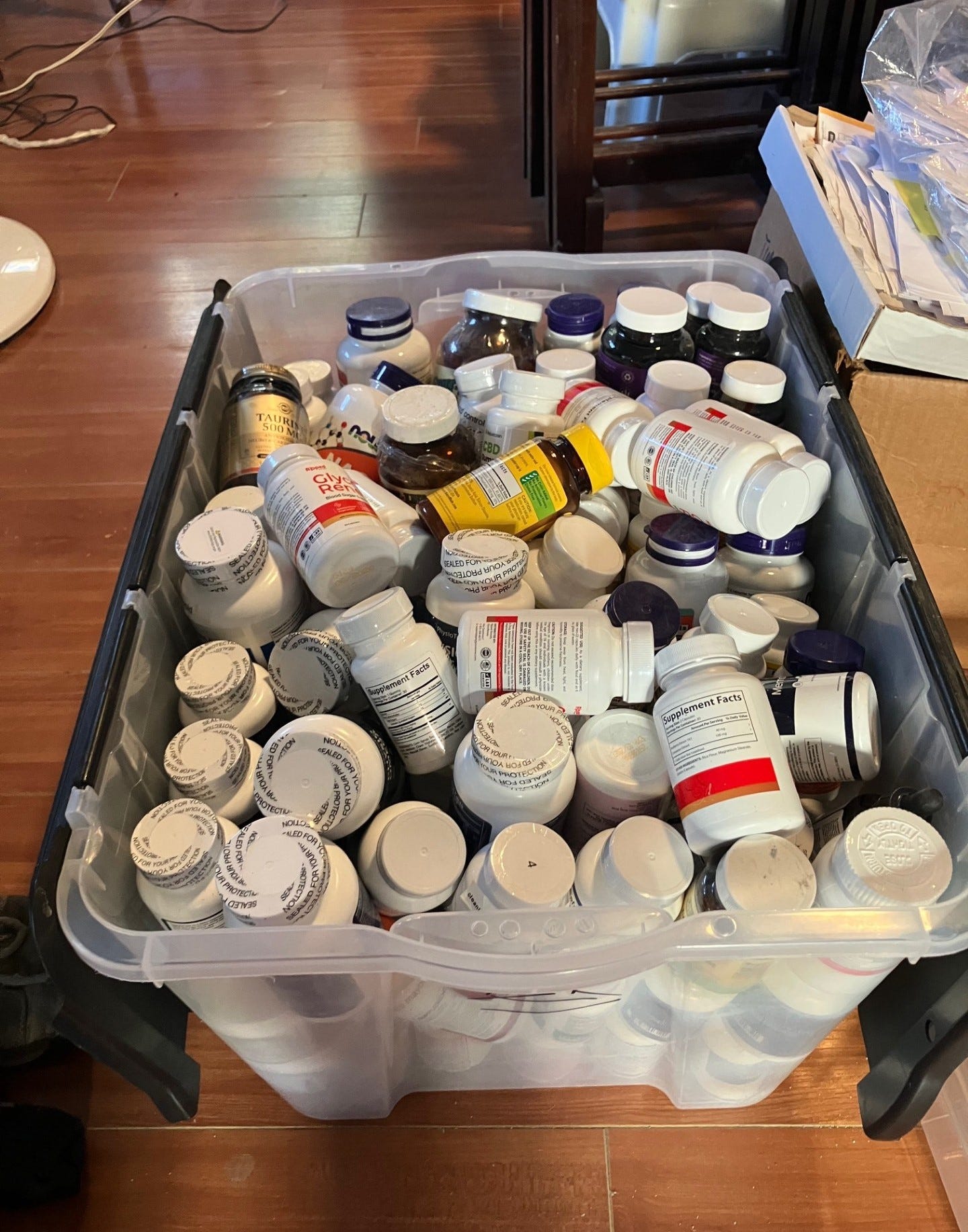
Example of a very poor study
- Vitamin C - Experts from Hirosaki University analyzed data and brain scans from over 2,000 adults aged over 65 and found that participants with lower levels of the vitamin in their blood also had less grey matter.
- (This kind of “guilt by association” is meaningless)
In Conclusion
As advanced age is the greatest risk factor for dementia, avoid living too long, which will likely occur, if you follow all the do’s and don’ts I have listed above.
Comments
Nothing yet. Say the first thing.
Sign in to join the conversation.