
The “Mosquito Cowboys” is my affectionate term for the flying skills of the helicopter pilots from our local mosquito control district. Every summer we get about 3-6 flybys of the helicopters dropping biological pellets in our wetland to control the abundance of various species of mosquito larvae. The way these helicopters maneuver to treat the many wetlands in our city is quite something to witness.
Our wetland complex is small - 6 acres - surrounded by large trees which the pilot skims above and always banks off the roof of our house for another pass. Other than the momentary noise, these helicopter pellet treatments are highly effective in reducing mosquito populations and are applied in an environmentally conscious manner.
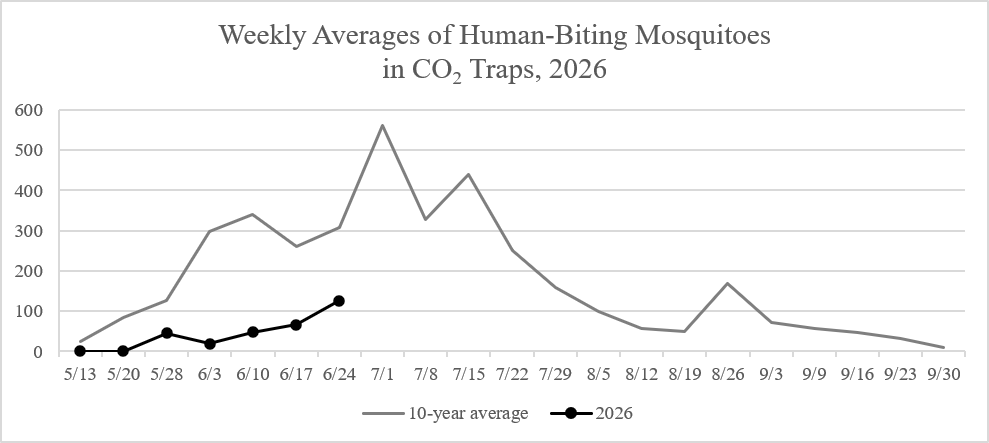
The Metropolitan Mosquito Control District - here in the Twin Cities - is a stellar government agency that flies under the radar (no pun intended). It does an excellent job at administering its objectives in a cost effective manner with knowledgeable and friendly staff and a transparent website with lots of helpful public information. The technicians visit our wetland about twice a month to sample the larvae in our pond to see what is hatching. They are always pleasant to talk with and share what they are finding. The District puts out weekly updates for those who want to geek out on mosquitos - or just wonder why there are or aren’t many mosquitos yet this summer.
How do these treatments affect the local environment especially bird species that eat mosquitos?
According to the District:
Helicopters apply a dry granule or pellet containing a natural soil bacterium or a mosquito growth regulator to wetlands and large areas of standing water to prevent larval mosquitoes from becoming biting adults. These are bio-rational control materials which specifically target mosquito larvae and pose no risk to human or animal health. MMCD helicopters DO NOT apply liquid control materials that target adult mosquitoes.
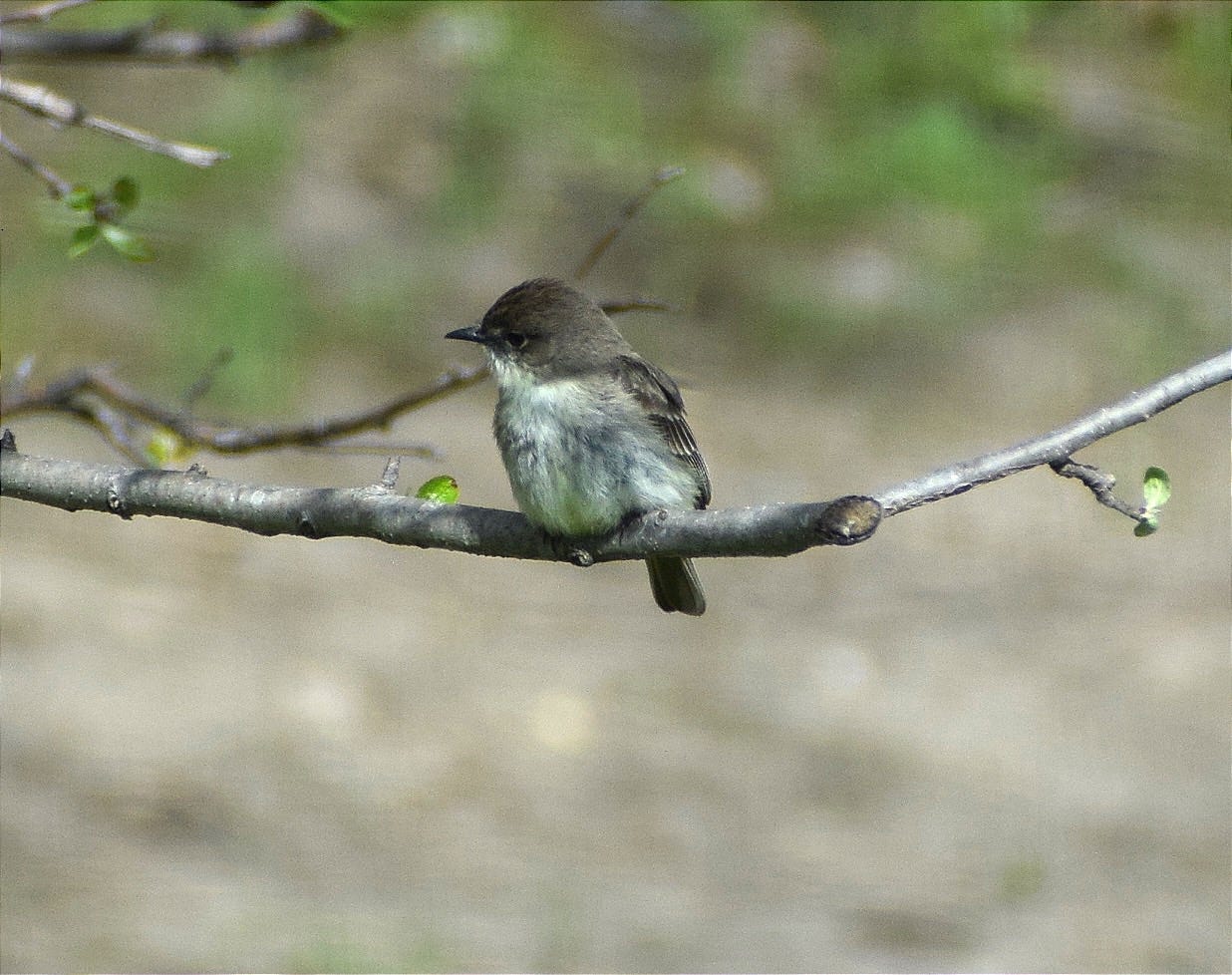
Surprisedly, most birds don’t eat adult mosquitos. When some do, like flycatchers and hummingbirds, mosquitos make up a very small percentage of their diet. Actually mosquitos bite birds too - making birds a primary host of the West Nile virus which can sicken or kill them.
Female mosquitos lay their eggs in or on the edge of water surfaces. The eggs hatch into wiggling larvae which is an important player in the aquatic food chain serving as prey for fish, aquatic insects, amphibians and waterfowl.
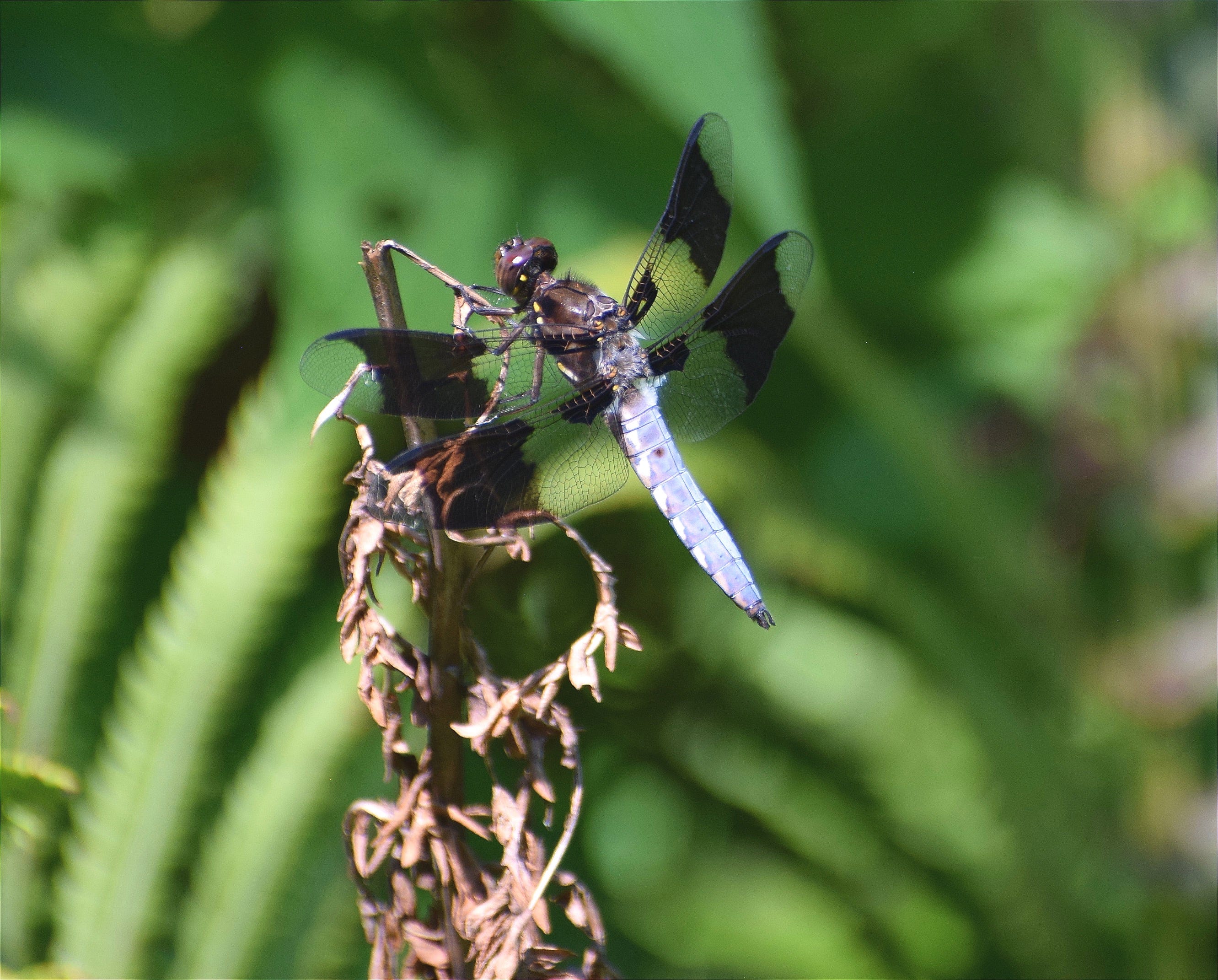
There is no doubting mosquitos are very annoying - and at times - harmful insects. Not too dissimilar from coping with a yard full of ticks. There are tradeoffs in trying to control them. What can be hazardous to the environment is the practice of mosquito fogging where a mist of non-selective insecticide is sprayed in an area such as a backyard to kill the adult mosquitos. Many homeowners wanting to have their backyard “mosquito-free” in the short-term might not realize that they are doing more systemic damage in the long run because these foggers contain a broad spectrum insecticide that will kill the beneficial insects as well. Instead of fogging, setting up a few fans can keep mosquitos away from patios and decks when entertaining without destroying the delicate insect ecosystem.
Comments
Nothing yet. Say the first thing.
Sign in to join the conversation.