
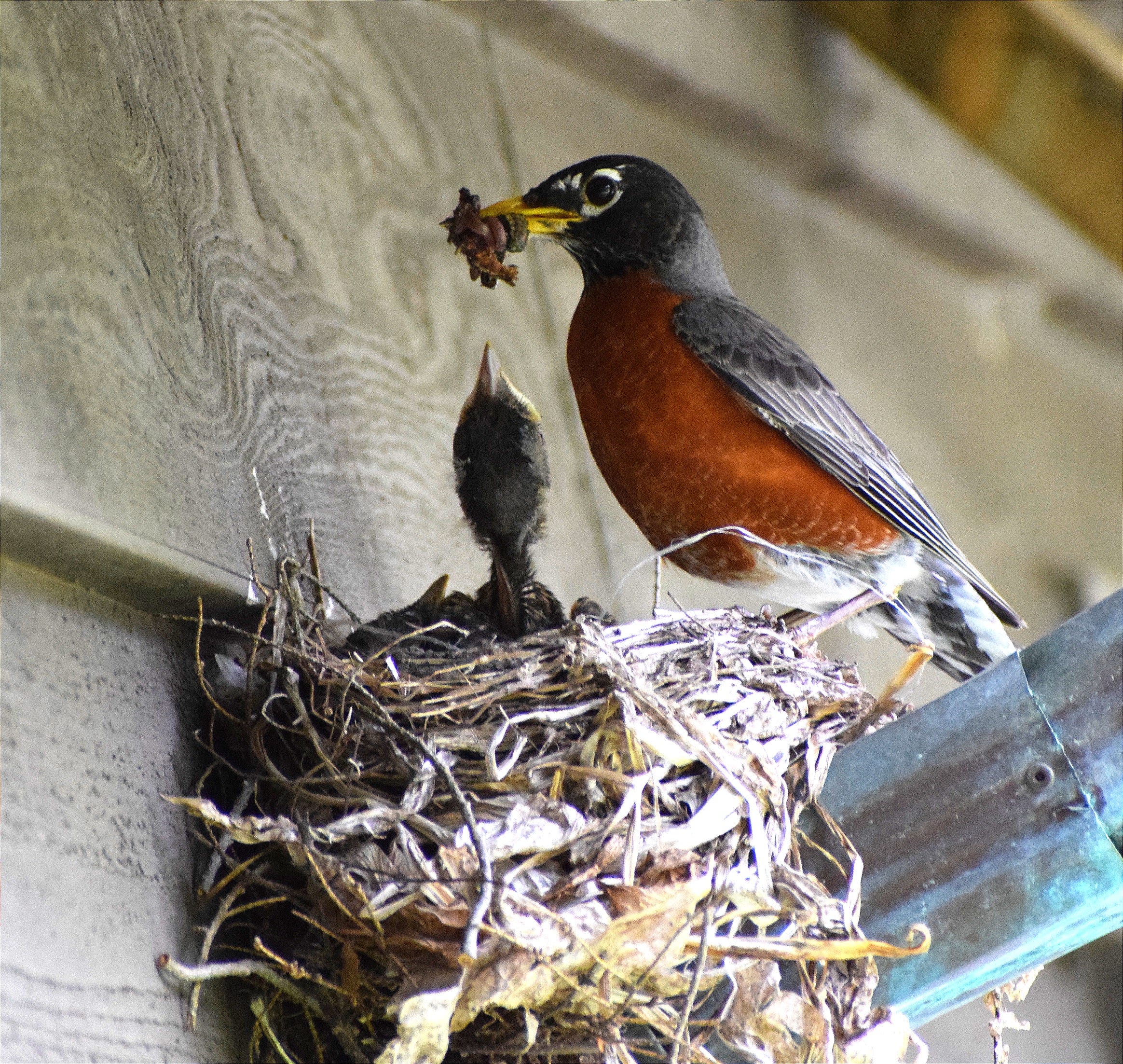
Do birds need supplemental feeding in the warmer months? The simple answer is no when there is healthy habitat nearby. By healthy habitat I mean native plants, shrubs and trees that will host a variety of invertebrates for most songbirds to feed themselves and their youngsters. Insects, worms and spiders are the foundational food for the successful development of baby birds in the summer. Seeking out the protein-packed, easy to digest food of insects especially caterpillars is an essential activity for adult birds raising young.
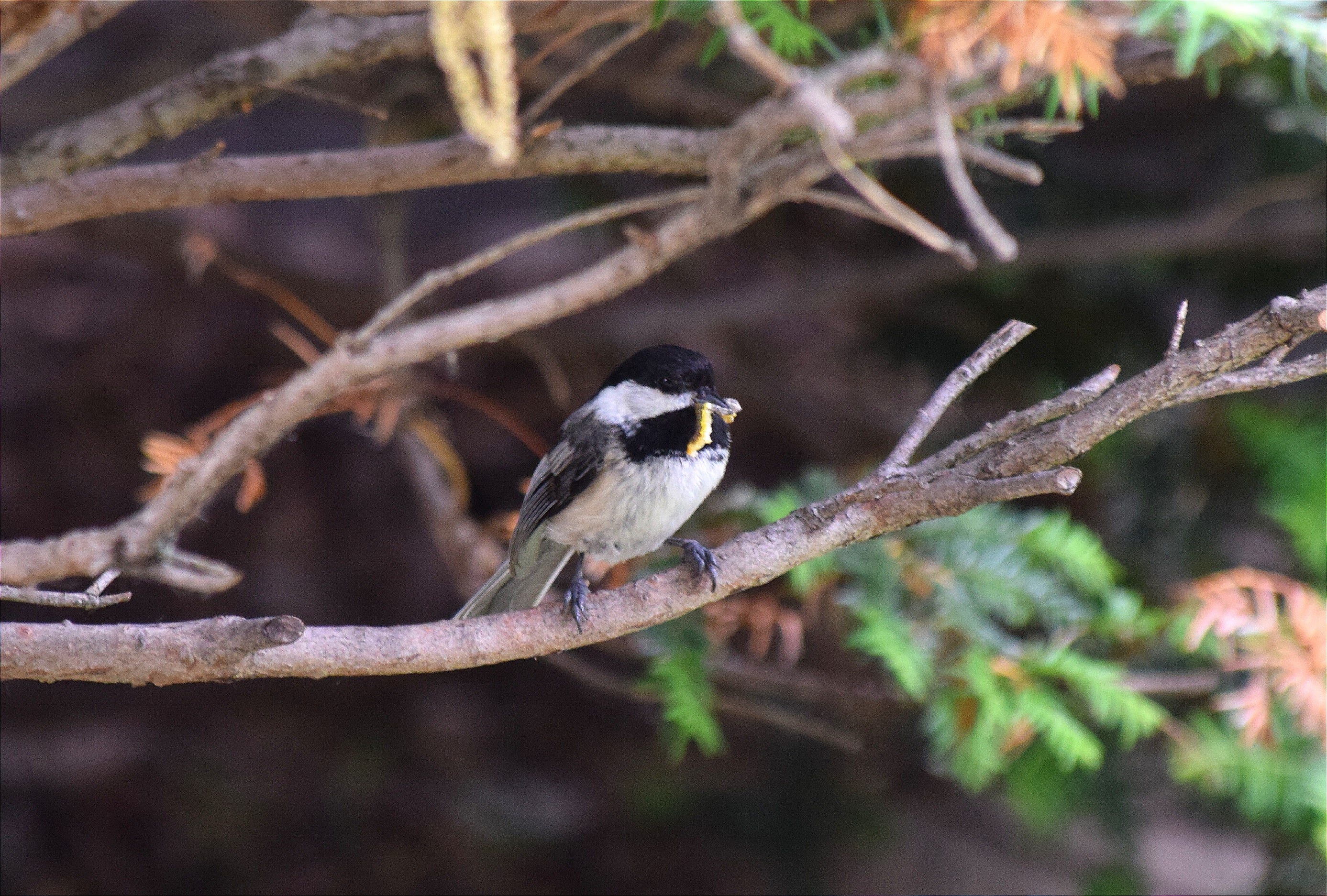
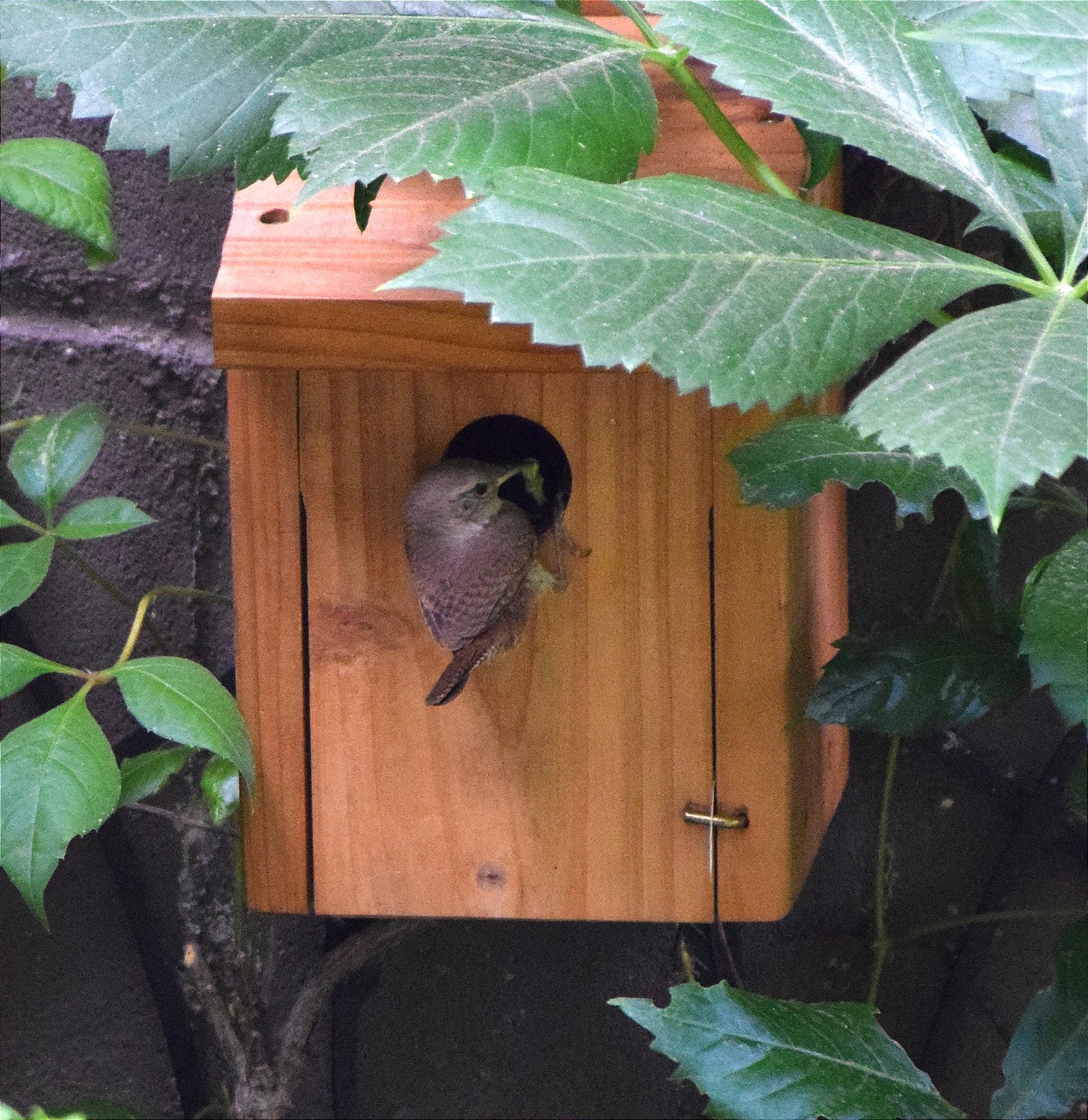
Putting up bird houses in the summer can provide an opportunity to witness just how busy these parents are in responding to the feeding demands of their nestlings.
After feeding birds all winter, it is often hard to stop “cold turkey” (no pun intended)! I start stepping down the amount of feeders and type of seed when the spring cold snaps end which for me is around the beginning of May.
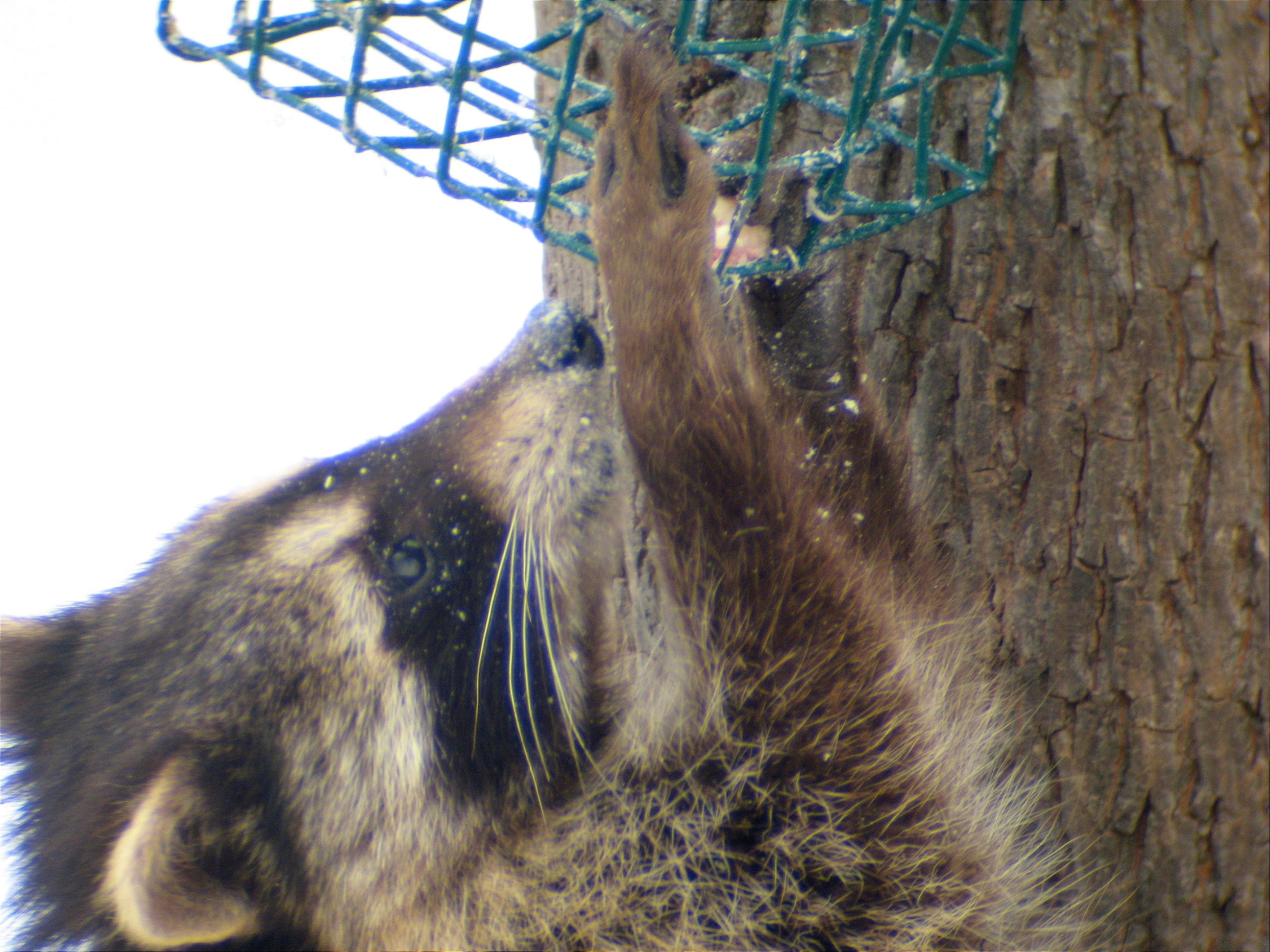
The first feeder to go is the suet feeder. Calorie-dense suet is beneficial for the birds during cold winter but as the weather warms it will attract pests like raccoons and become messy as it melts in the heat.
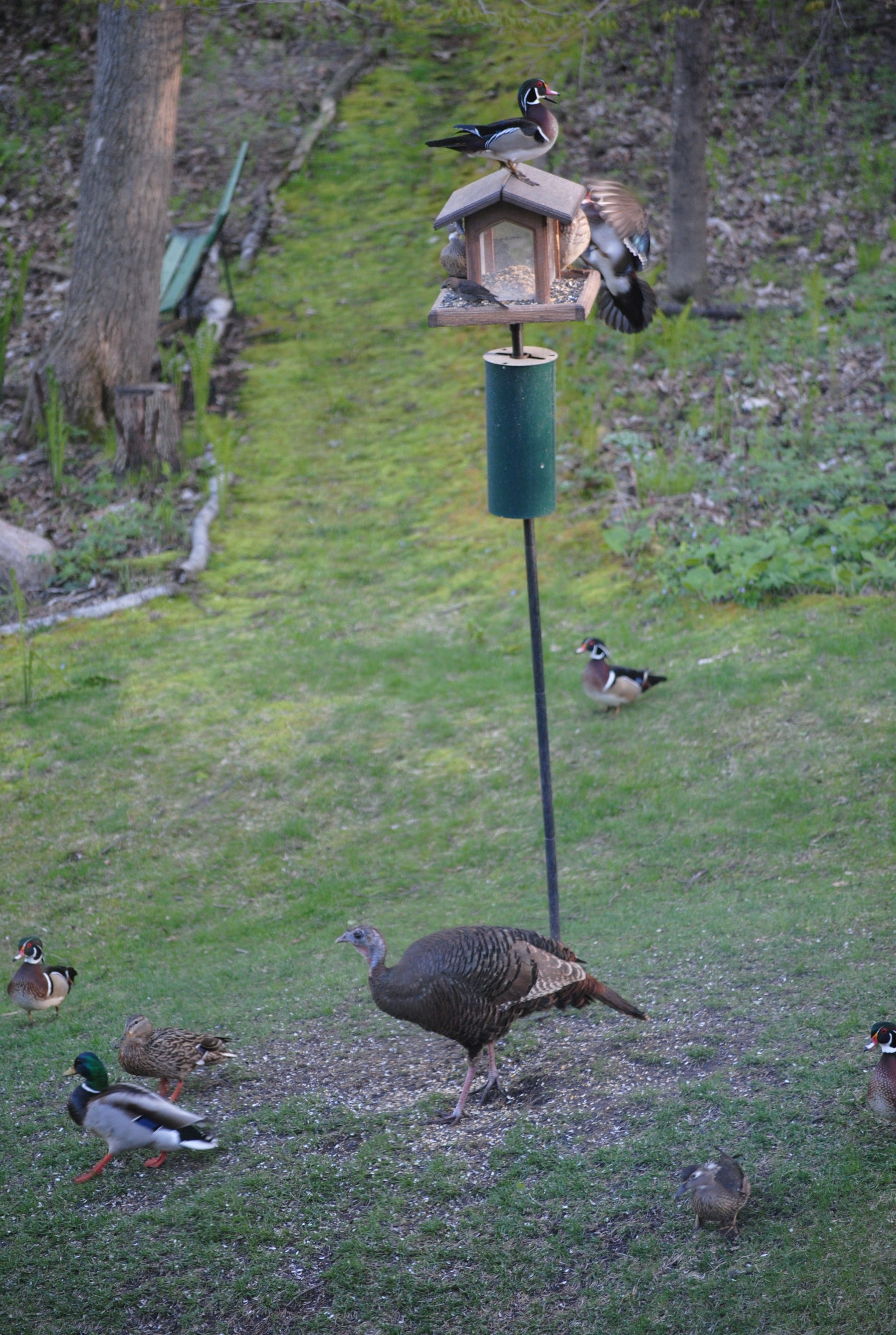
The next feeder I take down is my hopper feeder which holds cardinal-type birdseed mixture of oil sunflower, millet, cracked corn and in the winter months peanut halves. This feeder attracts many species all winter with its diversity of seed mix and large landing area that can support a number of different birds including larger ones like blue jays and cardinals.
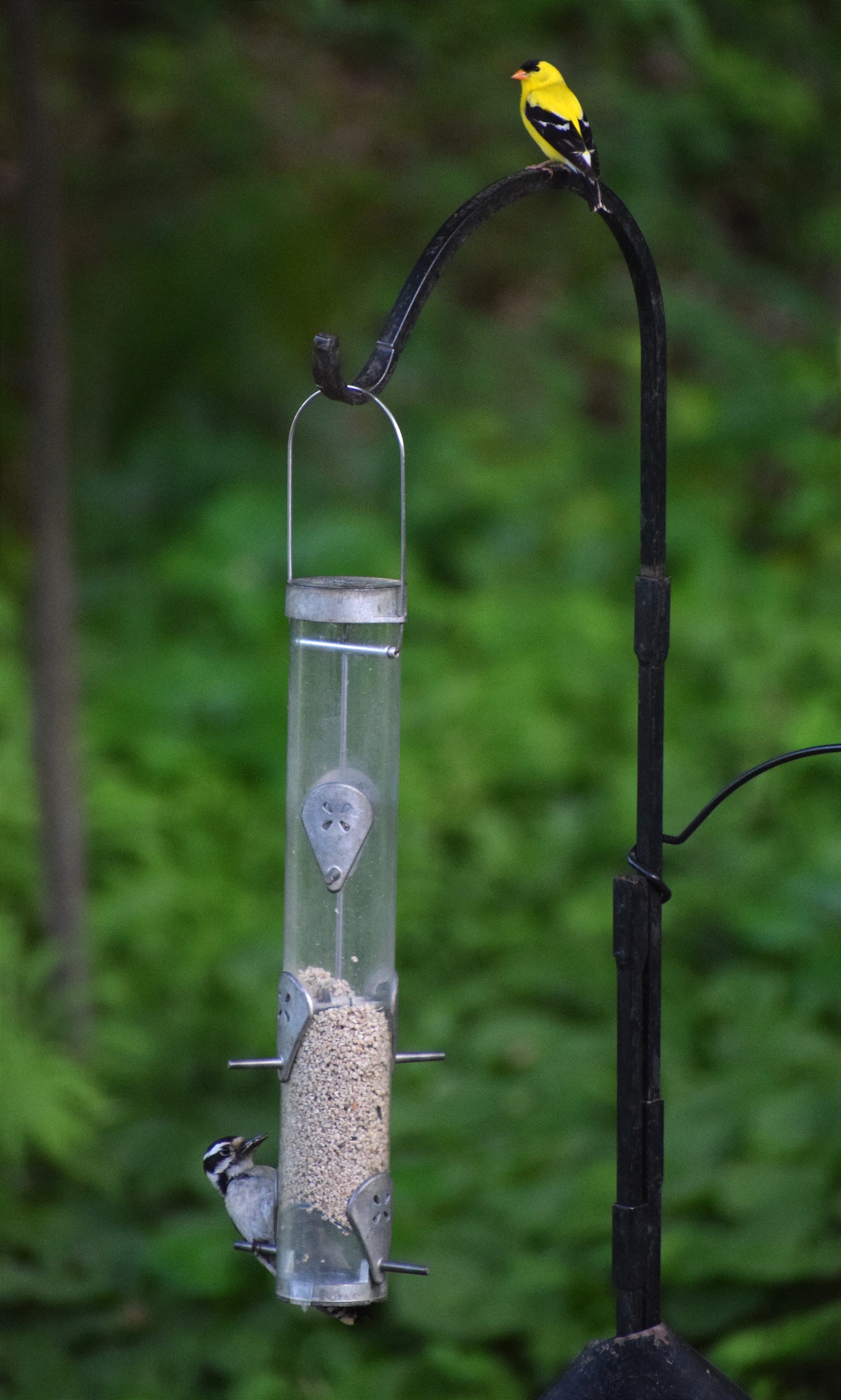
Eventually I will leave up a smaller tube feeder called a finch feeder containing fine hearts (half-size) shelled sunflowers. This sunflower seed will not go to seed in the yard and the squirrels usually leave the feeder alone since they can’t access the seeds through the fine ports. Also nuisance birds such as House Sparrows, Cowbirds and Blackbirds are not attracted to this seed. Finch mix and Nyjer can also be used in these types of feeders although these types of seeds will sprout on the ground.
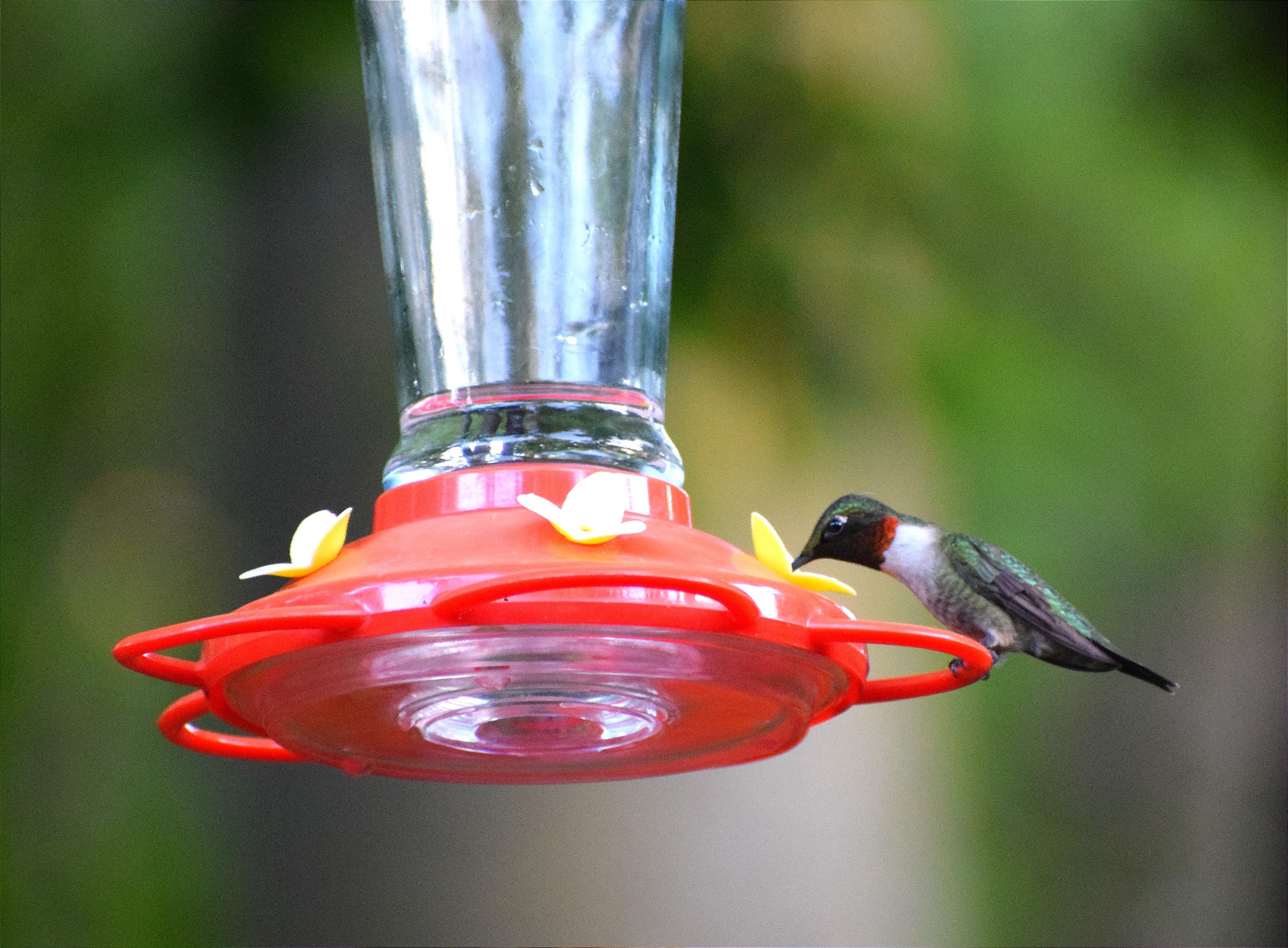
There is a reason to add a feeder in the spring/summer and that is to attract hummingbirds with sugar water. While hummingbirds will continue foraging for nectar naturally amongst flowers as well as consuming insects, they also like the quick energy hit that a properly maintained sugar water feeder provides. Hummingbirds will come pretty close to human activity so placing a feeder near a deck or on a patio will offer great viewing opportunities as well as the chance to hear them buzz by.
As fun as it is to attract birds with feeders, remember this time of year most birds are out looking for all sorts of bugs and invertebrates. Planting native species and avoiding pesticides in the backyard are more important than putting out food for birds.
Comments
Nothing yet. Say the first thing.
Sign in to join the conversation.