
For many birders, June ushers in a forced pause as life’s demands and spring’s sleep deficit catch up, leaving the dawn chorus of breeding birds to sing for themselves. Peak neotropical landbird migration flashes by in just two or three weeks in most places, but a dedicated birder without real-life responsibilities could theoretically experience three months of this frenzy, from South Padre Island in March to Duluth or Tadoussac by late May. This year, my northward travels allowed me to enjoy one and a half springs—the first unfolding in Chattanooga, Tennessee, where the height of migration occurs from mid-April to early May.
Chattanooga, TN
Highlights from the spring in Tennessee included a random American Barn Owl from my yard, and many unusual small herons and egrets, plus a very intriguing flyover Egretta that may have been a Little Egret! I joined the statewide ornithological meeting, leading field trips and connecting with birders across the state—many already active on BirdingApp. We had record rainfall for May, and thanks to the storms all morning long, we heard the county’s first documented Whimbrel record, its “pipipipip” call echoing overhead.
Pensacola, FL
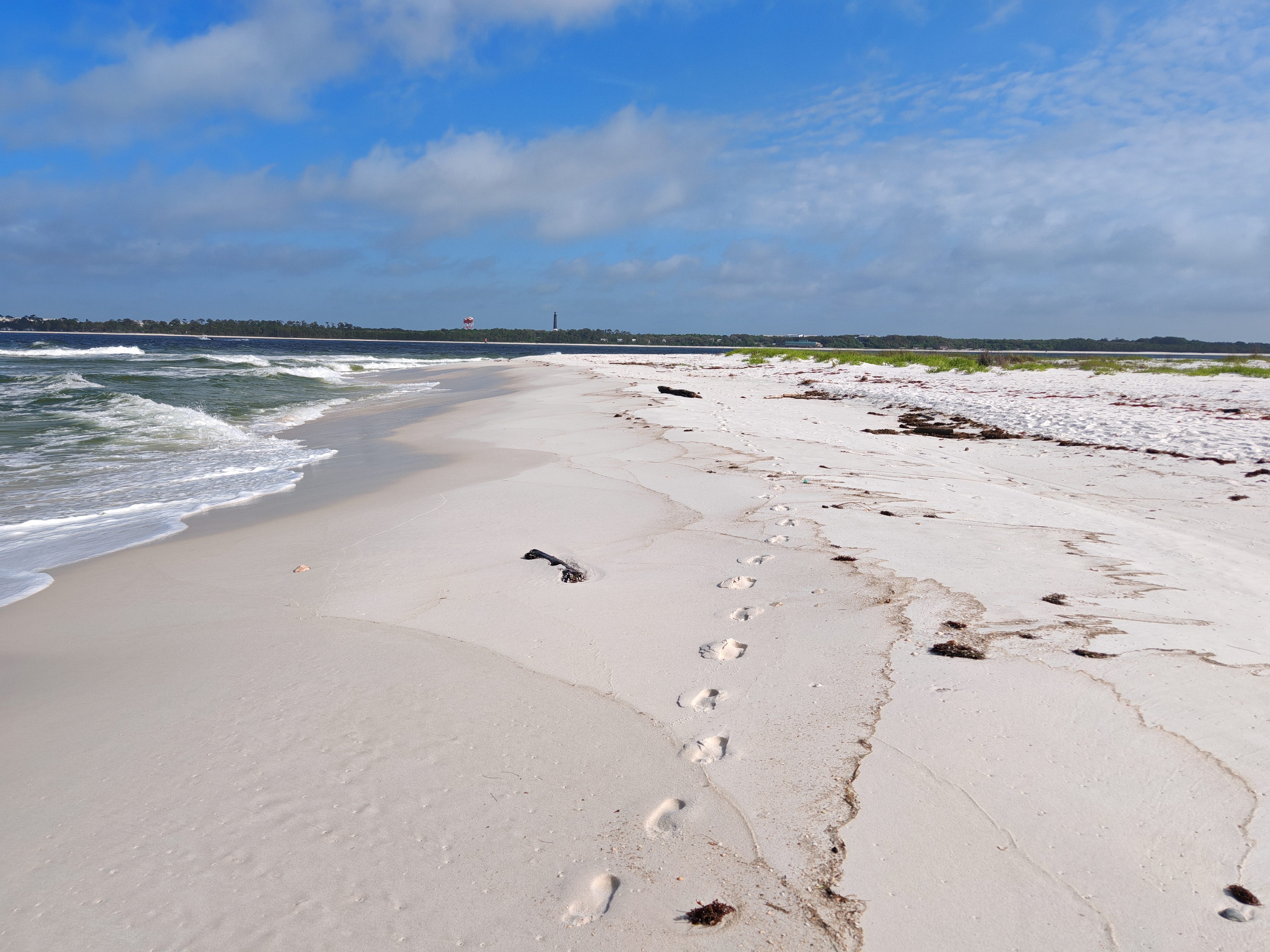
Over Easter weekend, Alex and I visited Pensacola, Florida, to see coastal birds. We missed the continuing Red-billed Tropicbird by only an hour after arrival, which gave us false hope that we would see it again at some point during the weekend. After we got back home, Alex set up a regional target bird alert in BirdingApp so he would know when the tropicbird appeared again. I would have preferred not to know, but eventually took solace in the fact that it was not ever seen again that month. Spring birding can be a stressful tug-of-war between the birds that are around you and the ones you want to chase. That’s one reason why BirdingApp emphasizes local alerts and chats, while still offering updates on more distant birds for those who want them.
Presque Isle, PA
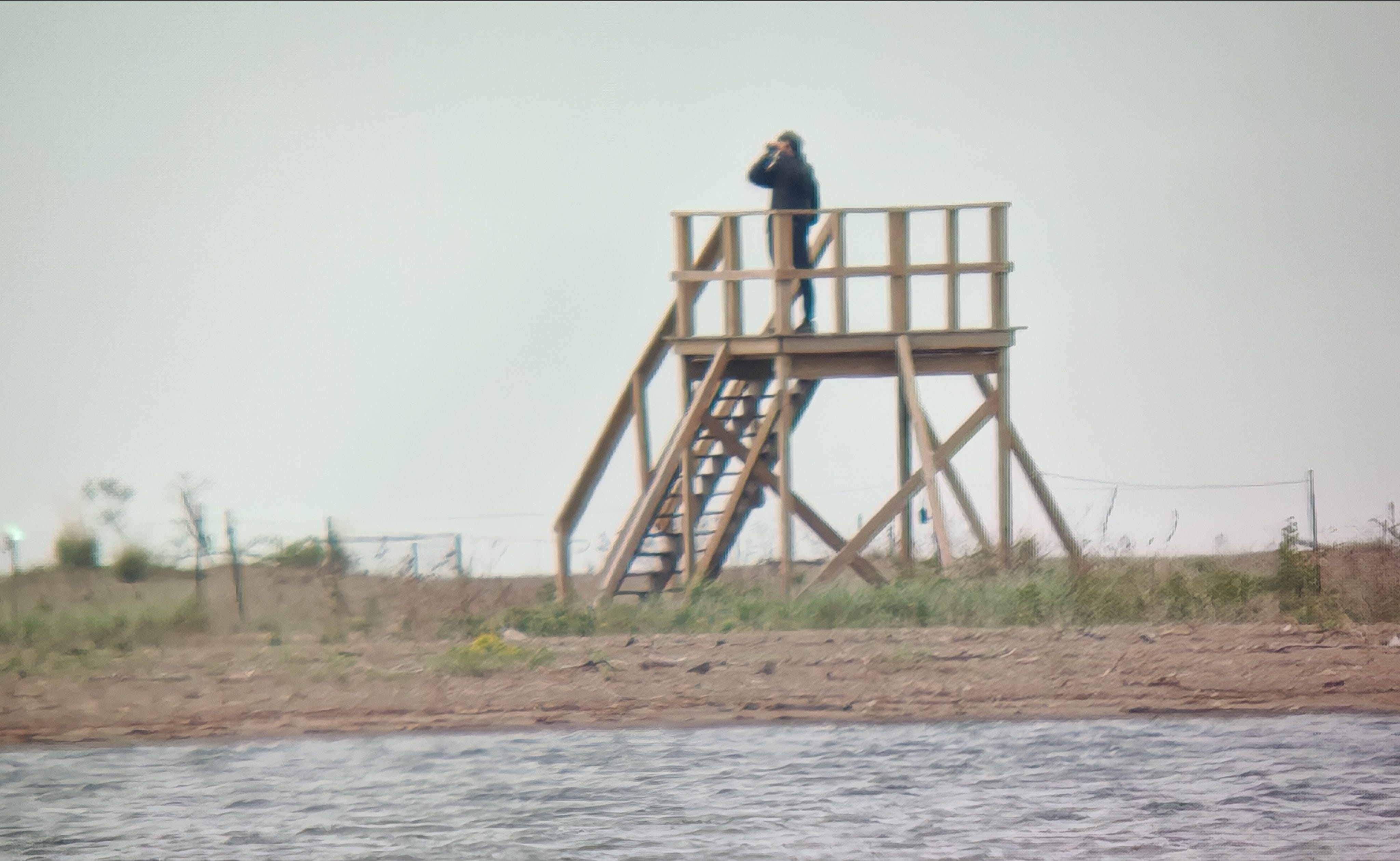
In mid-May, we drove up to the incredible Festival of the Birds in Erie, PA. Presque Isle State Park is a magical spot where a birder can spend an entire day and barely scratch the surface of its vast bird and habitat diversity, from shorebirds to warblers. I gave a talk on eBird and BirdingApp, sparking some excitement about possibly using the app for official festival communication next year. I was also inspired by Bridget Butler’s keynote address on “Slow Birding”: the value of presence, deep listening, and connecting with birds and fellow birders. It’s a challenge in practice—do you admire the bright red male Cardinal at eye level, or spend five potentially fruitless minutes scanning treetop leaves for migrant warblers? These are the philosophical dilemmas birders navigate daily.
Chautauqua, NY
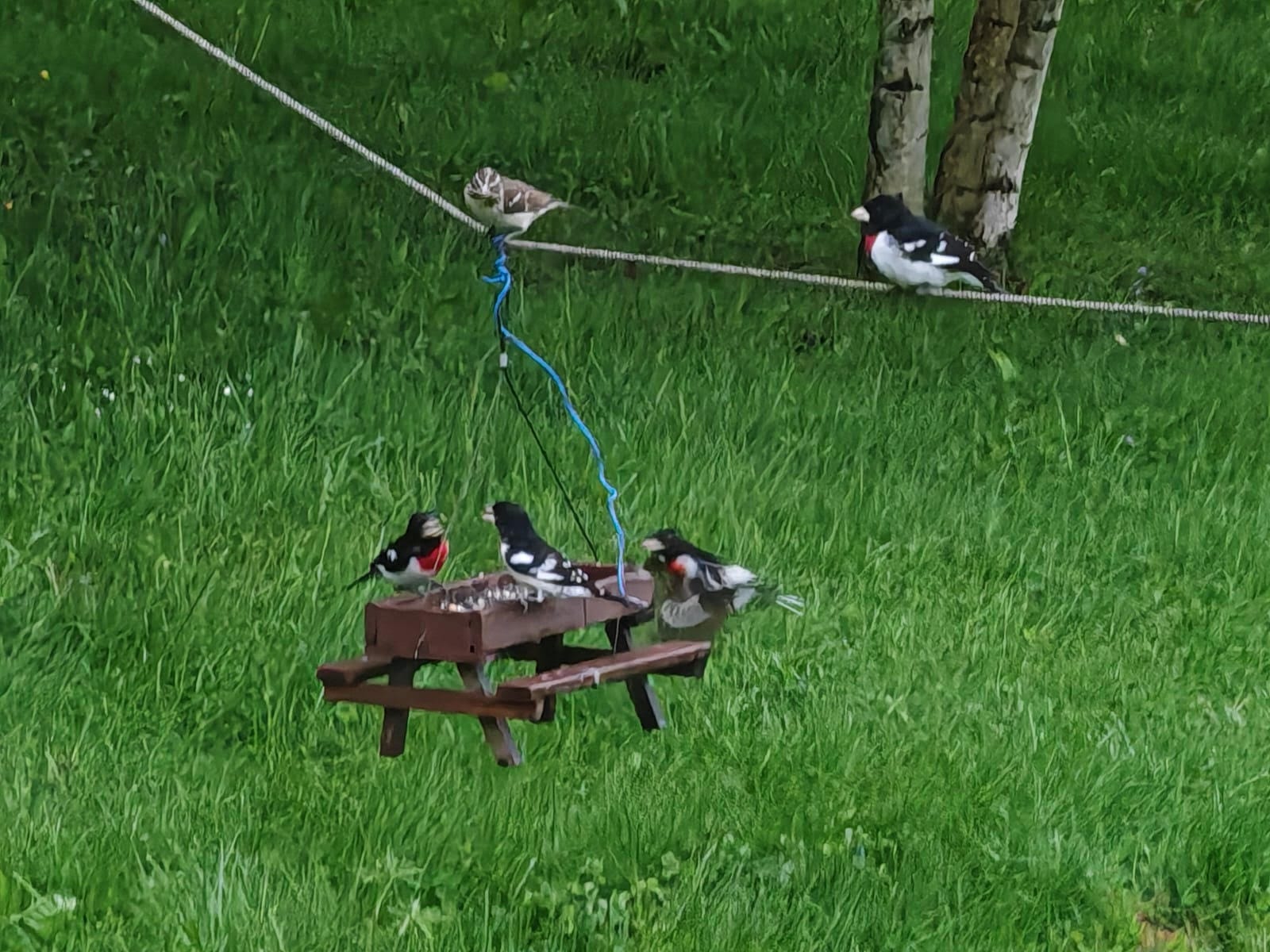
After the festival, we returned to our cottage near Chautauqua, NY, facing a disappointingly wintry weekly forecast. Mid-week, I joined friends for a big day in the Finger Lakes, highlighted by phenomenal shorebird habitat at Montezuma NWR and an unprecedented number of Whimbrels migrating through. We tallied a very respectable 165 species despite unsettled weather and sparse warbler migration. On our final day in Chautauqua, Alex set up the elaborate bird feeder system, with many hung on ropes to deter squirrels and a hand-carved vertical log for woodpeckers to stage on while they decide which feeder to visit. Within five minutes of adding seed, five Rose-breasted Grosbeaks descended, feasting eagerly. The wintry conditions must have been tough on the birds, and they seemed grateful for the food.
Big Birding Weekend at Mosquito Lake, OH
Before returning to Tennessee, we went to Mosquito Lake in northeast Ohio for the “Big Birding Weekend” festival. Inland lakes are often overlooked and under-birded in spring, so I was thrilled to attend a festival celebrating one. Ohio is now also the state with the most BirdingApp users, so this felt like a big opportunity for us. The Whimbrel spectacle continued through the weekend throughout Ohio, and I was able to spot a flock over I-90 on the way there, and another migrating group over the lake the next morning. I was honored to meet and hear the keynote speech by Greg Miller, the down-to-earth birder famous from “The Big Year” book and movie. He shared stories of cold-calling birders for help during his big year—something that would strike dread into the hearts of most young birders today. Thankfully, for socially awkward birders, BirdingApp makes this really easy with the nearby chat.
After Greg’s talk, professor Sean Williams delivered a captivating talk on spring birding, highlighting that south- and east-facing edges are the best spots to focus on. One slide I remembered in particular: a Blackburnian Warbler pauses at Lake Erie’s edge under moonlight, its reflection shimmering on the water. With only its fat reserves to guide it, the warbler must decide—cross the vast lake or wait? On cloudy nights, it might not even sense the water below, facing a dangerous dawn with nowhere to land. This is the heart of birding: a blend of instinct, chance, and wonder—for the birds, and for ourselves.
Summer
As summer sizzles in and spring’s sleeplessness fades, keep connected with us on BirdingApp. Test your skills with fresh quizzes in the Birding Arena, and get ready for more exciting updates on the horizon!
Happy Birding,
Tim and Alex
No posts
Comments
Nothing yet. Say the first thing.
Sign in to join the conversation.