
by Frenchie Stoner
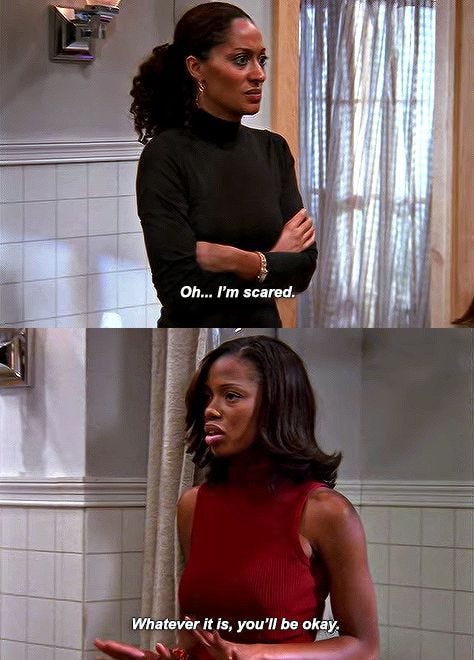
As a kid, my mom would spend a lot of time watching Black sitcoms starring strong Black women leads. I never fully understood what was so funny or relatable about them back then. I was more enamored with the cute outfits, the nice furniture, the perfectly decorated apartments, the friends always around, and how everybody’s hair was always done. They made adulthood look easy.
I really thought that’s what growing up would be: my own apartment, a group of girlfriends always stopping by (invited or not) with advice, jokes, people to vent to, and someone to share all my embarrassing crush stories with.
Rewatching these shows as an adult, I realize the apartment wasn’t the fantasy. It was the community within it.
No one had to figure out adulthood alone it seemed. Everybody was struggling in different ways, but someone always had a couch, thoughtful advice, a meal, or a space to fall apart after a bad day. Looking back, these homes were mutual aid hubs before we had the language for them.
That’s what struck me most when I came back to these shows as an adult with responsibilities of my own. I was revisiting childhood nostalgia and seeing a blueprint I hadn’t fully grasped when I was younger.
Hell yeah I wanted Joan’s nice furniture or Khadijah’s spacious apartment! And beyond that was a representation of successful Black women creating homes where they could be fully human. They could talk through racism, work, relationships, family, and the everyday pressures of surviving in a white supremacist society.
These weren’t just pretty apartments on TV. These were spaces where Black women could process the world around them, be vulnerable, challenge each other, and collectively imagine alternative futures.
When I started my research, my core question was simple: How much would these lifestyles cost today?
But somewhere along the way, I realized I was actually facing a different one. Could we afford to survive without the folks inside these homes?
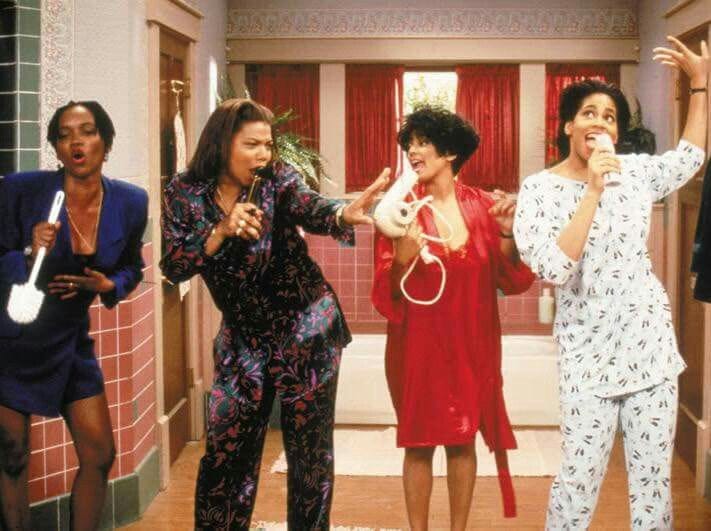
In Living Single, Khadijah James’ apartment was more than a place to sleep. It was the headquarters. Everybody landed at Khadijah’s apartment. Someone was having relationship problems, somebody was frustrated with work; somebody needed advice they already knew they were probably not going to take. Somebody was hungry. Someone just showed up ‘cause they needed to be around the people who understood them.
The living room was where it all got unpacked: the drama, jokes, bad decisions, big dreams, and the girl, listen... conversations that came straight from the heart.
Even the way Khadijah and her cousin, Synclaire, shared ownership of their two-floor apartment challenged the model of adulthood we’re sold: the idea that success is measured through getting your own place, handling problems on your own, and never needing anyone. Their apartment worked because it was built around access. It made room. Room for one more person. Room for one more conversation. Room for one more crisis.
That’s what made Khadijah’s home feel alive. It was not only where she lived, but processed life.
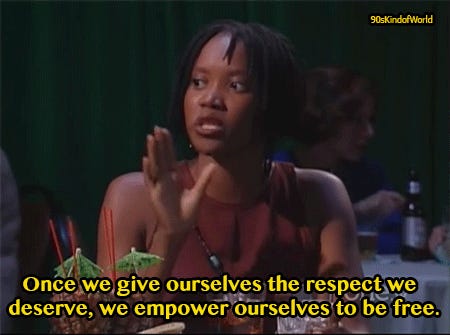
Years later, when I learned about bell hooks’ idea of the “homeplace,” I realized that these sitcom spaces were showing something deeper. They weren’t just cute sets with nice furniture. They were spaces where Black people, especially Black women, could recover and nurture each other and push back against the pressures waiting for them behind the door. The homeplace is not simply about comfort. It is about creating a place where people can be fully human.
Khadijah’s apartment gave Black women space to exist beyond stereotypes. They were complicated, ambitious, messy, funny, romantic, independent, and vulnerable. They could choose both support and being strong. That becomes especially clear in the episode “Come Back Little Diva,” when Regine longs to return to the closeness of Khadijah’s home after experiencing the loneliness of living alone.
She misses belonging.
That’s what made these sitcom homes so powerful. They imagined adulthood not through having it all figured out, but having folks to help you figure it out.
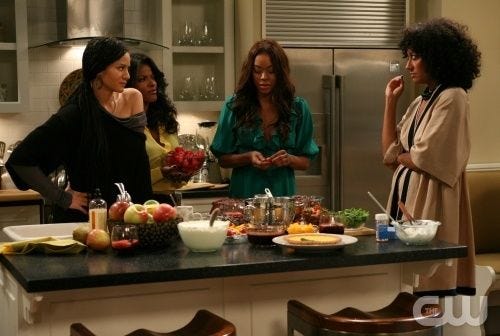
The same concept appears in Girlfriends. If Khadijah’s apartment was the headquarters, Joan Clayton’s house was command central.
Joan’s kitchen table was the group chat before group chats existed. Somebody sat down (or walked around the room) with a problem. Everybody had an opinion, everyone took part in the problem-solving, someone gave useless advice that no one asked for, and somehow everybody left feeling a little less alone. That’s what I loved most about Joan’s home. It was quiet. It was lived in, not perfect. It was the place where the women came to unpack shit they couldn’t share anywhere else.
In the episode “Friends, Colleagues, Brothers,” Joan’s workplace experiences reveal the constant negotiation of race and gender in professional spaces. She doesn’t carry that weight alone: she brings it in conversations with Maya, Lynn, and Toni. Around the kitchen table, they pick apart work together. They question it, laugh about it, disagree with each other, and help Joan figure out her next move.
This is what makes these friendships feel like more than entertainment to me. They reminded me how community is a survival tool. The women share knowledge, challenge each other, and help one another navigate spaces that often isolate Black women. Their conversations are not just about dating or gossip. They are about figuring out how to move through a world that constantly asks Black women to prove themselves. Every conversation left someone a little more prepped to walk back out the door.
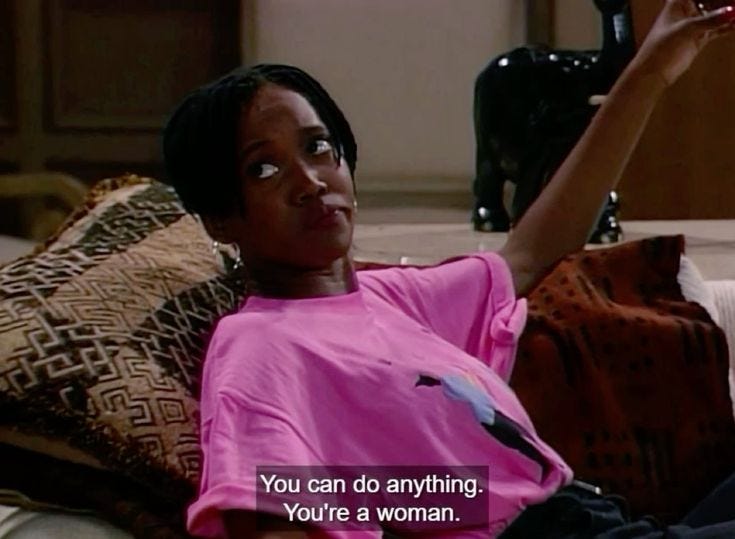
Watching those shows now, I keep coming back to the connection that what they were participating in was mutual aid before the concept even blew up. It was clear that their friendships were a support system.
In Girlfriends, Joan, Maya, Lynn, and Toni each bring something different to the group. Joan often becomes the organizer and caretaker. Maya brings honesty and accountability. Lynn brings unconventional thinking and community energy. Toni brings social awareness and survival skills. They argue, they disappoint each other. They make mistakes, but they return.
That return is important.
The group provides emotional support, career advice, crisis support, and accountability. The show doesn’t pretend that kind of care is easy. In “The Declaration of Independence,” Joan and the others have supported Lynn financially, creating tension around dependence, independence, and what happens when chosen family becomes your safety net.
Then there’s the elephant in the room these shows weren’t afraid to address: how much support can one person give before they’re running on E? Who ends up carrying the emotional labor? What’s owed to the folks we call family when they’re struggling Today, people survive because someone checks on them, helps them move, gives advice, shares resources, offers a couch, or reminds them they are not alone.

The fantasy of these friendships also hides the labor required to maintain them.
Someone is always organizing. Someone is always listening. Someone is always remembering birthdays, checking in, offering advice, and making sure everyone has a place to land.
Joan often carries this role in Girlfriends. She is the one everyone turns to, hosts dinners, tries to solve problems, and keeps the group connected. Her home becomes a community space because she puts in the work for that community to exist. I don’t think I noticed that as a kid. I just saw a house that always felt warm and welcoming. As an adult, I can see the labor behind it.
That’s another layer of Black women’s friendships that these shows understood: care is work. The emotional labor, planning, and support that keep communities together are often invisible. We often notice when a community falls apart, but hardly notice the person quietly holding it together.
The apartment feels magical because someone is making it possible.
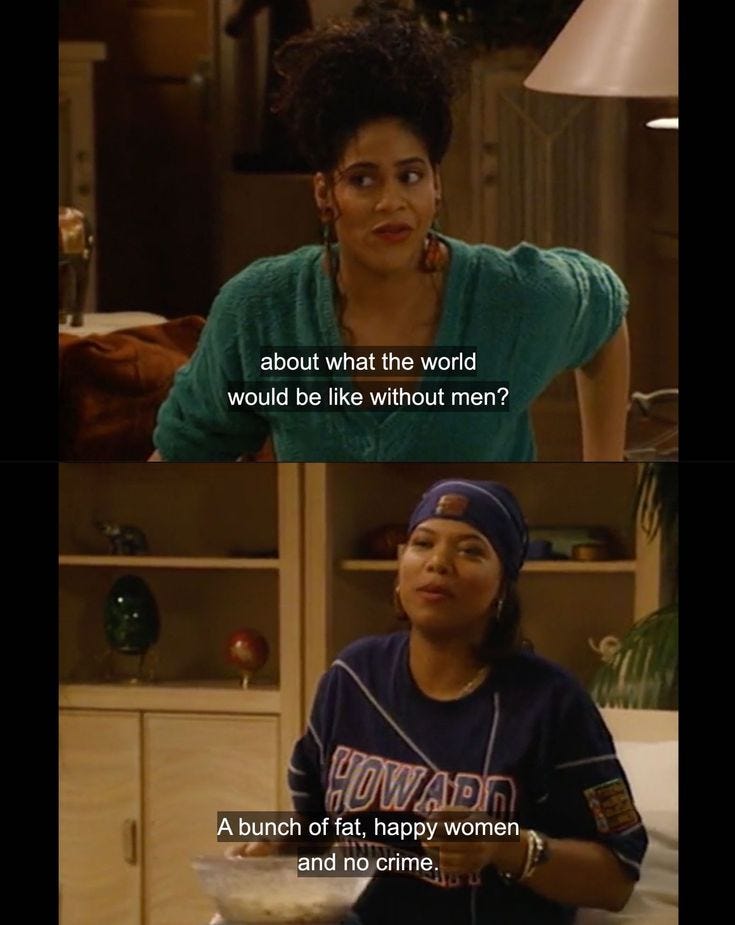
Another thing I didn’t appreciate as a kid was that these shows never acted like there was only one way to be a Black woman.
Joan wanted love and a carefully planned life. Maya balanced marriage, motherhood, and work. Lynn lived so unconventionally, rejecting every standard placed on her. Toni chased wealth and status without apologizing for it. None of them got it right all the time, and that was the point.
Girlfriends was never about finding love. It was about Black women learning to communicate their desires, understand themselves, make mistakes, and grow into the people they were becoming. That mattered because Black women are often expected to have all the answers, to be strong all the time, and to hold everyone else together. These women got to be confident in one episode and completely lose it in the next. They got to be selfish, vulnerable, messy, ambitious, insecure, funny, and deeply flawed.
They were allowed to be human.
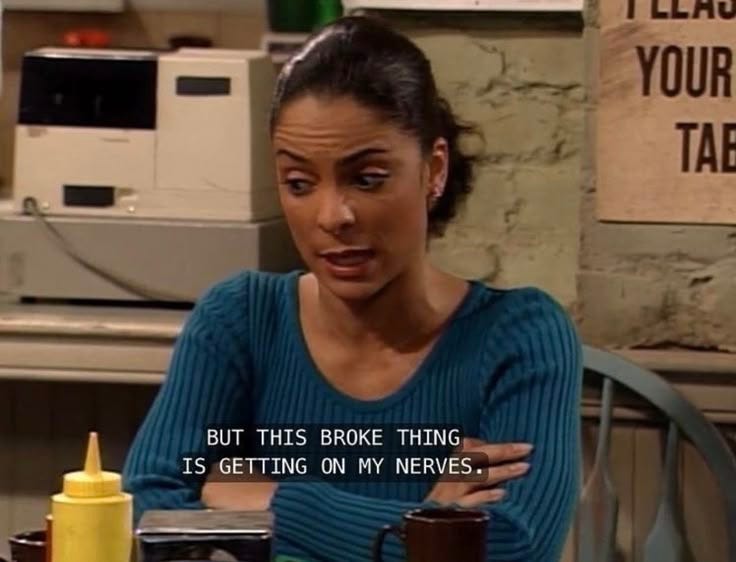
Now comes the question that inspired my rewatch: how much would these lifestyles actually cost today?
On paper, the answer is easy. A two-bedroom apartment in a major city today can easily cost thousands of dollars a month. Joan’s beautiful house, Khadijah’s spacious apartment; decorated beautifully for hosting friends and just to simply breathe. For many, that kind of housing feels more out of reach than ever.
Even homes that once seemed attainable, like Joan’s suburban house on Girlfriends, now seem like a luxury. Having a spacious home to decorate, host friends, and simply exist without constantly worrying about rent has become out of reach for so many people.
A lot of the advice people hear today is still, “Just buy a house. Stop renting and build equity.” But that advice ignores how much the rules have changed. A home that once cost a few years of someone’s salary can now demand decades of saving, especially while balancing student debt, childcare, and rising living costs. A person can work hard, earn a steady income, and still find that the homes available in their area are completely out of reach.
The conversation is often framed as a matter of discipline or sacrifice, but the reality is that affordability has changed. Previous generations weren’t making smarter, forward-thinking choices—they were entering a housing market where homeownership was super accessible. The dream stayed the same, but the entry price changed.
The real fantasy was never the furniture.
It was the stability.
It was having enough money to exist without living in constant crisis.
It was friends who could still knock on your door.
It was a home that functioned as more than four walls.
We always joke that no one today could ever afford Joan’s house or Khadijah’s apartment. Yeah, that’s probably true. I think we lost something greater than the square footage. We lost the conditions that made these homes alive.
Black sitcoms gave audiences more than representation. They gave us a blueprint where your friends show up. Where your home is a refuge. Where the folks fill the gaps that institutions leave behind. Perhaps that’s the reason that these places feel so nostalgic in 2026. Not because we miss the furniture or floor plans. We miss what those spaces made possible.
The question is not only whether we could afford Khadijah’s apartment or Joan’s house today.
It’s whether we could afford to lose the kind of community those homes built in the first place.
Thanks for reading The BSWWS Blog! This post is public so feel free to share it.
No posts
Comments
Nothing yet. Say the first thing.
Sign in to join the conversation.