
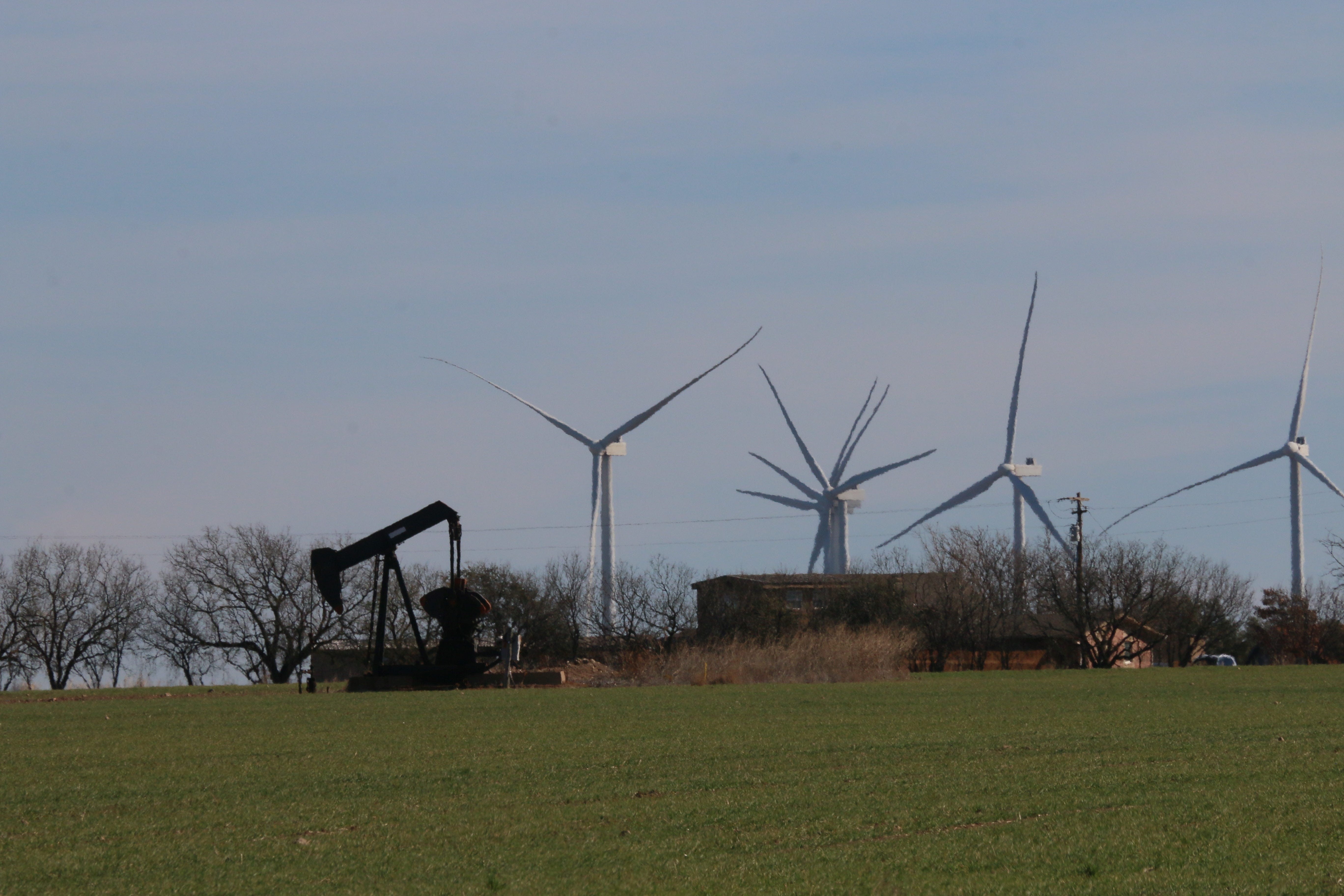
The global energy system is in the midst of a once-in-a-century — maybe once-in-a-millenium — transformation.
I outlined what’s driving this in my Looking Back, Looking Ahead posts last year, which explained why the energy transition won’t stop, or even slow, despite climate change increasingly taking a back seat in public concern and government policy.
This year two huge forces have emerged to reinforce the energy transition. One represents what we want, the other what we fear. Together they have triggered an earthquake, shifting tectonic plates that were already under growing pressure.
What we want — what humans always want — is technology that improves our lives and makes us strong. What we fear — and have always feared — is economic uncertainty upending our livelihoods and the chaos of war threatening our societies.
The explosion of artificial intelligence — the voraciously energy hungry technology of our time — and the eruption of war in the Persian Gulf — causing the largest disruption of energy flows in the fossil fuel era — are clarifying events that will reinforce the transformation of the energy system over time.
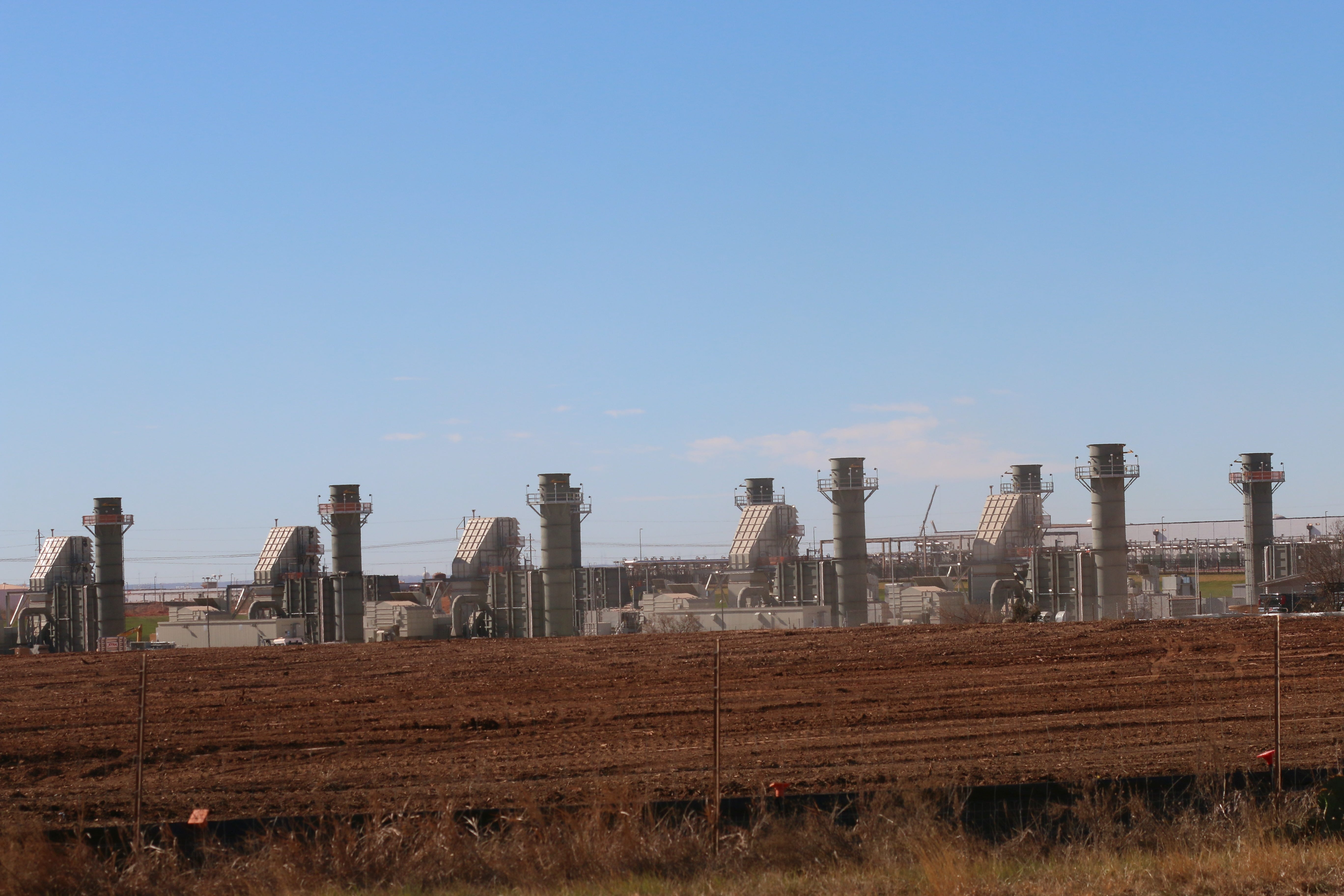
Together, they are pushing the world decisively into the messy middle of the energy transition. This phase is where oil, natural gas, and even some coal remain critical but the eventual endgame is clear: a global energy system powered mostly by sustainable, renewable energy sources, not fossil fuels.
Neither artificial intelligence or the underlying tensions involving Iran originated in the past few months. Both have been building for decades, gaining steam in recent years. But they have burst forth, separately, into massive global concerns this year in ways that are becoming intertwined and mutually reinforcing for the energy transition.
I started this year with a five-city data center tour — Memphis, Tennessee; Richland Parish Louisiana; Abilene, Texas; and two locals in the Texas Panhandle.
Recently, I’ve focused on how the war in the Persian Gulf will drive the uptake of renewable energy in the same way that the oil crises of the 1970s was a powerful driver of energy efficiency globally. Those posts are here, here, here and here.

I now want to toggle back to how the artificial intelligence race is rapidly altering the global energy calculus, starting with the United States.
The epicenter of this change is the state of Texas, the starting point for so much in the history of energy. As ever, influence ripples out from there, ultimately meeting the broader impacts of the war in Iran and closure of the Strait of Hormuz.
The focus of immediate and urgent concern in the strait has been the flow of crude oil. But the larger fallout may be the impact on the use of natural gas.
As I’ll lay out, the use of natural gas has expanded dramatically over the past decade. This was first due to the growth in seaborne trade of LNG — the liquified, shippable form of natural gas. More recently, gas has become the fuel of choice to power data centers, the “factories” that produce artificial intelligence.
But the push ahead for more AI and the pull back into energy security spurred by the Gulf war will, over time, diminish the appeal of natural gas — whether piped to data centers or shipped as LNG. Coal and oil will be poor substitutes over the long haul.
None of this means these three primary fossil fuels are headed for an immediate, steep decline. Not in a world of rapidly growing energy demand.
But the immediate edge now goes to quick, inexpensive alternatives — particularly solar combined with batteries, the cheapest, fastest new source of incremental energy available today. Later, the advantage will go to technologies less vulnerable to global disruption —- wind, nuclear, geothermal and, perhaps ultimately, fusion.
Right now, all of these sustainable technologies are getting a pronounced boost from the AI build-out and the Persian Gulf conflict — even though both have also triggered a short-term scramble for fossil fuels, especially natural gas and coal.
In my next few posts I’ll explain how these forces are reinforcing the transformation of the energy system — starting in some of the richest and most productive oil and natural gas fields in the world, the Permian Basin in Texas.
Comments
Nothing yet. Say the first thing.
Sign in to join the conversation.