
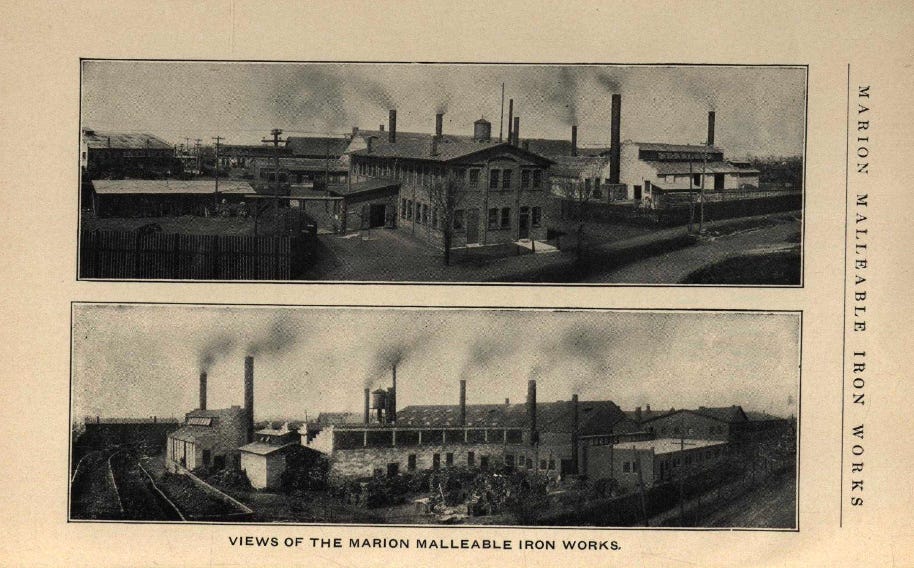
A large empty lot, a pile of concrete rubble, and a well-preserved corporate office at the intersection of Miller Avenue and 10th Street in West Marion are the remains of the Marion Malleable Factory. The firm, a cornerstone of Marion’s industrial history, was established in 1889 and provided iron casting for the US economy for nearly ninety years. It also was the employer of hundreds of local men and women, leaving an indelible mark on the community.
Miles Sweet and Willard Clark of Troy, New York, were lured to Marion by the promise of $10,000.00 in cash, fifteen acres of land, free water, and natural gas. The deal was even sweeter because the land had an unused brick schoolhouse that could be easily converted into a pattern-making shop and company offices.
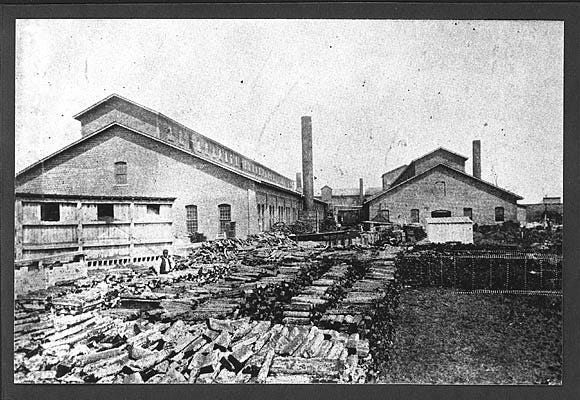
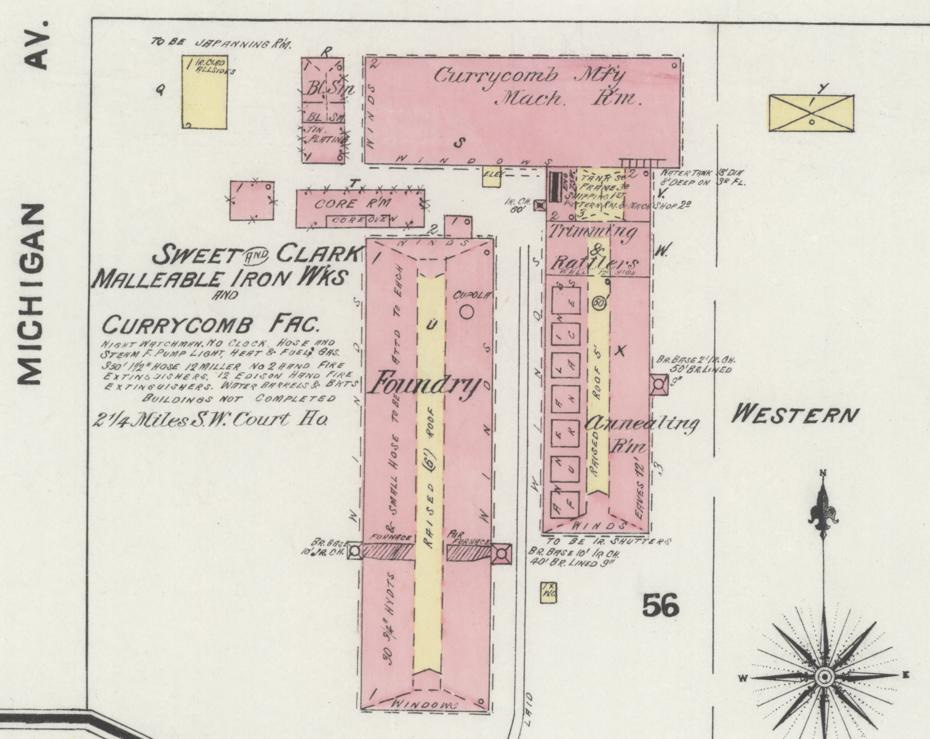
Foundry work was hot, dirty, and dangerous. In the early twentieth century, the beginning salary was five cents an hour for ten-hour days, five days a week, and five hours on Saturdays. The wages increased to ten cents per hour after a year of service. Pattern makers, a highly skilled trade, made twenty cents an hour. The plant was unionized in the 1930’s and remained among the higher-paid industries in Marion.
Malleables’ workforce was integrated from the outset, a testament to the company’s commitment to diversity. Skilled foundry men were much sought after, and many African Americans who had acquired experience in the Birmingham, Alabama, steel industry came to Marion seeking employment. The city was segregated, but foundry work could make it possible to buy a house and send your children to school, breaking down barriers and providing opportunities for all.
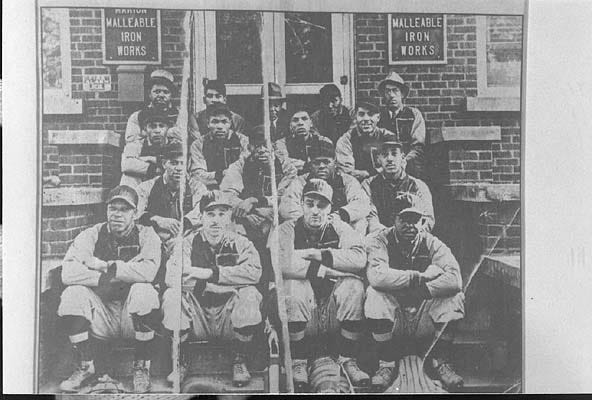
Interviewed in 1995, Marion native Noble Jones stated that after he returned from World War II,” I didn’t want foundry work because I had seen that the foundries had a monopoly on the black people - on the black male working. (my father) would …get mad at the Malleable, well, they’d let him go. He’d quit. He’ll be back. He’d go to the Atlas, work there for a while. And then he’d get mad and quit there and go out to Pope’s. And he wouldn’t stay too long - be right back to Malleable. And they’d hire him cause they know they’re just going to make the circuit. And I didn’t want to get caught up in that.”
The company’s products followed the development of the nation’s transportation system, a testament to its adaptability and forward-thinking. The original products were castings for railroad equipment and horse-drawn buggies. Later, they produced products for the auto industry, always staying ahead of the curve.
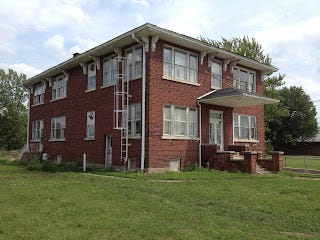
Marion Malleable underwent many management changes in its 85-year history, from Sweet and Clark to Chicago Railroad Equipment to Leland Boren. Due to a recession, increased energy costs, and environmental problems, the plant closed in July of 1977.
https://archive.org/details/marion-malleable-iron-works.-pdf-a/page/n5/mode/2u
https://www.loc.gov/item/sanborn02405_002/
http://www.wikimarion.org/Noble_Jones
Marion Public Library Digital Photo Collection - used with permission
No posts
Comments
Nothing yet. Say the first thing.
Sign in to join the conversation.