
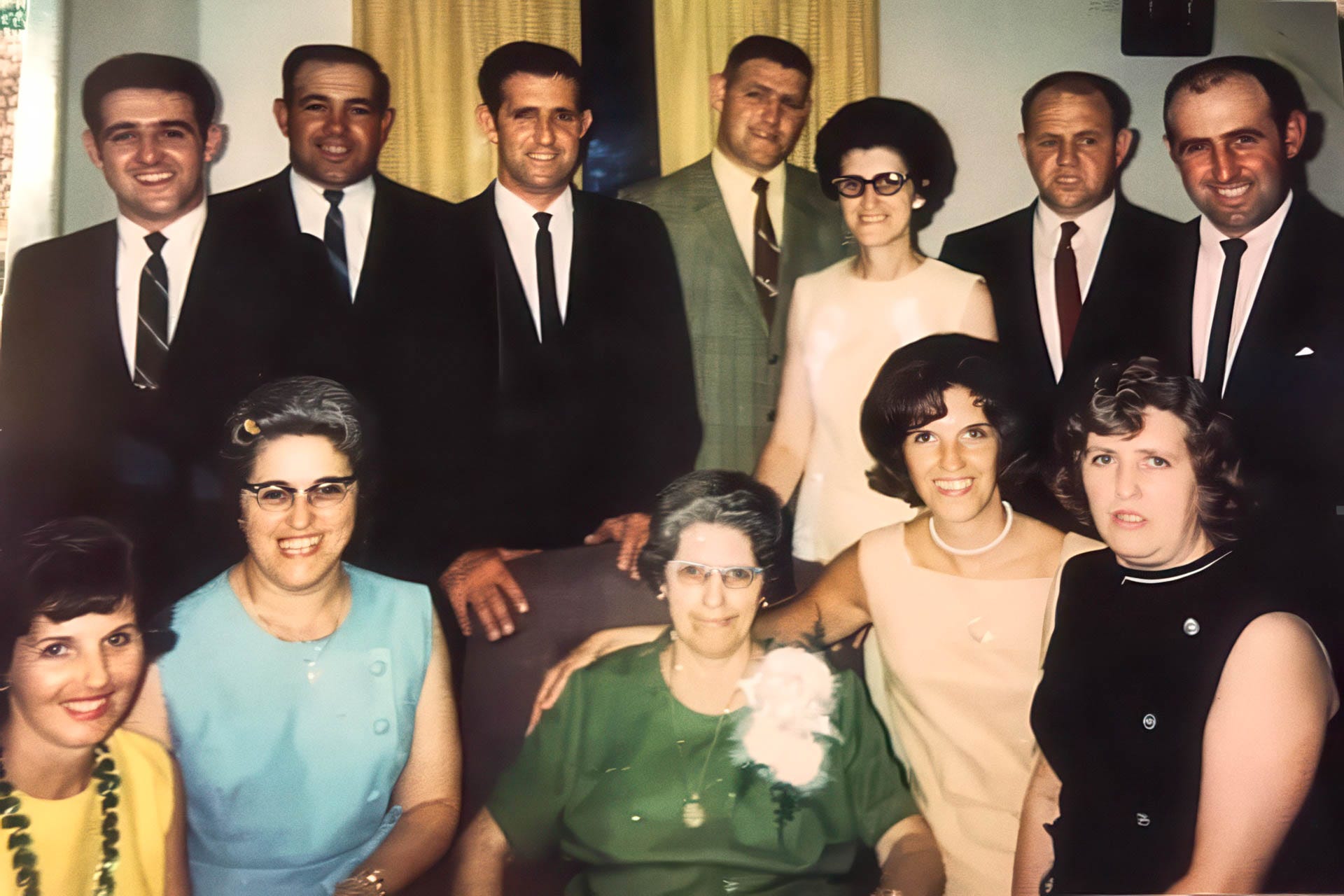
(The Michelones 1960s. Minnie, Sylvia, Nellie, Delores, Pauline, Jerry, Joe, Ronnie, Roger, Mom (Virginia), Teddy, and Meade. Eleven brothers and sisters)
I’ve been hard-drive diving lately, and some days, a few gems catch my eye—old photographs, half-forgotten moments, and memories waiting patiently to be brought back into the light.
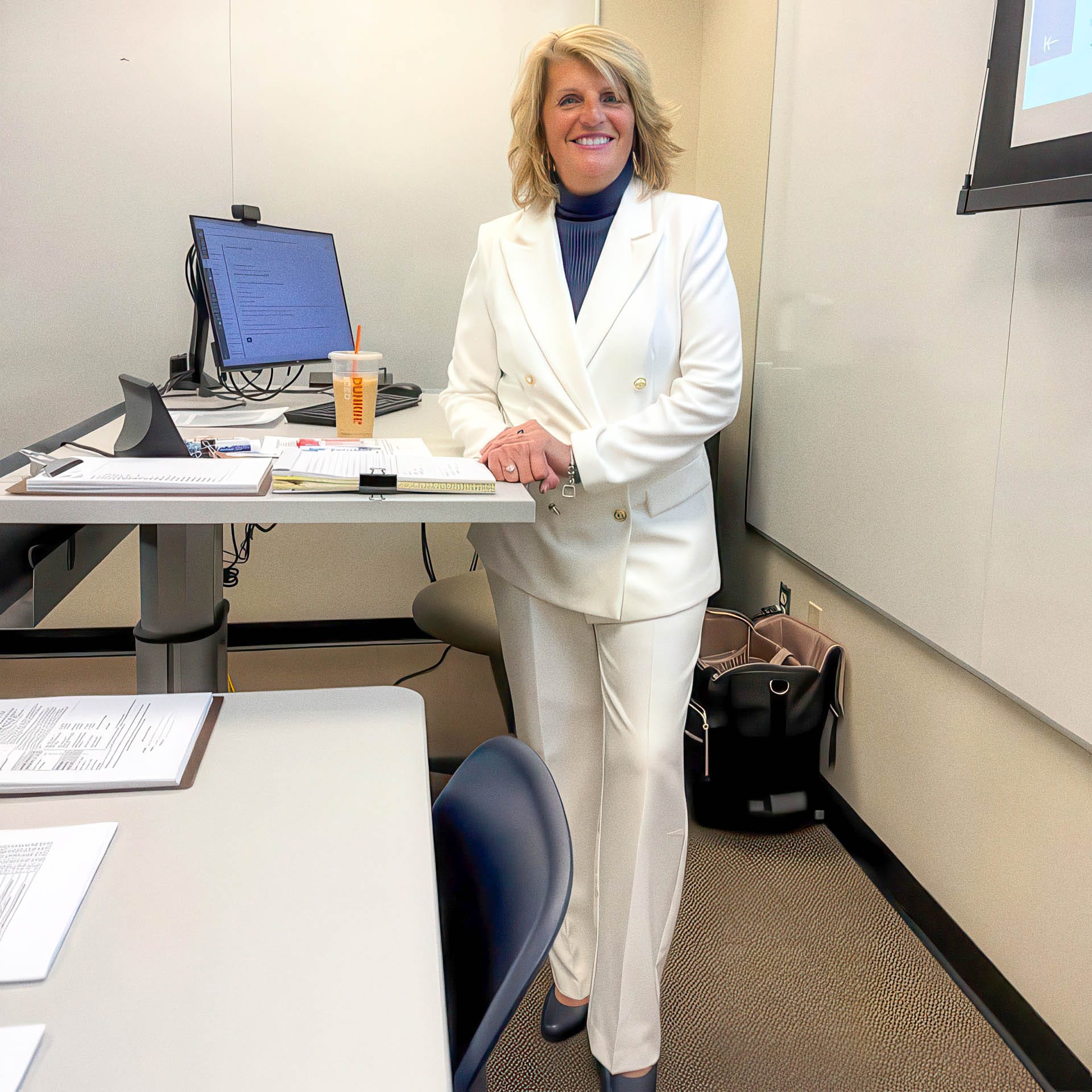
I often message my cousin and college professor Linda. We’re both writers, we both play piano, and we share a deep appreciation for culture and the stories that shaped us. In the 1950s, the two of us would gather on Grandma Nellie Michelone’s basement staircase and watch the action unfold. From those steps, we had a front-row seat to the Michelone family in full motion. The sounds in that basement were nothing short of earth-shattering. The gregarious laughter and lunchtime storytelling.
By 1960, I was spending more time with my brother Wayne, harassing our farm-working uncles. It was a rite of passage. We admired those men—their strength, their football-playing physiques, and their position at the top of the Michelone dynasty. To us, they seemed larger than life.
Nellie gave the men free rein. Women did women things. Men did whatever they chose
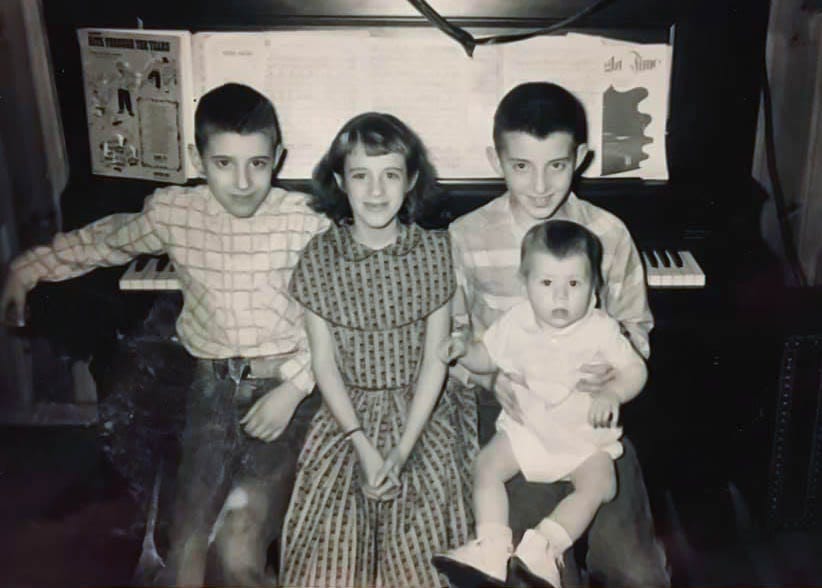
(The Kings. Wayne, Rhonda, Bill & Karen) 1958
And yet, beneath that traditional arrangement was the truth of the family operation: Nellie was the CEO of the dairy farm business. She may not have carried the title, but she carried the responsibility. She understood what had to be done, kept the family and farm moving, and quietly held the reins. Nellie was also friends with Penn State’s football coach Joe Paterno back in the day.
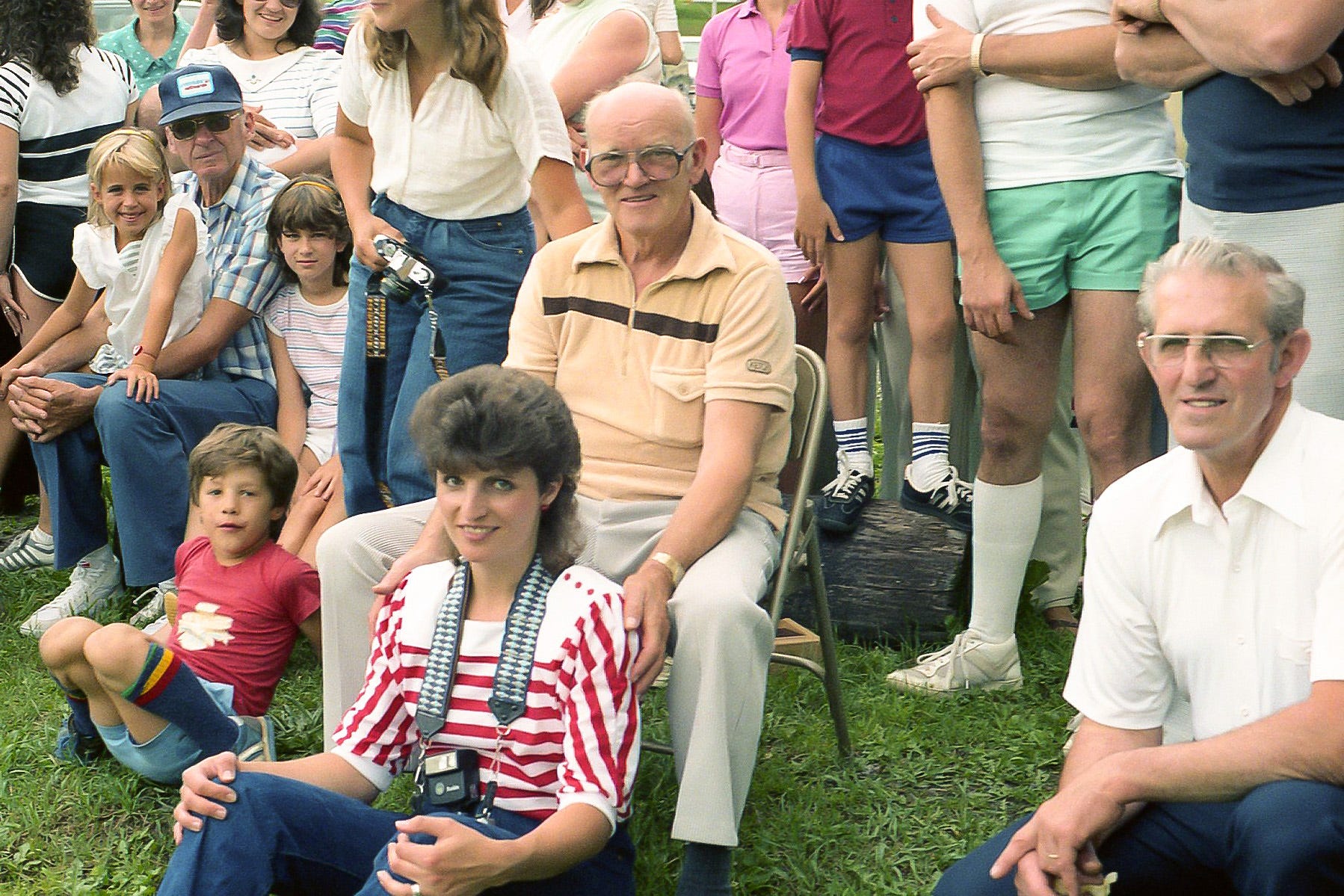
(Left, Erin, Pops, Kristi .. down front Linda, behind Bob and right, Uncle Ronnie) 1984
I wrote about those years in my memoir, Coming Through the 60s: A Rock & Road Story. Here is an excerpt, along with a few photographs gifted to me by those magical old hard drives. It’s Sunday, it’s family.
Allegheny Moon
Each summer, we journeyed east to Nellie and Albino Michelone’s dairy farm in Williamsburg, Pennsylvania — for kids, a most excellent adventure and a respite from the tension that lived with us at home. Williamsburg, nestled in the Allegheny Mountains, was more storybook than otherworldly, with big, painterly landscapes and picturesque dairy farms at the heart of the community.
Before the Etna-Sharpsburg bypass opened in 1957, the route to Williamsburg cut straight through downtown Pittsburgh, home of Carnegie Steel. Massive girders, an orange-bruised sky, blast furnaces breathing fire — the hum of the pumping industry thrilled a boy pressed against the car window. The smell was overwhelming, and so was the slow-dawning reality that the freshwater running through those mountains, feeding everything downstream, was poisoned at the source. Progress had a stench, and we drove straight through the middle of it.
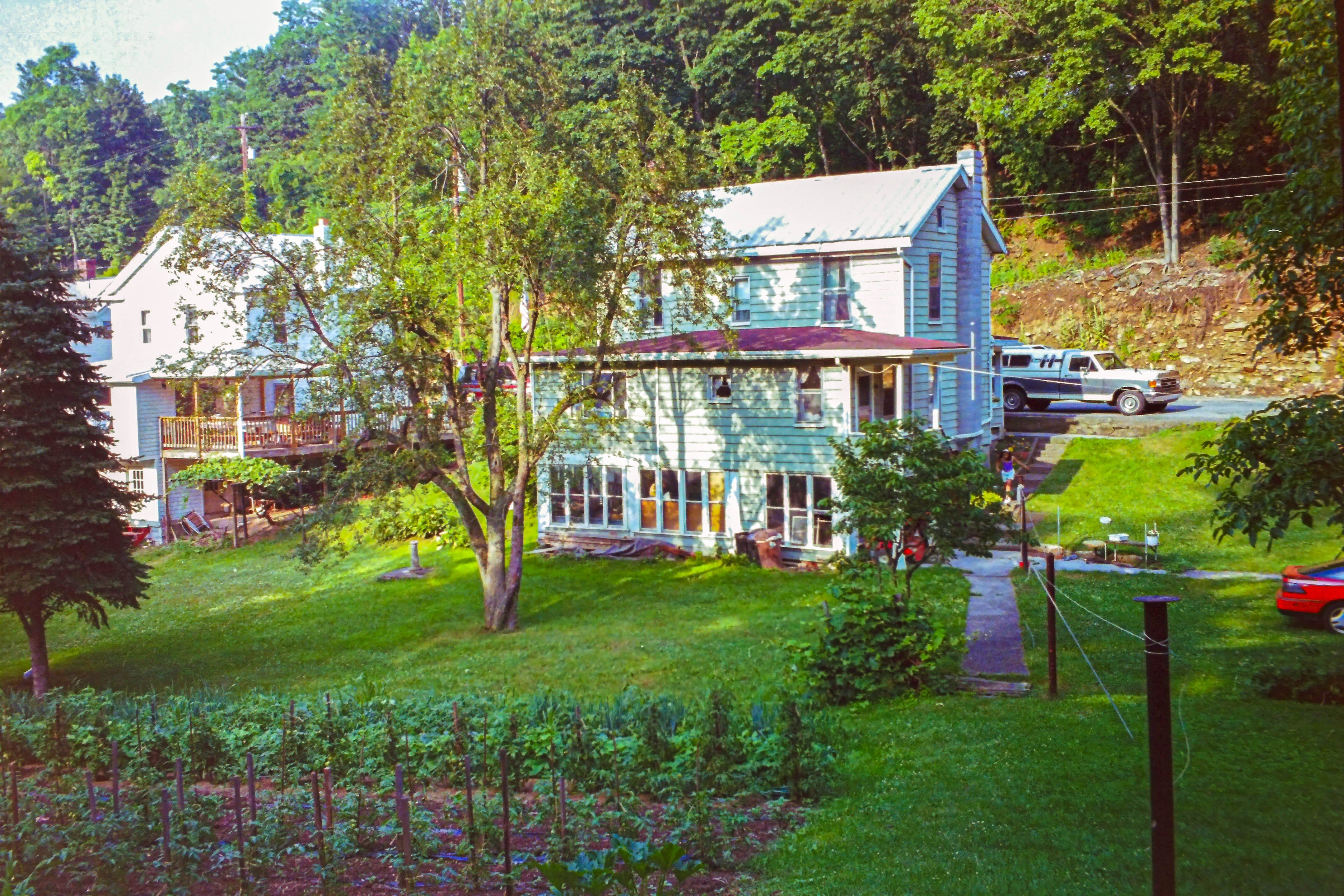
We’d climb the hill above Williamsburg and take in the whole broad landscape below as it belonged to us. Grandma Michelene’s two-story farmhouse sat in the distance, smoke sifting up through a partially collapsed brick chimney. Further down the valley, Uncle Ronnie’s beagles howled at a moon so full and expansive that only that one stubborn hill kept it from owning the entire night sky. Hiking the back roads with Grandpa Albino, I could be a shepherd minding a flock, or just as easily a warlord surveying his kingdom — the difference was only a matter of imagination, and I had plenty to spare. Most days I preferred running the woods with Wayne, or alone, putting real distance between myself and the crowded orbit of Mom, Dad, uncles, aunts, cousins. From up on that hill, distance was entirely possible.
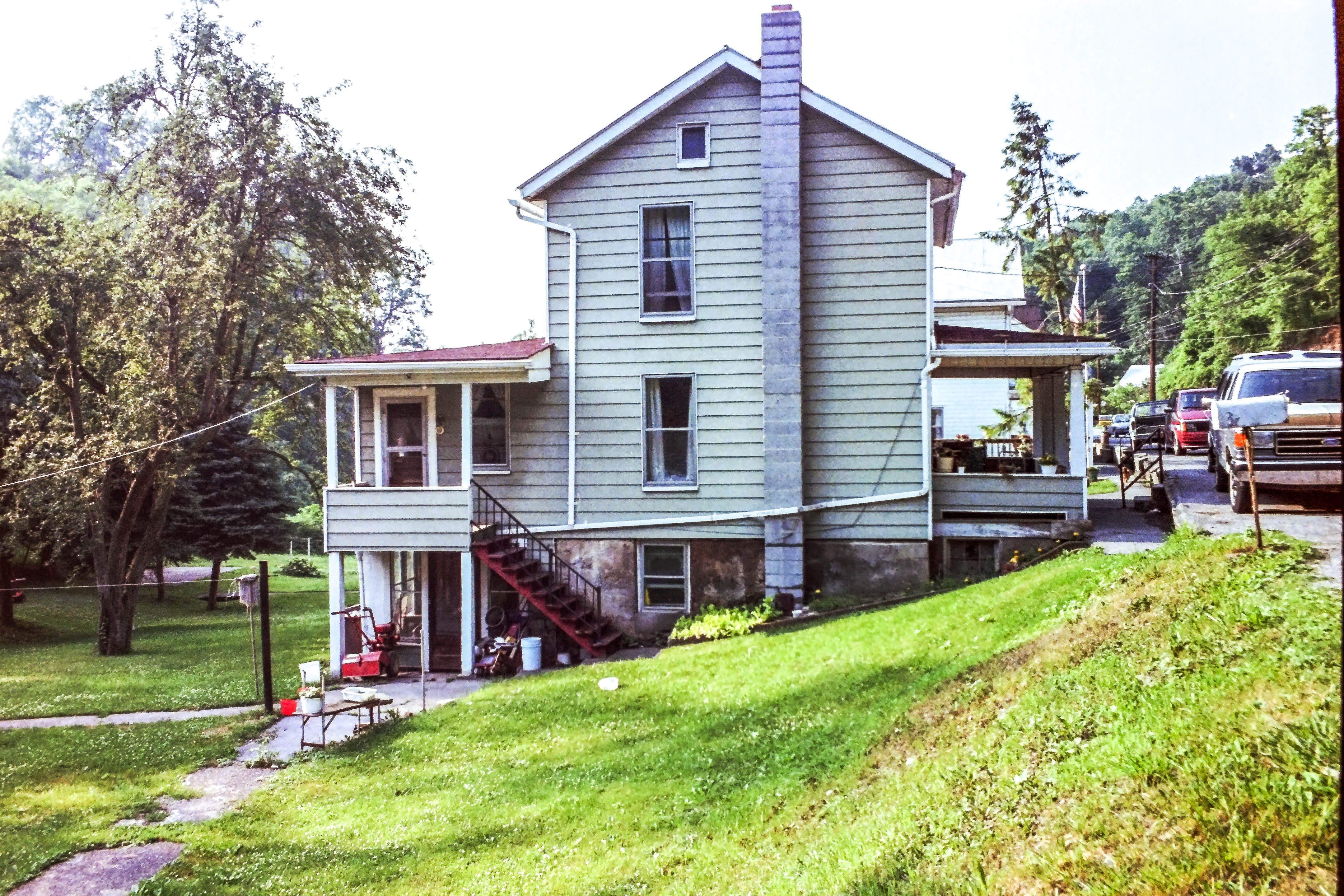
What I’d always believed to be a mountain turned out to be nothing more than a fair-sized hill, the one separating Nellie’s property from her elder sister Rose’s. Both women had arrived in Williamsburg in the early 1930s and settled on adjoining farmland — rich, generous ground that gave up sweet corn, raspberries, yams, potatoes, carrots, lettuce, tomatoes, nearly anything you’d care to plant, plus a modest vineyard south of the chicken coop. The stretch of land from Grandma’s garden over the hill to the Figurellas’ place ran thick with vegetation and wildlife — wild turkey, small fox, pheasant, raccoon, grouse, quail, deer, the occasional skunk drifting past the back door like it paid rent. The domestic animals — pigs, cows, chickens — carried none of that same wild mystique, but they kept the family fed and clothed, which counted for more,
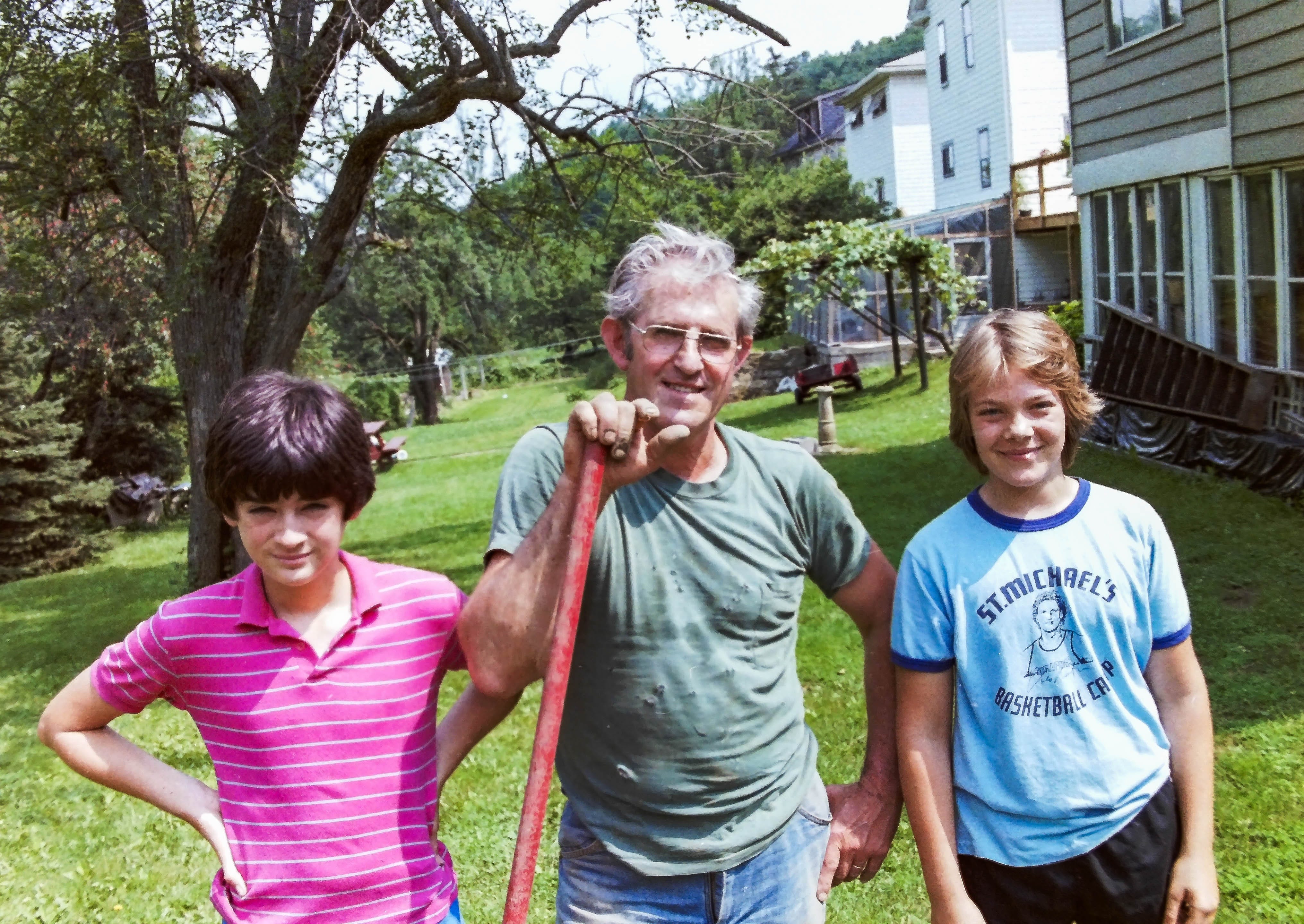
(Michael, Uncle Ronnie & Jesse)
It seemed like everybody in that community had Italian roots. After the first wave of immigrants settled in, word travelled fast about this quiet enclave, its soil and climate a near match for central Italy. Nellie herself came from the Abruzzo region.
Williamsburg was its own small dream world, a place where English served as a second language — mostly reserved for showing off a prized sow at the state fair or squaring off with the local bank manager. Nellie knew her future husband Albino from her father’s boarding house in Calderone Hollow, and she married him at fifteen. Albino was twenty-three, working the Mason Mine.
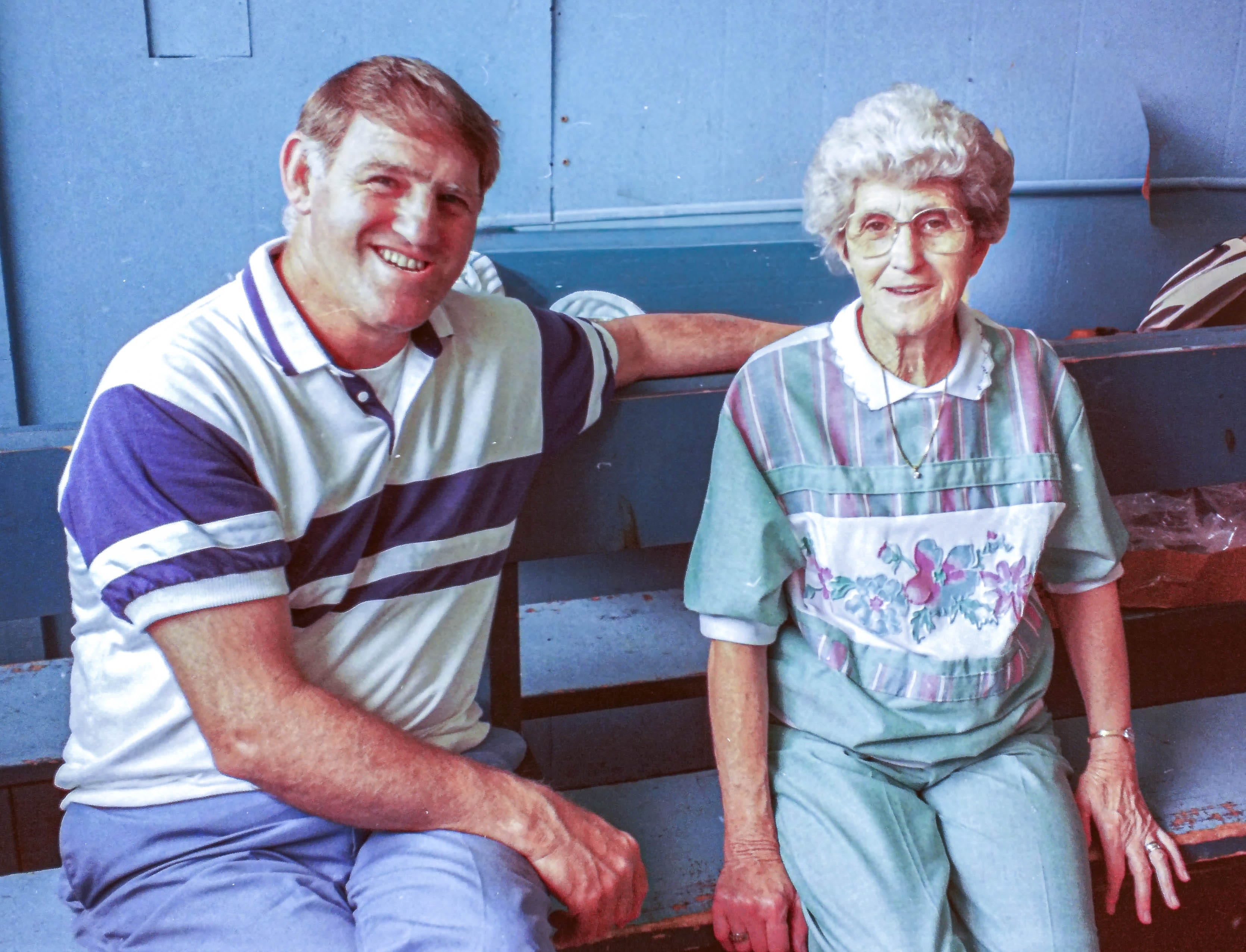
(Uncle Roger, another school teacher/football player in the family and mom.)
Farming, at its best, was a stressful, all-consuming way of life. Nellie’s father and grandfather had owned farmland back in Italy too — this was simply what the family did, generation folding into generation. Most of the men held second jobs just to keep up with car payments and put clothes on children’s backs. For the first sixty years, that farm was the family’s central source of income and stability, the fixed point everything else orbited. As the brothers and sisters married off and scattered to nearby towns — some going as far as California, Delaware, Virginia — it felt like another artery connecting the old hamlet got severed with every wedding. The one constant left standing was the Catholic church, built up with Nellie’s blessing and her tireless energy behind it.
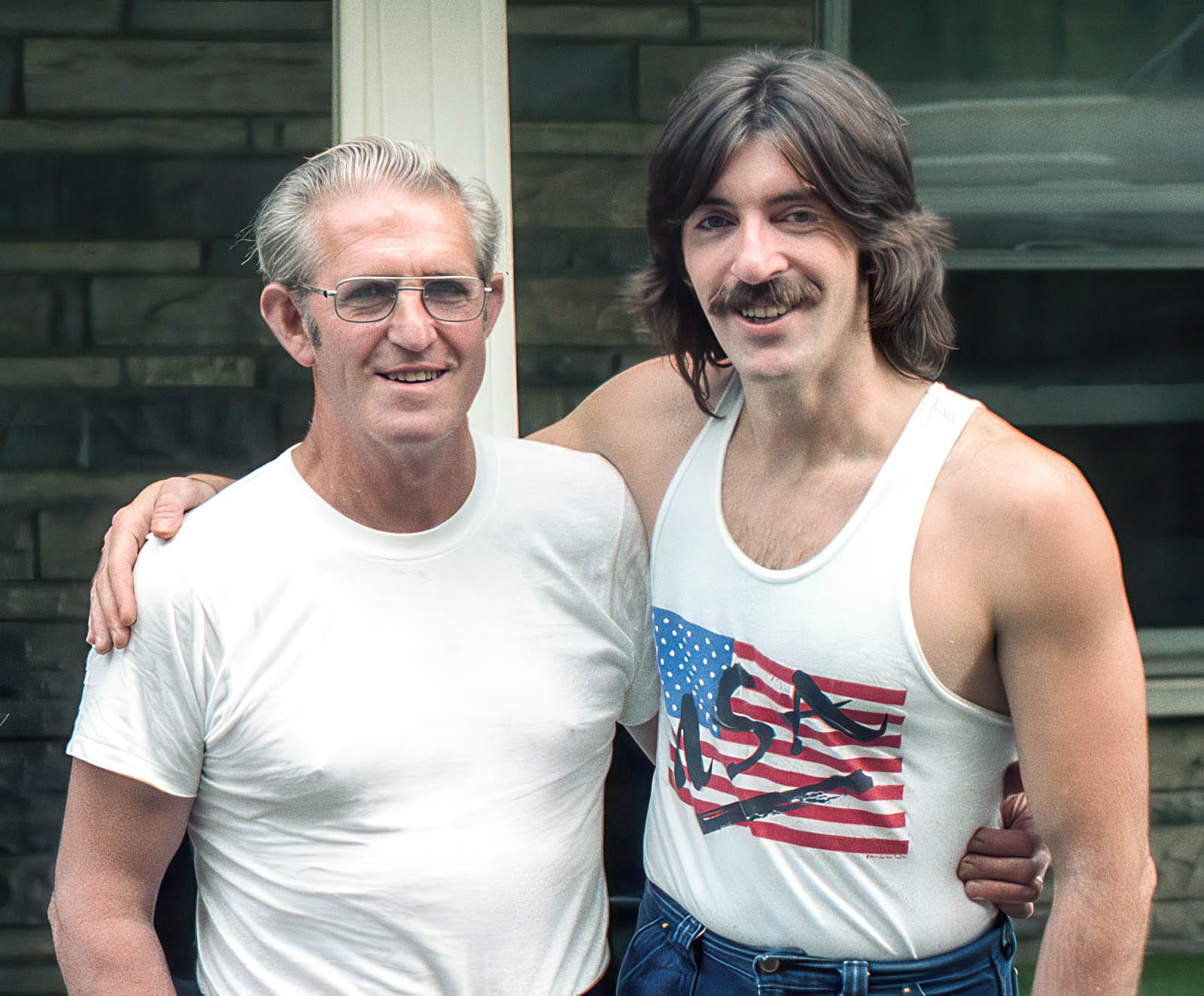
(Uncle Ronnie & me, 1984)
Not much happened out of the ordinary in Williamsburg — the birth of a calf, a dramatic swing in weather, the occasional car wreck, a draft notice pulling some young man away for a stretch. The infirm and dying got their care at St. Jude’s Hospital, where every patient was on a first-name basis with the nurses and the Catholic sisters, the way small towns manage to keep dying itself a neighbourly affair.
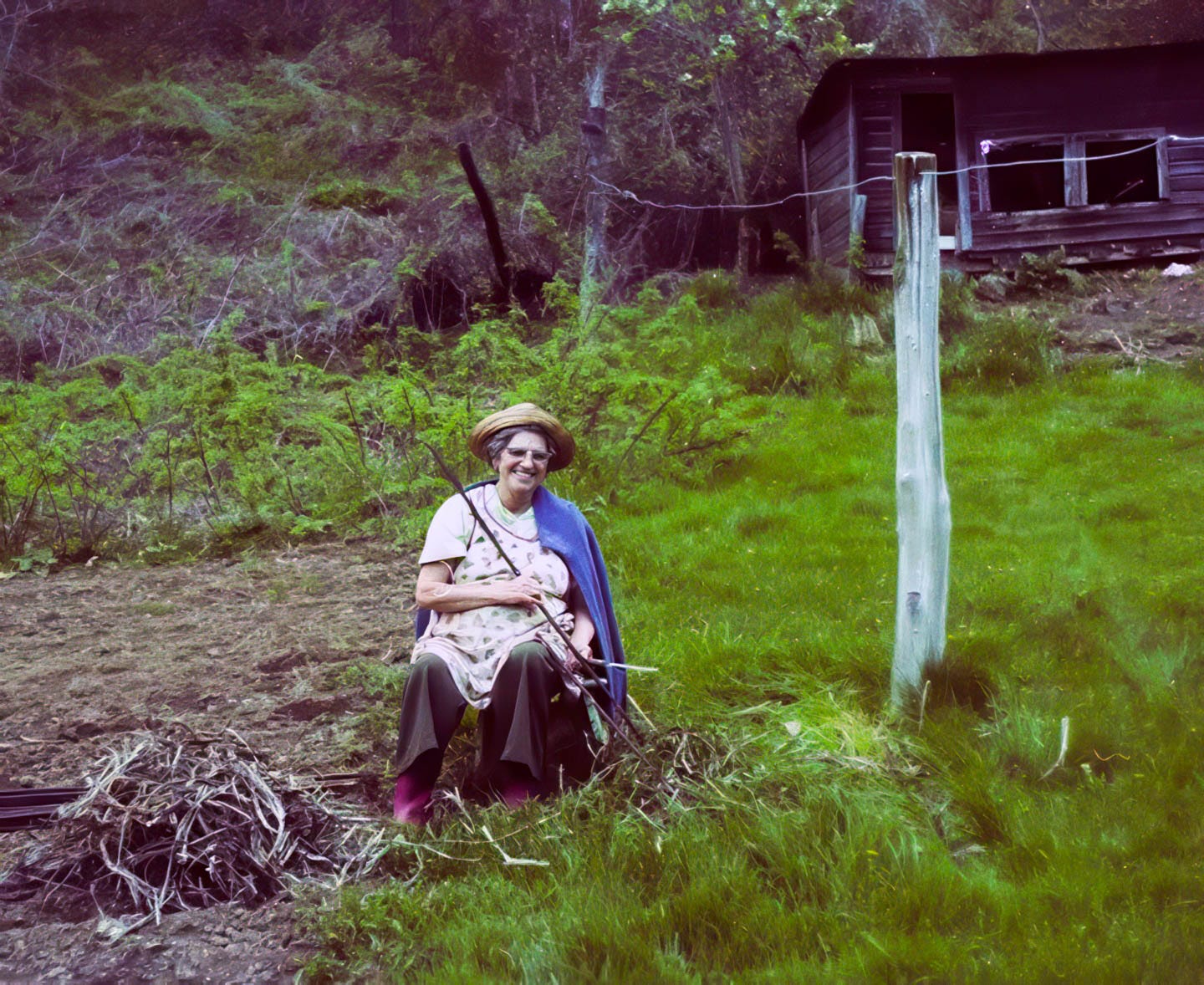
Nellie!
The Sound & Reason is a reader-supported publication. To receive new posts and support my work, consider becoming a free or paid subscriber.
Comments
Nothing yet. Say the first thing.
Sign in to join the conversation.