
NOTE: I used ChatGPT to clean up several of the photos in this article.
Enjoy Part 2 of the story of WOS Radio, Jefferson City. Read Part 1 at this link:
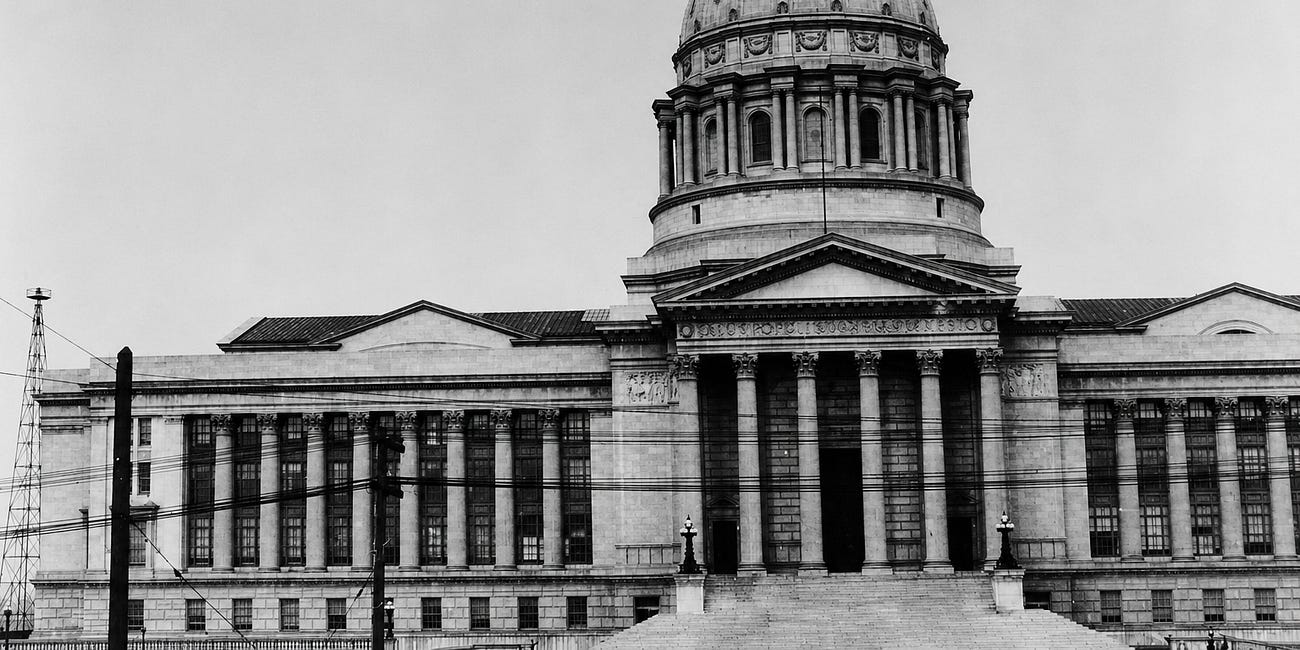
In the early 1980s several of us conceived a fiddling event to celebrate the old fiddlers contests held on the radio in the 1920s. These were broadcast live over state-owned station WOS with studios in the Capitol.
Working with the Howard Marshall at the Missouri Cultural Heritage Center and the Missouri State Museum a reunion of fiddlers who performed on the station and a modern fiddle contest were held in the State Capitol on October 27, 1984.I wrote the article below to present some of the research done for the exhibit and event. A future post will tell the story of the 1984 event.
OLD-TIME FIDDLING OVER WOS
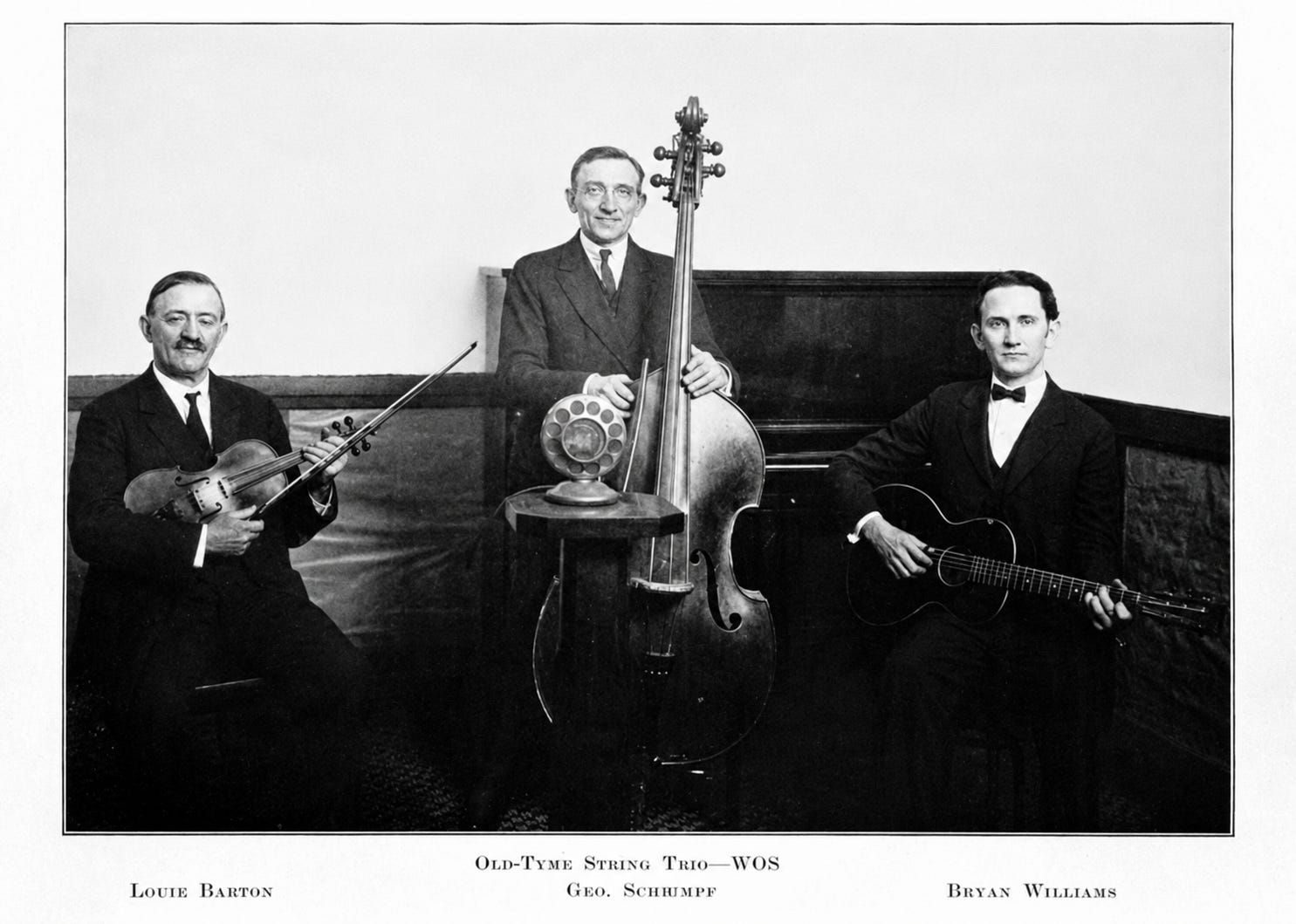
Given the general orientation of WOS to the rural listener it is not surprising that the first airing of old-time fiddling on June 24, 1923, was very well received. The fiddler for this historic broadcast was Louie Barton, a Jefferson City local. He was accompanied by George Schrimpf on bass and Noland Wrightman on guitar. The program also featured a square dance caller, Tony Eveler, and Bryan Williams on mandolin. The combination of Barton, Schrimpf, and Williams (on guitar) came to be called “The Old-Tyme String Trio” and was the “house” band at WOS for some time. It is worth noting that this WOS broadcast of traditional American music predates WSM’s Grand Old Opry (November, 1925) by more than two years.
It wasn’t long before fiddlers and old-time musicians from across the state were making the trek to Jefferson City to play on WOS. Legislators may have served as “talent agents” for WOS by encouraging musicians from their home districts to play at the Capitol. Friday night at WOS was fiddler’s night and anyone who happened into the studio was welcome to play.
Kirksville journalist Captain Jack Heiny, known to the fiddlers as “Cap,” was the announcer at WOS from 1925 to 1930. Heiny’s voice was described as a “soft southern drawl...listened to nightly by war buddies all over the country.”
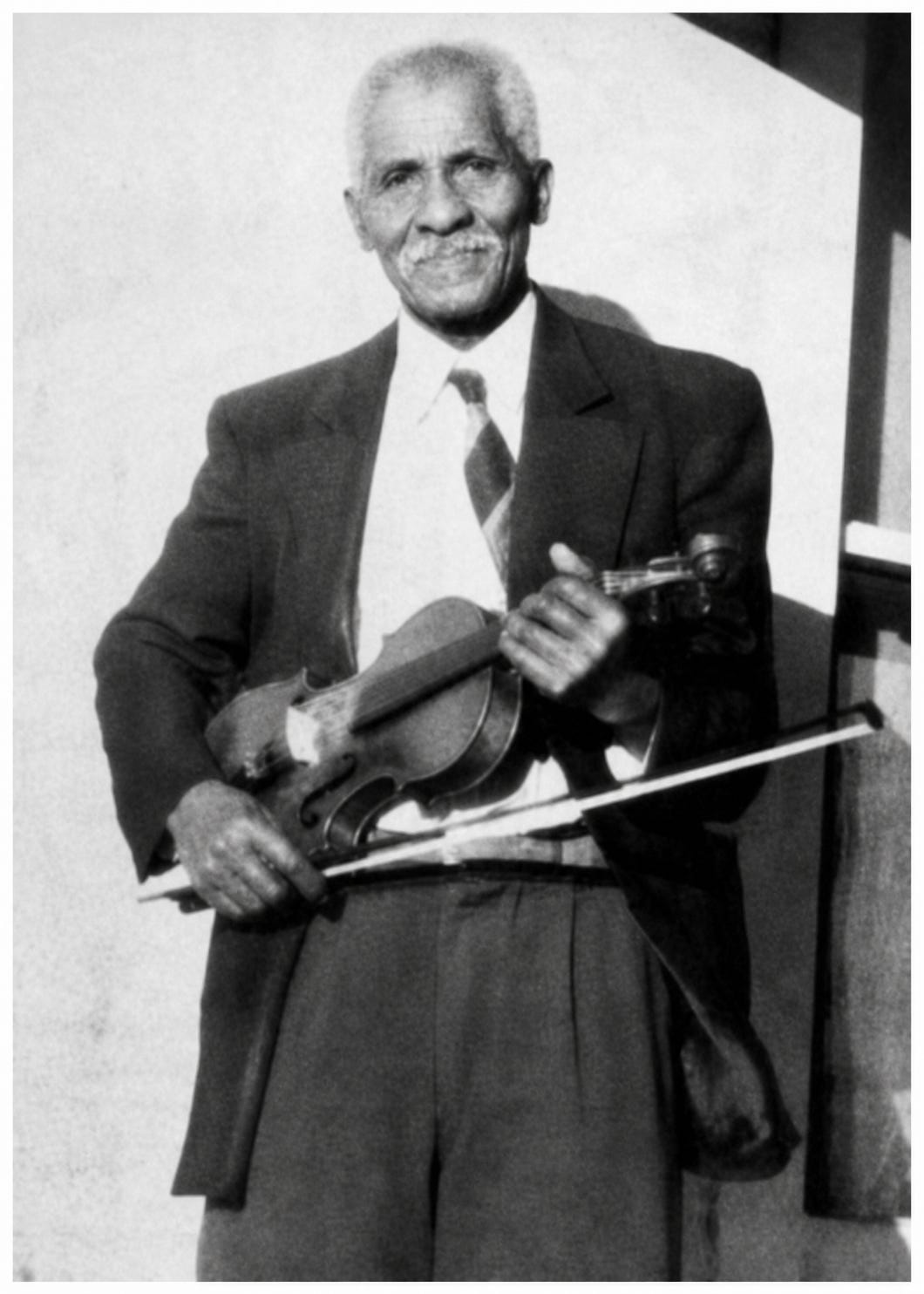
Among the more than two hundred groups and individuals who played old-time music and song at WOS were several groups of rural black performers. One program listing cites “old-time colored fiddlers from Lebanon.” Bill Driver, a black fiddler from Iberia, played at the Capitol. The legendary Bill Caton of Tebbetts in southern Callaway County, accompanied on guitar by Ola Gathright of Jefferson City, became a regular on WOS.
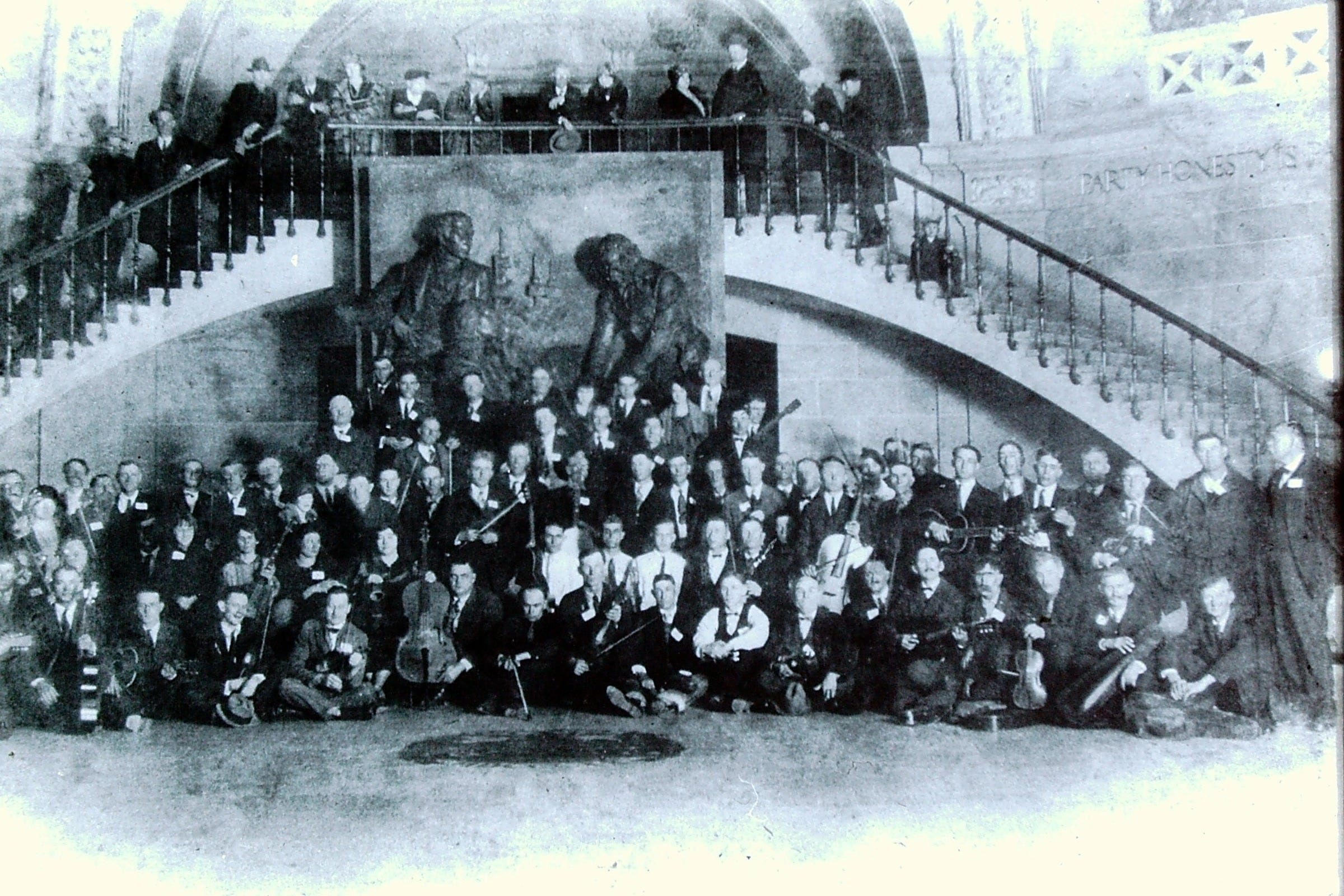
Old fiddlers contests were popular features on many radio stations in the 1920s. It is uncertain where and when the first broadcast fiddlers contest took place, but those at WOS were no doubt among the earliest. The first was held on December 31, 1925, and was broadcast live from the Capitol. The pre-contest roster boasted 82 contestants representing twenty-seven Missouri counties. The contest lasted well into the morning of New Year’s Day, 1926. When contestants were not in the Dome studio they were filling the halls and rotunda of the statehouse with tunes and dances.
Judging for this and all subsequent WOS contests was by popular vote of the radio audience. A postcard was worth one point, a letter two, a telephone call three, and a telegram four. Fiddlers naturally encouraged their relatives and neighbors to cast votes for them. A tavern owner and fiddler in Northwest Missouri is alleged to have unsuccessfully offered funds to his patrons and kin to send in telegrams in his favor.
It took Marketing Bureau officials 13 days to count the more than 5,500 separate communications received. With the final tally completed, 70-year-old Kentucky-born Thomas Jasper Massie of Nevada, Missouri, was declared the winner. Daniel Boone Jones of Stephens was second, followed by Louie Barton of Jefferson City, Jess Burgess of Stoutland, and Aaron Oliver of Columbia. As prizes, winners received merchandise valued from 25 to 50 dollars.
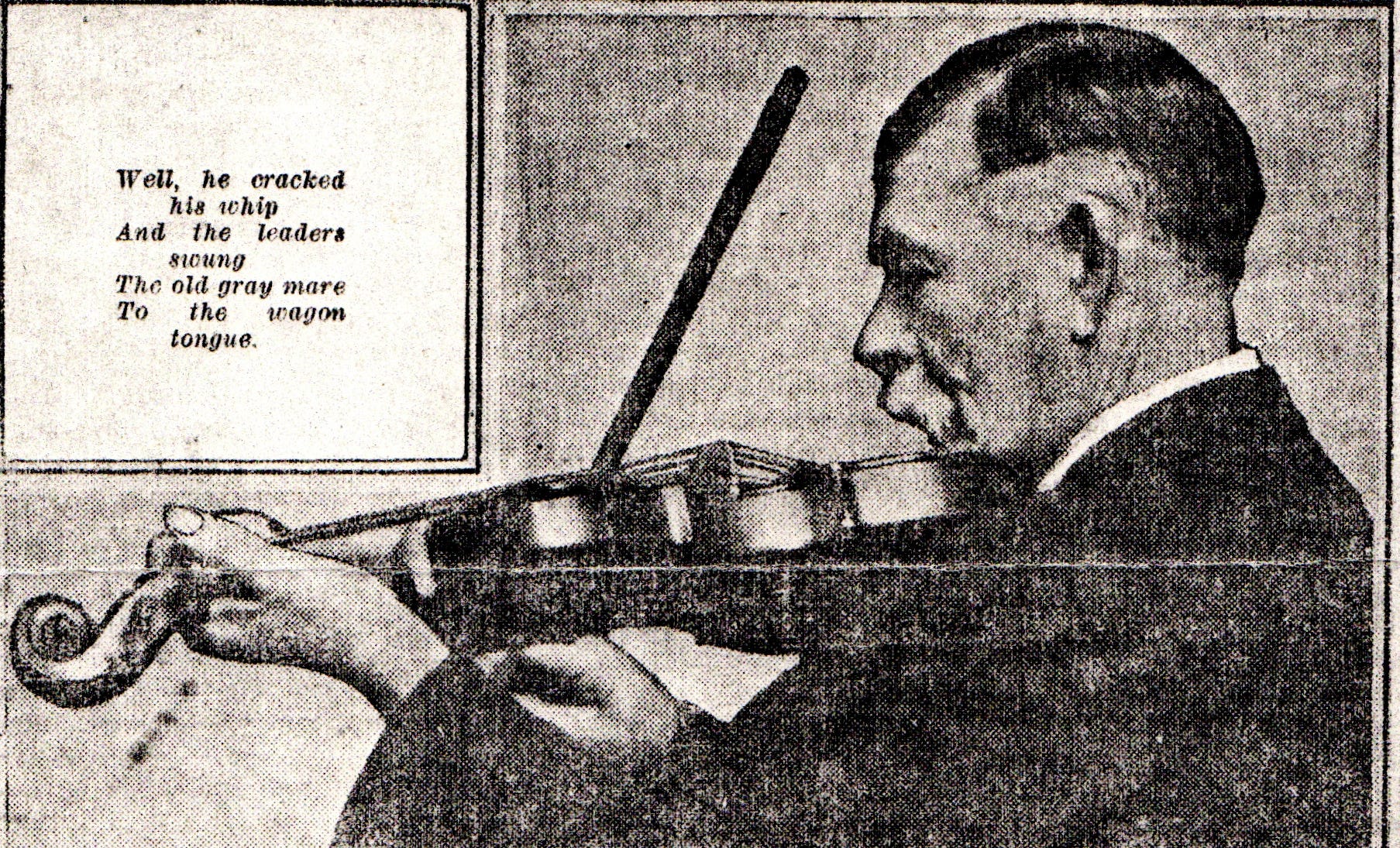
An Interstate Old Fiddlers Contest was broadcast on WOS on April 2, 1926. The contestants consisted of two-man fiddling teams from Missouri and all states adjoining its borders. Missouri’s duo, Daniel Boone Jones and Louie Barton, was selected in an invitational Missouri elimination on February 19. Tom Massie of Nevada, Missouri, was unable to attend. Fiddlers from other states were apparently chosen by their governors and included in their ranks such notables as WSM’s Uncle Jimmy Thompson from Tennessee, Fiddlin’ Sam Long of Oklahoma, and D. W. “Frame” Davis of Iowa.
Rules required that all music consist of old time tunes. Interestingly, the modern prohibition on “trick tunes” was apparently not in force, Thomas Fisher of Nebraska rendering “Listen to the Mockingbird” as one of his selections. Contestants were permitted only one accompanist playing either guitar, mandolin, banjo, or piano.
Telegrams and telephone calls inundated the Marketing Bureau throughout the night of April 2, 1926, as the competition continued into the wee hours. Governors of Illinois, Iowa, and Oklahoma sent messages which were read over the air in praise and support of their contestants.
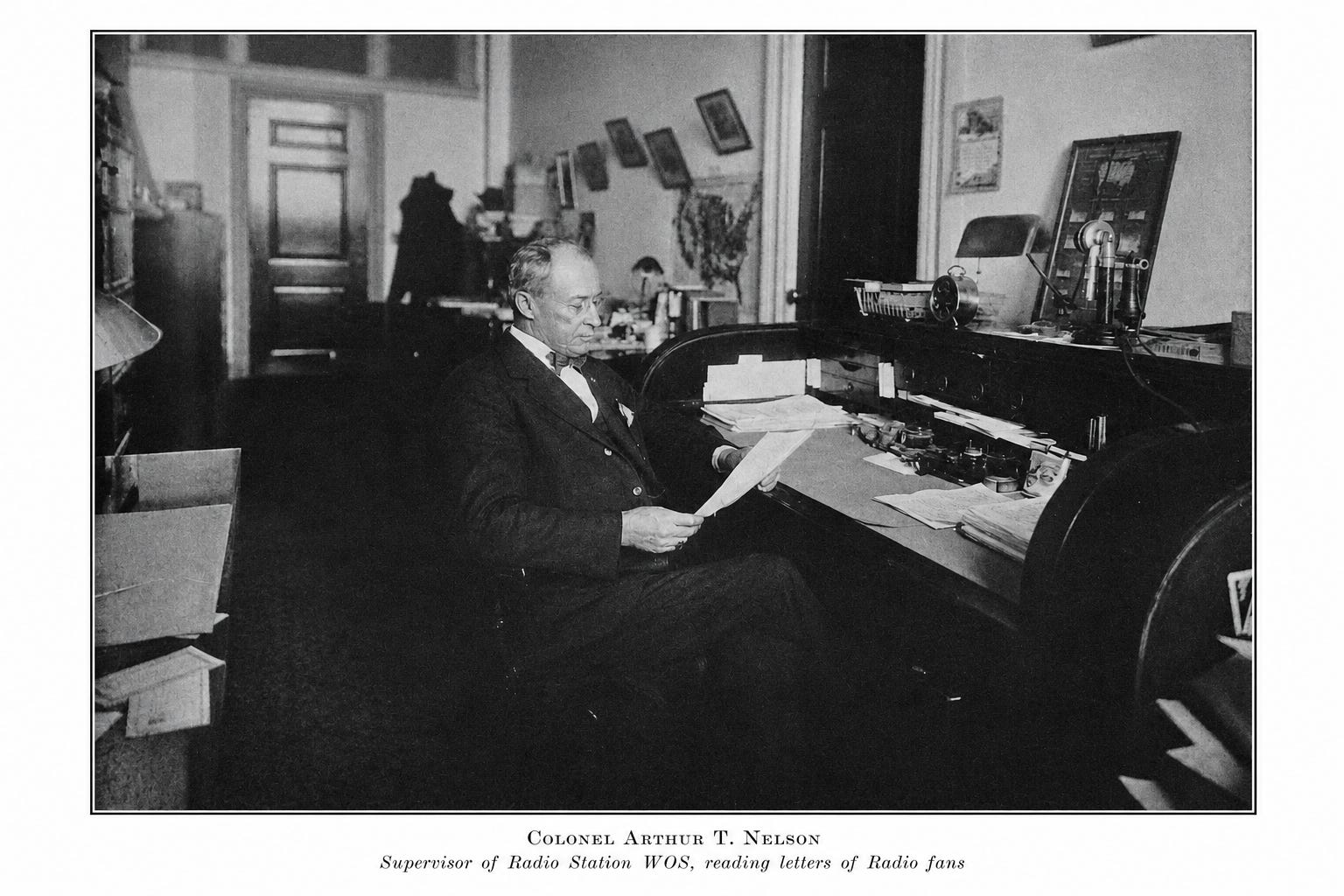
To encourage listeners to cast their votes a variety of prizes were offered. All telegrams, postcards, and letters were numbered and placed in a huge box and the winners drawn by a blindfolded Governor Sam Baker. Premiums ranged from baby chicks to a house and forty-acre farm in Southeast Missouri.
The success of this promotion is evidenced in the more than 250,000 communications received. The local telegraph office estimated that messages were being taken at a rate of 115 an hour. In Miami, Oklahoma, where voting was heaviest, some 500 telegrams were filed at one time. The Northwest and Canada turned in a large number of telegrams. Poor weather conditions accounted for the small number of returns received from the Southeastern United States.
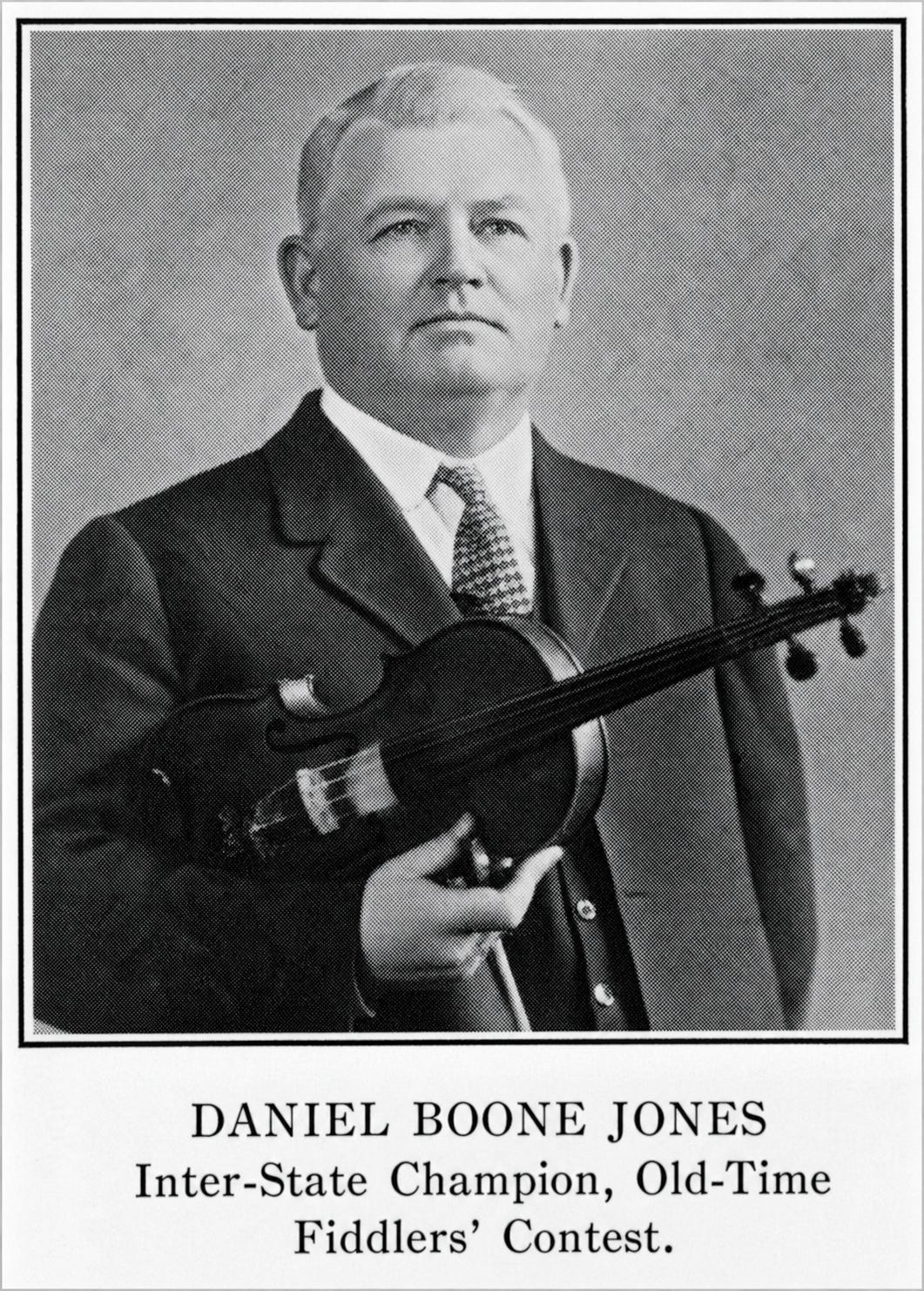
It was not until April 19, 1926 that the winner was announced. The Interstate Fiddle Champion was Daniel Boone Jones of Stephens. Jones, a merchant in Boone County, was not an old-time fiddler in the strictest sense. While a teenager he had studied for twenty months under violinist Professor Frederick Pannell at Columbia. He was equally proficient on sacred and modern pieces as he was on old time hoe-downs. Our current concern with a fiddler’s pedigree and the distinction between “art” music and old-time music may have been unfamiliar to fiddlers in Jones’s day.
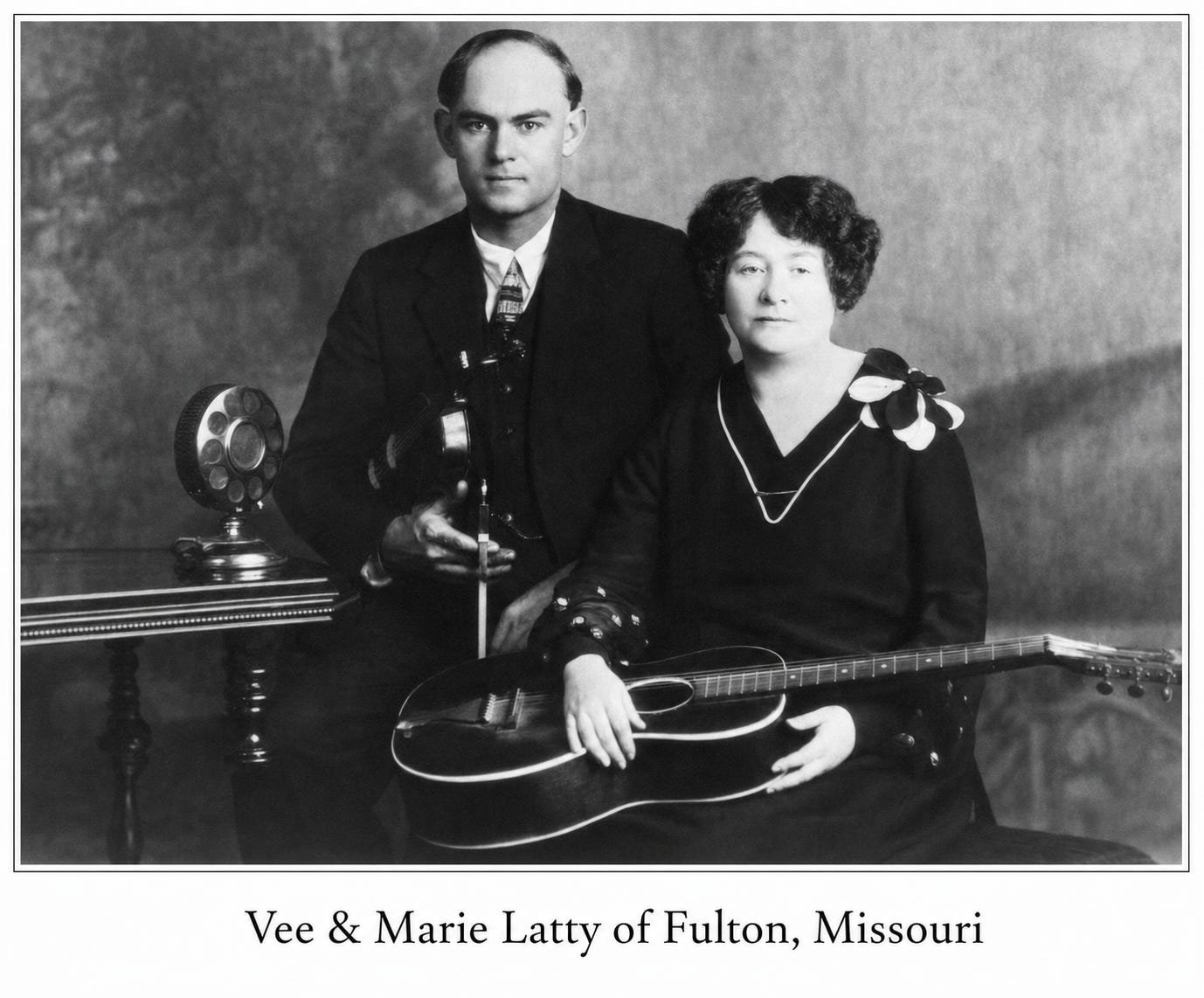
Scholars and musicians have recognized differences between the playing styles of fiddlers in the northern and southern regions of the state. These differences were no doubt evident to those who listened to the competitions held between fiddlers from north and south of the Missouri River in 1927 and again in 1929. Notable in these competitions were Vee Latty of Callaway County, Johnny and Jack Stapleton of Camden County, Marvin Mitchell of Howard County, and Bill Huddleston of Oregon County.
In addition to these fiddling contests, an old time music contest for harmonica and accordion was held on January 25, 1928. Lee W. Hall of Warrensburg was named “State Champion Harmonicist.”
DEMISE AND LEGACY OF RADIOPHONE WOS
WOS continued to operate into the 1930s. Depression era belt-tightening forced the discontinuation of the Missouri Marketing Bulletin in December of 1931. The Bulletin, which carried the WOS program listings, had been distributed free of charge to Missouri residents since early 1922.
WOS ceased to exist in 1933. Reorganization of state government replaced the State Board of Agriculture and its divisions, including the State Marketing Bureau, with a new State Department of Agriculture. The WOS facilties were turned over the State Highway Patrol.
The existence of Radio Station WOS is significant to our understanding of government, commerce, and agriculture in the Missouri of the 1920s. “Watch Our State” was no empty slogan. The state had a spectacular new Capitol. Missouri was on the move into a new era of growth and prosperity. State government’s innovative and visionary use of the fledgling technology of radio permitted the exportation of its message of hope and success to the rest of the continent.
WOS and the State Marketing Bureau led the nation in agricultural extension broadcasting. Even the USDA, which had initiated farm market news broadcasts, did not own a station. The tradition of serving Missouri farmers with broadcast news and information continues at the University of Missouri-Columbia to this day.
WOS Radio is among the most important themes in the history and development of traditional fiddle playing in the Midwest in this century. Before the 1920s, the development of fiddle repertoire and style was restricted and isolated within various geographic regions of the state. The broadcasts over WOS unified and in some ways may have homogenized fiddle playing in Missouri. Hundreds of impressionable young fiddlers in the 1920s undoubtedly attempted to emulate the playing of radio champions such as Daniel Boone Jones, Vee Latty, and others. These fiddlers are the master tradition bearers of today.
There is no direct link between the defunct state-owned WOS and privately-owned KWOS, which still broadcasts from its Jefferson City studios. However, the individuals who opened KWOS Radio in 1937 obviously knew of the powerful association which existed between the famous call letters and the capitol city. KWOS Radio stands as a tangible reminder of the days of “Watch Our State” Radiophone WOS.
You’ll find Patt & Possum at the following upcoming events:
September - Elkins Barn Dance Collective. Patt & I will be playing for the Elkins (WV) square dance on Friday, September 18. Mike “Wichita” Miller will be calling the figures. We’re planning to do the Paul Jones again so don’t miss it! More details to follow.
November - Breaking Up Thanksgiving. We’ll be playing with Jennifer Jeffries and Kathy Hirsh as our band “Hillbilly Diaspora”. Come dance to us on Saturday night, November 28th in Evanston, IL. The link above will get you all the info you need.
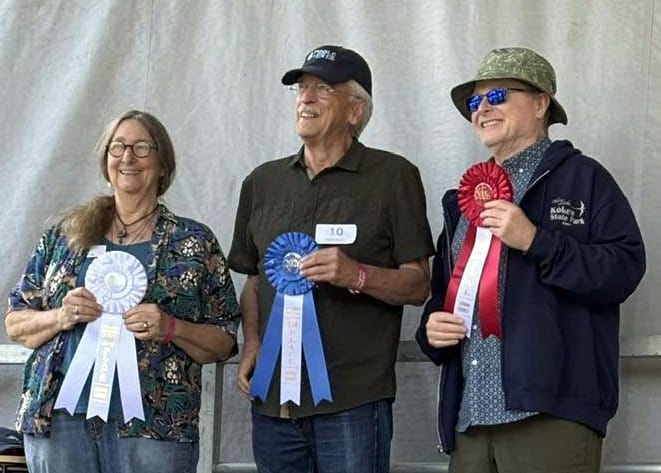
This is a new one I’ll be keeping. This August I was proud to win 2nd place in the Senior Division at the Appalachian Stringband Competition. Gerry Milnes (a recently awarded NEA Heritage Fellow) won 1st and Betty Bornvrock was 3rd.
Free members at patreon.com/charliewalden get invited to Zoom jams and have access to numerous video lessons - all for free. Of course paid subscribers have access to over 300 fiddle, mandolin and guitar back-up lessons plus an incredible online resource folder with over 700 tune transcriptions and more. New lessons posted fortnightly.
Sign up for a free two-month trial membership with the link below.
A place has been reserved especially for you in Possum’s Zoom-Zoom Room. Give me a shout to bigfiddleshow@gmail.com and let’s get together.
$5 per month ($50 per year) - You’ll have access to all posts to enjoy, share and comment. You’ll also receive a curated PDF mini-tunebook delivered twice per year via paid-sub only post.
$80 per year - Join the Catgut Confederacy - You’ll get all the bennies of free and basic paid subscriptions plus you’ll receive a curated PDF tunebook with MP3 files delivered to your personal email when you join at this level.
How about sharing this post with a pal? Use the button below. Sooo EZ!
Comments
Nothing yet. Say the first thing.
Sign in to join the conversation.