
NOTE: I used ChatGPT to clean up several of the photos in this article.
In the early 1980s several of us conceived a fiddling event to celebrate the old fiddlers contests held on the radio in the 1920s. These were broadcast live over state-owned station WOS with studios in the Capitol.
Working with the Howard Marshall at the Missouri Cultural Heritage Center and the Missouri State Museum, a reunion of fiddlers who performed on the station and a modern fiddle contest were held in the State Capitol on October 27, 1984. I wrote the article below to present some of the research done for the exhibit and event. A future post will tell the story of the 1984 event.
FOUNDING OF WOS RADIO
“Wireless the Wonder Worker” was the description given in 1922 to the new medium of radio by Missouri Secretary of Agriculture Jewell Mayes who believed that radio would revolutionize the lives of Missouri’s farm families. The State Marketing Bureau (a branch of the State Board of Agriculture) began experimenting with wireless transmissions as early as 1921 under the progressive leadership of Colonel A. T. Nelson of Lebanon, Missouri.
Two-way wireless communication had been in existence for some time, first as wireless telegraphy and then as the so-called radiophone, which was familiar to many from service in the Great War. However, the idea of a one-way communication sent out into an area for the benefit of anyone who might care to listen was looked upon by many as nothing short of ludicrous.
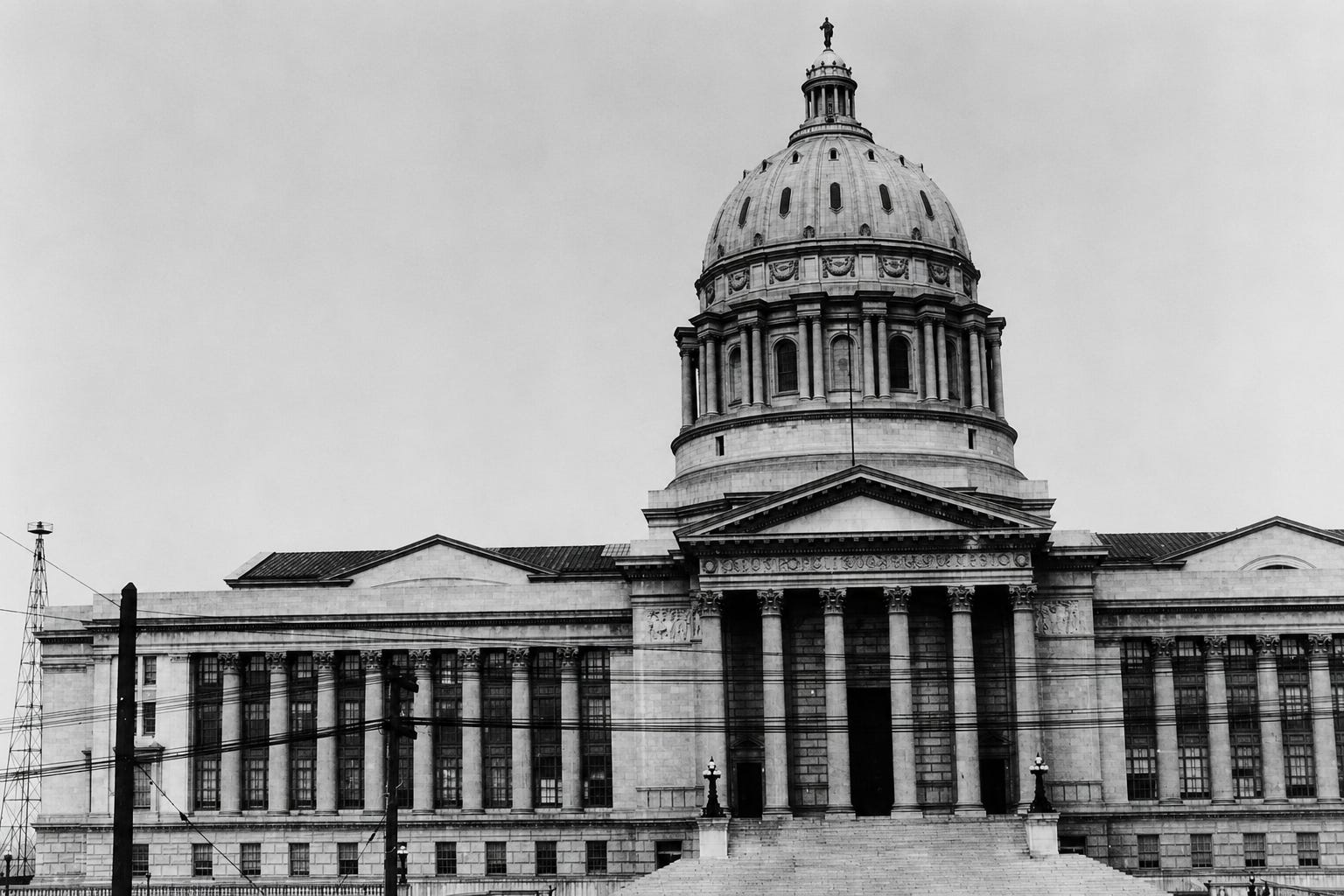
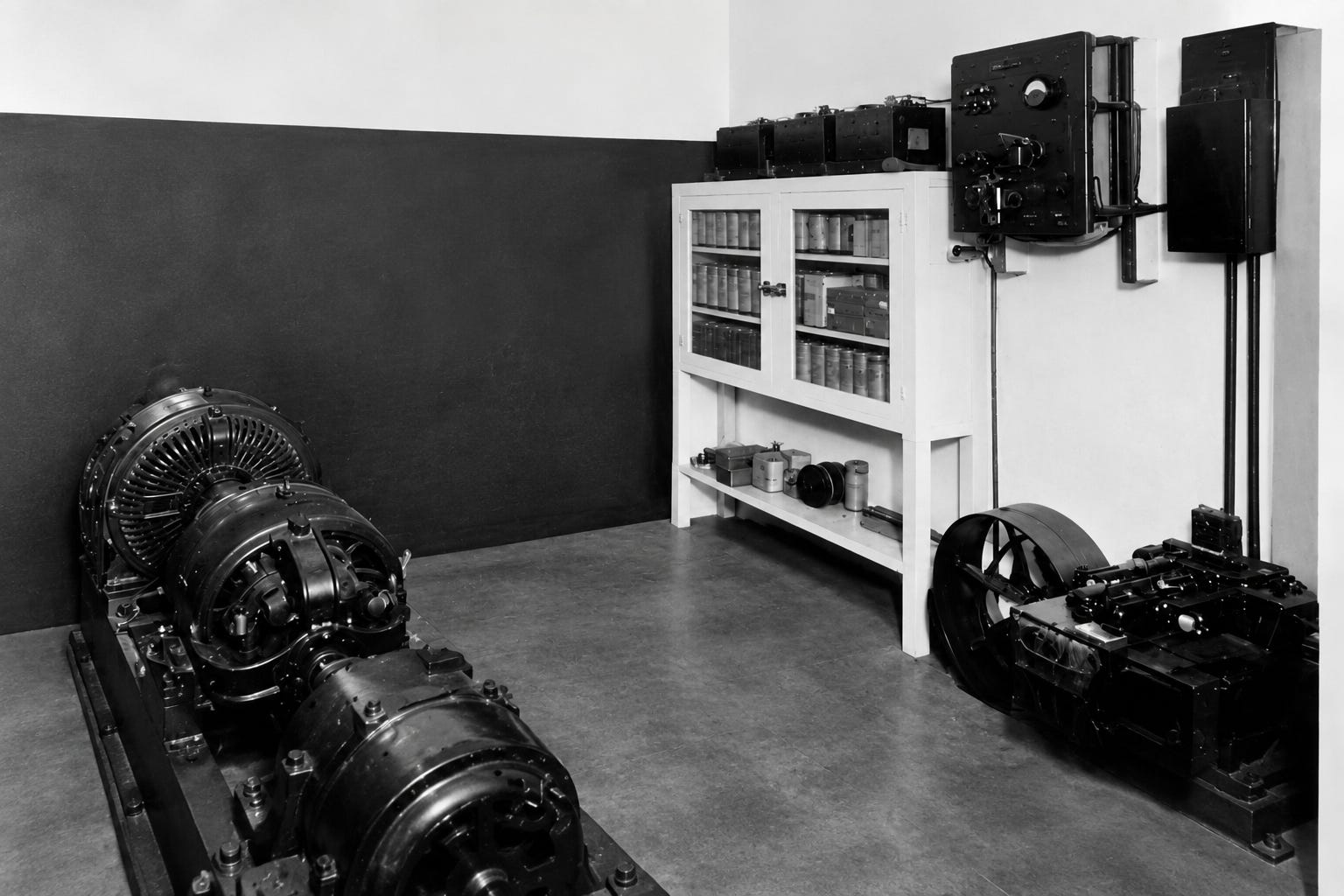
Nonetheless, the Marketing Bureau continued its efforts to establish a station in the State Capitol and this was accomplished in March of 1922 with the installation of a commercially-built 500-Watt Western Electric transmitter on the roof floor. It was only the seventh set of its kind ordered in the entire United States. The government of the State of Missouri was among the pioneers of broadcast radio in America.
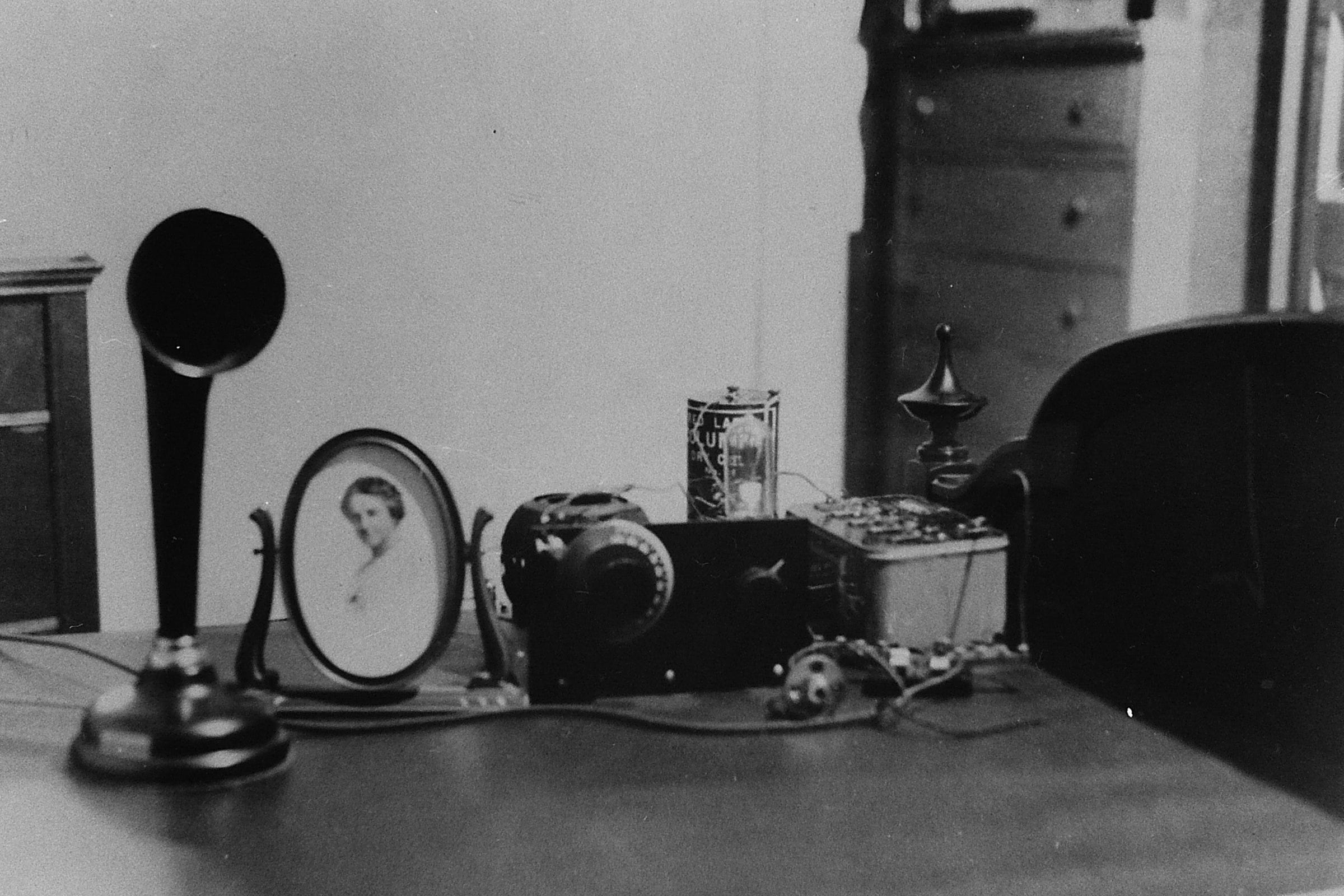
The operation of WOS was consistent with the primary mission of the Marketing Bureau, which was the timely dissemination of market news and agricultural information to Missouri’s agricultural communities. Initially, there were few receiving sets in the state. These were often of the homemade variety and were located in banks, county offices, drugstores or other centers of community activity. The operators were instructed by the Bureau to record the market news on forms provided and then distribute the information by word-of-mouth and through the local press.
It was possible to purchase commercial receiving sets of both crystal and vacuum tube types (such as the Atwater-Kent, RCA Radiola, and the Crosley), but their cost was often prohibitive and their availability limited.
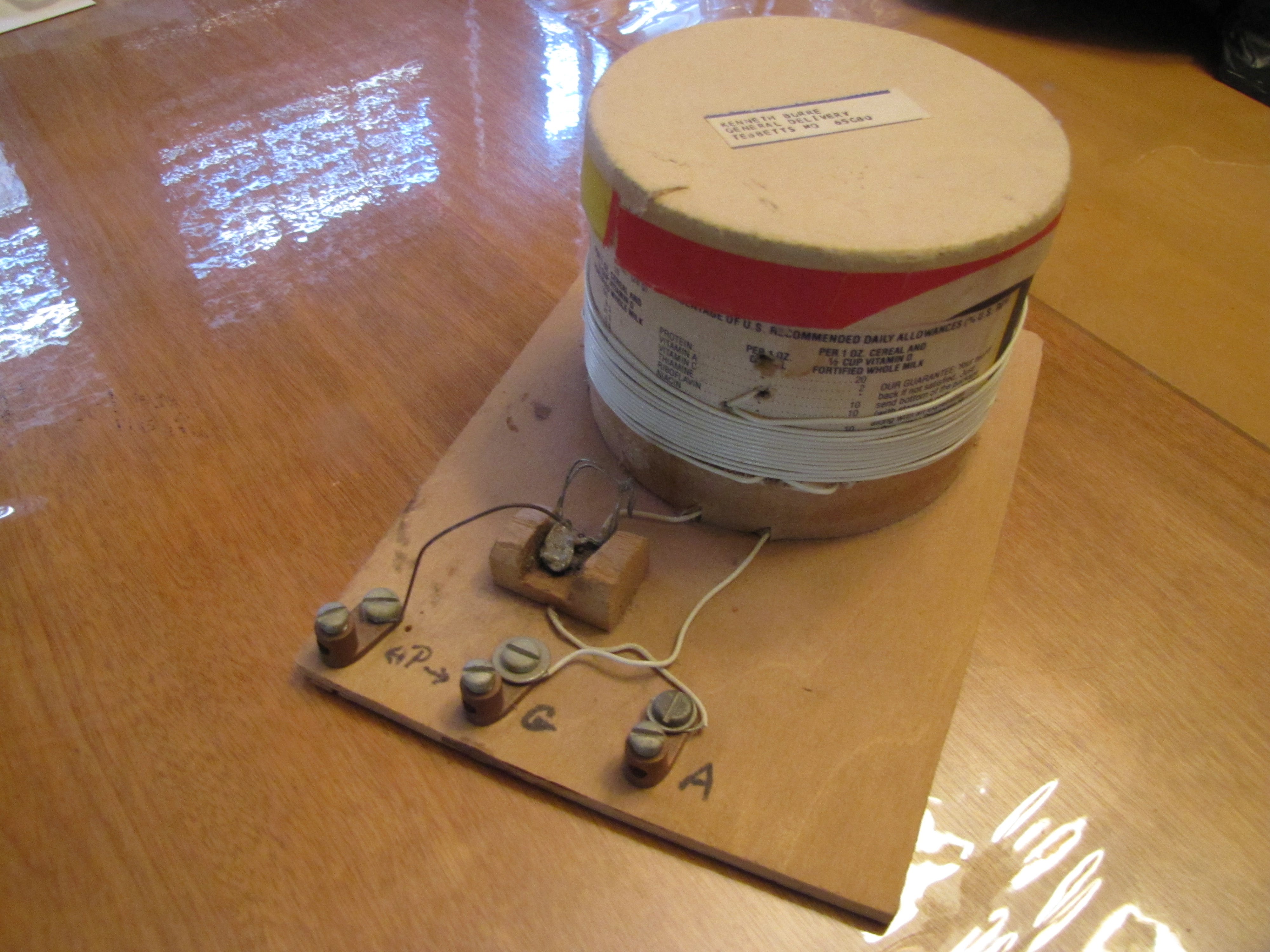
Missourians were undaunted, however. By 1927 there were an estimated 70,000 receiving sets in operation on Missouri farms. There was actually little need to purchase a set since one could easily be constructed from common materials.
WOS PROGRAMS
Although WOS was intended mainly for broadcasting farm market reports, programming was soon expanded to include informative agricultural addresses from the Missouri University College of Agriculture, programs from various state agencies, religious services, sports broadcasts (especially M. U. football), political speeches and all types of musical entertainment. Live music over WOS attracted special attention.
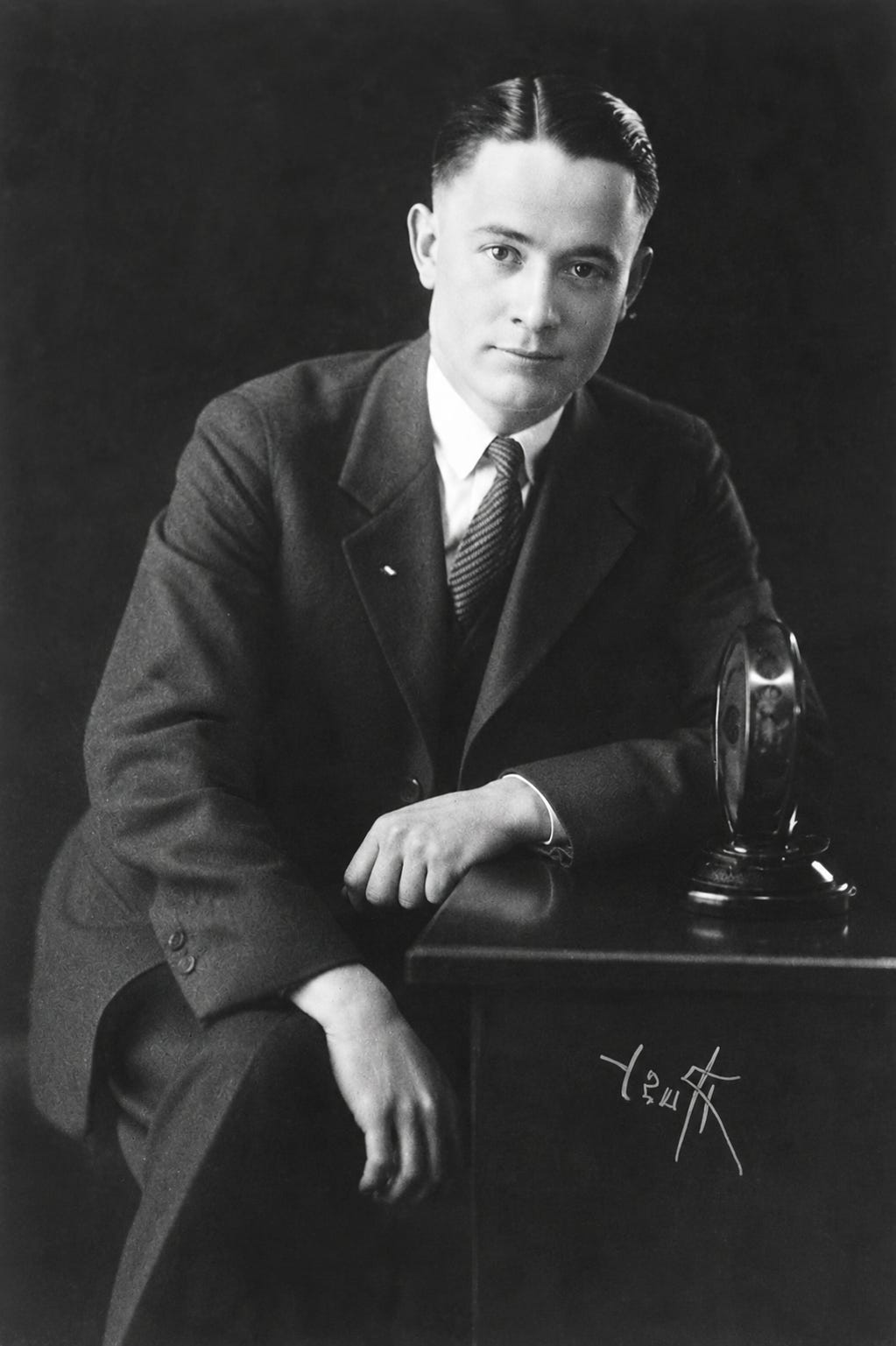
“Watch Our State” was the nightly admonition of “W-O-S” announcer J. M. Witten to listeners everywhere. With its expanded programming and a signal range which encompassed nearly the entire North American continent, people all across the nation began to listen to WOS. Its popularity rivaled such commercial “super stations” of the day as WLS-Chicago and KMBC-Kansas City.
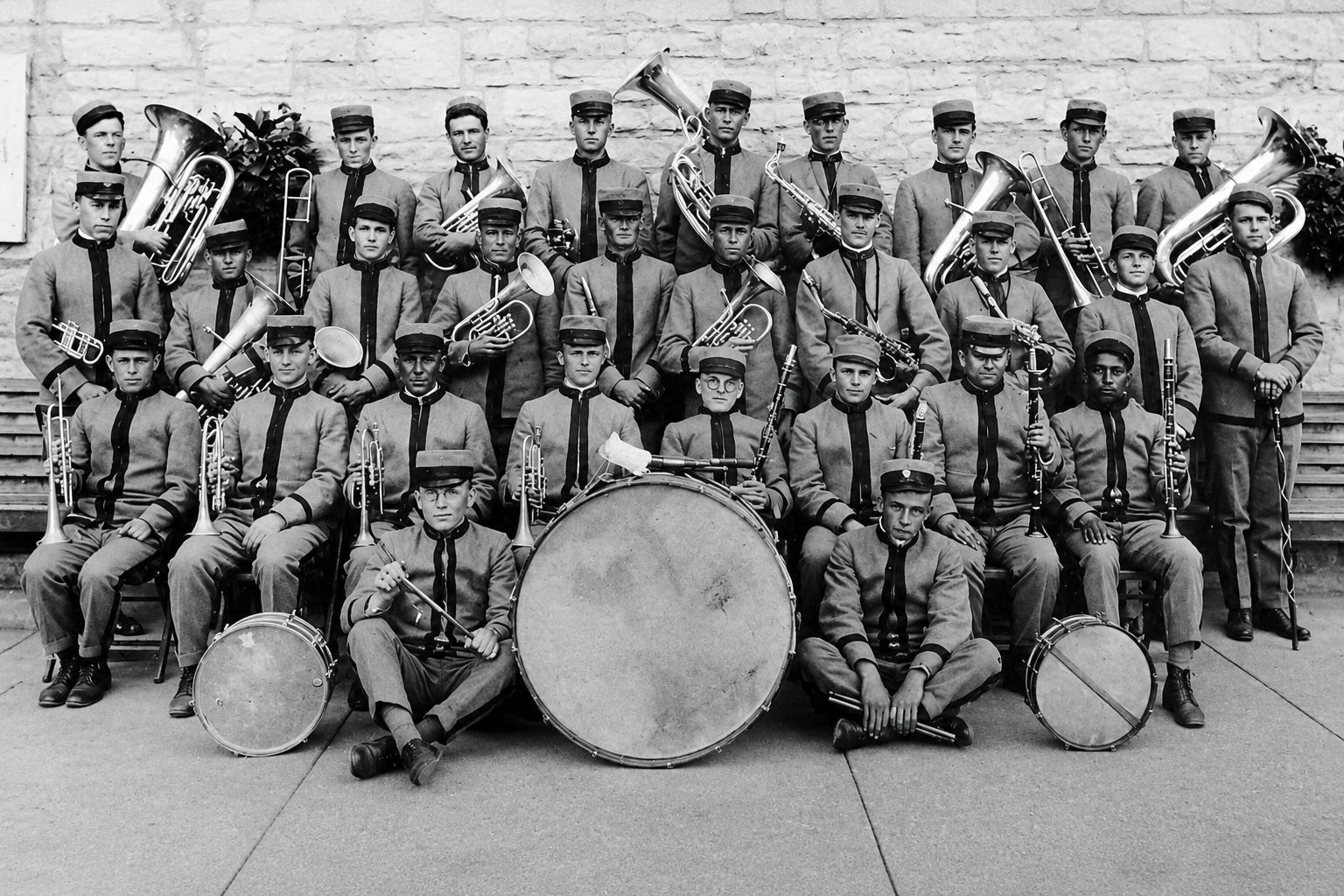
The Marketing Bureau received thousands of letters each month from radio listeners complimenting the performances of the State Prison Band and Orchestra and their celebrated pianist Harry M. Snodgrass of St. Louis. Dubbed “the King of the Ivories.”
Snodgrass had been sentenced in 1923 to two years for attempted robbery. His virtuosity at the keyboard soon came to the attention of prison officials and they permitted him to perform over WOS.
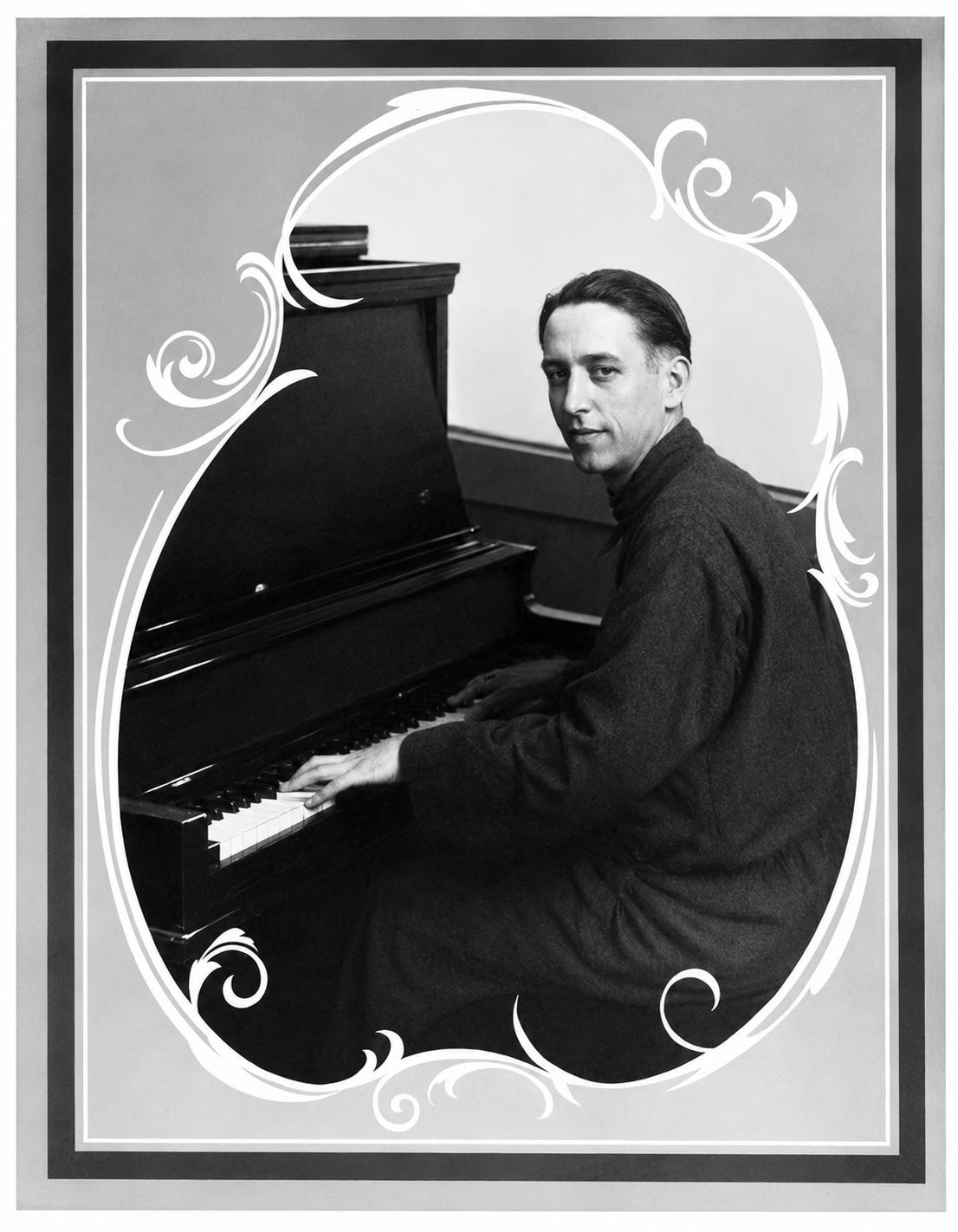
Snodgrass developed an immediate following many of whom no doubt wondered how a man of such talent could have gotten into trouble. Legend has it that public outcry for his release became so intense that the state was forced to remove him from the air entirely.
Upon completing his sentence in 1925, Snodgrass and WOS announcer J. M. Witten left Jefferson City to tour the booming vaudeville circuit. Snodgrass recorded numerous 78 sides for Brunswick in 1926. Ironically, one of the selections on the record is “The Prisoner’s Song.” Below are tracks from Brunswick 3138 featuring “Land of My Sunset Dreams” and “The Prisoner’s Song”, both introduced by Witten.
Look for part 2 of the WOS story in my next post where I delve into old-time fiddling over WOS.

Standing Offers…
Join My Patreon for Free
Free members at patreon.com/charliewalden get invited to Zoom jams and have access to numerous video lessons - all for free. Of course paid subscribers have access to over 300 fiddle, mandolin and guitar back-up lessons plus an incredible online resource folder with over 700 tune transcriptions and more. New lessons posted fortnightly.
Sign up for a free two-month trial membership with the link below.
Fiddle, Mandolin & Guitar Lessons via Zoom
A place has been reserved especially for you in Possum’s Zoom-Zoom Room. Give me a shout to bigfiddleshow@gmail.com and let’s get together.
Become a paid subscriber to my Substack and get some extra perks.
$5 per month ($50 per year) - You’ll have access to all posts to enjoy, share and comment. You’ll also receive a curated PDF mini-tunebook delivered twice per year via paid-sub only post.
$80 per year - Join the Catgut Confederacy - You’ll get all the bennies of free and basic paid subscriptions plus you’ll receive a curated PDF tunebook with MP3 files delivered to your personal email when you join at this level.
Consider becoming a free or paid subscriber.
Share and Share Alike
How about sharing this post with a pal? Use the button below. Sooo EZ!
Comments
Nothing yet. Say the first thing.
Sign in to join the conversation.