
AI and LLMs are getting better at a wide range of tasks, from coding, to drawing insights from academic research, to acting as a personal assistant and shopper. Their improved reasoning capabilities and autonomy have changed the way people work in a variety of knowledge occupations. These changes have led to uncertainty about the future of work and the role humans will continue to play in the economy. But one type of human skill seems likely to grow in importance: social skill.
The reason is because some of the most useful information in the world is private and inaccessible to current AI models. Commercially available LLMs trawl the internet for information, in the process learning structures of human communication and patterns of sequential thought. They process vast amounts of public data far exceeding any human’s capabilities. What they cannot do is access the information within organizations or in our heads that isn’t written down online. To varying degrees, teasing out this information requires good social skills.

Perhaps the lowest hanging fruit for AI models is integrating with proprietary data within organizations. Already countless businesses aim to do this. My contacts in big tech describe improvements in the value of LLMs for coding once the models were integrated with company codebases. Thus far building these integrations has required a lot of legwork. Either companies hire their own workers to build these systems from scratch, or they reach partnerships with AI companies to access tools without giving up valuable data. In either case, the end result probably looks like major publicly-derived AI models that then get applied to siloed contexts at different companies. The silos will have only limited interaction and data sharing as companies seek to preserve their data moats and competitive position.
How then will information flow between companies, spreading ideas beyond where they originate? The same way they already do: either the information gets made public, or employees chat with people outside their silo and share what they learned. Companies choose what becomes public in ways that preserve and further their business. Usually, this means that only information with little competitive value gets shared, with notable exceptions for patenting, regulatory compliance, academic and policy research, or data releases for publicity and advertising reasons. Excepting these cases, the main alternative for information flow comes from people chatting with friends and business contacts or switching companies. Worker movement represents a key driver of idea sharing across companies in the economy. AI models seem unlikely to disrupt this given company incentives for data privacy, so forming a strong professional network remains a pathway for creating value.
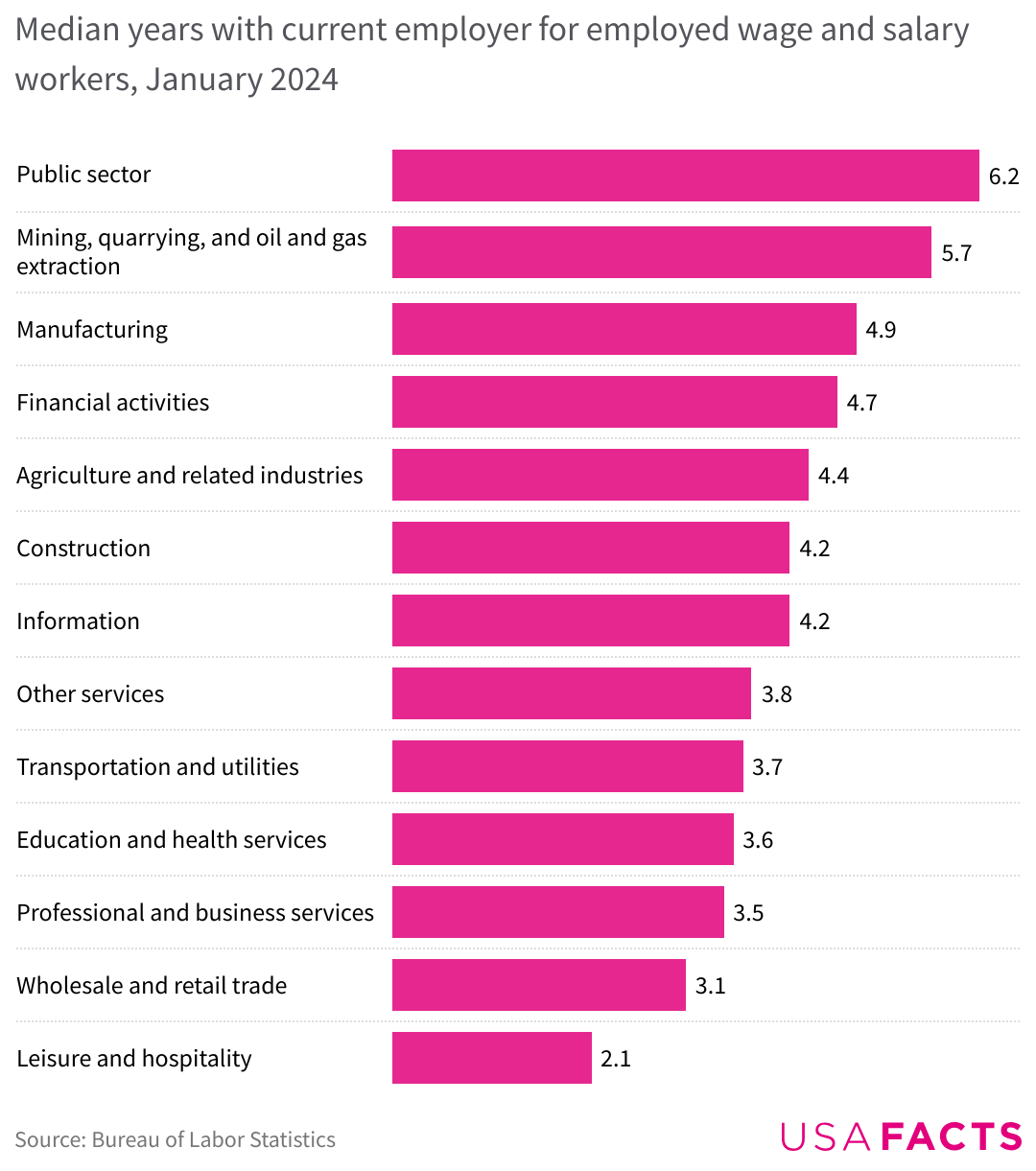
Some of the most influential new products come from people sharing ideas this way, either by splintering off and starting companies or taking what they learned with them to someplace new. Sheryl Sandberg, for instance, built out the ads business at Facebook after working as a VP at Google. As a recent case, Anthropic was founded by seven former employees who split off from OpenAI. Academic research highlights the role professional networks play in the economy, with social interactions spurring patenting activity and wage growth. Investing in social connections is always a good idea, but it may be especially true in the age of AI.
Next time I will talk about why humans may have a better sense of what people privately know and want than AI models do. Follow along here!
No posts
Comments
Nothing yet. Say the first thing.
Sign in to join the conversation.