
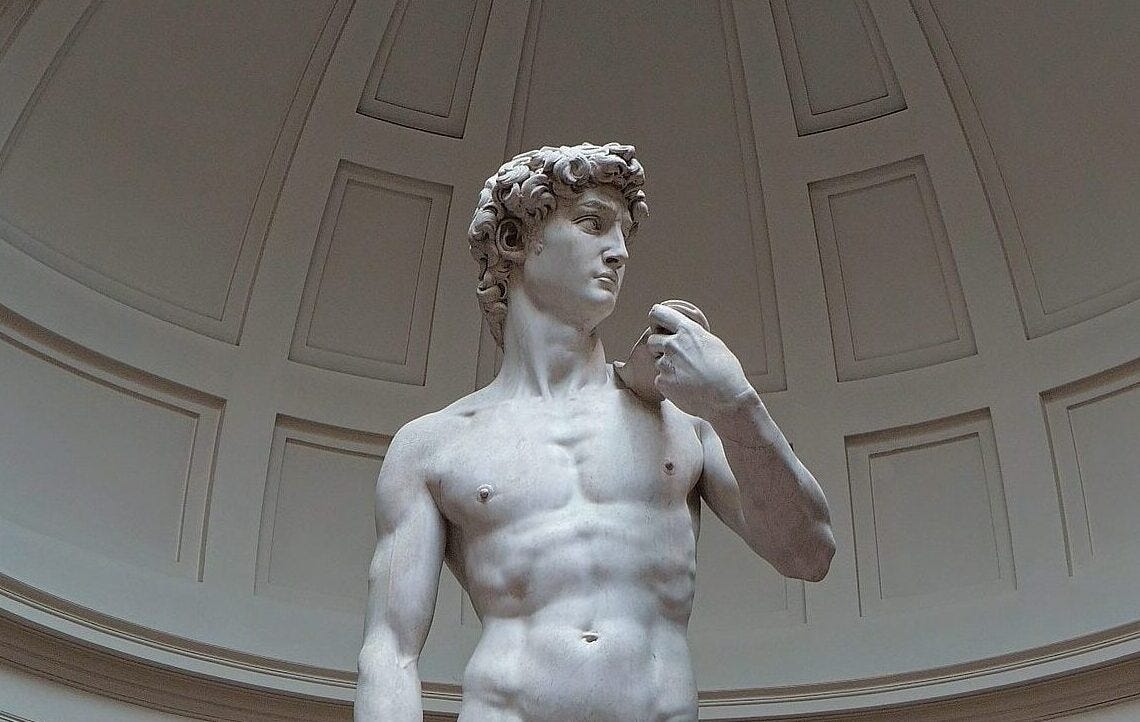
From 1501-1504, Michelangelo painstakingly carved one of the world’s most widely loved works of art from the Italian Renaissance. What started out as a beautiful, yet flawed block of white Carrara marble ultimately became the 17-foot-tall, nearly 12,000-pound, perfectly chiseled statue of David that draws millions of visitors every year. Just imagine if Michelangelo had looked at the piece of marble in its natural splendor and decided it was beautiful just as it was. We would be deprived of so much beauty and the full magnificence that piece of marble truly contained.
This reminded me of the common mistake progressive educators make when they buy into the notion that children are inherently good and innocent. This mindset causes them to shy away from teaching and correcting certain behaviors and character traits that prevent students from becoming the best version of themselves. Rather than admit that children are beautiful yet flawed individuals in need of formation and refinement, progressive educators point to the flaws in the environment as the cause of any “imperfections”. They’d prefer to leave the “marble block” in its natural state and create programs to help everyone “envision” what it would look like under different circumstances.
In a classroom environment, this commonly translates into vague, student-generated rules. It often means rewarding students for expected, appropriate behavior, while inconsistently or failing to impose consequences for bad behavior. When misbehavior is addressed, the focus tends to be on the external cause of the behavior rather than on the internal character flaw or bad decision of the guilty student that needs to be smoothed out.
This will be a classroom that boasts of “student-led learning,” where students focus on what interests them. Boredom and mental strain are generally frowned upon. Students, rather than the content being taught, will be the center of this classroom. If the content does not particularly appeal to or engage the students, it will be altered rather than requiring students to alter and expand their thinking.
What this means for millions of students is that they will never realize their full potential or live their lives to the fullest. The true degree to which their lives would add beauty to the world will go undiscovered, often buried beneath the vices and character flaws that could have been lovingly “chiseled” away.
This is a stark contrast between the classical education model, which sees students as beautiful yet flawed individuals who require a bit of “chiseling” to smooth their rough edges and reveal their full beauty and potential. Like the artist Michelangelo, who possessed a deep knowledge of human anatomy, classical educators command a deep understanding of the subject content and the human souls they teach. They know the tendency of children to act without restraint or self-control, and the need children have for a teacher to help them learn these things.
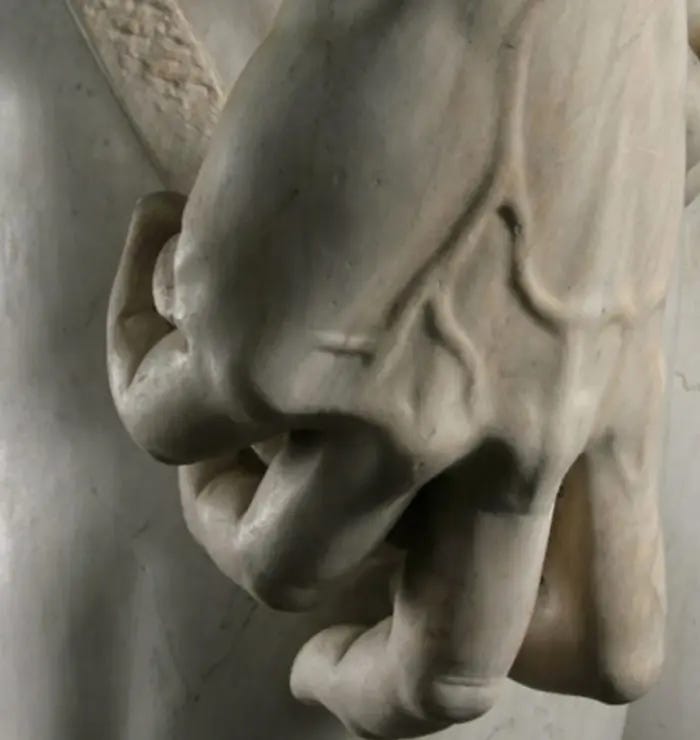
Unlike the three artists commissioned before Michelangelo, who saw the Carrara marble block as too flawed to work with, classical educators don’t let the natural human tendencies many students embody prevent them from the teaching and forming they have been called to. Nor do they excuse students’ behavior or adjust expectations or content to fit students' whims, desires, or interests.
Educators who adhere to the classical philosophy embrace the whole student, flaws and all, and see their role as the cultivator of wisdom, virtue, and flourishing as they transmit knowledge while inspiring a love for the true, good, and beautiful. Through diligent instruction and patient correction, teachers in the classical tradition “chisel” away rough edges and refine each student's inner beauty through knowledge in the Western Tradition and the practice of virtuous habits.
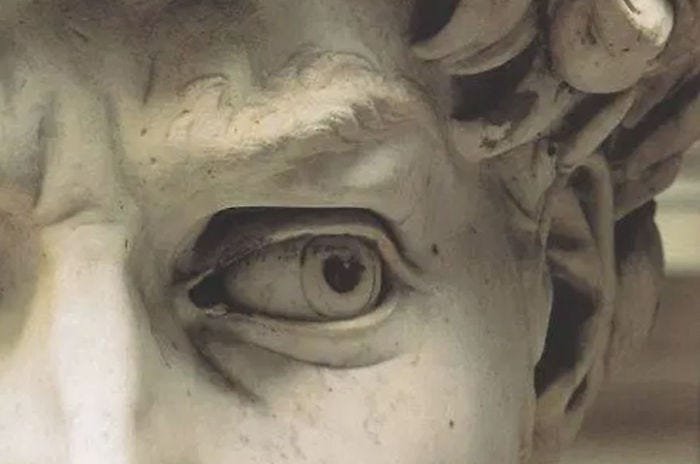
Millions of people are drawn to Florence every year to see the beauty revealed within the block of white marble that Michelangelo carved so many years ago. Beauty is powerful, magnetic, and lies within every student. A true education should reveal and refine that beauty. I believe classical education does just that.
No posts
Comments
Nothing yet. Say the first thing.
Sign in to join the conversation.