
Most people interact with a medical device every single morning and have absolutely no idea.
I’ve worn contact lenses since I was 16. For years, just part of the morning routine, blister pack, done. I never once thought about what they actually were.
It wasn’t until I started regularly reading recalls and field safety notices that it clicked: these are medical devices. Regulated, lot-tracked, CE-marked, subject to the same post-market framework I was spending my days in.
That’s one of the quieter shifts that comes with working in regulatory affairs. It doesn’t just change how you read a technical file, it changes how you see everyday things. I was already wired to question and verify from a science background, but this added something more specific: who approved this, on what evidence, and what happens when it goes wrong?
Now I notice things I used to walk straight past.
The lot number on a blister pack.
The “consult your physician” buried in fine print.
The CE mark on something I’d bought a dozen times without a second thought.
The notified body number and UK symbol 🙂
Once this awareness is there, it doesn’t switch off.
Was there a moment working in this field that permanently changed how you see something ordinary? For me, it was contact lenses.
I’d love to know what it was for you.
a quote worth reflecting on
a recall worth learning from
news worth reading (well actually multiple resources to keep an eye on)
In an audit, a missing document is a problem, but it’s a fixable one. You can reference a procedure, point to a record, explain a gap. Auditors have seen it before.
What’s harder to recover from is sitting across the table and not being able to answer why.
Why did you choose this classification?
Why was this risk deemed acceptable?
Why did you deviate from the original design input?
And who approved it?
The auditor is not tot trying to trick you. They are trying to understand your reasoning behind the decision. And the answers should already exist somewhere in your documentation. They should be written down, traceable, and owned by someone.
The rationale behind a decision is what transforms a document from a formality into evidence. It shows that your team didn’t just follow a template. It shows you understood what you were doing and made a conscious, defensible choice.
This is especially easy to overlook in early-stage companies, where speed is everything and documentation often plays catch-up. A risk was assessed, a decision was made, the product moved forward, but no one wrote down the thinking behind it. At the time, it felt obvious. In an audit room two years later, it no longer is.
Good regulatory practice is mainly about reconstructing your reasoning at any point in time, clearly, confidently, and without hesitation.
When in doubt, ask yourself: if I weren’t in this room, could this document speak for itself?
If the answer is no, the rationale is missing.
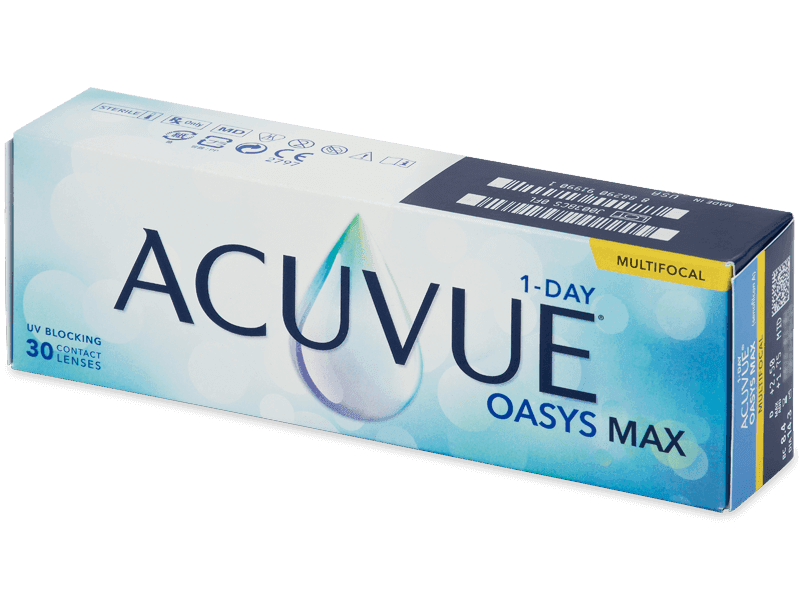
Something that genuinely surprised me when I entered medtech: contact lenses are medical devices.
Of course they are. They sit on your eye, duh! interacting with human body.
They correct vision. They’re regulated, CE-marked, lot-tracked, subject to recalls.
No patient complaints triggered this.
No adverse events.
Internal QC (quality control) caught it first.
A high density of microbubbles trapped inside the lens material. The lenses look fine in the pack. They go in like any other lens. But under the right conditions, particularly in low light, those bubbles scatter and bend light in ways they shouldn’t. Glare. Halos. Starbursts. Reduced contrast.
Not harmful. Fully reversible the moment the lens comes out.
And yet, an urgent voluntary recall. Because a person driving at night, or a shift worker, or a patient post-surgery wearing these lenses might experience exactly the kind of visual disturbance that makes a moment dangerous, even if the lens itself isn’t.
Takeaways:
FSNs aren’t only about clinical harm, comfort, performance, and usability failures matter too, especially in high-volume consumer health products worn directly on the body.
Internal QC detecting the issue before any patient reported it is exactly how the system is supposed to work and it’s worth acknowledging when it does.
Microbubbles in one lot of millions of lenses illustrates why batch-level traceability is useful, it’s what makes a precise, targeted recall possible instead of a broad one.
Share Beyond Regulation with Ceren: Insights, Career & MedTech
Next to the official resources that I follow like FDA, EMA, MDCG and etc, below are the top 10 resources to keep an eye in MedTech. Register to their newsletters!
Click on the titles to go the websites directly! You are very welcome :)
The industry association representing medical technology companies in Europe. Follow them to stay on top of policy positions, regulatory developments, and market access updates straight from the industry’s collective voice.
If you want to understand MDR and IVDR requirements in depth, this is one of the most practical sources available. Their content goes beyond surface-level summaries and actually helps you apply the regulations. Some sources are in german — but we are in AI phase so you can manage — plus most are in English!
Organization of Notified Bodies. They provide position papers and sometimes expert-led specialization courses.
Following the major Notified Bodies directly keeps you informed about their specific expectations, procedural updates, published guidance and free webinars. Each NB has its own focus areas and ways of working, knowing that matters when you are choosing a partner or preparing for an audit.
If you are working with in vitro diagnostics and trying to make sense of Article 5.5 of IVDR, this is the resource to follow. They specialise in exactly that space and cut through the complexity in a way that is hard to find elsewhere in their free webinars.
The global home for regulatory professionals. Their news, articles, and resources cover developments across multiple regions, making it useful whether you work in EU, US, or global submissions.
IMDRF (International Medical Device Regulators Forum)
The body that drives harmonization across global regulators. If you want to understand where international regulatory alignment is heading, this is where to look.
A clean, well-written news source covering the medical device industry from a business and regulatory angle. Good for staying informed on market moves, recalls, and policy shifts without having to dig through official sources daily.
Strong on U.S. market news, FDA actions, and industry developments. Worth following if your work touches the American market at all.
A podcast and newsletter format covering MedTech business and regulatory topics. Good for consuming updates in a more conversational format. I would suggest especially DeviceTalks.ai podcast, which covers the intersection of medical devices and artificial intelligence.
A weekly curation of the most valuable MedTech content on LinkedIn, plus free expert-led webinars to keep your knowledge current.
Share Beyond Regulation with Ceren: Insights, Career & MedTech
No posts
Comments
Nothing yet. Say the first thing.
Sign in to join the conversation.