
You may know me from LinkedIn, or maybe this is your first time seeing my newsletter. Either way, a big welcome! Over the years, I’ve been building a LinkedIn community of people who are curious about or already working in Regulatory Affairs.
With this newsletter, I wanted to create a space where I can share my thoughts freely, without worrying about the LinkedIn algorithm. If you subscribe, you’ll get a high-value newsletter every two weeks, featuring a quote to make you think, a recall to learn from, news to stay curious, career advice to explore, a post to spark ideas, and a course to boost your skills.
So, without further ado, enjoy the first issue. If you have questions or just want to connect, reach out here on Substack or send me a DM on LinkedIn.
Regulations and guidelines are rarely black and white.
Following the words is not enough; you need to understand what they really mean and how they apply to your product. Two teams can read the same document and do very different things. One sticks exactly to the wording. The other thinks about the intent, the evidence, and the real-world application. That second approach, interpreting regulations thoughtfully, is where good regulatory decisions happen.
How do you see this matter?
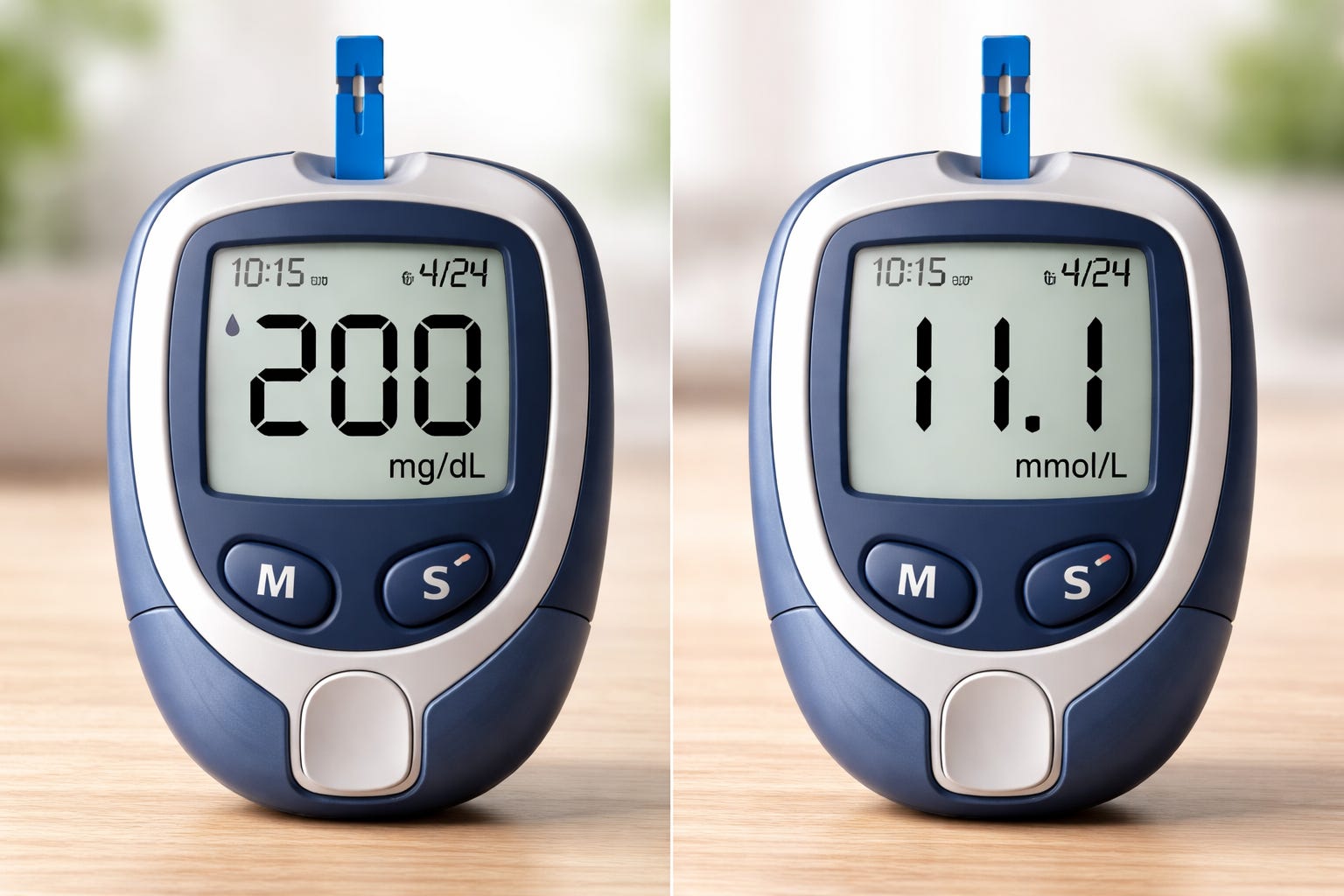
Earlier this year, 33 CONTOUR® NEXT GEN blood glucose meters were distributed with a factory preset error. Instead of displaying results in mmol/L, the meters showed values in mg/dL due to an incorrect unit setting.
For people managing diabetes, this difference matters. A user could easily misinterpret the number on the screen, which could lead to incorrect insulin adjustments or other mistakes in blood glucose management.
After the issue was identified, Health Canada issued a Type II recall, and users were asked to stop using and return the affected meters.
Sometimes the issue is not a broken device, but a small detail that changes the meaning of a result. It’s a reminder that even a small configuration error can have clinical consequences.
Quest Diagnostics is launching an AI chatbot designed to help patients understand their laboratory test results.
The Quest AI Companion, available through the MyQuest app, can analyze up to five years of lab data, explain medical terminology, interpret values such as high or low, and help patients spot trends. Users can also ask the tool to help them prepare questions for their doctors.
The idea is to make lab results easier to understand and encourage patients to take a more active role in their health.
But from a regulatory perspective, an interesting question arises.
If an AI tool analyzes lab results and highlights potential health risks, is it simply educational support? A wellness tool? Or something closer to medical decision support?
Quest emphasizes that the tool is not a substitute for professional medical advice.
What do you think?
This week, I want to write about how to send a DM on LinkedIn.
Do not send a DM saying “Hello Ms., I am interested in Regulatory Affairs, please guide me how to break into it”.
It is basically saying that you want someone to do all the thinking for you.
Instead, show that you have already done some work. Mention what you studied, what sector interests you, and what you have already learned about regulatory affairs. Then ask a specific question.
For example:
“I have a background in biotechnology and I am trying to understand how entry-level RA roles differ between pharmaceuticals and medical devices. From your experience, which skills are most important to develop first?”
This changes the conversation completely.
It shows curiosity, preparation, and respect for the other person’s time.
The Drug Development and Product Management Specialization course from UC San Diego on Coursera shows you how drugs go from discovery all the way to the market. It’s an easy way to understand the whole process and get ready for pharma industry interviews.
If you are fast enough, you can do the specialization for free and get a certificate.

Sri, Srividya Narayanan, MS, CQSP, is a dentistry graduate who became curious about the world behind healthcare products and joined us in Regulatory Affairs community. She pursued a Master’s degree at Northeastern University and now shares her insights on AI and MedTech along with her journey as an international student in the US. Give her a follow!
No posts
Comments
Nothing yet. Say the first thing.
Sign in to join the conversation.