
Most transit writing is about getting somewhere: the train is infrastructure after all, the destination is the point, and the ride is a gap between the two that you fill with your time and money. This holds true for most commutes and most journeys, but it does not hold for the Nagano Dentetsu Limited Express, where the train is half the reason to make the trip.
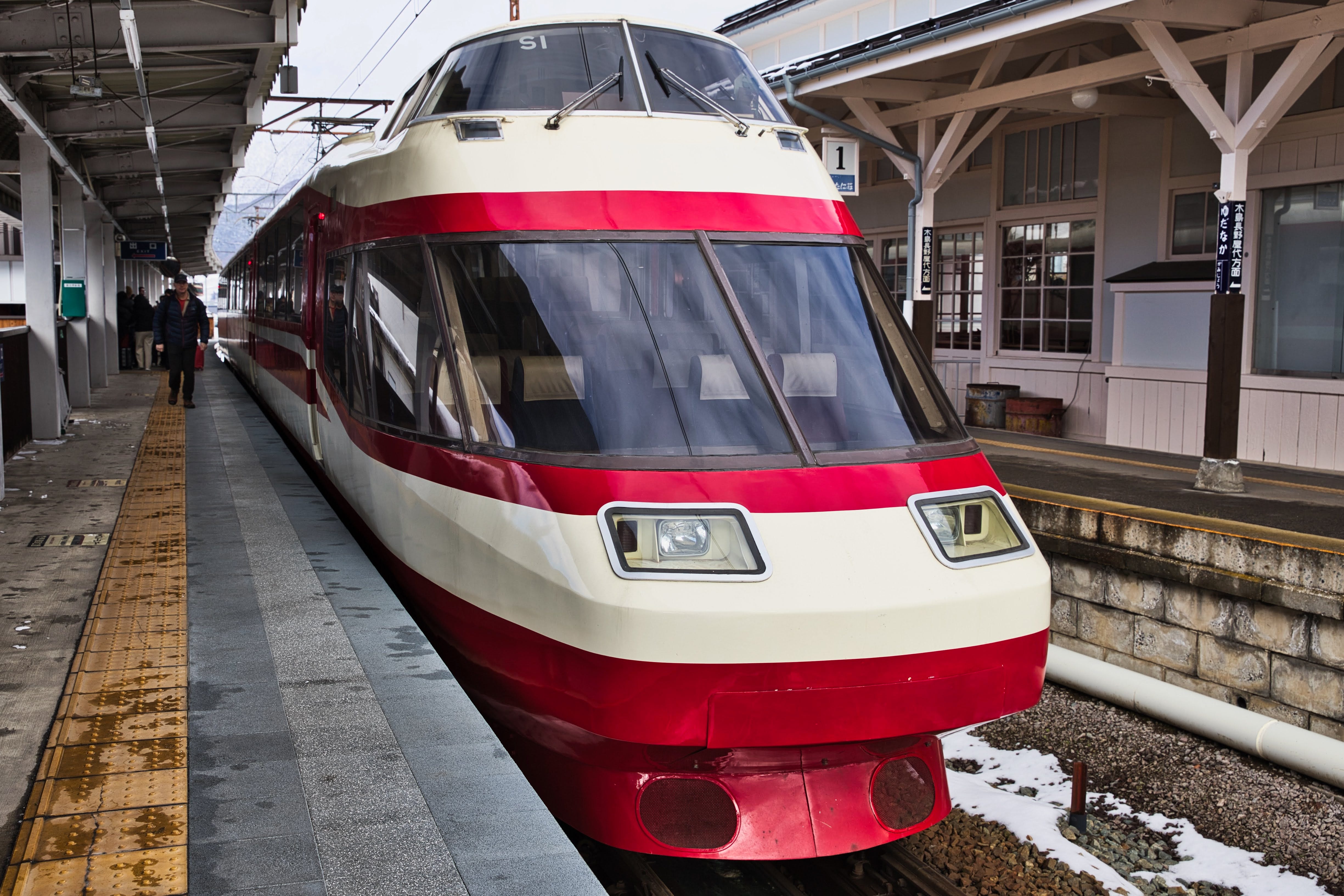
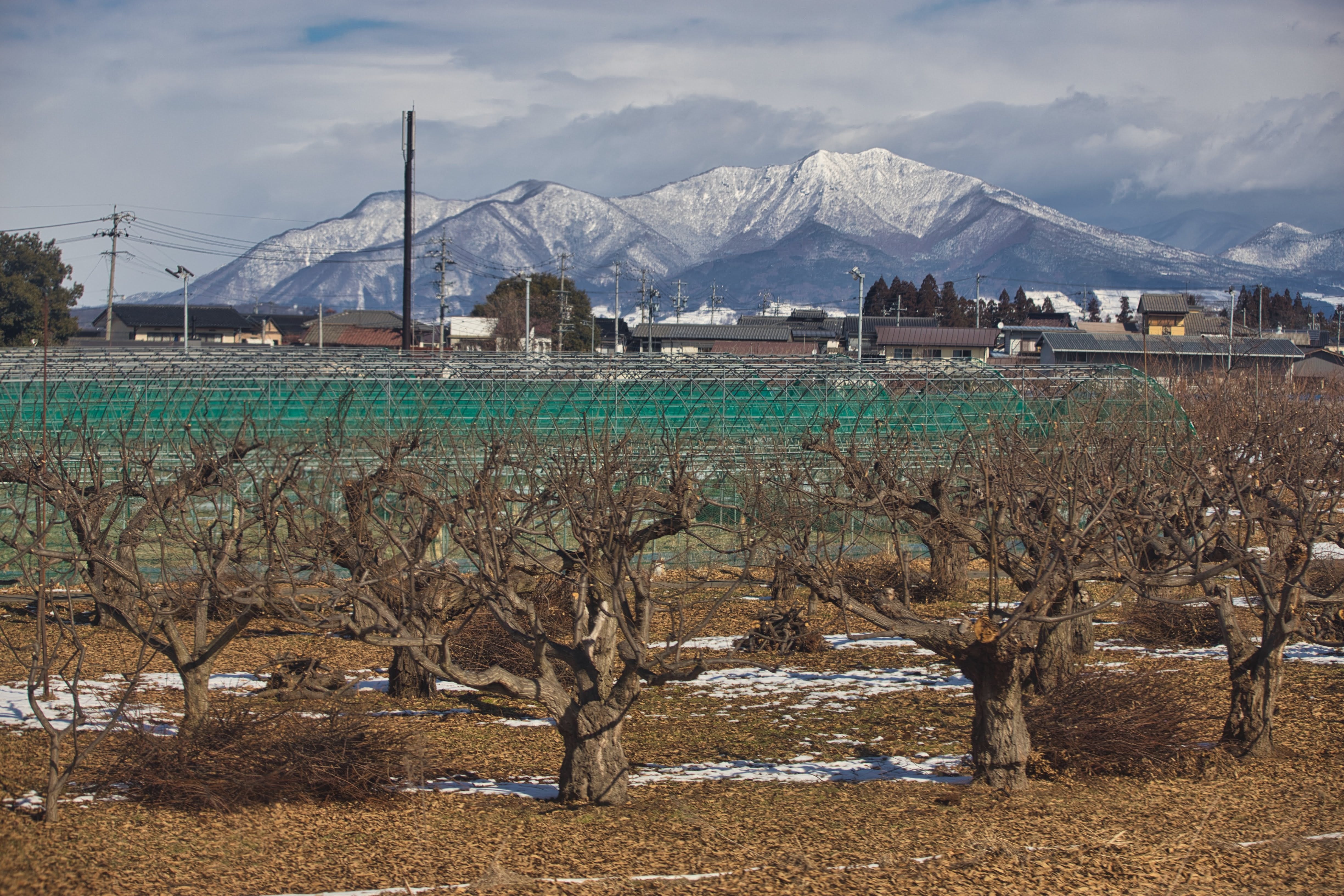
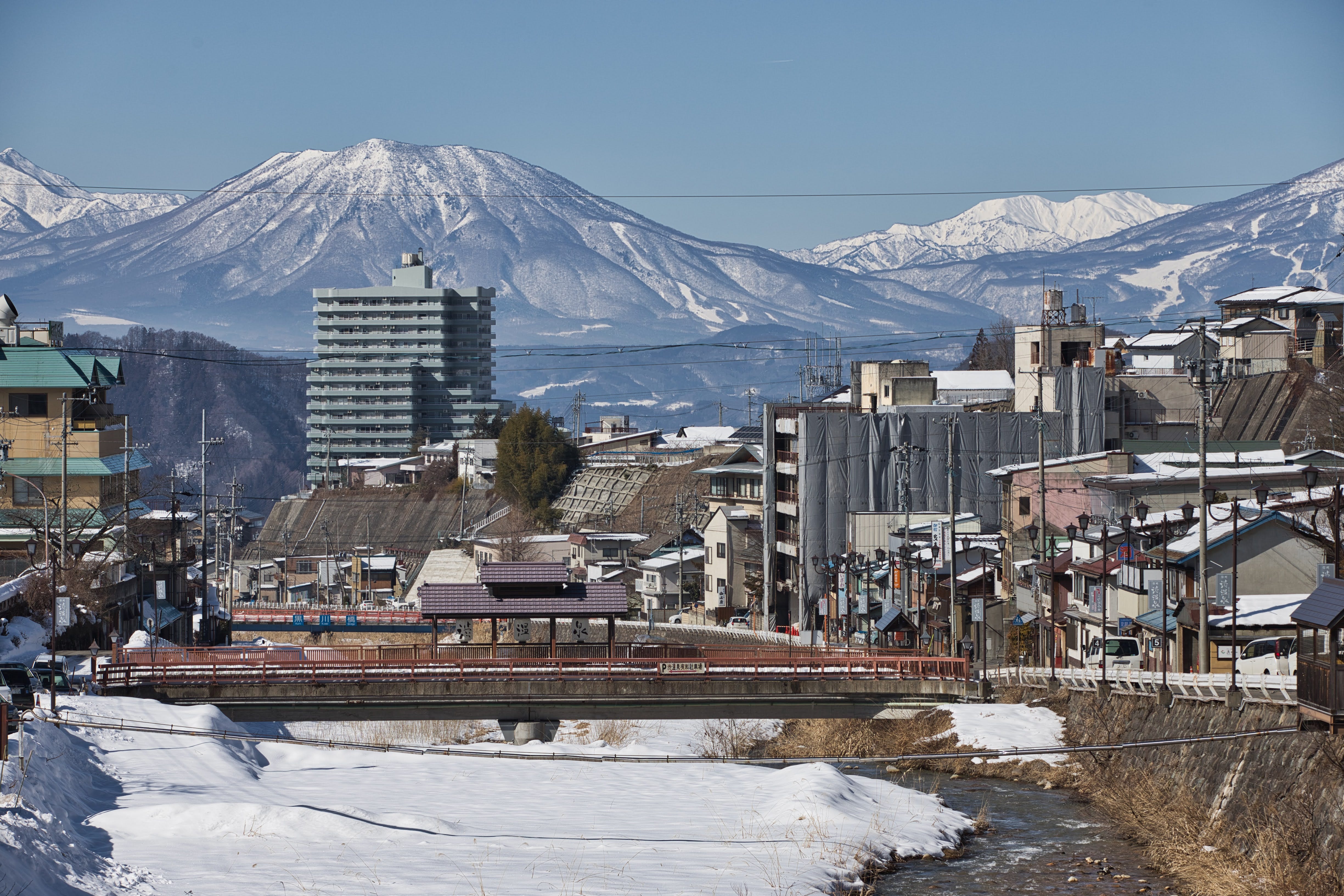
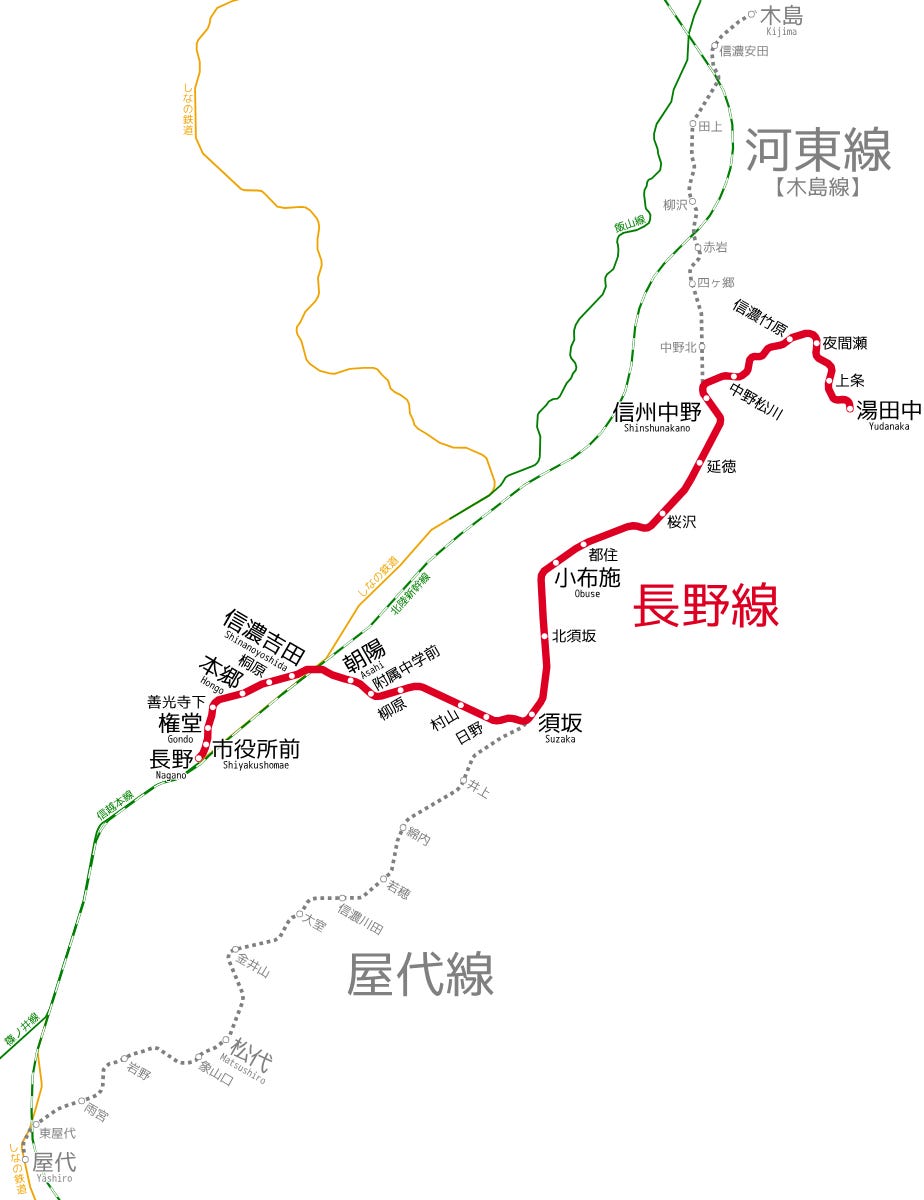
The Nagano Dentetsu Line, also called Nagaden, runs from the centre of Nagano City out to the mountain town of Yamanouchi (Yudanaka Station) in roughly 45 minutes. Outside the panoramic windows, the city gives way quickly. Within ten minutes, you are passing the urban edge of Nagano and entering into agricultural land. The mountains are visible almost immediately: tall, white, and close, and they stay in view for the remainder of the journey.
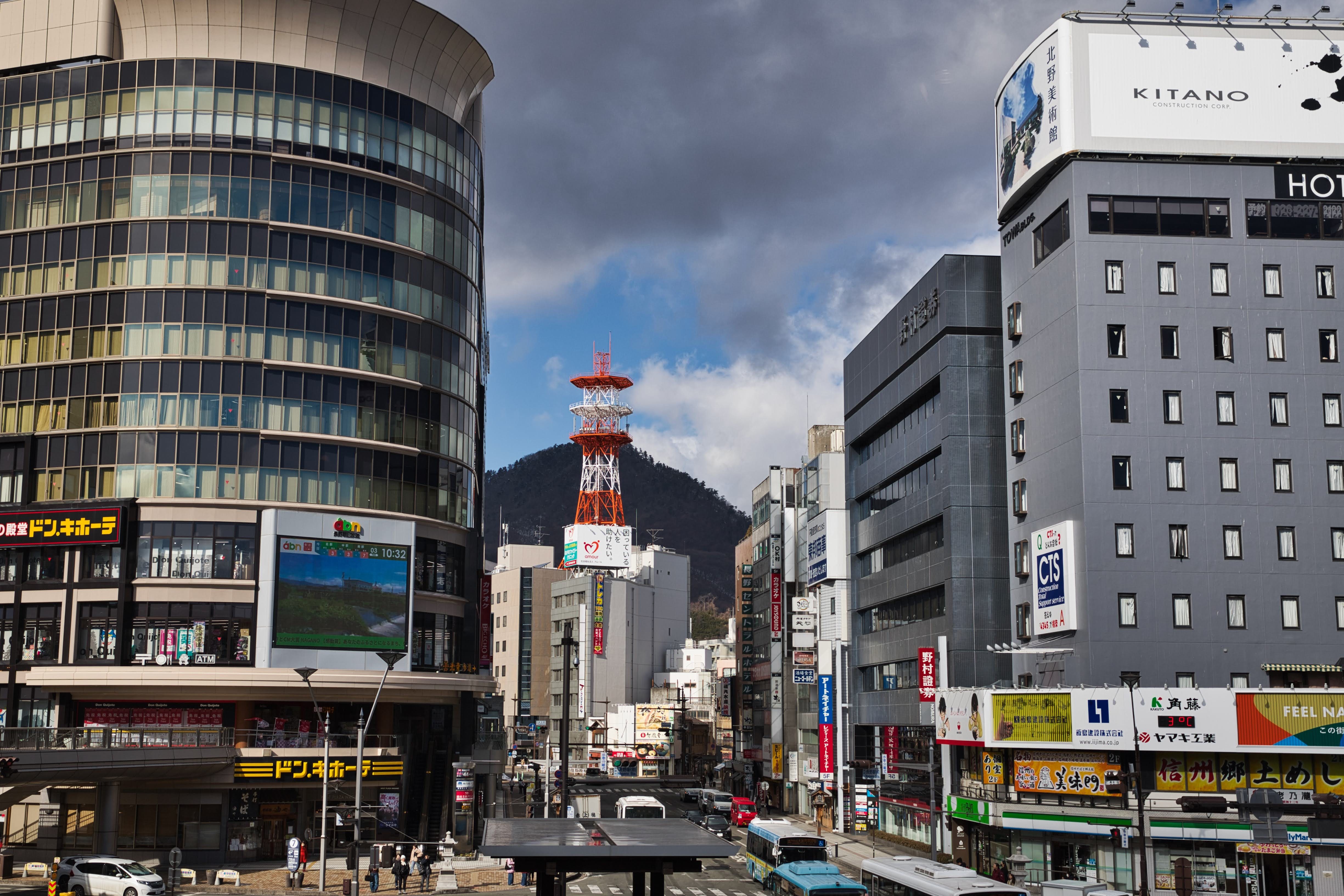
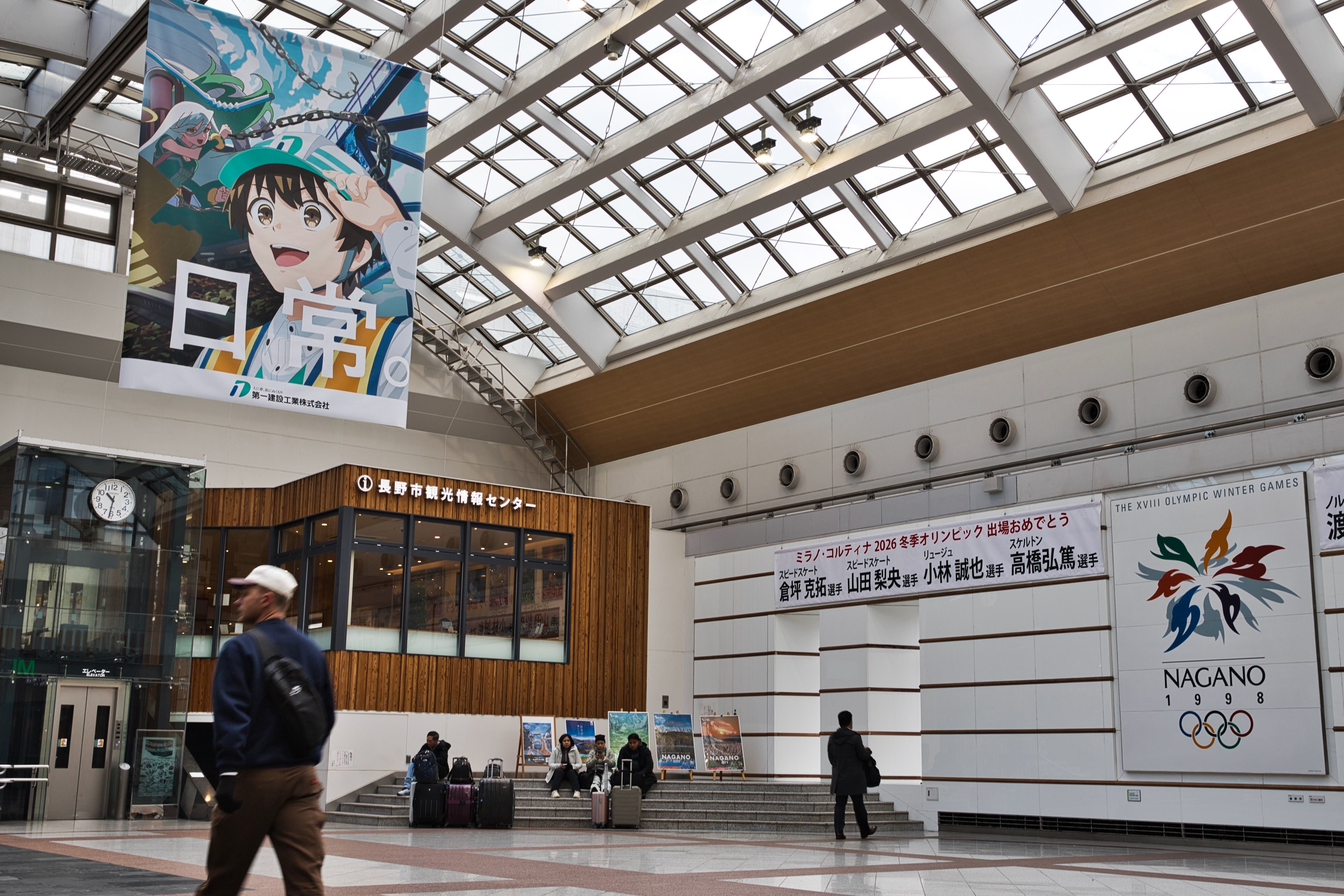
Once at Yamanouchi, you’re a short bus ride or a walk from two destinations that justify an entire visit to this corner of Japan. First, Shibu Onsen, is a medieval hot spring town where people have been bathing for 1,300 (!) years, and, second, Jigokudani Monkey Park, where wild Japanese macaques soak in thermal pools while snow falls around them. Yes, the train connects you to both, but the train is also a destination in its own right.
The Nagaden operates several service types between Nagano and Yudanaka Stations: local trains that stop everywhere, the Limited Express Snow Monkey, and the Limited Express Yukemuri. On paper, they all go to the same place at roughly the same speed. In practice, choosing the Yukemuri is the best option, in my opinion.
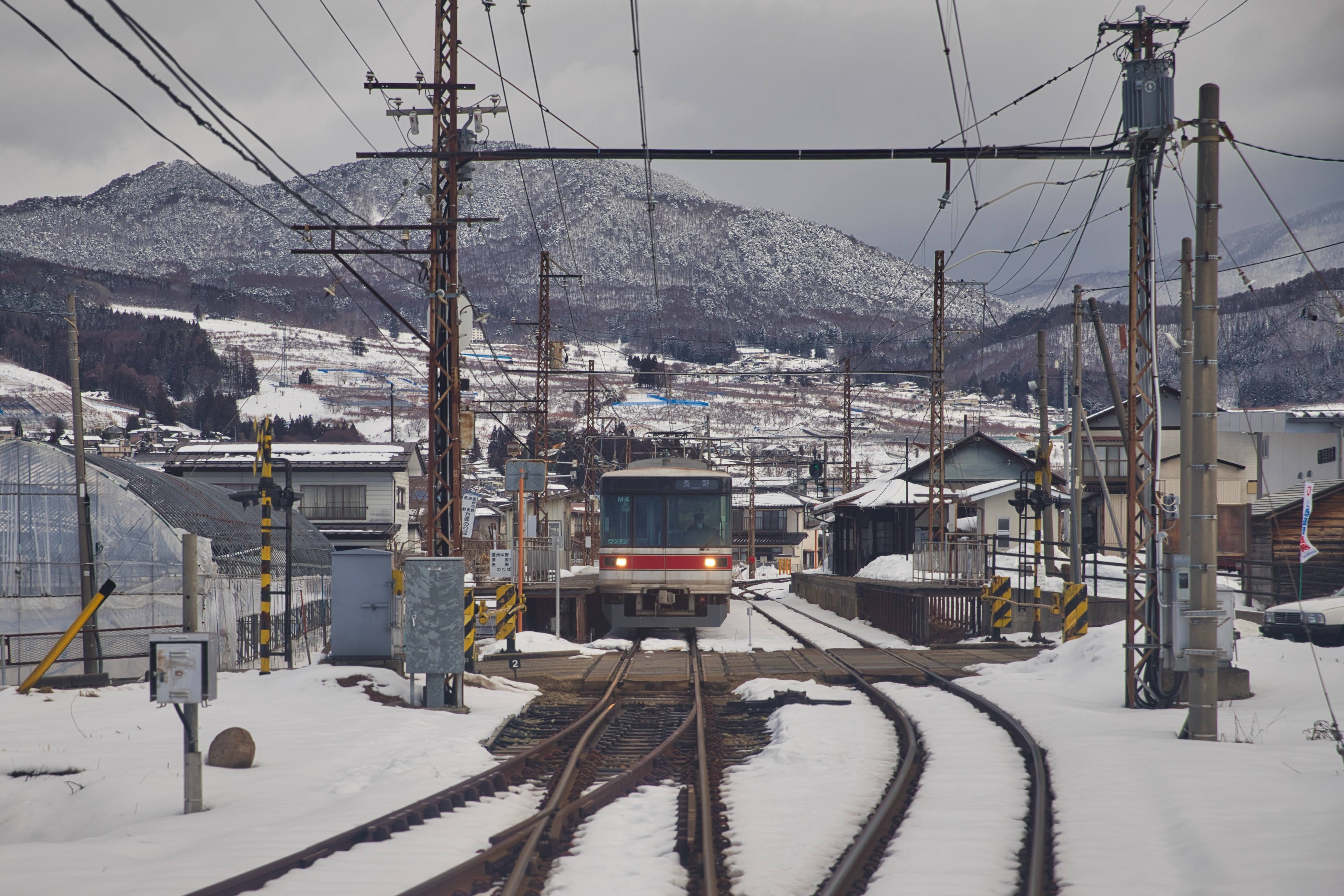
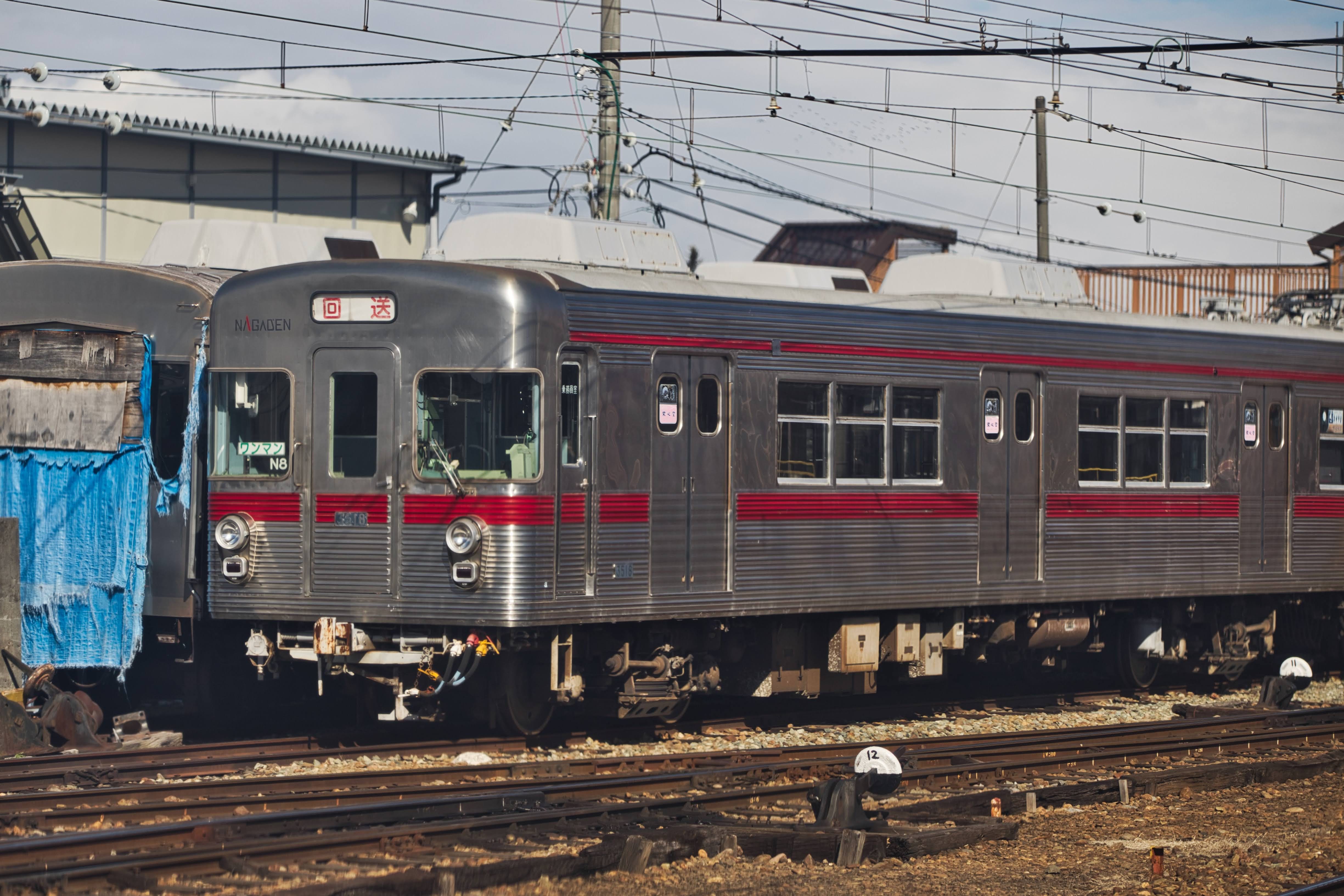
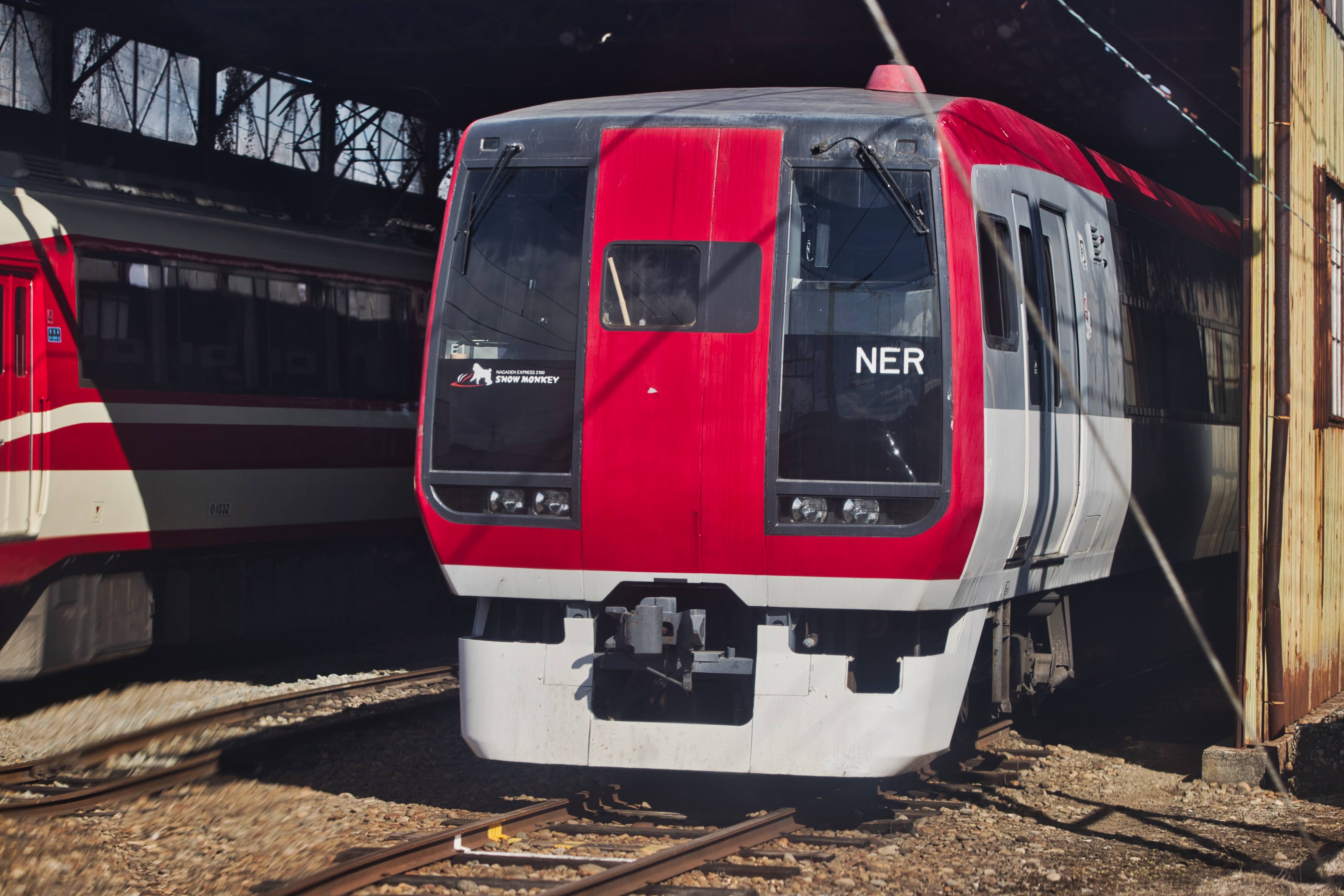
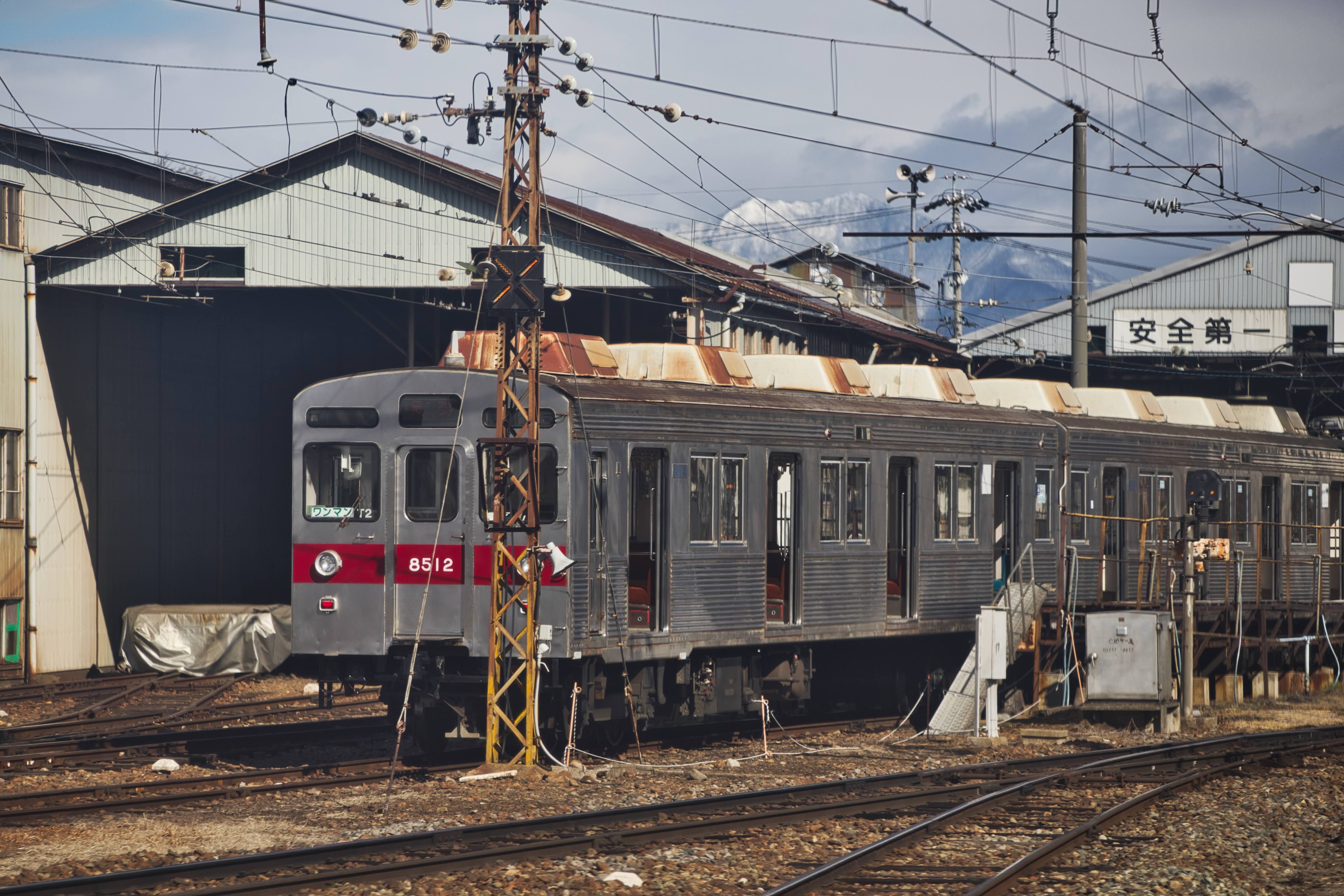
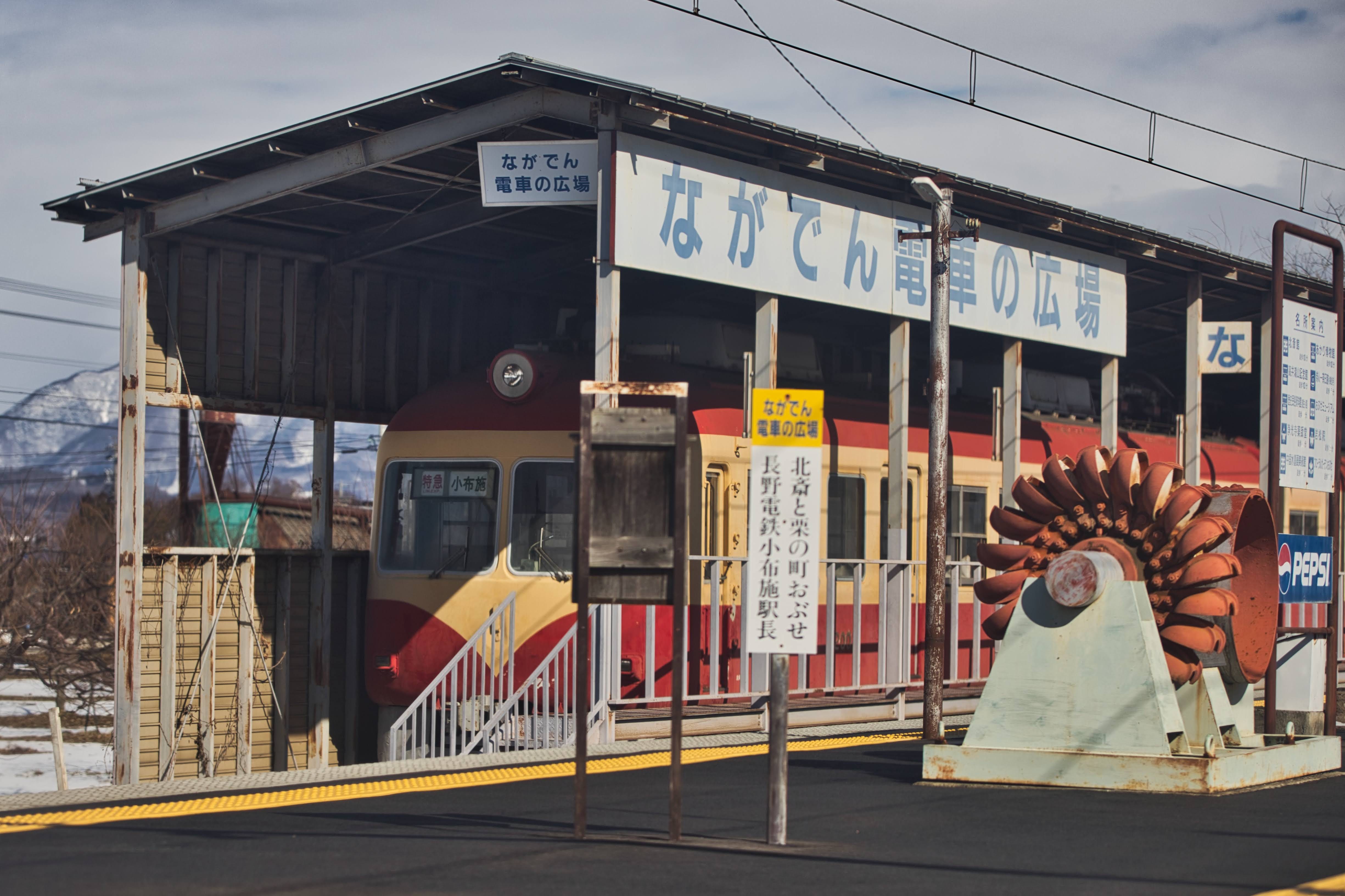
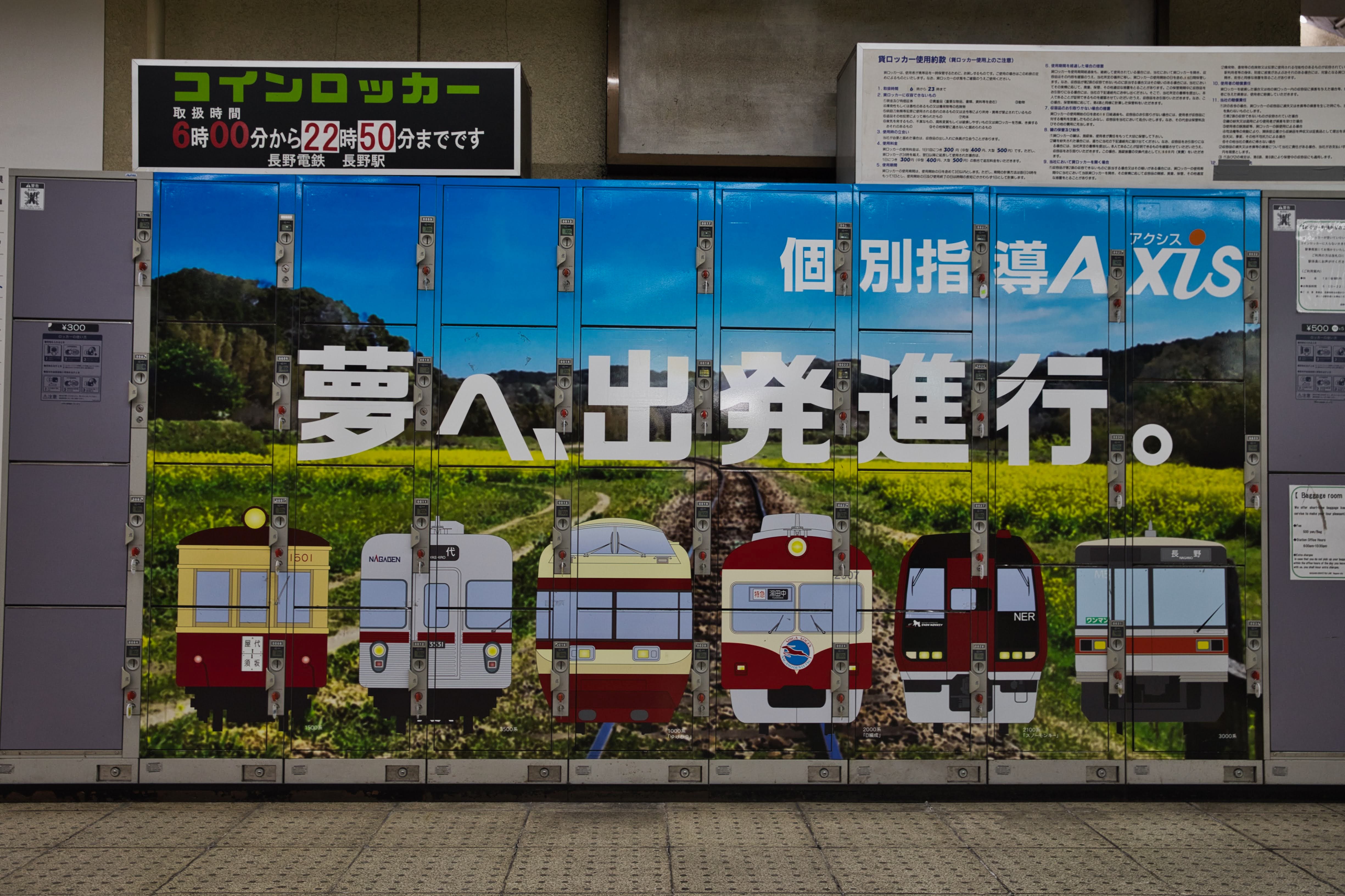
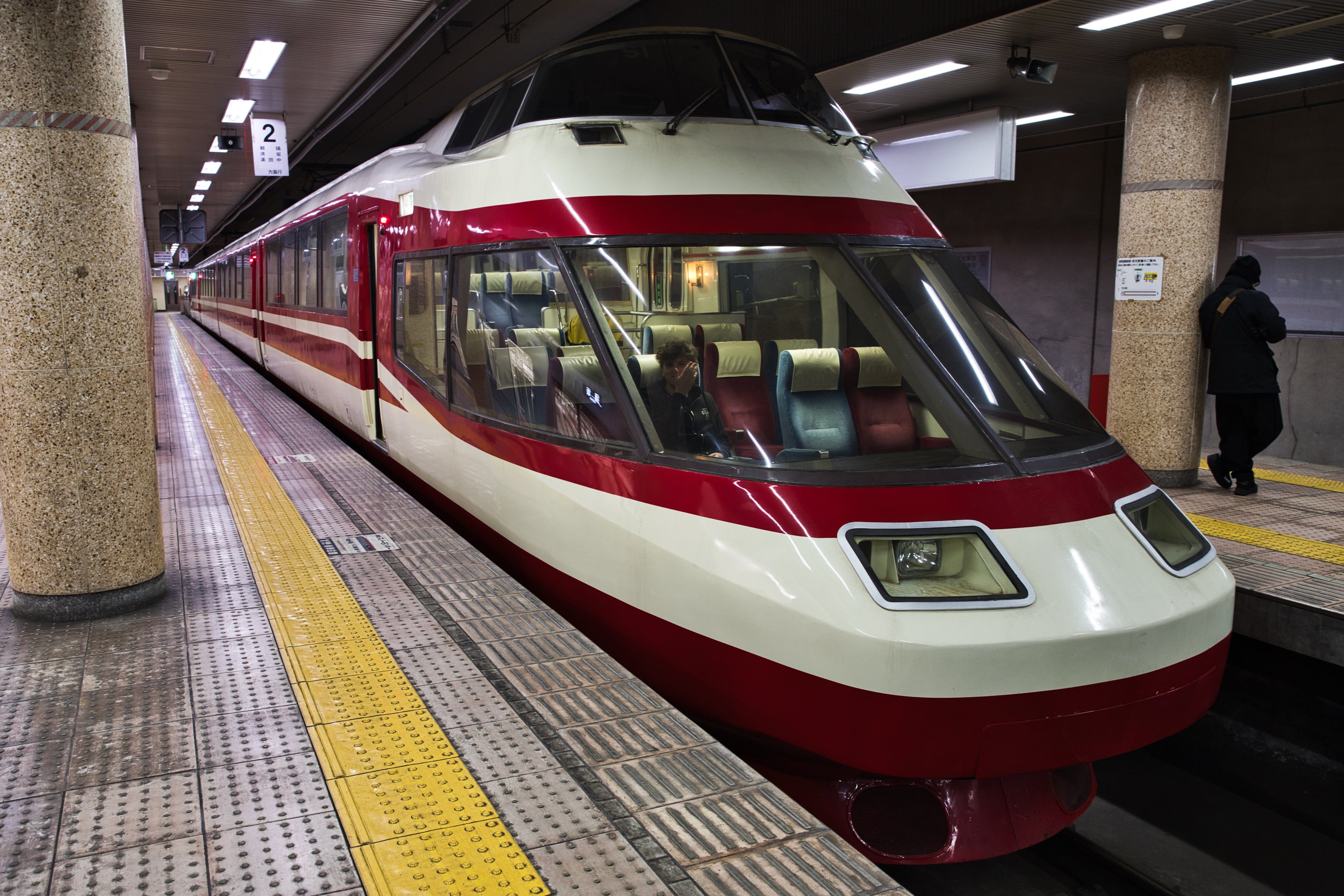
The Yukemuri runs on what are officially called Nagaden 1000-series trains. What they actually are is something considerably more interesting: retired Odakyu 10000-series HiSE Romancecar sets, once the flagship express trains running between Tokyo Shinjuku and Hakone-Yumoto from 1987 to 2012.
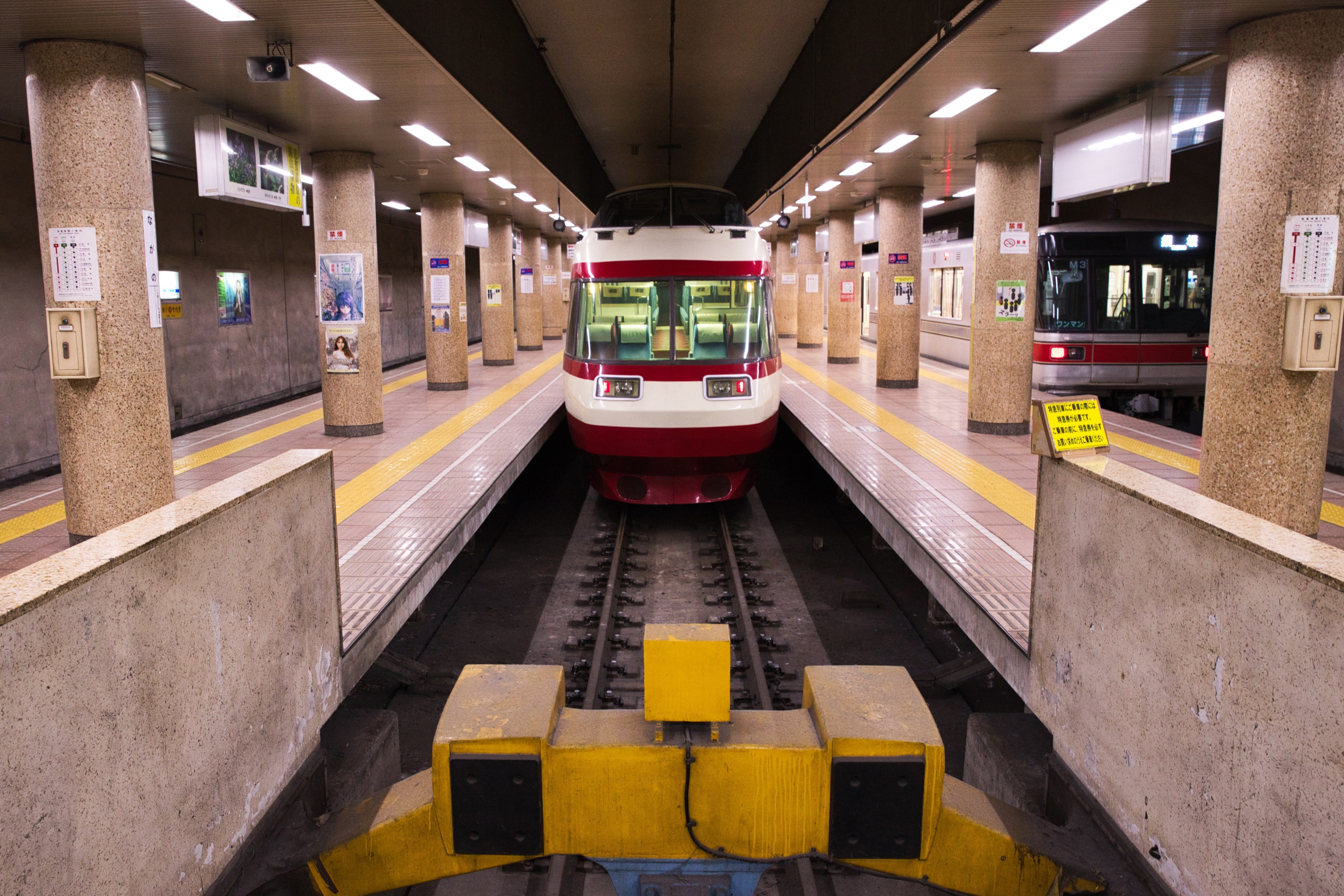
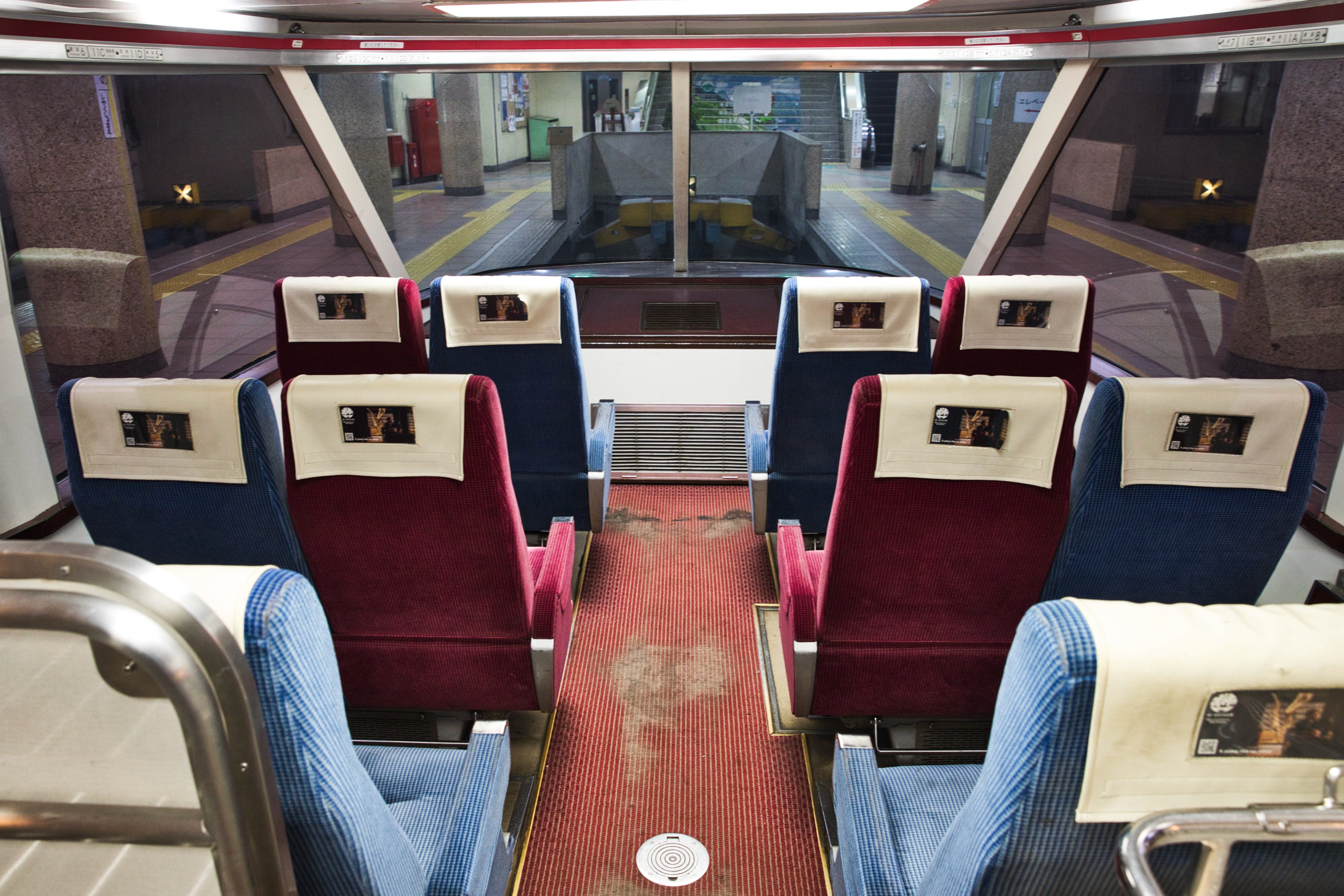
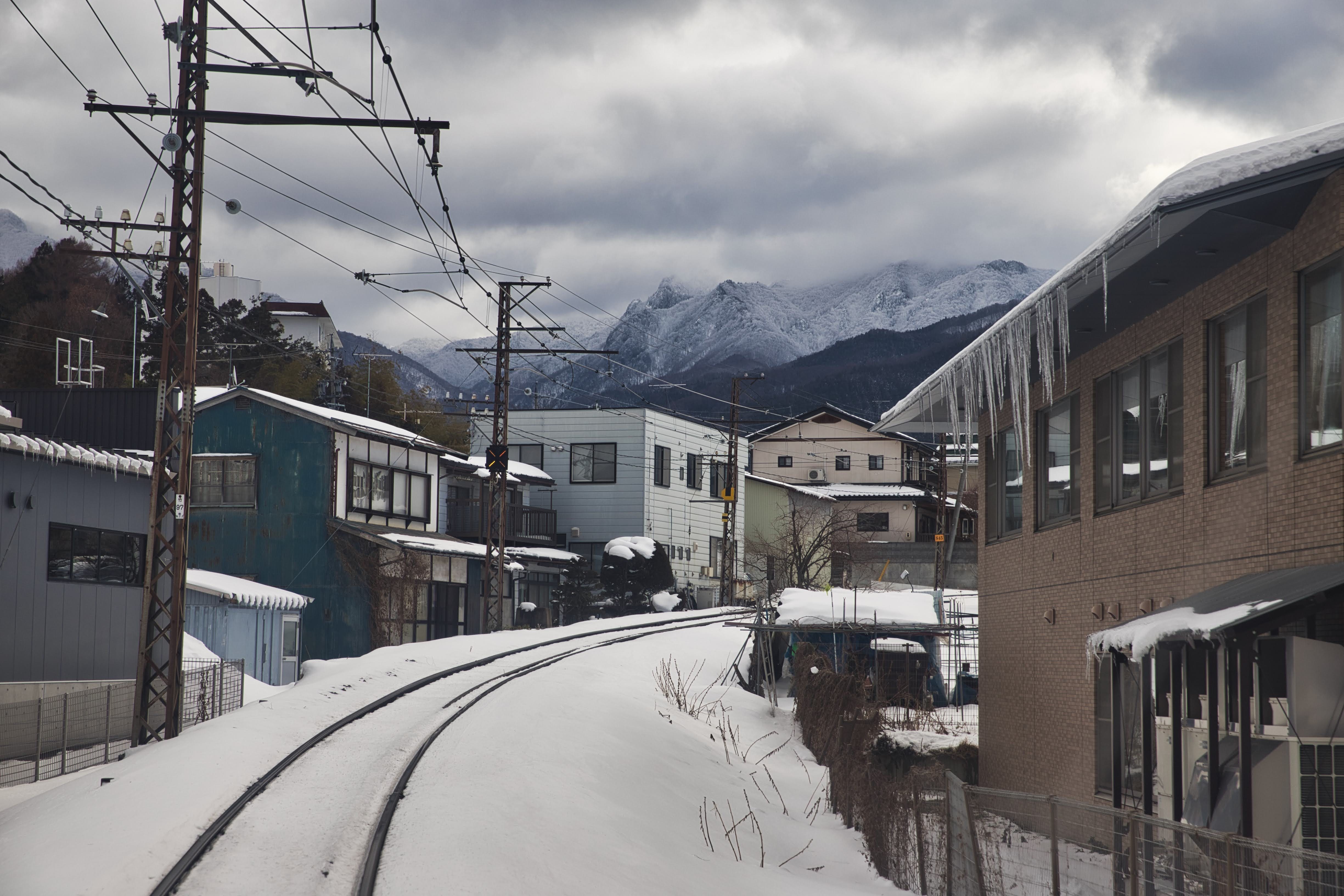
They are now living a second life in the mountains of Nagano Prefecture after Odakyu phased them out. Two sets were transferred and shortened from 11 cars to 4 for use on the narrower regional line. Everything else - the elevated seating, the panoramic front-facing windows, the red-and-white livery, the general atmosphere of a train that was built to feel like an event rather than a commute - survived the transition with no changes.
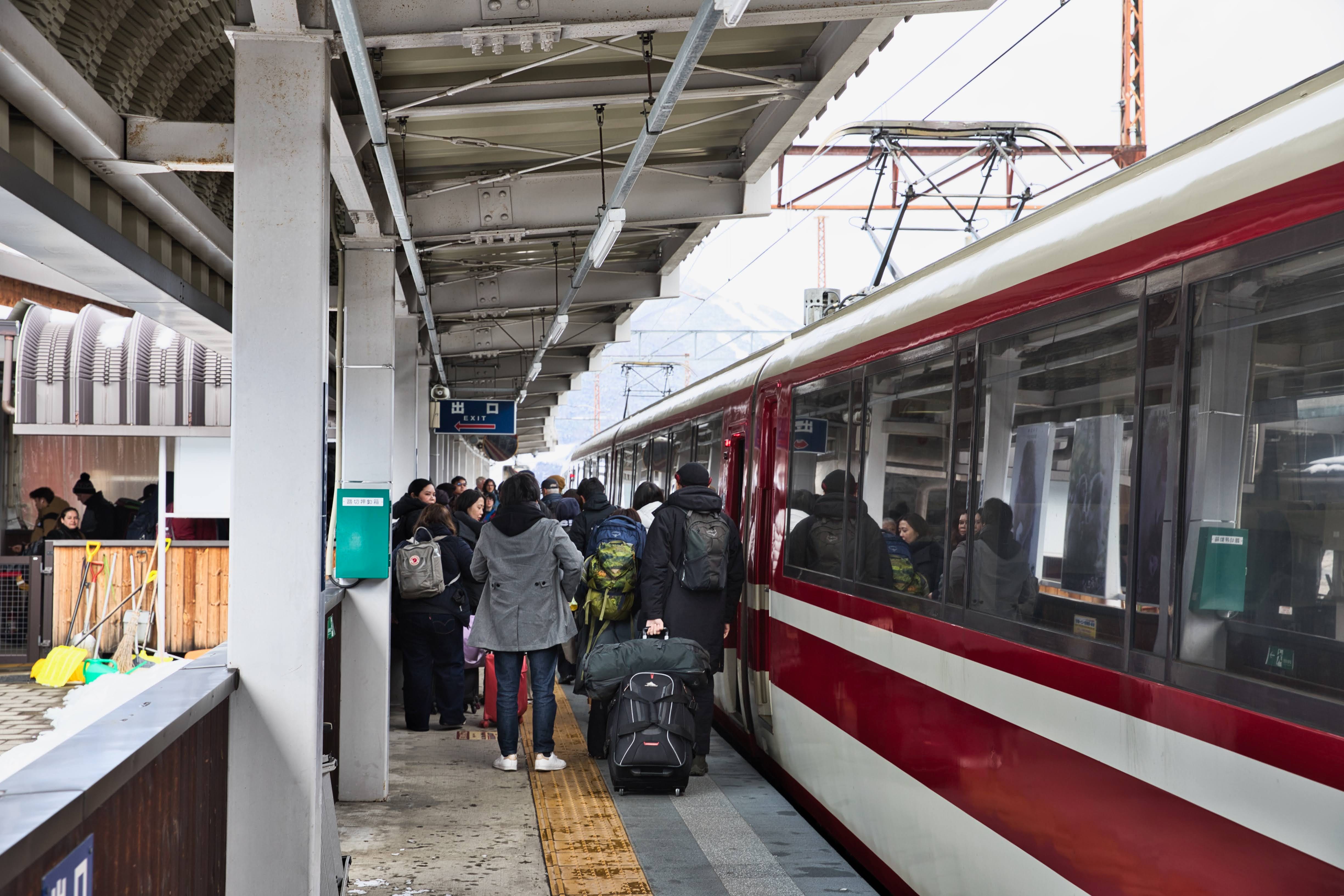
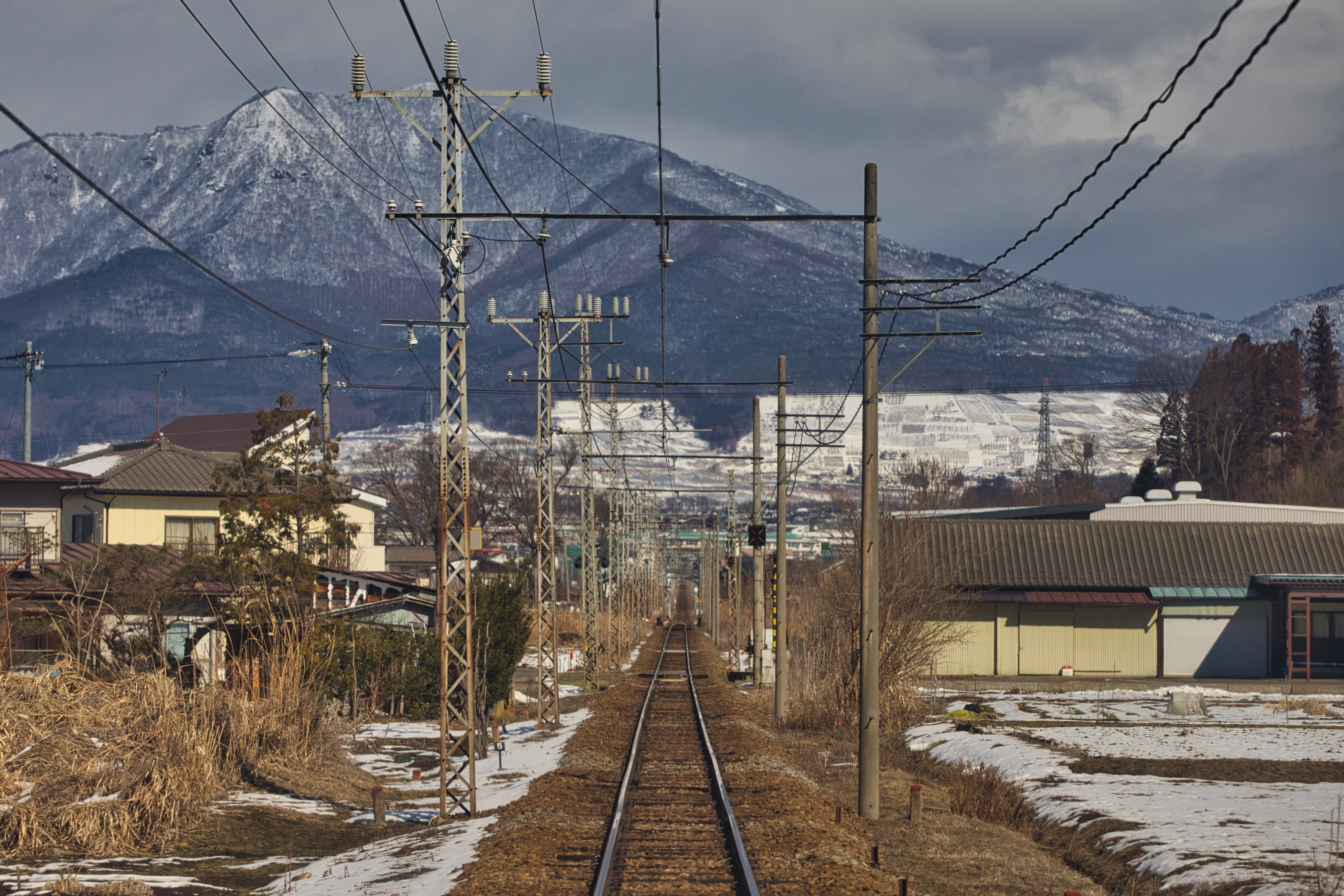
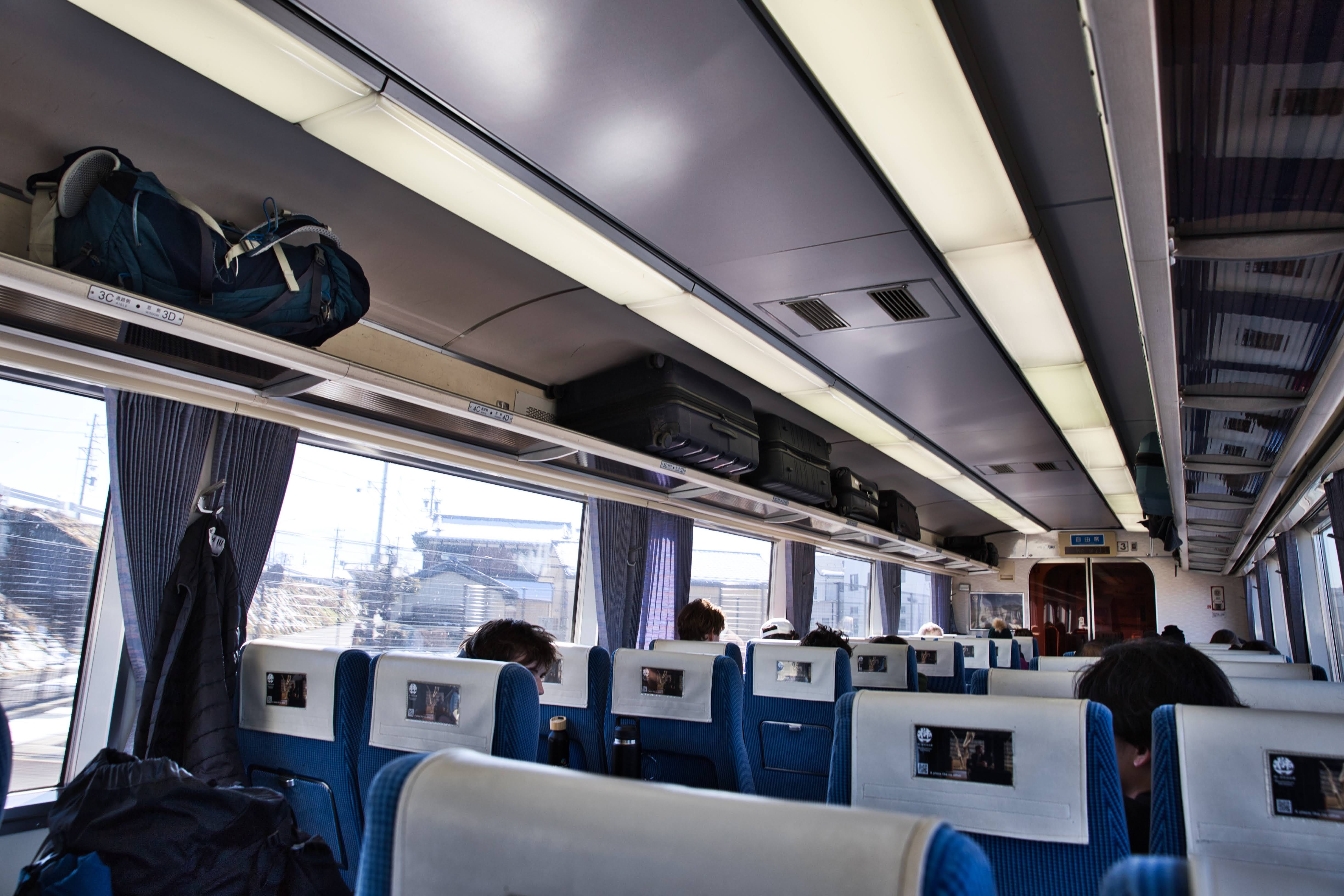
The Romancecar concept was developed in postwar Japan as an aspirational product - a train that felt like a luxury experience even on a short regional run. That the HiSE sets ended up on Nagaden rather than being scrapped means they kept performing that function, just for a different audience and a different landscape.
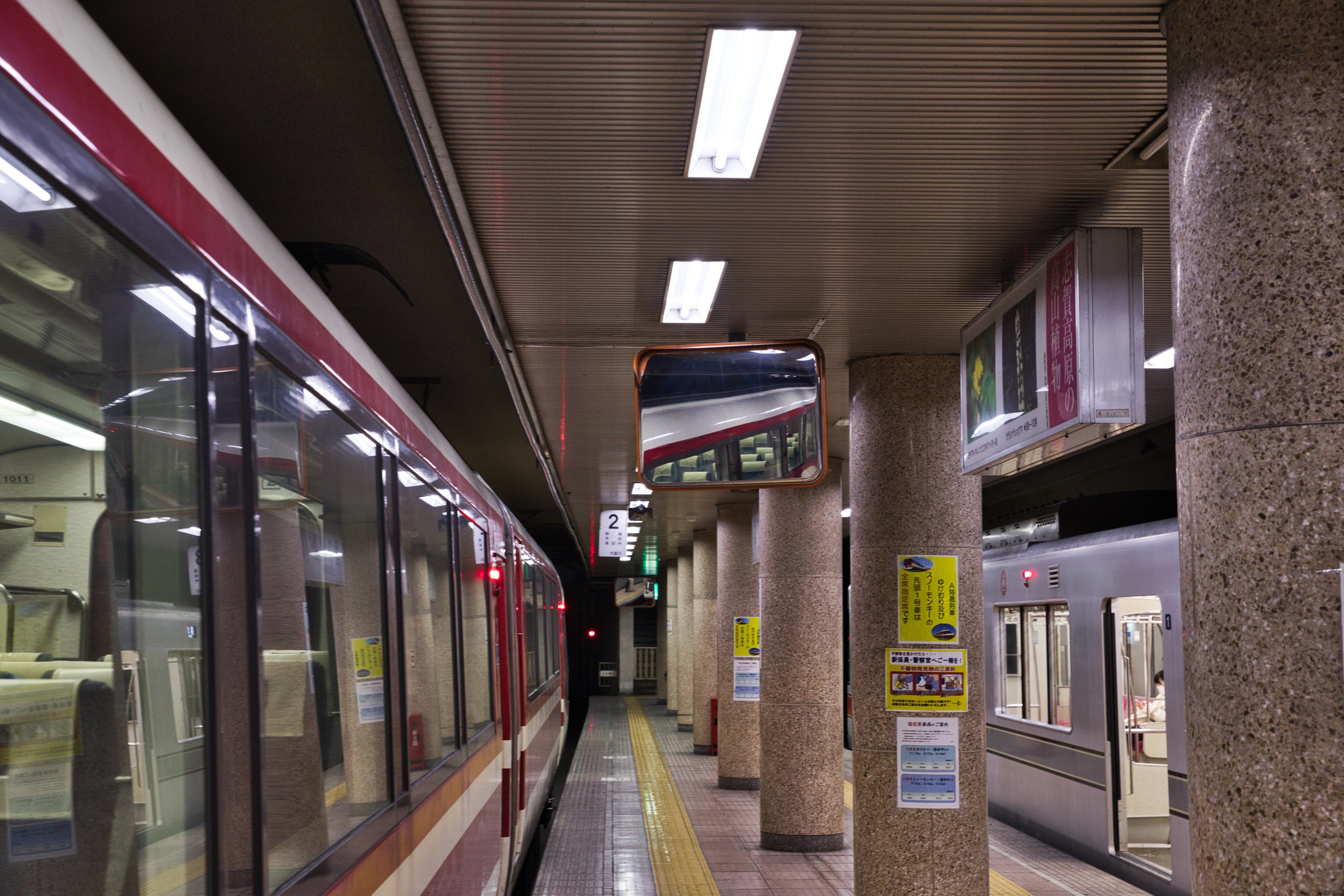
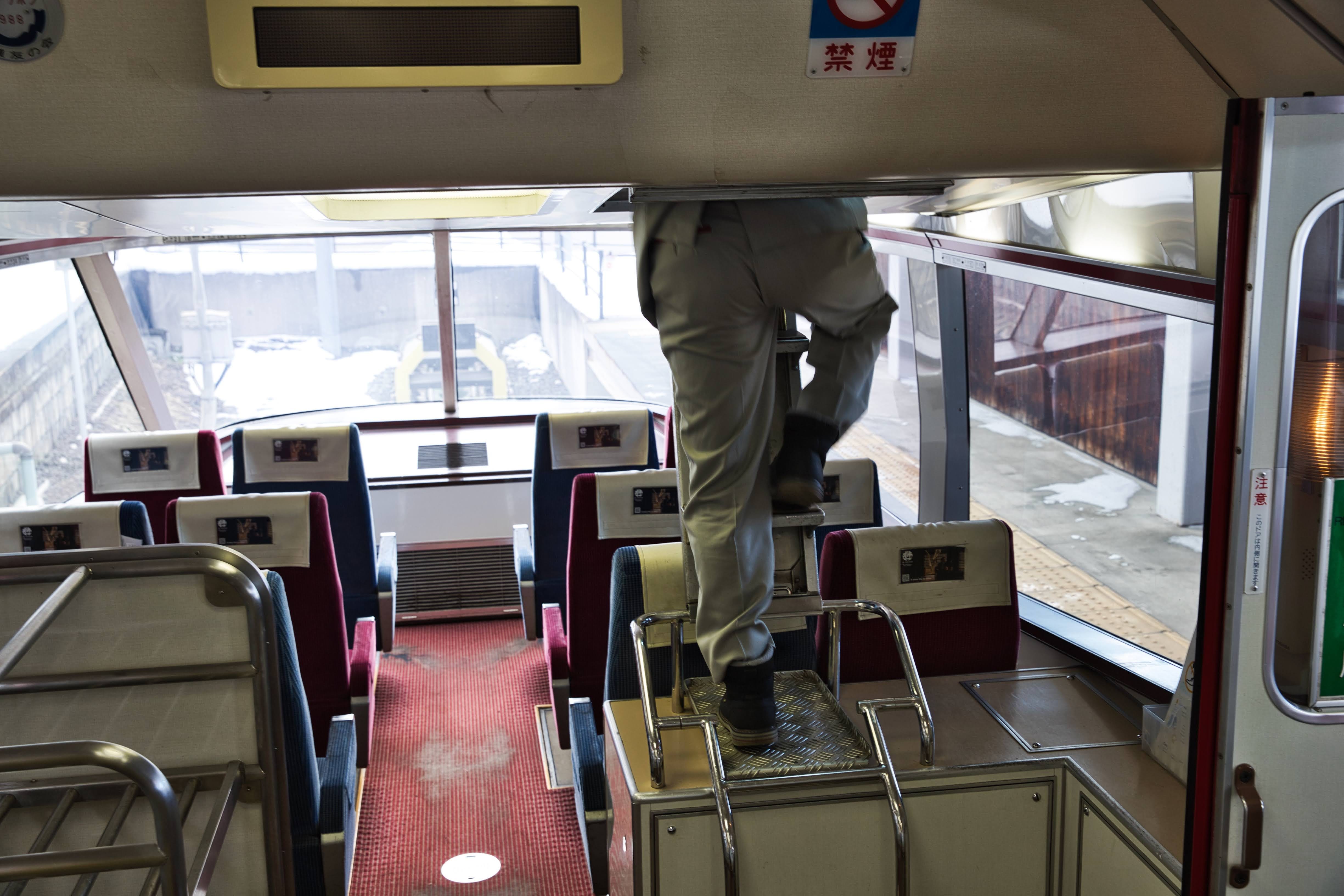
The defining feature of the HiSE Romancecar is its driver’s cabin: it sits above and behind the passenger area, leaving the very front of the train open for a wall of floor-to-ceiling glass. Passengers in the front car get a driver’s-eye view of the track ahead, the mountains beyond, and everything in between. On a line running through apple orchards and wineries with snow-covered peaks on the horizon, that counts for a lot. How does a driver get into the train’s cabin? Easy: he retrieves a ladder, props it against the hatch in the ceiling, and climbs onto the roof without saying a word.
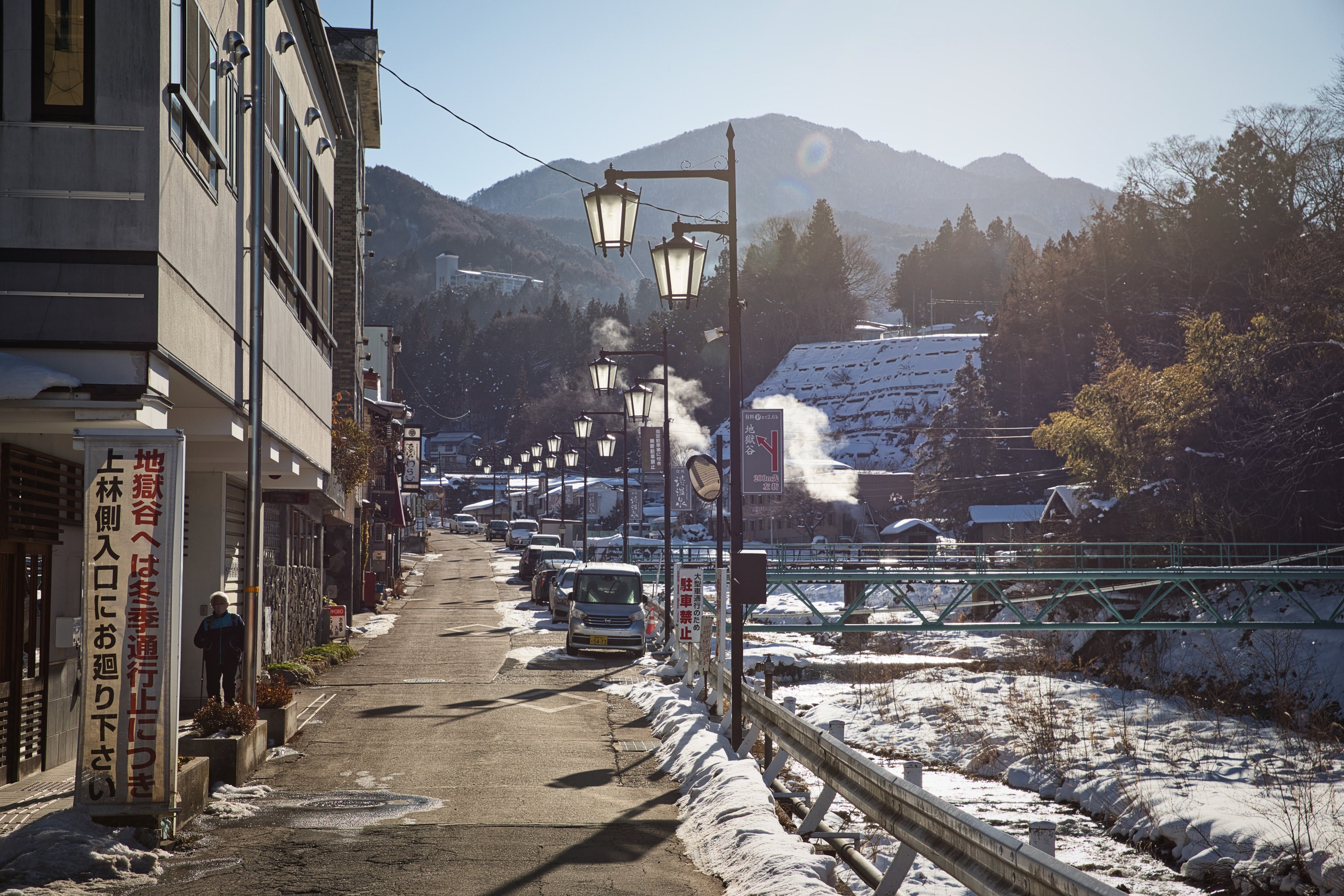
Yudanaka is the terminus station of the Nagano Dentetsu line. From there, a bus runs the short distance to Shibu Onsen, though the walk is also manageable if the weather permits.
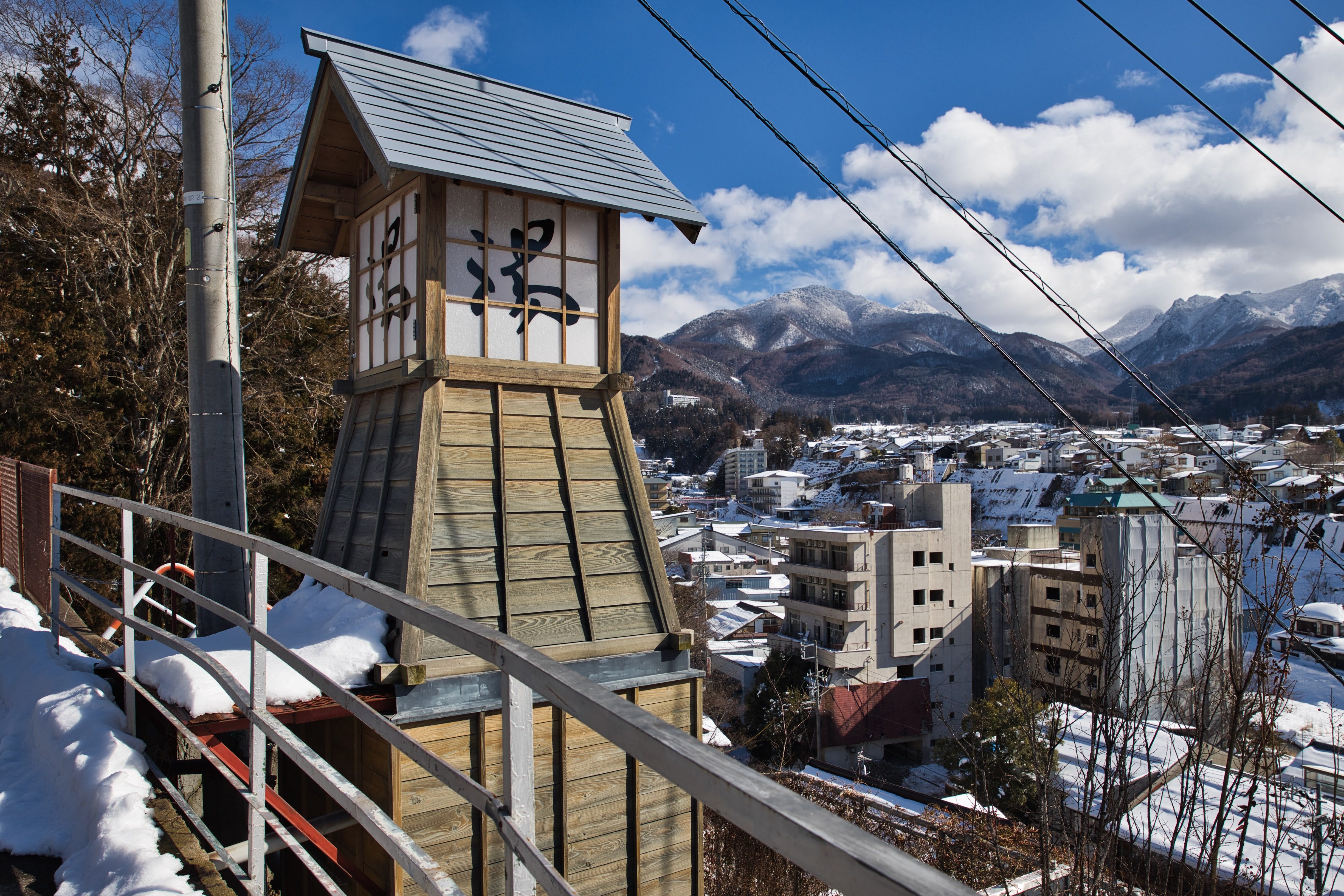
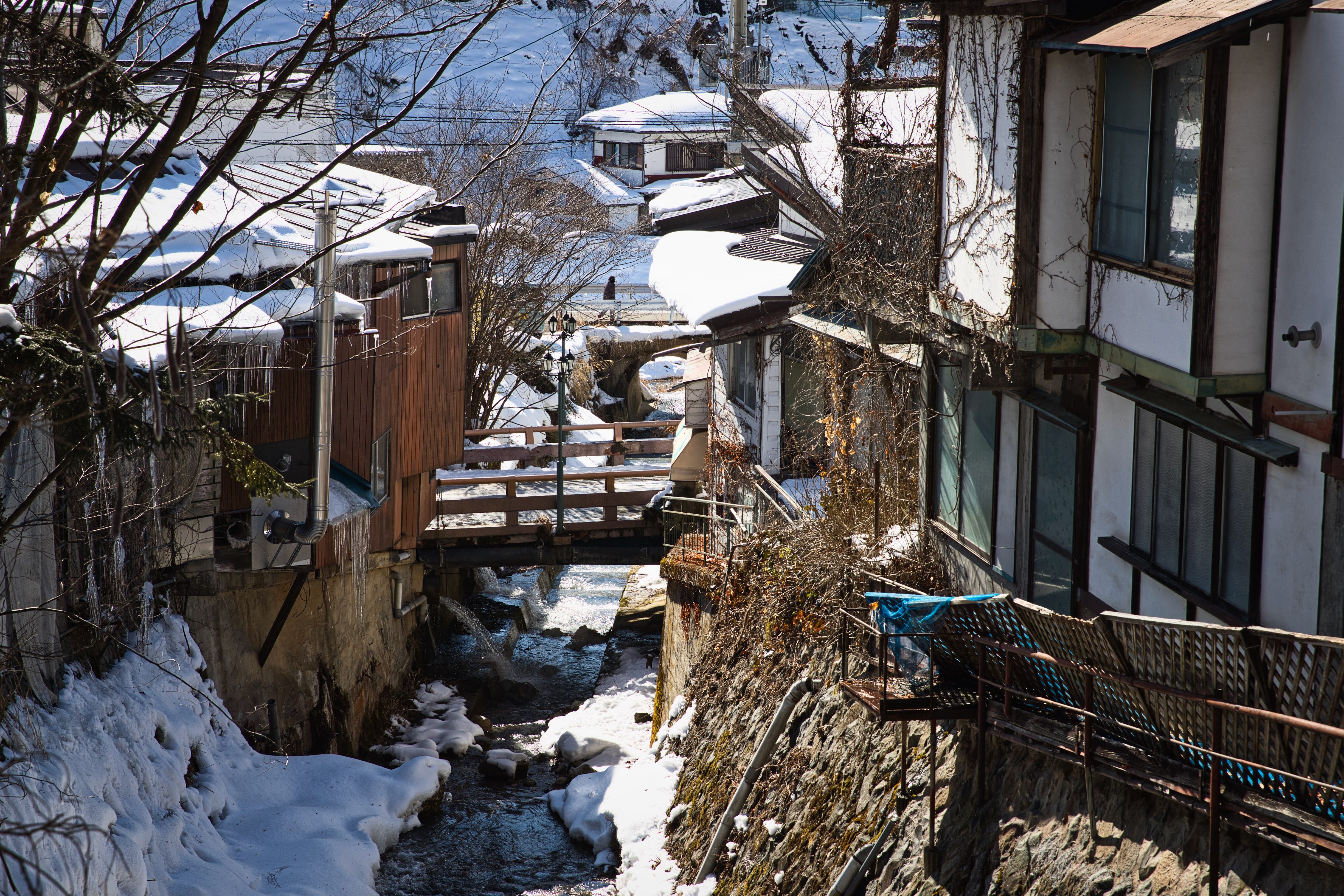
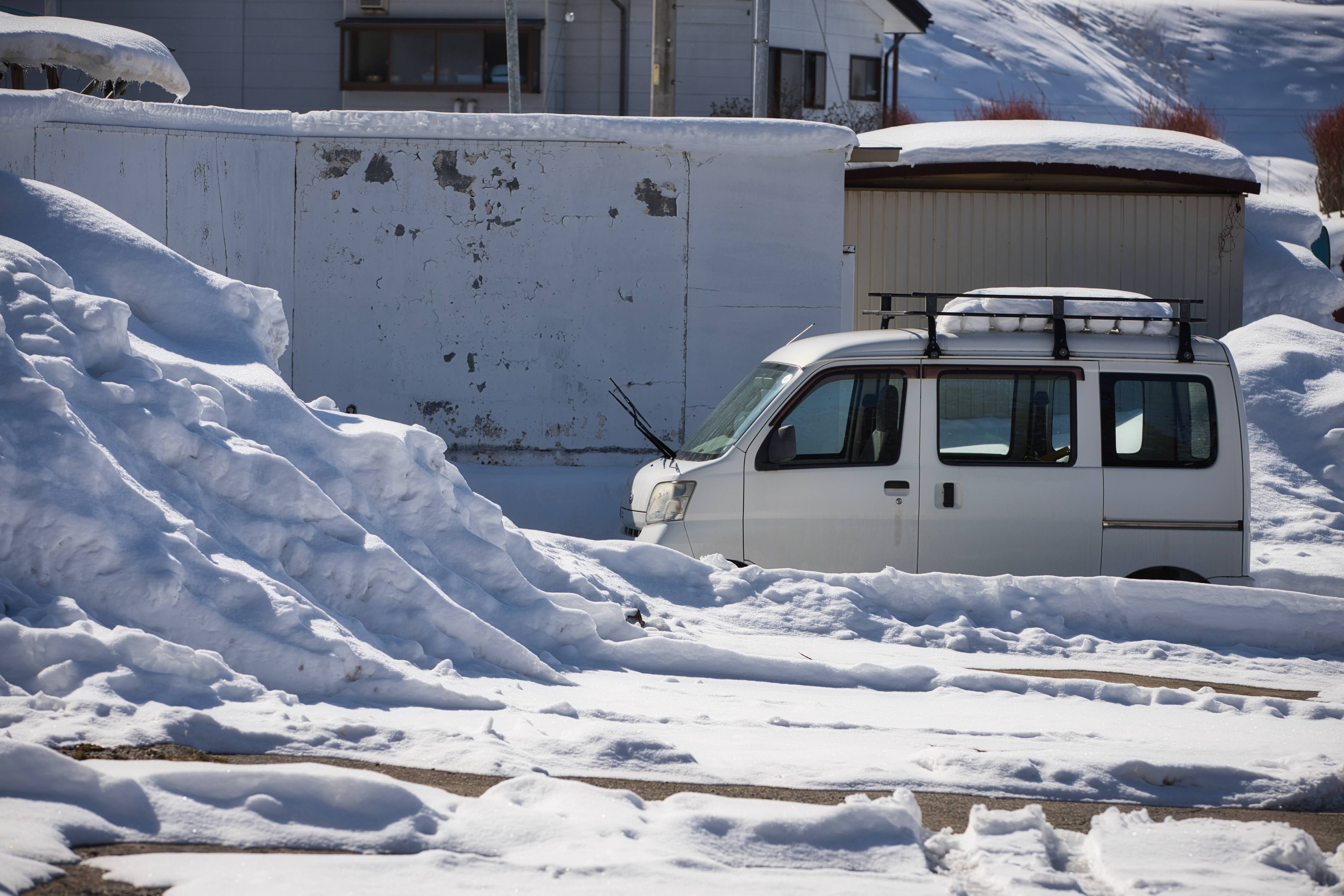
Shibu Onsen is the kind of place that makes you recalibrate your sense of what “old” means. The streets are narrow because they were built well before anyone had cars in mind. People have been coming here to bathe for approximately 1,300 years. The town was not designed for tourism, but it became a tourist destination nonetheless. Who knew back in the day that you could reach the town from Tokyo in under 3 hours? It would probably take a week or so by a stagecoach.
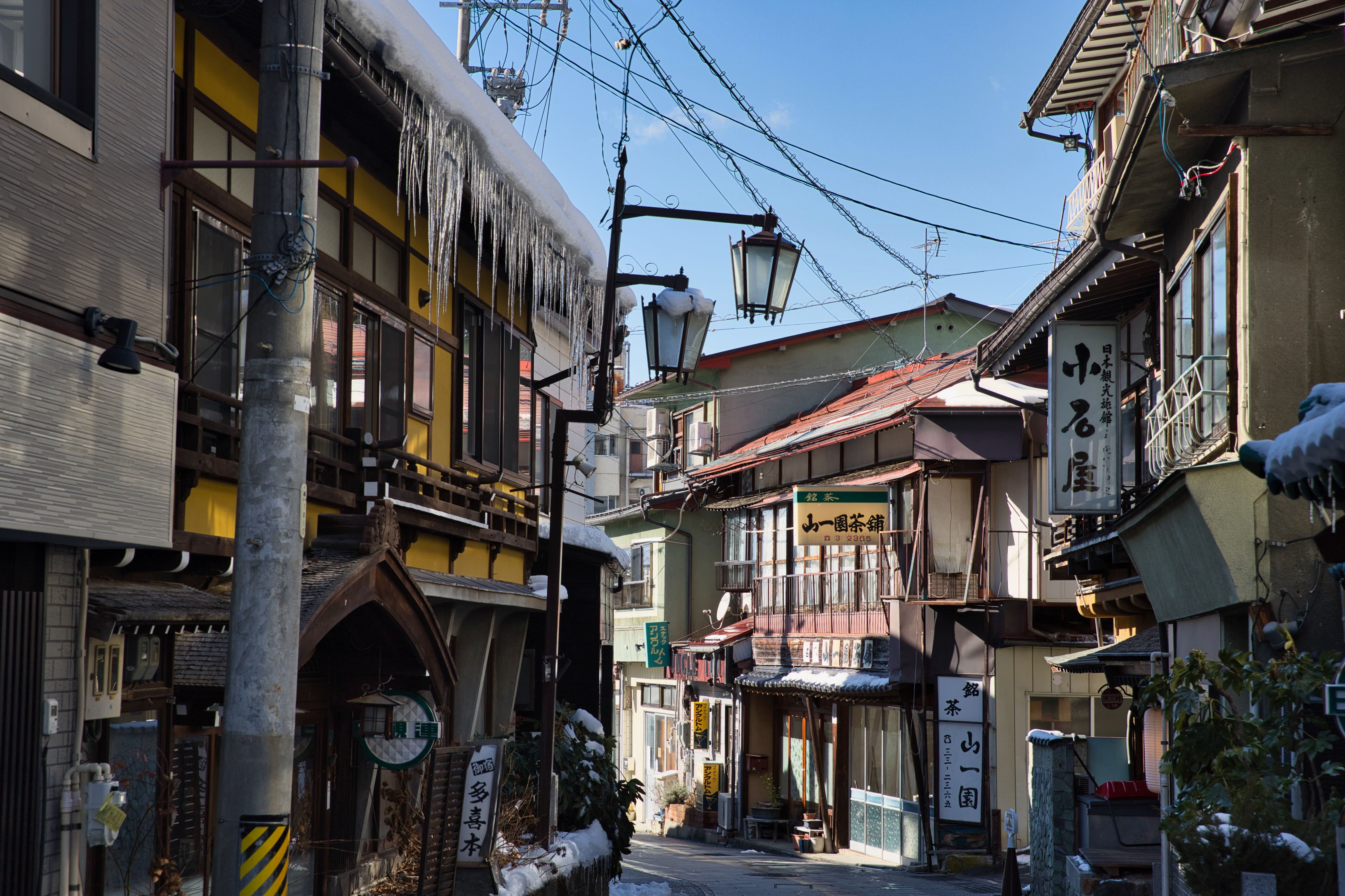
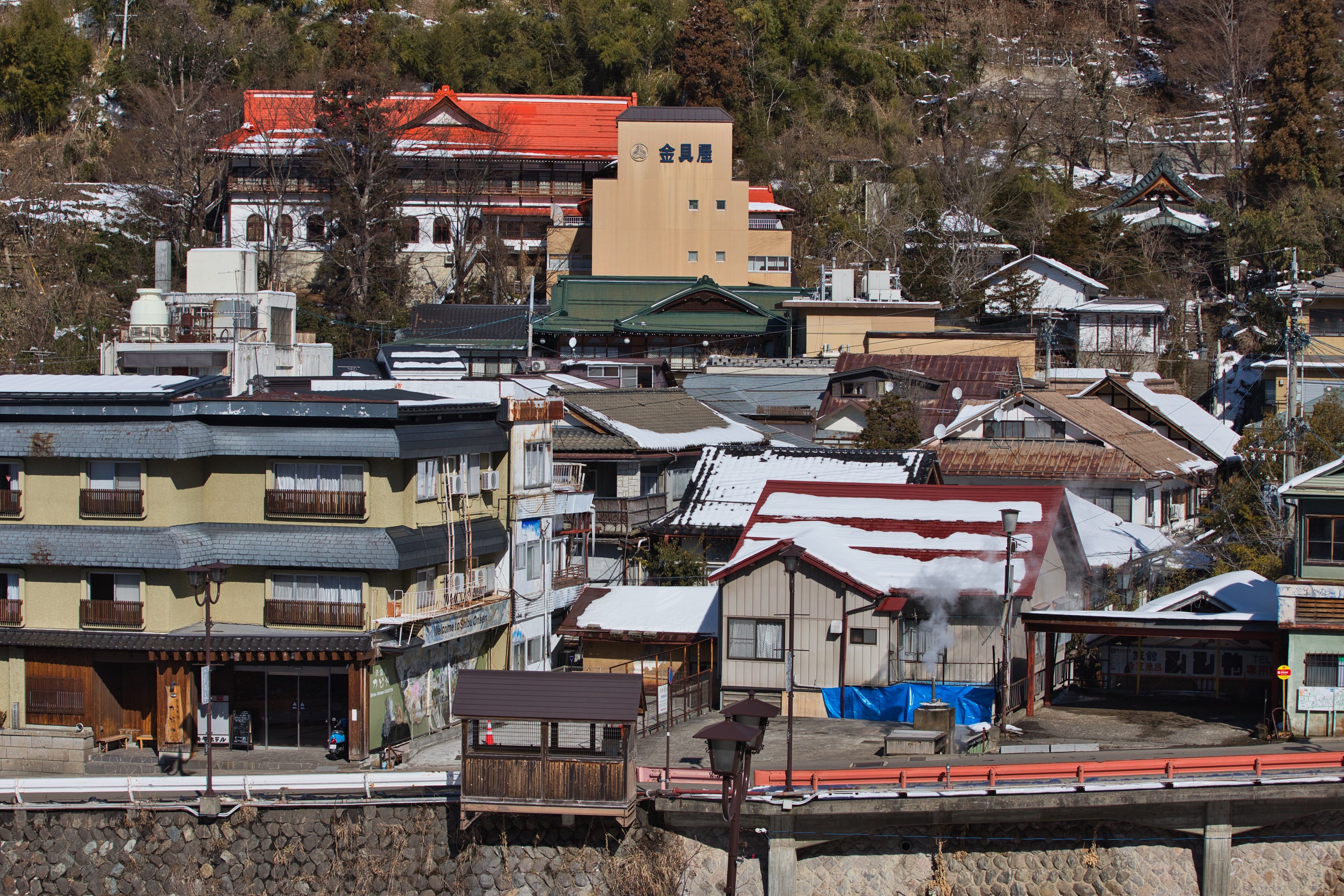
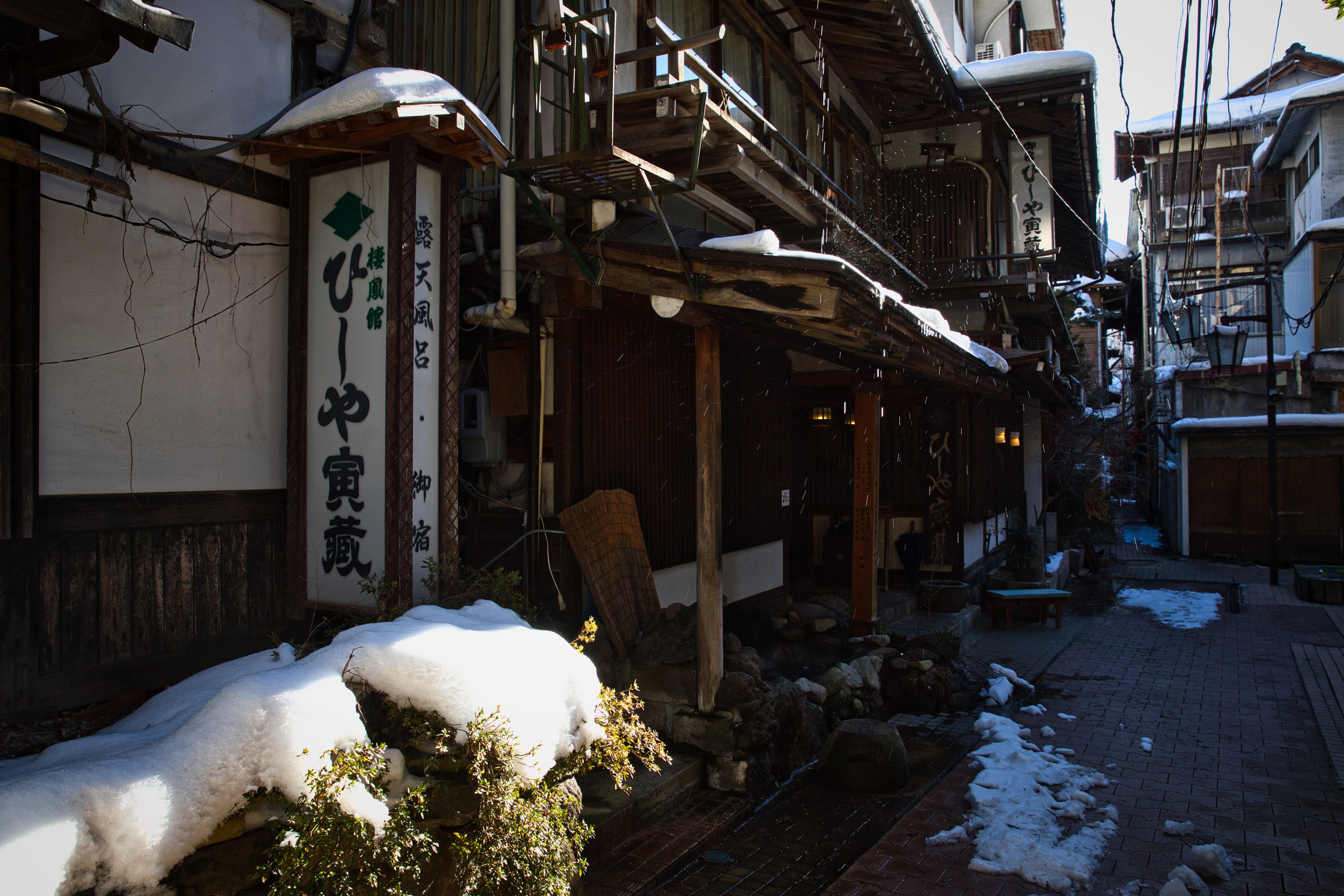
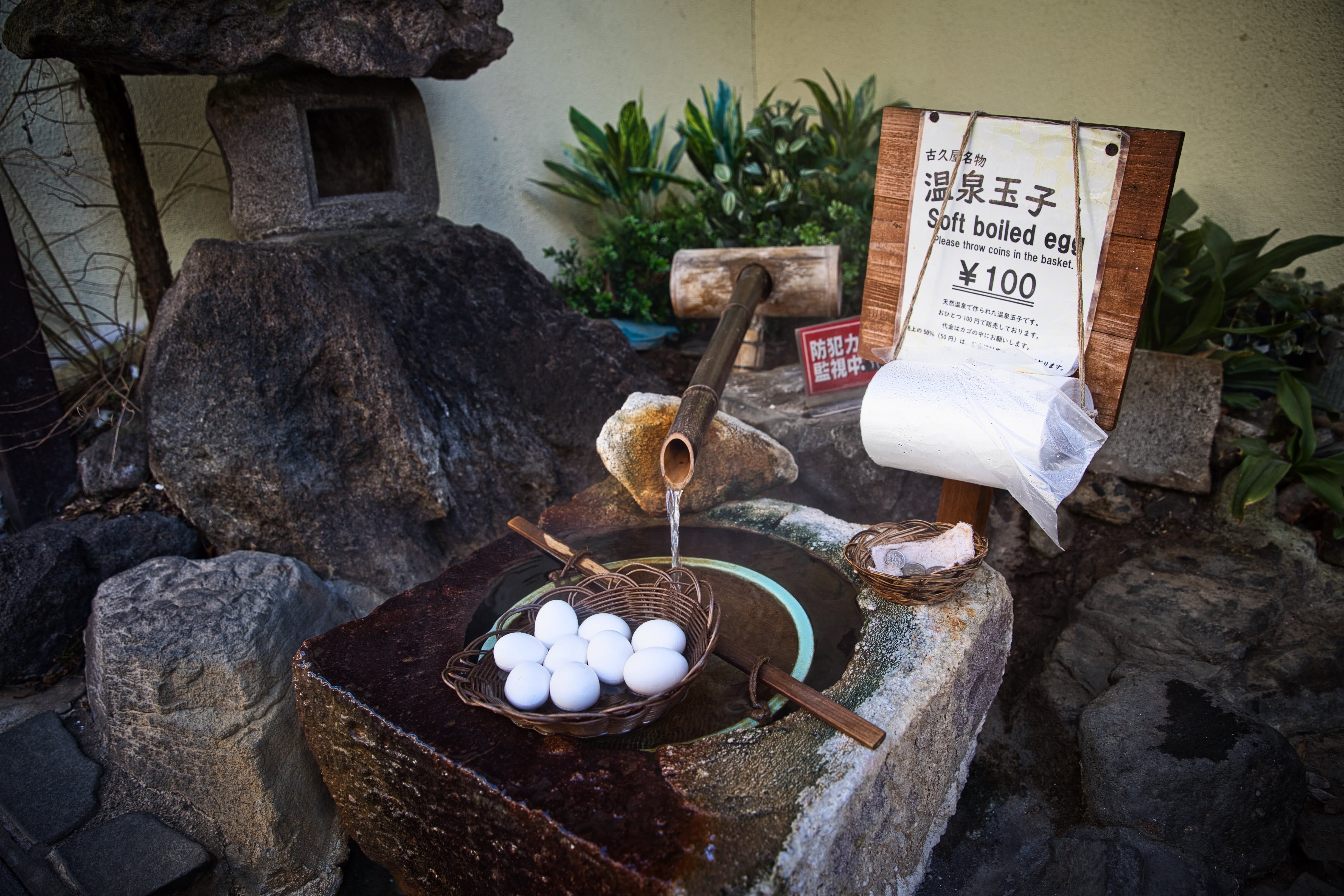
The principal attraction, and the reason most visitors make the journey at all, is the Soto-yu system: nine public bathhouses distributed through the town, each fed by a different hot spring, each with a slightly different mineral composition and a slightly different therapeutic benefit.
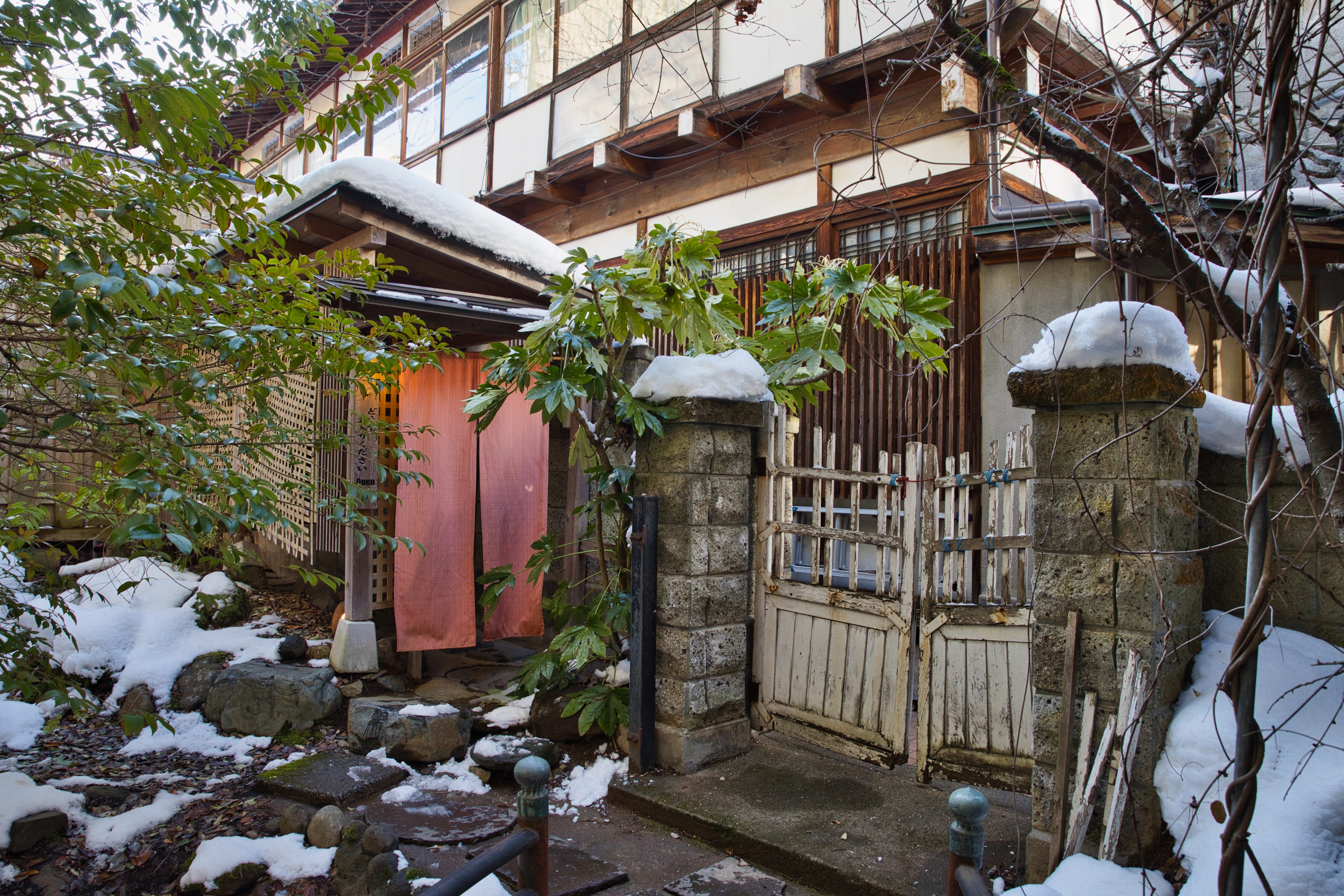
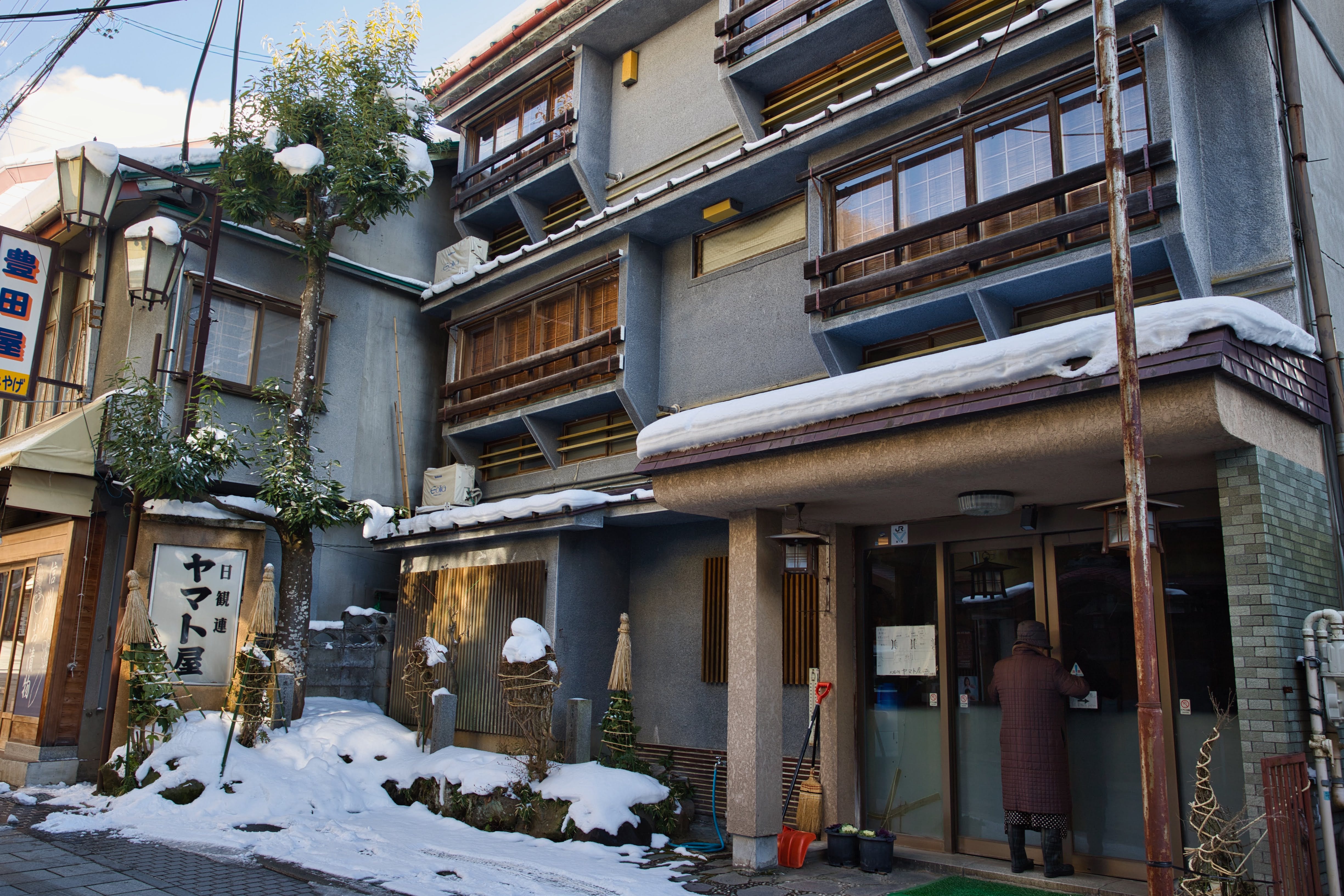
Bathhouse number 9, O-yu, is the best in my opinion: spacious, atmospheric, and believed to help with rheumatism and neuralgia. Numbers 6 and 7 are more modest, small and rustic in a way that requires some adjustment if your onsen expectations were formed by Instagram. These are working bathhouses maintained by the local community, so they are all but spa installations. The etiquette is strict: rinse before entering, no swimsuits, no staring, no washing hair, no lingering with soap, wipe down before returning to the changing room, and drink plenty of water. For those who smirked when I mentioned no swimsuits: men and women use two different entrances and are separated by a wooden wall.
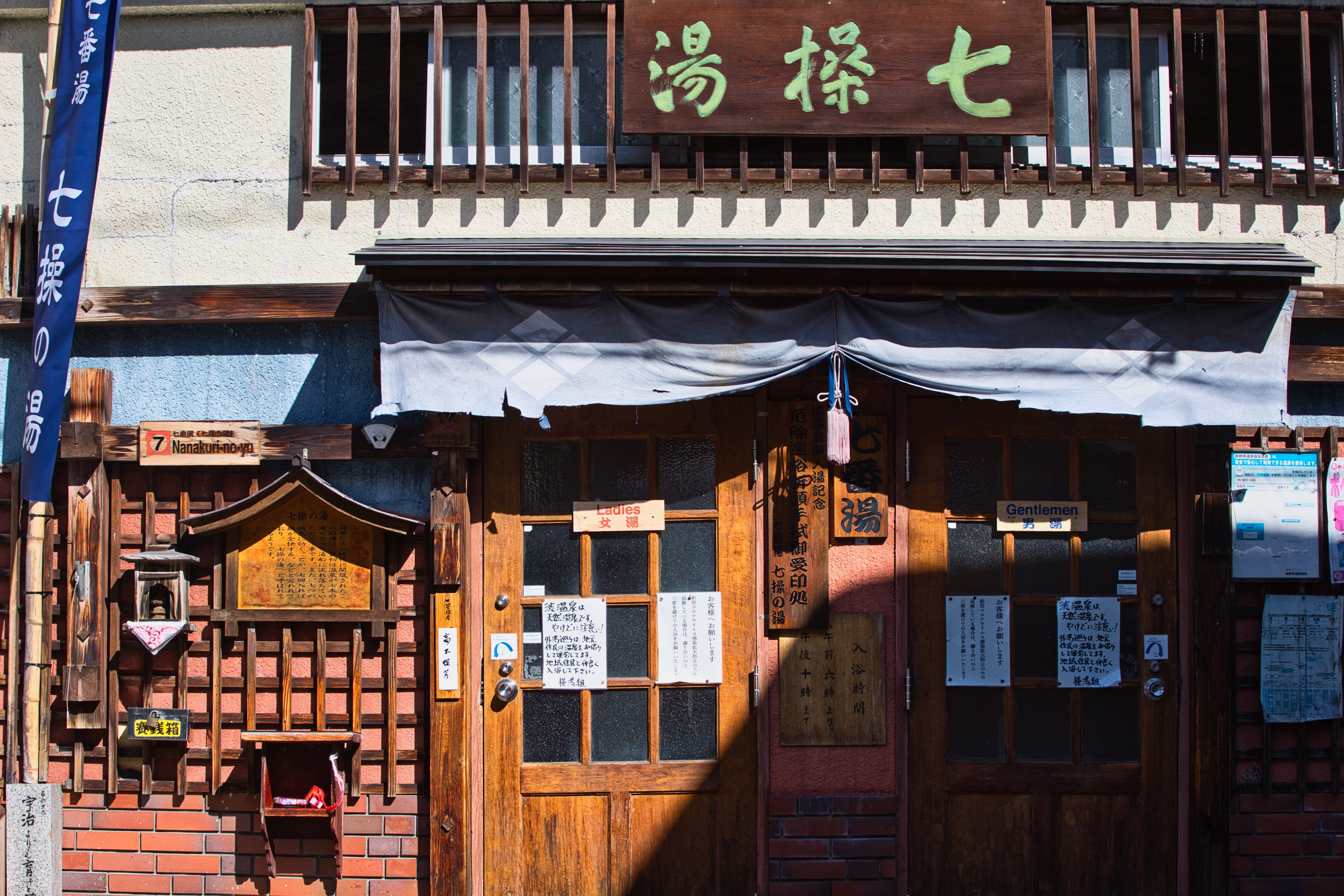
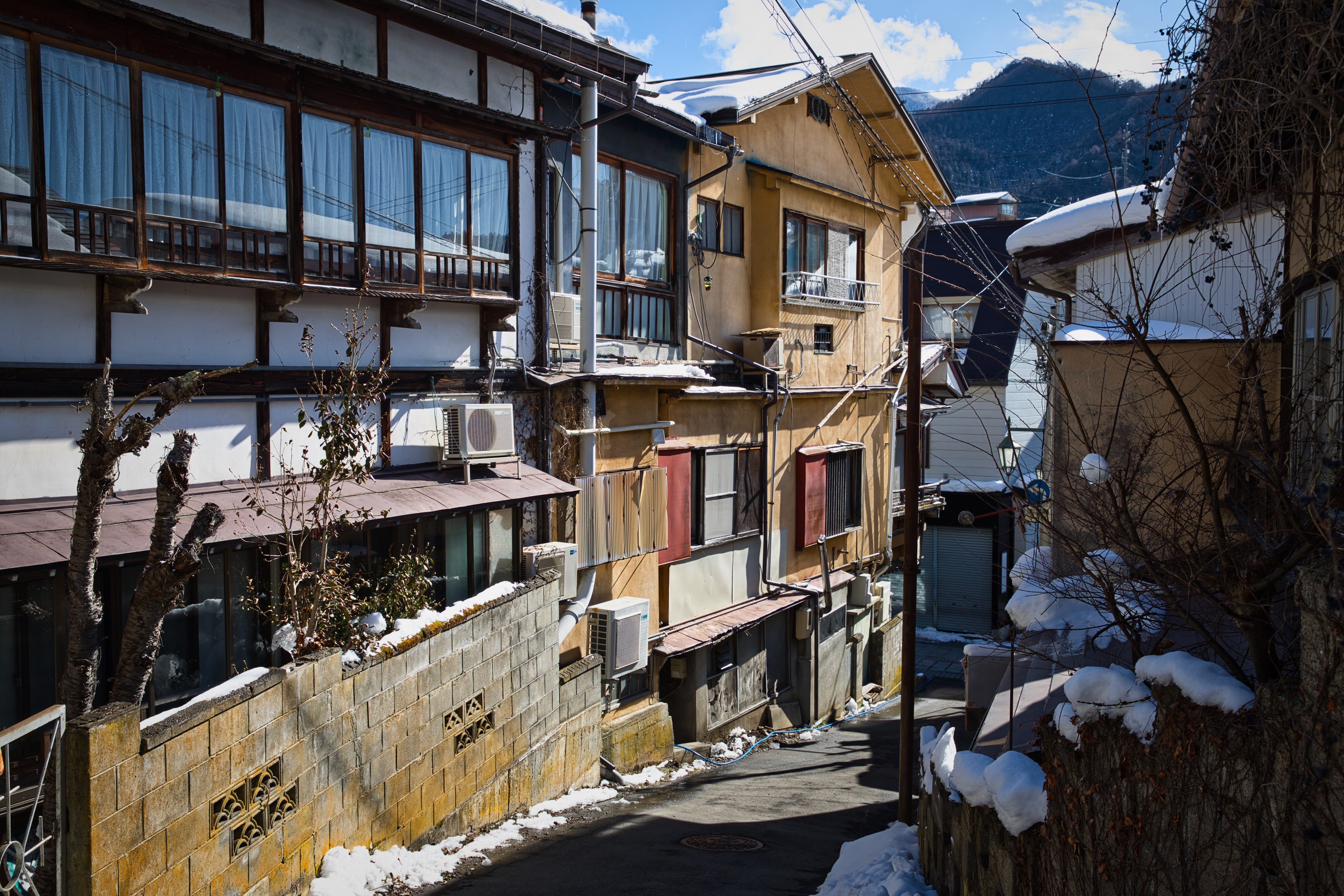
There is a stamp collection system in place: once you’ve visited all nine bathhouses and collected all commemorative stamps on your Junyoku towel, which is available for purchase as a souvenir, you are promised divine benefits that include the expulsion of evil spirits, safe childbirth, and perpetual youth. I’ve only collected five stamp (and a nasty cold that lasted for almost a week), so I guess I will have to return one day and finish my job.
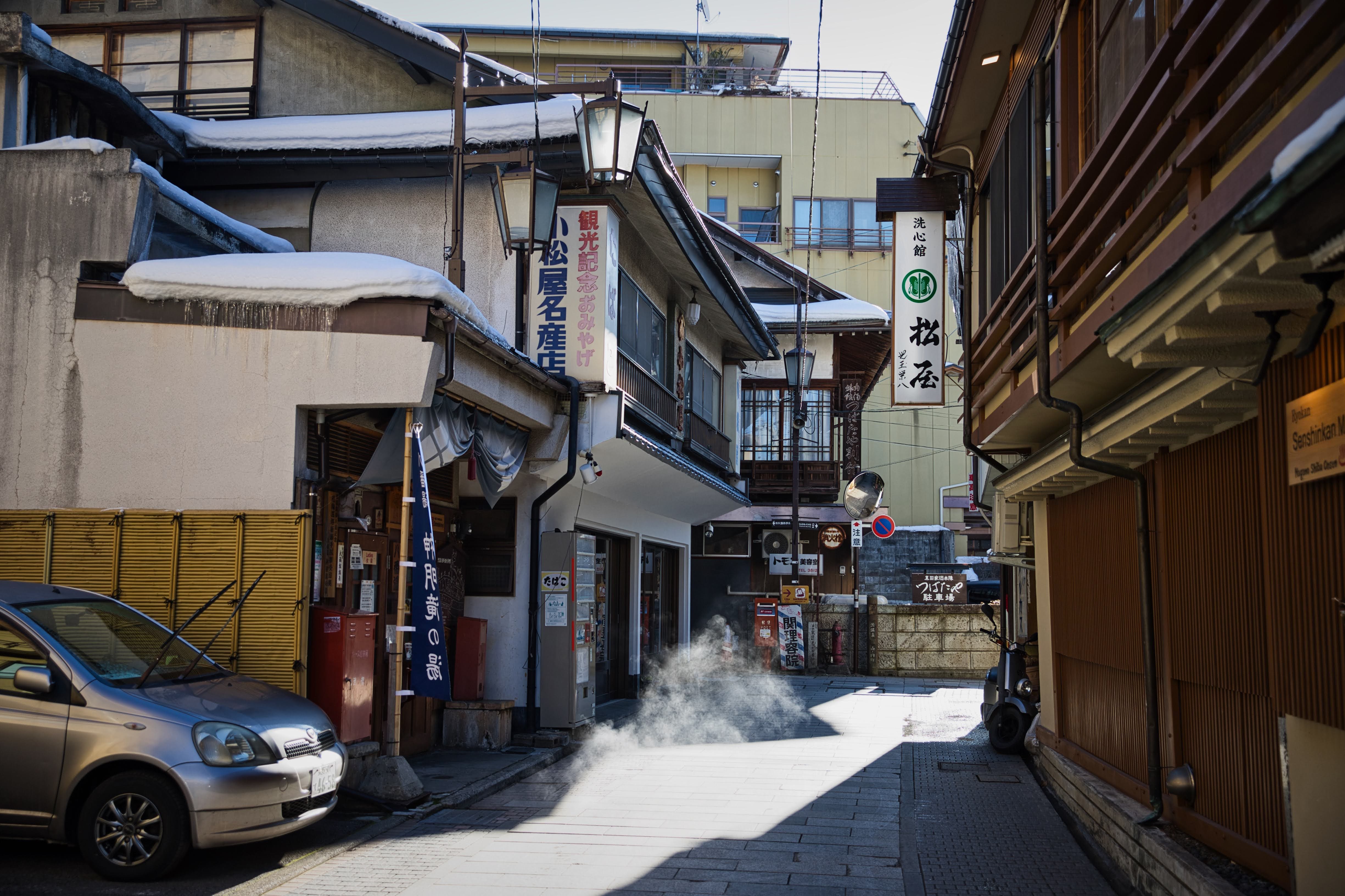
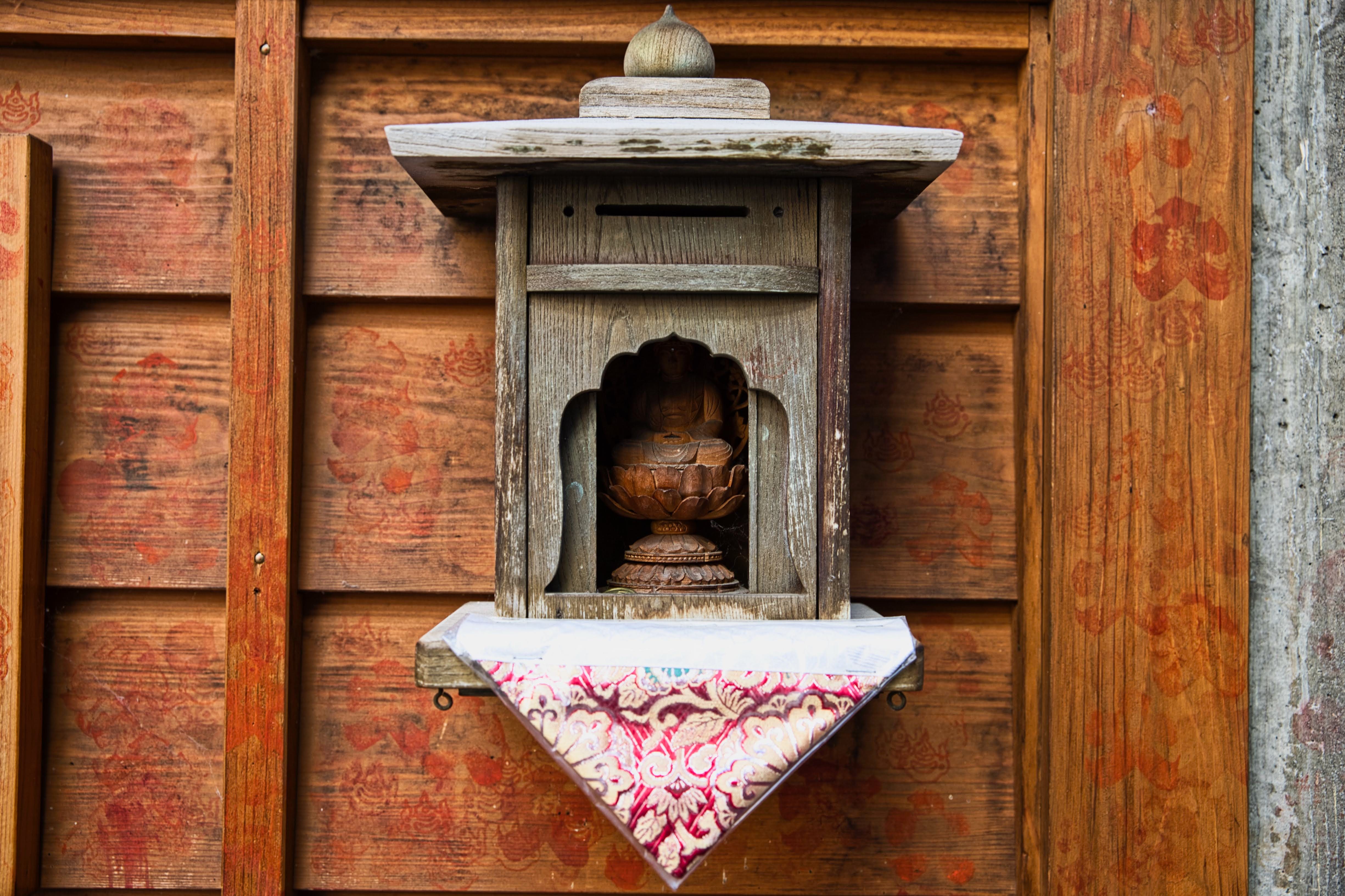
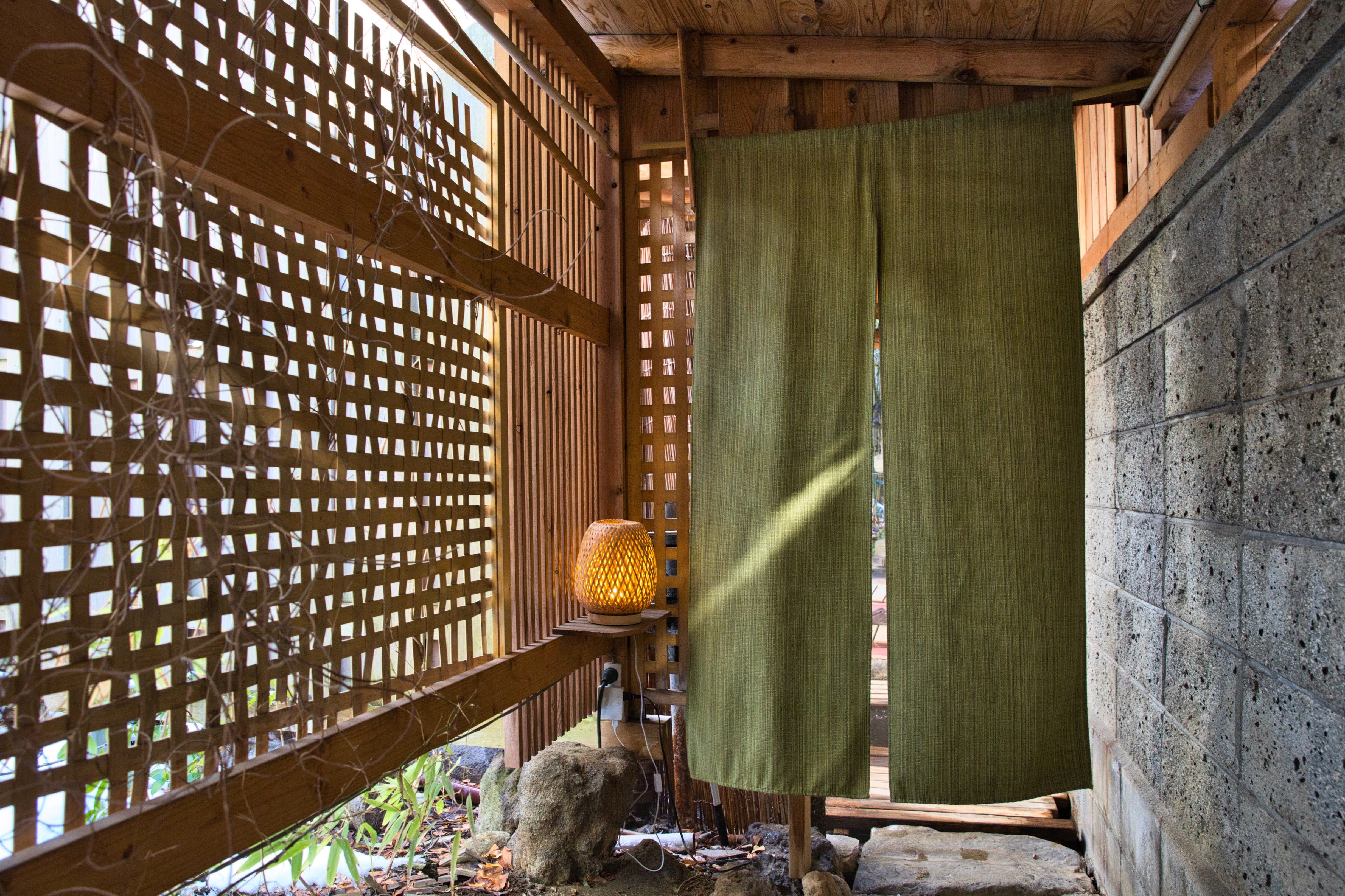
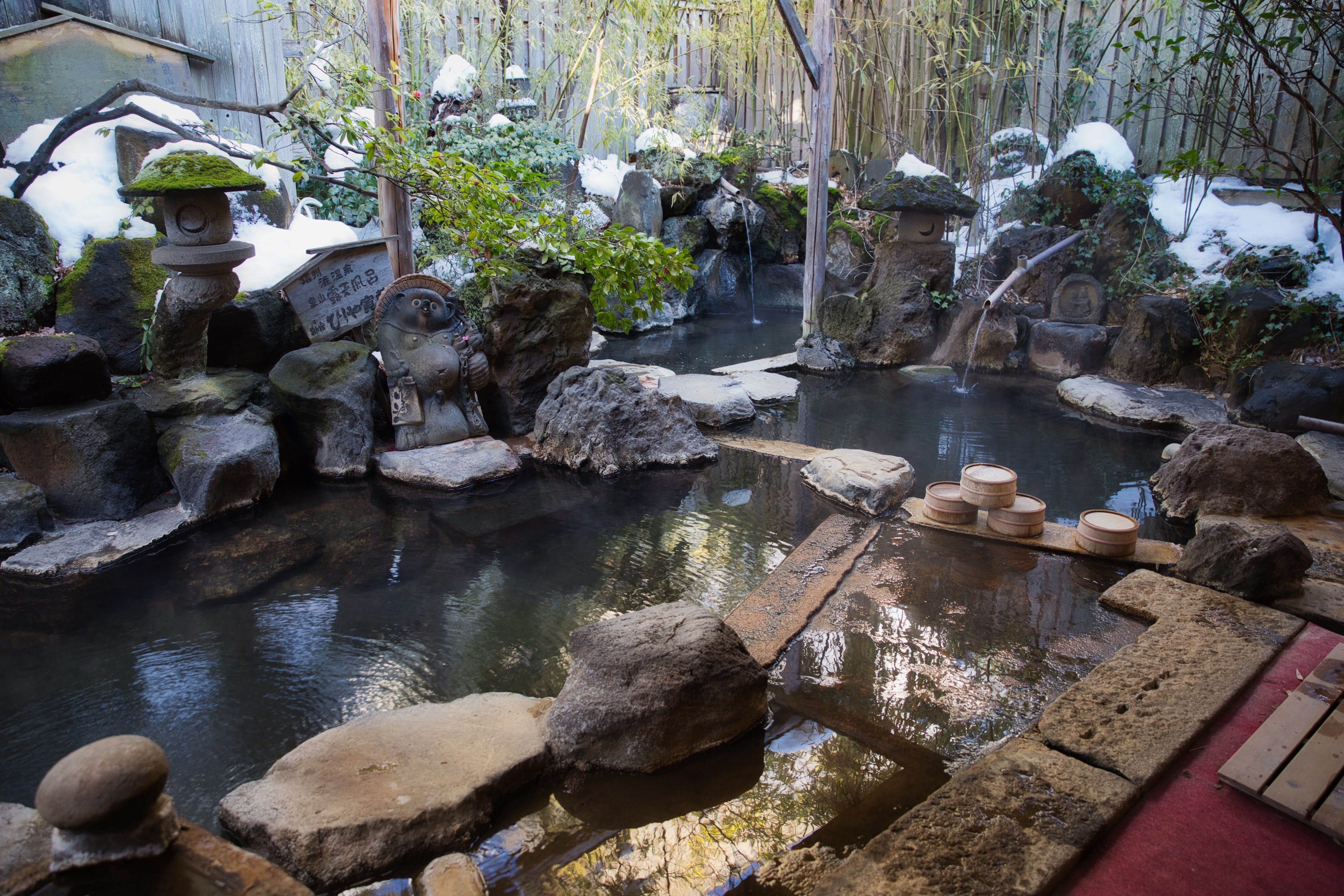
The best onsen in Shibu, in my opinion, was not one of these nine public ones though. It was the private outdoor bath at the ryokan we stayed at (Onyado Hishiya Torazo - highly recommend, not a commercial), only available to overnight guests. There is a particular quality to sitting in 40 C / 104 F thermal water while the air temperature is below freezing, in a beautiful zen garden that has been arranged for exactly this experience.
Jigokudani Monkey Park, also known as Snow Monkey Park, is a 45-minute walk from Shibu Onsen through the town and a pine forest trail. The forest is thick and quiet, and there is a deep valley below the path. In winter, snow conditions vary, so make sure you wear proper footwear and consider crampons.
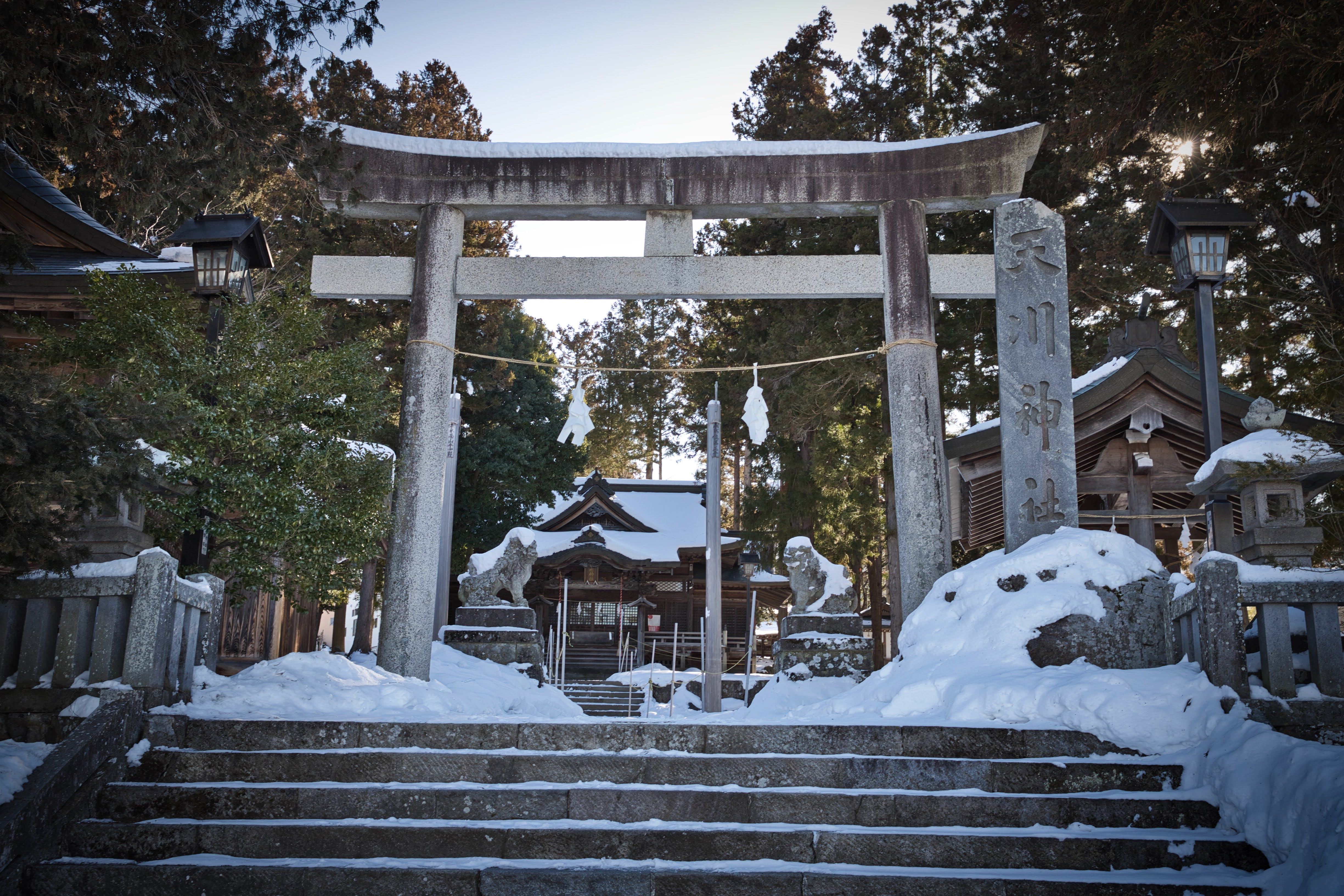
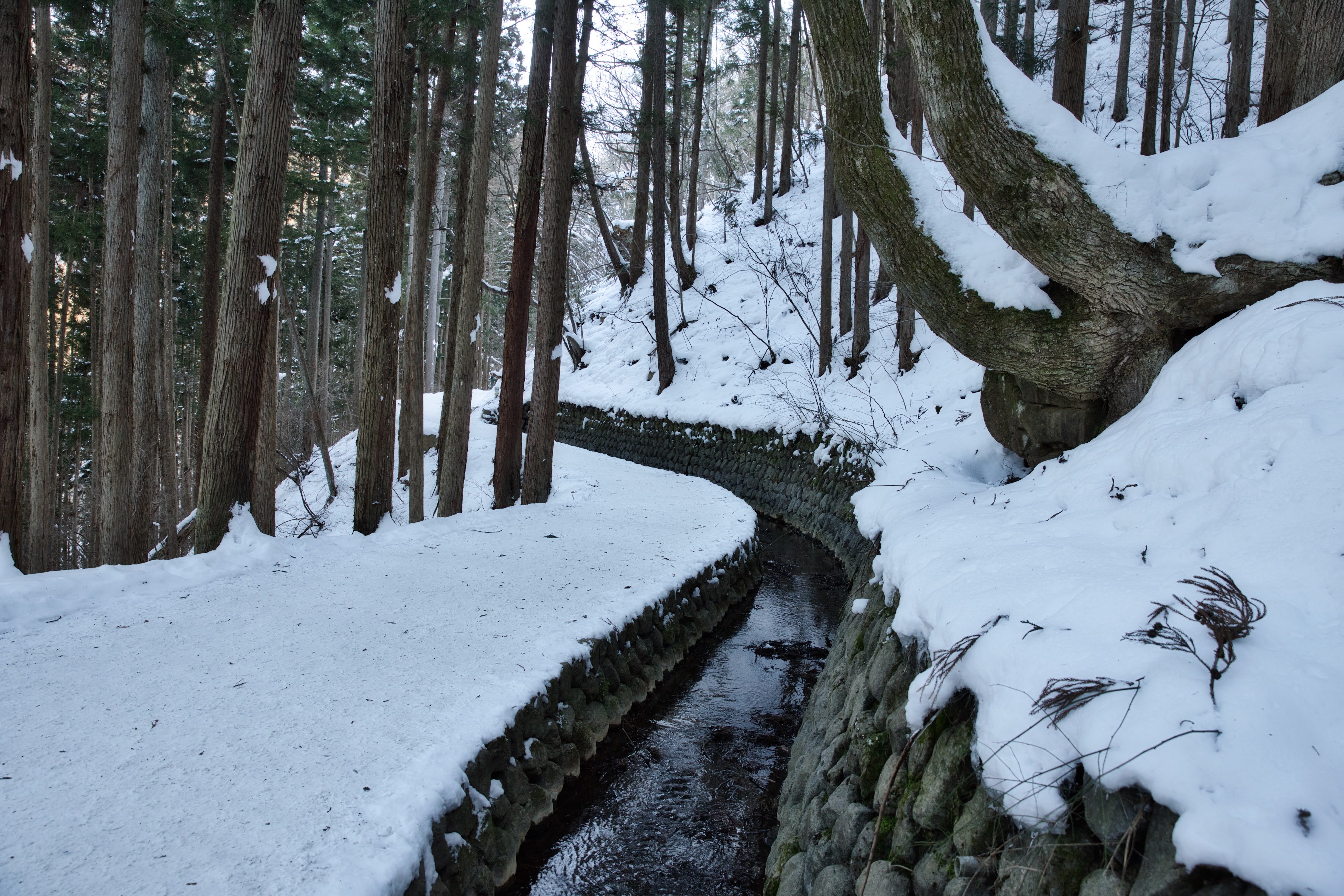
The park opened in 1964 as a conservation area for a population of Japanese macaques (macaca fuscata), the most northerly-living non-human primate, whose habitat was under pressure from tourism. Generations of macaques have grown up around humans since then, which is why you can stand next to a wild animal without the monkey finding this situation uncomfortable.
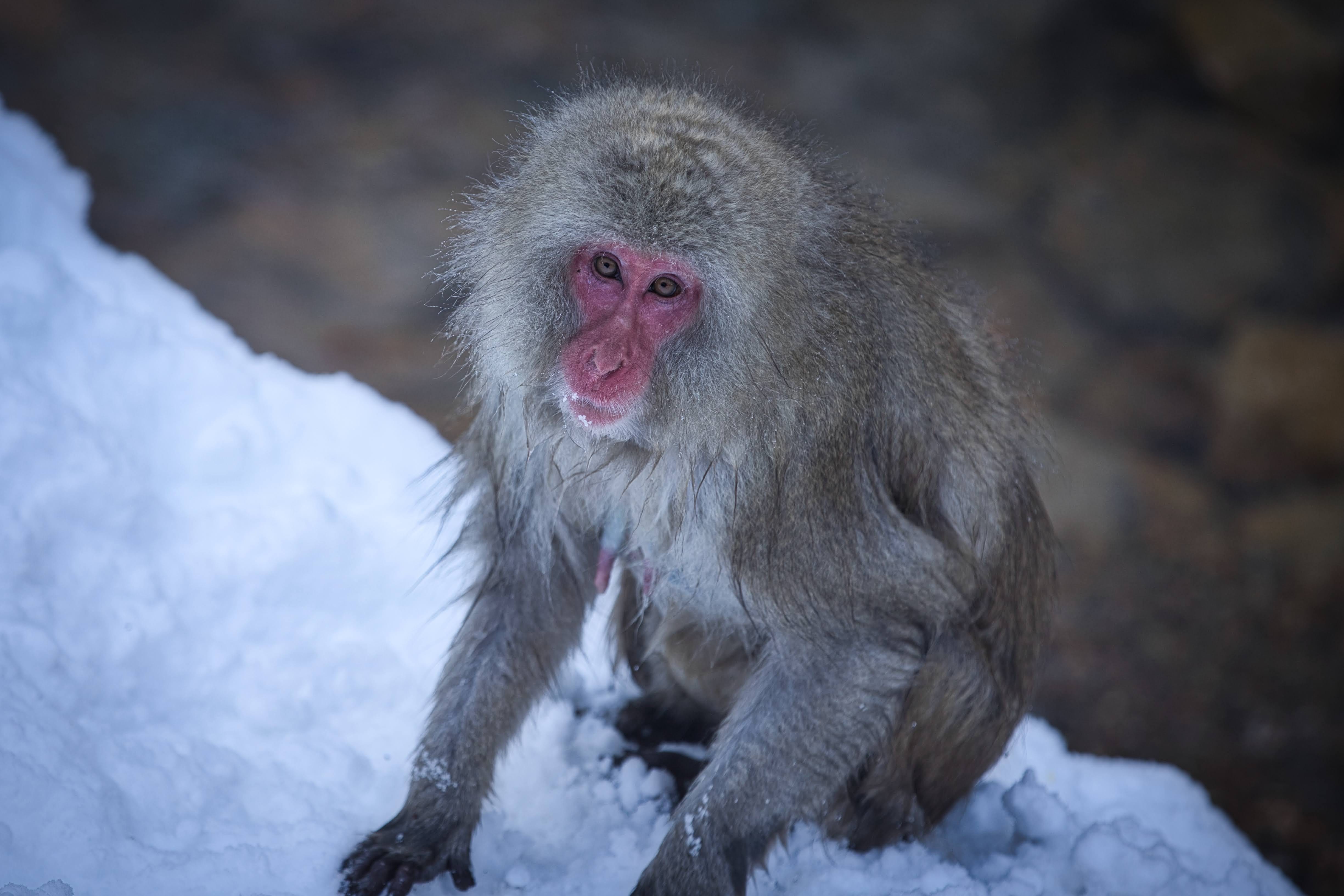
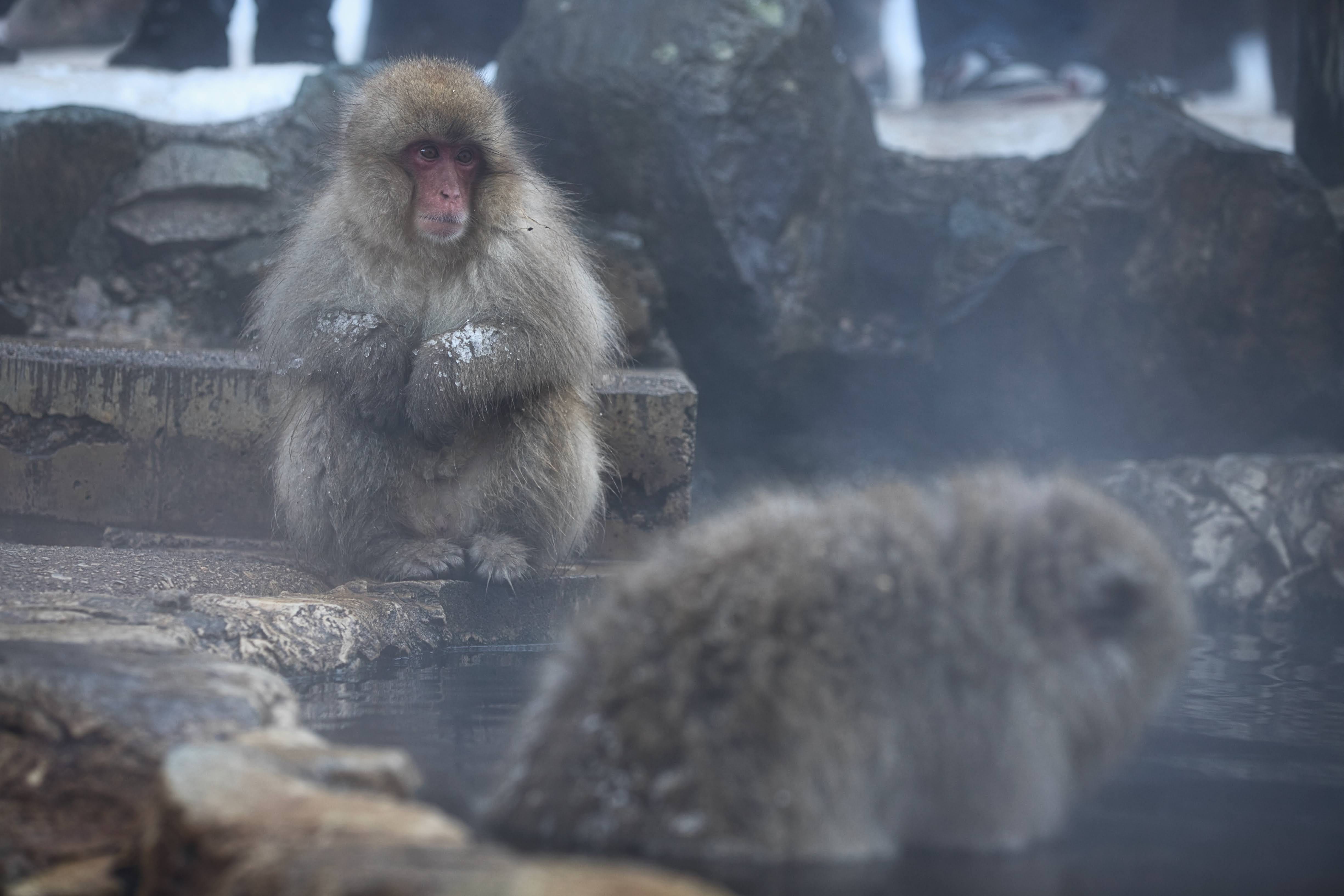
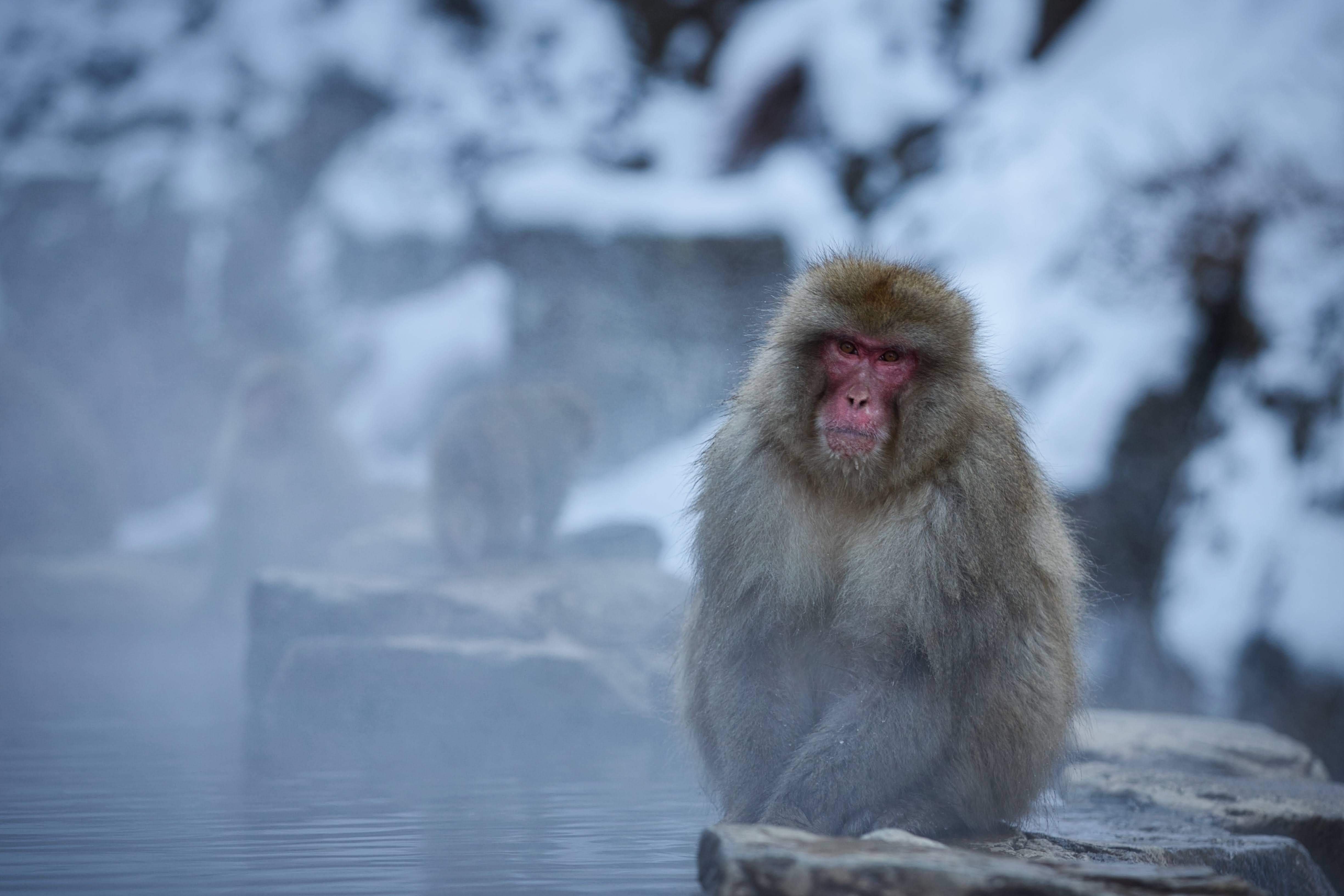
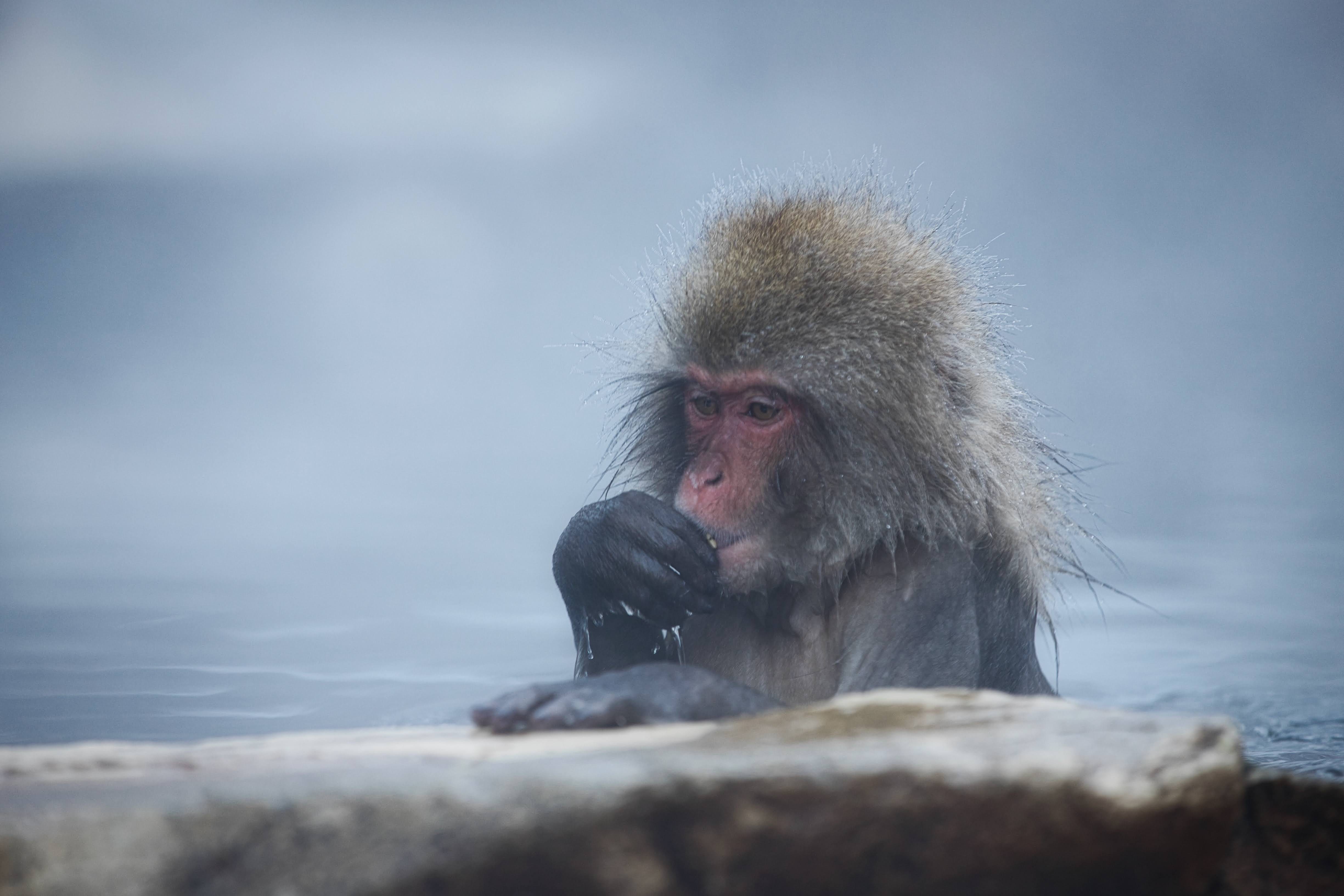
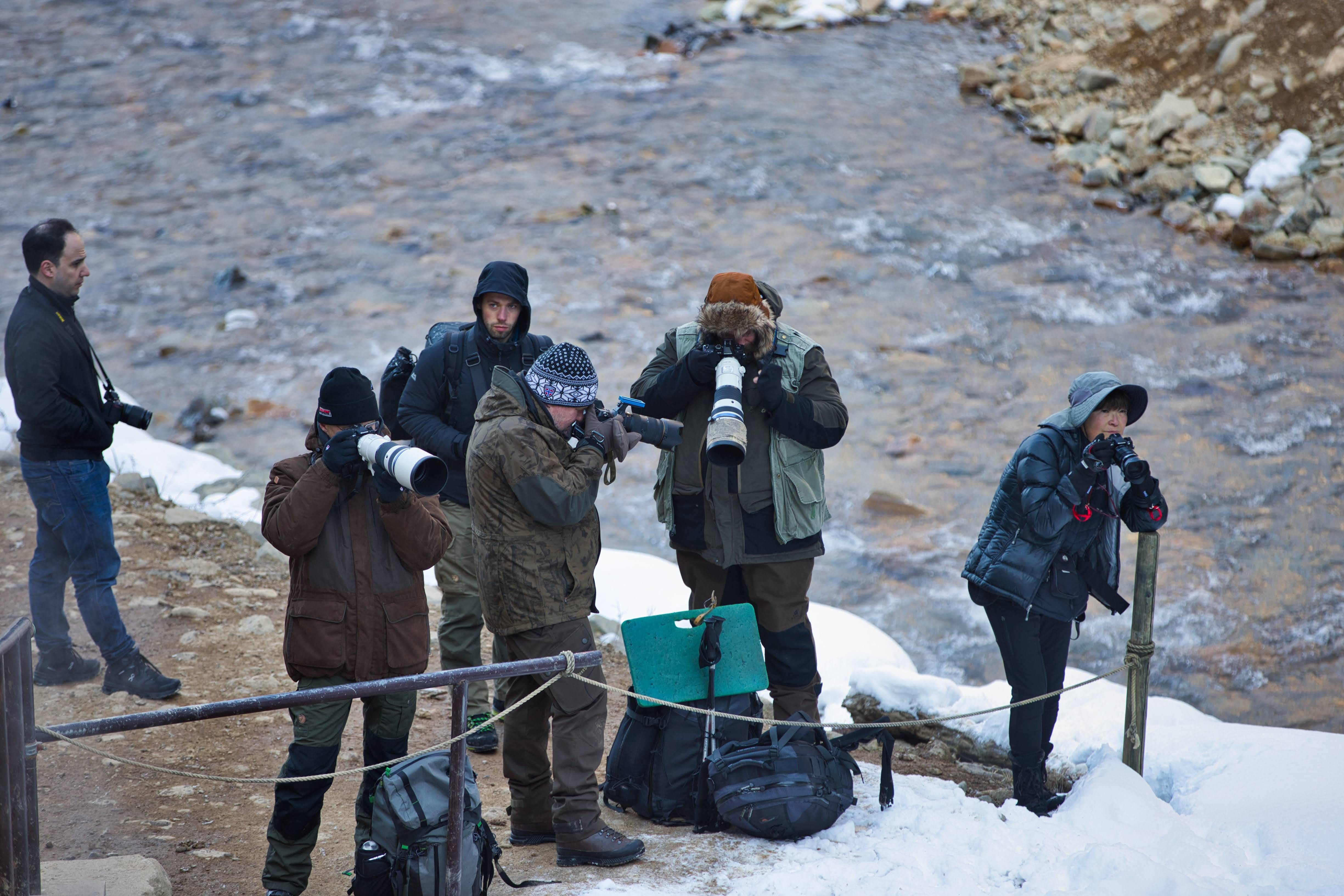
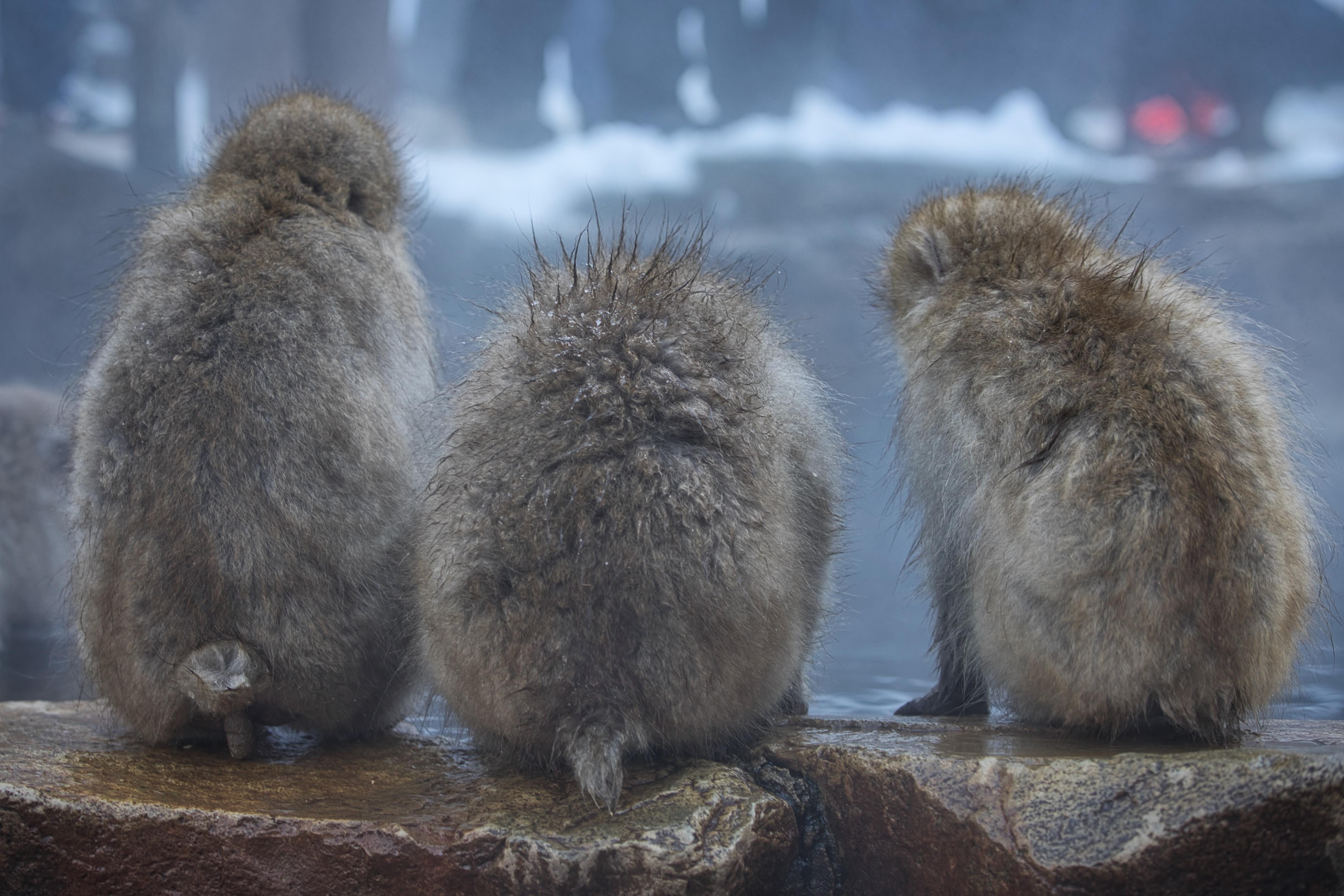
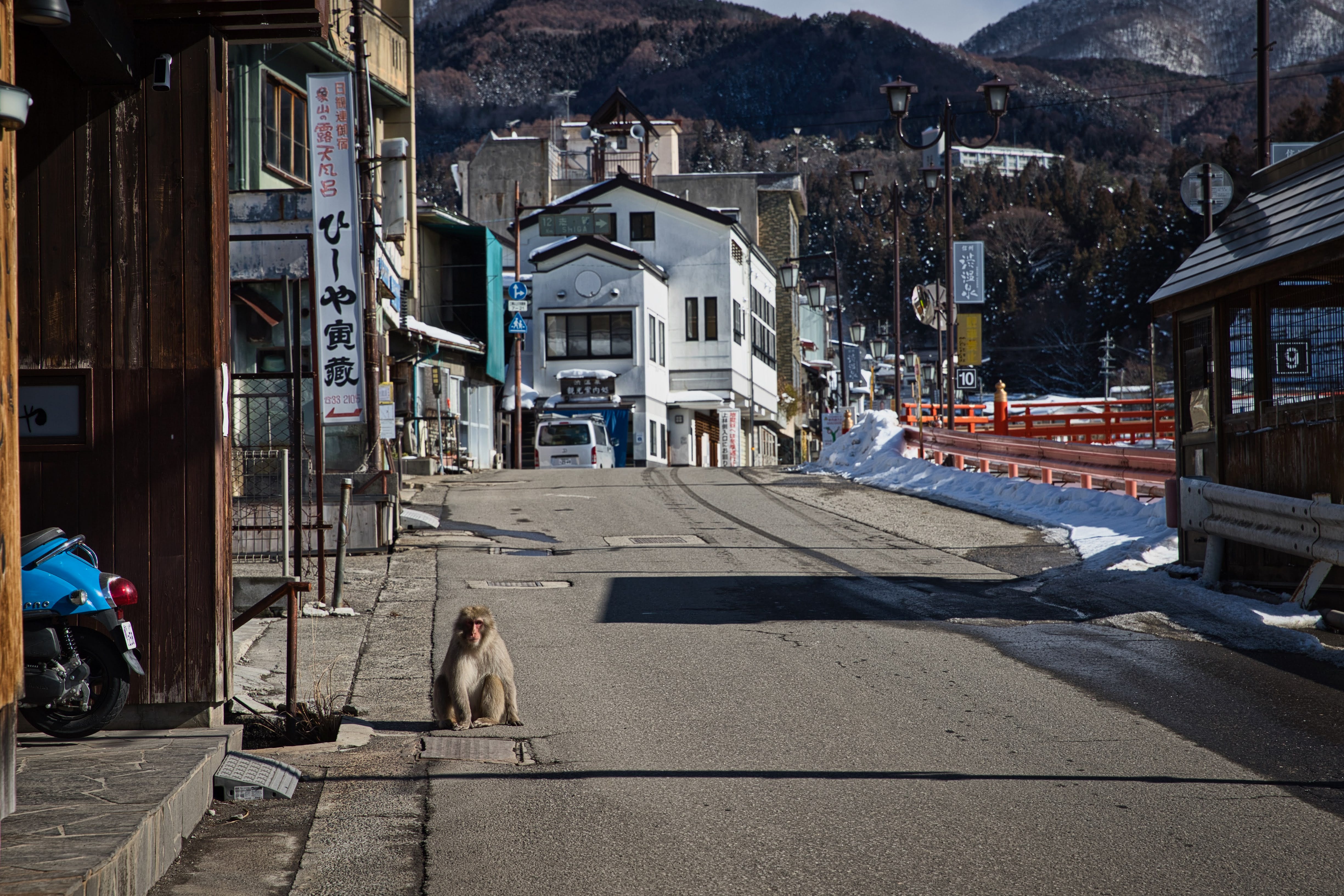
There are no barriers: the monkeys move freely through the park and onto the trail. You may encounter them before you reach the main bathing area. Gosh, we even saw one on a street in town! The famous image: macaques sitting up to their necks in a steaming hot spring while snow accumulates on their heads. But don’t be fooled: most of those shots require proper timing and patience.
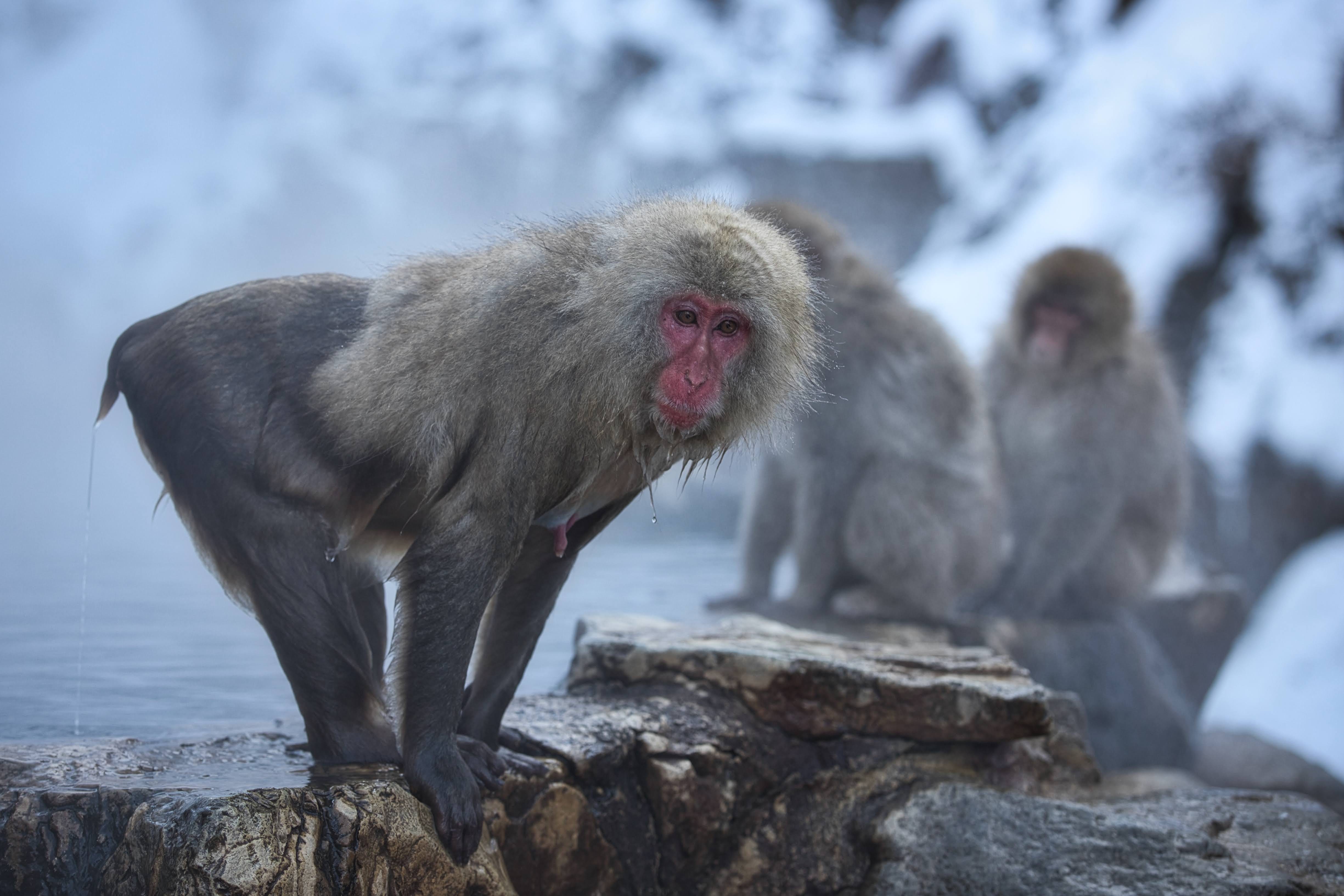
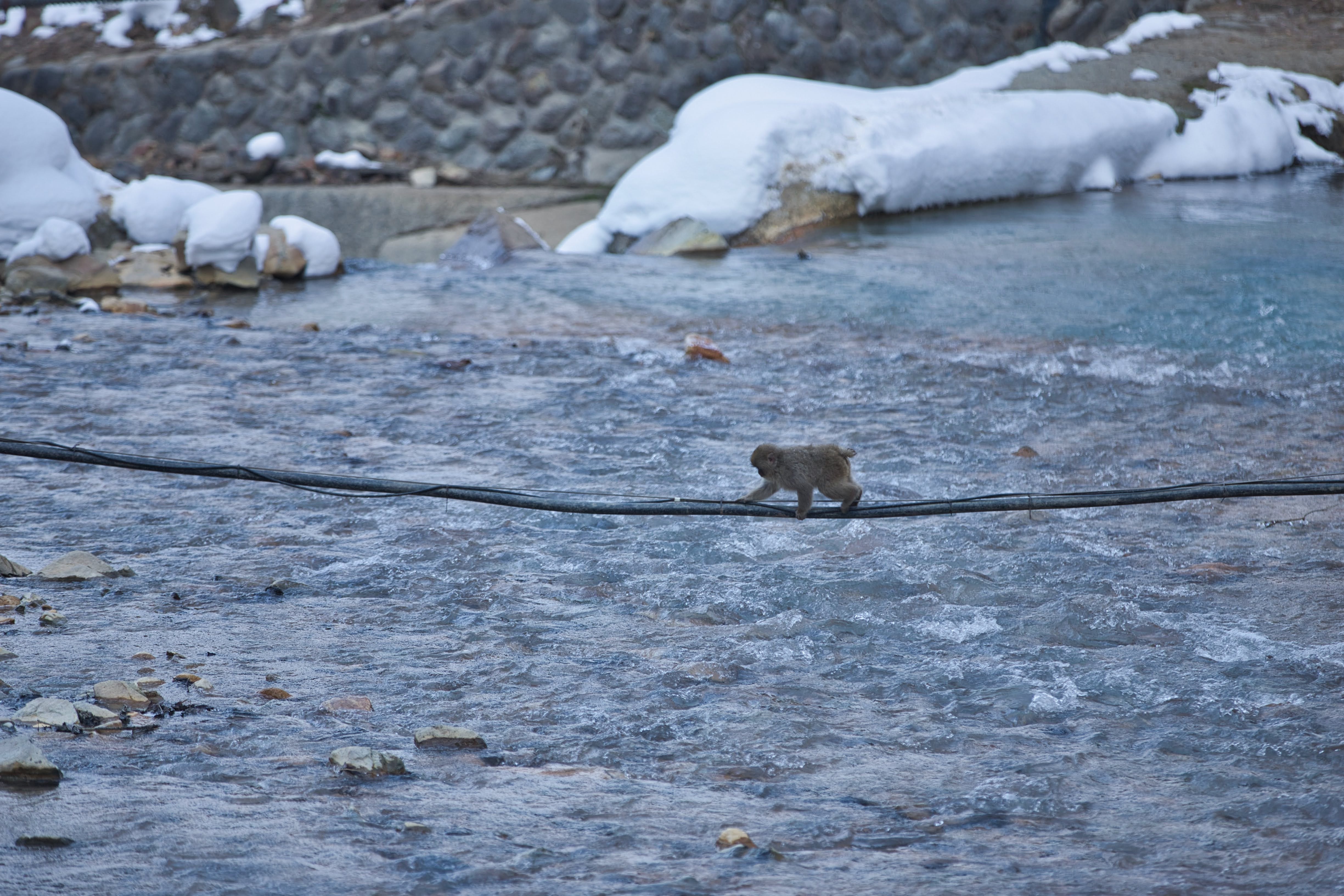
The park is extremely popular in winter, and the difference between arriving before the tour buses and arriving after them is the difference between a true wildlife encounter and a crowded viewing situation. A Japanese tourist who visited during the Christmas holidays said he had to wait for two hours in a queue to enter the park, so I guess my advice is to arrive early.
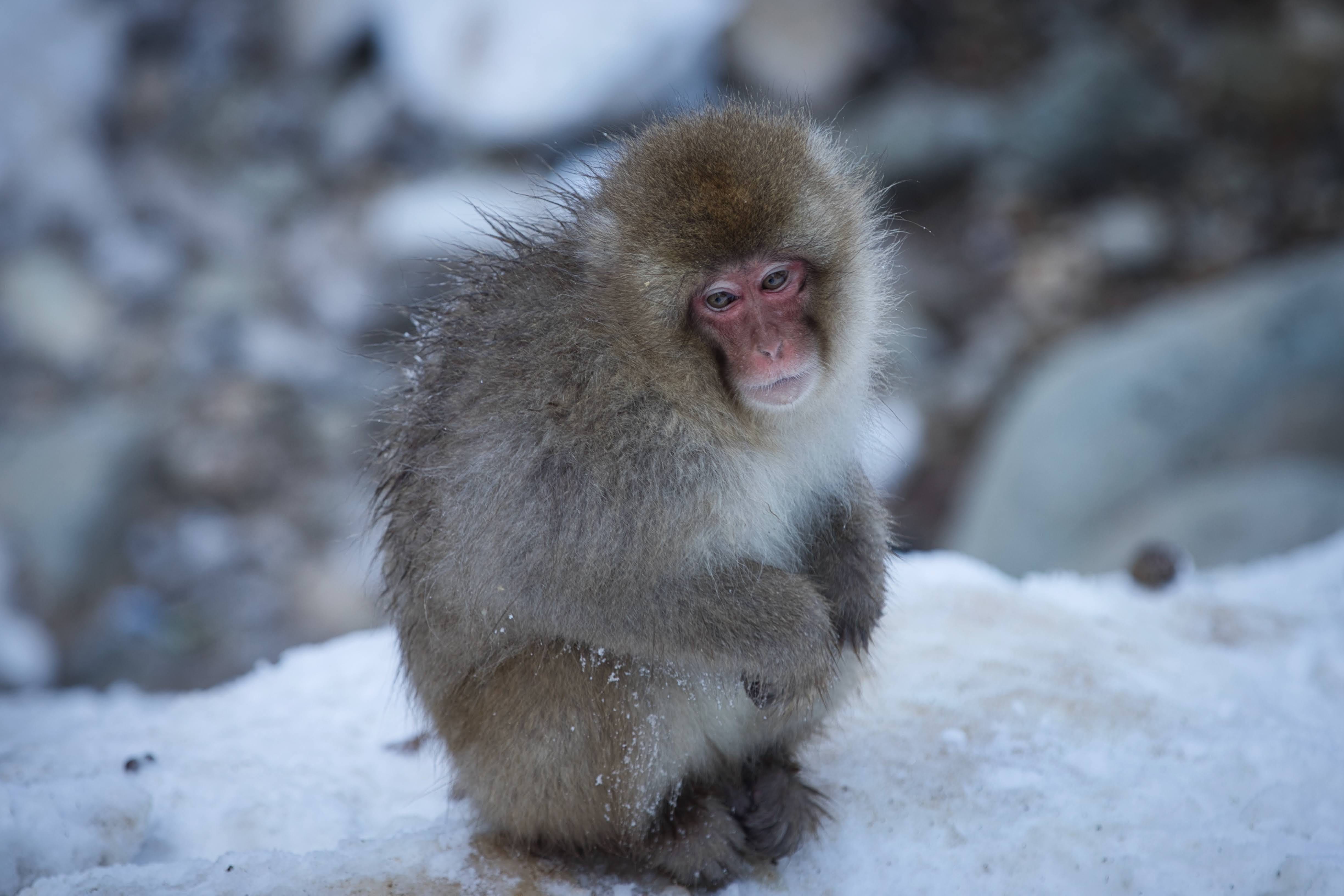
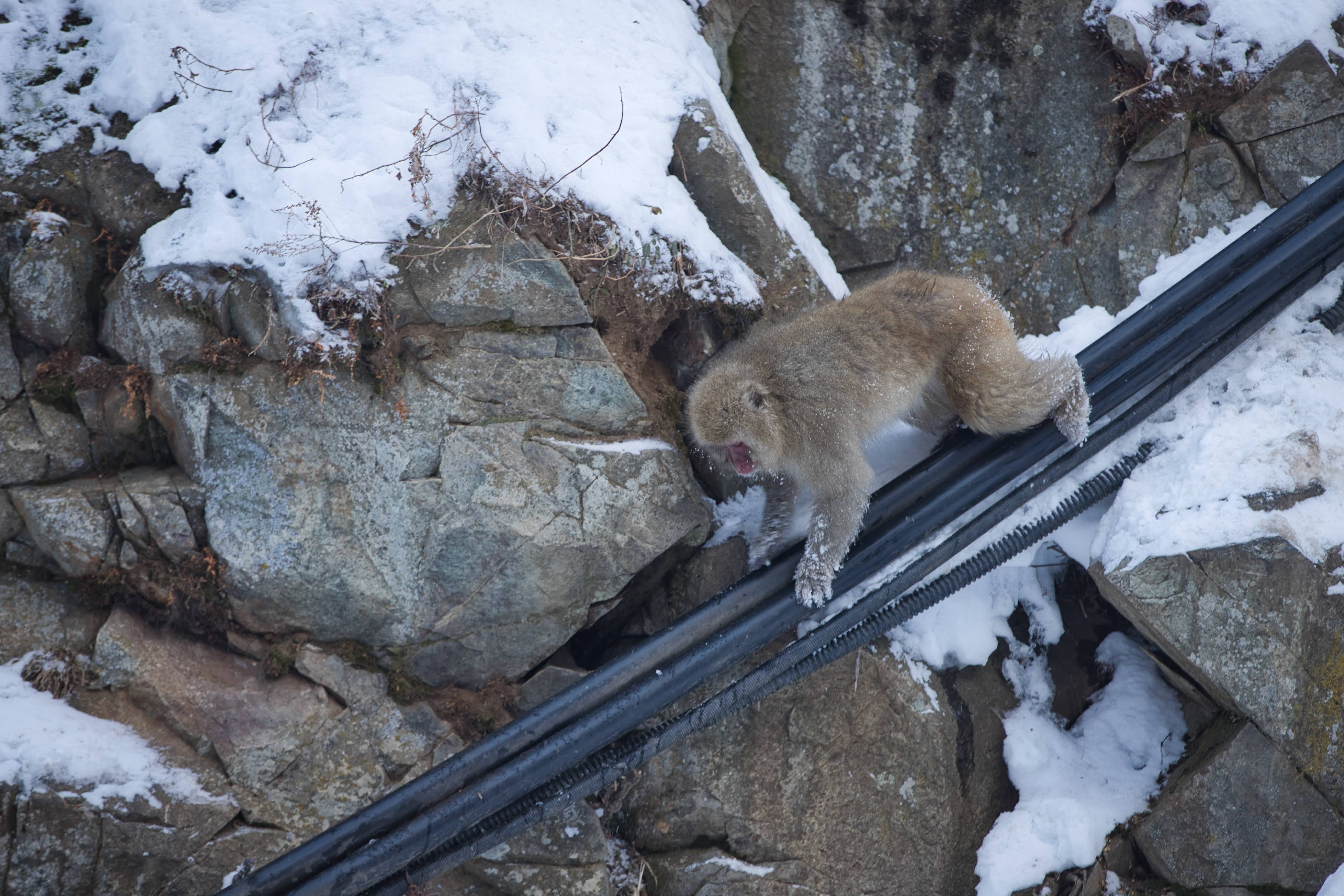
In case you’re wondering, the monkeys do not bathe purely for warmth, although warmth is big part of it. Research suggests the behaviour also reduces social stress within the population. I guess it’s not a surprise: the same thermal water that has been drawing people to Shibu Onsen for over a millennium is, a few kilometres away, performing a social and physiological function for a colony of wild primates.
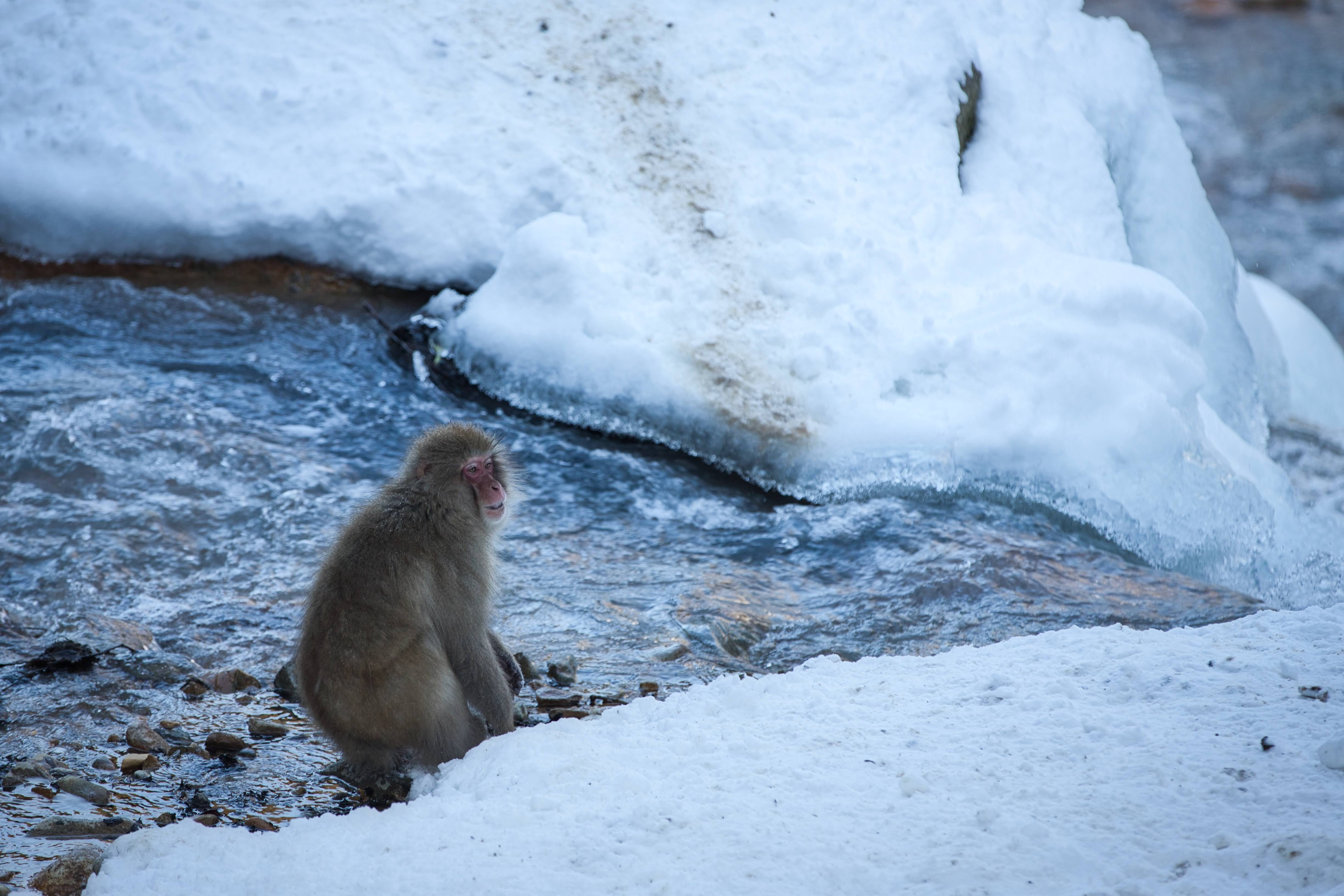
The social dynamics of the population are visible even to a first-time observer: the hierarchy is expressed constantly in small interactions, in who yields and who doesn’t, in which animals are being groomed and which are doing the grooming. Young macaques play in the snow near the bath, older animals sit with the patience of things that have been doing this for a long time and know there is no need to hurry.
The Train
The Nagaden Yukemuri runs a limited number of departures per day, so check the timetable and book in advance, particularly in winter when demand is the highest.
Nagano Station is a busy, modern Shinkansen hub with the Nagaden platforms hidden beneath it. It involves a bit of a walk to get there, but no worries - the signage is very good.
The Nagano Dentetsu Line is not covered by the JR Pass, and IC cards such as Suica or PASMO are not accepted. Ticketing works as follows: the basic fare ticket and the Limited Express supplement can be purchased at station kiosks or ticket windows in Nagano. Cash or major cards are accepted. However, seat reservations for specific departures should be made online in advance through the Nagaden website if you want a guaranteed seat on the Yukemuri or Snow Monkey Express.
The base fare from Nagano to Yudanaka is 1,190 yen as of winter 2026. The Limited Express supplement adds 100 yen. If you want a seat in the panoramic front car of the Yukemuri or Snow Monkey Express - which, again, is the entire point - there is an additional 300 yen surcharge for that car. The total premium over a local train is modest, so it’s no brainer you should take a limited express.
If you plan to use the Nagaden for multiple journeys in the area, the railway sells its own 1-day and 2-day passes, which cover unlimited travel on the line and can represent good value depending on your itinerary.
Getting from Yudanaka to Shibu Onsen
Buses run between Yudanaka Station and Shibu Onsen, and taxis are available directly outside the station. Both are perfectly reasonable options. That said, the walk from Yudanaka to Shibu Onsen takes about 30 to 40 minutes, and the views along the route are worth the time: you pass through the valley with the mountains directly ahead of you. If your luggage situation allows, walk it at least once.
The Soto-yu Bathhouses
Access to all nine public bathhouses requires an overnight stay at one of the participating ryokan in Shibu Onsen. When you check in, you will be given a key that opens all nine. The baths are accessible from 6:00 to 22:00 for overnight guests. There is no additional charge beyond your accommodation.
Day visitors have one option: bathhouse number 9, O-yu, the largest of the nine, is open to the public between 10:00 and 16:00. Entry costs 500 yen, payable at the Shibu Onsen Tourist Information Office, a two-minute walk from the bathhouse. The O-yu is the standout of the nine in any case: spacious, atmospheric, with naturally cloudy mineral water said to help with rheumatism and neuralgia, so day visitors are actually getting a pretty good deal.
Jigokudani Monkey Park
Park entrance costs 800 yen for adults and 400 yen for children. Winter hours are 9:00 to 16:00, but check operating hours for other seasons. Allow at least an hour or more if you’re into wildlife photography. Buses run from Shibu Onsen to the park entrance, but the walk is 30 to 40 minutes and is my recommendation if conditions permit. Whether you take a bus/taxi or walk from town, you will still have to walk a forested trail, just over one kilometre long ∎.
No posts
Comments
Nothing yet. Say the first thing.
Sign in to join the conversation.