
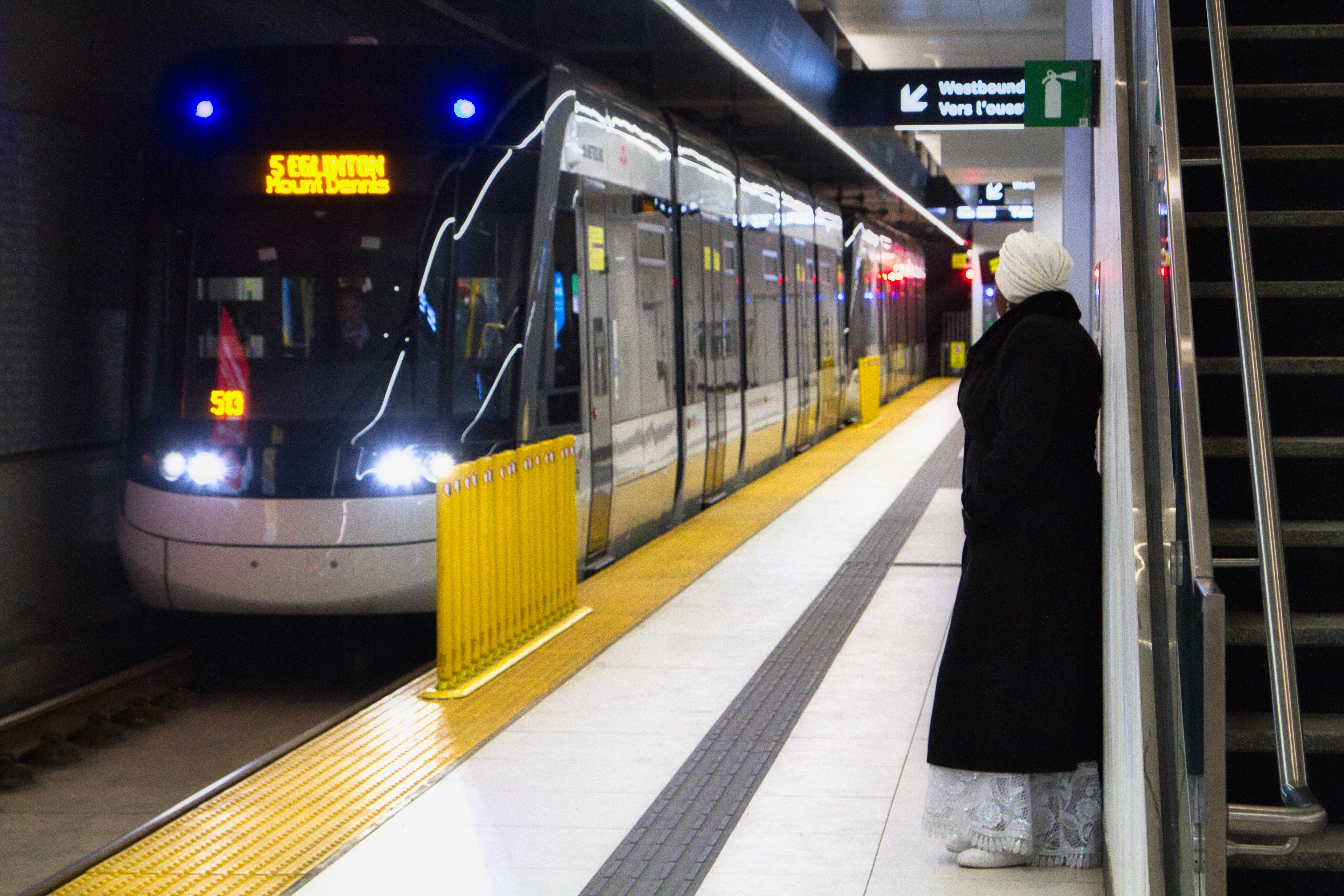
Open the Toronto’s TTC system map right now. For the first time in decades, it looks like something. A city of three million people with a transit network that no longer fits on a napkin. Line 5 Eglinton - 19 kilometres (12 miles), 25 stations, cutting east-west across the middle of the city - is the reason why. I rode it for the first time in early March 2026, about three weeks after the line’s quiet opening. My expectations were low after a disappointing first ride on Line 6 Finch West a few months earlier. Consider them revised: Line 5 is good. Not perfect - not even close, in some ways - but genuinely, meaningfully good. After everything Toronto went through to get here, that counts for a lot.
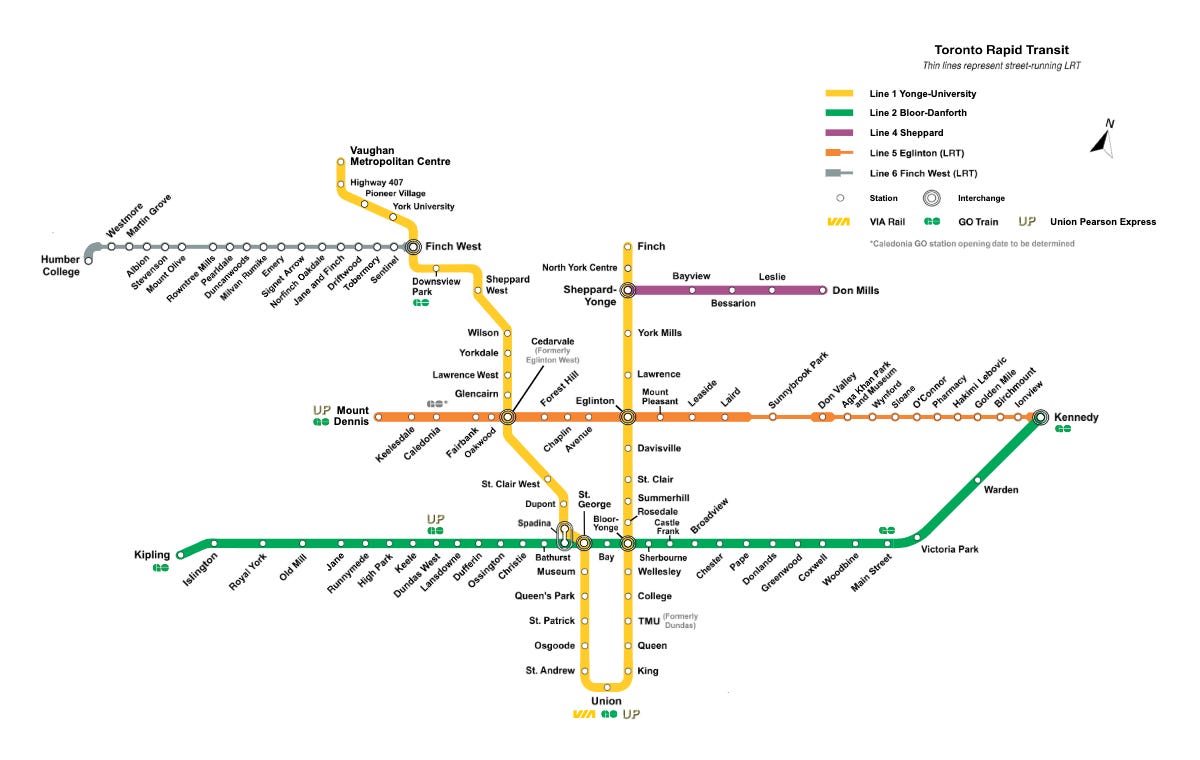
The Line 5 Eglinton runs east-west, broadly parallel to Line 2, and connects to Line 1 twice and Line 2 once. When the Line 3 Ontario opens and intersects Line 5 at Don Valley, and when the GO network buildout finishes, we’ll have something that starts to resemble a real regional system. I’m trying hard not to get too excited about that.
If you’ve read my piece on Line 6 Finch West, you’ll know I had serious reservations about its speed. The line is painfully slow: a trip from one end to the other can take close to an hour for just over 10 kilometres (6.5 miles), and a Toronto man famously out-ran the train by nearly 18 minutes. It feels more like a very long streetcar route than rapid transit.
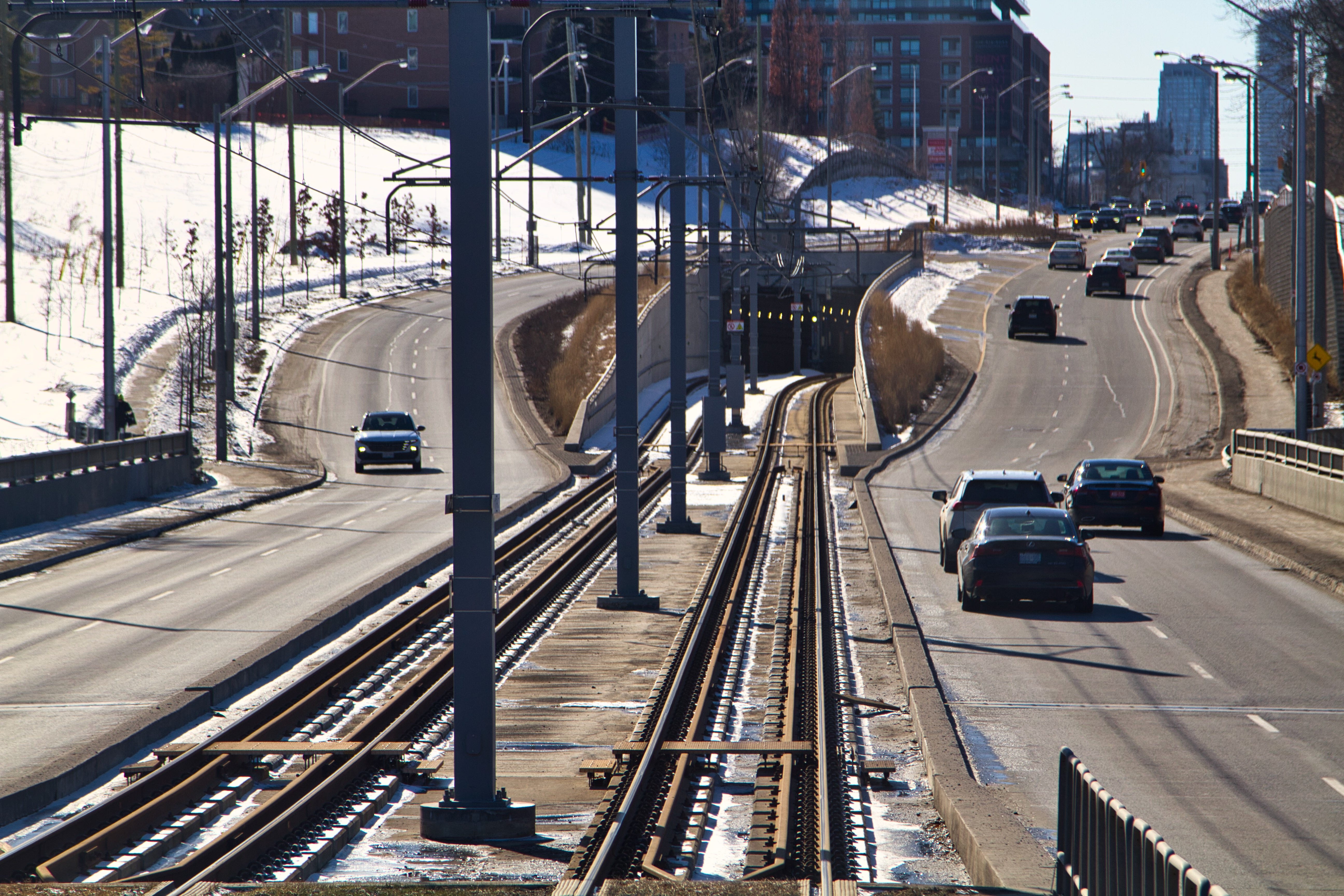
Line 5 is a different experience, and there are three reasons for it.
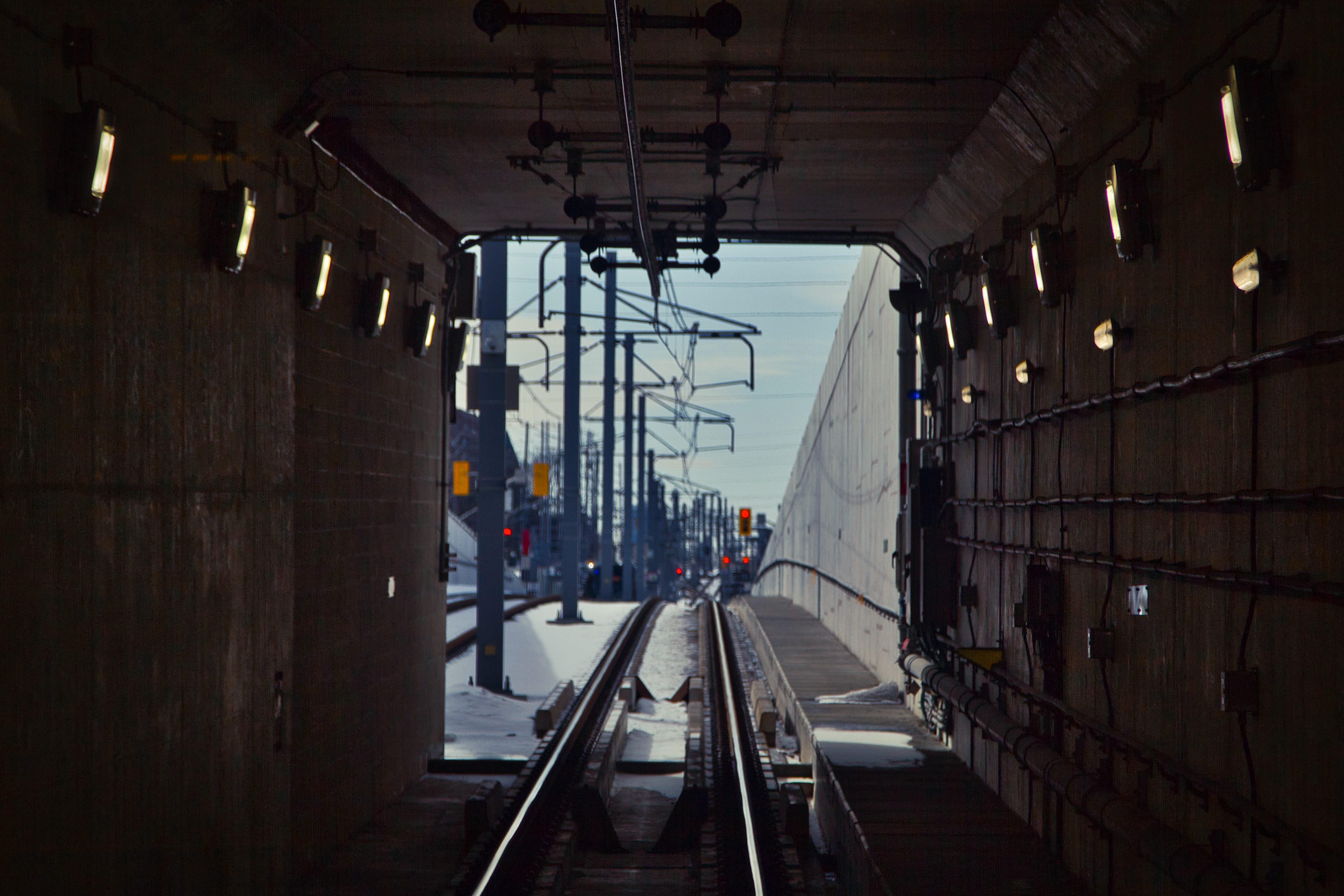
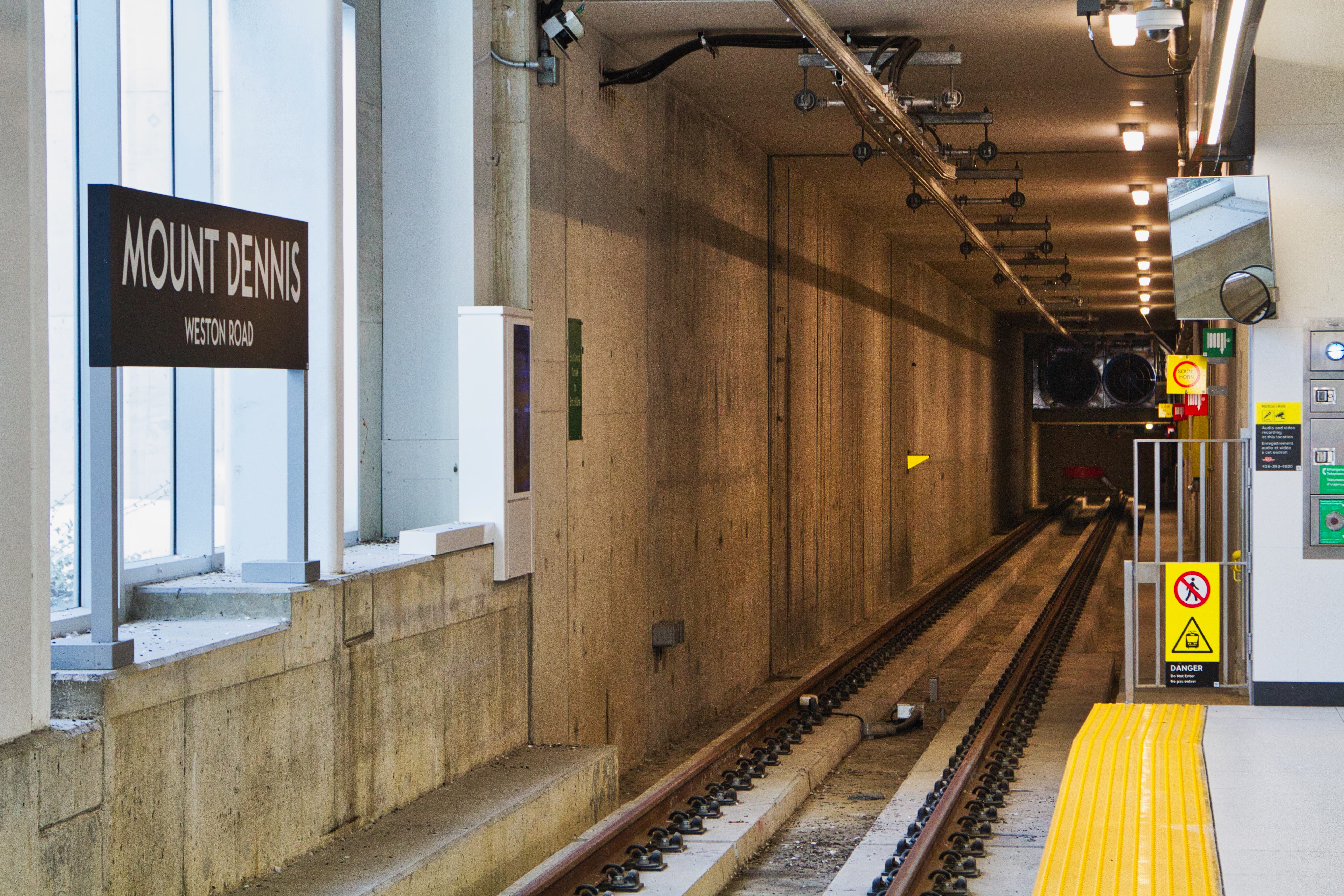
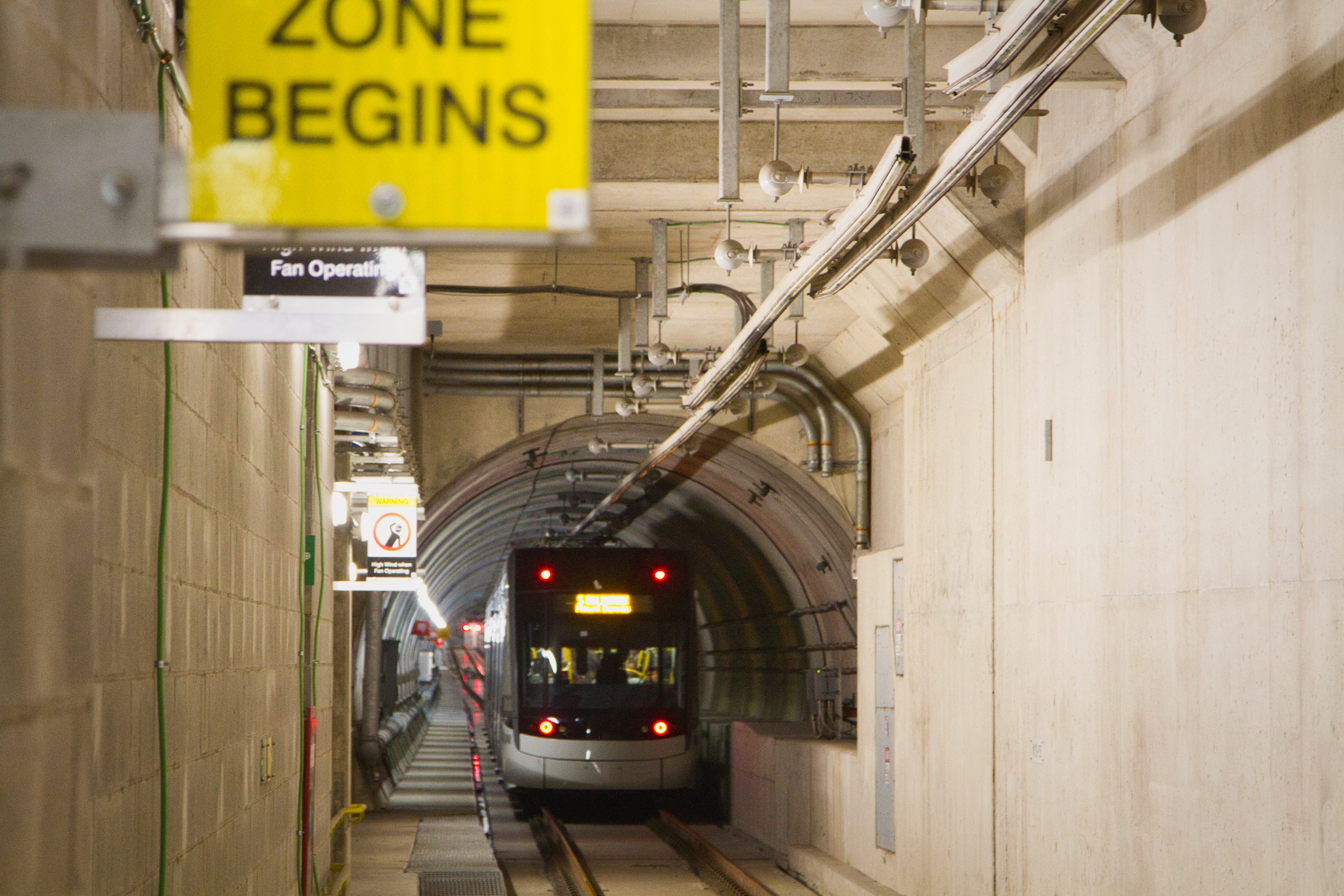
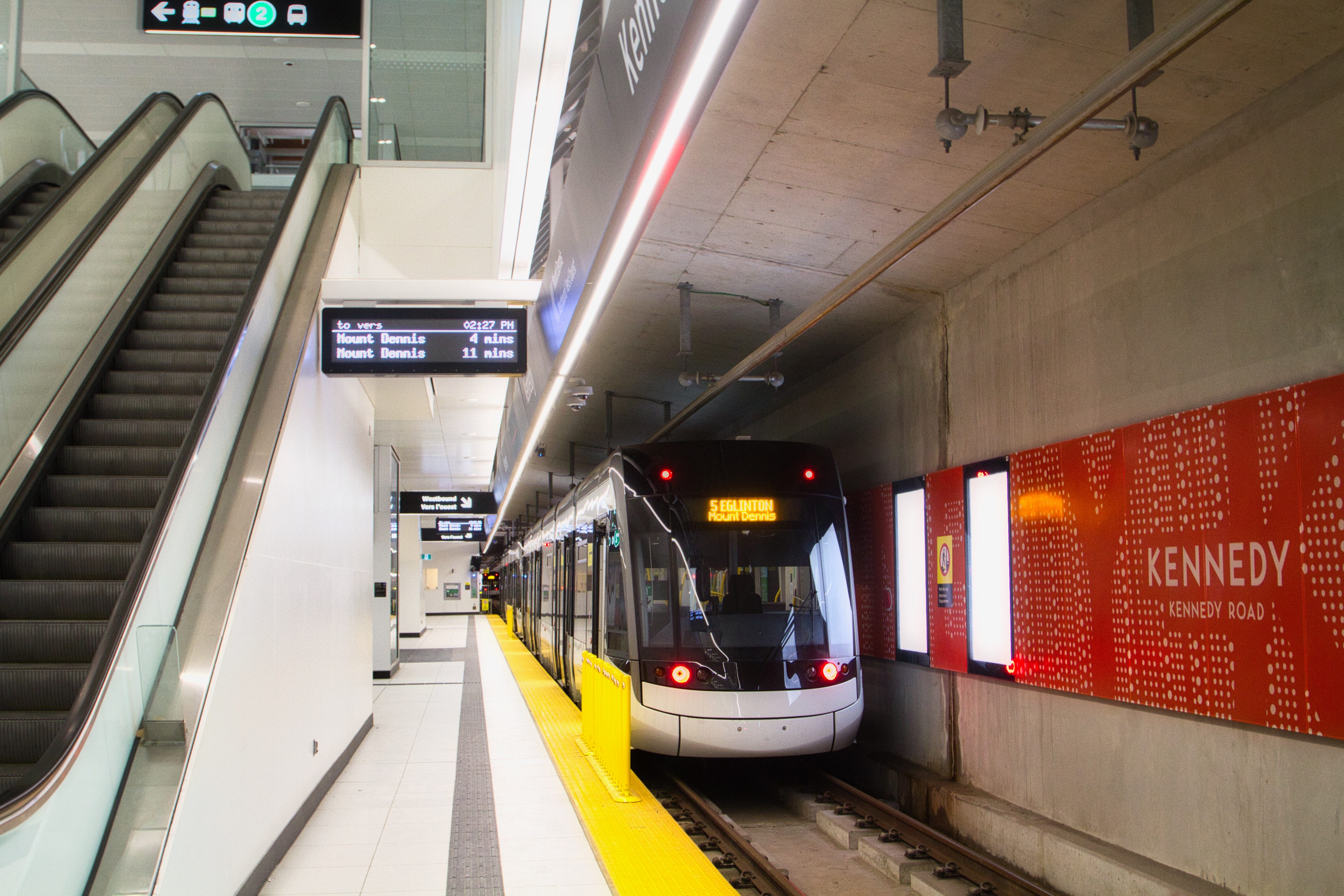
First, and most critically, a large portion of the line is underground and grade-separated. When the train dips into the tunnel west of Laird and emerges again east of Don Valley, it feels like a subway. Quiet, fast, uninterrupted. The underground section is approximately 10 kilometres (6 miles) of the 19-kilometre (12-mile) route, and it transforms what could have been another crawl across Eglinton into something that actually competes with (and often wins over) driving.
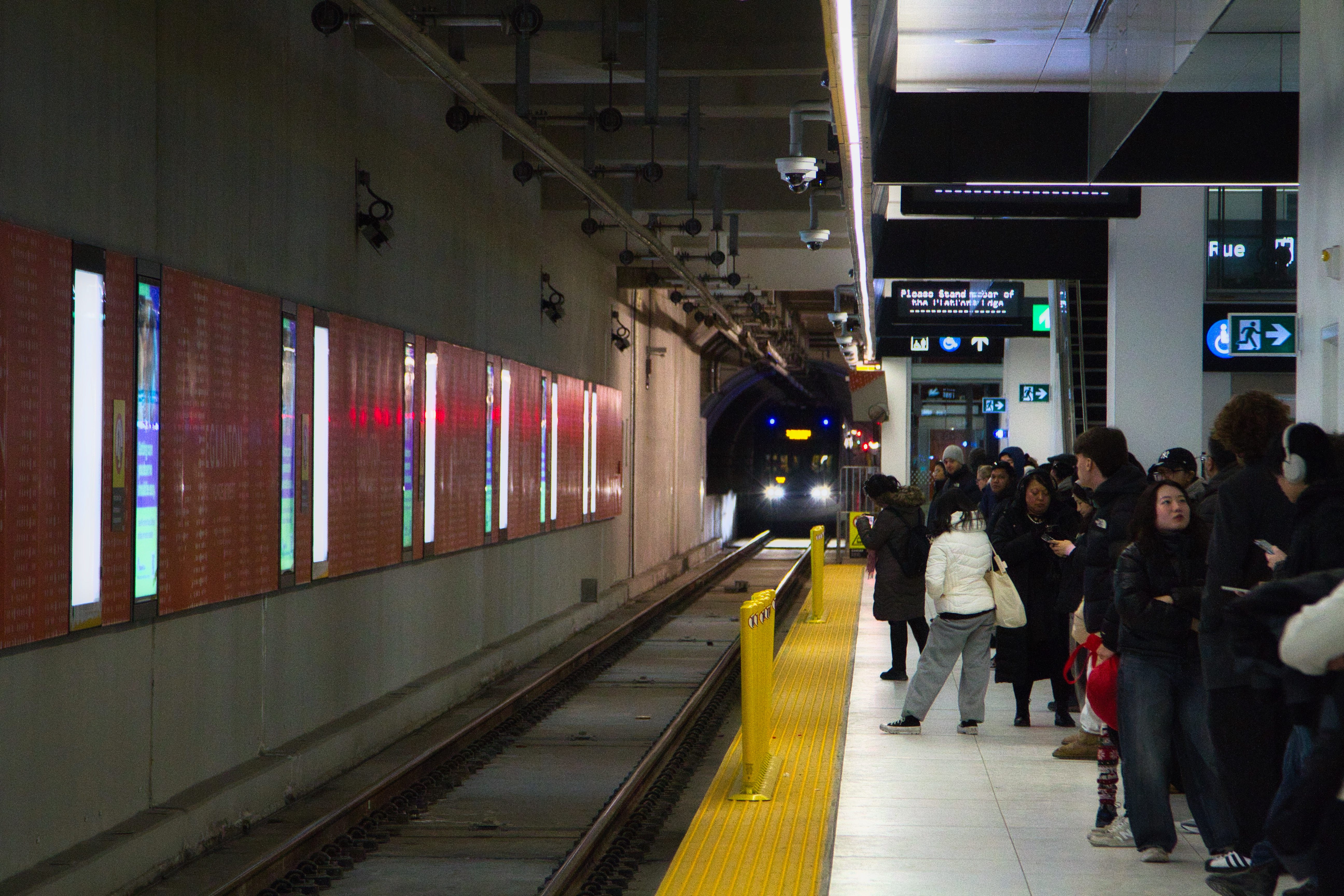
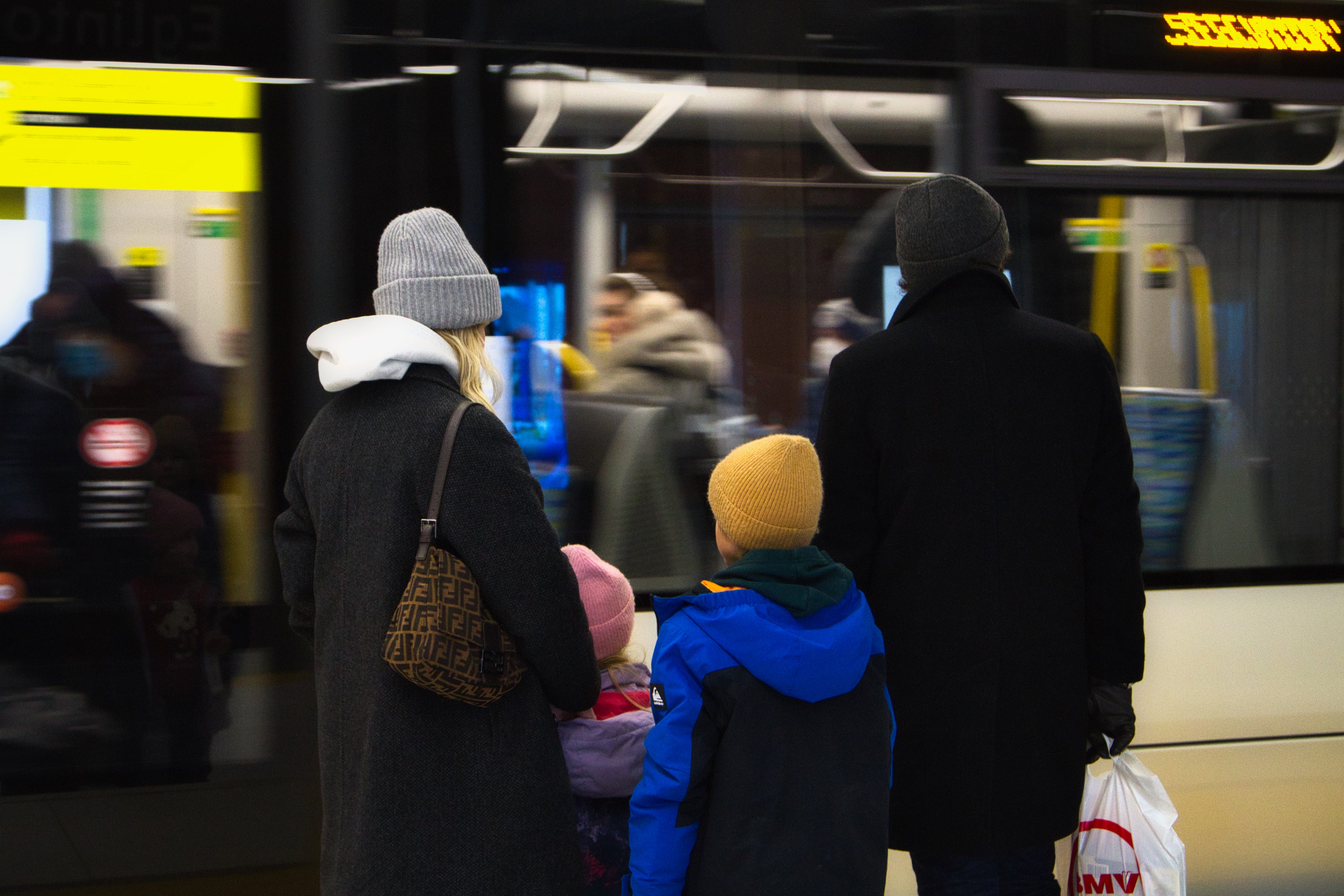
Second, the station spacing is much more generous than on Line 6. Stops are farther apart, which means the train builds speed between them and maintains the pace of rapid transit rather than a perpetual stop-and-go shuffle.
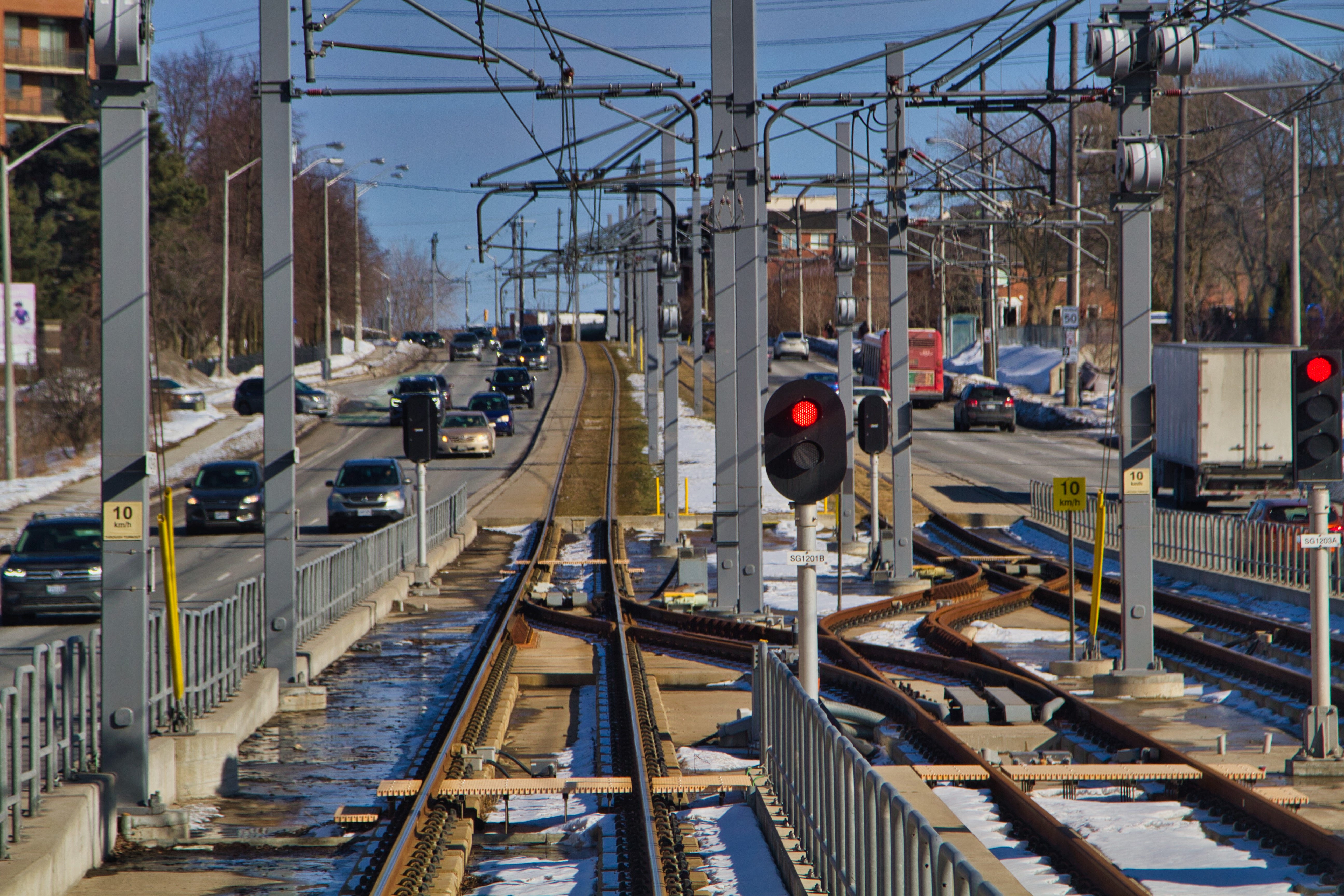
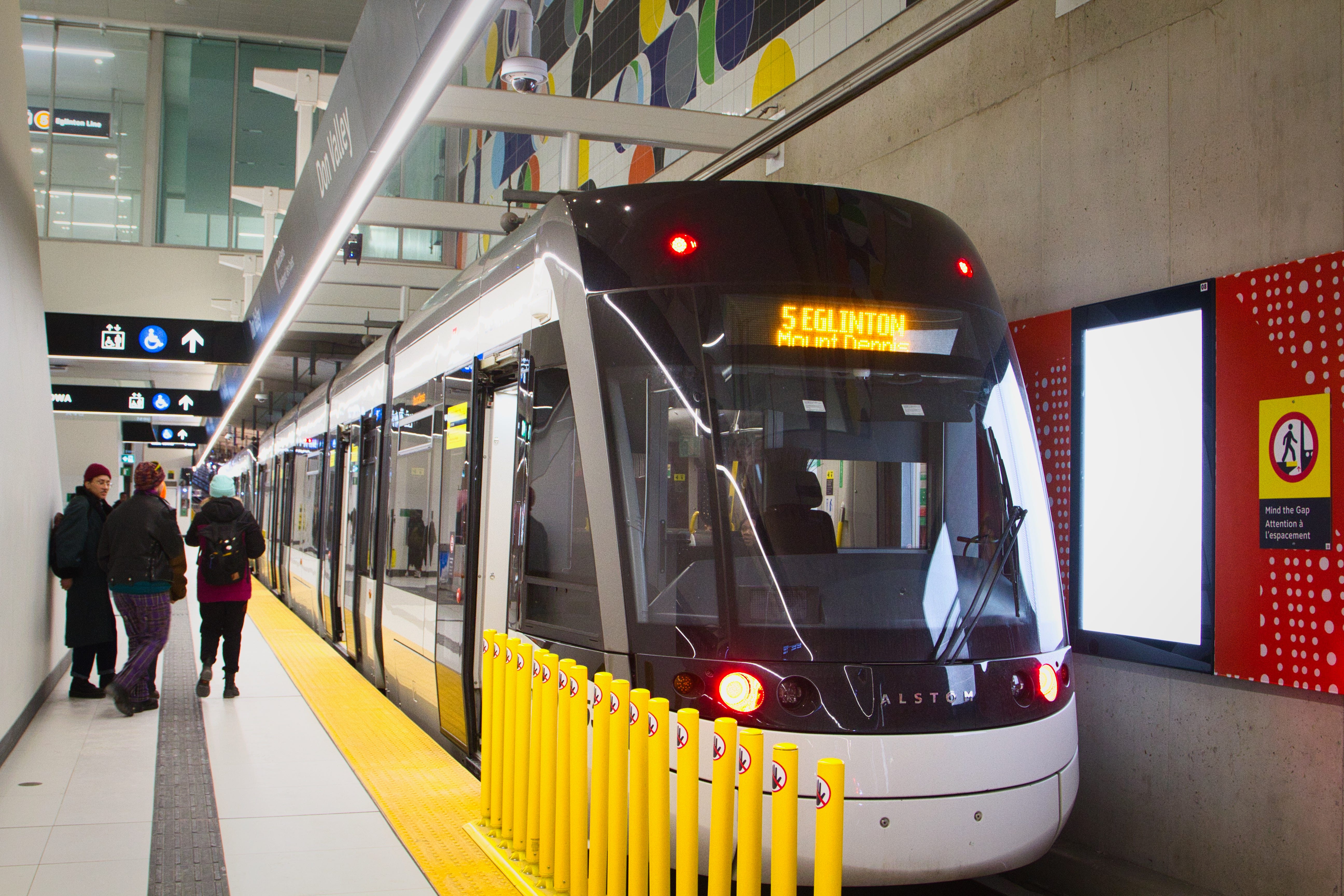
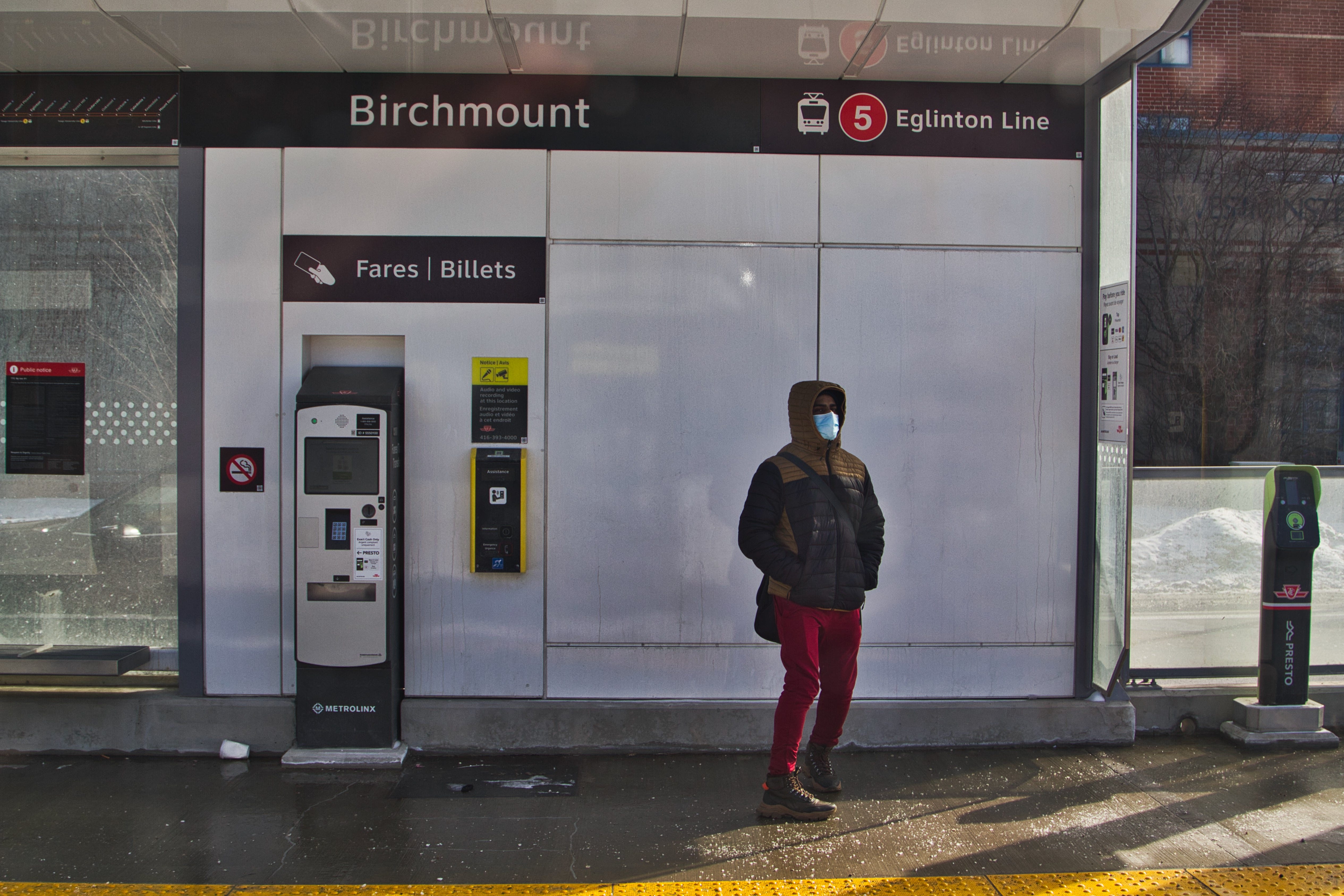
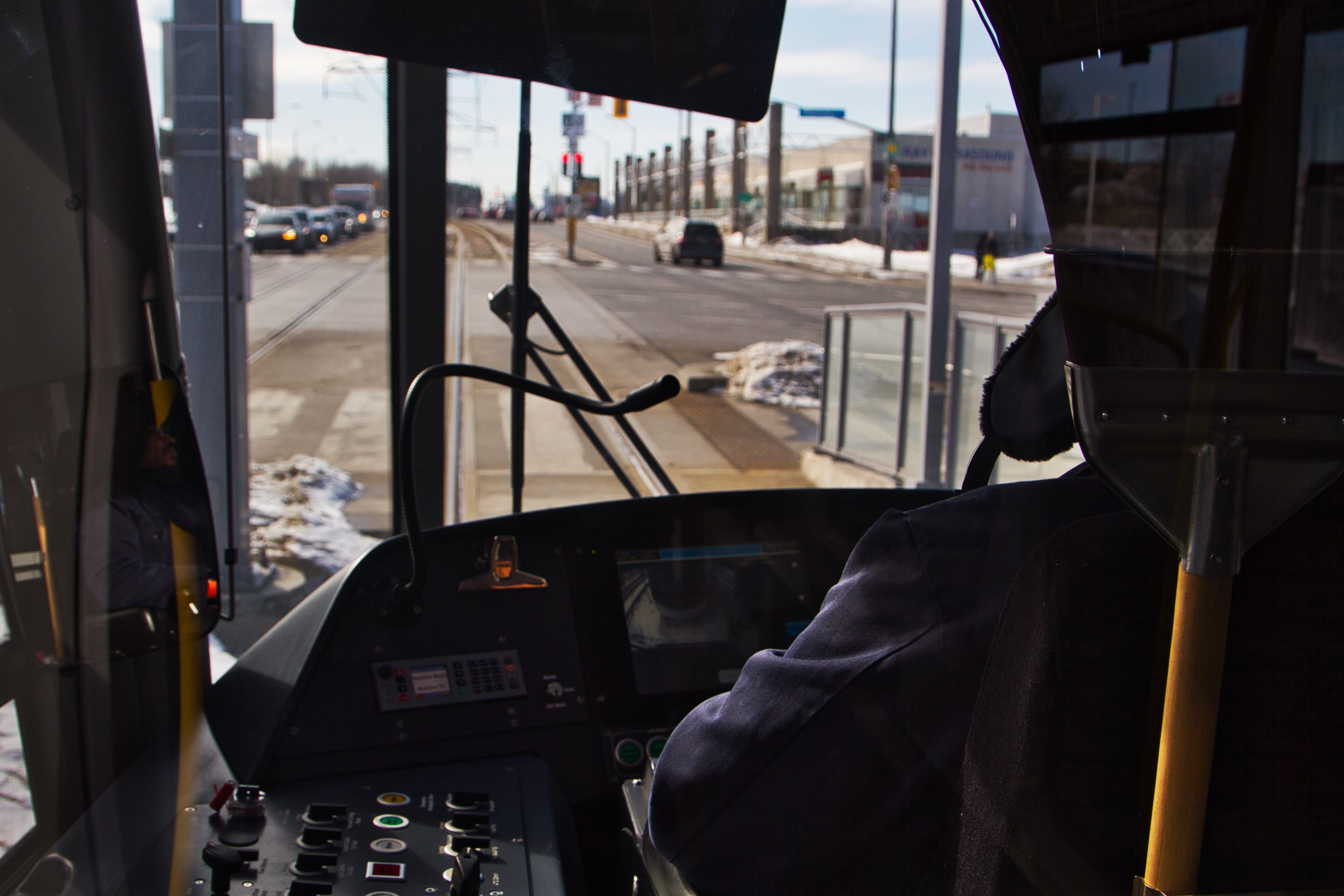
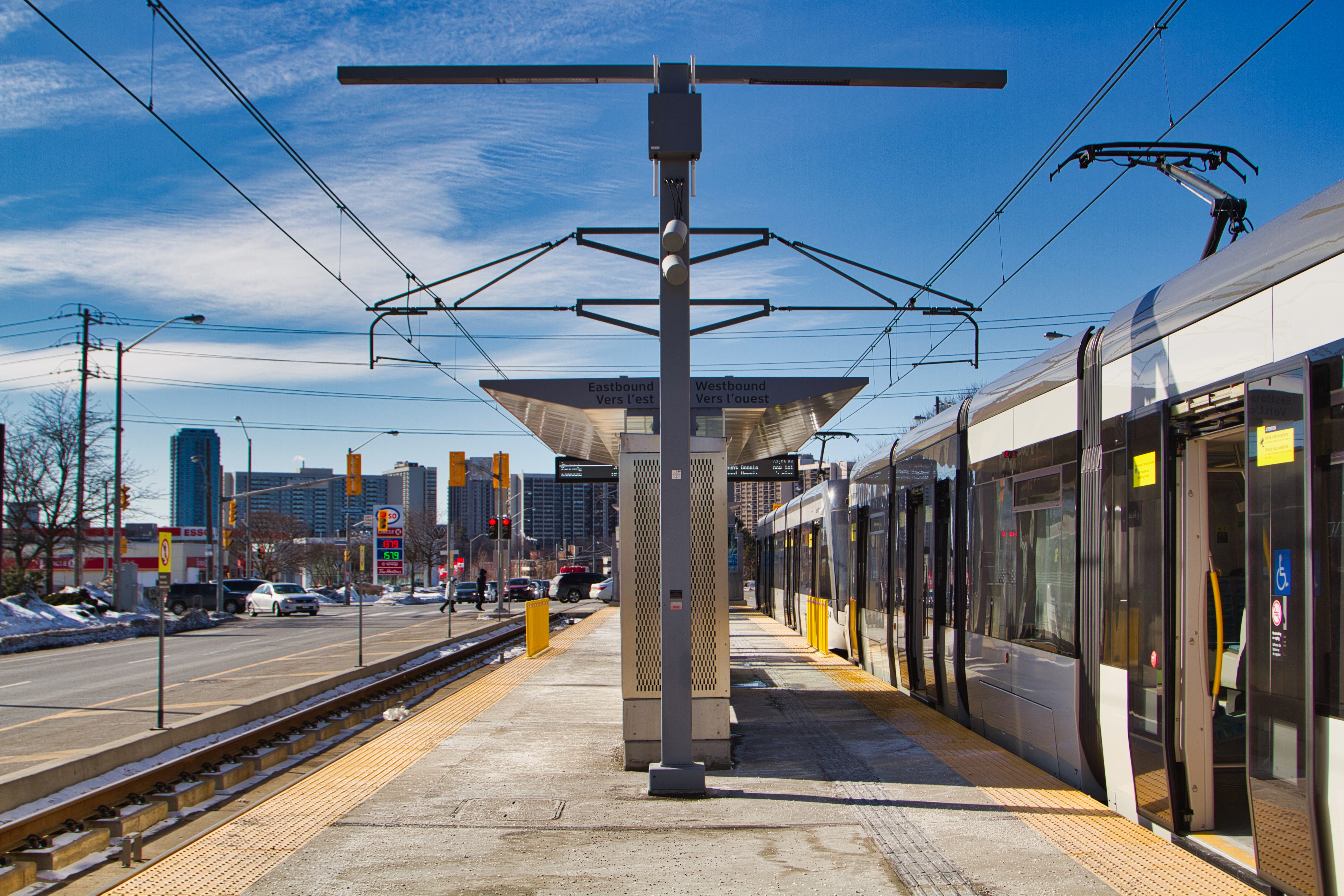
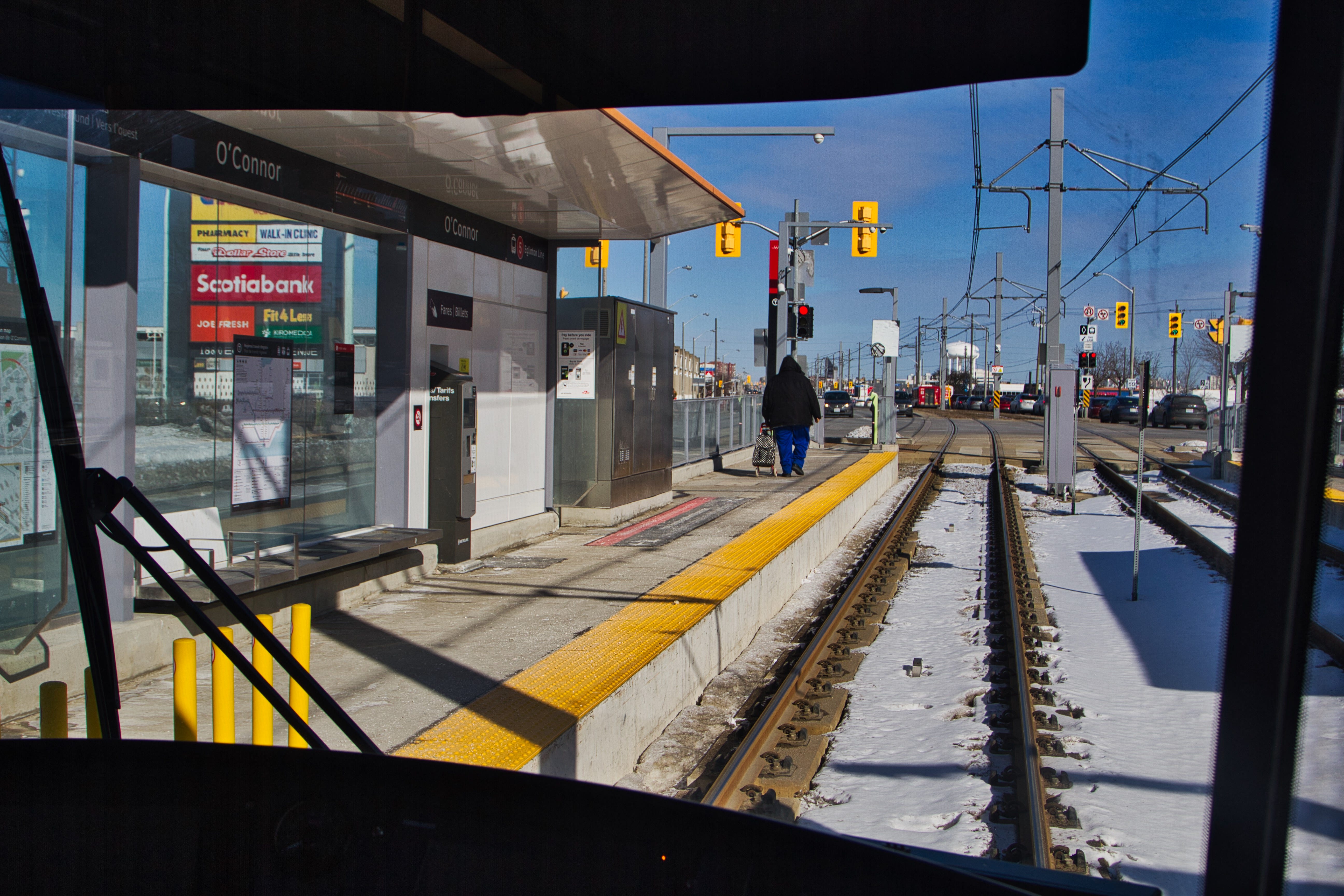
Third, there is transit signal priority on the surface sections, though it was far from perfect when I rode in early March. I personally witnessed left-turning vehicles being given priority over the train at several intersections, which rather defeats the point. To be fair to the TTC, the first stage of enhanced signal priority rolled out on March 11, 2026 - changes to traffic signals at intersections on the street-level portions of the line that allow LRT trains to move through before left-turning vehicles. This was faster than I expected, but more work is still ahead.
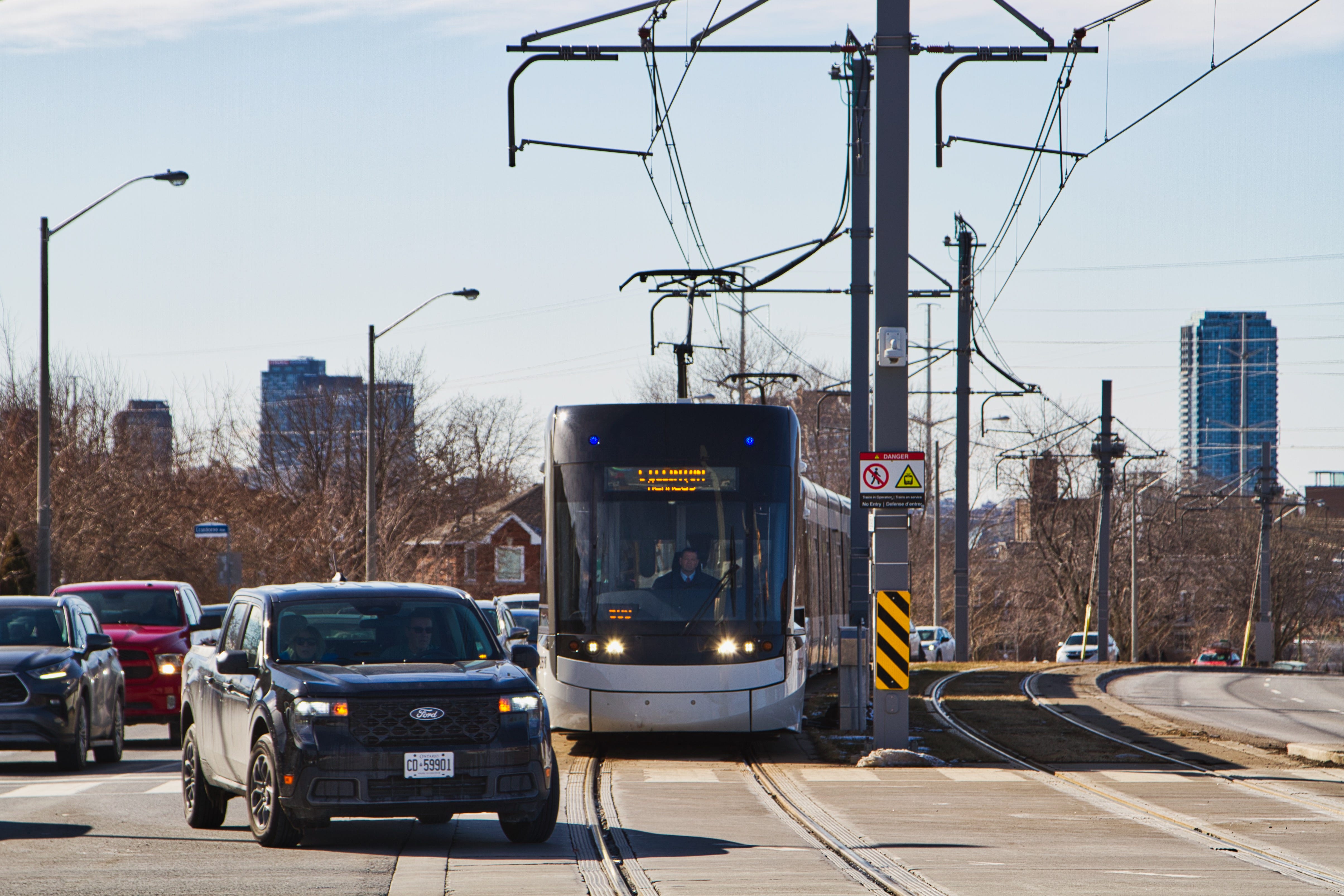
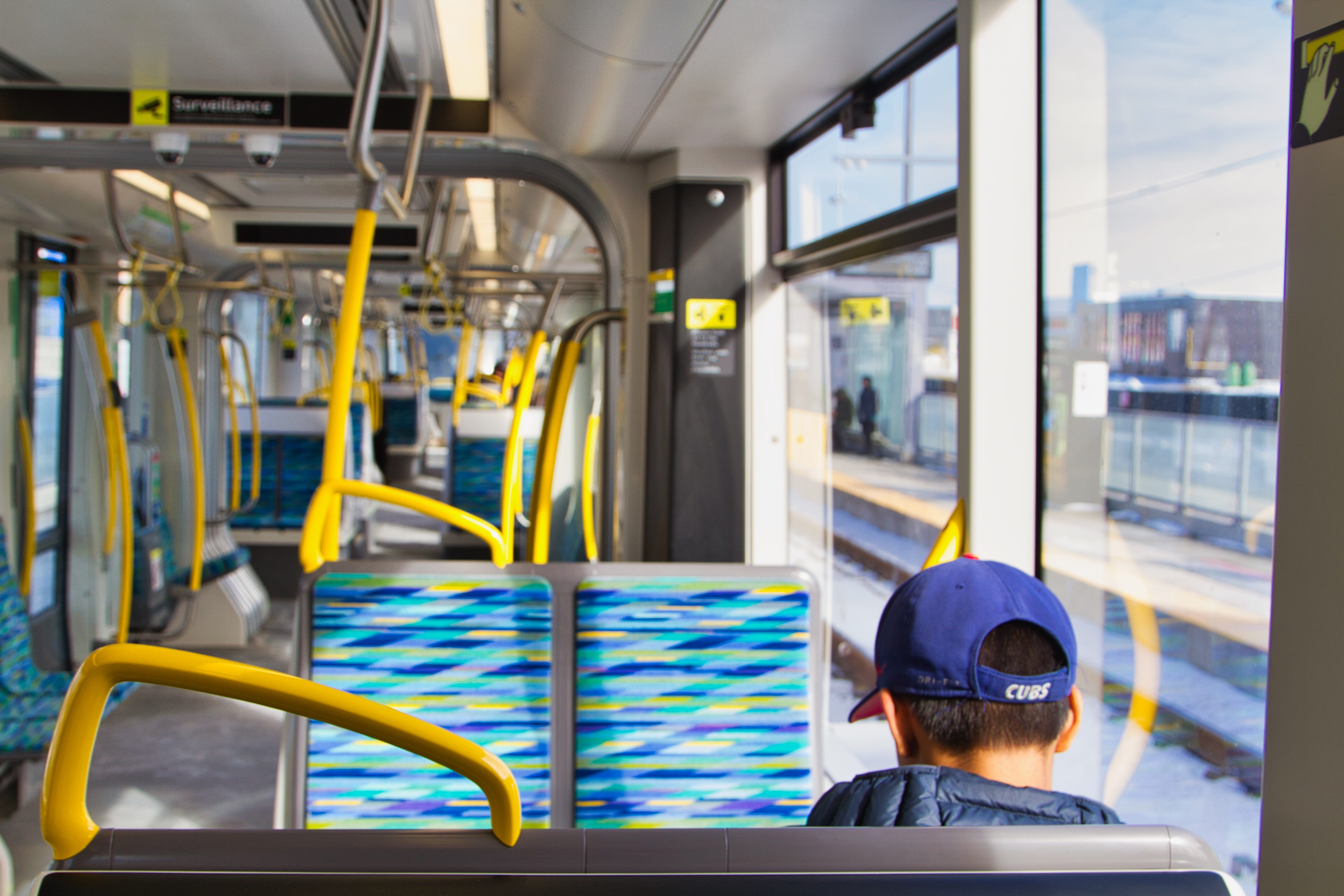
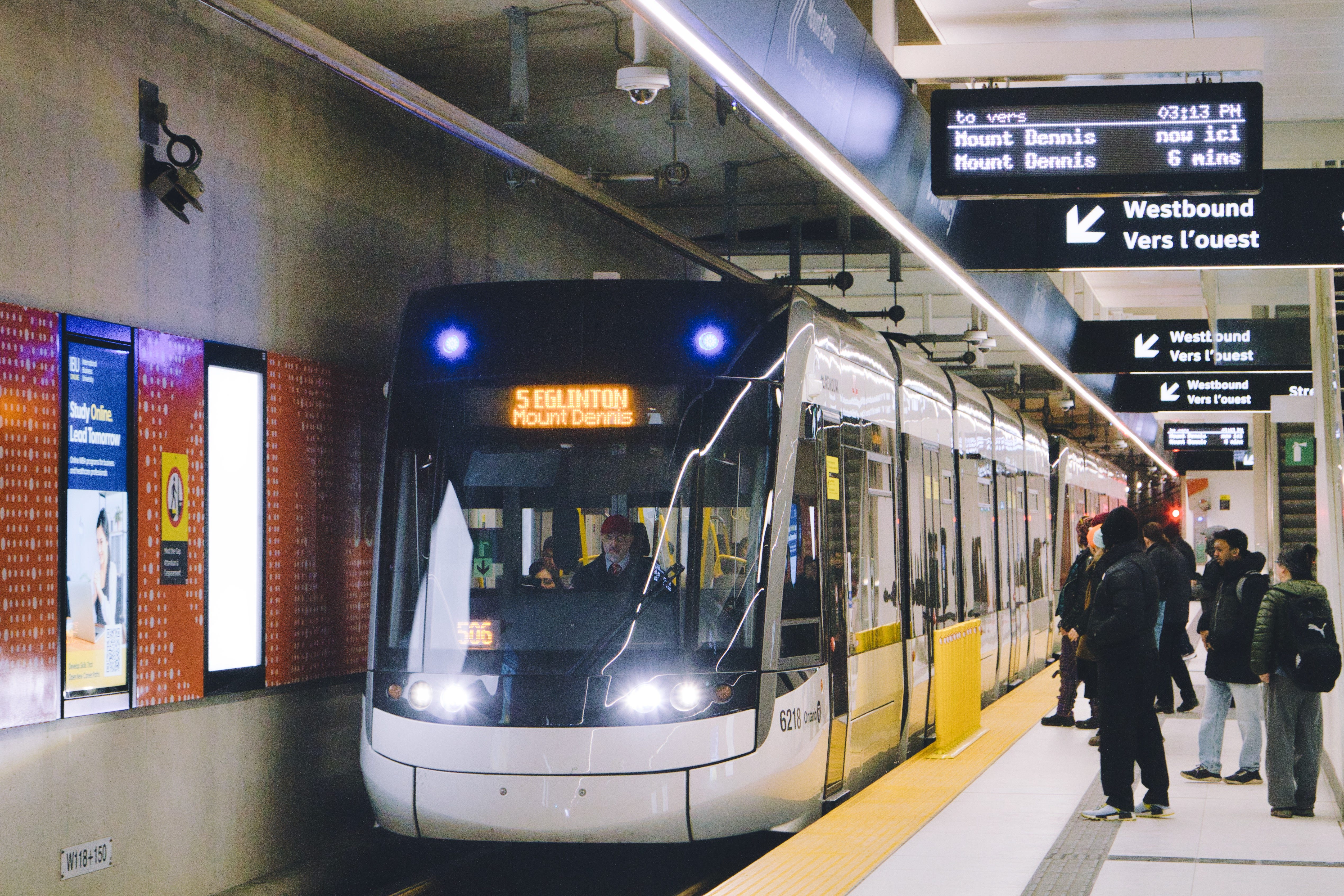
Even with the current limitations, the speed differential between Lines 5 and 6 is significant. The underground section is essentially a subway: fast and reliable.
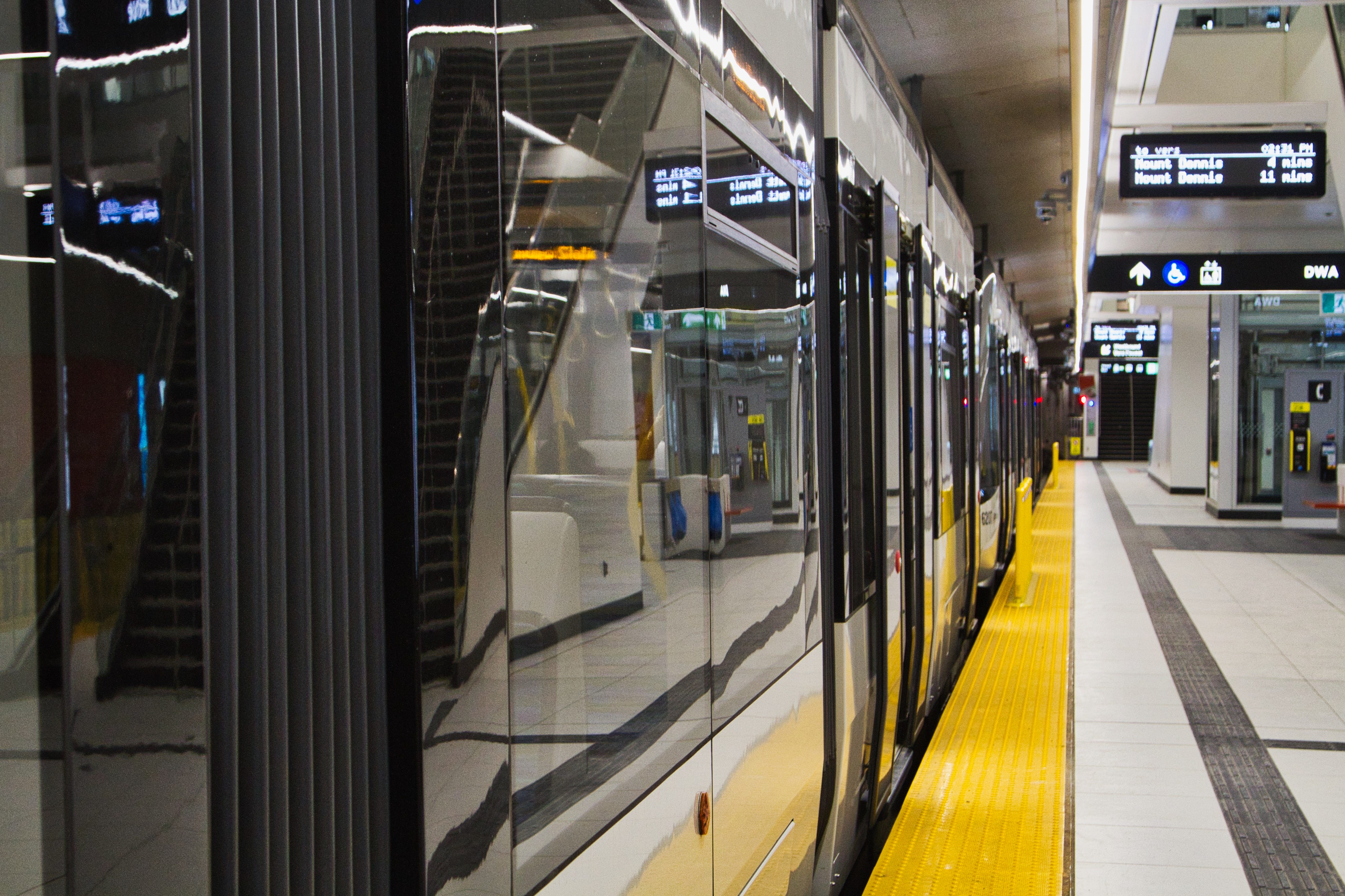
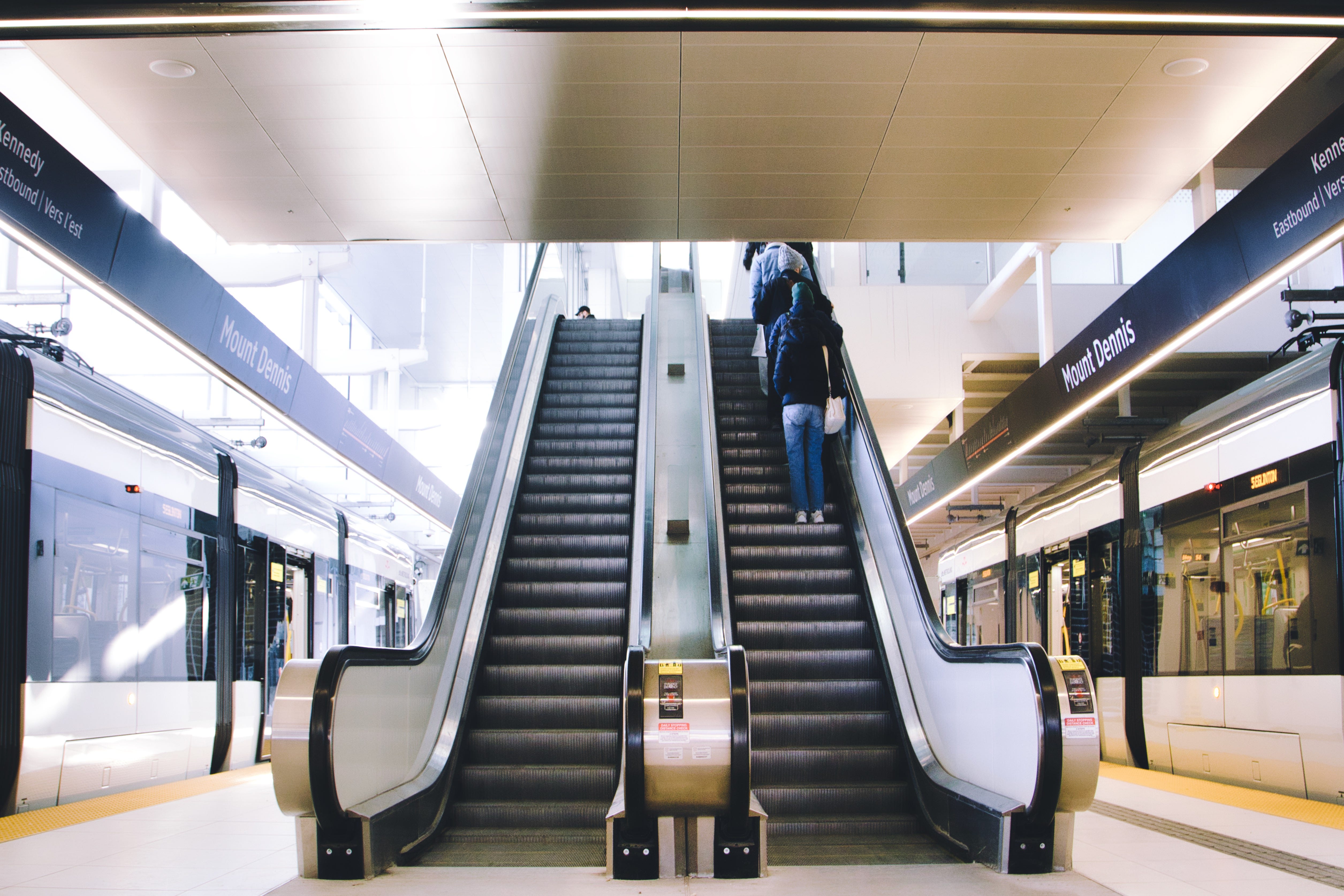
One frustration: the line is still operating at a maximum of 60 km/h even on straight sections where the vehicles could theoretically run at 80 km/h. This is a testing-period restriction, not a permanent cap, and once lifted the line will feel even faster. The vehicles themselves can run at 80 km/h (50 mph), although I’ll admit that number feels disappointing when you consider that Line 6 trains and most other light rail vehicles in Canada and the US are rated up to 100 km/h (62 mph).
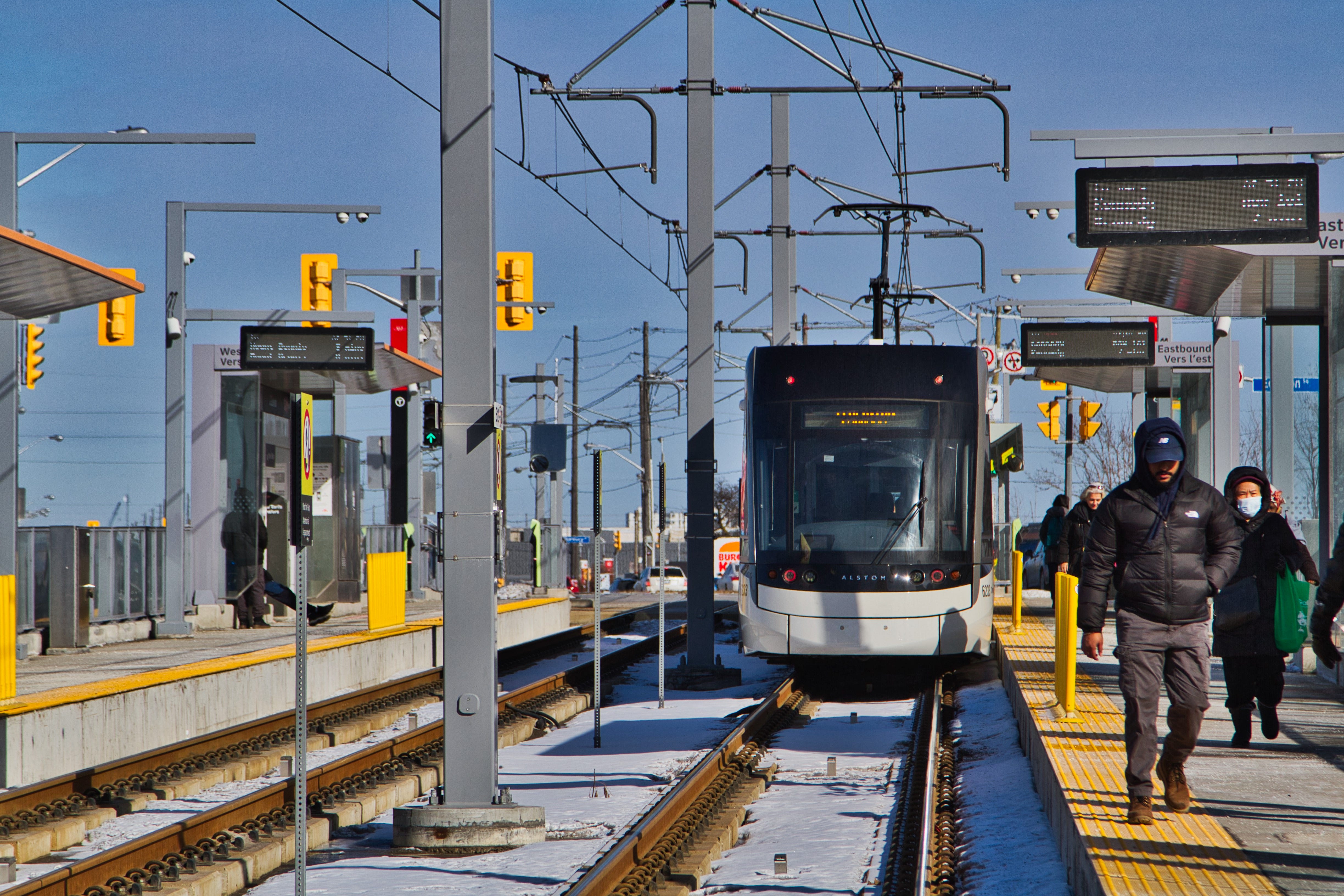
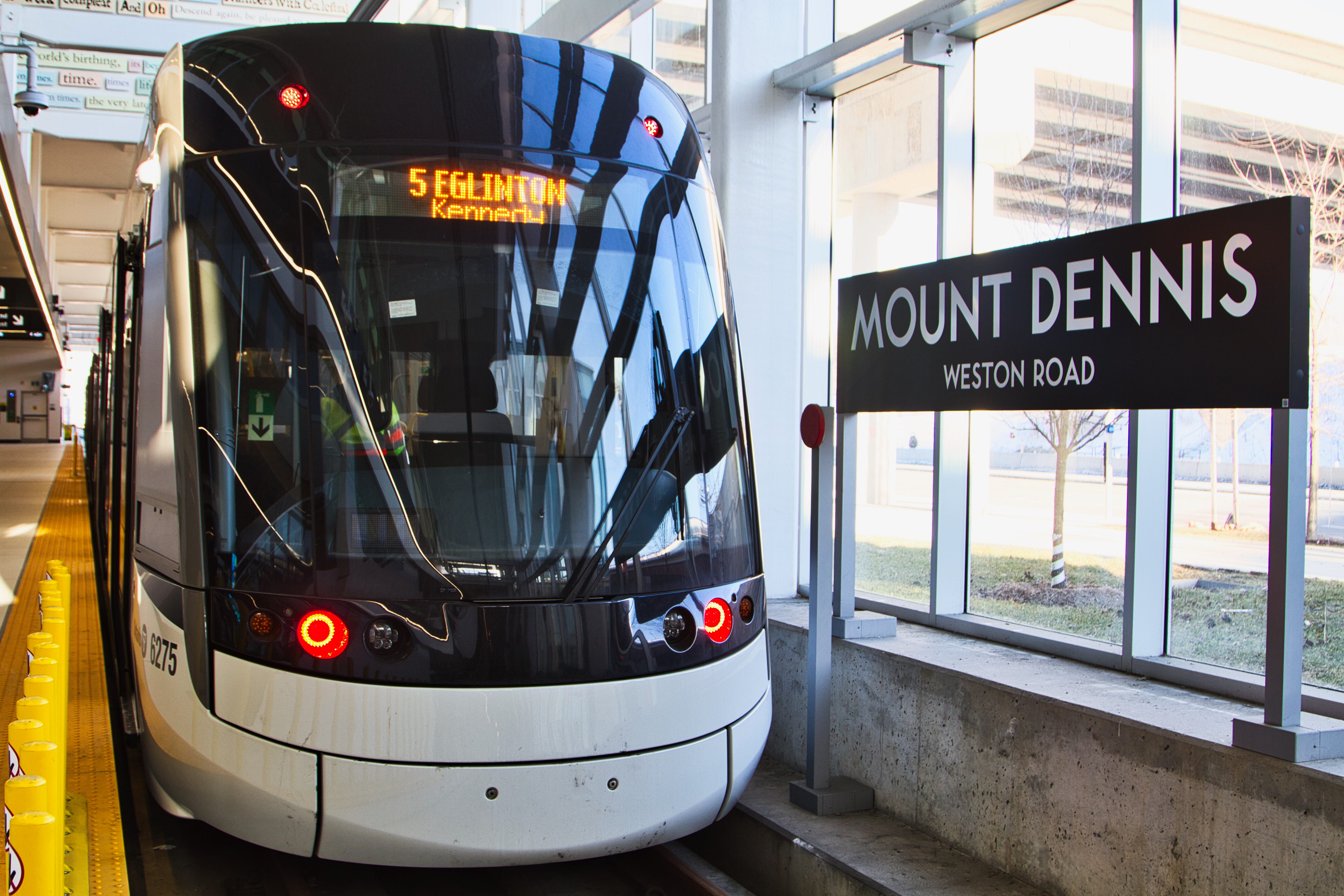
Line 5 uses older rolling stock than Line 6. These are Bombardier Flexity Outlook cars manufactured in 2017 - and Bombardier, of course, no longer exists as an independent rail manufacturer, having been acquired by Alstom in 2019. There’s something sad about riding trains built by a company that no longer exists, on a line that took 15 years to build.
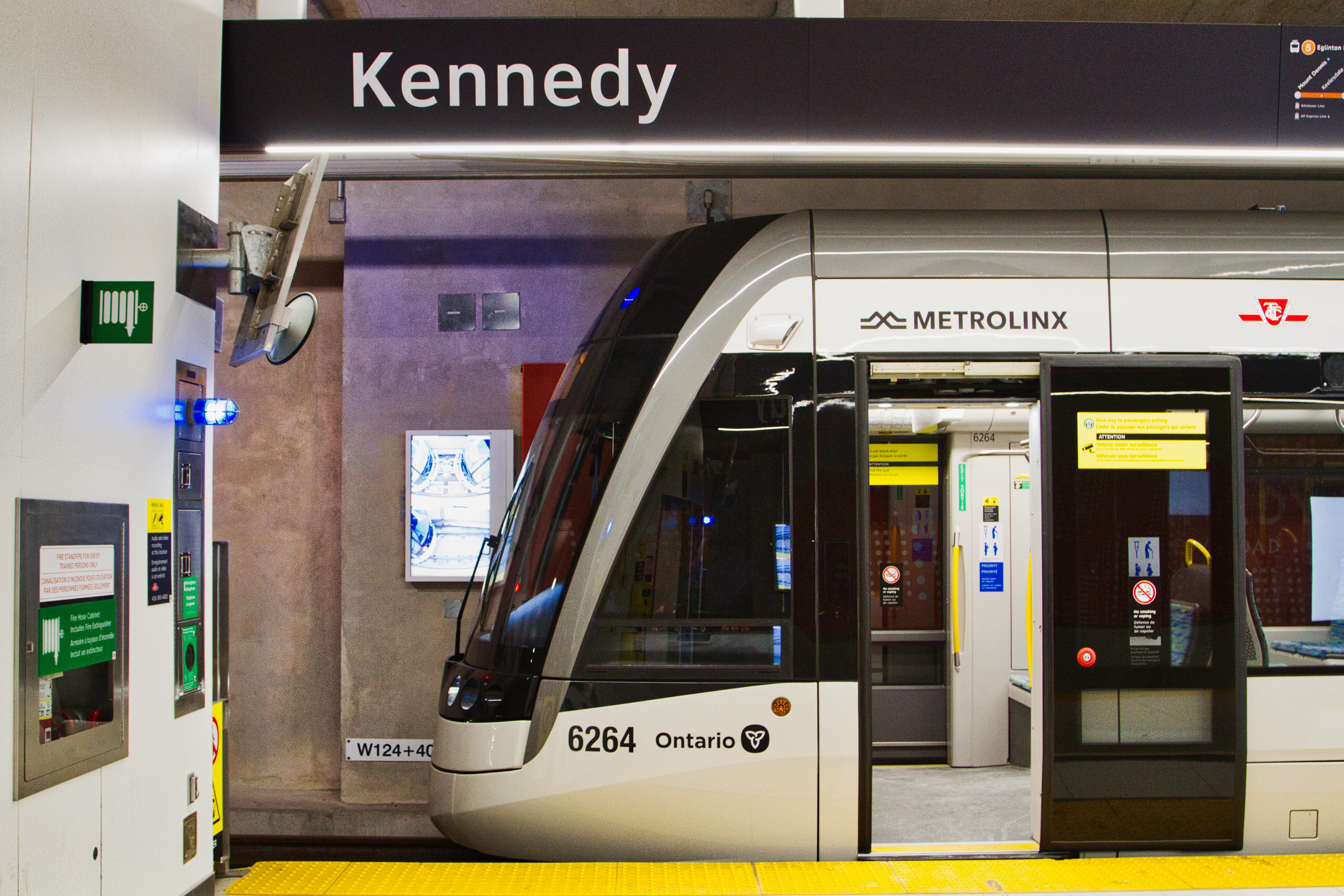
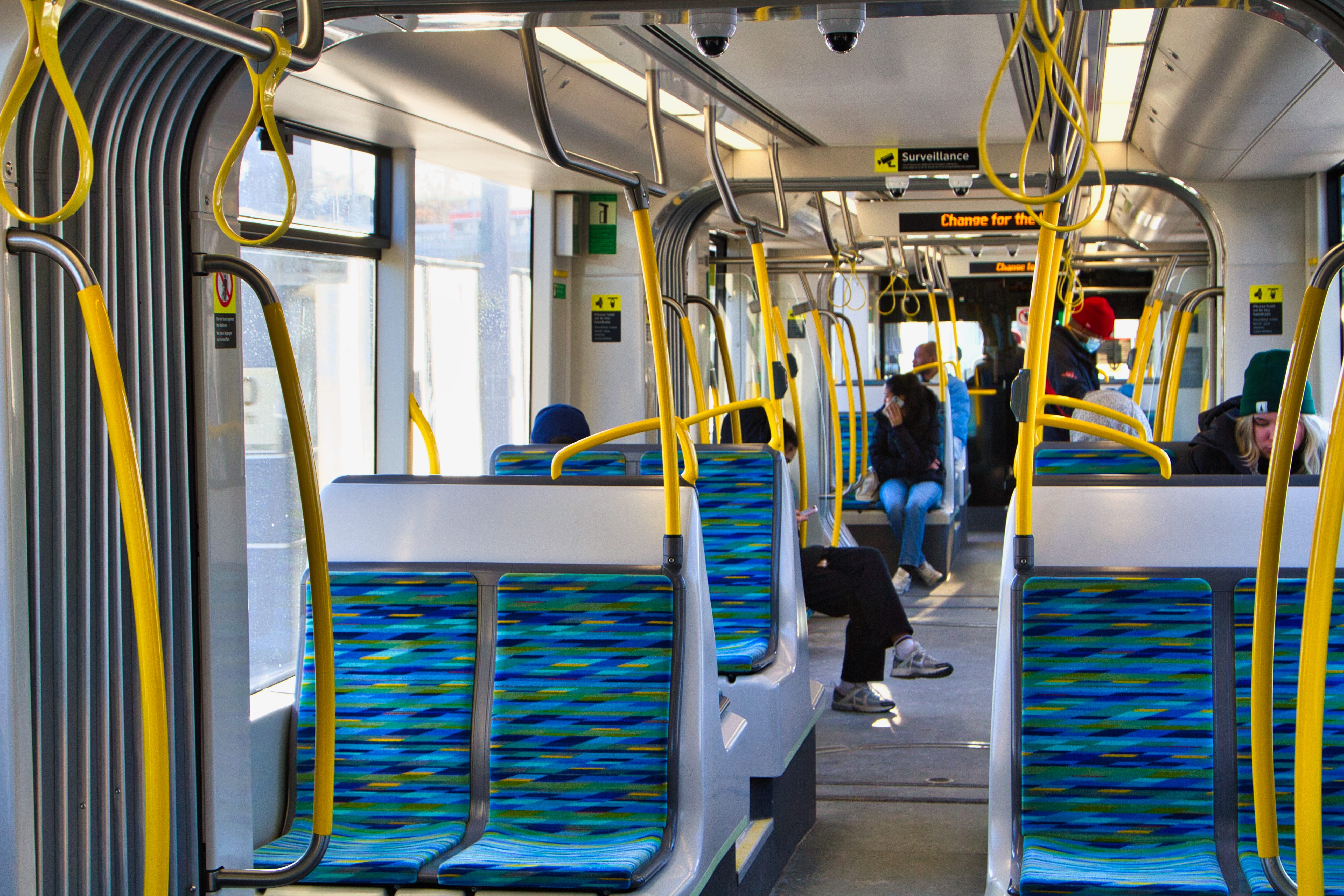
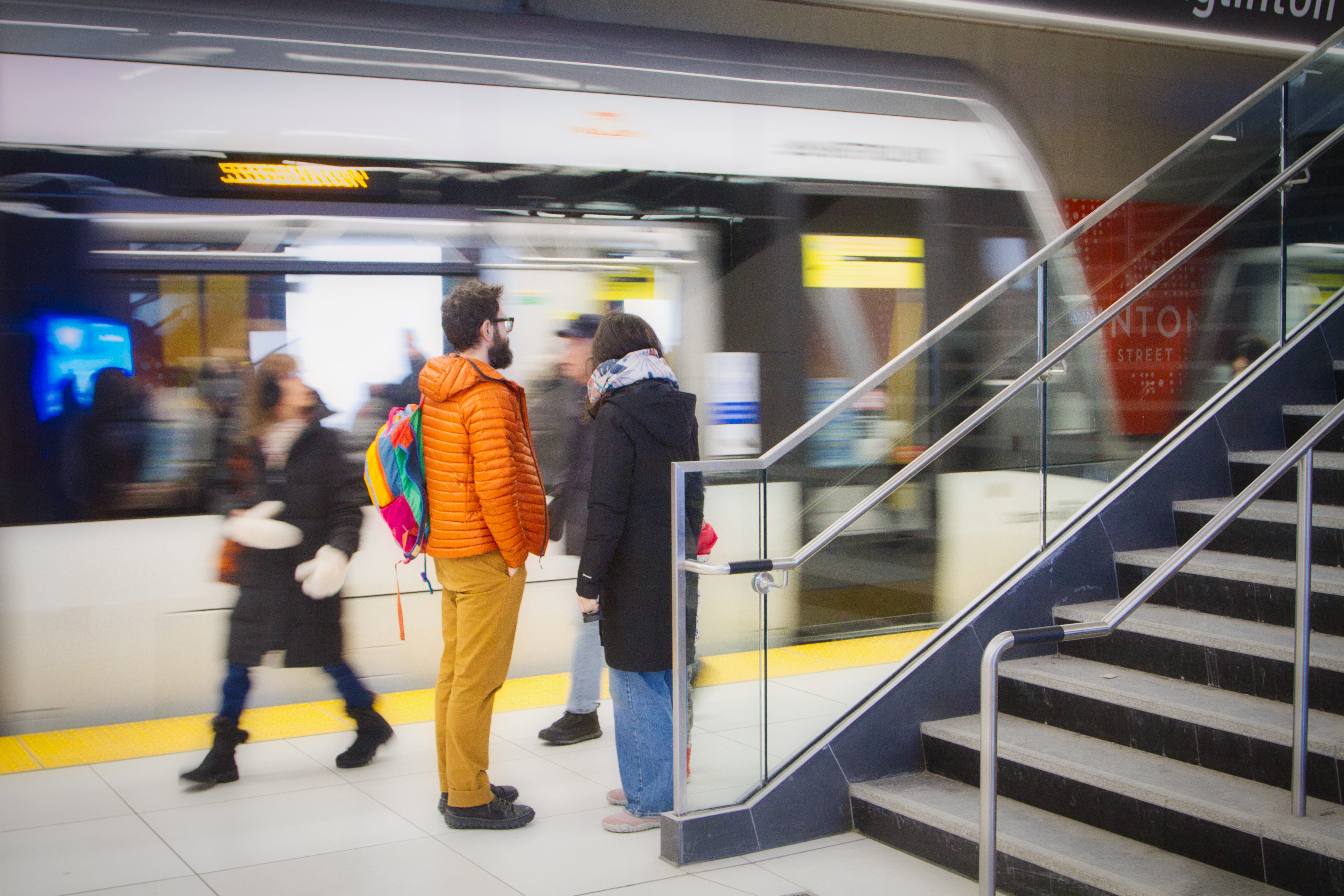
The cars are noticeably shorter than what you’ll find on Line 6: 31 metres (101 ft) per car versus 48 metres (157 ft) on Finch West. Each platform is sized for three-car consists, and that capacity already seems necessary as rush hour trains are crowded. I hope that a third rail car will be added soon. Given the car length differential with Line 6, capacity was always going to be a consideration here.
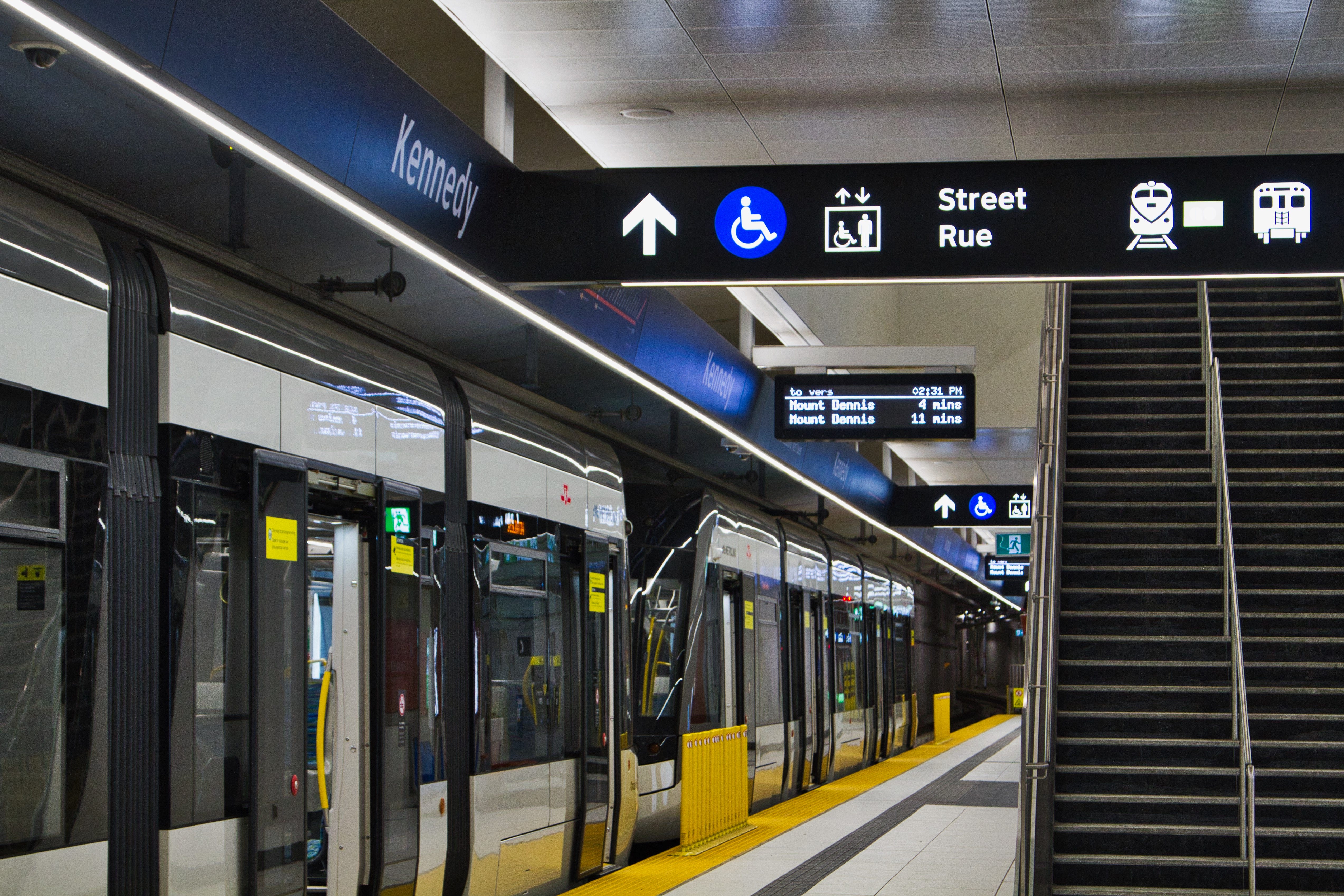
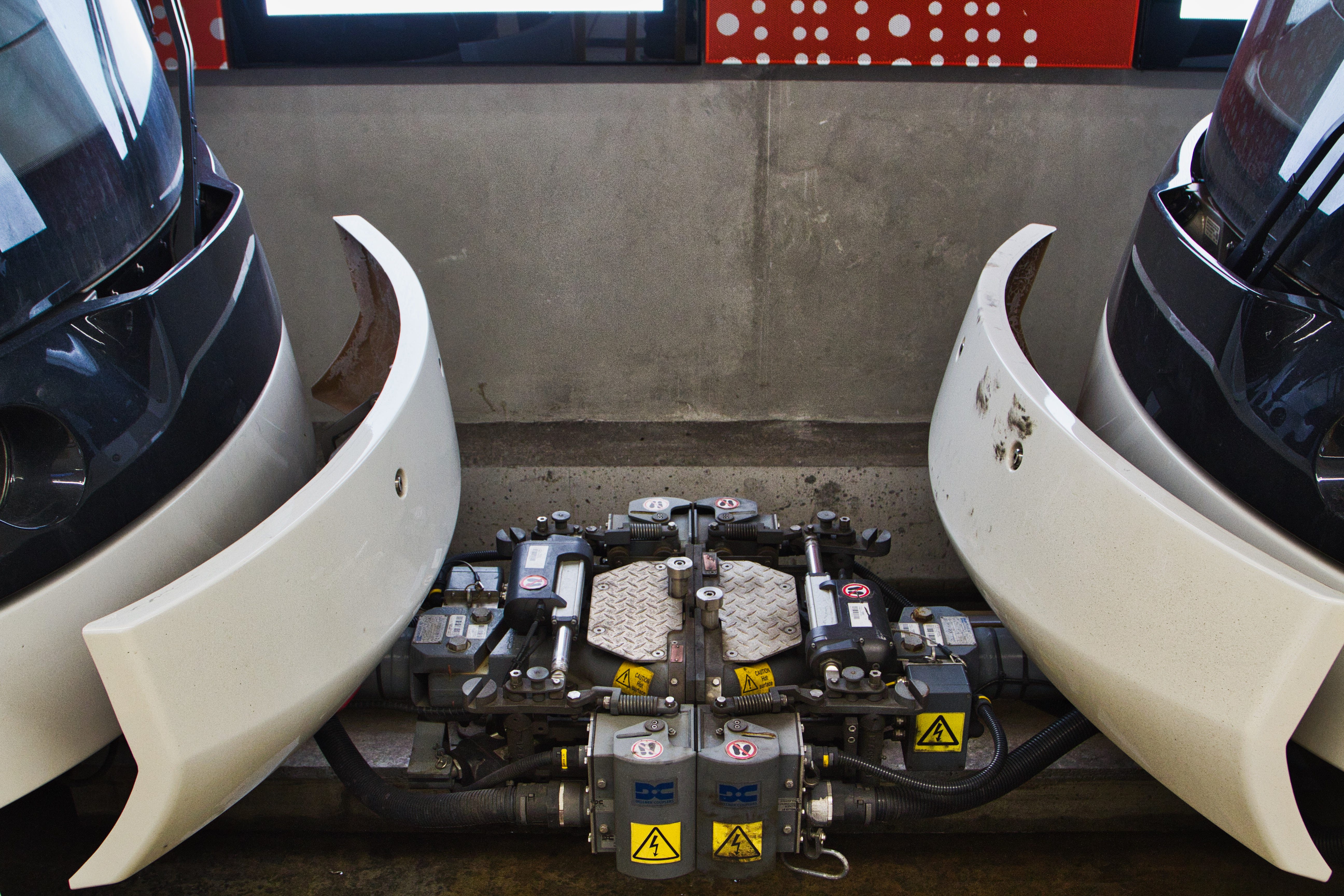
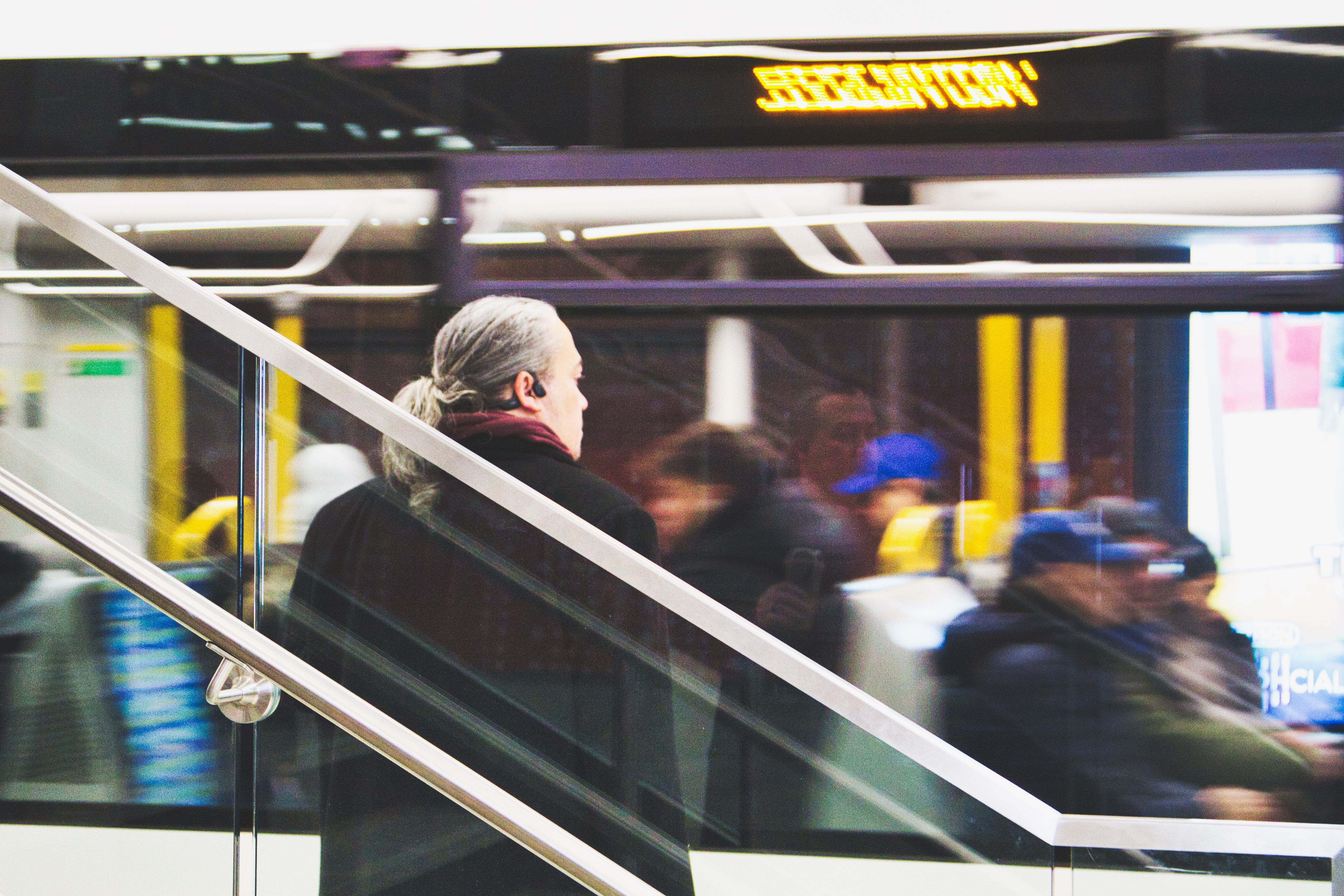
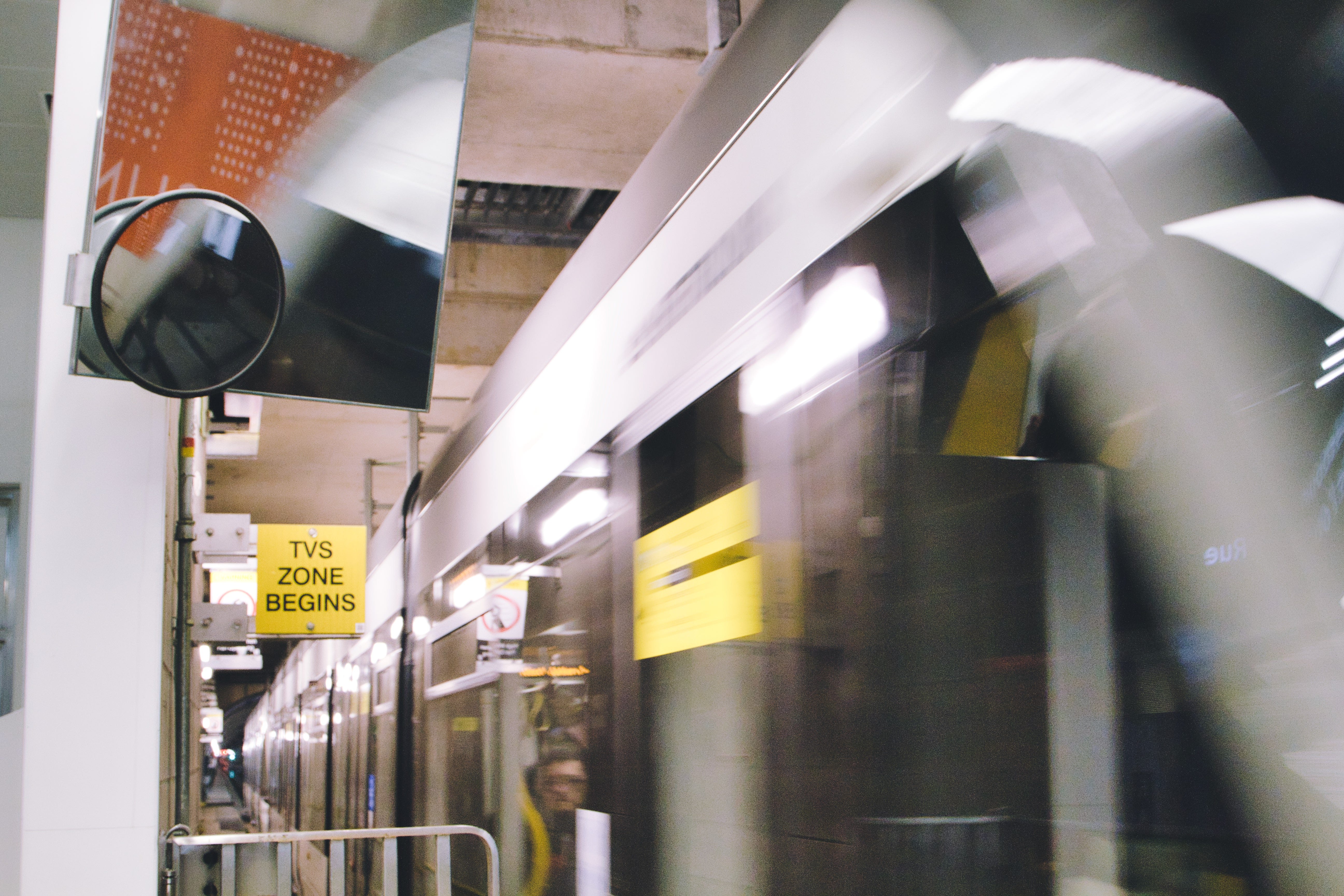
One thing I didn’t love: the ride quality. Even on straight, smooth underground sections, there’s a shakiness to the Flexity Outlook trains that reminds you you’re riding a streetcar, not a metro car. I didn’t notice this on Line 6, where the newer Alstom vehicles feel more settled. Whether this is a vehicle issue, a track issue, or simply the age of the cars, I can’t say - but it’s a notable contrast.
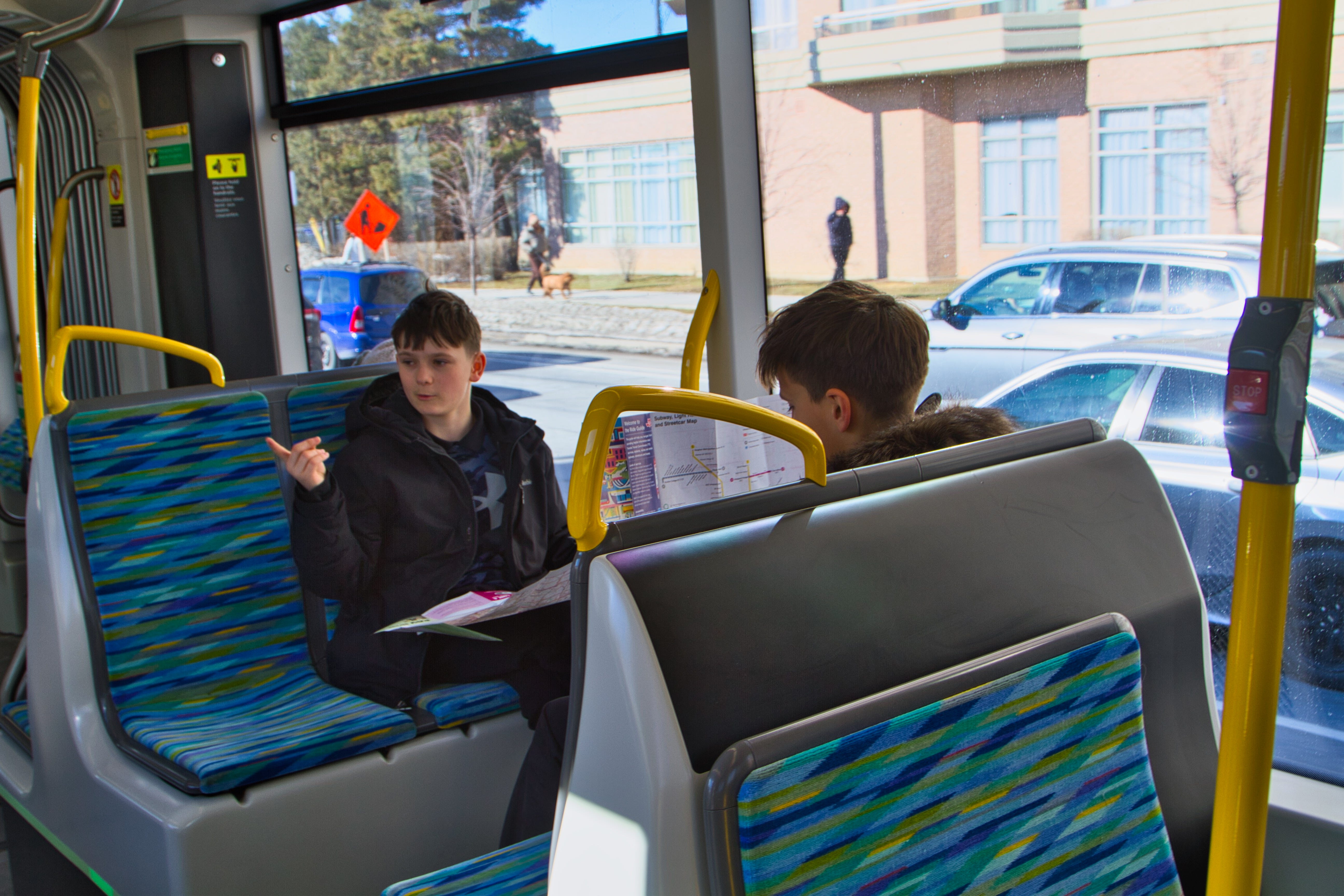
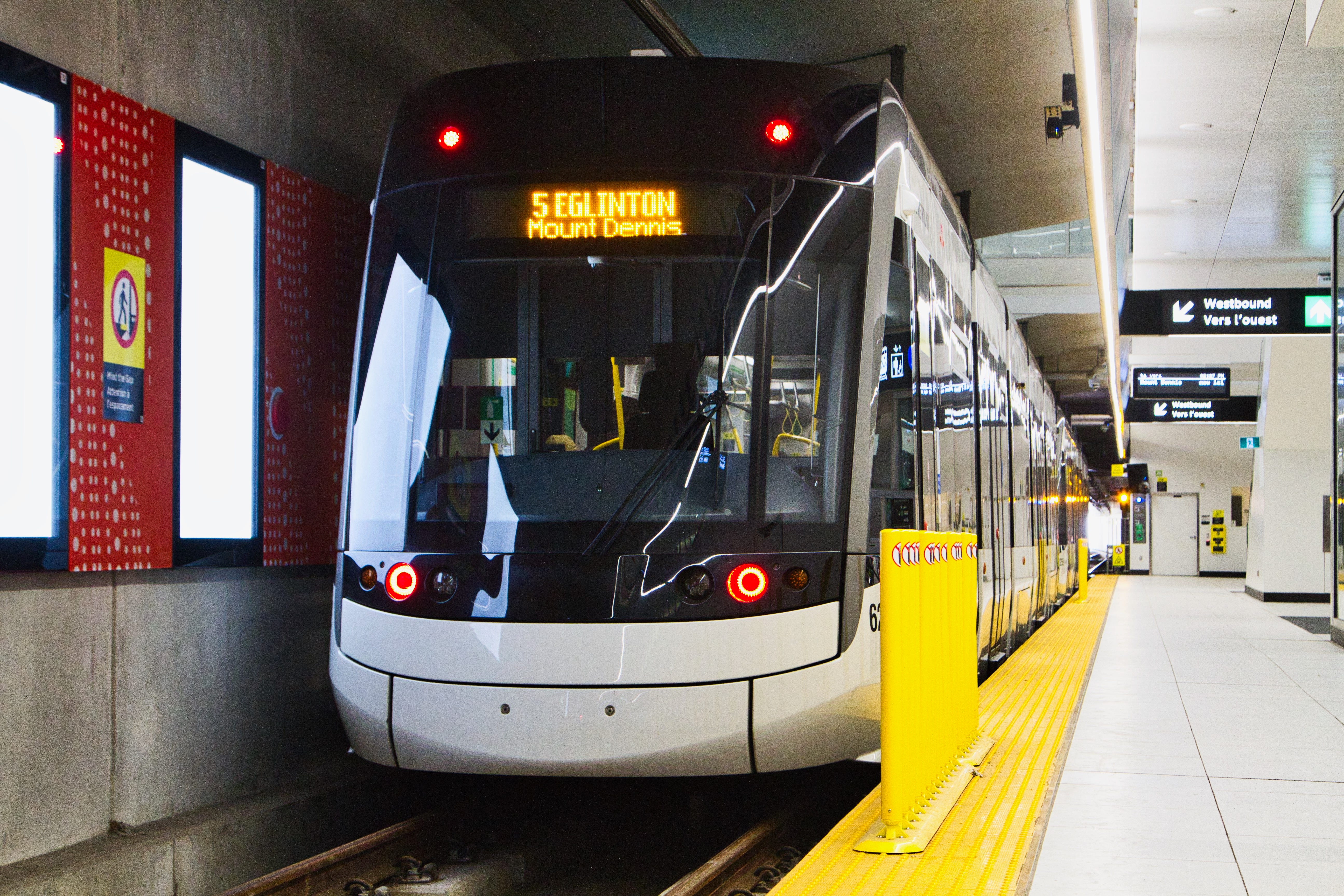
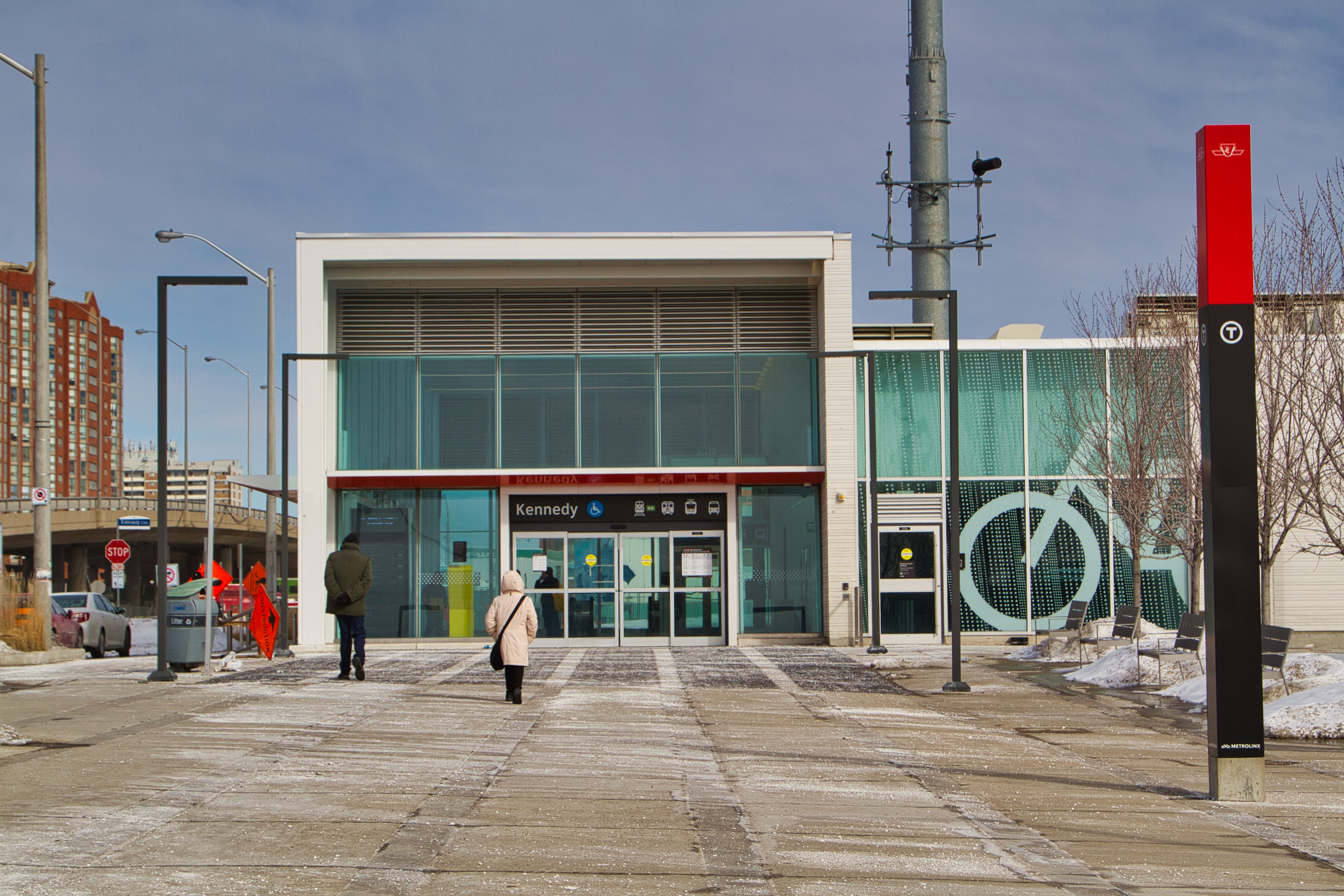
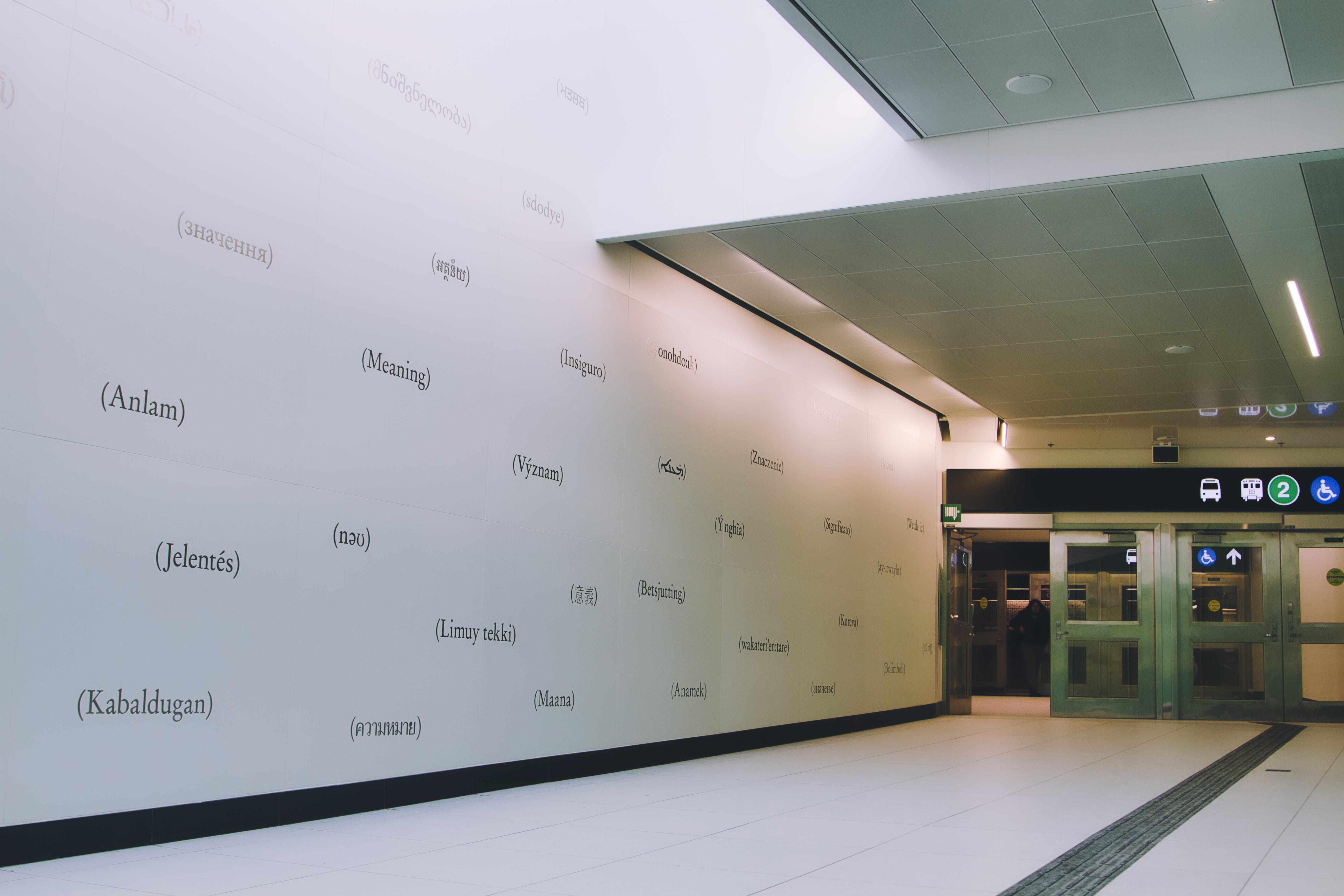
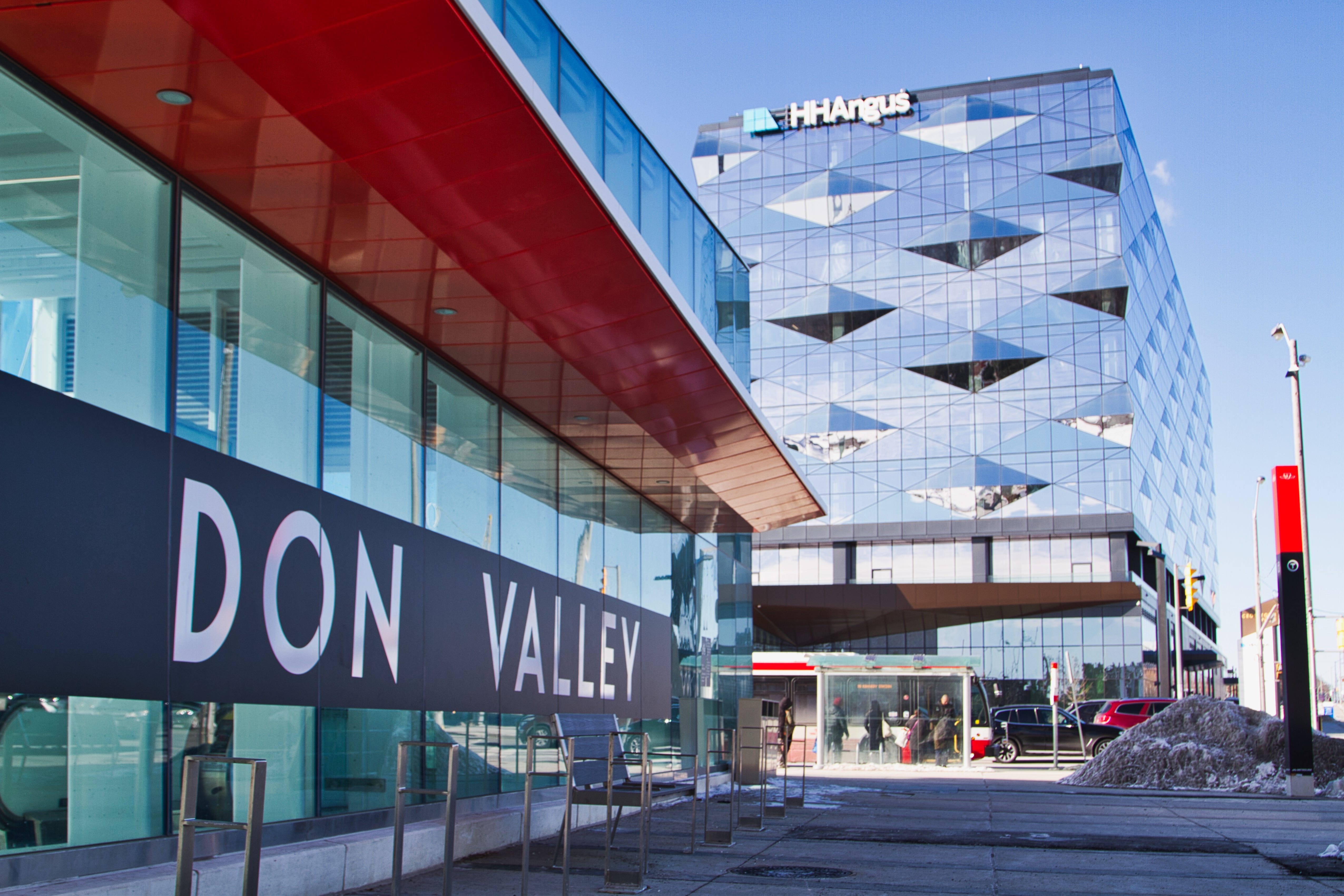
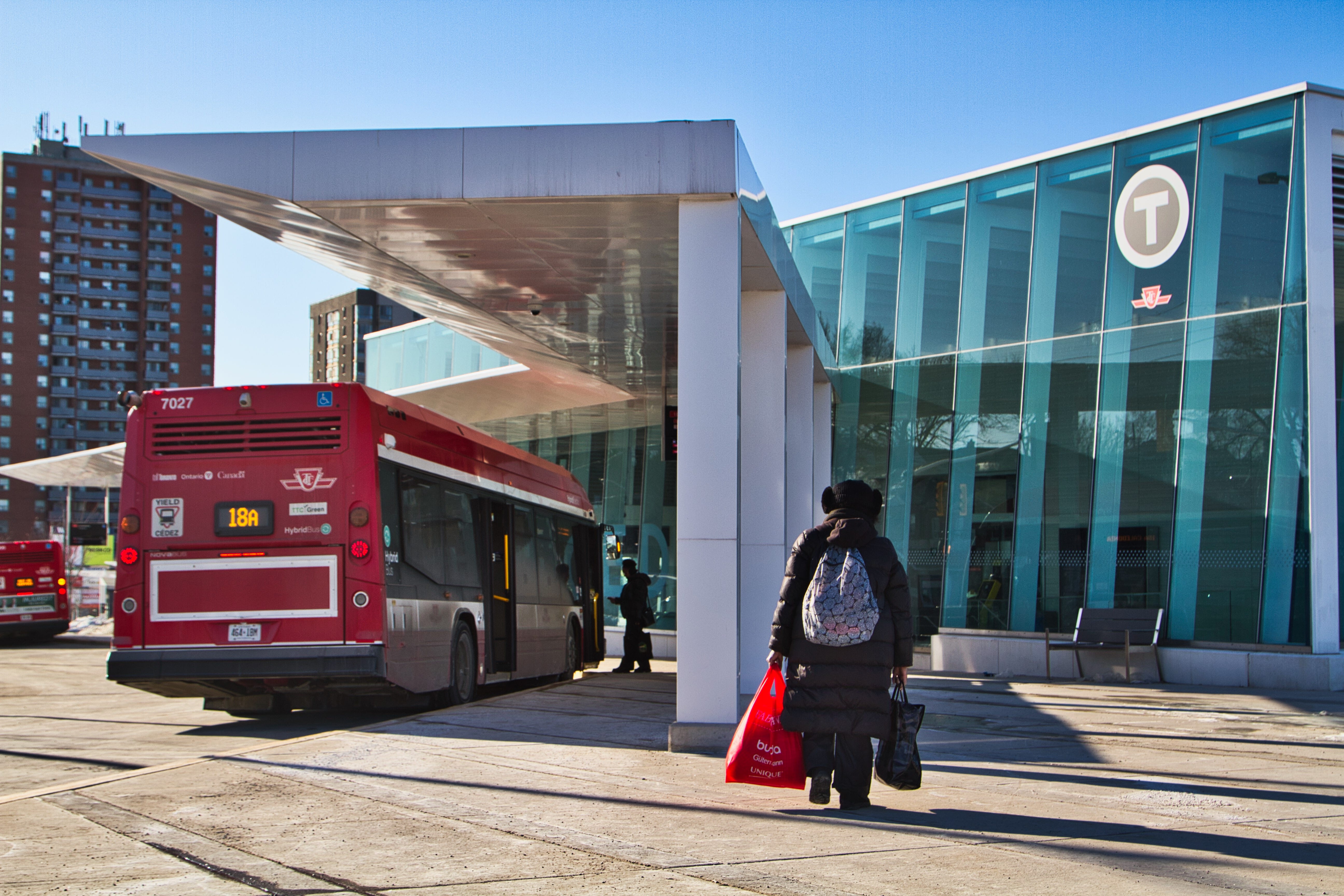
The station entrances are among Line 5’s most distinctive features. Rather than the utilitarian underground tunnels that characterize much of Lines 1 and 2, Line 5’s street-level entrances are standalone glass pavilions: spacious, modern, inviting, and filled with natural light. They feel safe and navigable in a way that many older TTC entrances simply don’t.
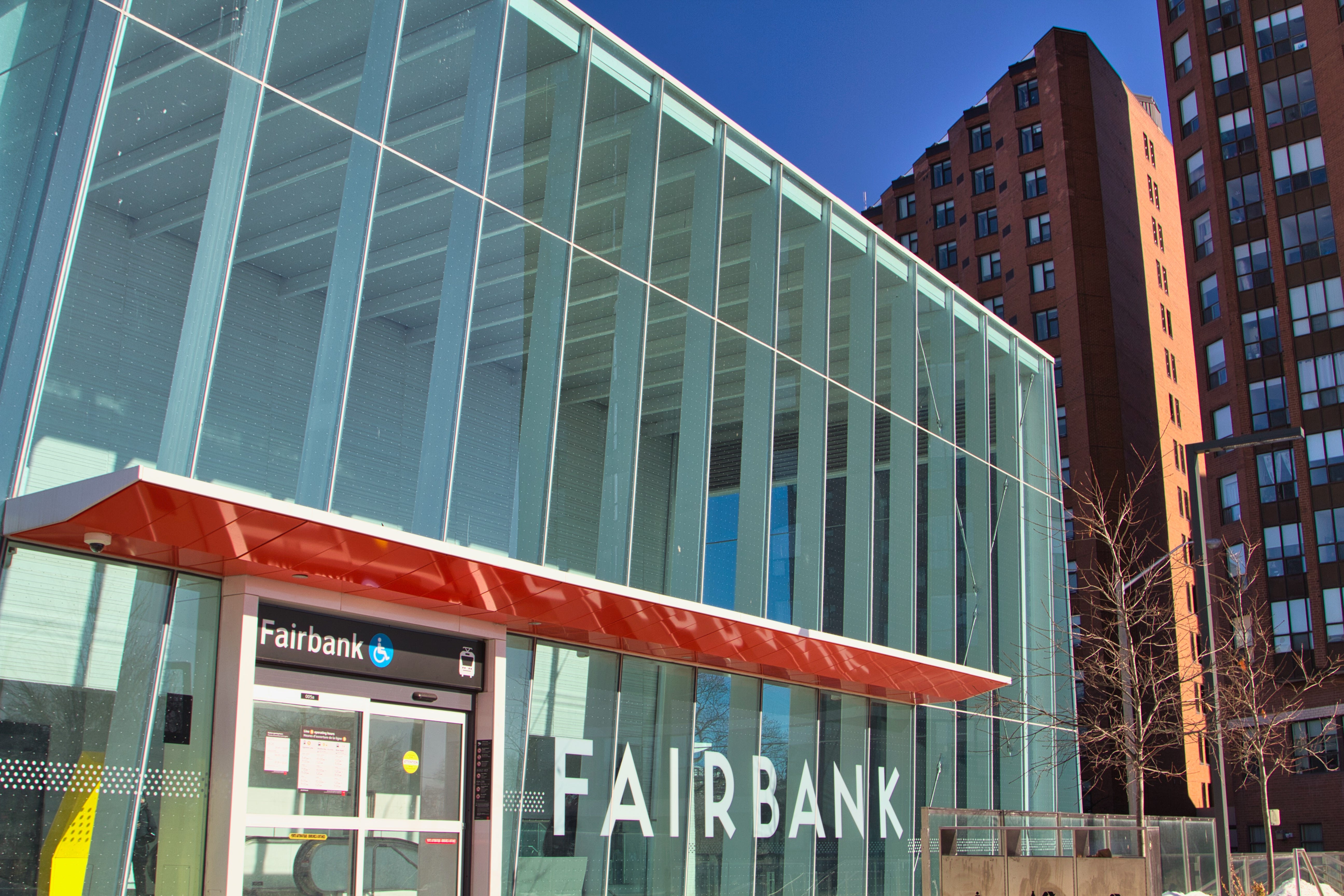
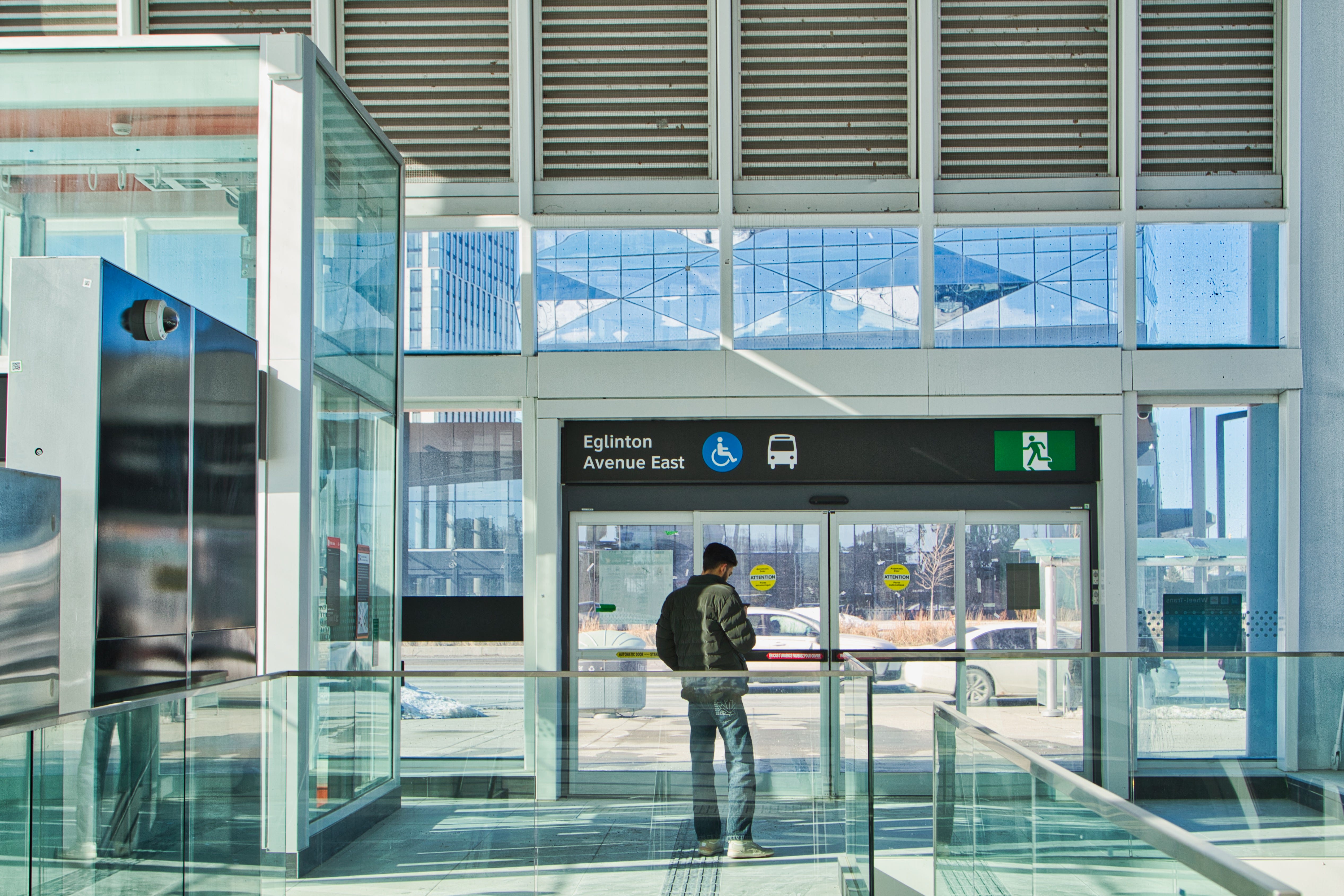
I have one major criticism here, and it’s an urban planning one rather than a transit one: those glass buildings are single-use transit infrastructure. Compare this to how Tokyo, Osaka or Hong Kong approaches transit station real estate: layered with retail, office space, and housing, generating revenue that helps fund the system. Toronto spent $13 billion building Line 5 and constructed big glass boxes on some of the most expensive, transit-accessible land in the city. That’s a big missed opportunity.
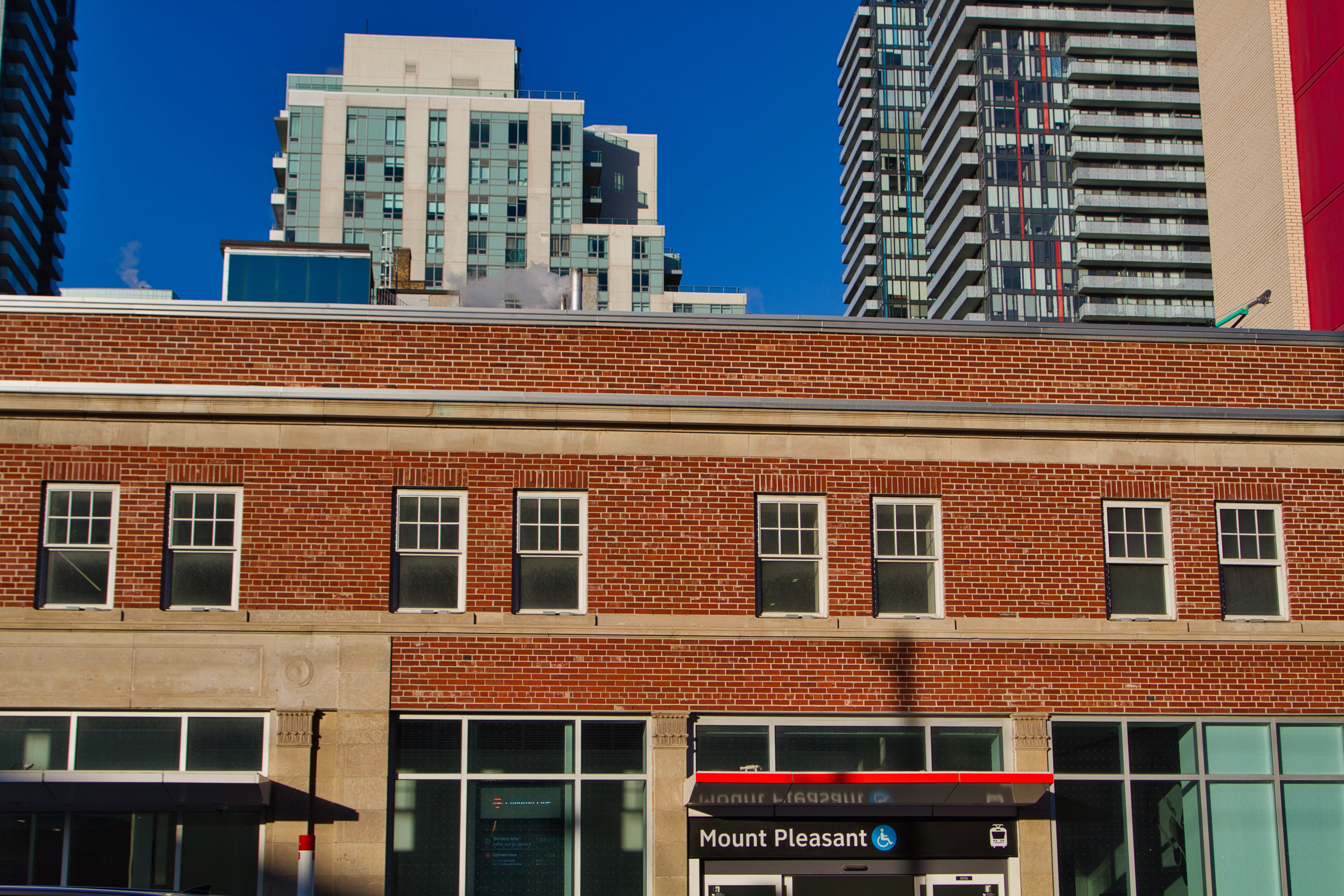
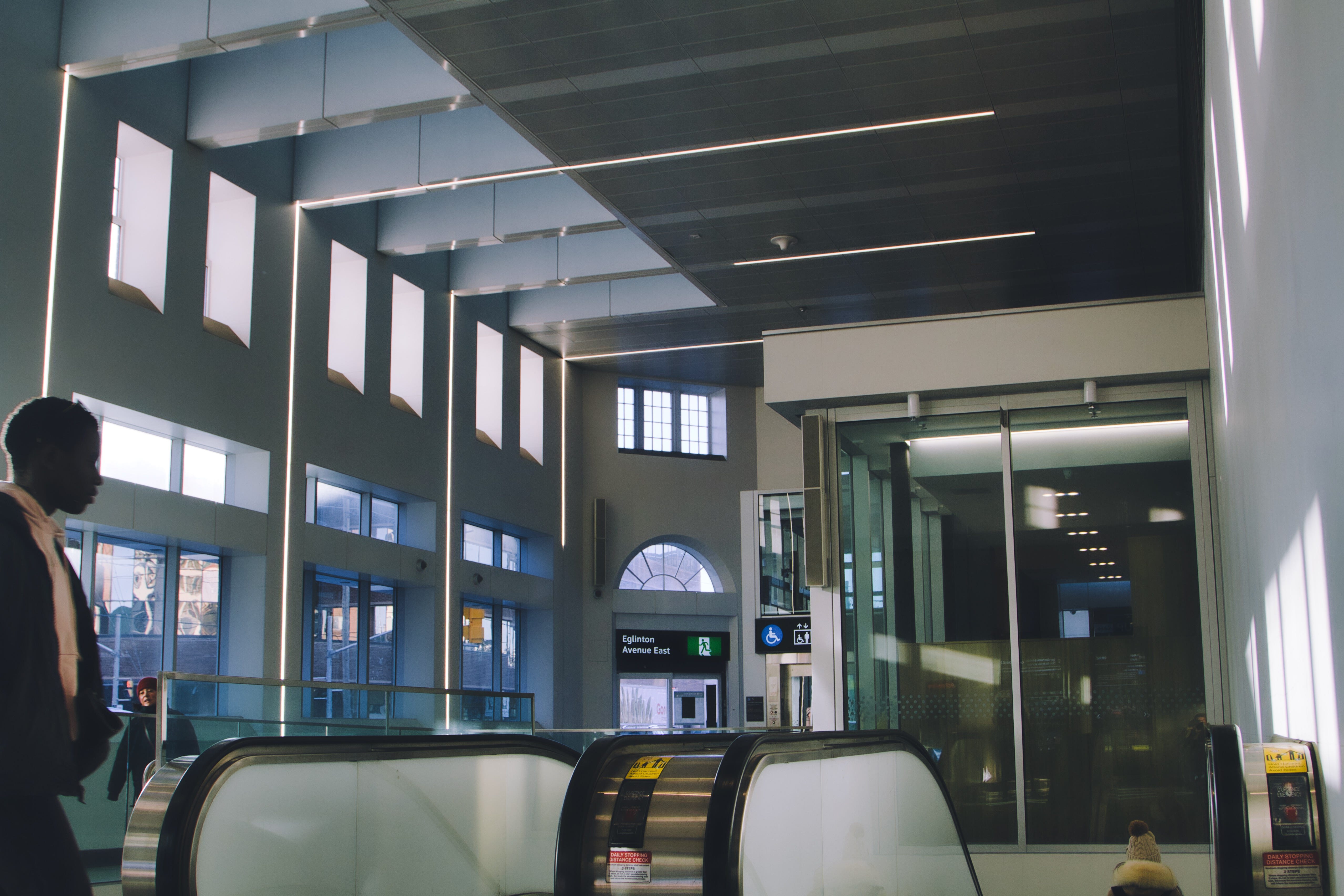
On a less exciting note: after just one month of service, the white walls and escalator panels in several stations were already noticeably grimy. White is a beautiful aesthetic choice right up until the point when it isn’t.
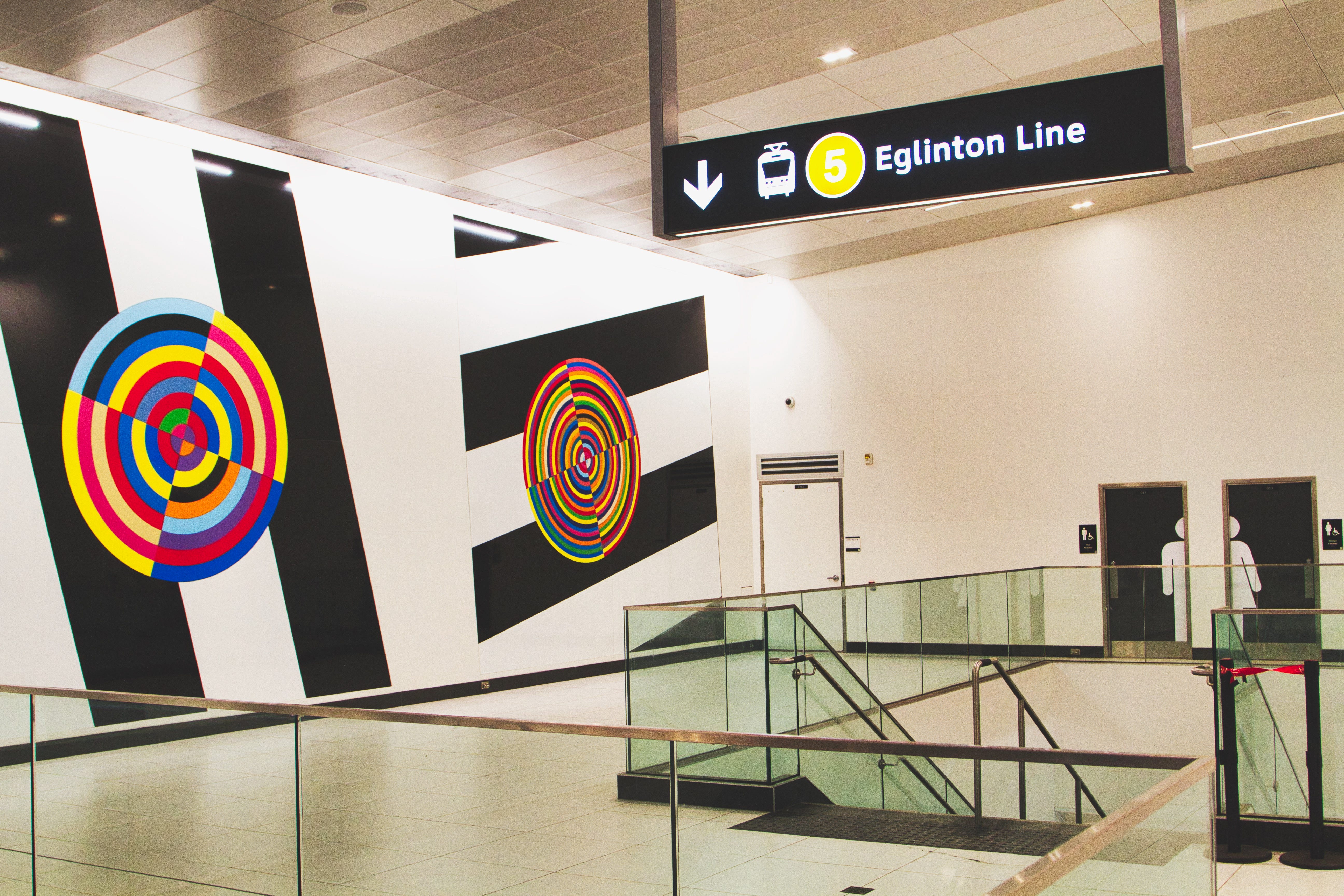
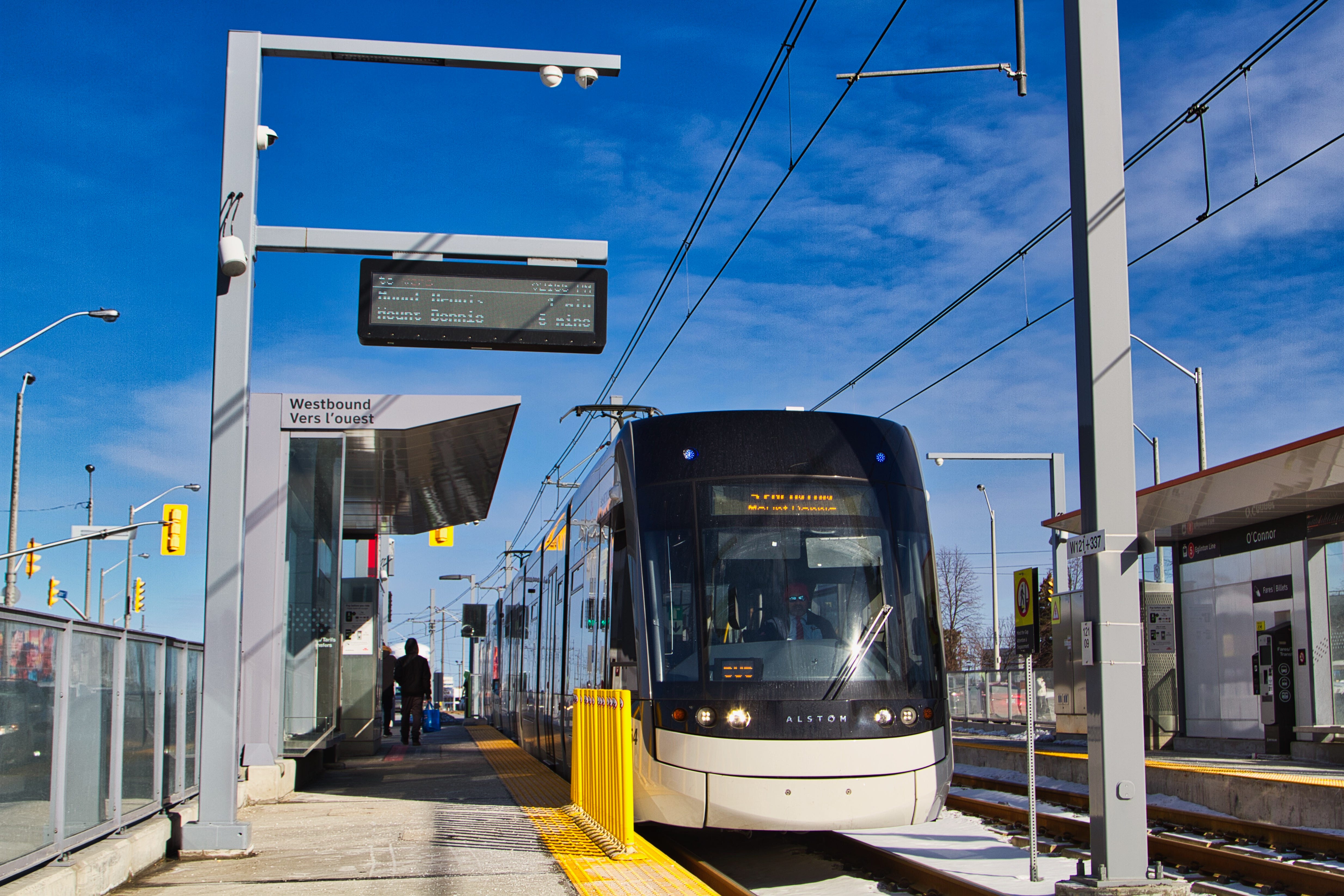
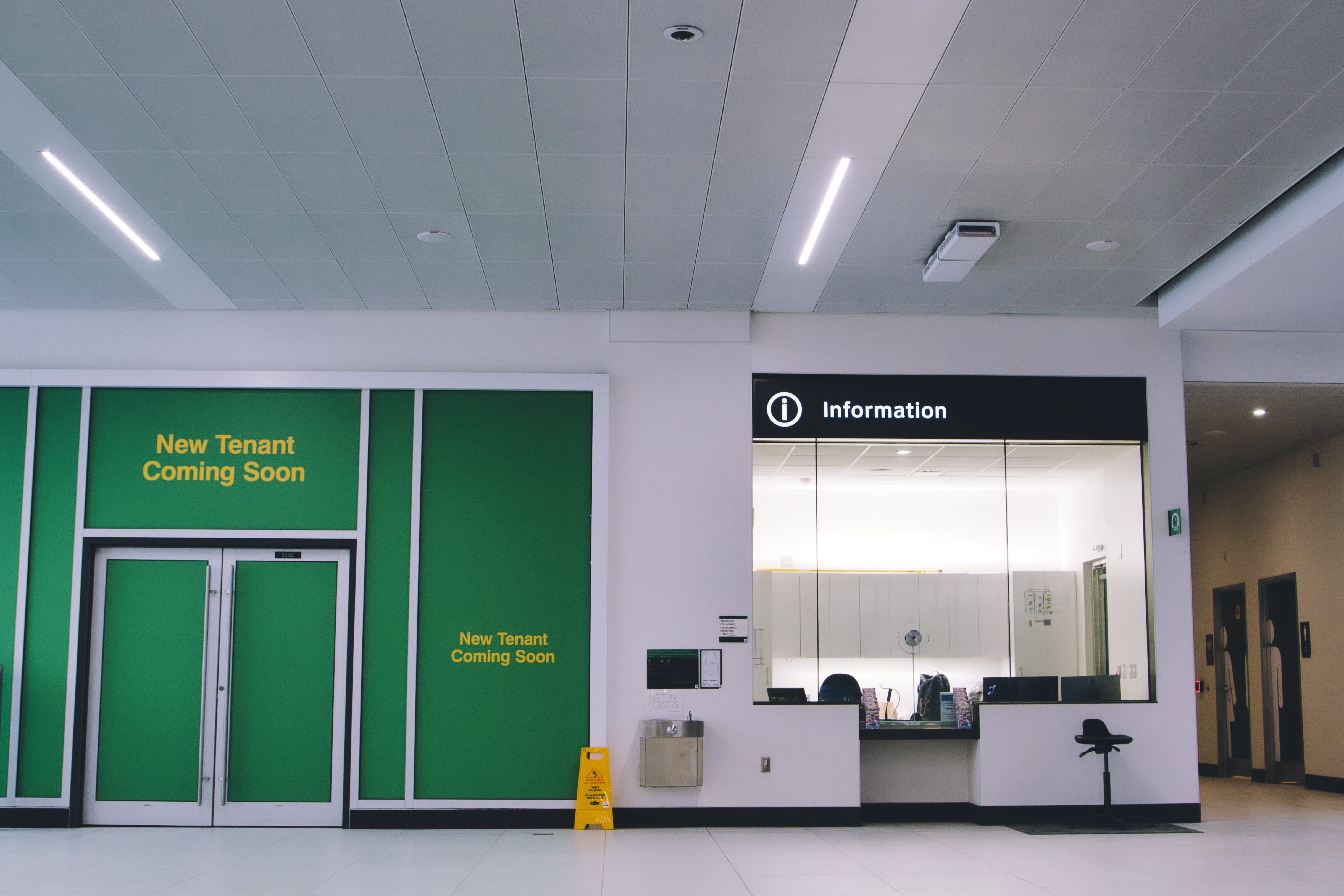
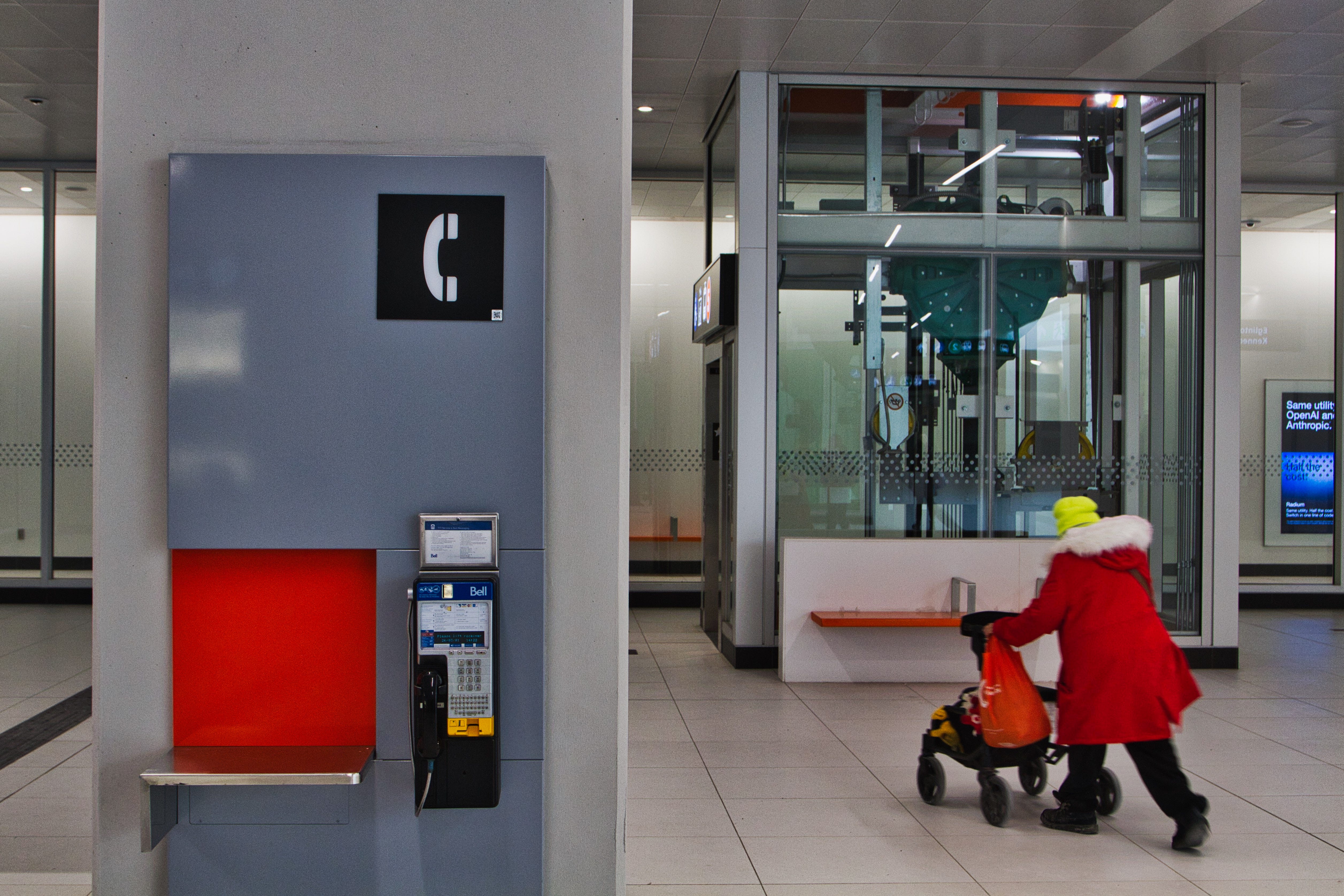
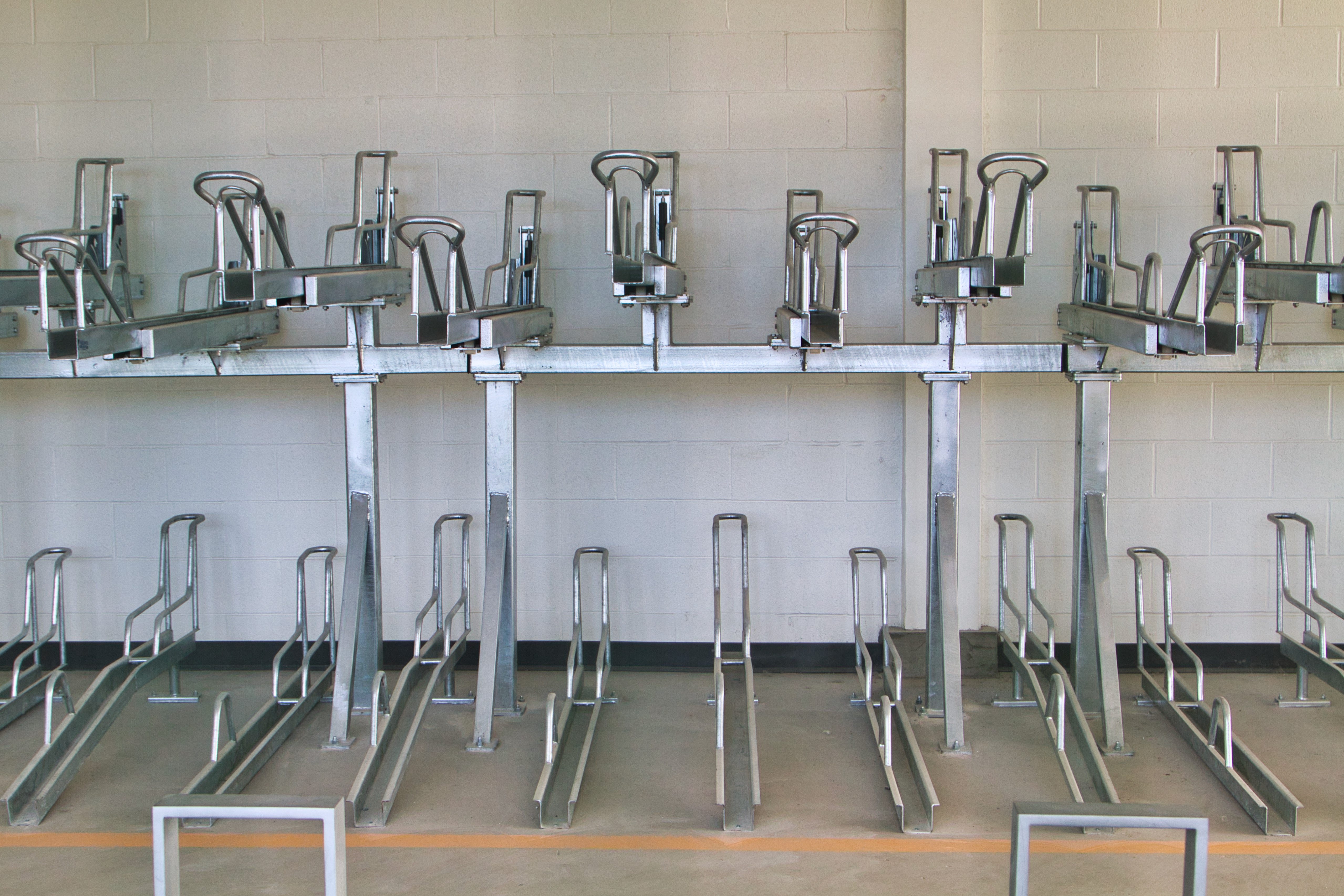
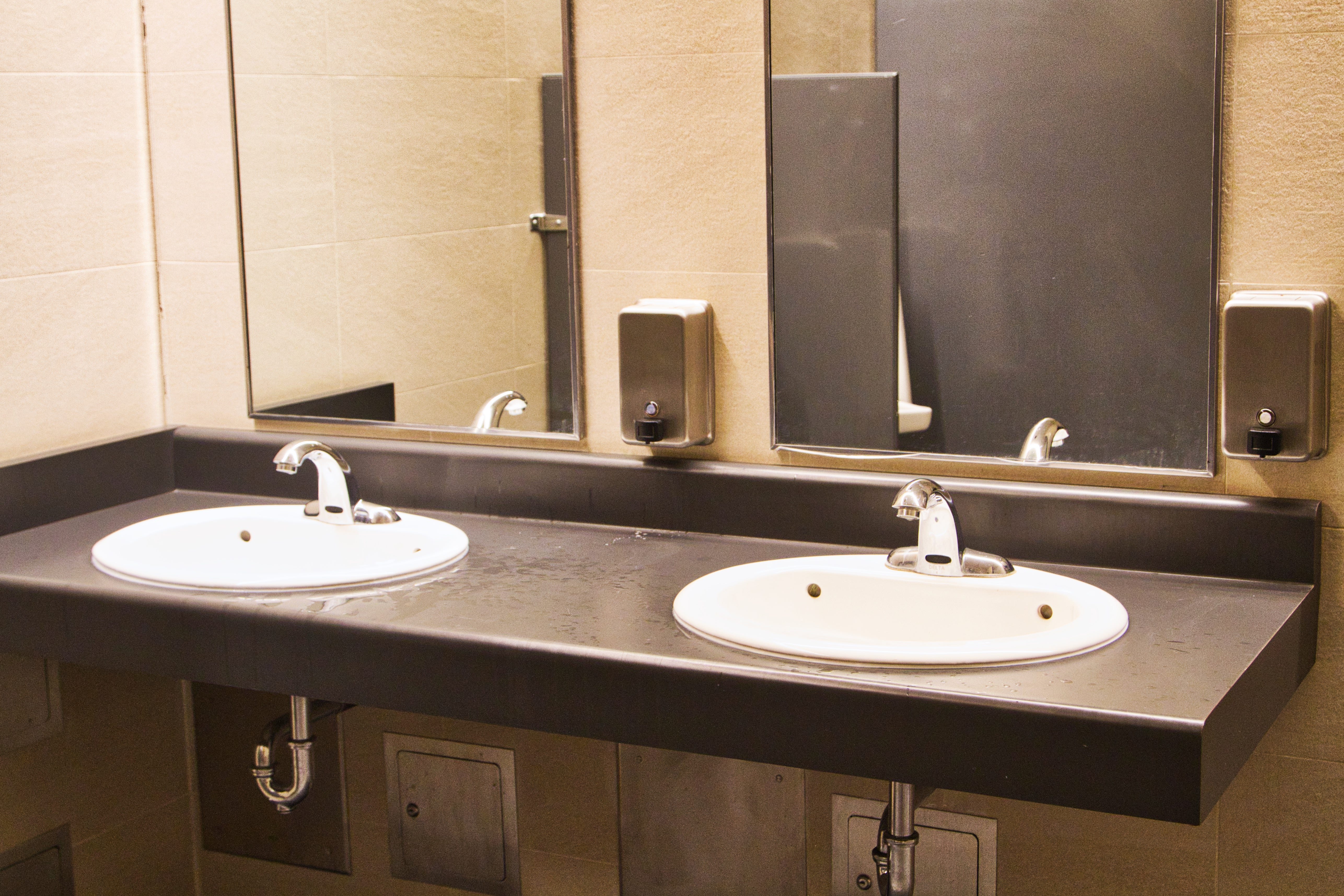
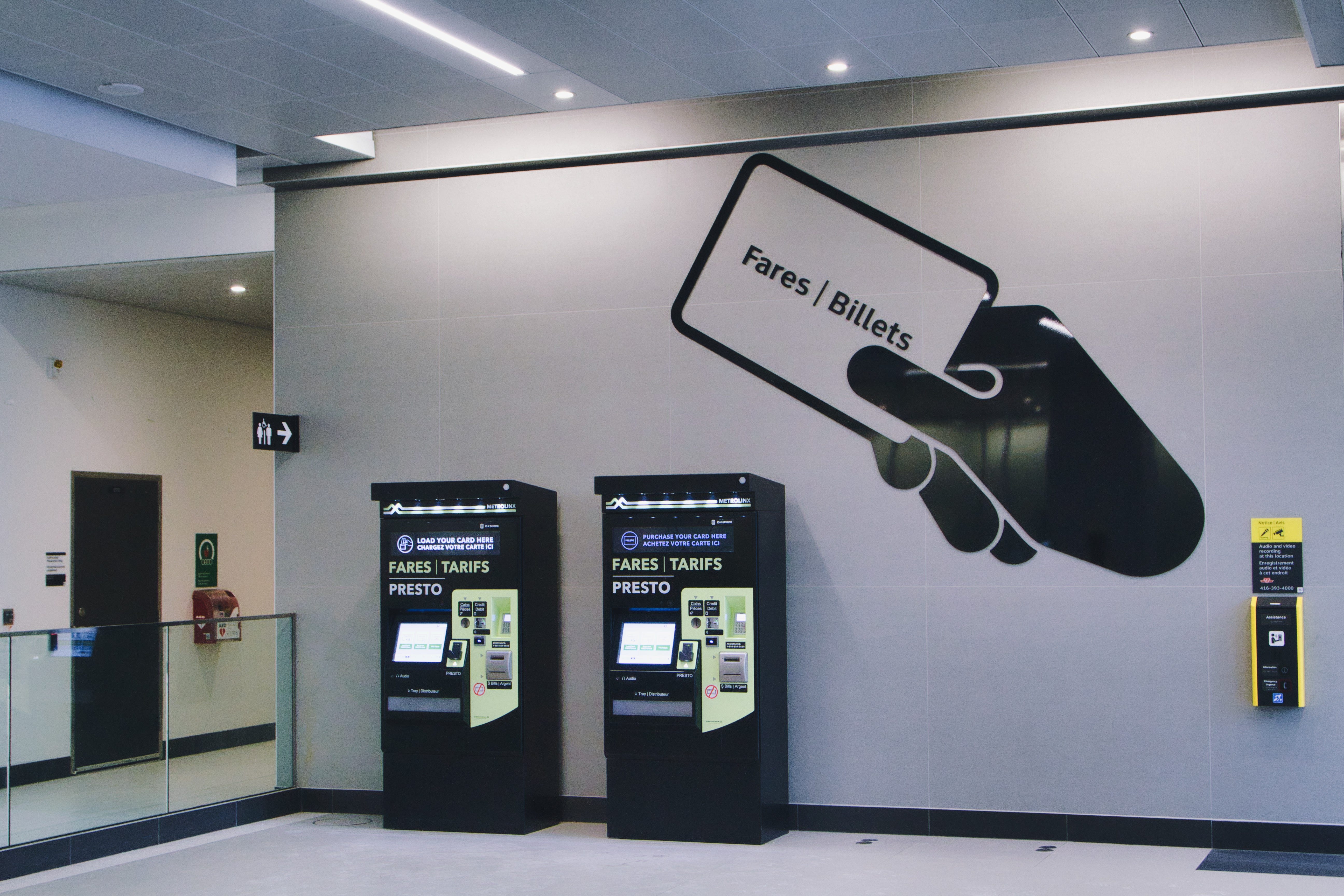
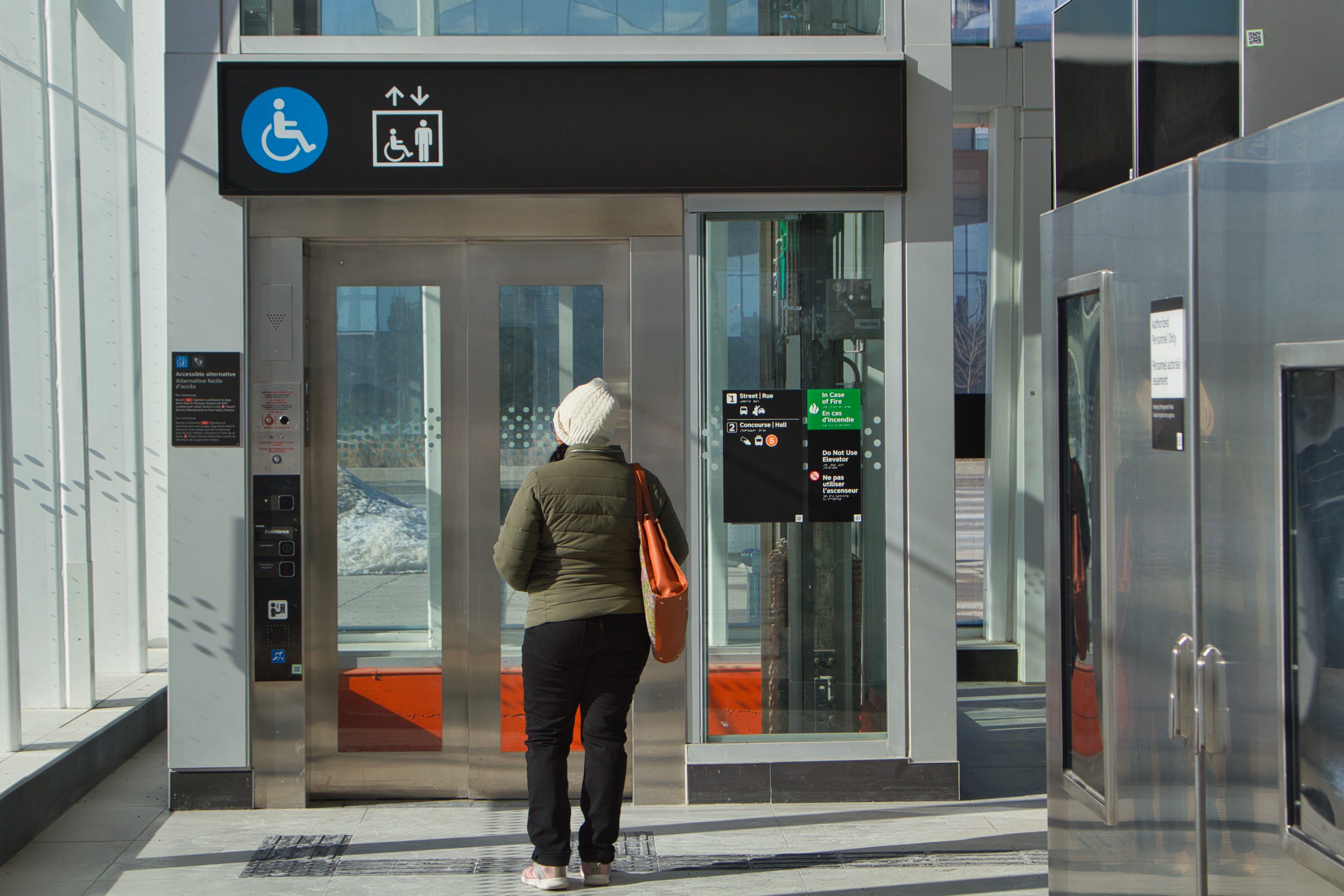
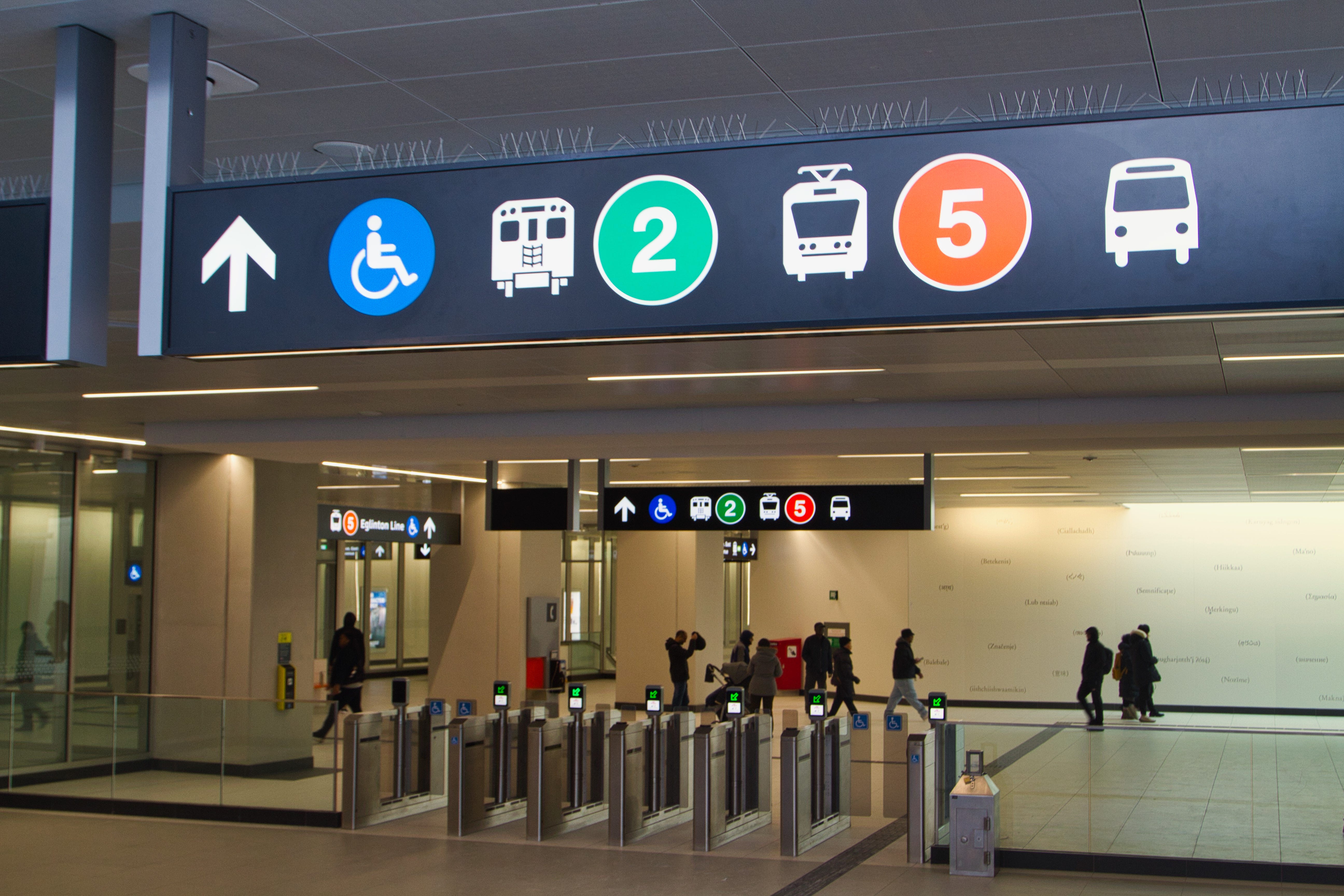
The line carries forward the best features of Line 6: full accessibility, excellent wayfinding signage, clean washrooms at stations, bike racks, and - important for Torontonians - cell phone reception throughout the tunnels and underground sections. These might sound like baseline expectations, but anyone who has spent time in the older parts of the TTC network knows they aren’t.
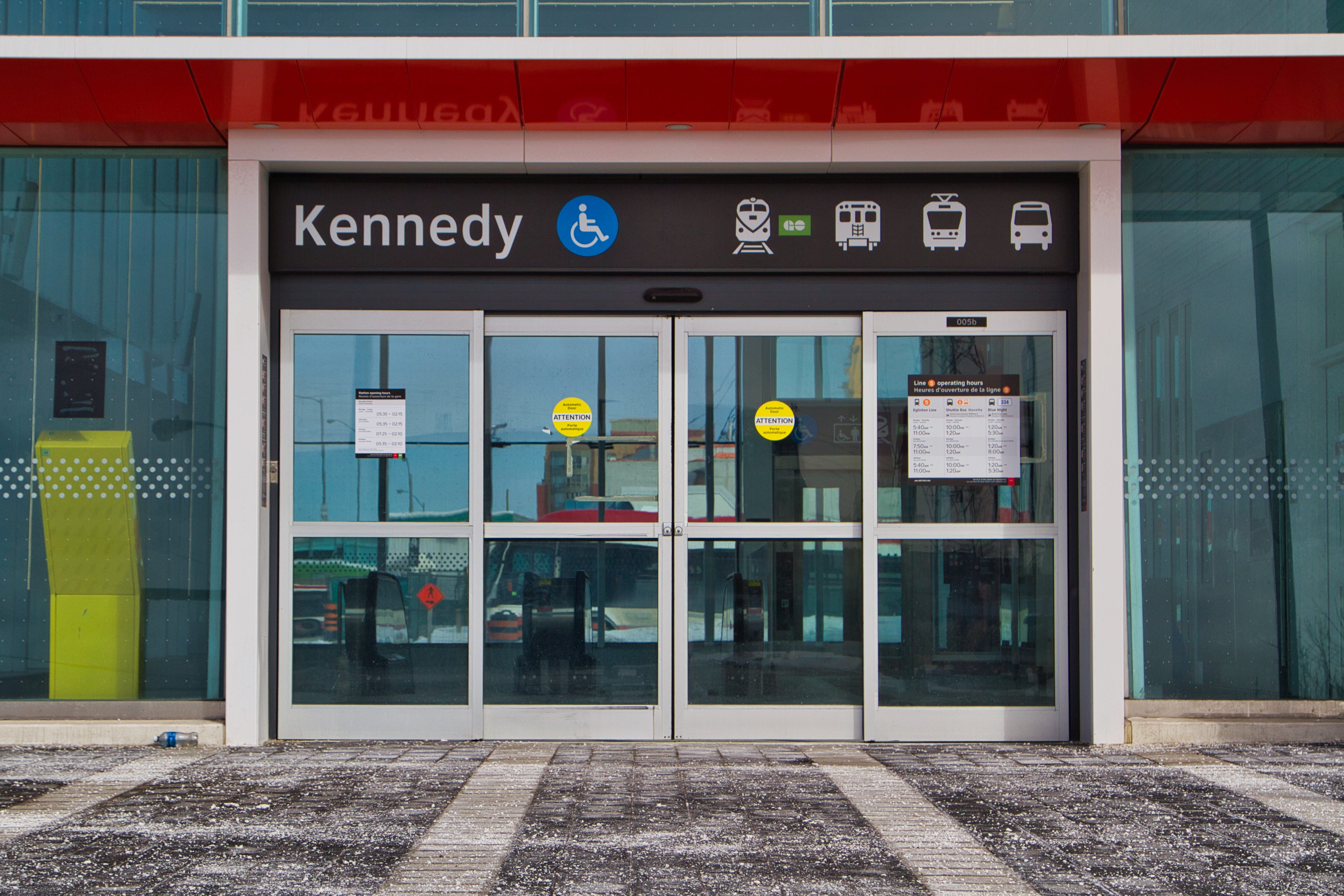
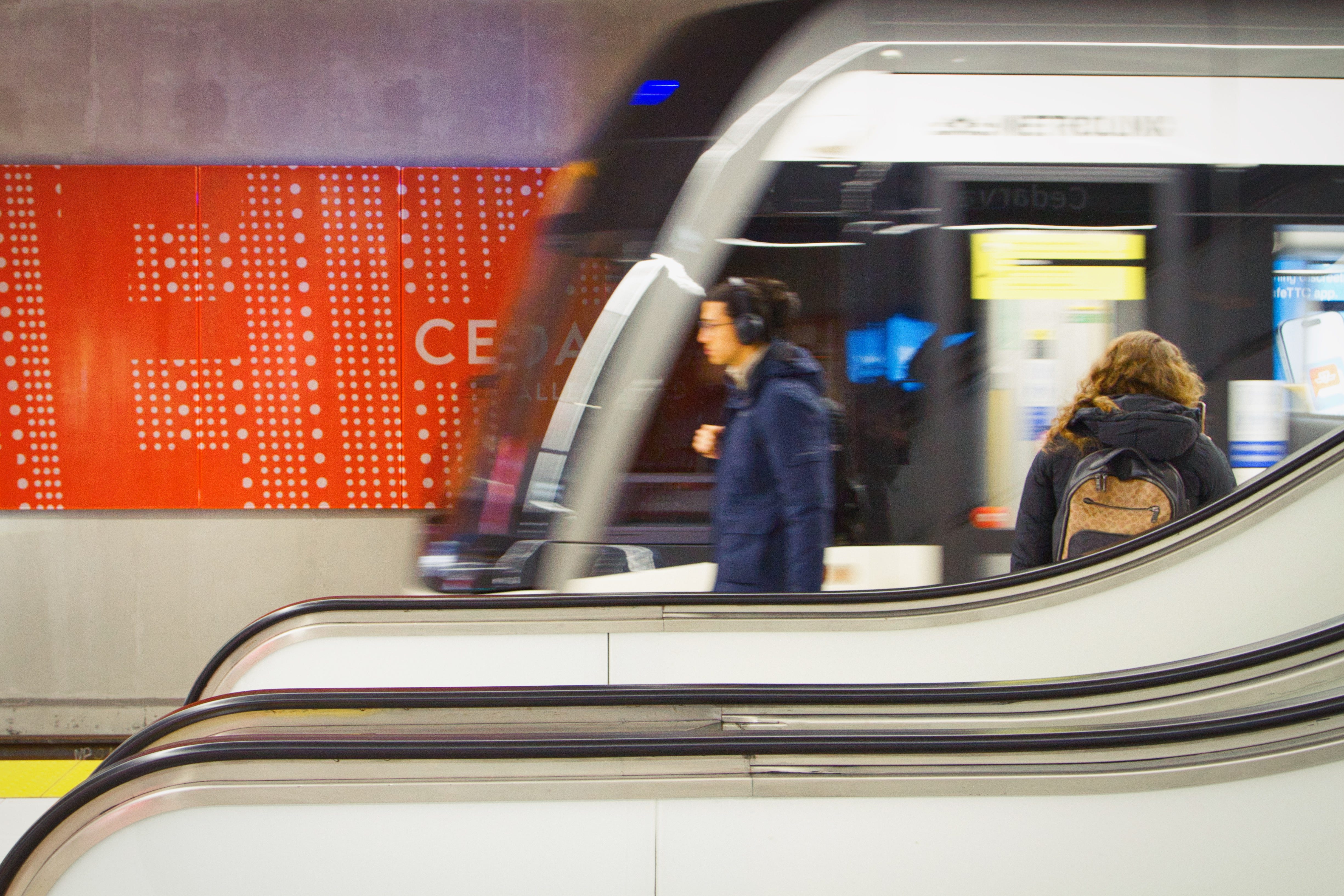
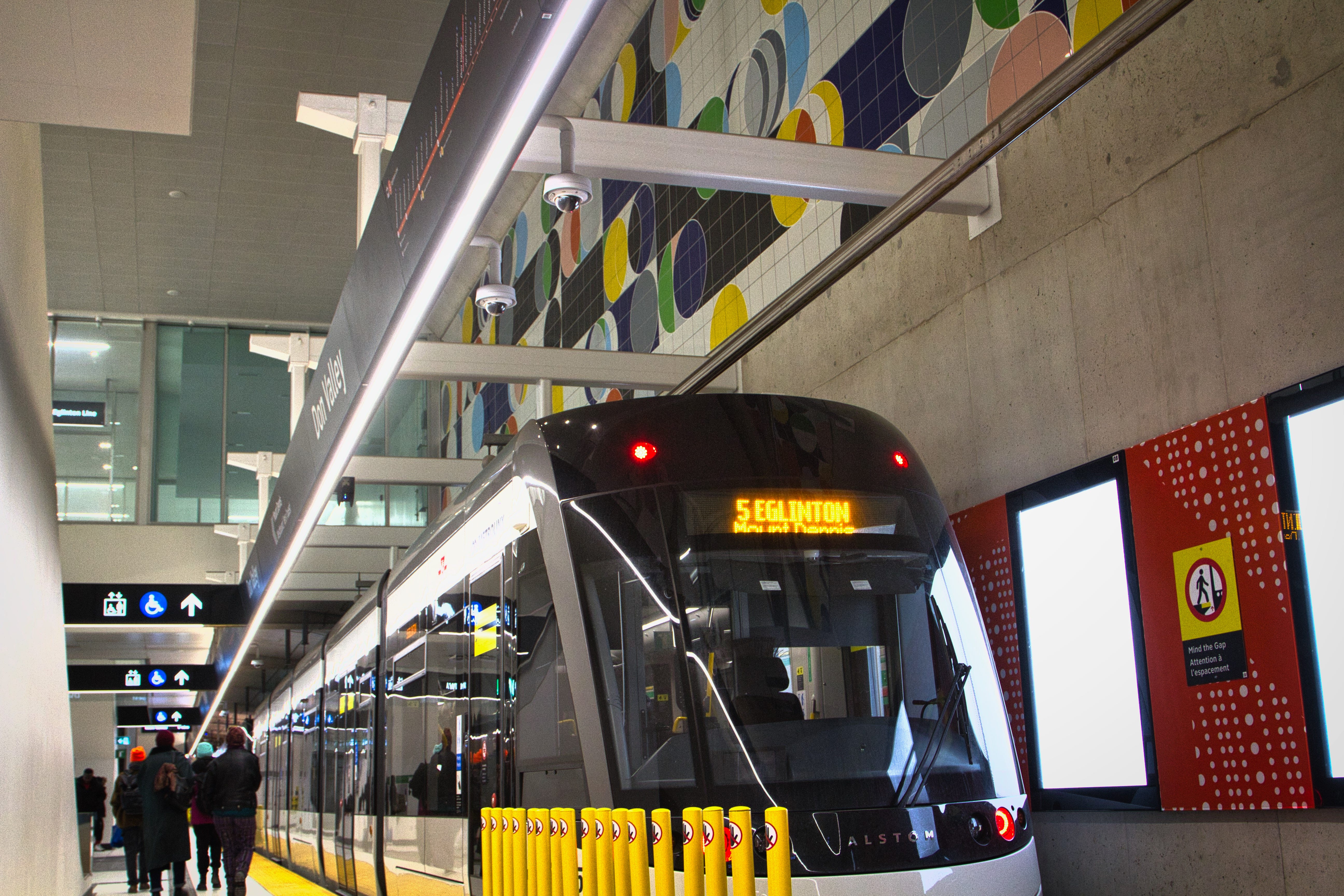
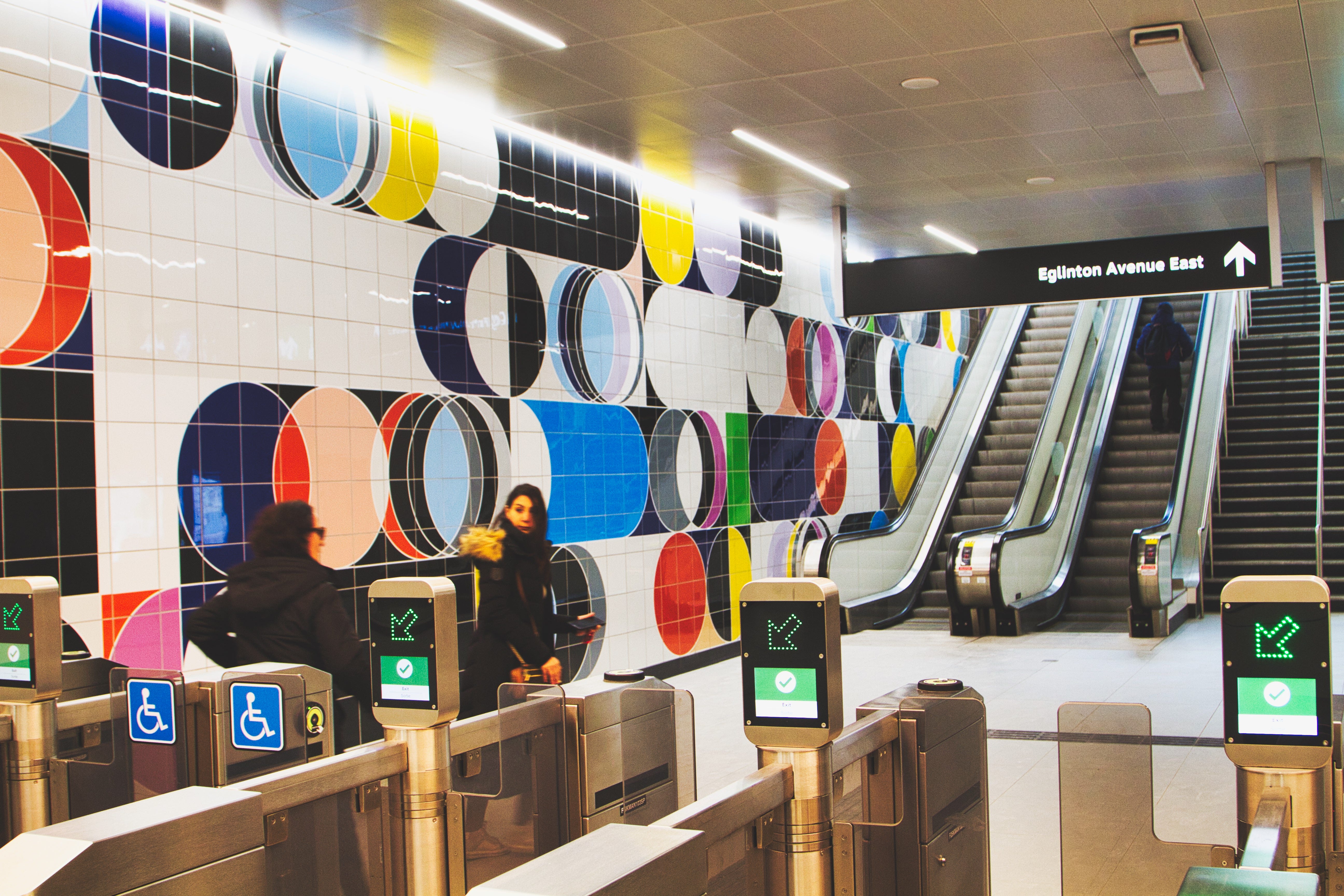
Key stations including Kennedy, Don Valley, Eglinton, Cedarvale, Caledonia, and Mount Dennis feature public artwork and platform signage in the line’s characteristic orange. It adds personality to what could otherwise feel like generic infrastructure.
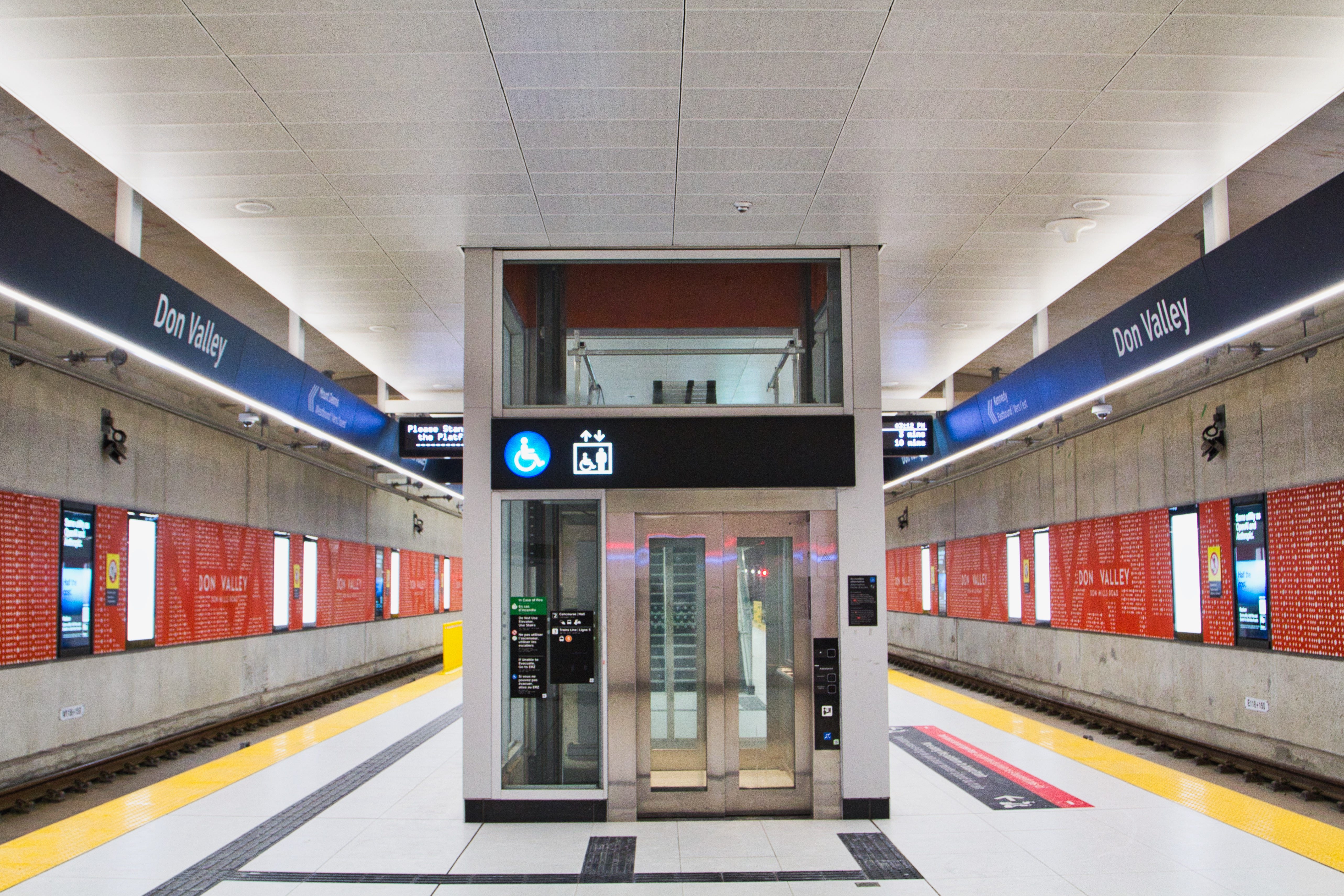
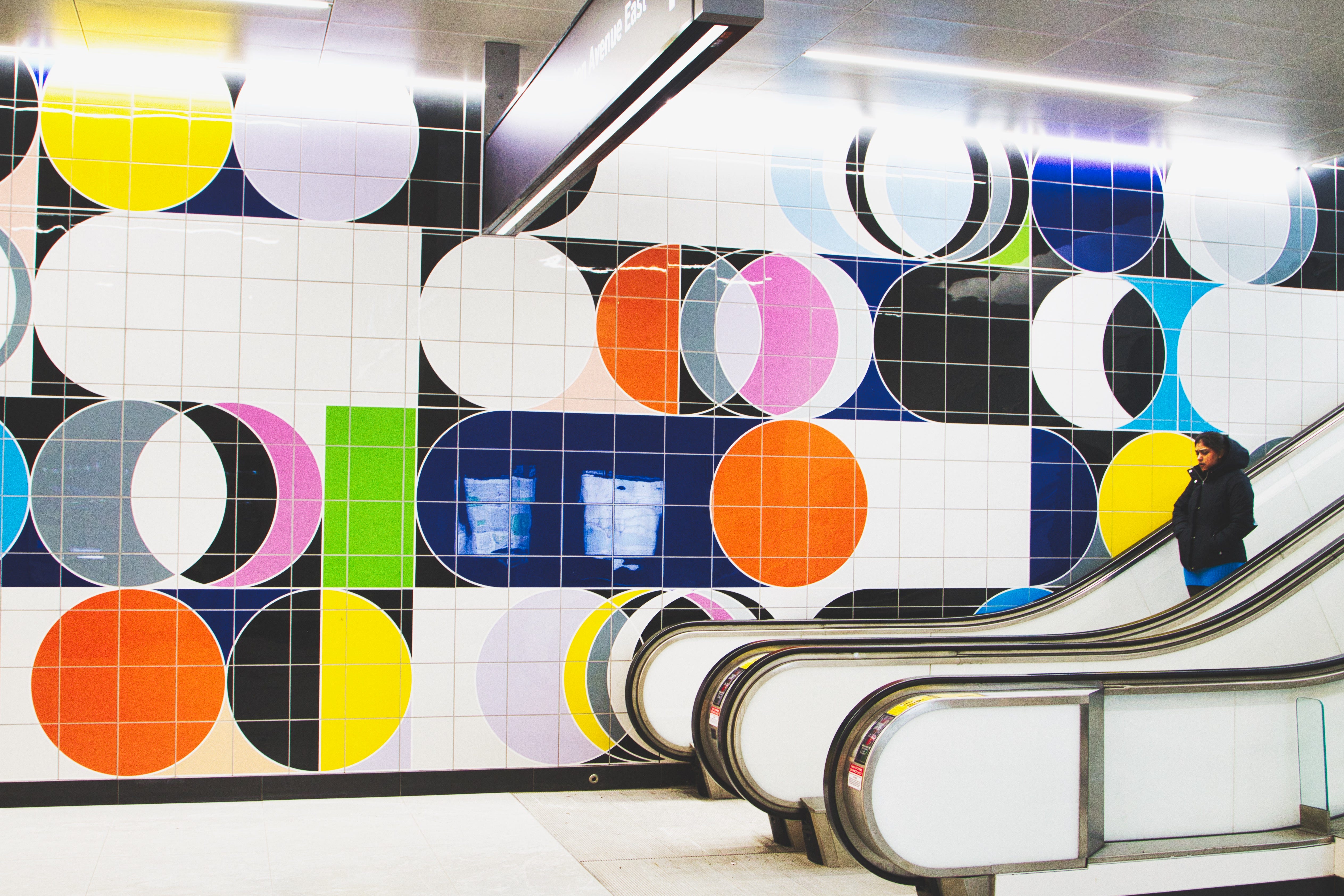
Two installations are worth mentioning, in my opinion. Sarah Morris’s Total Lunar Eclipse at Don Valley does exactly what good transit art should - it draws attention without demanding it.
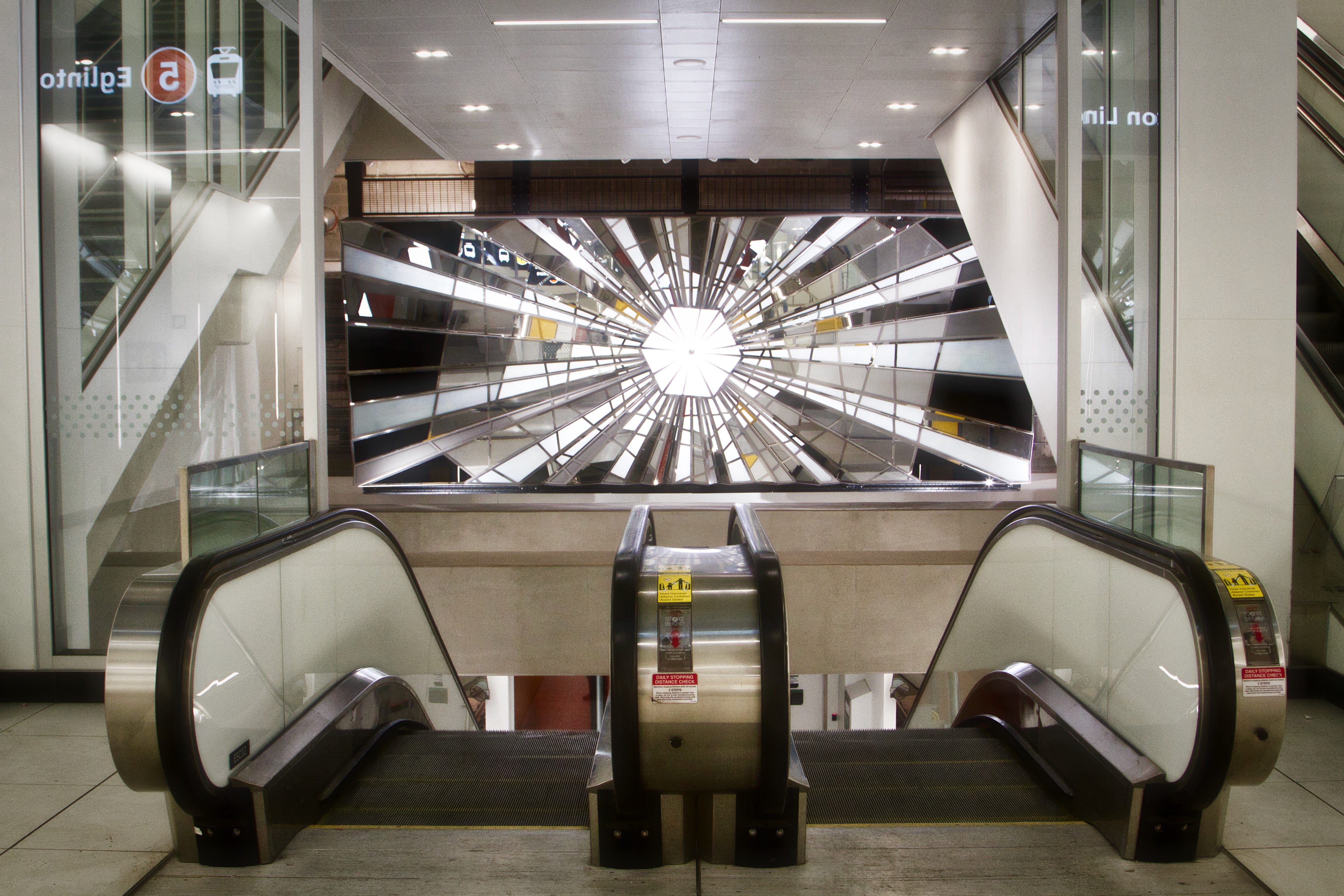
My absolute favourite one, though, was Light from Within at Eglinton Station: a two-storey, 11.5-metre crystalline sculpture by Rodney LaTourelle and Louise Witthöft, assembled from reflective, coloured, and dichroic glass. It catches light differently depending on where you’re standing and represents the layers of rock below Eglinton Avenue. It’s the kind of public art that makes you miss your train.
Construction is already underway on the western extension toward Renforth Drive in Etobicoke, with a future connection to Pearson Airport. The 9.2-kilometre extension will add seven new stations and is forecast to serve close to 100,000 daily riders. The current estimate is that the extension will cost $4 billion and will be open in 2031.
I’ll believe it when I see it. The original Line 5 was supposed to open in 2020. It opened in February 2026. That’s not a criticism of the people building it - there were objective, complicated reasons for the delay - but it is a calibration for expectations.
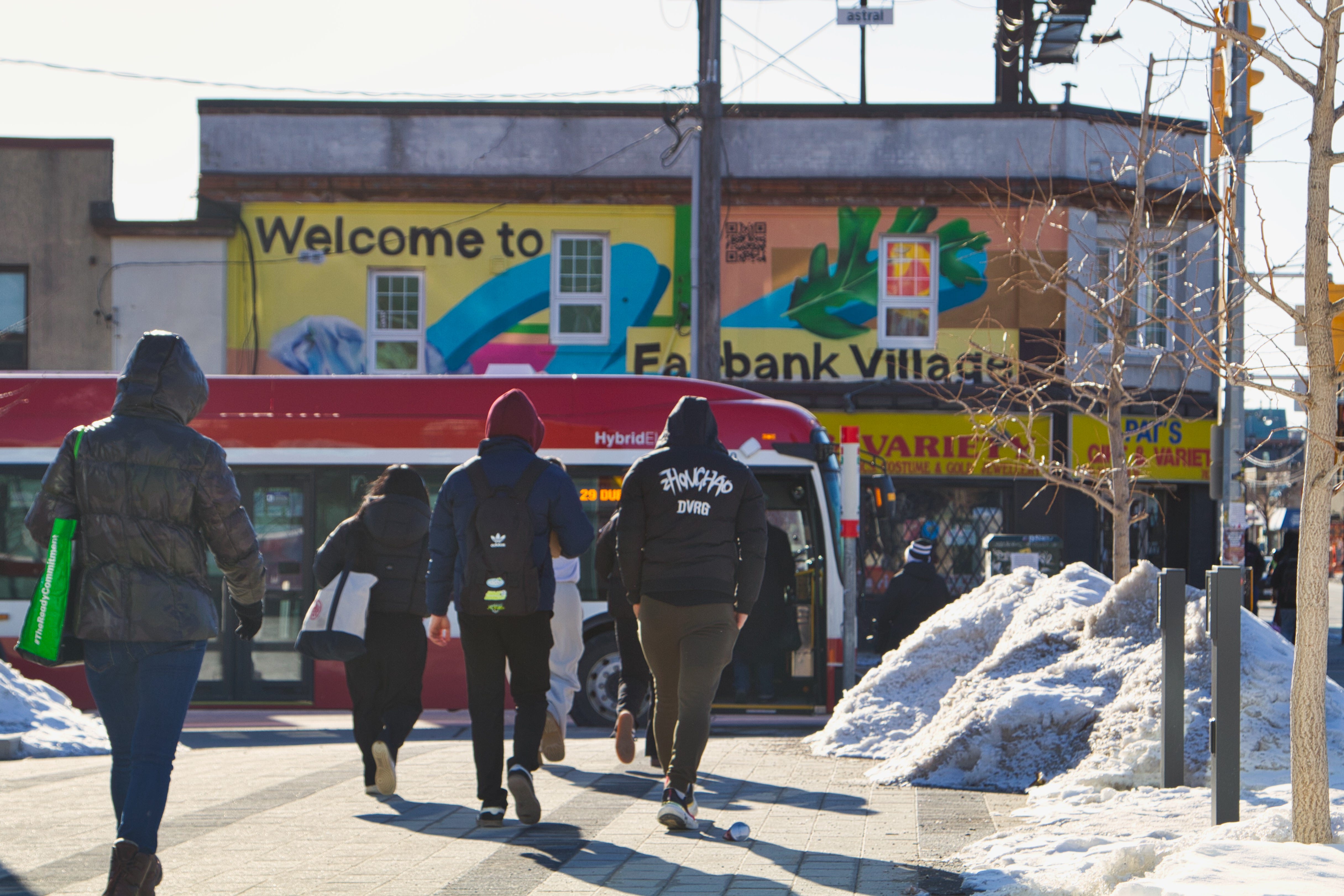
Yes, the Eglinton Crosstown took 15 years to build and cost $13 billion, and I’m not going to belabour on it here. What I will say is this: it’s open, it works, and for most of the journeys most riders will take on it, it genuinely feels like rapid transit. That’s something Line 6, in its current state, fails to deliver.
The speed cap will be lifted. The signal priority is improving. The crowding will be addressed with three-car consists. These are real issues, but they’re solvable ones, which puts Line 5 in a very different category from the structural problems that continue to haunt Line 6.
Toronto’s transit map looks better than it has in decades. The city spent a generation and an enormous amount of money to get here. Whether it was worth it is a conversation for another day. For now, I’ll take it.
No posts
Comments
Nothing yet. Say the first thing.
Sign in to join the conversation.