
Cleveland was an important stop on my Lake Erie itinerary. Because I'd booked a hotel near Cleveland Hopkins International Airport, I ended up riding the Red Line quite a bit. As my Uber driver put it, riding the metro in Cleveland gives you a complete urban experience of this remarkable city: the good, the bad, and the ugly.
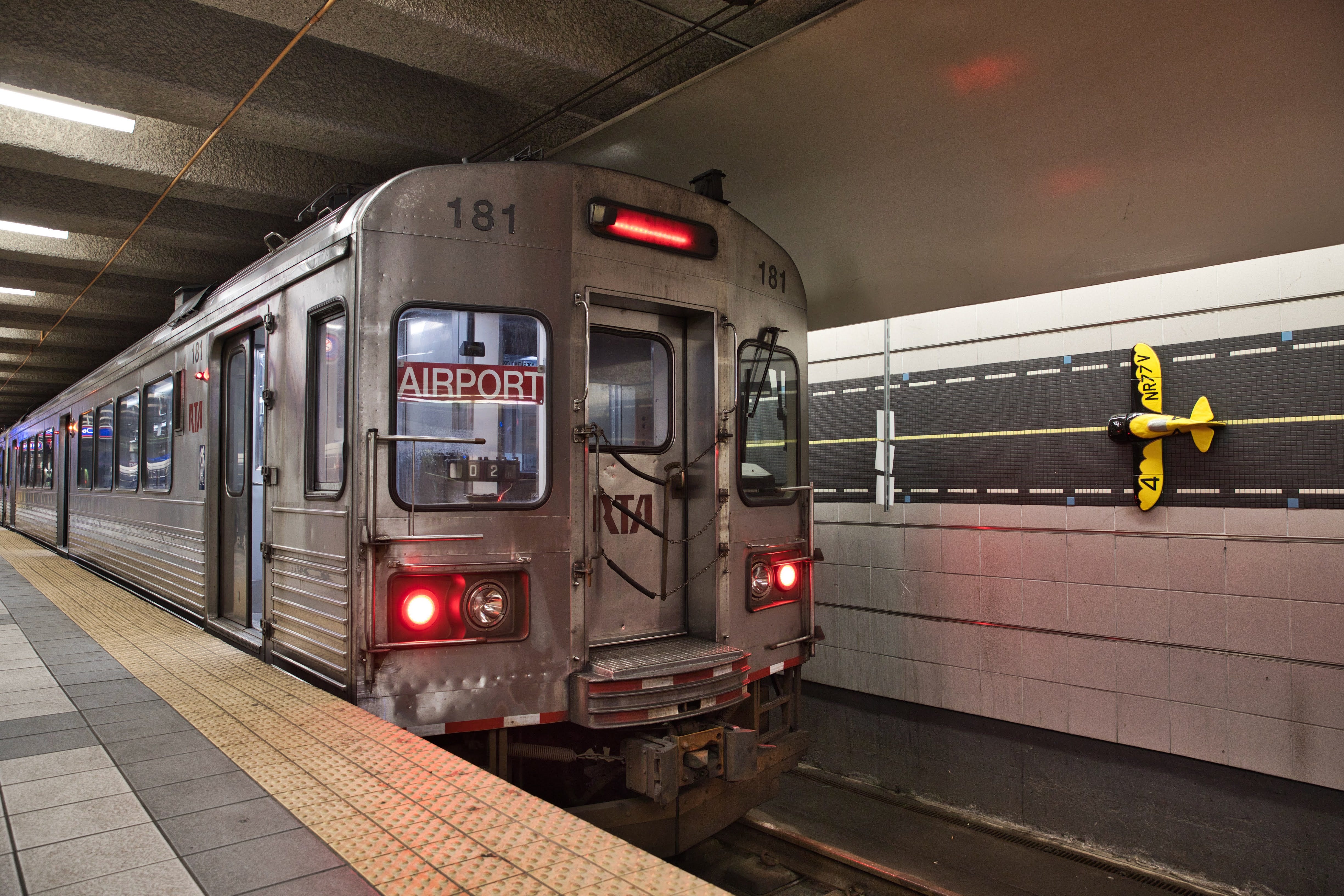
In retrospect, I could clearly see that Cleveland's public transportation system, RTA - including trains and buses - is declining, even though the city established a special 1% county tax to fund the RTA and keep it off state and federal support. That tax has, in fact, allowed the system to stay afloat against strong headwinds, and to buy and maintain rolling stock and stations that are generally in good condition. But even a dedicated tax can't fully shield a system when the local economy tanks. And it doesn't change the basic fact: people just don't ride the trains and buses in Cleveland, which means poor frequency, which in turn means even less reason to ride. Check the RTA website and you'll find a handful of bus routes slated for service reduction or discontinuation, and the entire Waterfront Line shut indefinitely as of December 2025 - unless the Browns are playing at home.
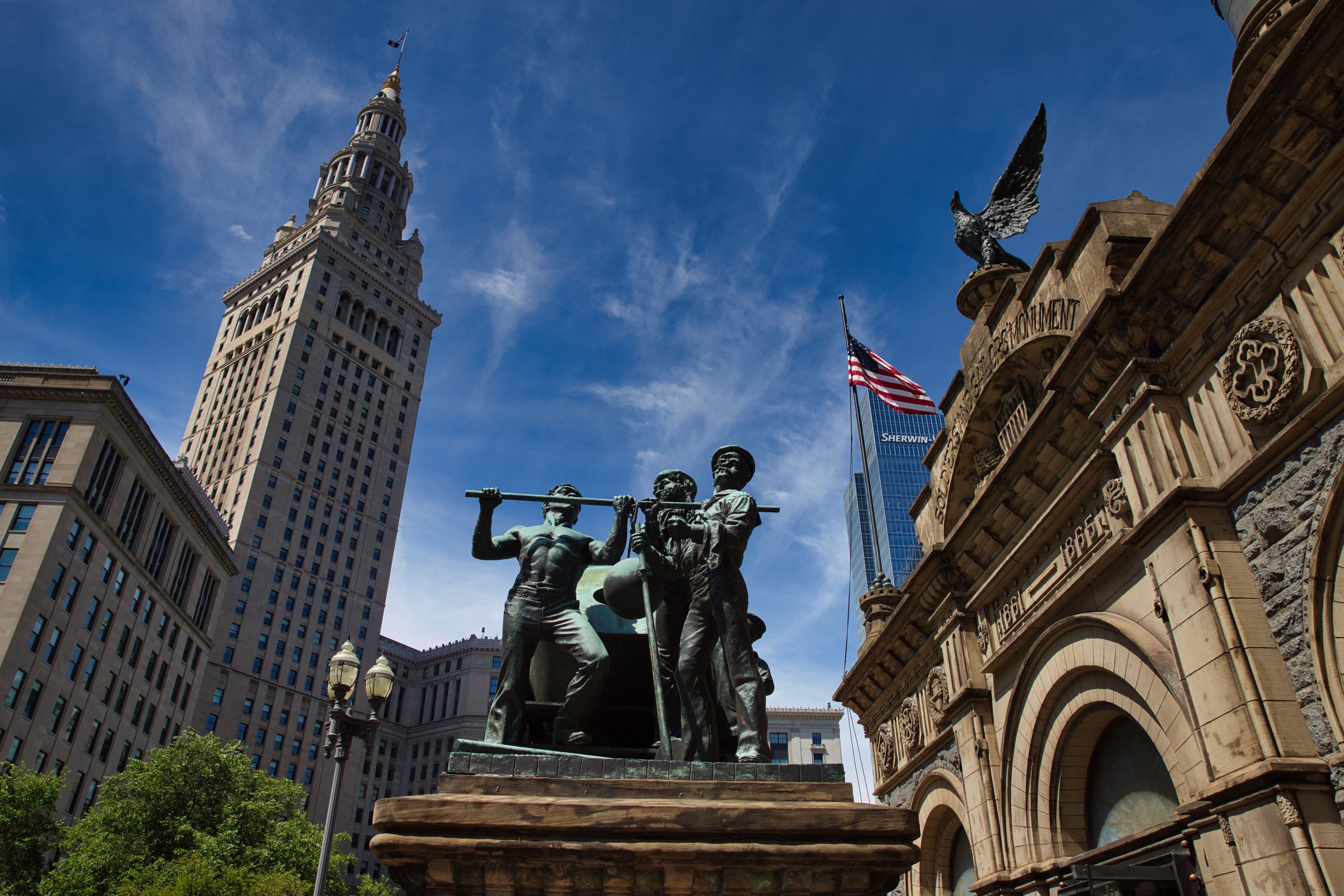
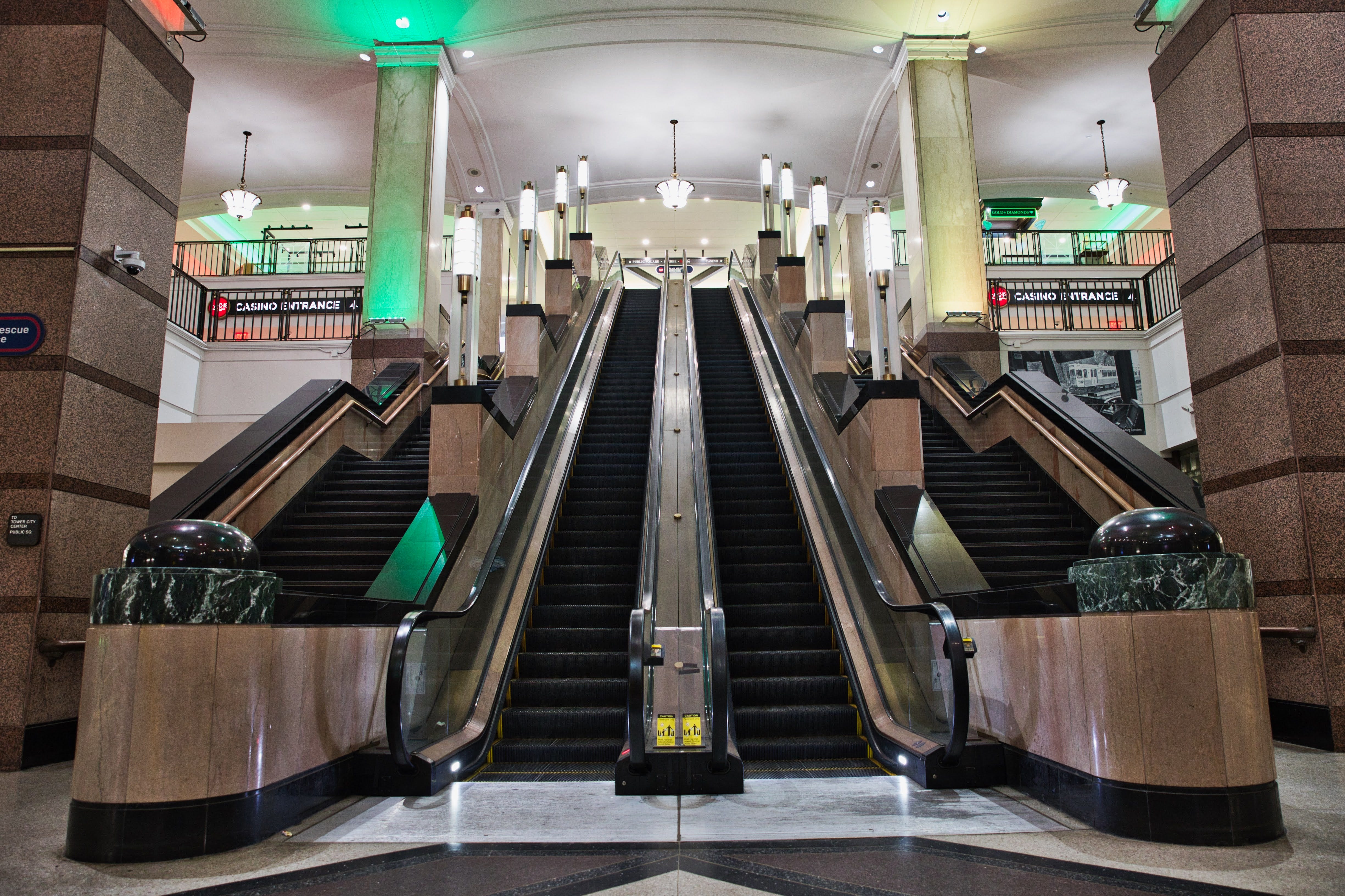
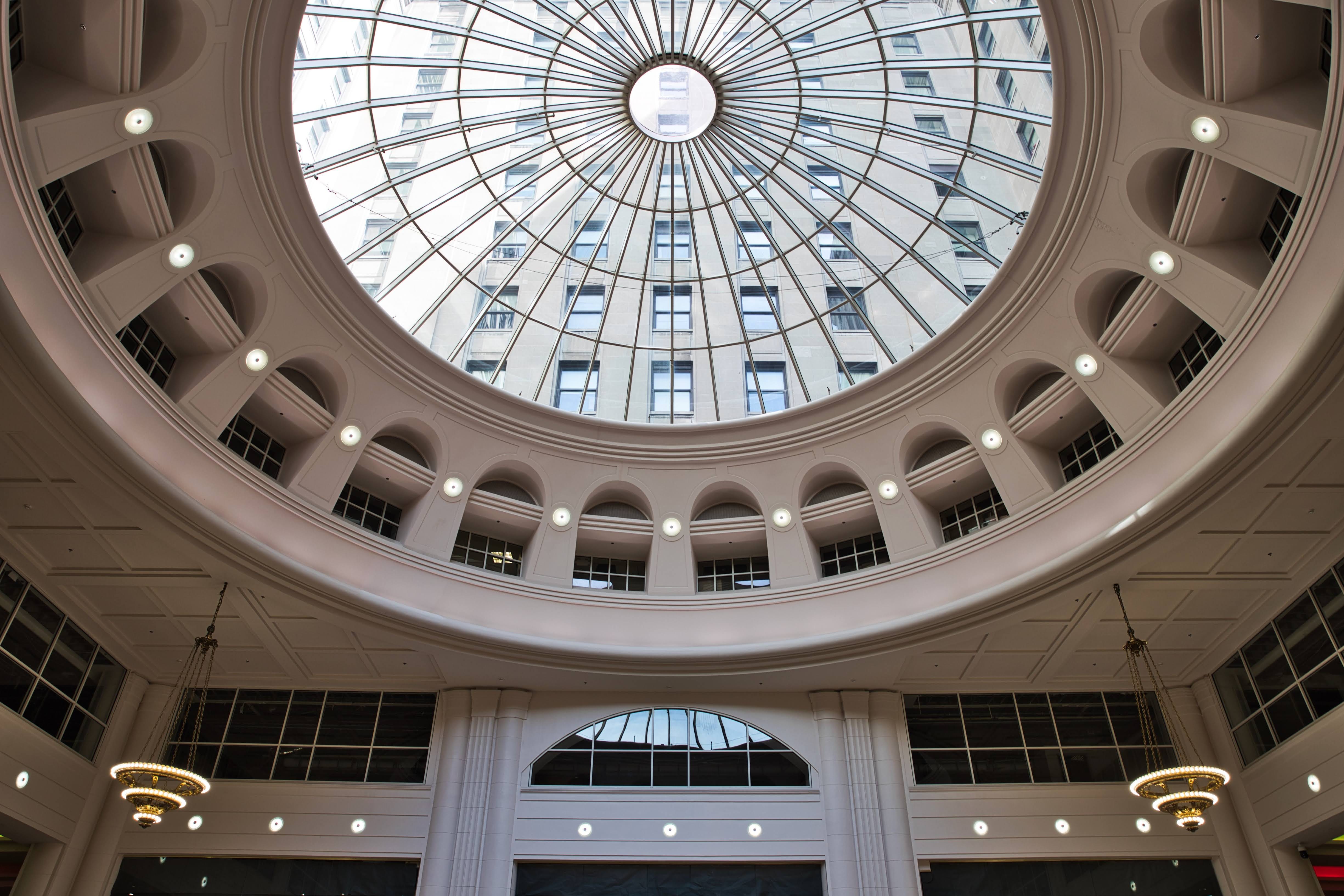
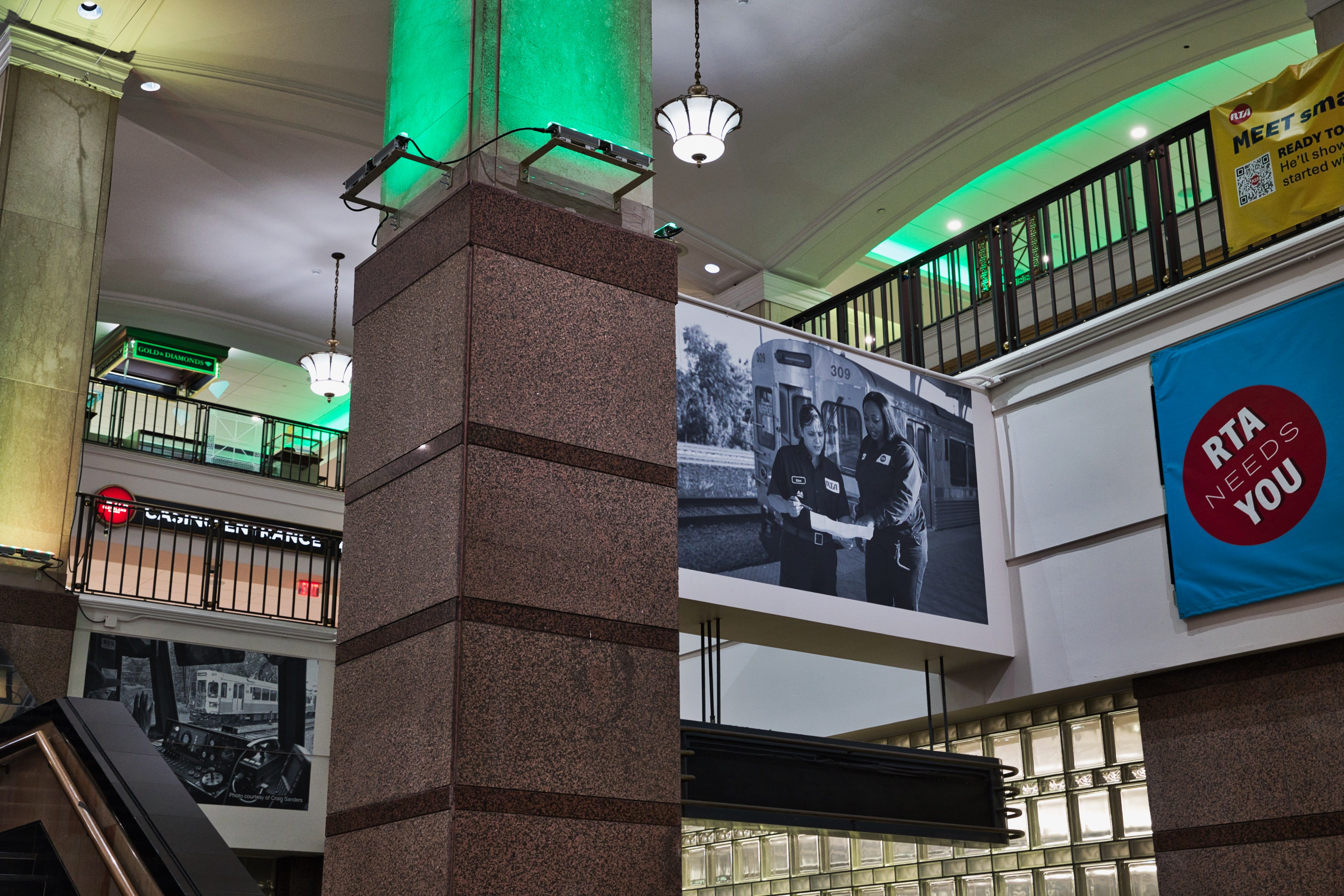
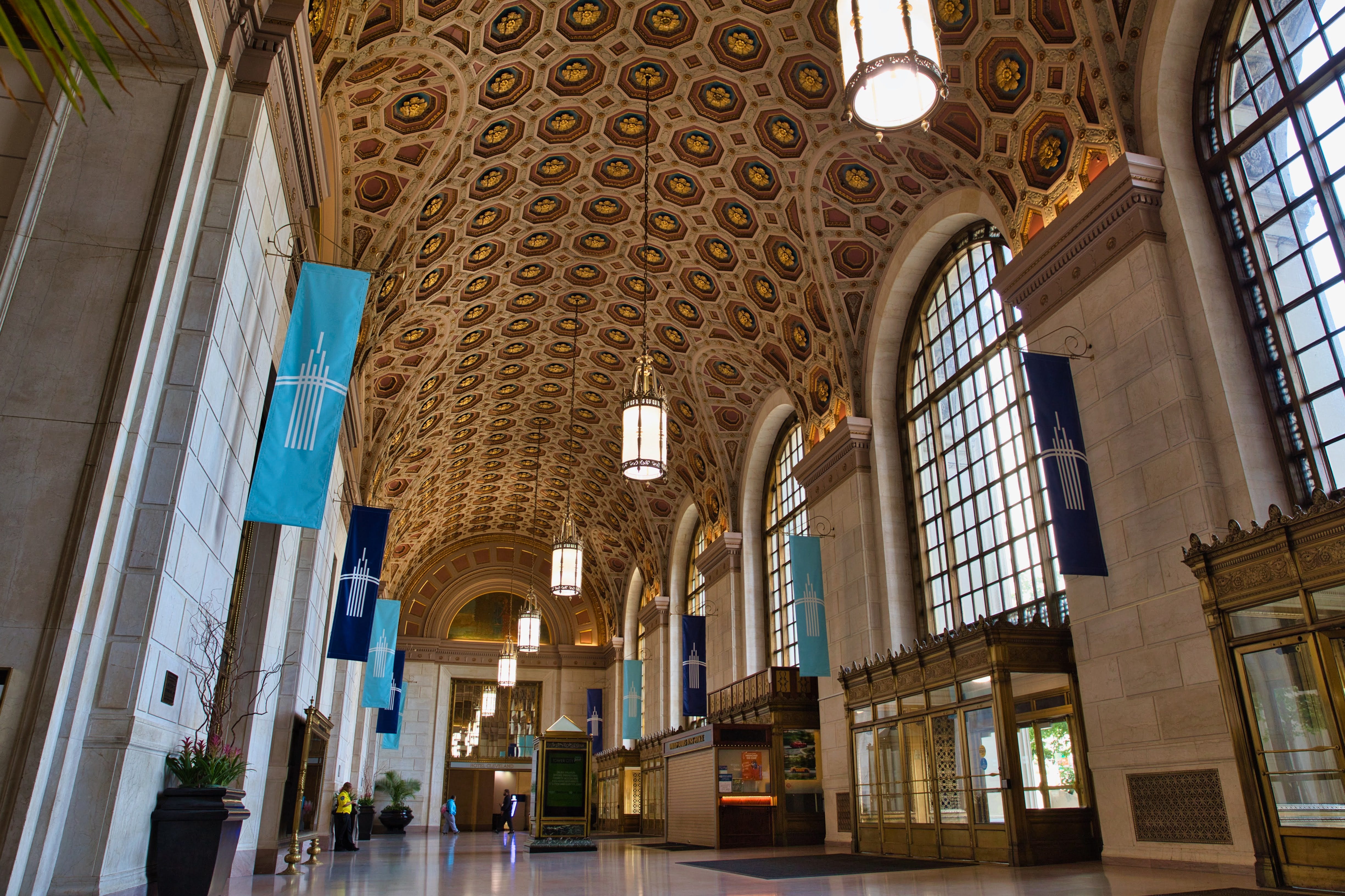
Tower City Center is the major station worth mentioning. It’s housed in the former Union Station, among the largest Union Stations ever built. Cleveland was one of the wealthiest cities in America around the turn of the last century, and it definitely shows. Once the train gets to Tower City Center, it’s right underneath the Tower City Center itself, because the building sits on a hill.
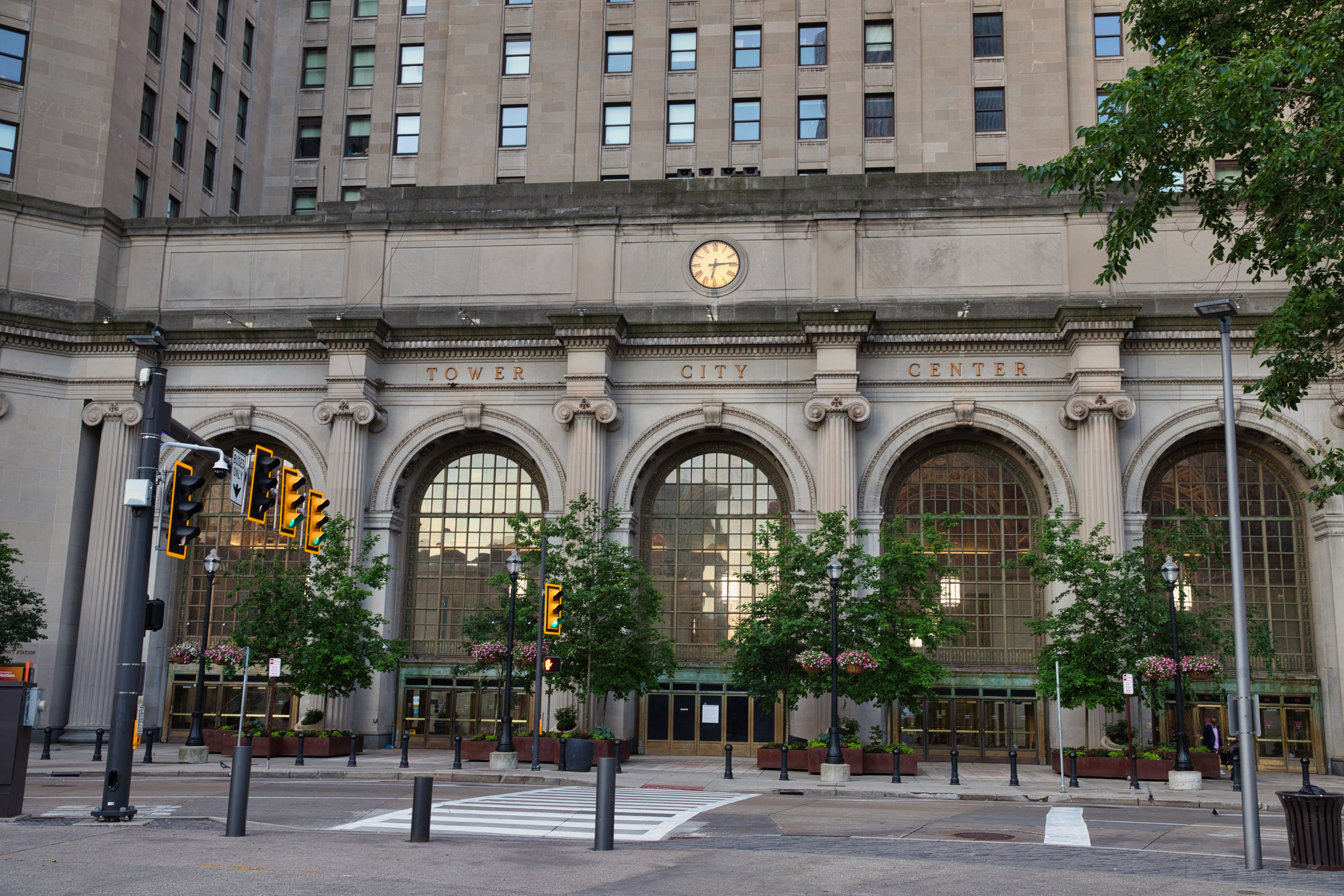
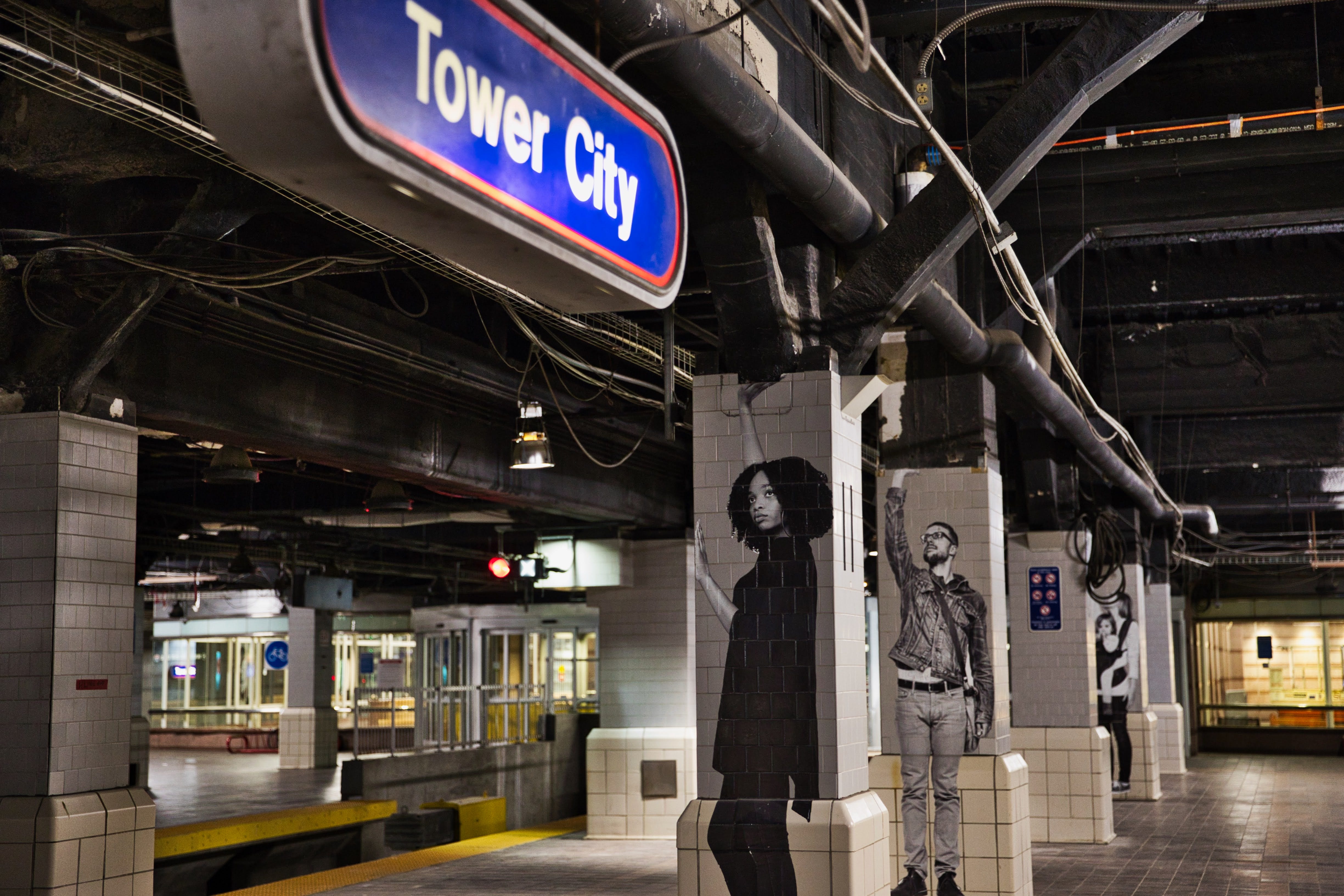
Underneath, all three metro lines converge underground, then share the tracks for two more stations going east. Interestingly, because the Red Line trains have high-floor doors and the Blue and Green trains have low-floor doors, they stop at different places on the same platform.
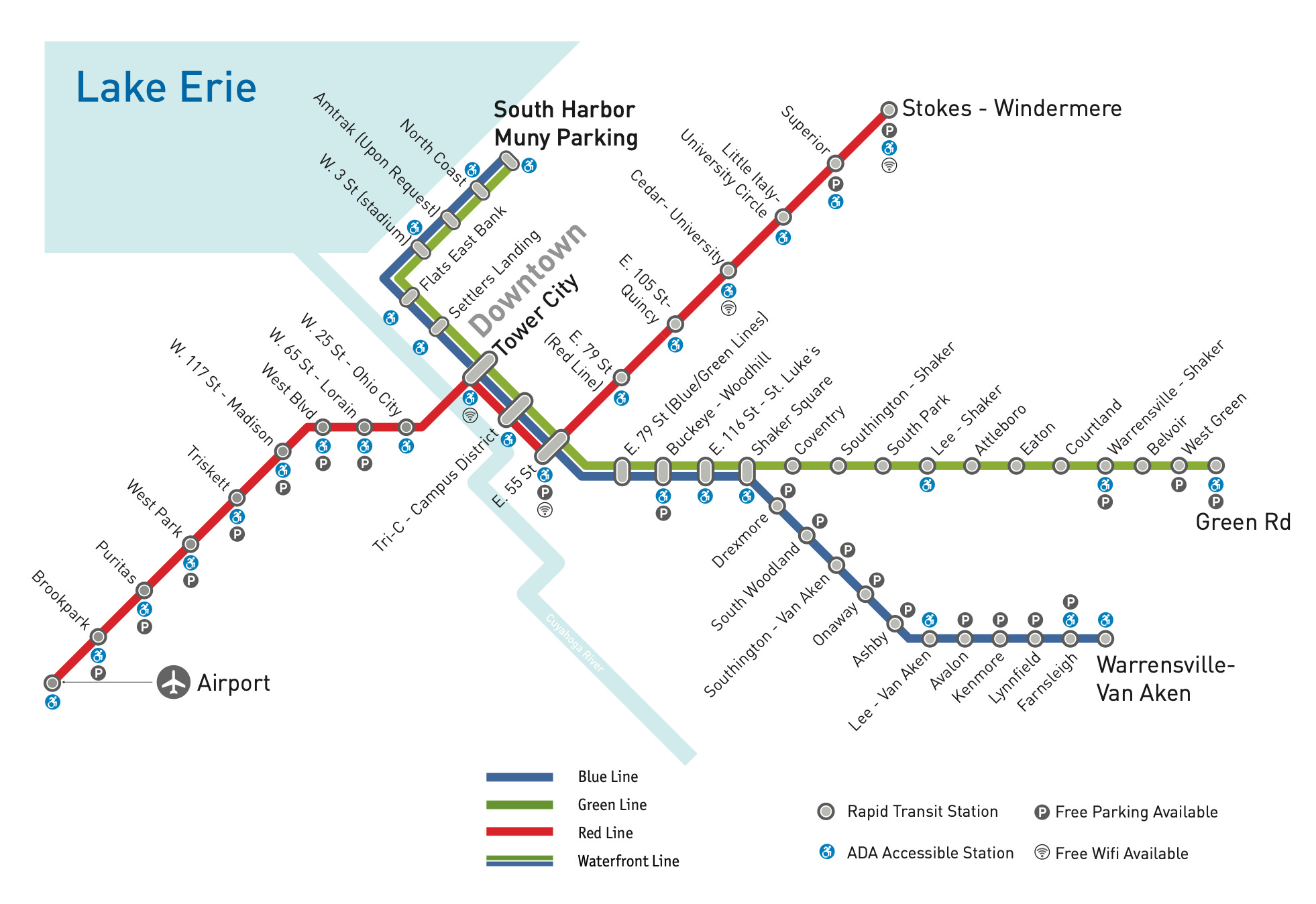
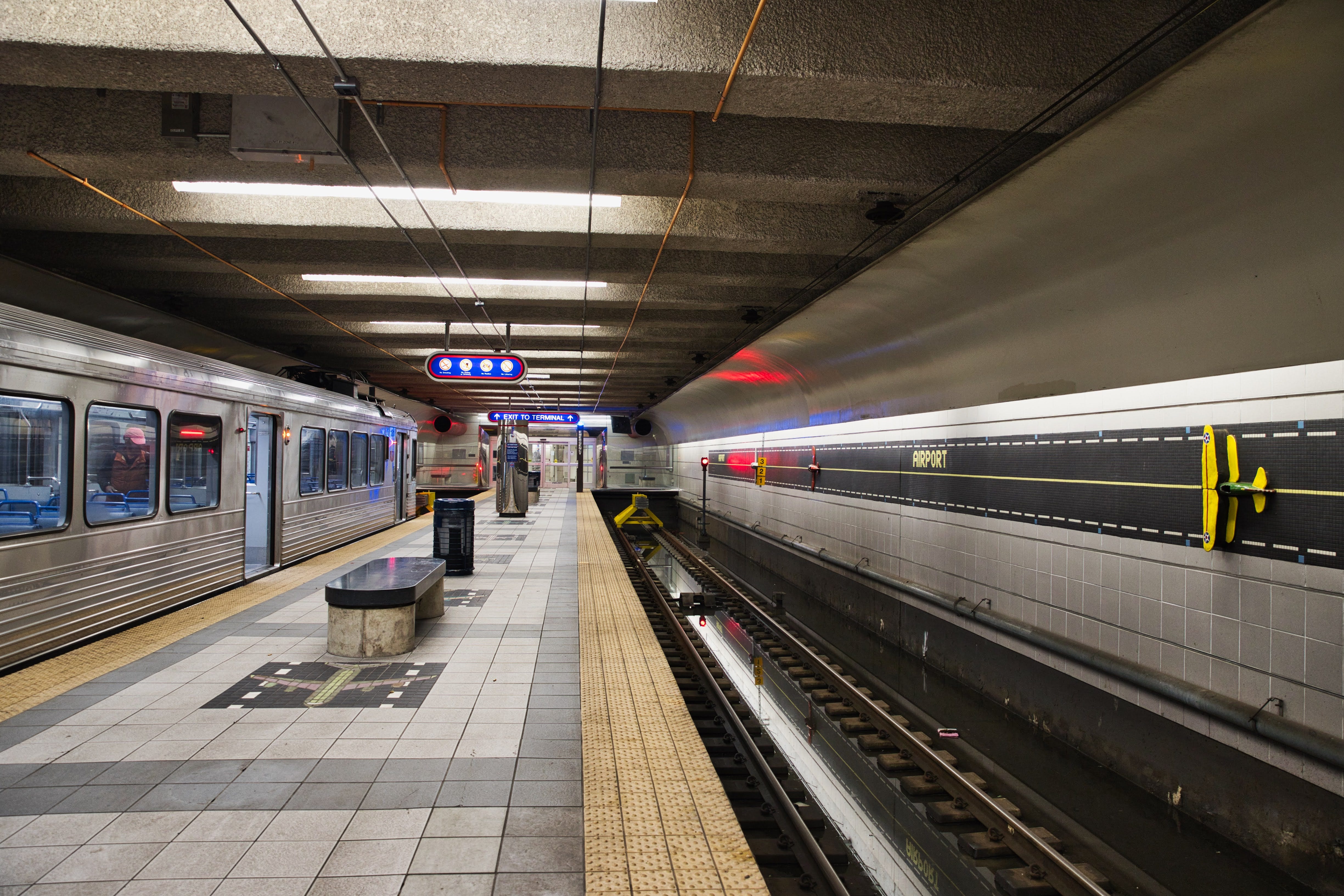
The Airport station is also quite remarkable. When the station opened in 1968, Cleveland was the first city in the western hemisphere to provide a direct rapid transit connection from a city’s downtown to its major airport.
Going east from downtown, the Red Line serves Cleveland State University and Little Italy. The latter is such a nice little neighbourhood, with quaint cafes, family restaurants, and nice stores. It was definitely worth going there to have a cup of coffee with a fresh cannoli. A special big “Thank You” to my readers who suggested I should go there!
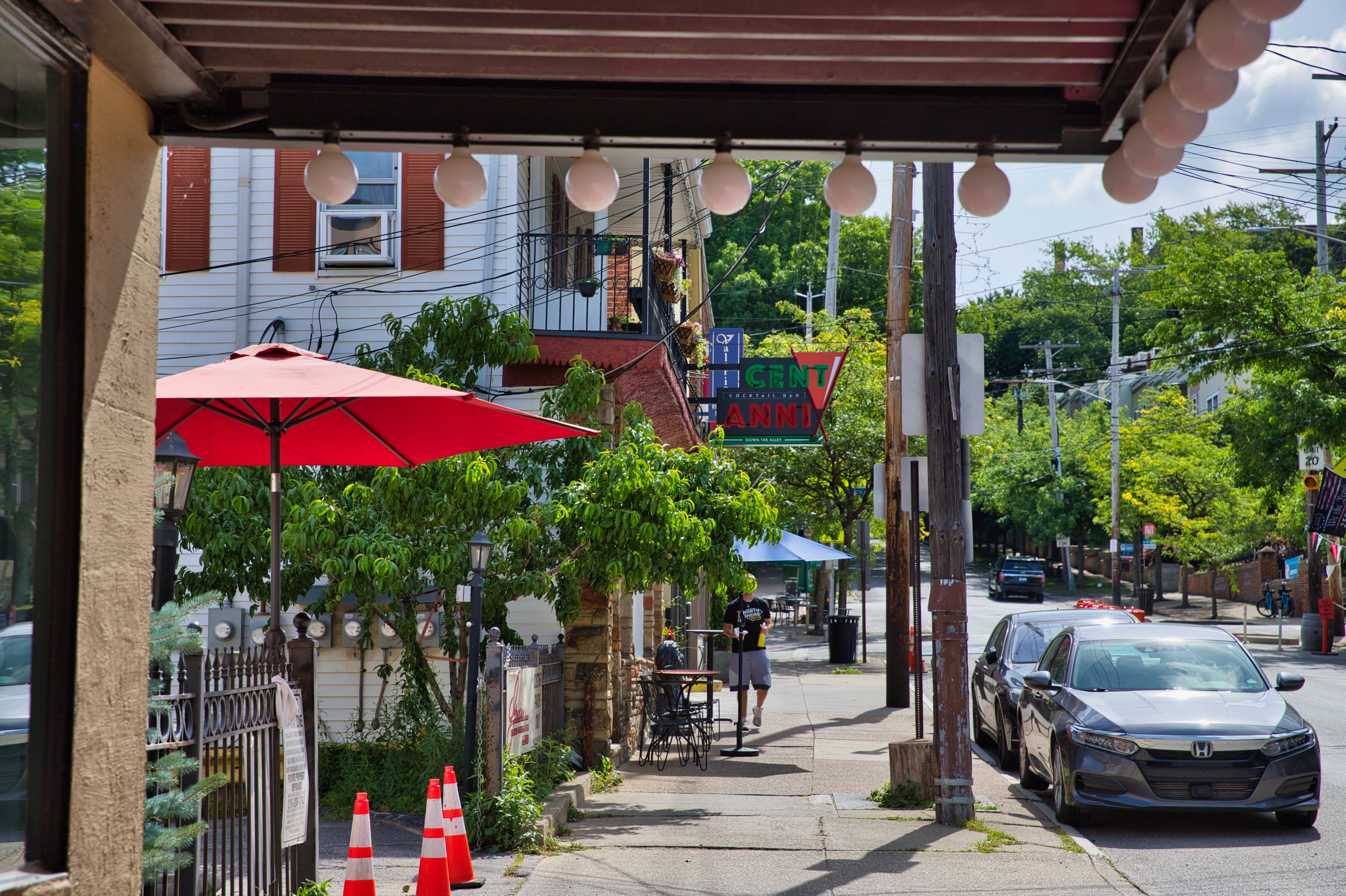
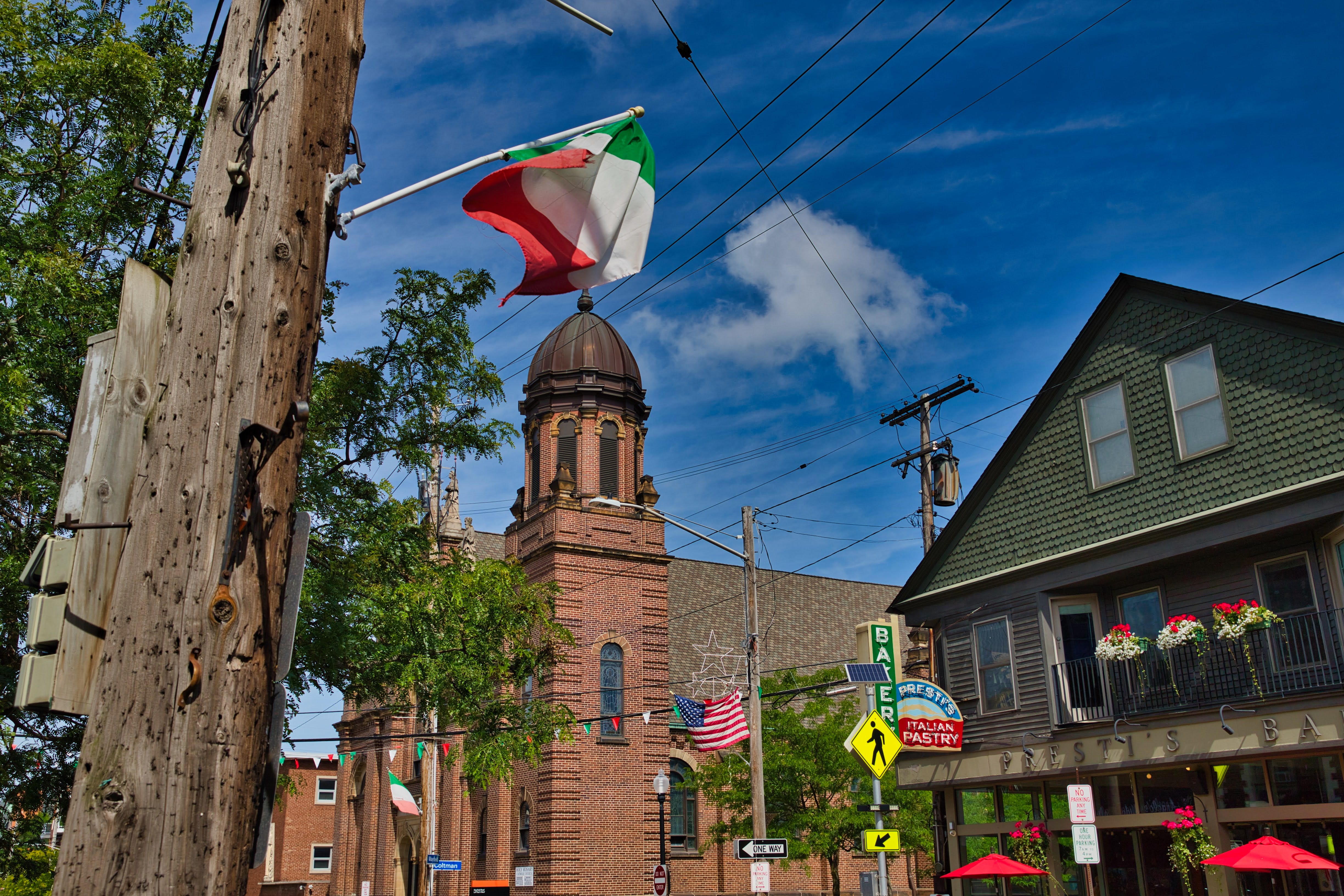
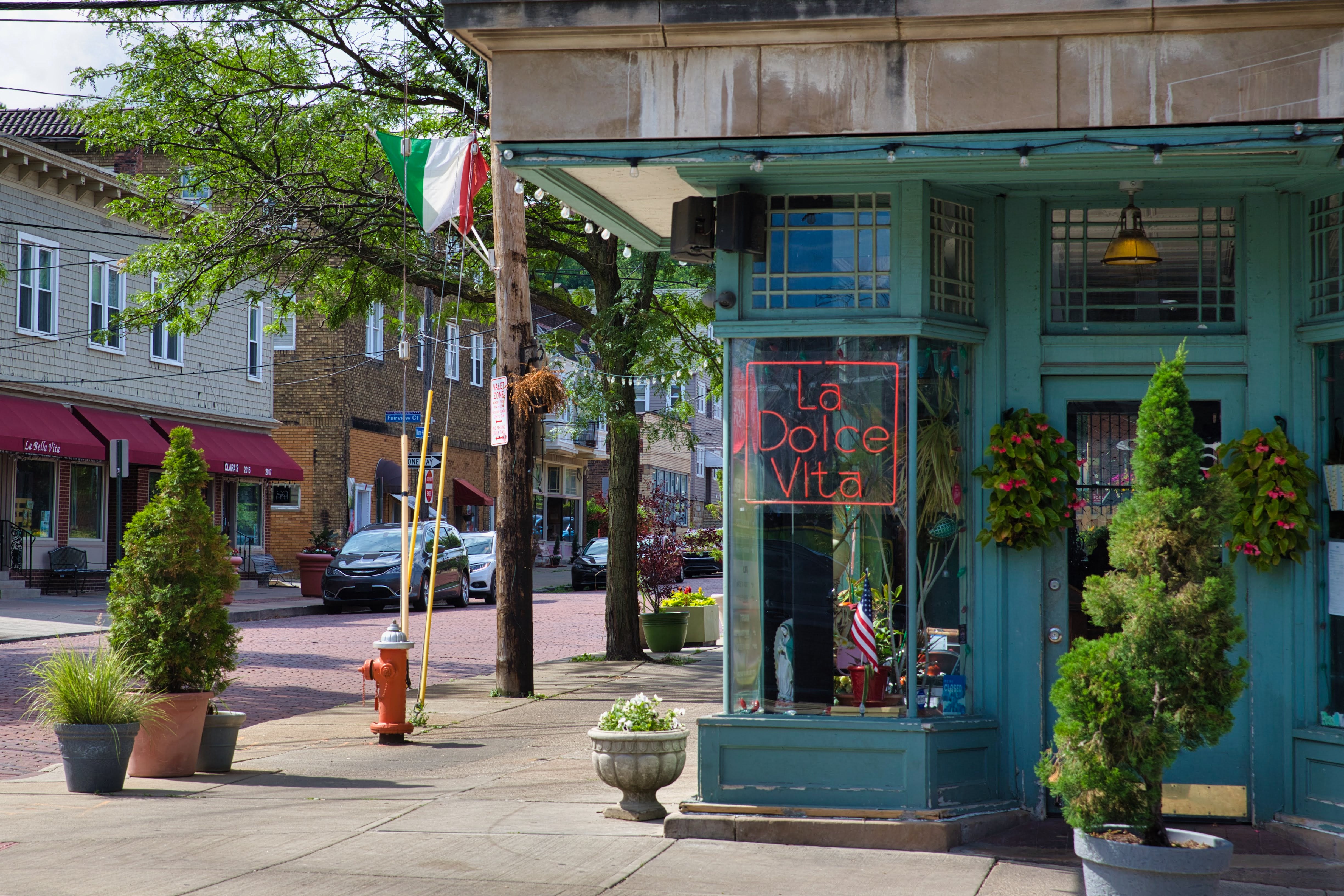
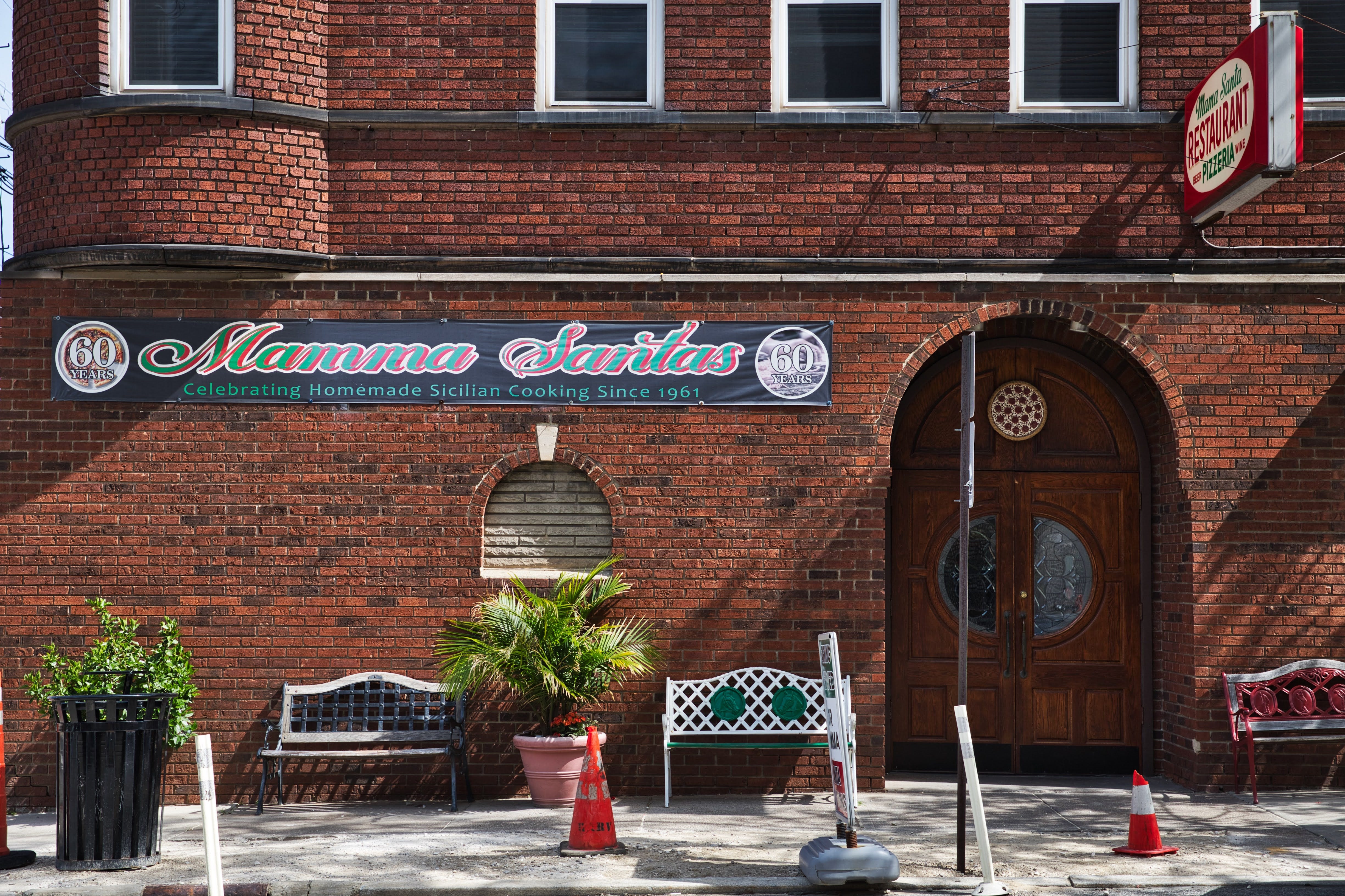
Most stations I saw were nice and clean. I also enjoyed the art touches: I can tell Cleveland went above and beyond to attract riders. But I think it’s an unfortunate trend for the US in general, but especially in rust belt cities - people don’t feel like riding a metro, whether it’s due to work moving out of downtowns, or safety concerns, or just that the stations are inconveniently located. A train enthusiast like me was rare enough that a driver actually asked why I was taking pictures as I stepped off in Little Italy.
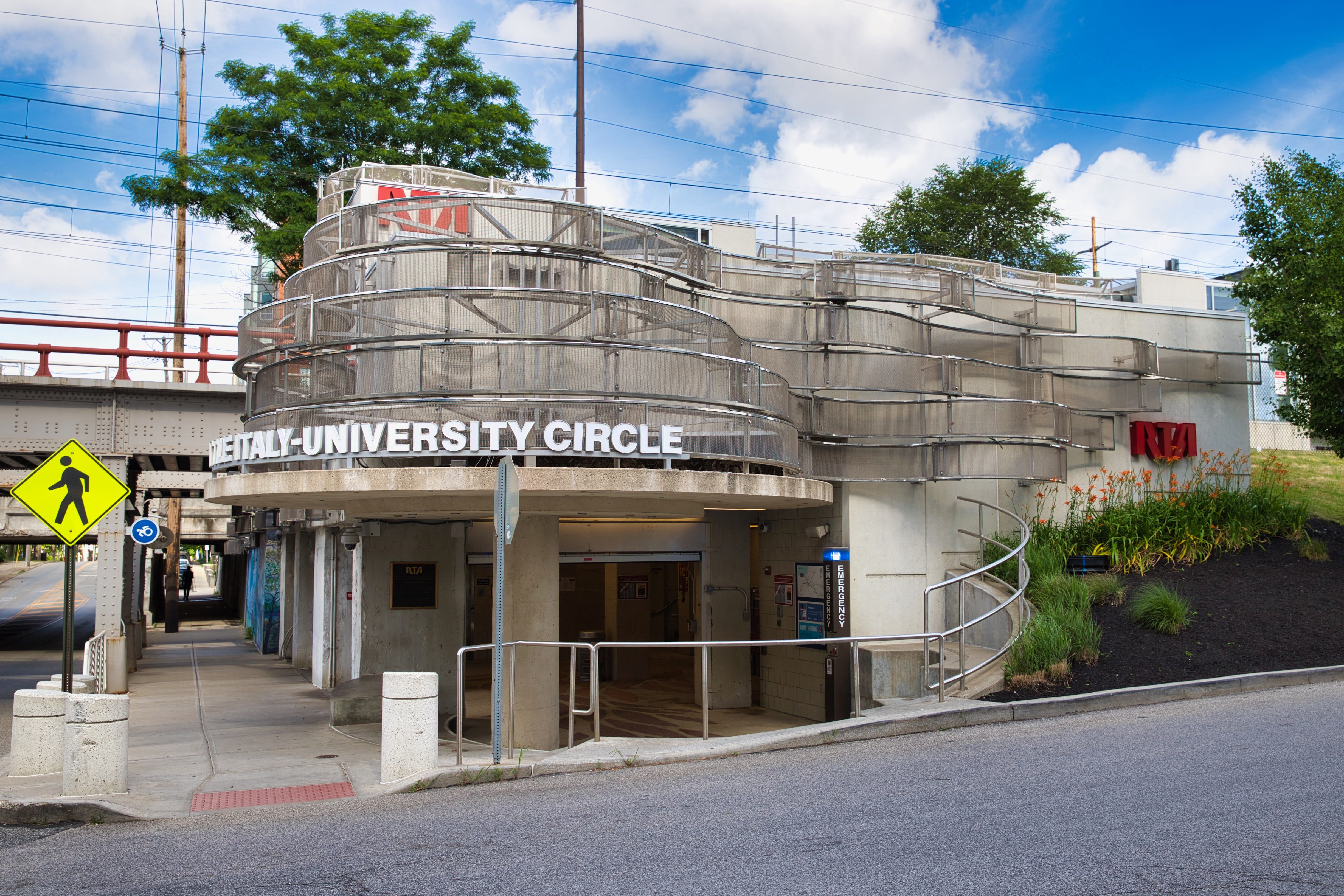
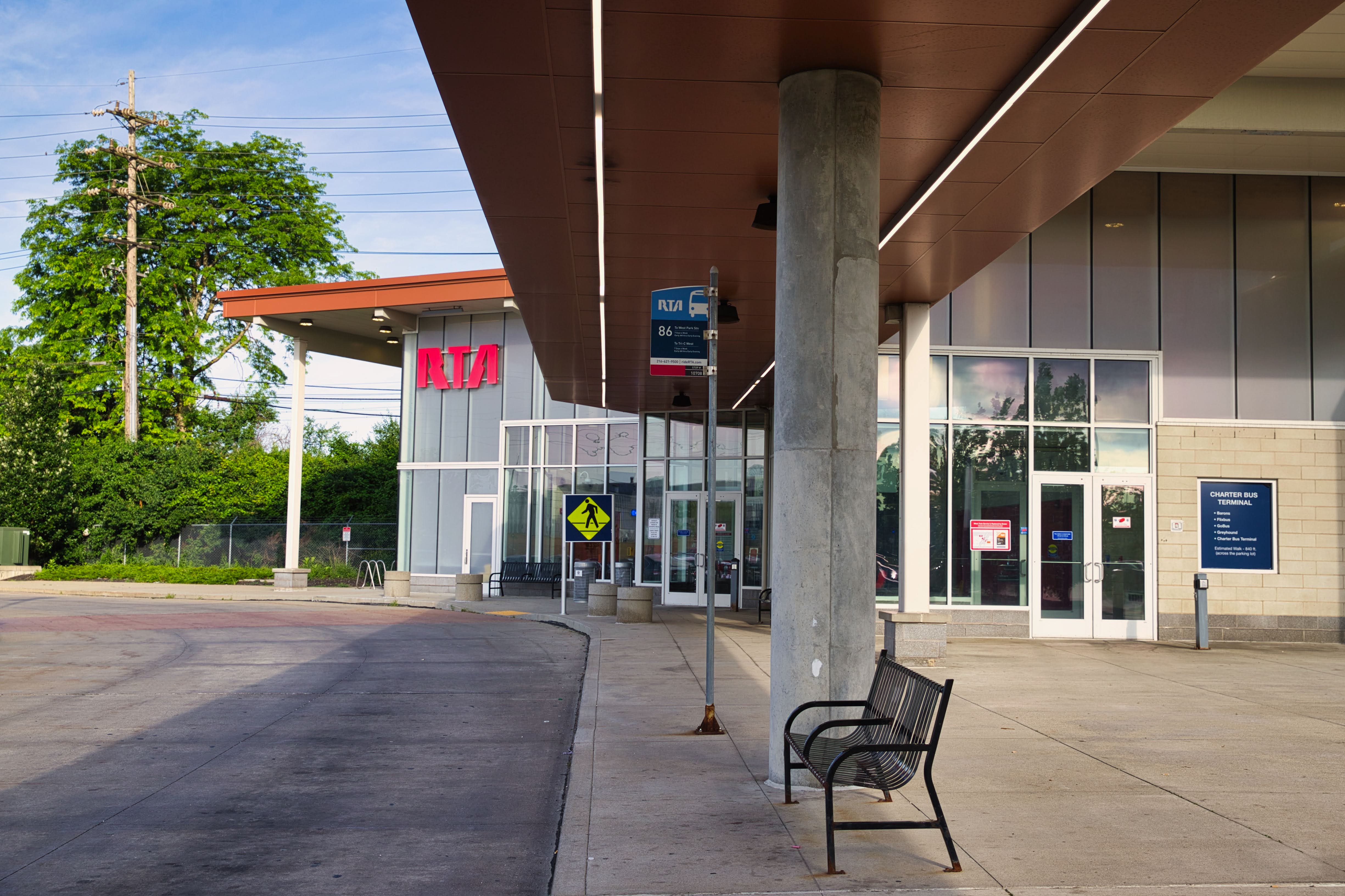
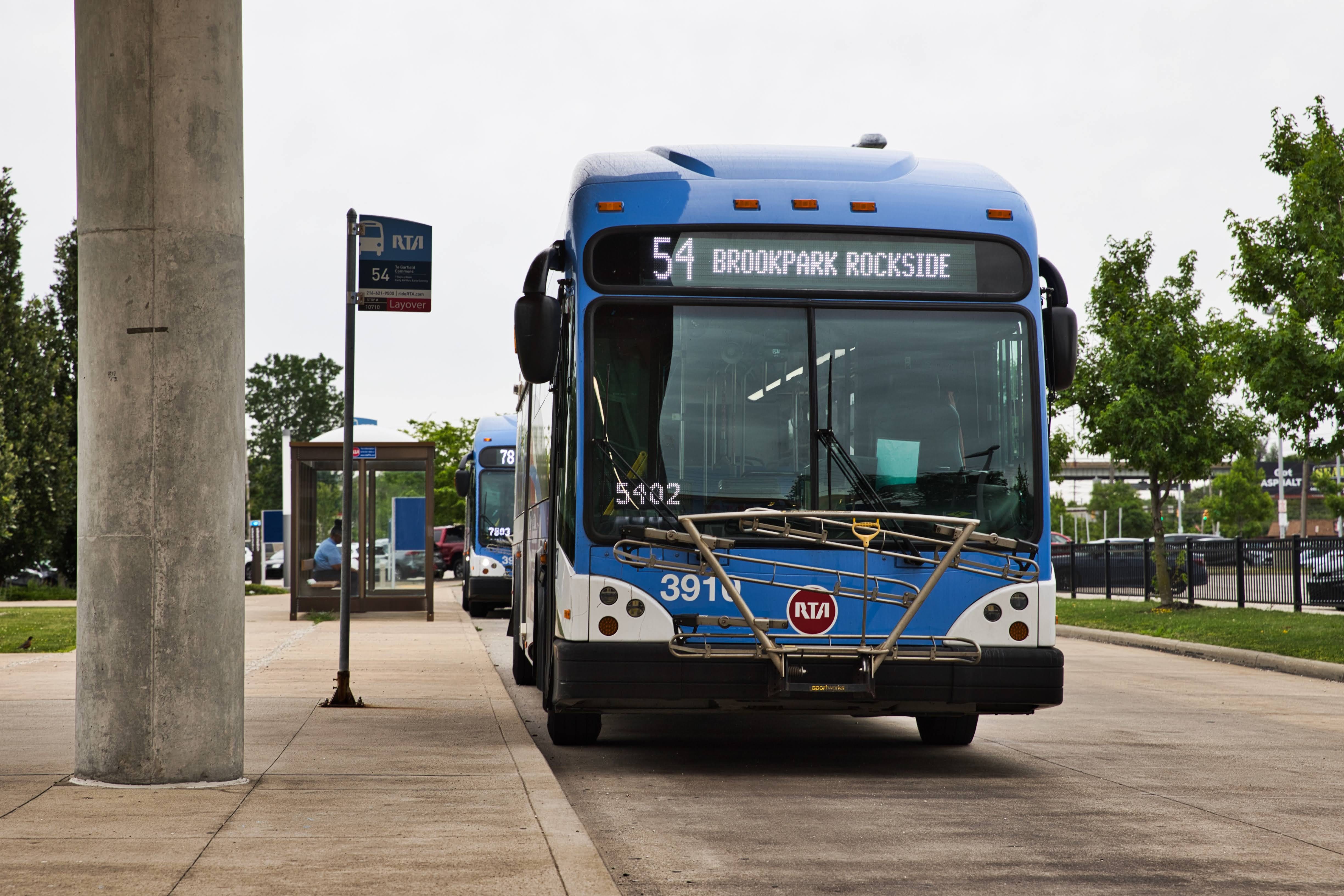
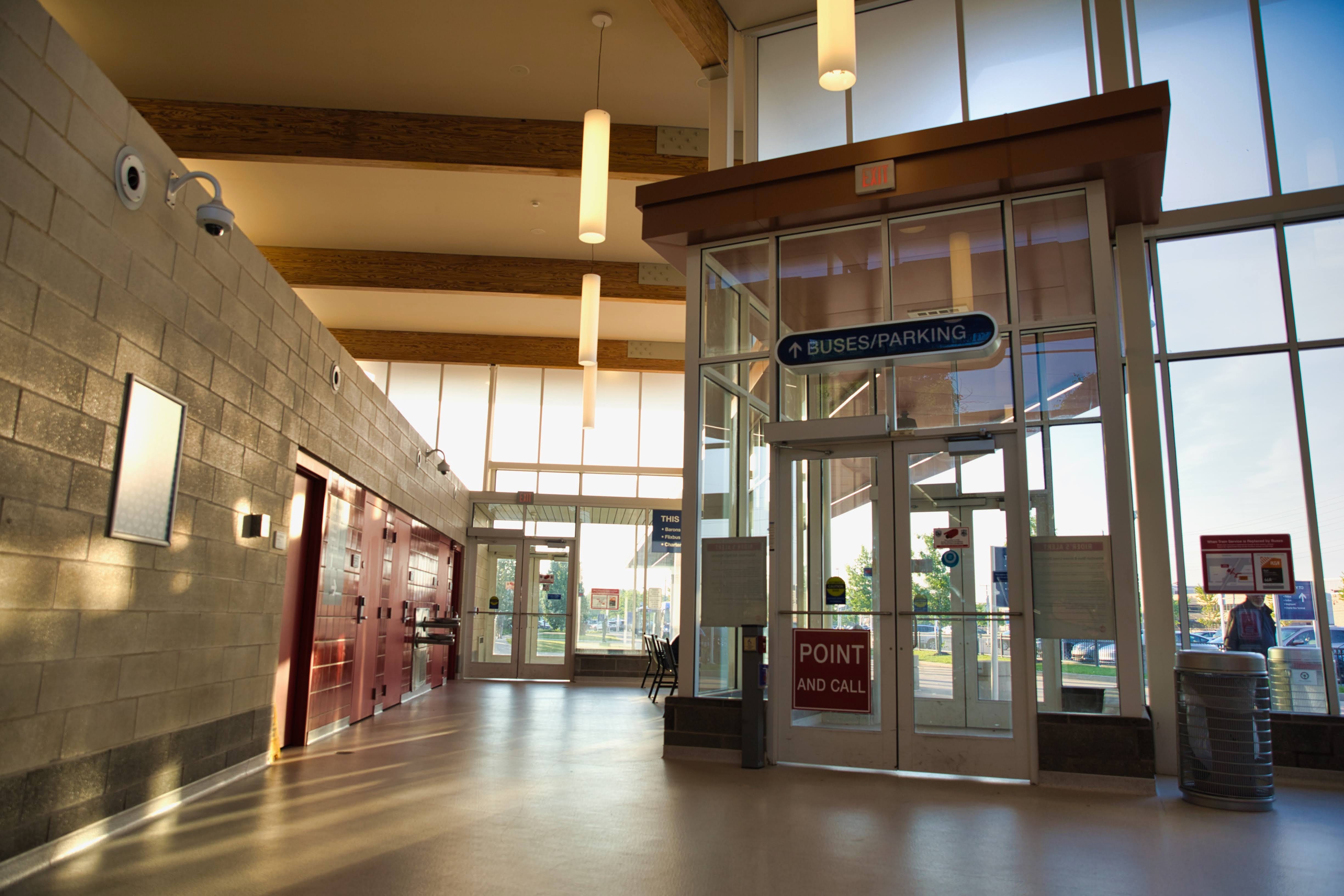
As for the Red Line, I’ve seen very little high-density development near its stations. The most popular stations were those with big park-and-rides. This is no surprise, given most of the line from the airport to downtown follows a former New York Central right of way.
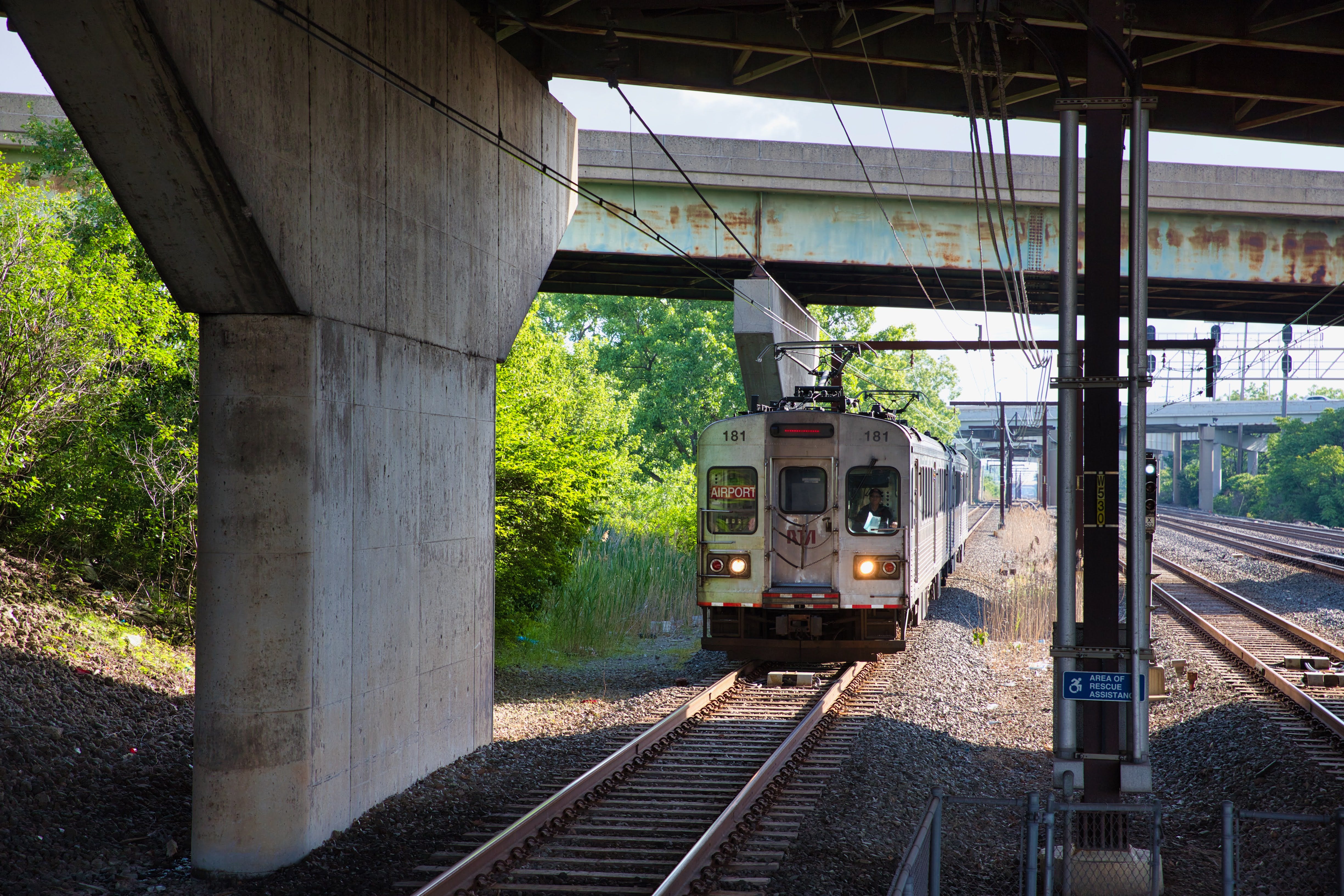
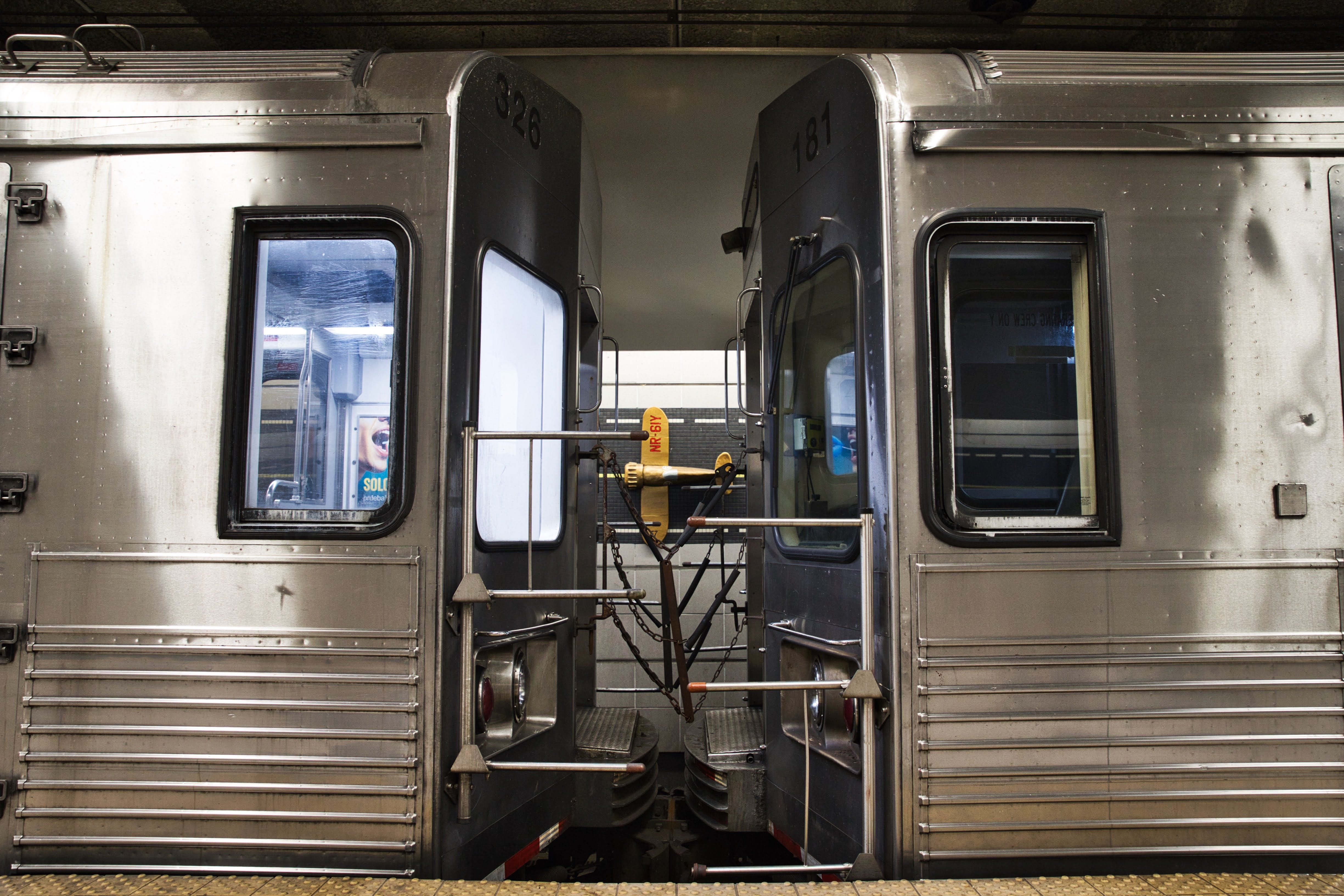
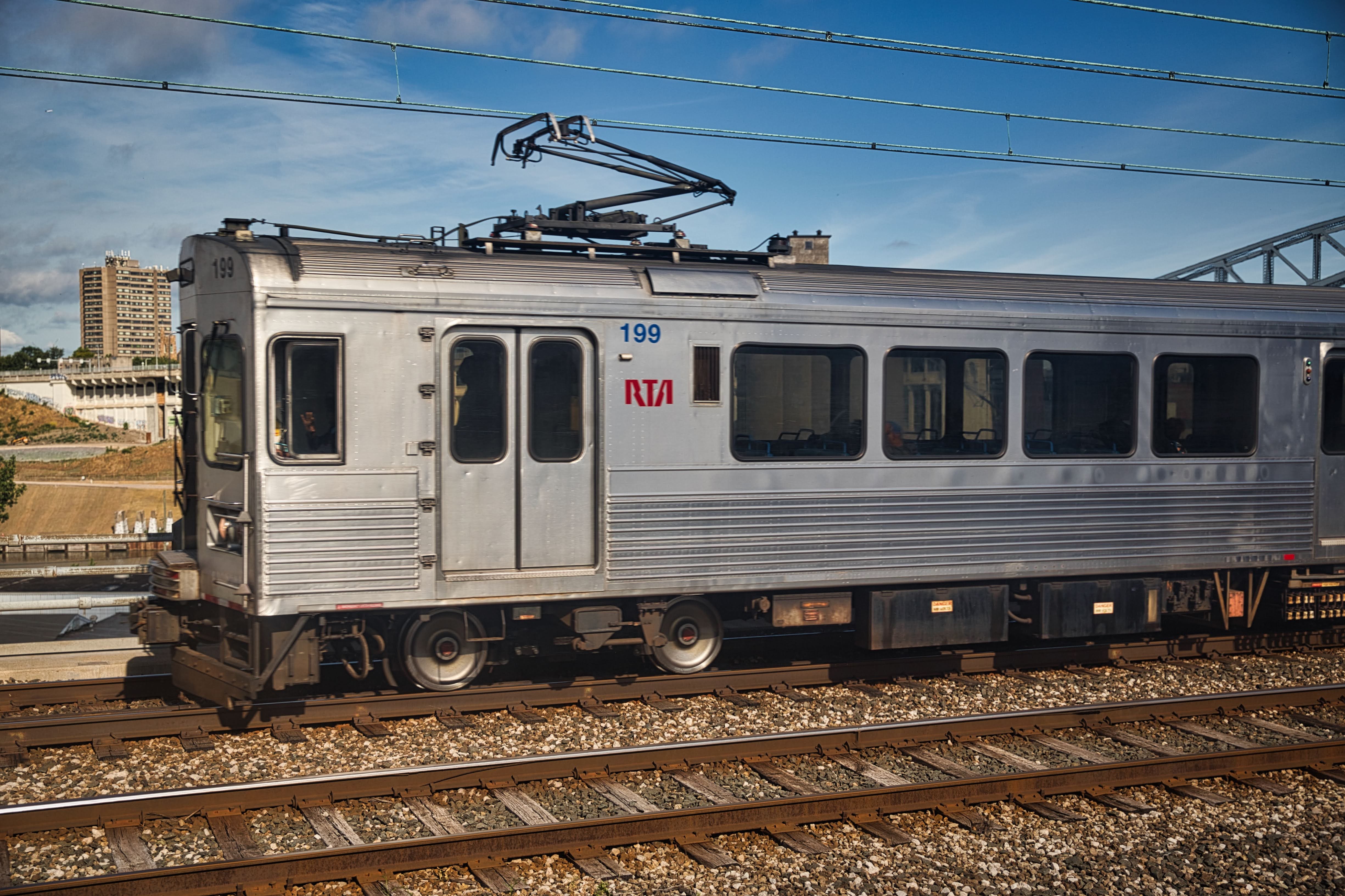
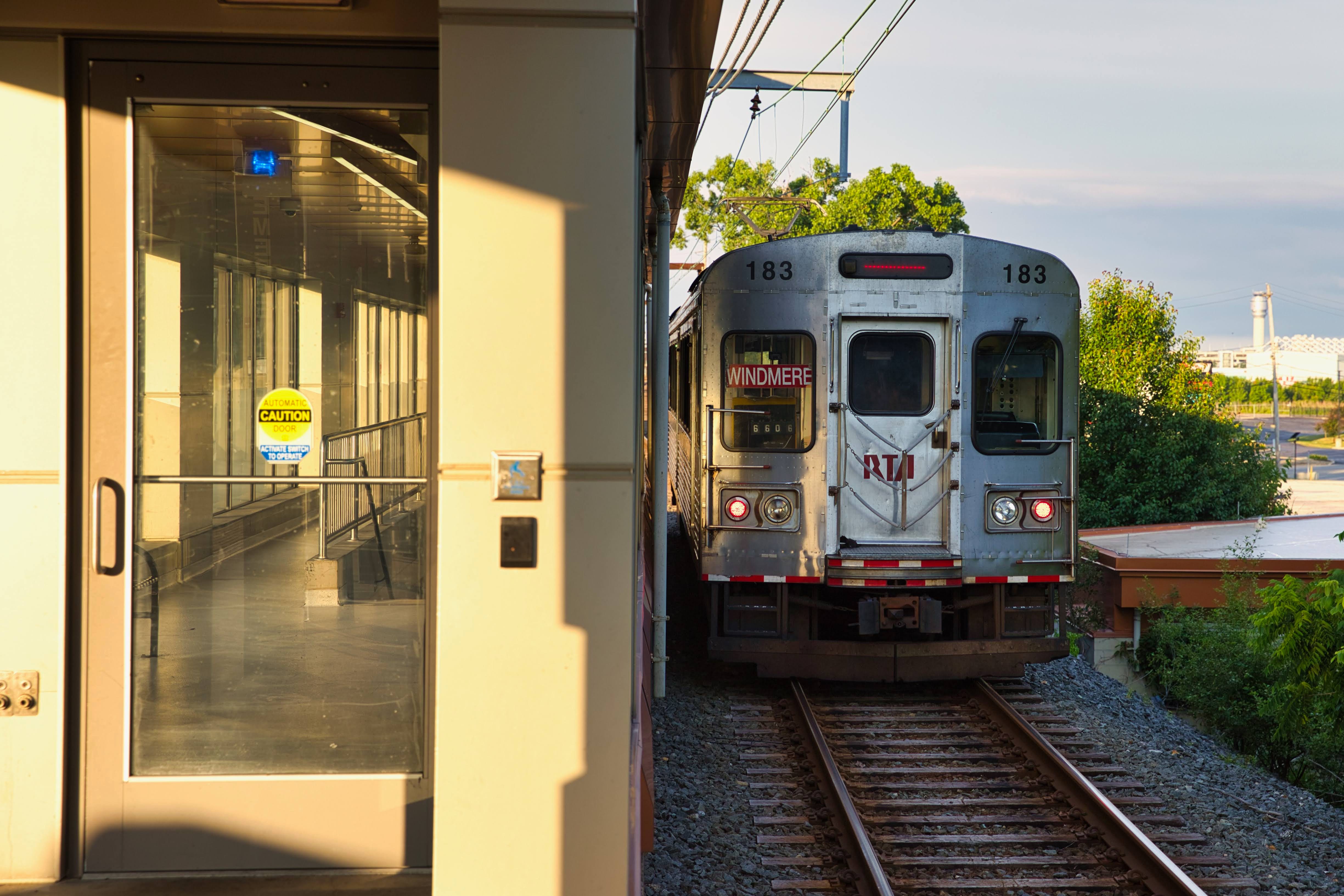
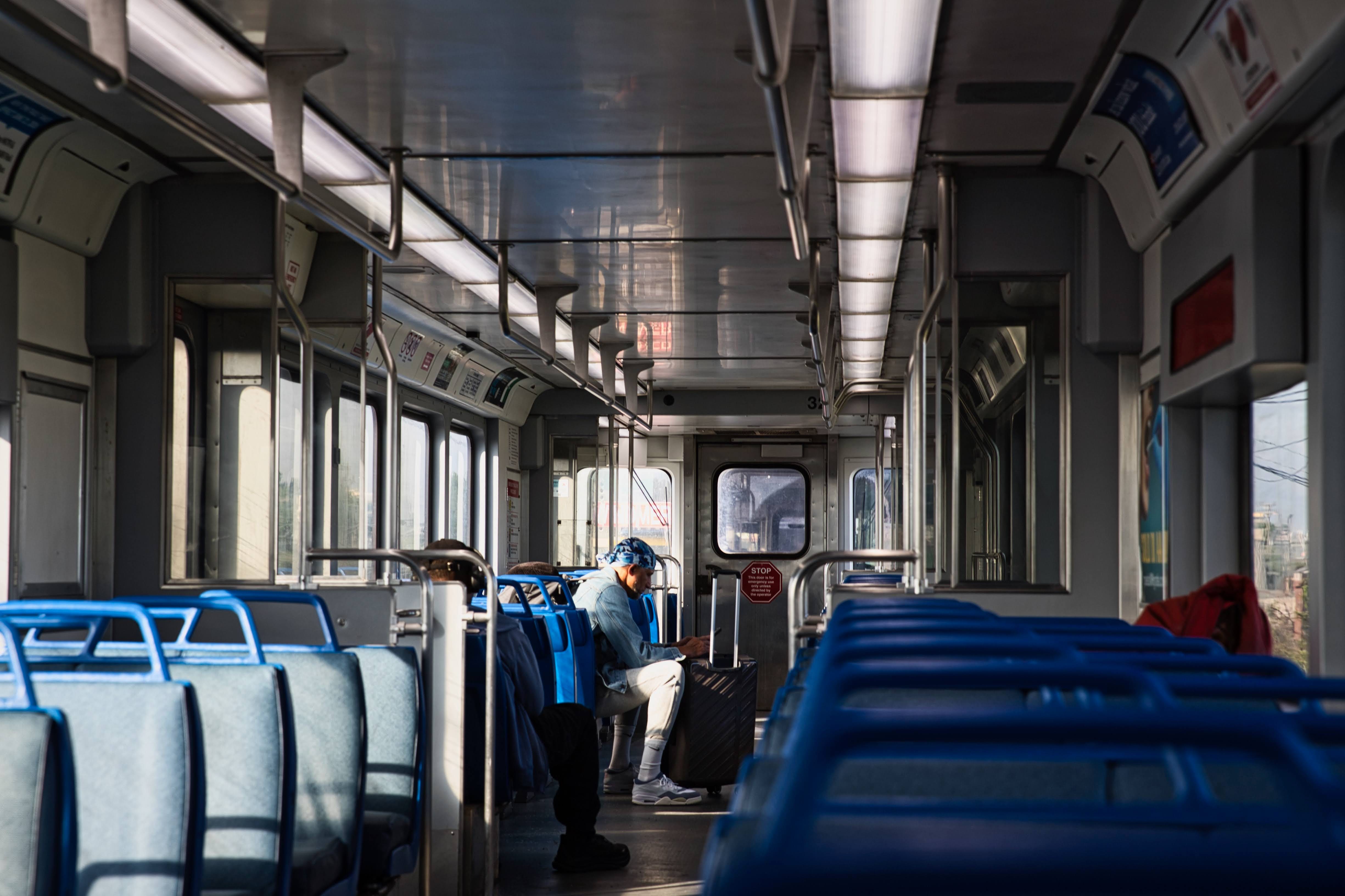
The trains are old and honestly look like kitchen appliances, but they are nonetheless quite comfortable inside. The seats are especially cushioned: I don’t think I’ve seen seats this comfy on any metro system in North America. It kind of reminds me of Japan. And guess what: I checked Wikipedia and voilà - these trains were built by the Japanese manufacturer Tokyu in the mid-1980s! The only complaint about comfort is that there isn’t much leg room between the seats. I guess RTA could have easily removed 30% of the seats given the low ridership anyway.
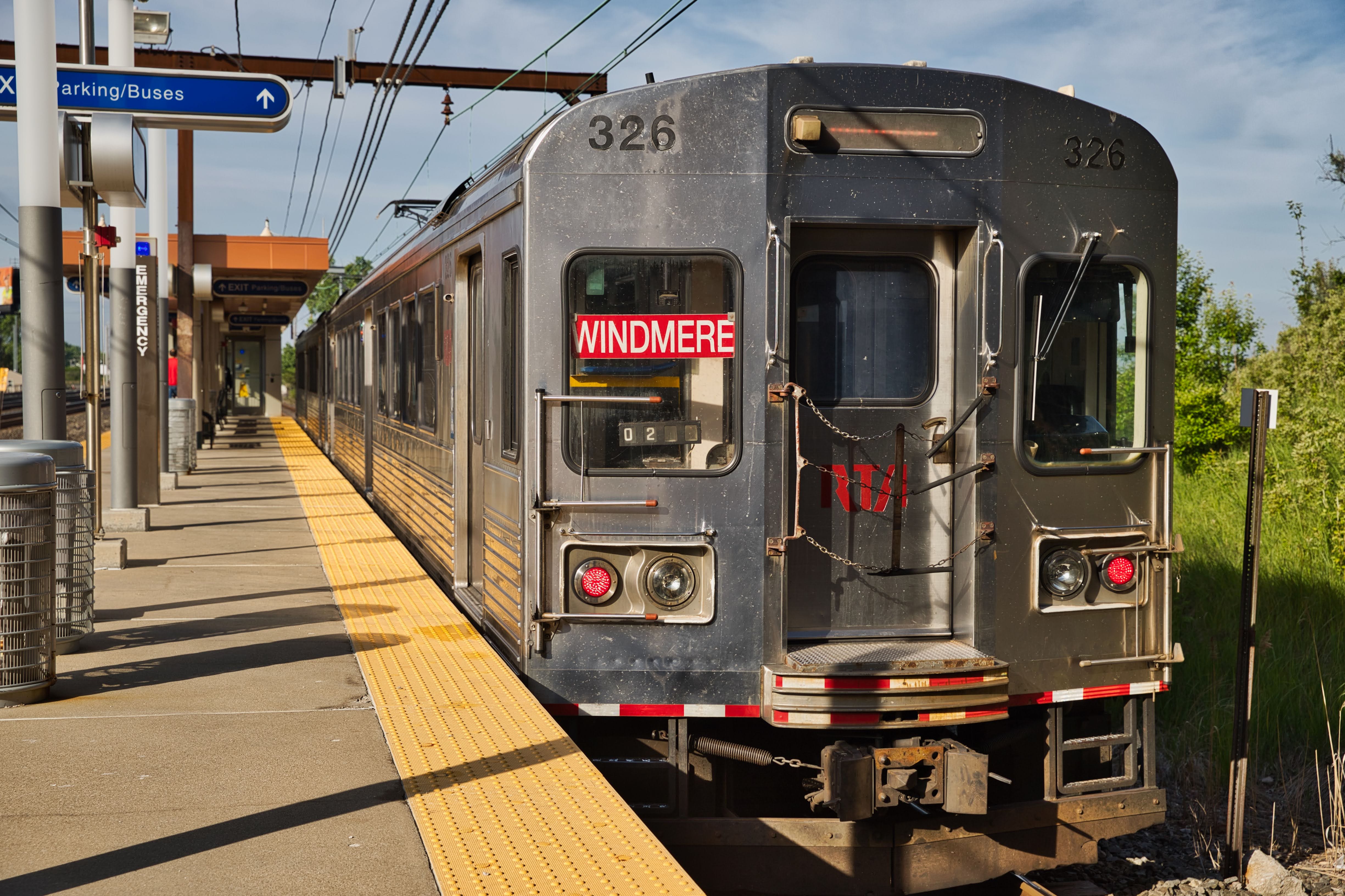
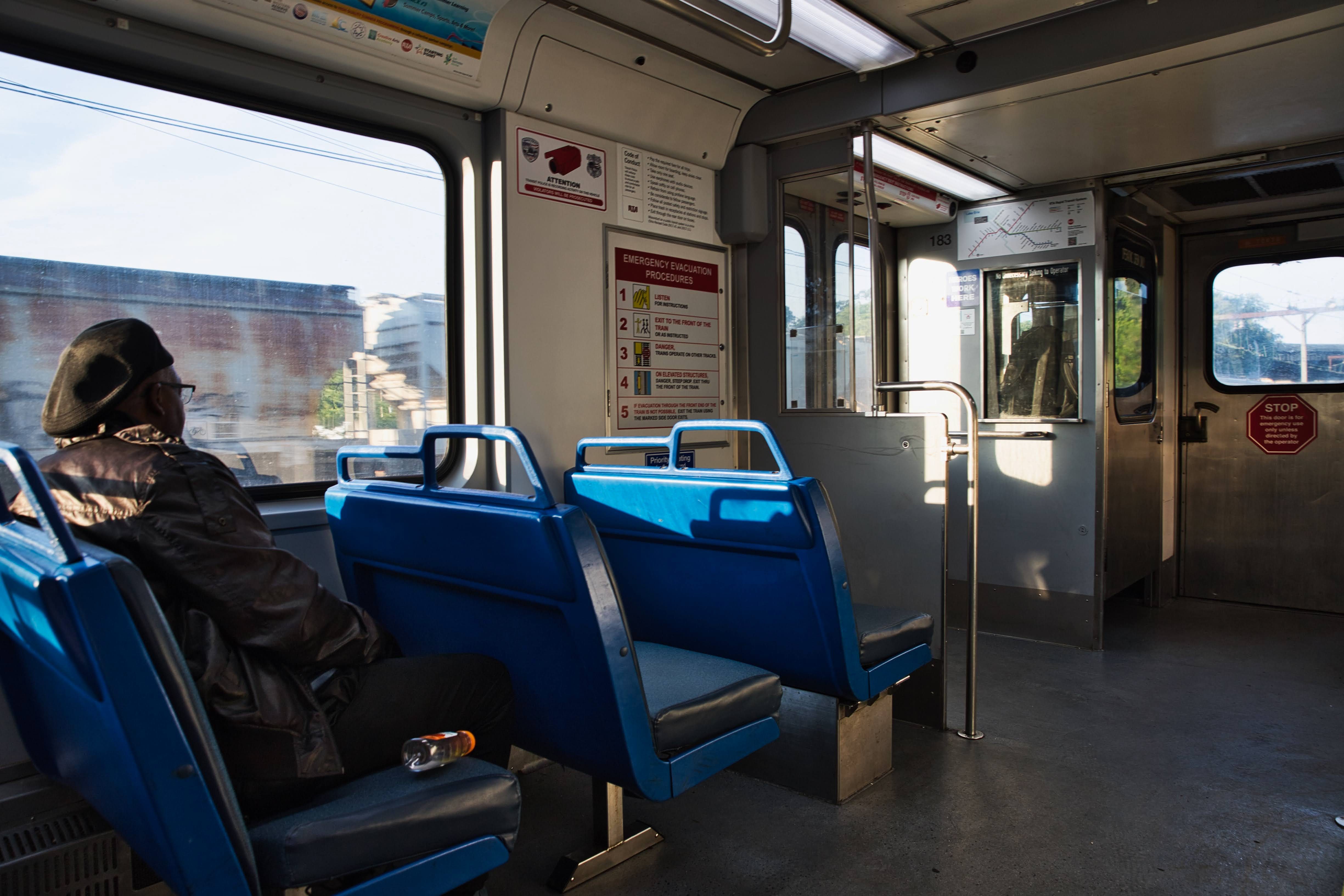
Red Line trains mostly consist of two cars, and I’ve ridden a train with just one car. The platforms, though, are long enough to fit at least four cars. This metro system was clearly built with big expansion plans in mind.
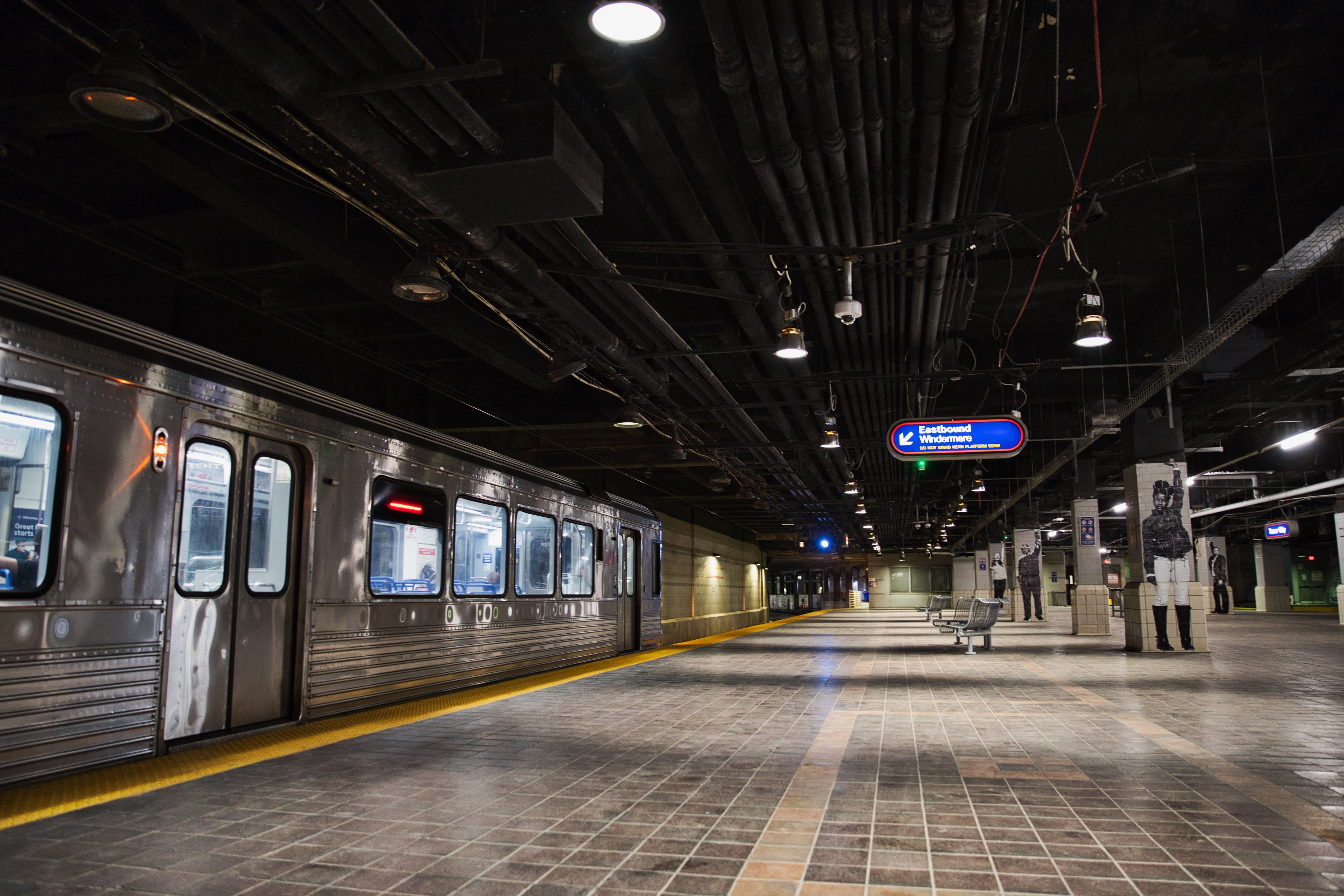
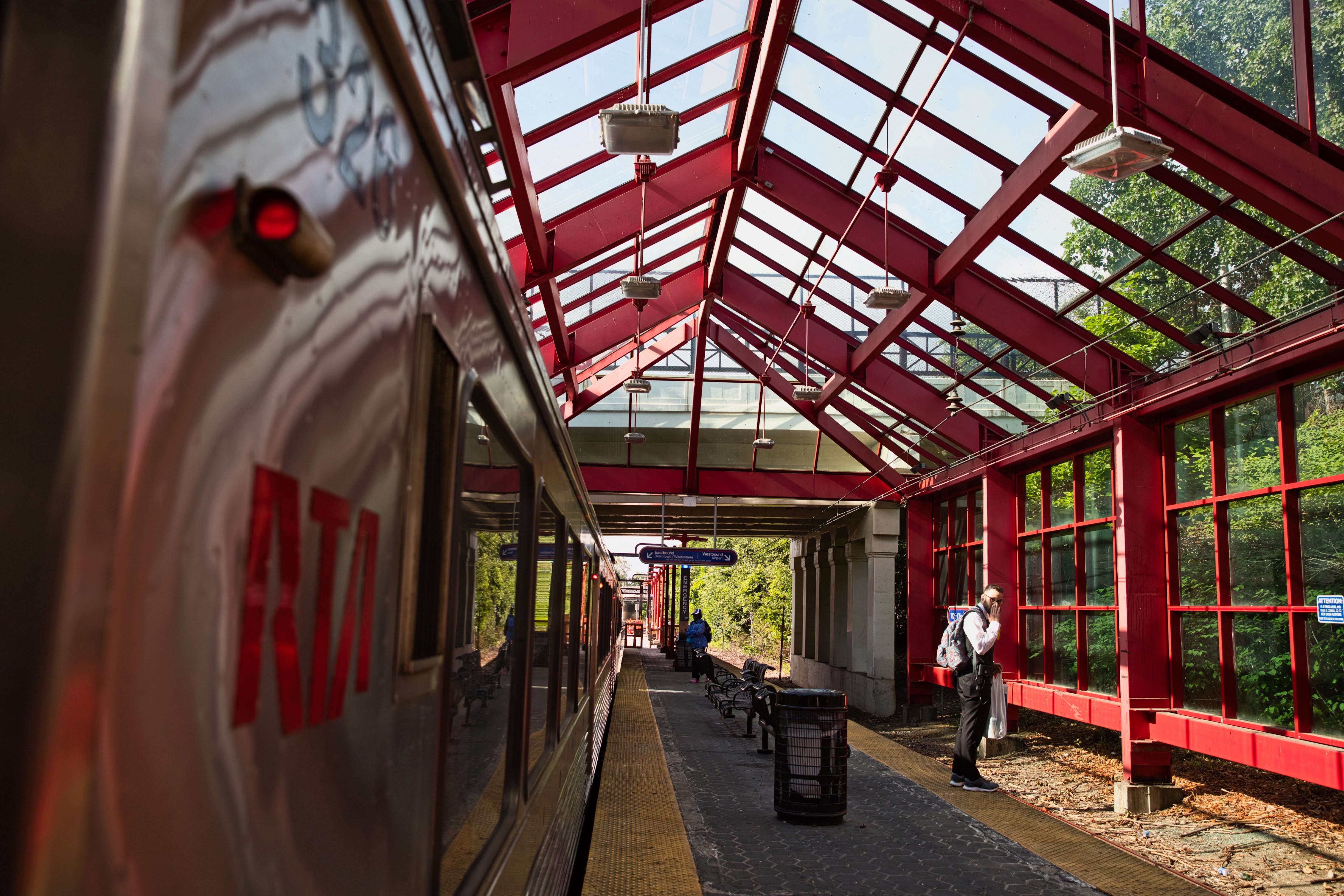
Being 40+ years old, these trains are slated to be replaced over the next year or two by Siemens S200s, built in California - the same ones used in San Francisco and Calgary. So I guess lucky me - I had a chance to ride these Japanese trains before they get scrapped.
Calgary's CTrain: A Symbol of Canadian Transportation Excellence
·
Feb 22
Today, I’m going to take you on a journey through the heart of Calgary, exploring the city’s beloved and reliable CTrain system. We will discover how this iconic transit network has shaped the city’s growth, connected its communities, and become an integral part of Calgary’s identity. From its humble beginnings to its current status as one of North Amer…
The headway between trains is 15 minutes, which is more appropriate for a regional train than a subway. However, to RTA’s credit - the trains run almost around the clock, with a short window of no service between 1:45 and 3:15 am.
I rode Red Line extensively, and more than half of those who rode it to a terminus station remained onboard... sleeping. A train, I realized, does double duty as a shelter, and for many riders RTA is clearly less a commute than a place to stay. The ever-present smell inside the cars is distinctively cannabis. I even saw a person smoking weed at the only underground station, Tower City Center.
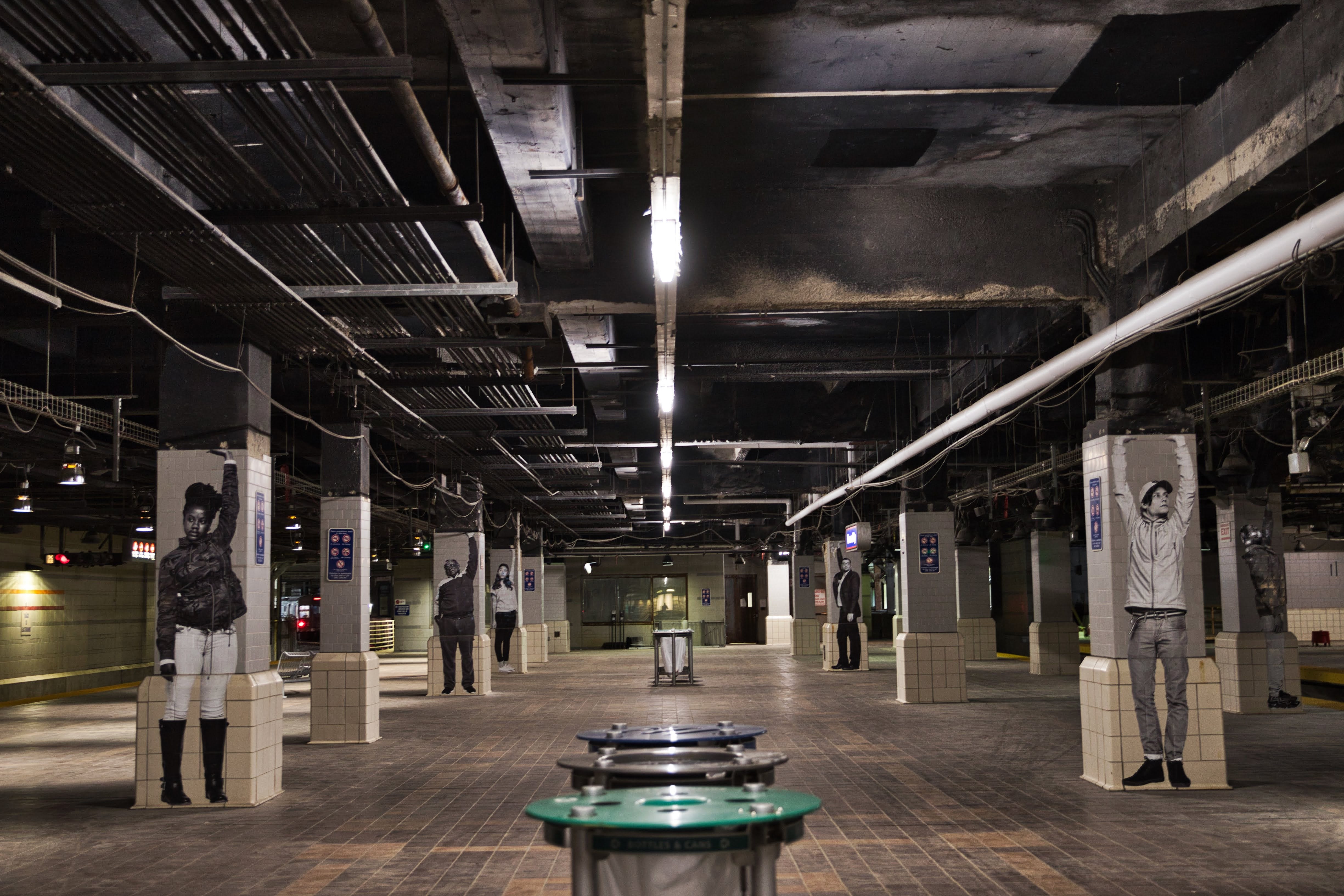
As I mentioned earlier, the Green and Blue lines were suspended when I was in Cleveland, however I wanted to quickly share their fascinating story with you.
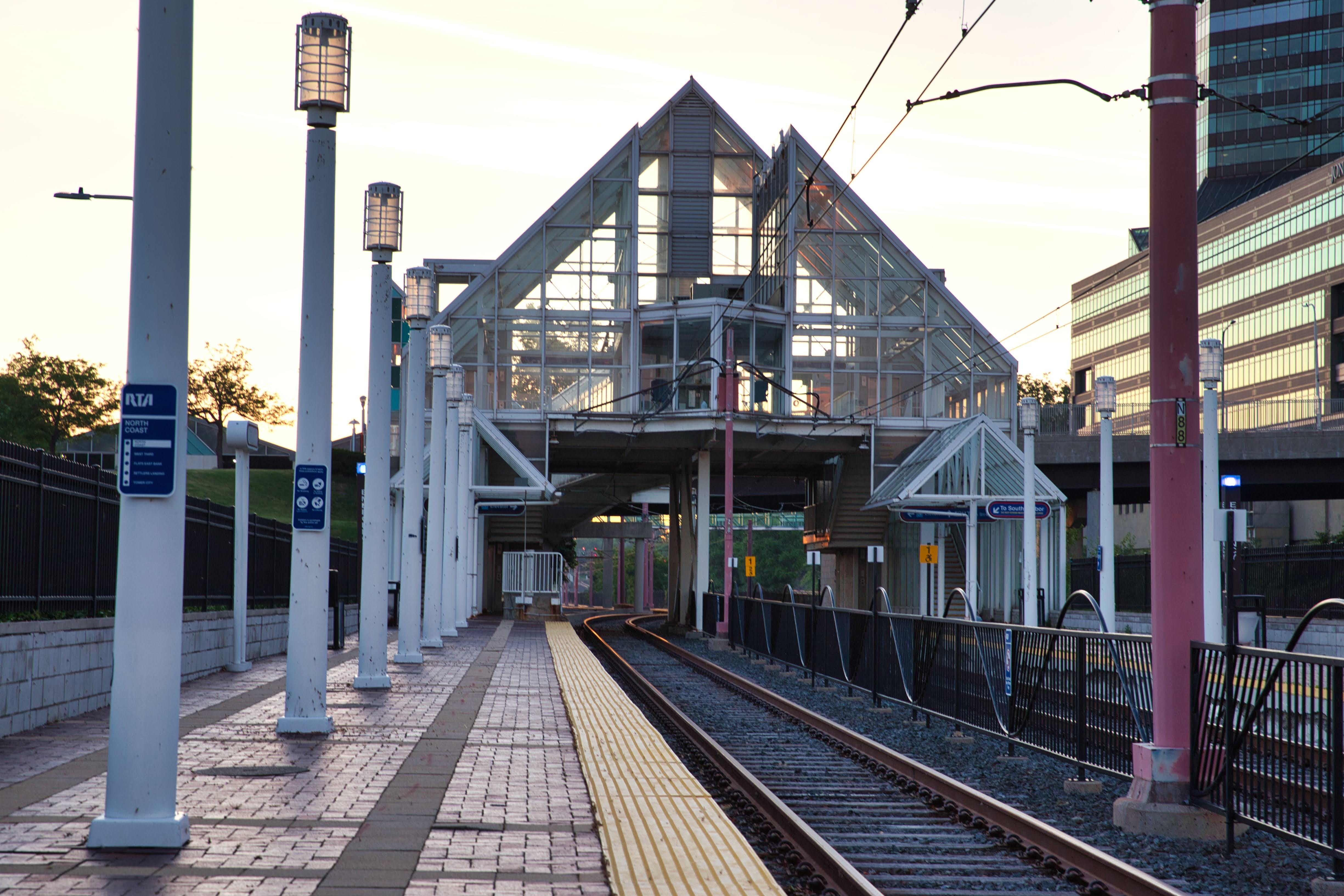
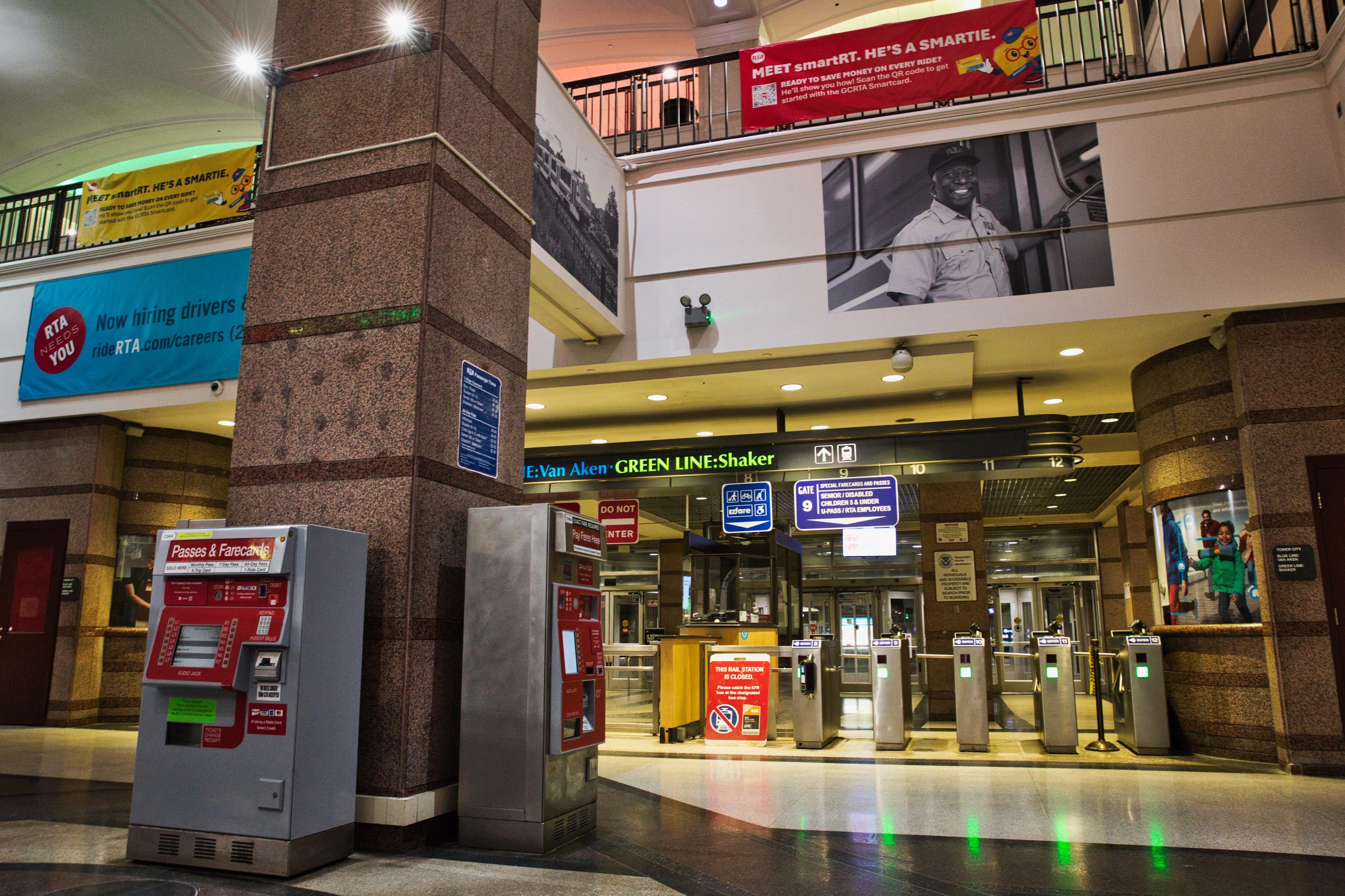
The Green and Blue lines were built around 1920 by the Van Sweringen brothers to attract buyers for their new suburban development, Shaker Heights. The brothers were very successful entrepreneurs, so through a series of acquisitions and negotiations they secured not just a direct path to downtown Cleveland’s Public Square. With such prime real estate, they built the most iconic building in all of Cleveland as a terminus station for their suburban lines – the Terminal Tower.
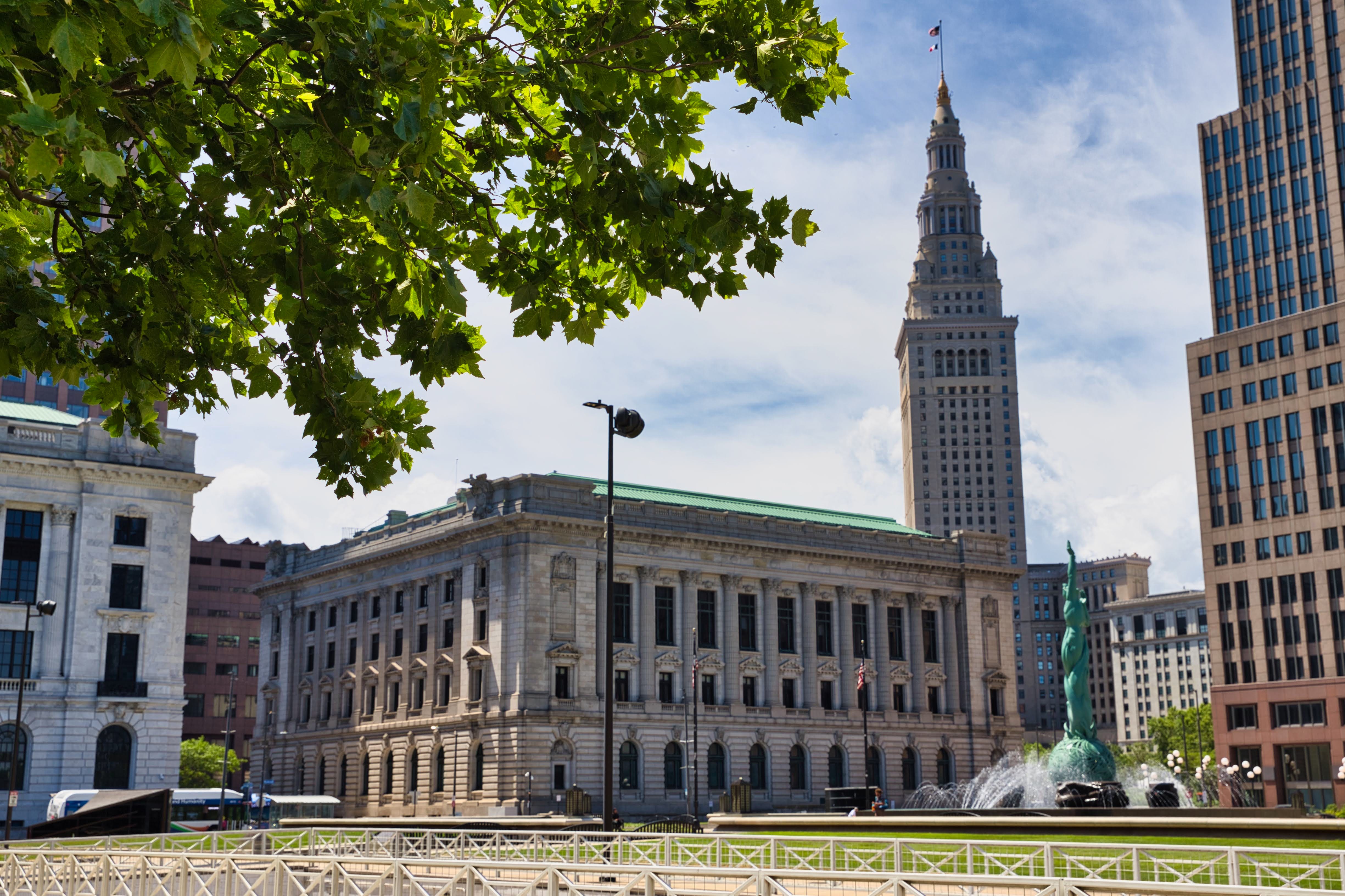
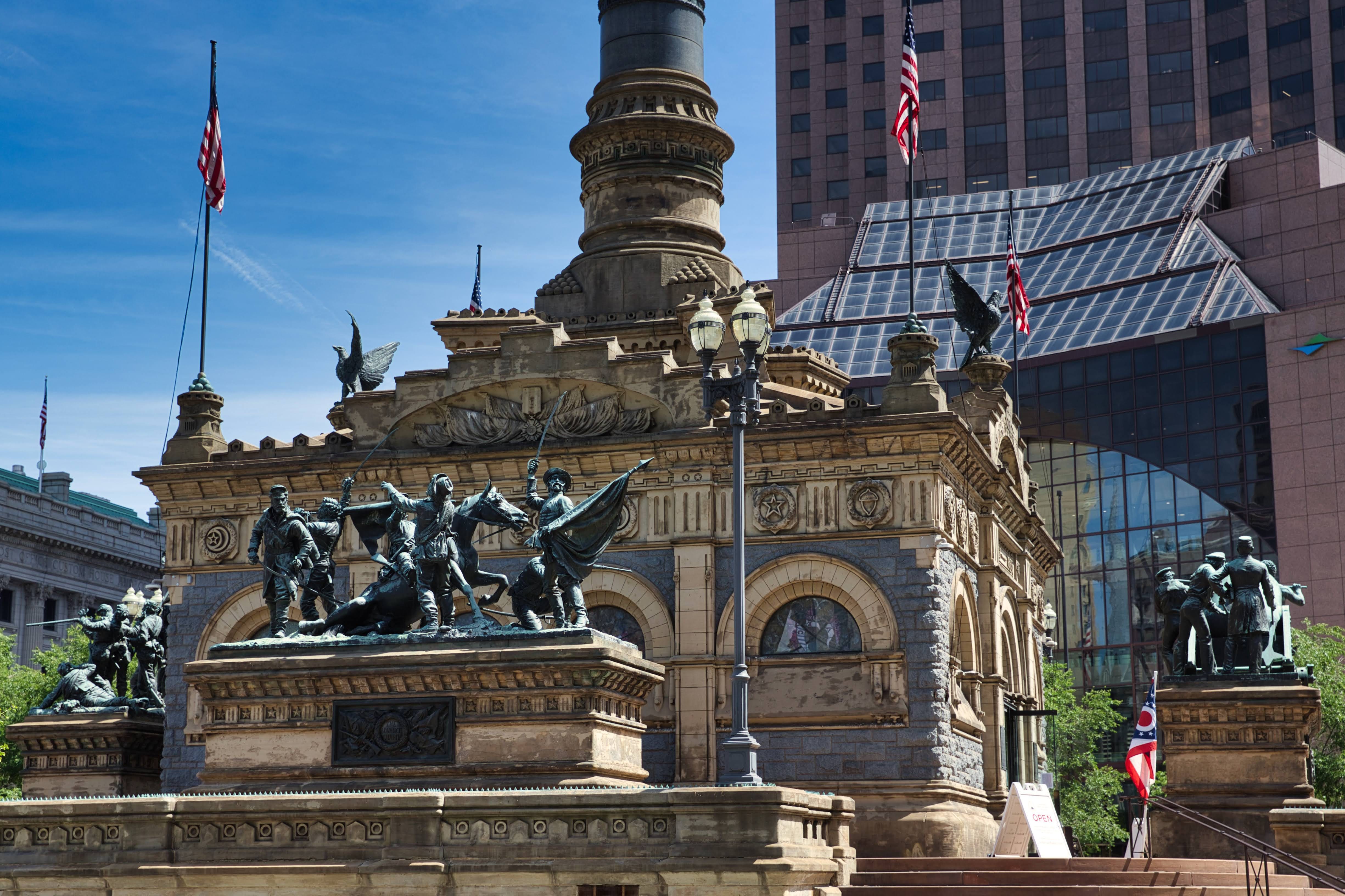
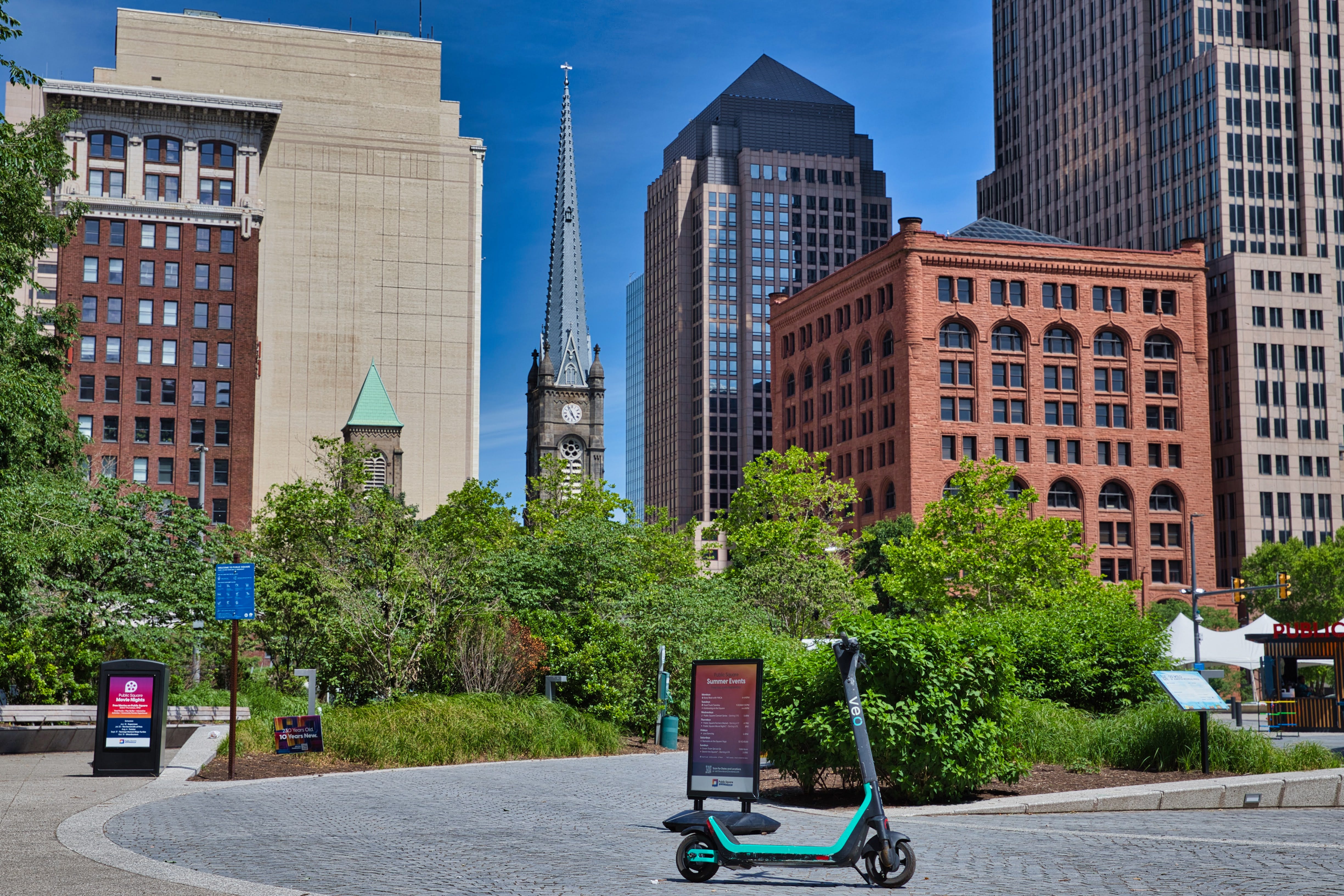
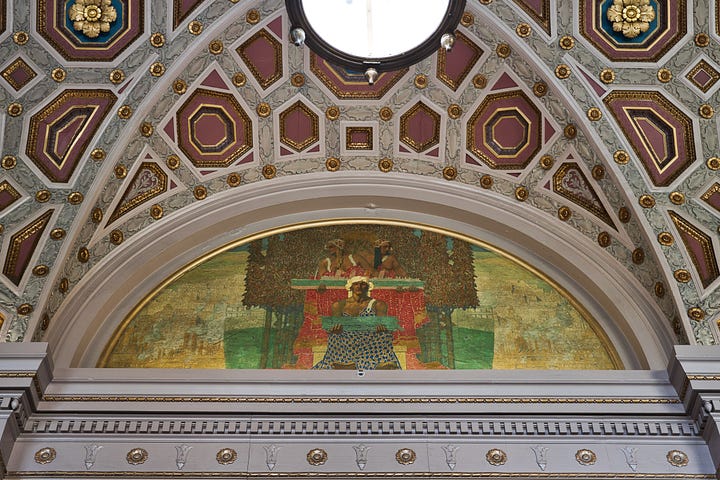
But the building wasn’t your normal Union Station. It’s a majestic 52-story skyscraper that was the tallest building in North America outside New York City until 1964, and that, in addition to hosting 32 tracks for the trains, also provides plenty of office space. It’s a true masterpiece, with beautiful wall and ceiling decorations.
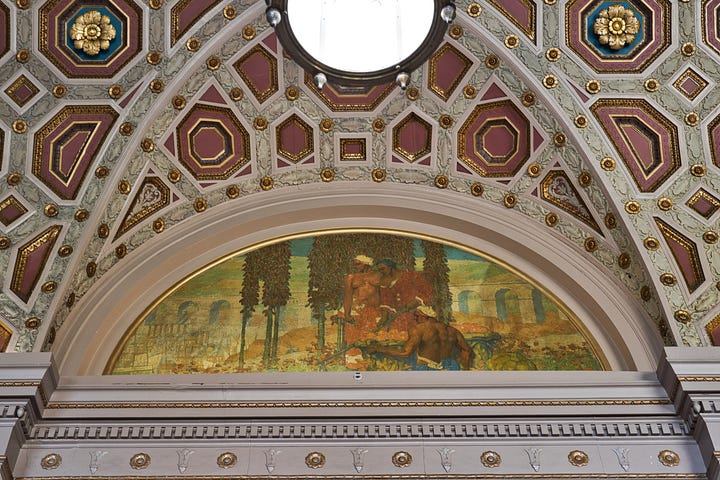
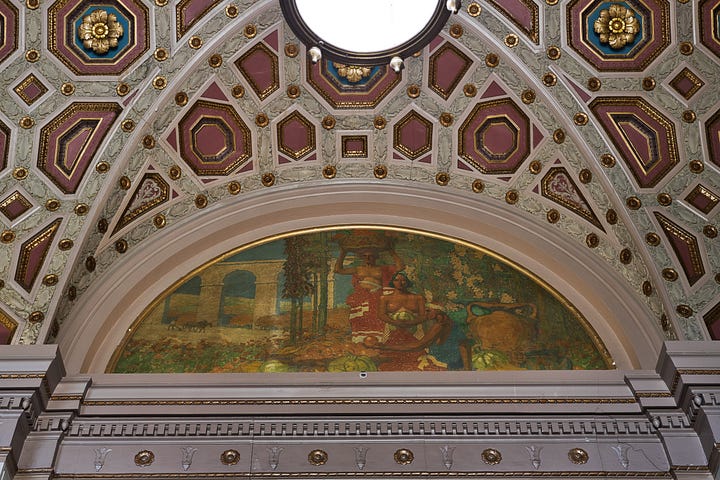
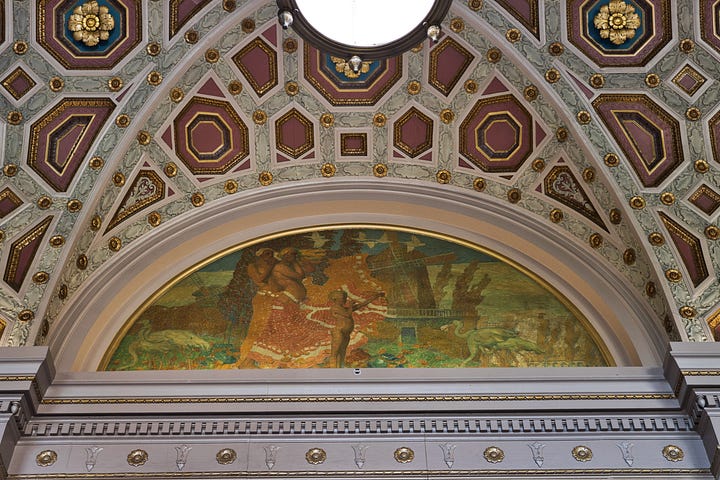
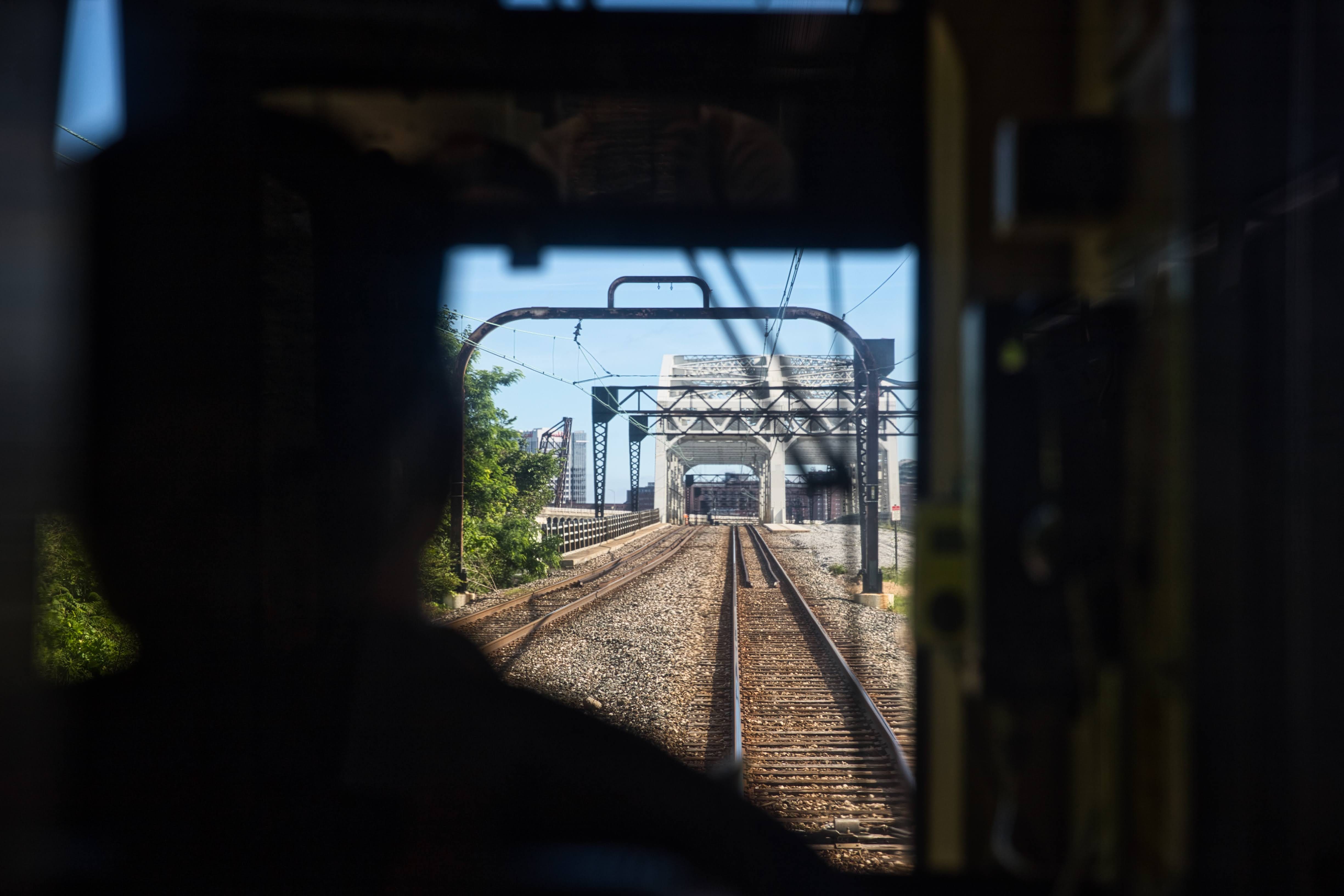
Coming in from the west, the trains use the Union Terminal Viaduct that offers probably the best views of the city on both sides.
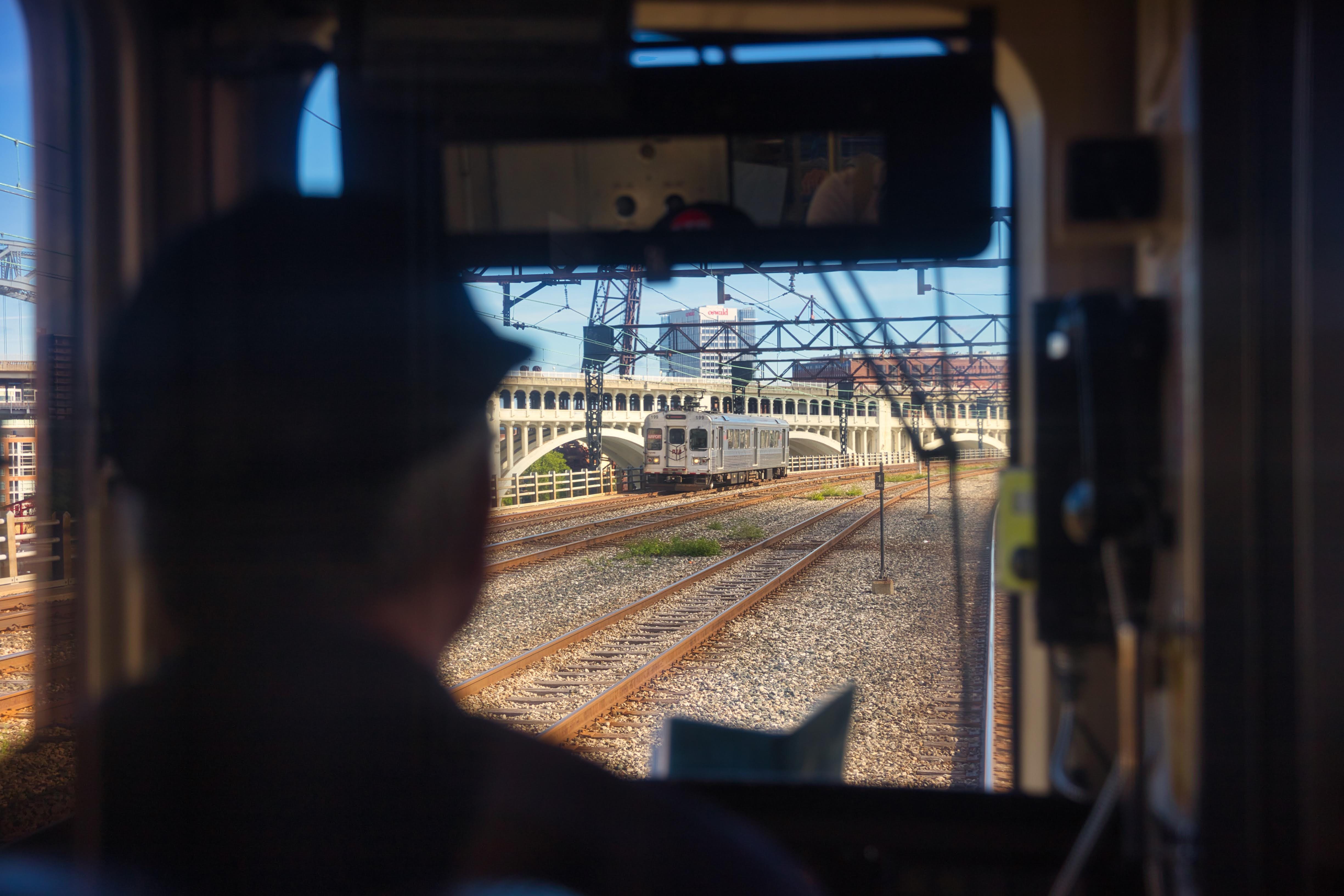
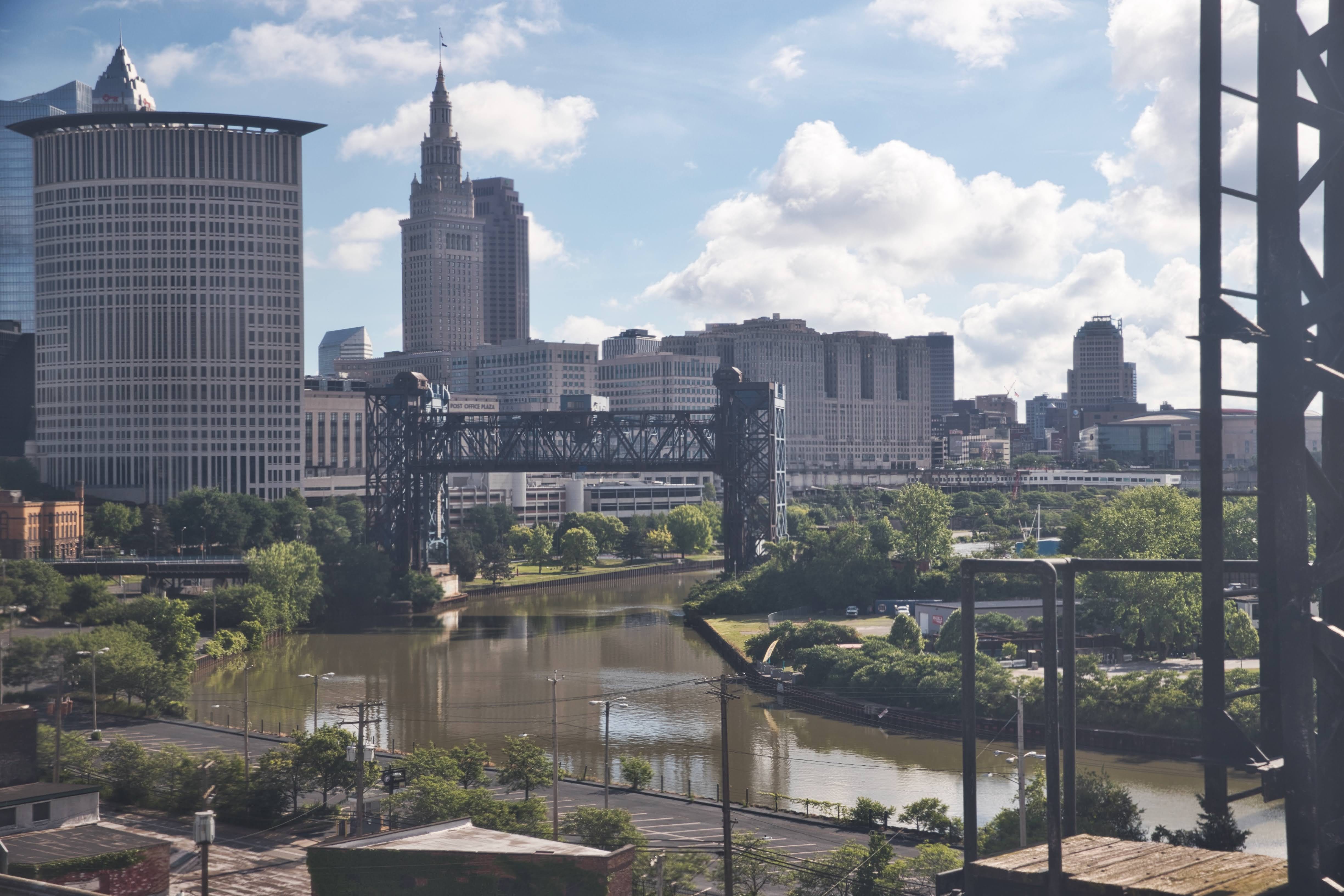
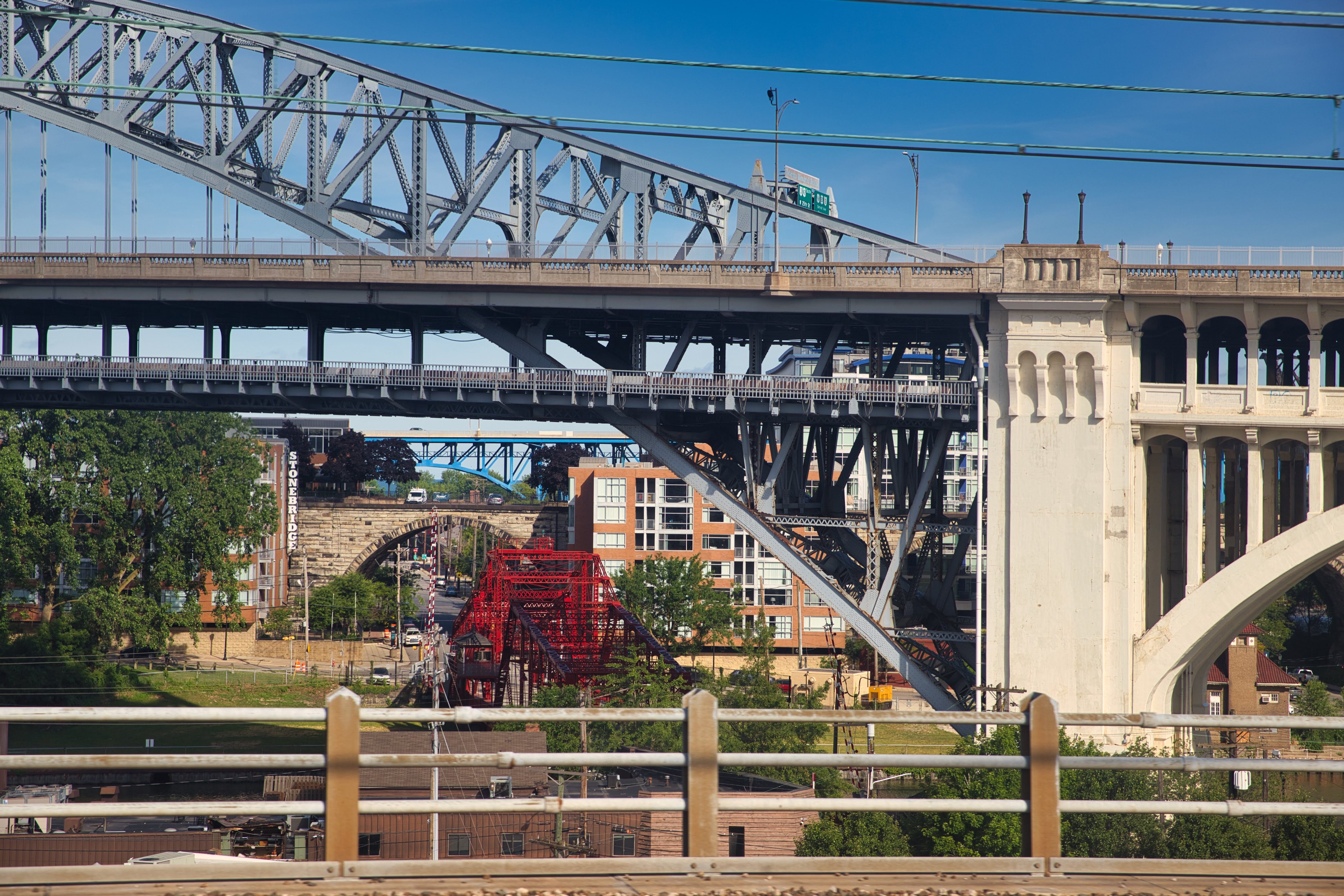
My Uber driver was right: Cleveland’s metro really does show you the good, the bad, and the ugly of this city, all in one ride. It’s a system built by giants - the Van Sweringens, the Terminal Tower, the first airport rail link in the western world - now carrying a fraction of the riders it was meant for, on pretty old trains. But I’m glad I was able to visit now, because in a year or two these Japanese cars will be gone, and some of that faded grandeur will go with them ∎.
No posts
Comments
Nothing yet. Say the first thing.
Sign in to join the conversation.