
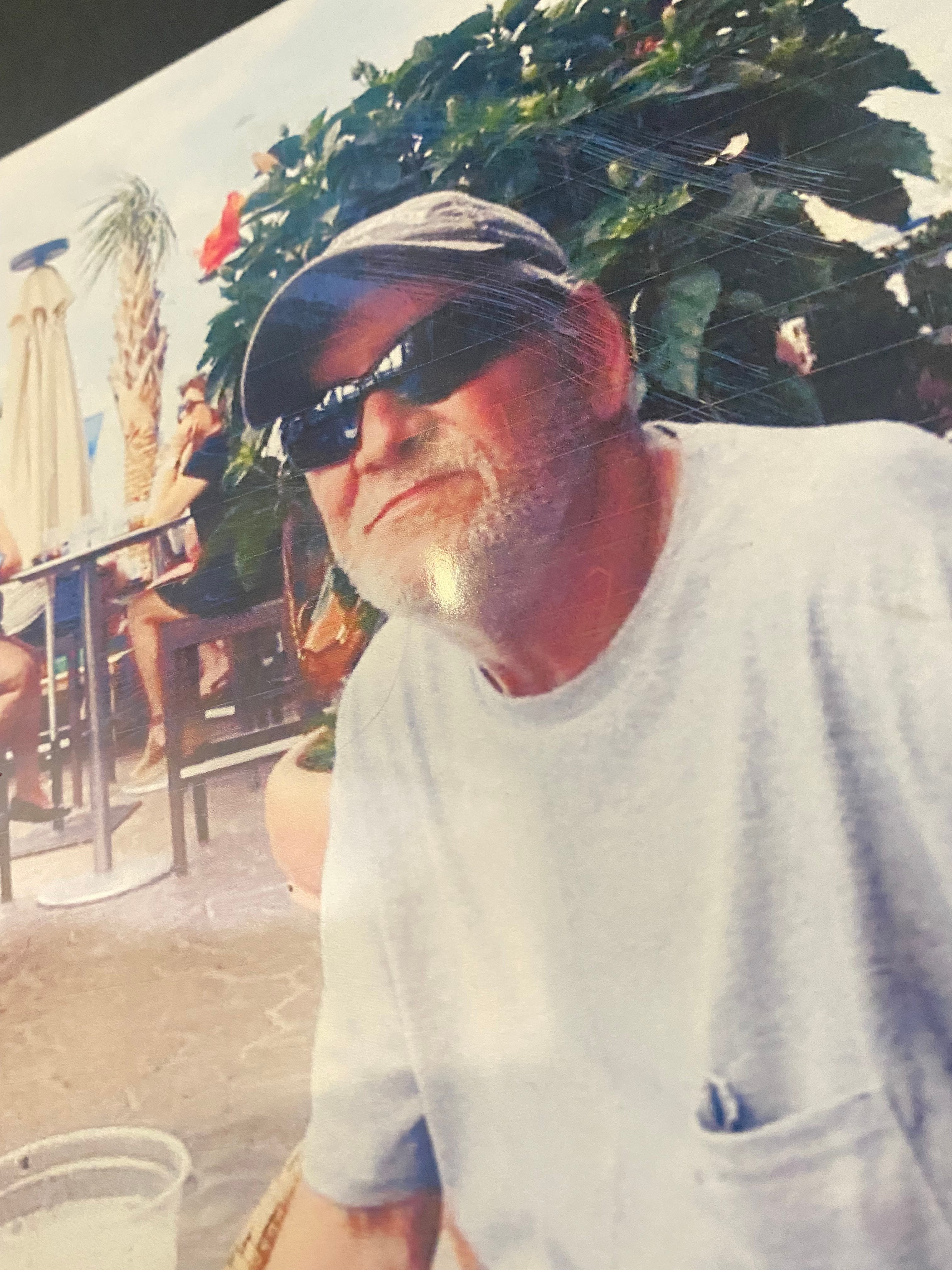
My father died in 2019. I was heartbroken. My father died of a massive heart attack, the tragic result of a lifetime marked by addiction. For years, I watched as addiction slowly destroyed his body and mind, but in the end, I could still recognize fragments of the man I had once called “Daddy.” I remember the way my father smiled — before the strokes and the addiction had fully taken its toll. Even then, beneath the pain and the years of regret, that smile remained. But it wasn’t just his smile I held on to; it was the man he had been — the man I still wished he could have been.
When we were growing up, he worked the night shift at the brewery, which was a brutal schedule for our family. We learned to play quietly while he slept to avoid waking him in the grumpy moments. Despite everything, he always made sure to say, “I love you,” before hanging up the phone. He was the kind of father that hugged his kids. He shared in our accomplishments. Growing up, he made us feel safe. We went to the beach every summer for one week, cementing my love for the ocean. I know he loved my brother, sister, and me, but he went missing through most of our teenage and young adult years. I strived to get to know him better in the years before he died, believing that he wanted the same thing. He was a complex man to truly understand, but I’d like to think he did the best he could.
Thanks for reading! Subscribe for free to receive new posts and support my work.
My parents divorced when I was twelve. My brother was ten, and my sister was only five. As much as he made us feel safe when we were young, the divorce shattered that stability. The man who had once been a constant presence became a distant voice on the phone — when he called at all. Once my father moved out of the house, we rarely saw or spoke with him. When we were able to see him, he was often drunk. He had moved into a small apartment. There were a few cans of Cream of Mushroom soup in his cabinet. He washed his laundry in the bathtub. It was obvious he was depressed, but I was only 12. I felt helpless to heal him. I knew he was an alcoholic, but I didn’t truly understand what that meant until I was older. Even as I grew up and moved forward in life, I carried the weight of his absence. But absence doesn’t erase love. I still longed for connection, for an understanding of the man behind the addiction.
As time passed, Dad moved into a bigger apartment and remarried. By the time I graduated high school, he had settled into a house in the sticks with a couple of acres to tend to. Yet, our relationship remained distant. Despite his attempts to build a life independently, I couldn’t shake the feeling that something was missing — a connection we had lost long before. Dad came to my graduation. I still have the picture my mother took of us on my bedroom mirror. He was still young and robust. This is how I like to remember him. He also came to my nursing school graduation. He stood tall and proud. This was a great moment for us. Unfortunately, he didn’t come to my brother’s graduation. I don’t remember why, but I know it cut my brother deeply. My father missed so much, and my brother had a hard time forgiving him, as did my sister.
I had spent years witnessing what addiction could do to a person, yet somehow, I believed I was different and that I could control it. But addiction doesn’t ask for permission — it creeps in, whispering promises of relief until suddenly, you’re drowning. I had seen what addiction had done to my father, but I never imagined I would follow the same path. And yet, by the time I was twenty-six, I found myself standing in his shadow, my own life unraveling in the grip of substances I thought would save me. Following the violent ending of my relationship with my oldest daughter’s father, I was suffering from PTSD and severe anxiety. I turned to alcohol, marijuana, and a variety of prescription pills. I thought the substances were healing me, but everyone around me could see my use was turning into a nightmare. I spun out of control and ended up overdosing on my daughter’s fifth birthday. I pray my baby girl doesn’t remember this stage in my life. I loved her more than anything, but even my love for her could not overpower the grasp addiction held over me. My mother couldn’t stop me. Rehab hadn’t helped. So, my mother encouraged me to go live with my father to remove me from the people and places that had been feeding my addiction while leaving my daughter with her for safekeeping.
Dad promised to protect me — he wouldn’t let me drink or use while I lived with him. But he broke that promise the first day I arrived at his house. He told me I could drink in his home as long as I did not drive. At first, I felt betrayed. I knew this was not the help I needed. At the same time, I was more than willing to continue my destructive relationship with alcohol. While Dad was at work all day, I drank and drank. I told myself I was only drinking because he allowed it — but soon, I realized I didn’t need his permission. We weren’t just father and daughter anymore; we were drinking buddies, bound by the same disease that had haunted him for decades.
I lived with my father for about three years. I spent that time in the darkness and humiliation that my disease provided for me, avoiding my mother and my daughter. Dad and I became drinking buddies. His friends became my friends. We were all addicts. During this time, I got to know my father despite the alcohol that overshadowed everything we did. Dad shared his love of music with me. We would dance and sing together. He introduced me to the blues, which became my favorite genre and the inspiration behind many of my favorite artists. He would turn up Eric Clapton or The Allman Brothers and sing along while calling out to me, “This is the BLUES, baby!” This is one of my favorite memories of him. Music brought him so much joy. Watching him filled with joy made my heart truly happy. I wish we could have shared these memories sober, but I keep them with me. Dad was genuinely happy when we listened to music. I will cherish these memories and the blues forever.
During my last year there, I became pregnant with my second daughter. She truly was a miracle — she saved my life. Finding out I was pregnant felt like waking up from a nightmare I couldn’t escape. It was the moment I realized I had a choice to step out of the darkness I had been trapped in for so long. I enrolled in prerequisite classes for nursing school at my local community college. I found the drive I needed to create a substance-free life for my daughters and myself. I wanted to save my dad in the same way I had saved myself, but recovery isn’t something you can give to someone — it’s something they have to take for themselves. And my father wasn’t ready. So, while I built a new life, his world grew smaller, consumed by the addiction he couldn’t outrun.
The last night I spent at my father’s house, he was in the midst of a week-long binge. He was on vacation from work and referred to these binges as “going out of town.” Dad stayed drunk and smoked a million cigarettes. He would sleep when he passed out, only to get up and start first thing again in the morning. This last time was different. None of his friends came around. His girlfriend, who had replaced his ex-wife, kept her distance. He had become angry and unpredictable.
I begged him to stop drinking or at least slow down. He responded, “I’m doing what I want to do.” He often made this statement when he was drinking. He had made his peace with the fact that he knew his addiction was going to kill him. But I could not find peace in that. I would fight for his life even if he refused, so I had no other recourse but to call the police. I was desperate. I ended up having my father arrested in his own house because it was clear he could not take care of himself. The ER doctor told me he was on the verge of death. His BAC was 0.41.
Once stabilized in the ER, my father was taken to rehab. He spent several weeks at an inpatient rehab. He stayed sober for a few glorious weeks after that. I was so proud of him. I knew he had it in him to be sober. By then, I had moved back in with my mother, stepfather, and oldest daughter. I gave birth to my new baby girl. My dad visited the hospital and held his granddaughter tight. I prayed this precious time with him would last, but deep down, I knew it couldn’t. Out there in the woods, he started drinking again, adding pain pills, both prescribed and obtained through friends at work, to his daily regimen. He slipped out of my hands.
Recovery taught me that we can’t save others, no matter how much we love them. My father had his own demons, and while I had found my way out, he was still lost in the darkness. And then, the darkness finally caught up with him. When he suffered his fatal heart attack one year later, I was at work. His girlfriend sent me the text, and I ran to the hospital. He couldn’t talk to me, so I just held his hand. He had made it clear that he did not want to be intubated. He wanted to die in peace. The morphine helped him, but he still appeared to suffer, as if he was hanging on to the hours he had left. The sterile smell of the hospital room hung thick in the air as I held his hand, my tears mixing with the quiet beeps of the machines. I told him it was okay to go, though I felt the weight of every unspoken word between us. As I held his hand, I realized I had spent my whole life trying to understand and reach him. And now, in his final moments, there was nothing left to do but love him — exactly as he was and exactly as he had always been. He died holding my hand. I was there to witness his last breath and kiss his cold head before the funeral home took him away.
As an adult, I knew it was my father’s responsibility to stay in touch with us after he moved out of my mother’s house. As our father, he needed to cross that bridge. He needed to acknowledge our birthdays and invite us over for holidays, not the other way around. But part of me will always wish I had forced him to do more. I sent the cards and invitations, although he rarely responded. Even though I have battled my own addictions, in and out of relapse, part of me wants to believe he was capable of having a relationship with us. The truth is he probably wasn’t, at least not in the way we wanted. His addiction took priority over everything else in his life. He worked relentlessly for so many years because he was addicted to work. Addiction drove the directions he took and the decisions he made in life. But I forgave him a long time ago for his shortcomings.
My father’s addiction wasn’t just his — it became mine, too. I found myself walking the same painful path, driven by the same demons, but by the grace of God, I was able to step away. There’s no easy way to understand why some people get lost in addiction, and others find a way out, but I know that the strength I have now comes from both my father’s love and the lessons he imparted, even in his brokenness. Through the years, I’ve worked to heal, not just for me but for my husband and children. Recovery is not just a journey; it’s a fight. And I choose to keep fighting, knowing that the road ahead is filled with challenges but also with peace and grace. Though I’ll always miss him, I know my father is proud of the woman I’ve become, the life I’ve built, and the faith that sustains me. I’ve let go of the guilt, the “what ifs,” and the unfinished chapters. Instead, I focus on what I have now — the love I give and the love I’ve received. And that is enough.
Thanks for reading! Subscribe for free to receive new posts and support my work.
Comments
Nothing yet. Say the first thing.
Sign in to join the conversation.