Watch now | Giftedness, Twice-Exceptionality, Neurodivergence, and Career
✨ Enrollment is open for my online summer graduate course on giftedness, twice-exceptionality, and neurodivergent identity, being offered through the Vermont Higher Education Collaborative starting June 22nd, 2026. It’s also available as a 15-hour online professional development workshop. Learn more and enroll here! ✨
Last week, I had the chance to sit down with Jen Benford of the Divergent Talent Alchemist to talk about what it means to be a non-traditional thinker trying to design work that fits. Gifted and twice-exceptional (2E) folks are often able to attain high-status, high-paying roles, but their thinking style can leave them feeling like complete outsiders in their organizations.
If you’ve held roles where you did the work of three people’s jobs in just 20 hours a week, felt bored out of your mind by the structure of daily routines, or were viewed as “The Problem” because you dared to speak up about issues others ignored, you’ll want to listen to our conversation.
We talk about what giftedness actually is, why gifted and neurodivergent adults often crash and burn in traditional workplaces (despite having the talent to succeed), and what you can do instead to design meaningful work.
Jen brings her lived experience to our conversation as someone who is gifted with ADHD and CPTSD and runs her own successful business; I bring my background in neuroscience, gifted education, and career and education consulting.
A few highlights of our discussion:
Bore out: We talk about the concept of bore out, which is a close cousin of burnout that shows up when your brain isn’t sufficiently challenged. Gifted and neurodivergent folks are especially susceptible, and may not even realize this is what’s happening. Bore can look like pushing tasks to the last minute to increase the challenge, numbing or silencing ourselves to comply with rigid hierarchies, or struggling to find happiness in roles that weren’t built with our brains in mind.
Portfolio careers: We also dig into one of my favorite topics, portfolio careers, which are a way of structuring work that plays to the gifted and multipotentialite brain’s need for variety, autonomy, and meaning. We talk about how I’ve made a portfolio career for myself by coaching gifted adults, working with families of gifted kids, teaching graduate coursework, leading gifted community groups, writing on Substack, training teachers, and earning book royalties.
CURIOUS Career Framework™: We discuss the five-step framework I designed to build a career that fits your brain, starting with clearing the myths you’ve inherited about what “good work” looks like.
Topics by Timestamp:
1:00 — What a portfolio career is and why it works well for neurodivergent brains
2:45 — Giftedness as curiosity-driven, internal motivation; autodidacticism
3:18 — The portfolio career model
6:11 — Emmaly’s summer course: Giftedness, Twice-Exceptionality, and Neurodivergent Identity
10:01 — The ARC Triad: Autonomy, Relatedness, and Competence; the three keys to motivation at work
11:08 — Skip-thinking: how gifted brains jump steps
13:01 — Mensa Foundation study on unmet needs of gifted adults
15:15 — Cognitive talent vs. athletic talent: why we accept one and not the other
17:45 — Creativity vs. intelligence as distinct neurobiological processes
20:07 — Gagne’s talent development model
22:00 — Jen’s lived experience: gifted label as a kid, late ADHD diagnosis at 30, CPTSD, DSM “alphabet soup.”
22:41 — Trauma and neurodivergence: acquired neurodivergence, how trauma rewires the brain
25:57 — The problem with the word “neurodivergent” becoming too broad and when it’s useful
27:44 — Social media misinformation: up to 80% of TikTok ADHD content is inaccurate
29:30 — How TikTok actually led Jen to her ADHD diagnosis
33:37 — Burnout vs. Bore Out: what bore out looks like and why it happens
37:22 — Finding fields of work that accommodate gifted people; entrepreneurship as one pathway
38:10 — The CURIOUS Career Framework™
48:31 — Branding advice: solving a specific problem to gain an audience
51:30 — Values misalignment in the workplace; why so many gifted people become entrepreneurs
53:05 — Emmaly’s career coaching cohort launching this fall; Jen’s entrepreneurship cohort in July
Links & Resources
🎙️ About Emmaly Perks
Emmaly Perks, M.Ed., is a gifted education and career consultant. She helps gifted children and adults find meaning and belonging—from school through career and beyond.
Jen Benford is a talent strategist, brand builder, and entrepreneur. She helps multi-passionate people figure out who they are before they go to market — and build brands that actually reflect that. Her first Substack cohort on entrepreneurship and brand identity launches in July 2026.
Emmaly Perks, M.Ed. is an experienced gifted education and career consultant specializing in supporting bright, intense, and creative minds from childhood through adulthood. Whether seeking school placement for a gifted child, navigating career choices as an adult, or exploring your gifted identity, I offer personalized, compassionate support grounded in gifted-specific training, education, and 15+ years in the field.
Interested in joining an upcoming gifted group? 👉🏻Register here.
For education, parenting, teacher training, or career support 👉🏻 Click here
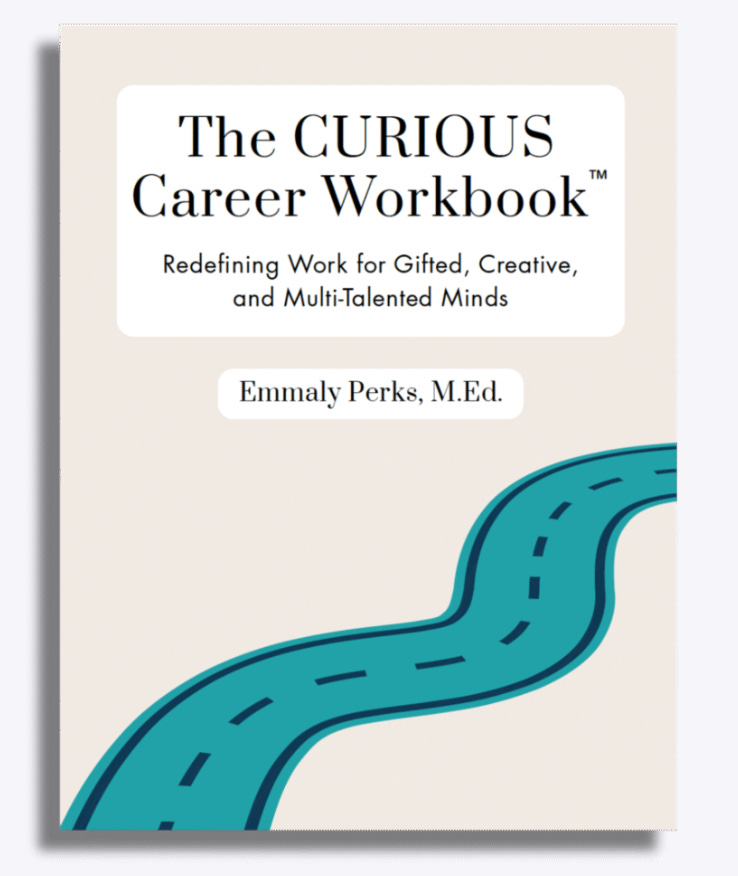
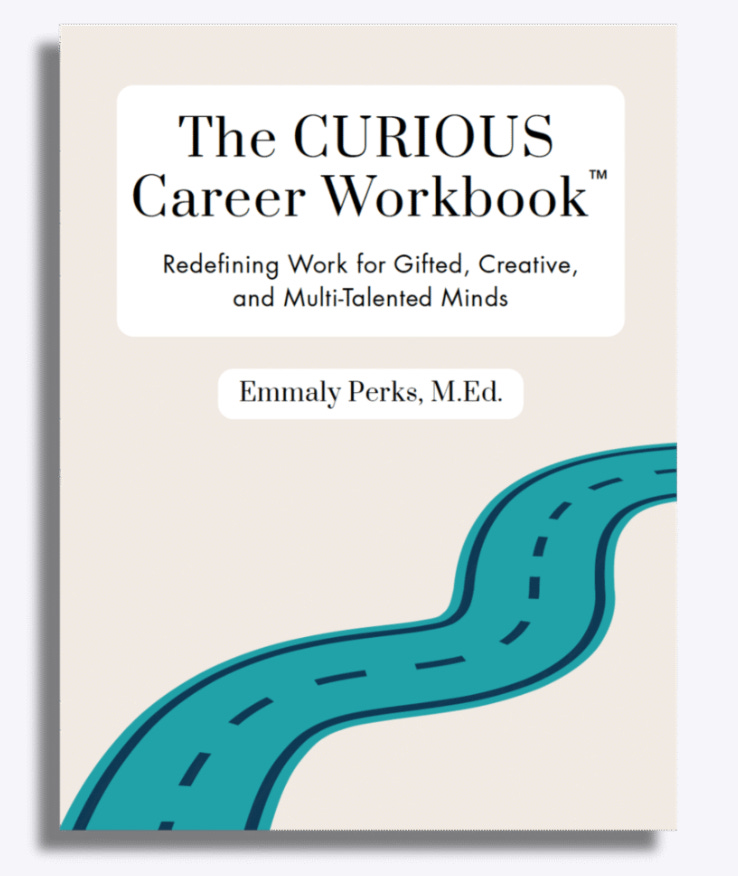
To get my book, The CURIOUS Career Workbook™👉🏻 Click here


Comments
Nothing yet. Say the first thing.
Sign in to join the conversation.