
This is the Guided Tour of the Summa Theologiae, a project for all paid subscribers of Aquinas and Beyond. In it, we are carefully reading through St. Thomas Aquinas’s masterpiece, with help from experts on Aquinas, to think like the universal doctor of the Church. Stop feeling intimidated by Aquinas, and subscribe so you can read along!
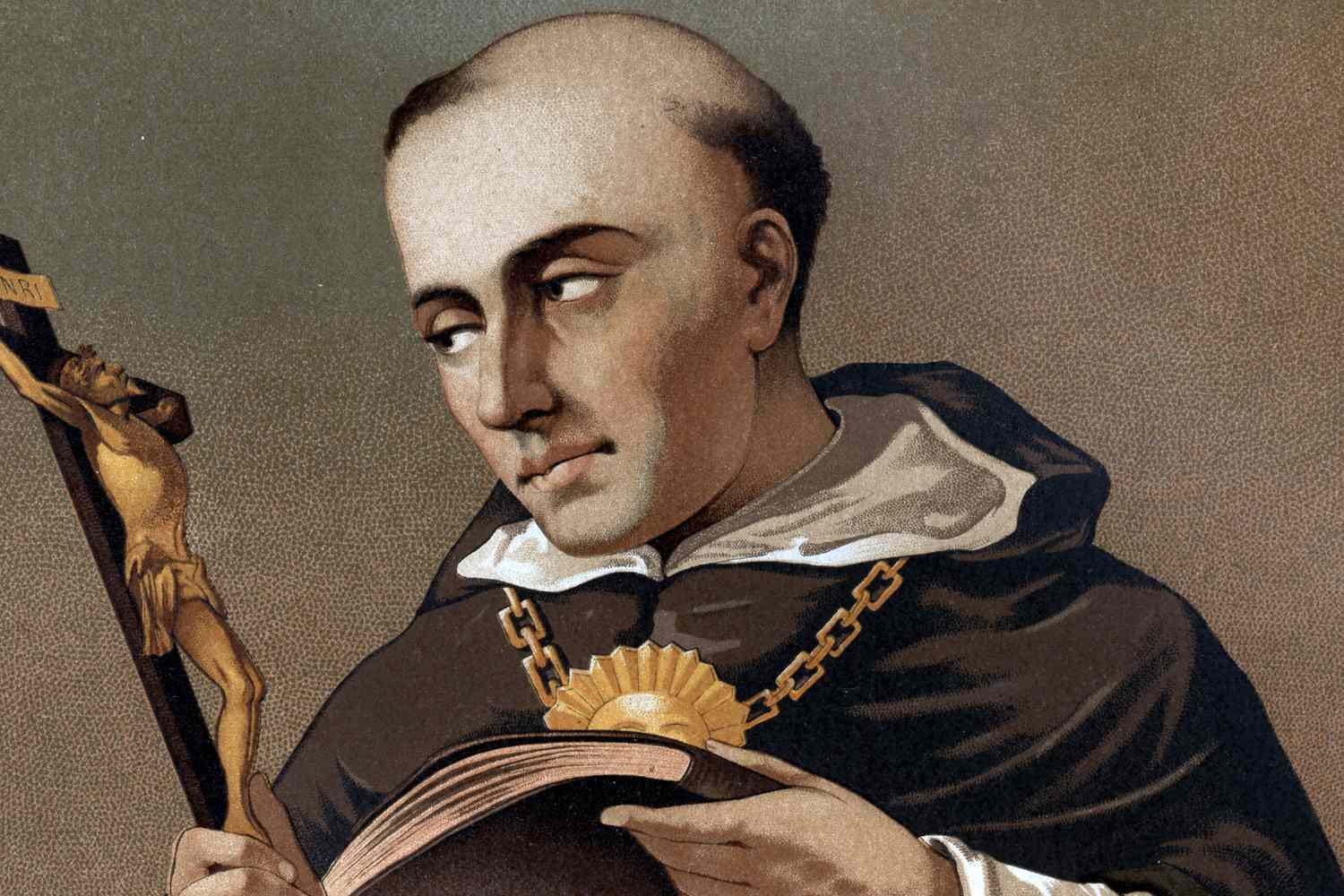
Predestination is one of the trickier issues in Catholic theology. Many Catholics, fresh out of the apologetical wars with Calvinists, are shocked to learn that predestination is a Catholic teaching at all. But it is, and it must be, because such a view comes straight from Scripture: “And those whom he predestined he also called; and those whom he called he also justified; and those whom he justified he also glorified.”1
On the other hand, the Catholic Church is also a firm defender of free will, because, of course, if we are not free, then it is not clear how we can love God, at all. Moral laws make little sense in the absence of our ability to actually choose moral or immoral actions.
That is why predestination is largely considered to be a bit mysterious. Aquinas’s explanation is not the end of the discussion, unlike in the rest of the Summa.2 It is, in fact, an invitation to reflect about the nature of God’s love for us, and its relationship to our choice to accept his will for us.
As always, here are some resources you might find helpful as we move forward:
The Summa Theologiae itself. Buy Prima Pars here, and the whole Summa here. Read it for free here.
If you have never read the Summa, it can be a little intimidating. But I put together a roadmap so that anybody can read it and understand it. Get it here.
Here is the commentary I will be using from Walter Farrell, O.P.
Here is the commentary I will be using from Brian Davies, O.P.
Now, let’s dive into predestination.
I remember the first time I read this question, and I was very ready to read “no,” for all the obvious reasons. But I was surprised to find out, and many of you likely were as well, that Aquinas holds that God does, in fact, predestine people.
First, the reasoning, and then an (incomplete) explanation.
The reasoning is not just simple; it follows directly from what has already been established. We have already proven that God wills all things, knows all things, and causes all things. Therefore, in the sense that predestination means to cause certain people to attain heaven, God certainly predestines people.
But…how does that work? Does Aquinas just…deny free will?
No. But how it works is…complicated, to say the least.
First, we should remember what has been discussed up to this point, that God is eternal, and therefore does not know or cause things chronologically prior to them actually, in fact, happening. In fact, God does not know or cause anything before anything else at all; He exists in the eternal present, and therefore causes them simultaneous to their actual occurrence. Moreover, Aquinas has already established the difference between God’s antecedent will — his Will as it would be without the consideration of human free will — and God’s consequent will — His will, taking into consideration the free actions of human beings. That is a really important distinction when considering this point. Moreover, it is a scriptural certainty that God “desires all men to be saved and to come to the knowledge of the truth.”3 However, it is also true that our salvation is not our own achievement, which would become the heresy of Pelagianism, but God’s.
Now, there are, broadly, two different models for how to think about predestination in the Catholic Church: molinism and banezianism. I will write a bigger post on both later, but for now, here is a broad, incredibly un-detailed description of the two.
Molinism is the view that God’s knowledge of the future has more to do with what would happen were each action to occur, and therefore God’s predestination has to do with predestining those who will choose Him, based on what God foresees as what is going to happen.
Banezianism, on the other hand, describes predestination as being primarily found and directed and pre-ordained by God, though cooperated and chosen by people. When God predestines certain people, he directs them by his final causality (that is, by His being the end for which all creatures are created) to salvation while allowing other creatures, of their own free will, to reject Him. Banezianism is largely considered to be the more Thomistic thesis.
Here are a few helpful points from Brian Davies:
Aquinas takes predestination to be the predestination of people to eternal life with God. He does not speak of God predestining poeple to hell. Aquinas also takes predestination to involve the (planned by God) raising of people to what they cannot achieve by their own natural abilities.
The word “predestination” seems to involve a temporal reference. It seems to imply that one who predestines is doing something at some time before something else occurs. As we have seen, though, Aquinas does not think of God as undergoing any process in time. But he does (cf 1a,23,1) think of predestination as being in God in that he takes God to predestine. So Aquinas evidently does not think of divine predestination as an event prior to others. He takes it to be identical with the eternal will of the simple God.4
This debate was the subject of a Church council, and literal centuries worth of theological debate, so please, I beg of you, do not take anything I am saying here as being the final word, or even a fully sufficient explanation or motivation of the two views. But it is enough to get us started. That start, however, needs to be fleshed out with some details, which Aquinas offers in the following articles…
This is a free preview of the Guided Tour of the Summa. To read the rest, join other premium subscribers who are becoming thoughtful, well-formed Catholic intellectuals through:
A guided tour through the ENTIRETY of Thomas Aquinas’s Summa Theologiae, which you are reading right now! Don’t miss out on forming your mind according to the Universal Doctor of the Church!
Founding Members get a FREE copy of my Catholic Philosopher In A Year Reading Plan, my ultimate reading list to get up to speed in Catholic Philosophy.
Blogs on the philosophy of religion (God, evil, free will, etc.) like this one about art and the problem of evil.
Reader’s Guides on the great works of Catholic philosophy, like last month’s guide on Jacques Maritain’s Art and Scholasticism.
Further reading recommendations on many posts, including free posts. I have several reading recommendations on predestination at the bottom of this post for premium subscribers!
Stop feeling confused in the face of deep Catholic conversations and start thinking like a Catholic philosopher.
Comments
Nothing yet. Say the first thing.
Sign in to join the conversation.