
It is the season of the tender and the terrible; a new-born lamb wobbles in the morning sun, a baby rabbit is swallowed whole by a gull, a skylark sings his heart out, birds court and frolic and fight in every corner of the island while a female starling lines her nest with wool, while a male white-fronted goose chases a female who does not want to mate with him, while insects lay their eggs inside the dead seal who recently washed up on shore.
Those of you who have been reading for a while will know that a few years ago, I spent six months working on a tropical island ruled by monkeys. I’ve been thinking about those monkeys a lot lately. I do every Spring. I think it’s because of this: Spring has an undercurrent of tension, of the world walking a tightrope, of violence and kindness and babies and bodies all just a breath away from one another. And this is how the island of monkeys felt all the time.
Rhesus macaques have a violent society. The males are higher ranking than the females, and the females inherit their social rank from their mother. While the lowest-ranking individuals have it the worst (they cannot eat until others have eaten, they are often attacked, they must be very careful about where they walk and who they make eye contact with), everyone, every single individual, is kept in place by violence or the threat of violence. The island throbs with the tension of it, the monkeys carry the scars of it, and the humans working there must, every now and then, defend themselves against it by wielding sticks and lunging and shouting (in part because a monkey bite is very painful, but also because their blood and saliva carries a disease that is fatal to humans).
There was a lot of tenderness in the monkeys’ lives1 but it was not this that my eye was drawn towards; terror is, after all, a magnet—it pulls the eye towards it and it does not easily let go. This makes sense, we are biologically attuned to terror. It can be lifesaving to be so. But, because of this, it can be easy to miss that which lays beneath: the moments that, if you let them, would light you up like a sun.
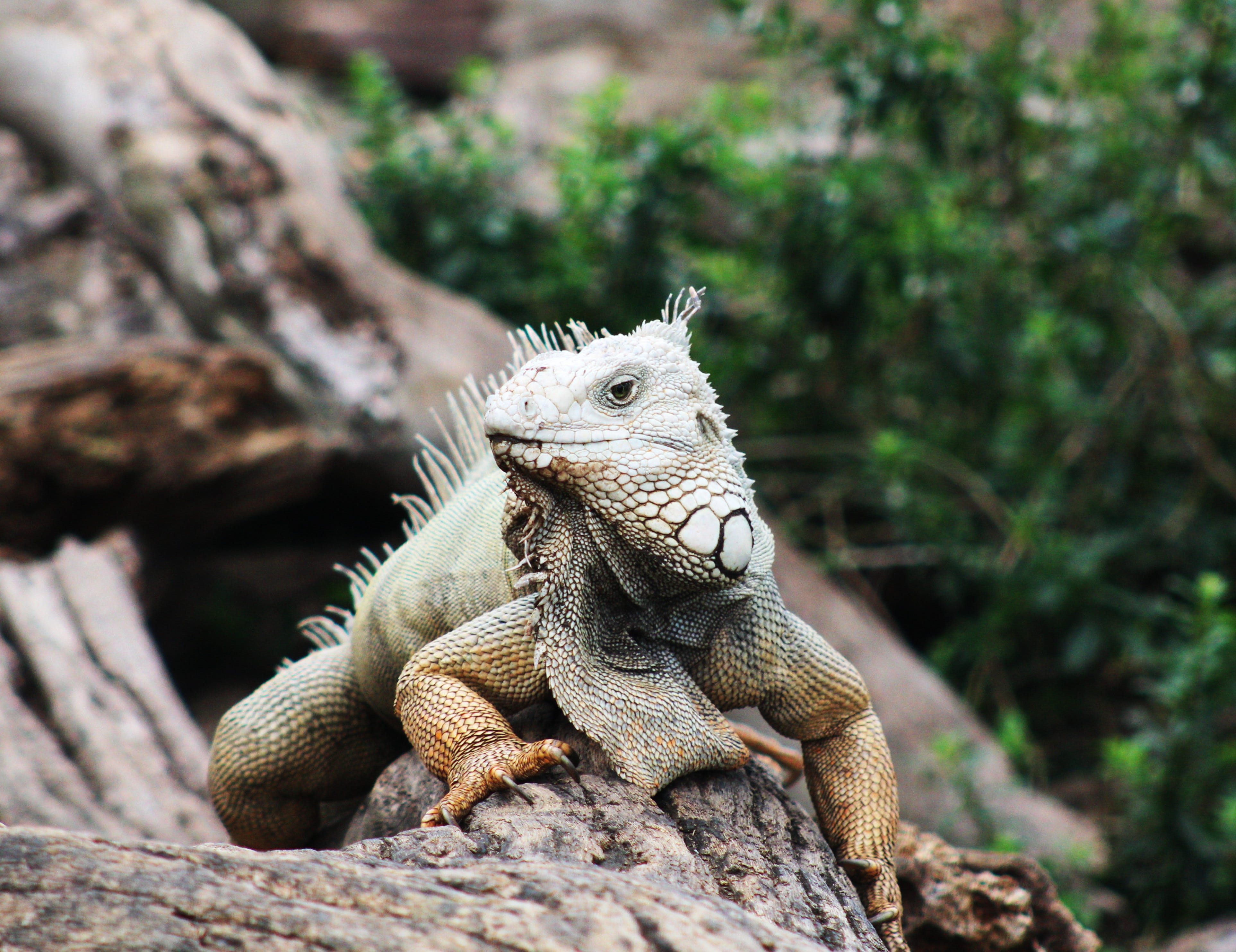
I am thinking of a Sunday. There were only two of us on the island; two humans and over one hundred monkeys. And it was very hot and humid—the air felt ripe—and also it was strangely quiet, I think because of the heat. Many of the monkeys were resting, mostly in the shade of the forest. In fact I think they all were, because in my memory I could not see a single monkey, only the empty beach (a few iguanas basking in the sun2, some hermit crabs trundling along the shoreline), the empty scrubland, and then the muggy darkness of the forest.
My job that Sunday was to find a particular monkey. She hadn’t wanted to sit and engage with our experiment yet3, so we were going to see if she would today. But on my way towards the forest to look for her, I saw, in a dead tree on the outskirts of the woods, a shape. It was the shape of a monkey, but it was all wrong. By which I mean it was completely limp, and it was sort of folded over one of the boughs of the tree.
I went over, and the closer I got the more perplexing this sight became.
There was the limp monkey folded over a branch, and some sort of rope hanging from her, and something swinging beneath. And also there was blood. Quite a lot of blood.
Perhaps you’ve guessed already, in which case you are faster than me—I had to get very close before I saw that the swinging thing was a tiny baby and the rope was an umbilical cord, and it was only then that I understood what had happened. A female, who I knew quite well (I’d spent a lot of time with her, hours and hours, and understood something of her nature, which was that she was shy and liked to stay away from drama), was unconscious in this tree, had fainted during birth, and her new-born son was swinging beneath her. He was wet and he was not moving and his eyes were closed.
As I have said, the bodily fluids of these monkeys are potentially deadly, and so I did not get any closer to the mother and her son. I could see she was breathing, although I was not sure that the baby was, and I was contemplating my next steps—who to call, how to figure out if the baby was alive—when that tiny little boy fluttered his lilac eyelids open.
Oh, he was so small, and so fragile, and his eyes were so wide and black, so huge in his tiny little face, and he was so vulnerable, hanging there like that, and it broke my heart! And it was really hard not to step closer. But I didn’t. And then the mother woke up. She opened her eyes and it took her a moment to get her bearings and while she did I walked backwards, very slowly (I did not want to scare her), and as I walked away she regained her footing on the bough of the tree and she pulled that new-born boy up to her chest. I watched as she hugged him into her, as she put her lips to his head and began to clean him, and I heard her make a small, soft noise as she did this.
They stayed like that for a long time, this new mother and the tiny, tiny boy in her arms. And in the forest, every now and then, I could hear a fight break out as the other monkeys went about their monkey business, but there in the tree was this mother and her son, quiet and calm and all lit up in sunlight.
I watched them for a long time. It was one of the most tender things I have ever witnessed. And there was violence all around, just a few steps away, but it was still beautiful—perhaps even more so because of that.
So that is why I think of the monkeys in Spring. Because living with them, and living through Spring, bring up all the same juxtapositions of this life. Brutality, beauty; terror, tenderness. A monkey born into a world of violence, the gentle coo of his mother as she holds him to her chest. A baby rabbit swallowed whole, another safe and warm in a burrow. One seal a meal for a thousand insect larvae, another seal, a few metres away, bathing happily in this shy Spring sun.
I don’t think there is a neat way to finish this piece; there is no tying it up in a bow, no message of good winning over bad, or kindness winning over violence, or light outdoing dark, because I do not believe those things to be true (I would like them to be, but I do not know that they are). But what I will say is this: I think it is important to let tenderness in. Terror is louder and starker and almost always more obvious, but tenderness is what fills the soul and so we must look for it and we must look at it and we must try to let it in.
And then, there is this:
After finishing this piece, I go for a walk. In the field behind my house, a ewe lies on her side and is unable to get up. When I go to her, I see that she’s trying to push out a lamb but the lamb is stuck. I call the farmer and watch as he tugs at the lamb, who is coming out back-first, and it takes so much more strength than I’d expected to get that lamb free, and he tells me, as he pulls it out, that he’d been told the ewe wasn’t pregnant, that this lamb is unexpected—and also, that it is dead.
I won’t describe what it looked like, because it had been dead for about a week, and I will not describe what it smelled like, only that it made the farmer gag and I have never seen a farmer gag. But the ewe, with the lamb out of her, was immediately more alert, immediately more comfortable, and the farmer took her home with him so he could give her antibiotics (he said she would be okay), and then, with nothing else to do, I carried on with my walk.
I saw three lambs skipping across a field together.
I saw a new-born calf and one of the first bumblebees of the season.
I saw a starling fly to her nest with a beak full of wool.
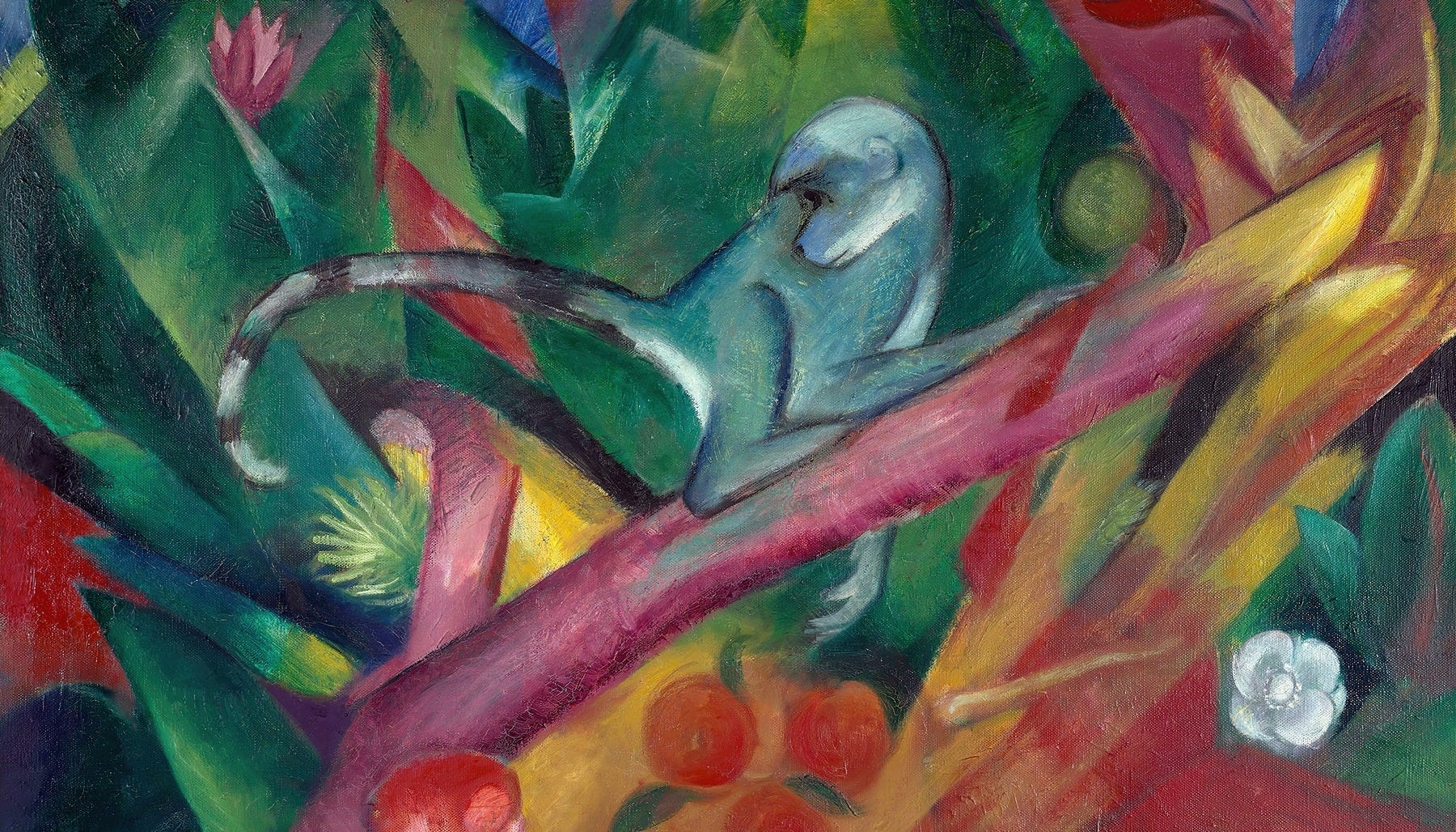
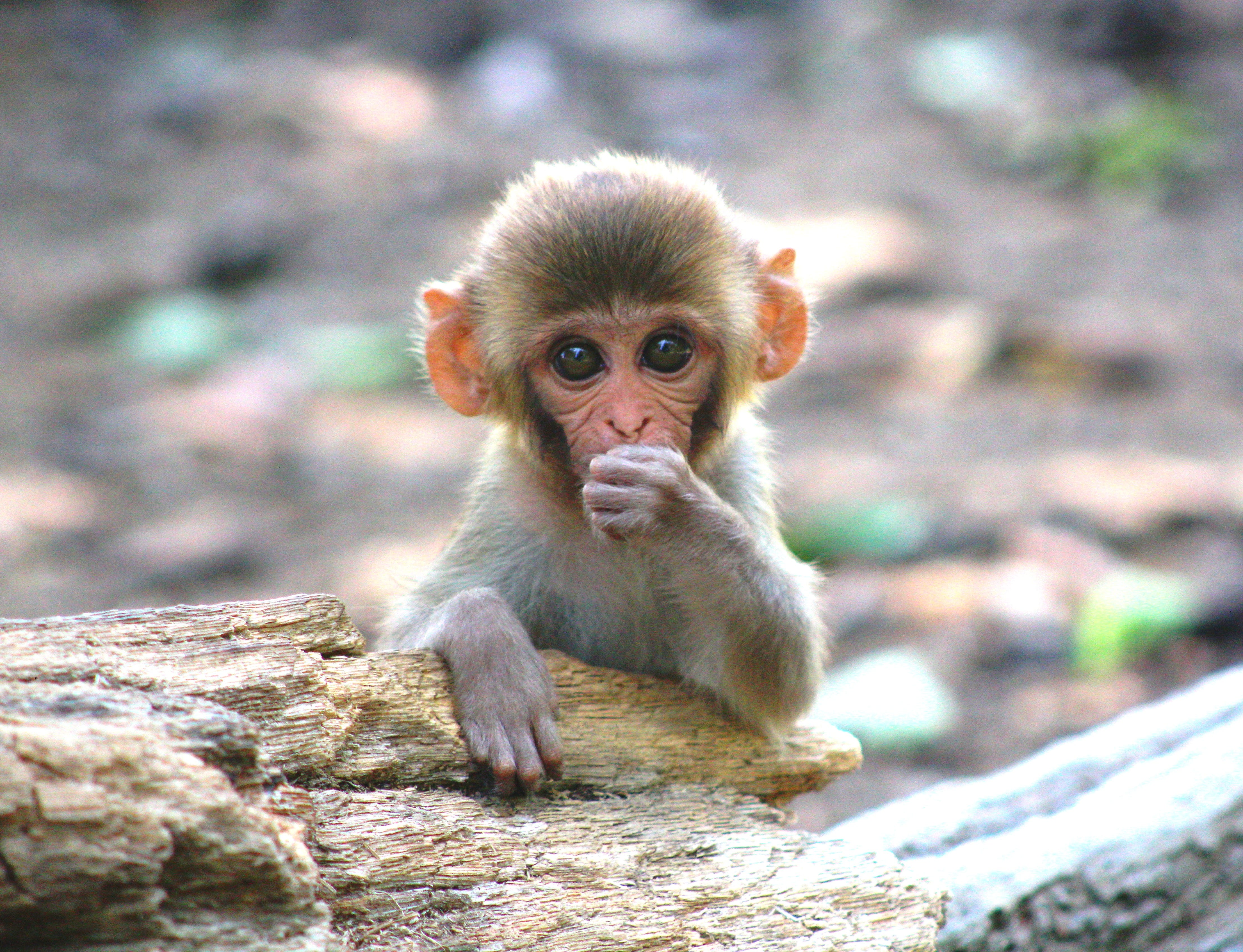
I’ve written a bit about these tender moments before, e.g. here and here. I’ve also written about some of the less tender moments. One day I might write about when about forty or so monkeys turned on me and my student, and the way I came out of that interaction feeling like I had learnt something important about taking up space. The unexpected things these monkeys taught me!
Some iguana photos (sometimes they had scraps with the monkeys over food; they are brave):
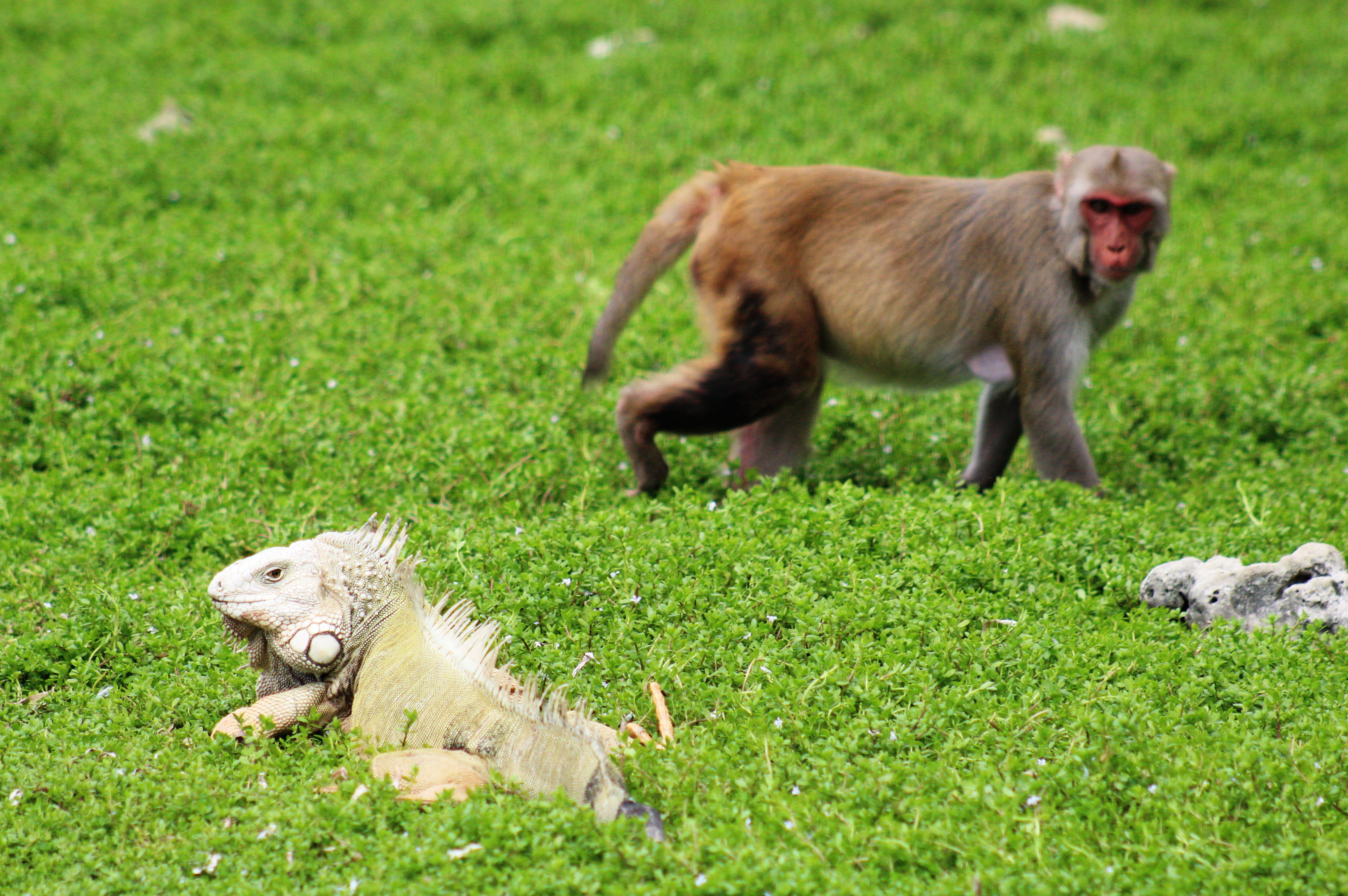
The monkeys interacted with the experiment entirely voluntarily, this was important to me. I will write more about it when our paper is published.
If you enjoy my work, you might like to pre-order my debut novel, These Glass Bodies.
‘An absorbing, unmissable and moving debut novel of love, disconnected people and our fragile relationship with the natural world’
You can also support my work by becoming a free or paid subscriber, or leaving a tip. All my posts are free, and paid subscribers (thank you thank you!) allow me to keep it this way.
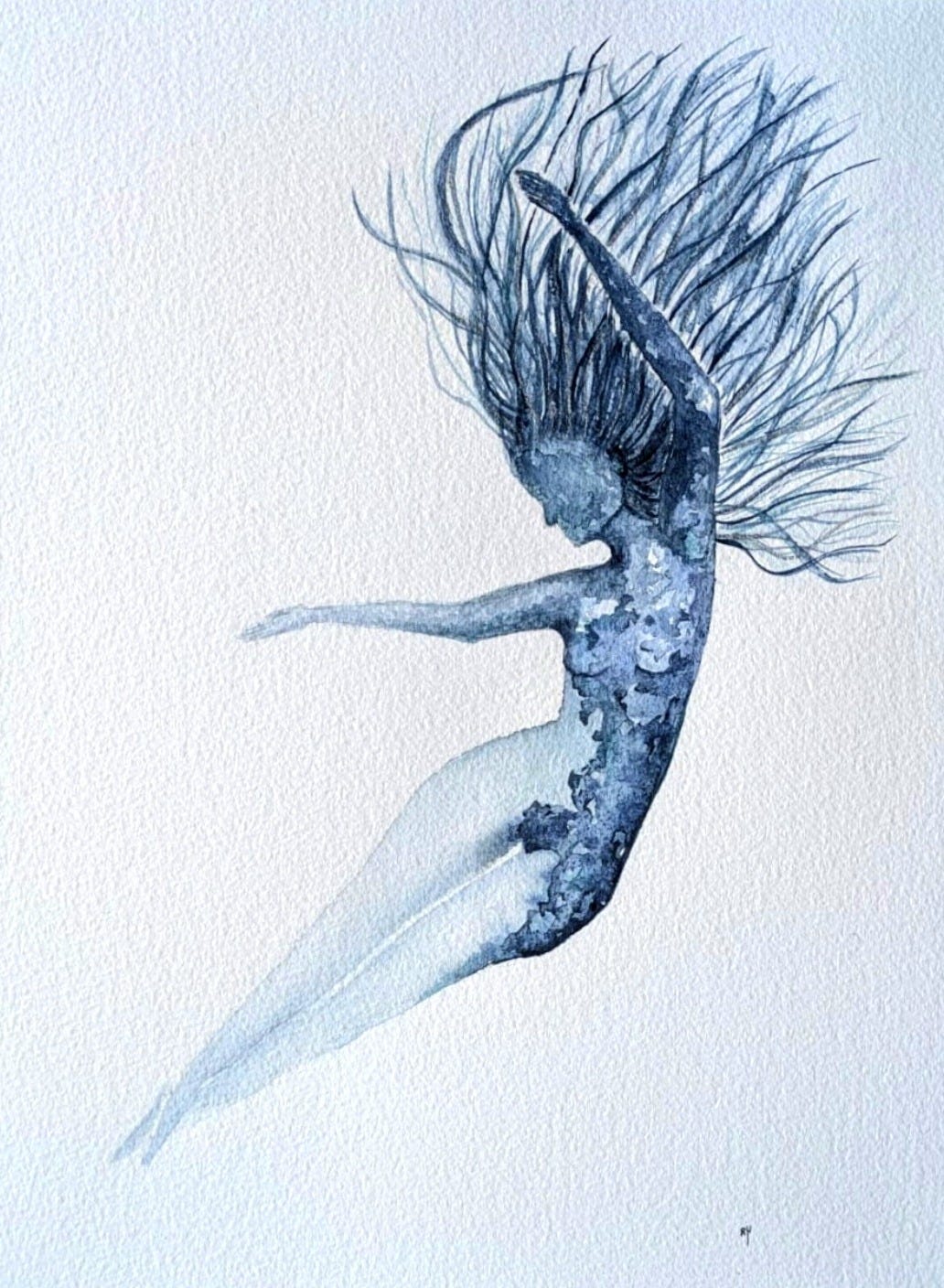
If you’d like to become a founding member, you’ll receive an original watercolour painting. Currently I’m working on sea-swimming selkie women, but the odd whale is springing into life, too.
Comments
Nothing yet. Say the first thing.
Sign in to join the conversation.