
Knock. Knock. Well. That was some radio silence. I have missed you and this wonderful, much-needed platform.
Finally, here is the second instalment in the long-promised- I don’t know how many parts- series on authenticity, curiosity and gastro-nationalism, touching heavily on nationalism, sovereignty and fossilisation which is still very much in the works. Ever since writing about authenticity and curiosity last June, I have been deep in the weeds researching, cross-checking, and, admittedly, disappearing down more rabbit holes than is probably healthy.
Over the past few years, I have been studying the cuisines that circle the Mediterranean basin with West Asia as the nucleus. What keeps revealing itself is just how different culinary history looks once we loosen our grip on modern borders, nationalist tropes, and “memory.” There is a formidable shared culinary world waiting to be rediscovered.
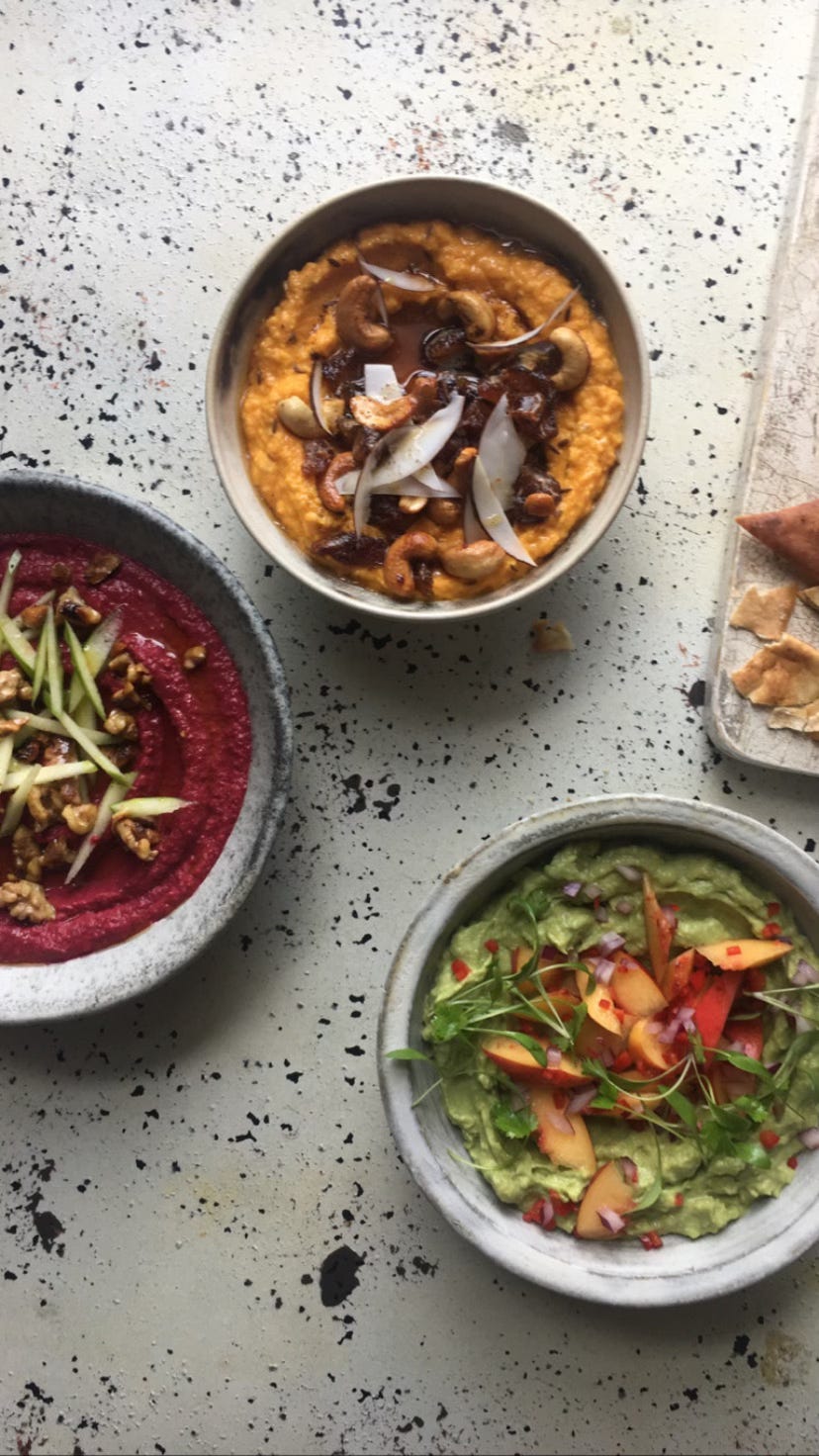
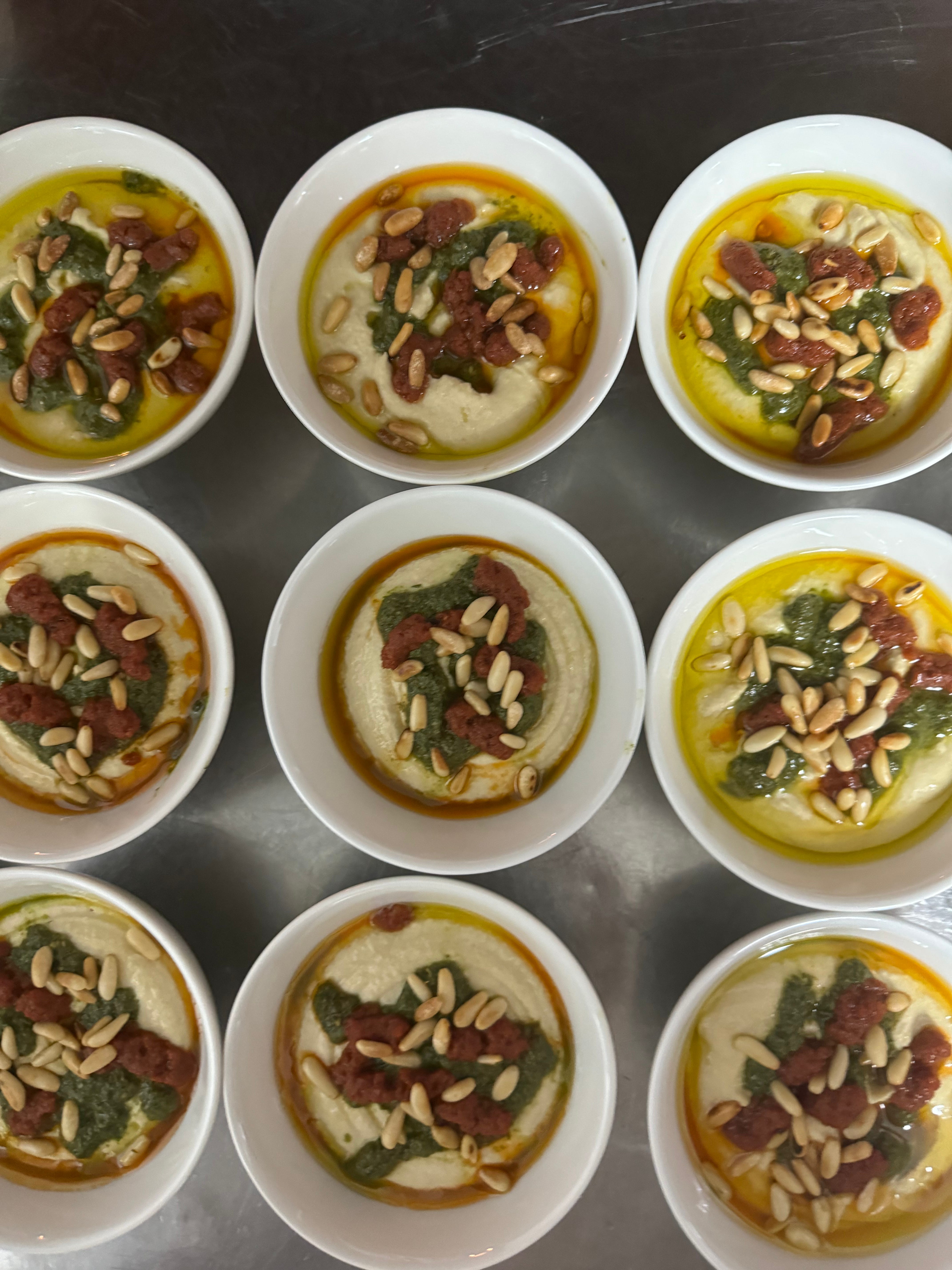
Today, let’s begin somewhere deceptively simple: Hummus, Mutabbal, and Tabbouleh.
A quick aside: Substack is complaining that this piece is too long for email. It all must be said. So, if the text suddenly cuts mid-sentence, click through to the website or app. I promise it’s worth it.
Comments
Nothing yet. Say the first thing.
Sign in to join the conversation.