
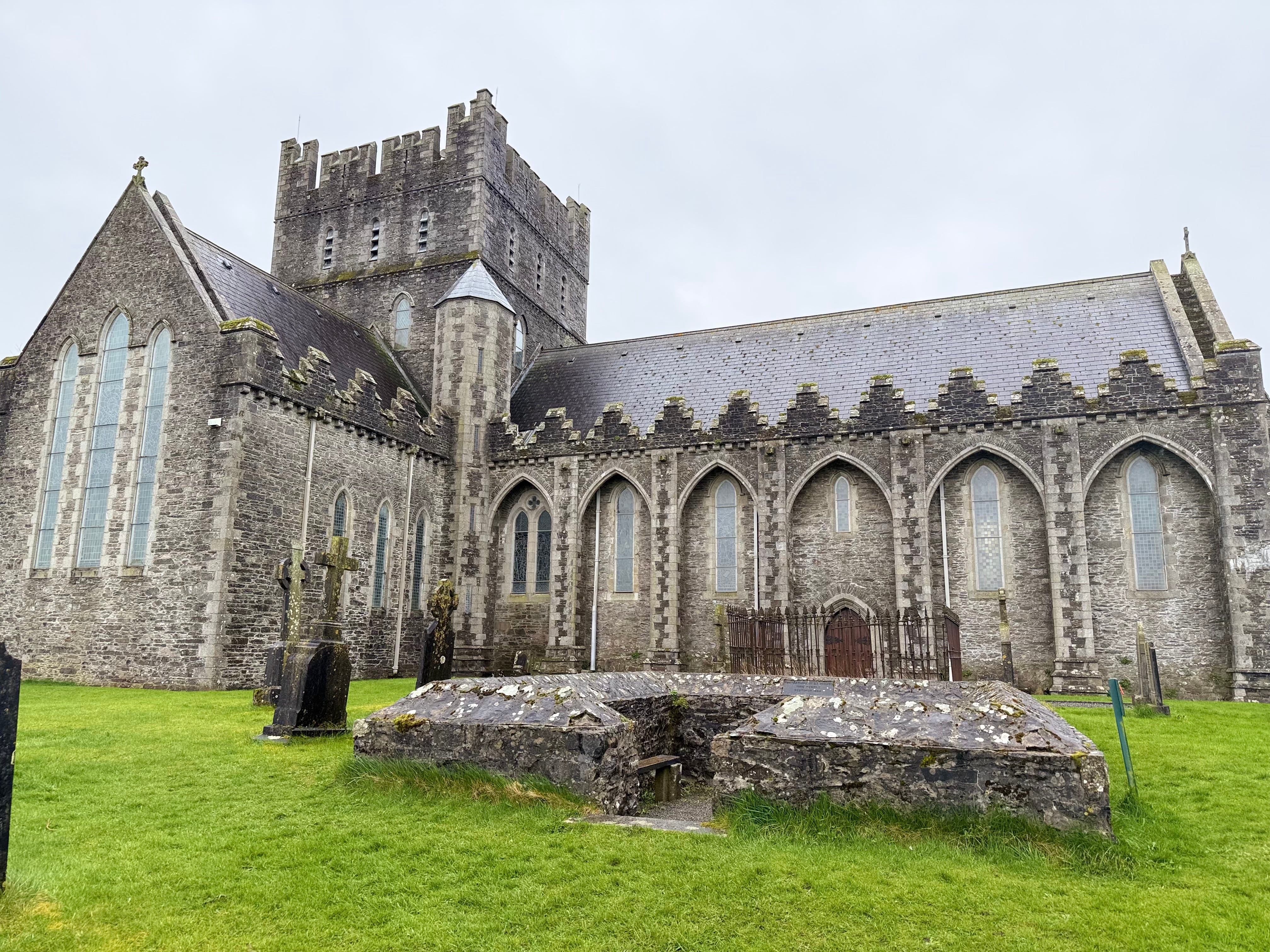
Today was cold. My red raincoat, originally my sister’s that she bought at The Gap in 1998 and gave to me in the early 2000s, kept me dry but not warm. Wind gusts pelted icy rain drops as I walked from the train station. My feet were wet and my fingers numb.
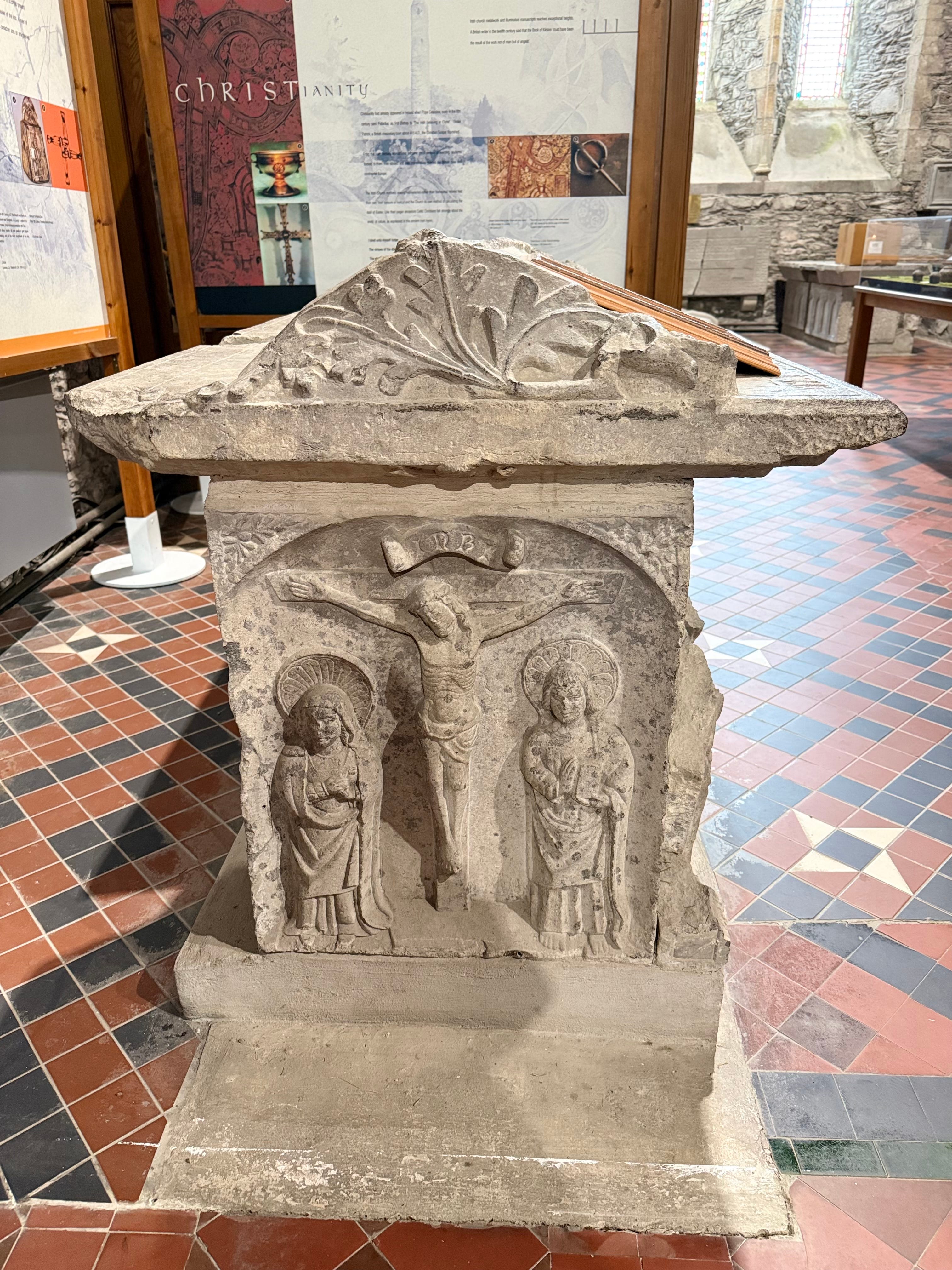
But I didn’t care. Just a few yards away an oak grove once stood on the hill, 1,500 years ago. There a woman named Brigid built a church in 480 AD that, according to her 7th century life (written a century after her death), was the “head of almost all the churches of the Irish and as the summit surpassing all the monasteries of the Irish, whose parochial is spread through all the land of the Irish and extends from sea to sea. She built her monastery in the broad plain of the Liffey [the river] on the firm foundation of faith.”
Now I was here. Where a woman—an abbess and an ordained bishop— “headed” the late 5th and early 6th century church in Ireland.
I’m sure you have a lot of questions—from “why haven’t I heard of her?” to “isn’t she a druid goddess?” to “why is St. Patrick more famous?.”
I’m going to answer these questions. But you are going to have to wait a while. Until then, let me make a few observations.
St. Brigid historically existed. She was born a few years before St. Patrick died (mid 5th century) and she died herself in the 520s.
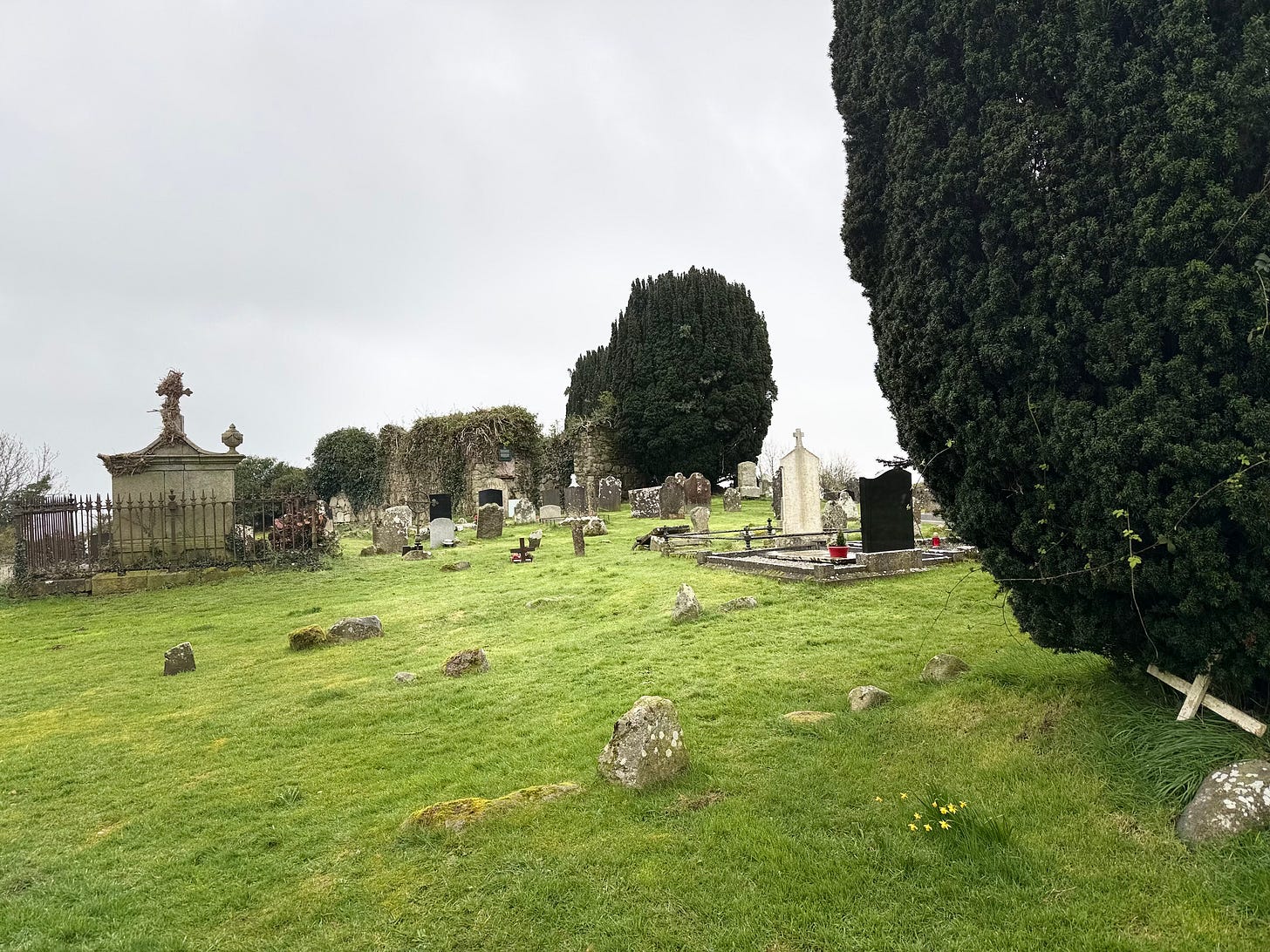
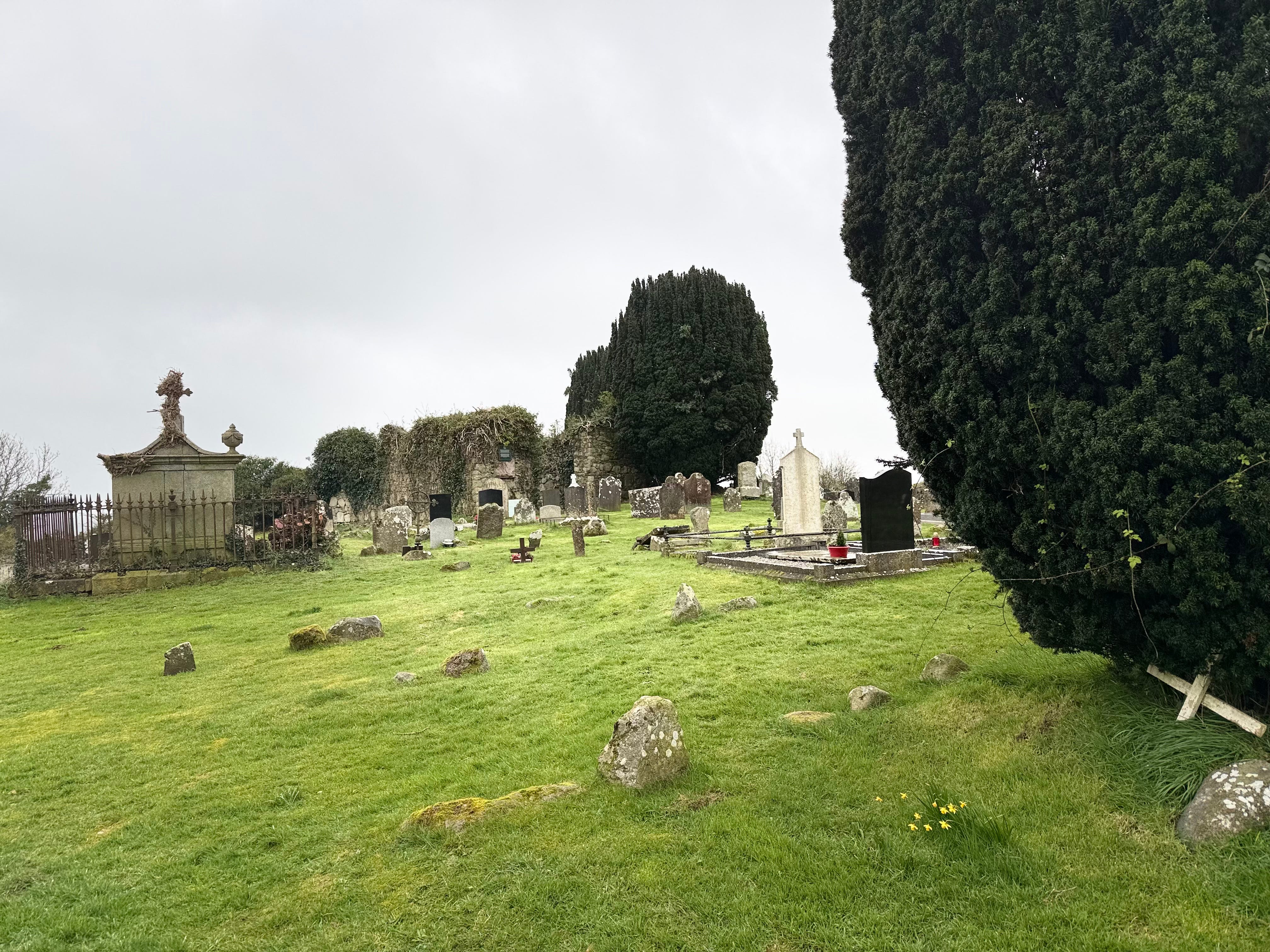
St. Brigid’s traditional birth place in Faughart, north of Dundalk. The ruins of the medieval church that are believed to stand at the home where Brigid’s mother gave birth to her. Three early lives of St. Brigid exist (the earliest written before the earliest life of St. Patrick who died before Brigit, which is interesting): The Life of St. Brigid, written in polished Latin by Cogitosus, most likely a monk at her monastery (it was a double monastery) in the mid 7th century; the Vita Prima, an anonymous account of Brigid’s life written probably after ) the one by Cogitosus but still in the 7th century; and the Bethu Brigte, written in Old Irish and Latin probably after the one by Cogitosus but also in the 7th century.
Not only does Brigid have three 7th century lives (which is remarkable and a testament to how well she was known and beloved), but more than 100 manuscripts of her life survive from the medieval and early modern world.
The primary difference between the text of Cogitosus and the anonymous Vita Prima concern’s Brigid’s authority. Cogitosus portrays her as in charge of the Irish church. The Vita Prima, written later, portrays her as authoritative but deferring to Patrick’s authority (which historically doesn’t seem likely as Brigid was a young child at his death). The Bethu Brigit, the only account in Old Irish, tells of Bridget’s ordination as a bishop.
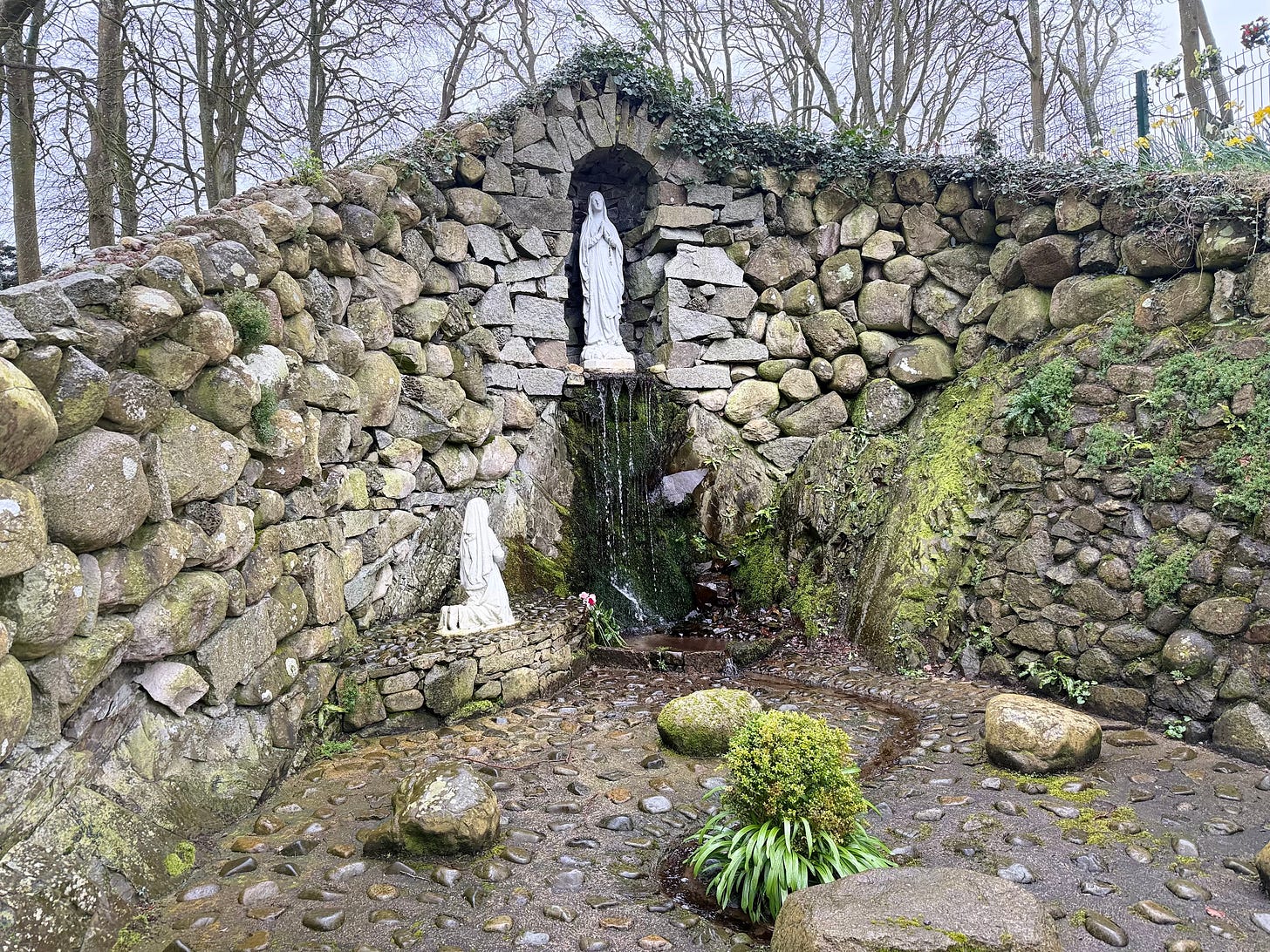
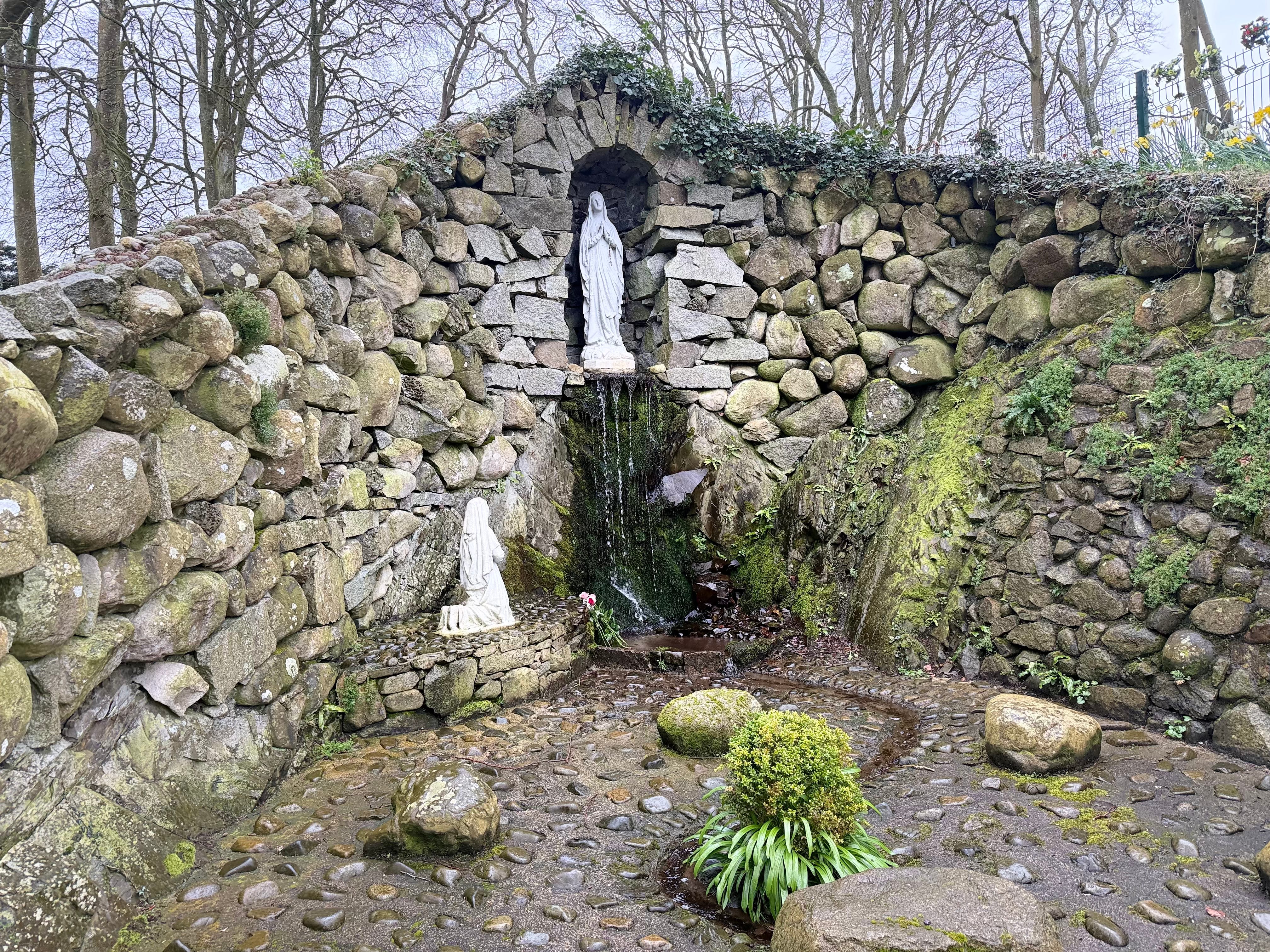
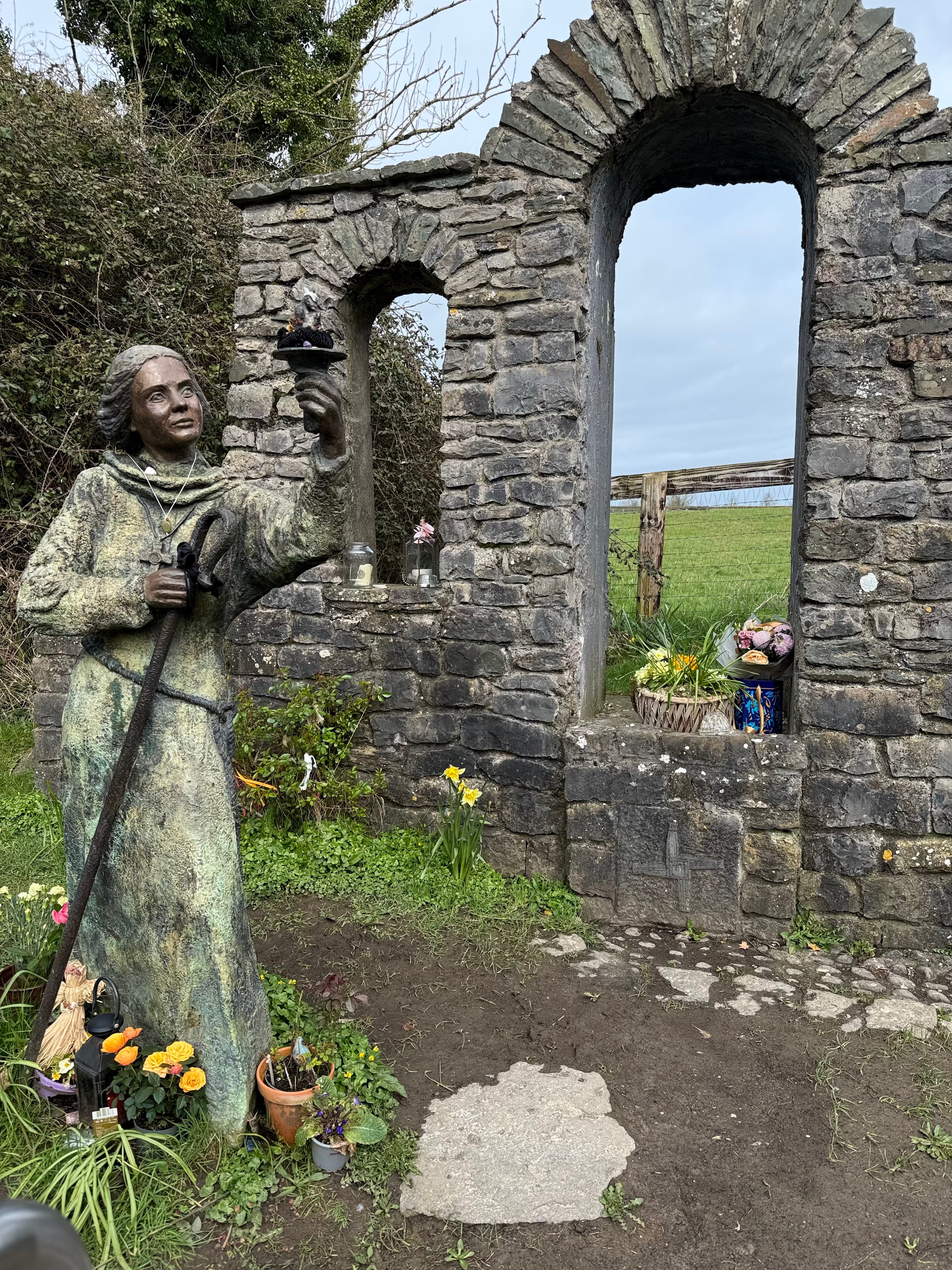
One of St. Brigid’s wells. This is one is at the national shrine for St. Brigid not far from her birthplace. The woman portrayed in these texts, “is a woman of the deepest faith and devotion to God.” (Philip Freeman, Two Lives of St. Brigid, p. 7). All three accounts portray her as an authoritative ecclesiastical leader.
St. Brigid is consistently portrayed with a crozier, a symbol of ecclesiastical leadership.
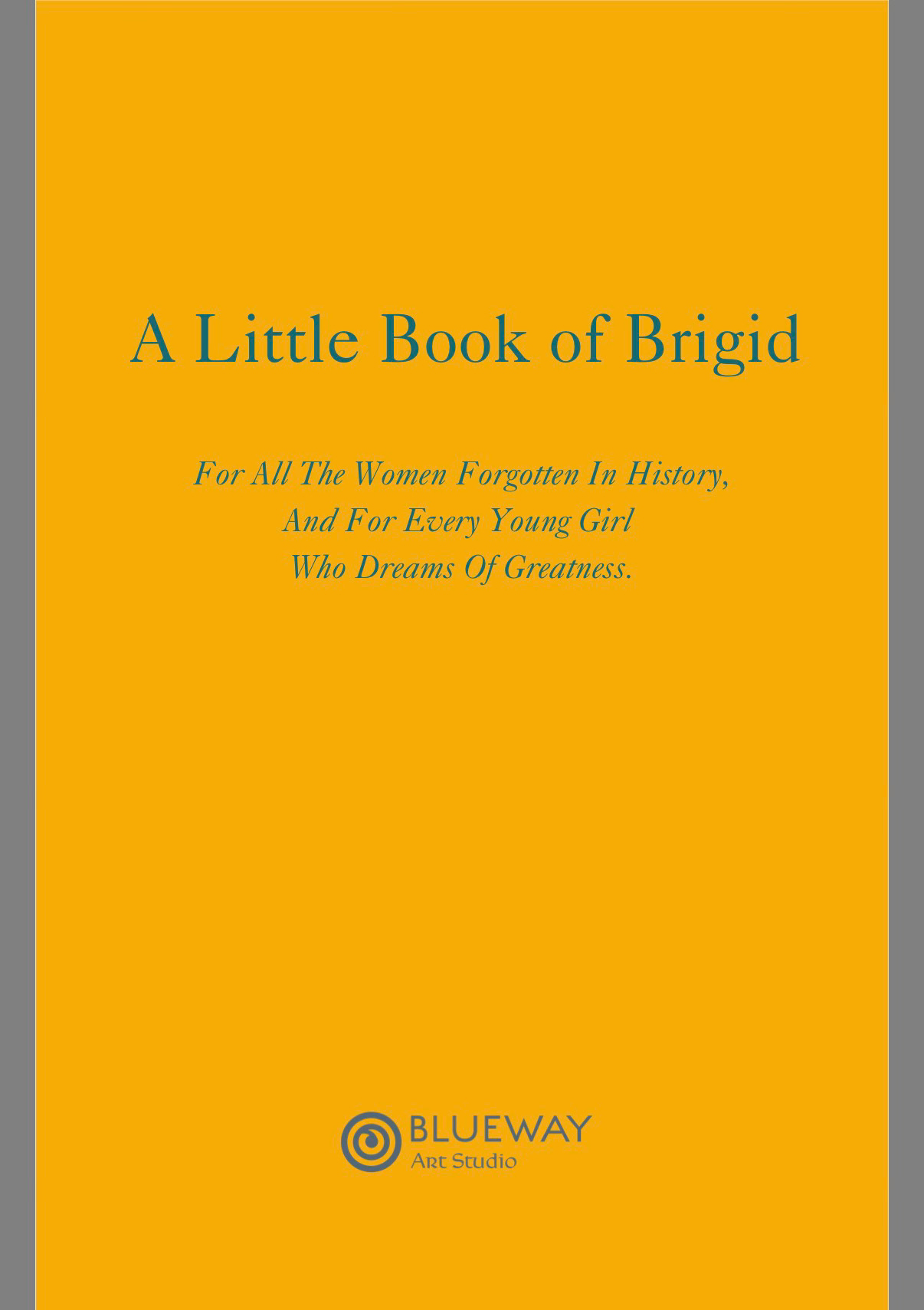
I have learned so much about St. Brigid’s enduring legacy. What I saw in the cathedral today drove this point home. It is “A Little Book of Brigid,” created in 2024. 100 copies were given to people seen as advancing the cause of women. The powerful words of the dedication say so much about the legacy of St. Brigid and the importance of telling her story.
“To All the Women Forgotten in History, and to Every Young Girl Who Dreams of Greatness”
My next book is coming, y’all, and it may be the best one yet.
Comments
Nothing yet. Say the first thing.
Sign in to join the conversation.