
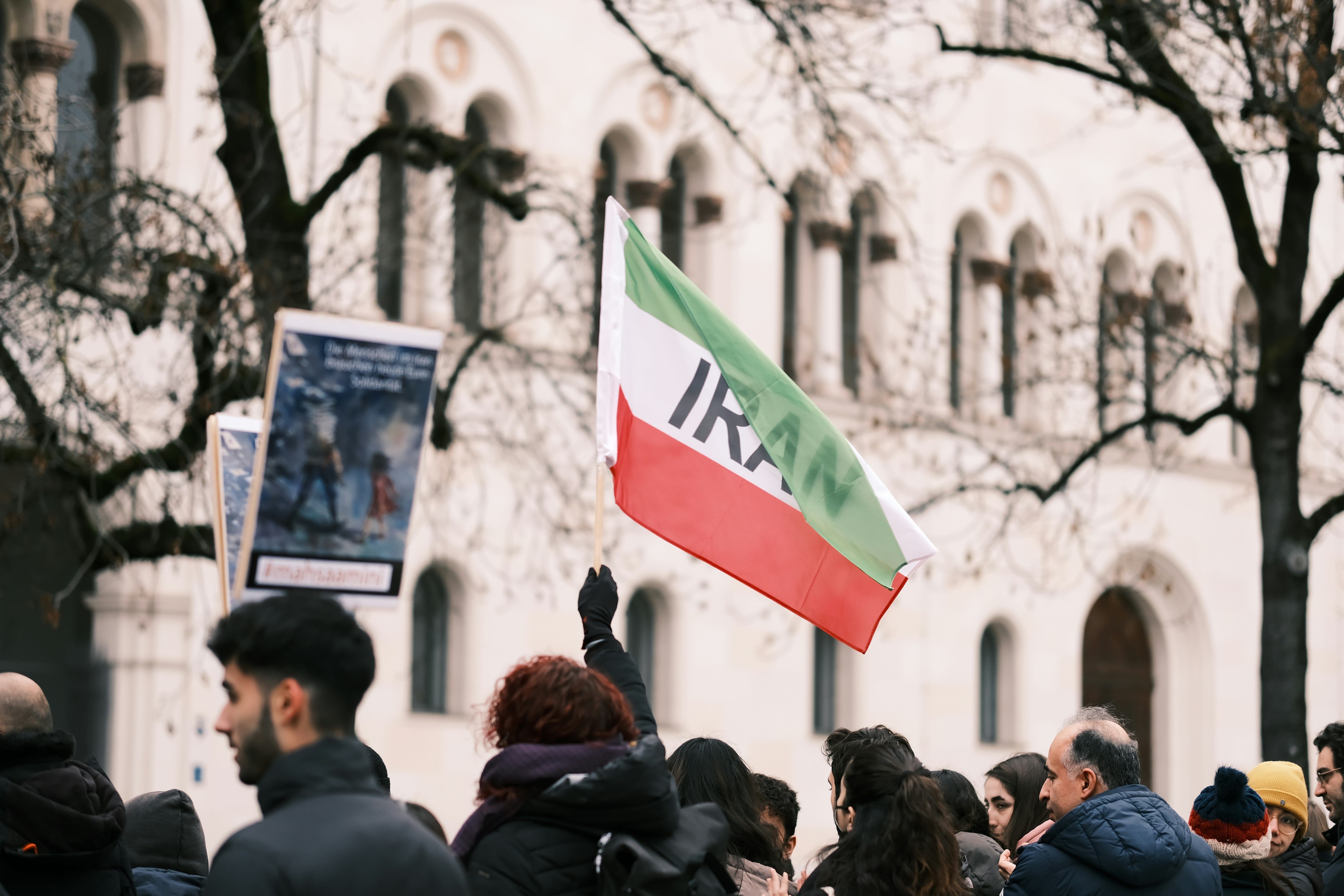
“I feel like we are invisible in this conversation”.
That’s how one Iranian Avaaz member put it to us recently.
For the past six weeks, the war in Iran, the fragile ceasefire, and now failed peace talks and renewed US threats have dominated the global conversation. Throughout, I’ve been struck by the fact that one set of voices has been conspicuously silent - or more accurately, silenced: the Iranians trapped between a vicious regime and American and Israeli bombs.
And yet, behind the scenes at Avaaz, those voices have been reaching us.
Impossible choices
Avaaz means ‘voice’ in many languages. And making our members’ voices count is what Avaaz exists to do. When the drums of war began to beat, we launched a Not in Our Name campaign. Hundreds of thousands of Avaaz members from around the world called on their leaders to resist the pull of a conflict that so many feared could spiral into catastrophe. I’m grateful that, for the most part, the rest of the world stood up to Trump’s pressure and refused to join the attack.
Since we launched the campaign, we’ve been receiving messages from inside Iran itself. Sometimes just a few lines long, they carry the raw, unfiltered reality of life under the regime and beneath the bombs. Across these messages, one feeling comes through over and over again - of being under attack from all sides and not being listened to.
“I grew up with this regime. I know exactly what it is capable of. But I also know what war does. We are the ones who will pay the price, not the politicians, not the people making these decisions from far away. We are the ones who will die, who will lose our homes, our families, everything. Please do not make decisions about our future without us”.
Just months ago, tens of thousands of Iranians were gunned down in the streets by their own government for demanding basic dignity. That repression has not stopped. It has intensified. Some of those arrested during the protests, including teenagers like Saleh Mohammadi, were executed, even as bombs fell around them. Iranians are living an impossible reality: hunted by their own state and bombed by the world’s most powerful militaries at the same time.
The simplicity trap
As campaigners, there’s a constant temptation to collapse complexity into a simple story. We like clear-cut heroes and villains because that is what moves public opinion. But the reality in Iran resists being flattened. And attempting to do so is dangerous, something that Iranians can see clearly:
“The regime has been waging a war against its own people for decades, especially against women. But that doesn’t mean people want bombs falling on their cities. Both things can be true at the same time”.
This conflict is, at its heart, a collision between a regime with no popular legitimacy, and external powers playing to domestic audiences with scant regard for international law and human life. For the average Iranian, there is no ‘good’ side to take.
So we must be able to hold two truths at once: that the Iranian regime is savage and oppressive, and that the bombardment of Iranian cities was a humanitarian and strategic disaster. To ignore the former is to betray the Iranian people. To support the latter is to risk their destruction.
The myth of the monolith
Partly because these voices are so often absent, we fall into the habit of speaking about ‘the Iranian people’ as if they are one block. But our members tell us Iran is a vibrant, argumentative, and deeply divided society:
“There is a lot of talk about ‘the Iranian people’ as if we are one thing. We are not. We disagree, we argue, we don’t all want the same outcome. But none of us want to be treated as collateral damage”.
Our inbox reflects this diversity. Some members write with exhaustion. Others express a fragile, even fearful hope that the current turmoil might lead to change. But even those who most want the regime to fall are wary of what ‘liberation’ might look like if it comes from the sky, rather than from the grass roots.
“There is a tendency to simplify this, to say people are either for or against the war. But that’s not what I’m hearing from people I know. They are exhausted, terrified, and completely divided. Some see this as the only chance for change. Others see it as another disaster. Most don’t know what to think anymore”.
What now?
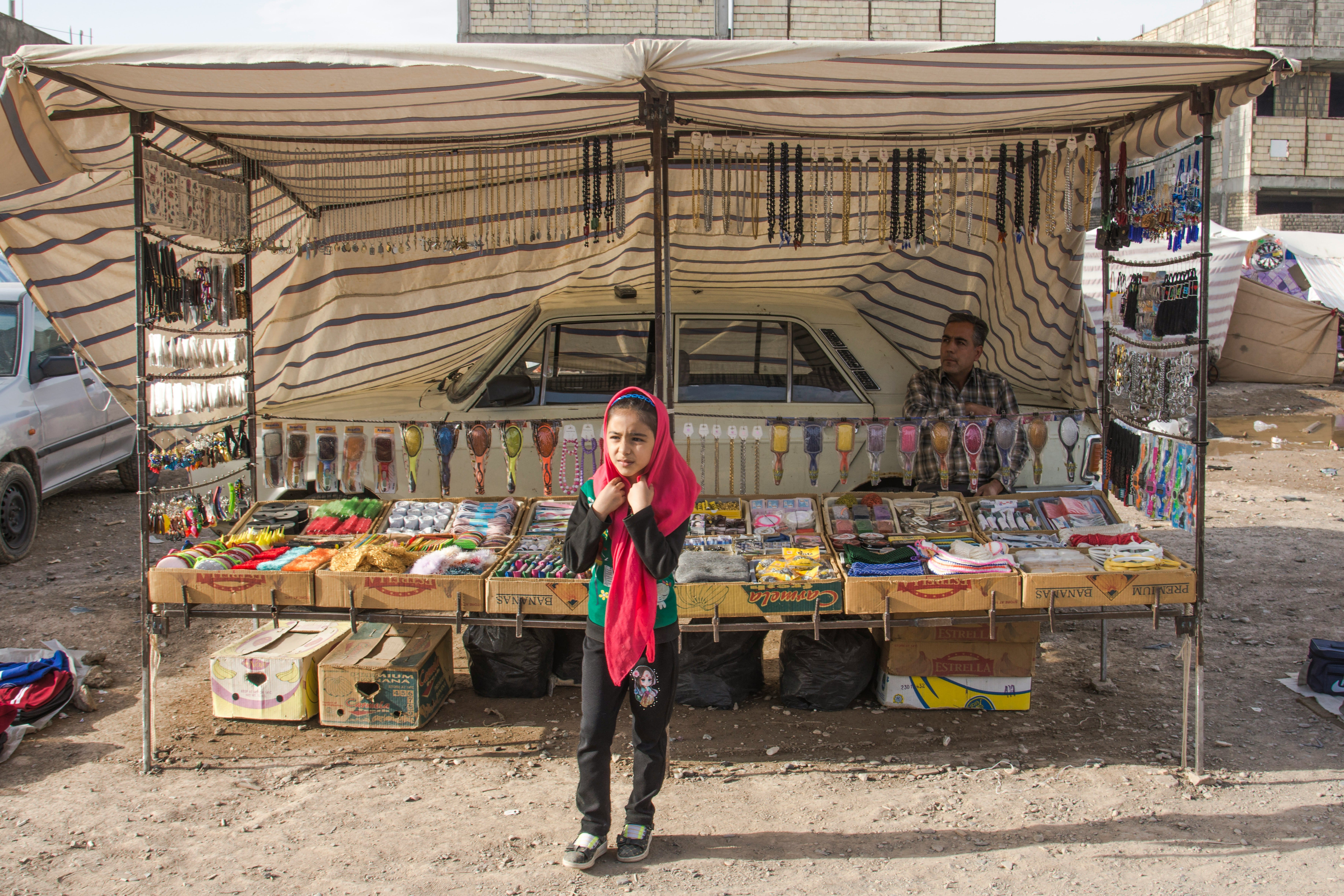
As we look towards an uncertain future, we have to confront the reality that there are no easy answers. The Iranian regime is widely loathed by its people. But there is also a growing fear that the war may entrench its power.
Many Iranians have no illusions about what might follow if the regime were to fall under outside pressure. Like many of us, they have seen what happened in Iraq, Afghanistan, and Libya, and know they are not immune to similar instability.
“What scares me is not just the bombs. It’s what comes after. Power struggles, chaos, more violence. People talk about ‘regime change’ like it’s a clean outcome. It’s not. It’s messy, and people like us pay the price”.
Our responsibility
So what do we do with this complexity?
Our first responsibility must be to refuse the simple stories. We must listen more carefully to the voices that are so often drowned out.
The Iranian people are not waiting for a saviour from the sky — they are asking to be seen, heard, and treated as human beings fighting for a future, one that’s neither an open-air prison nor a bombed-out ruin.
To stand in solidarity with them, we must listen, refuse to look away from impossible choices, and hold the tension that such choices create. That means resisting easy answers. There aren’t any.
Whatever happens, we must not allow the people of Iran to be made invisible again. The future of Iran – and, as we’ve learned over the past six weeks, all of us – depends on them. Their voices must be heard.
No posts
Comments
Nothing yet. Say the first thing.
Sign in to join the conversation.