
Most meetings we have together look something like this: A group of smart people. A challenge that matters. Limited time. Lots of opinions and ideas. And a collective sense that something should come out of the conversation… this time...
Sometimes it does, sure. But often, not quite. The meeting isn’t usually a flat-out fail, but more a sense of… missing the target.
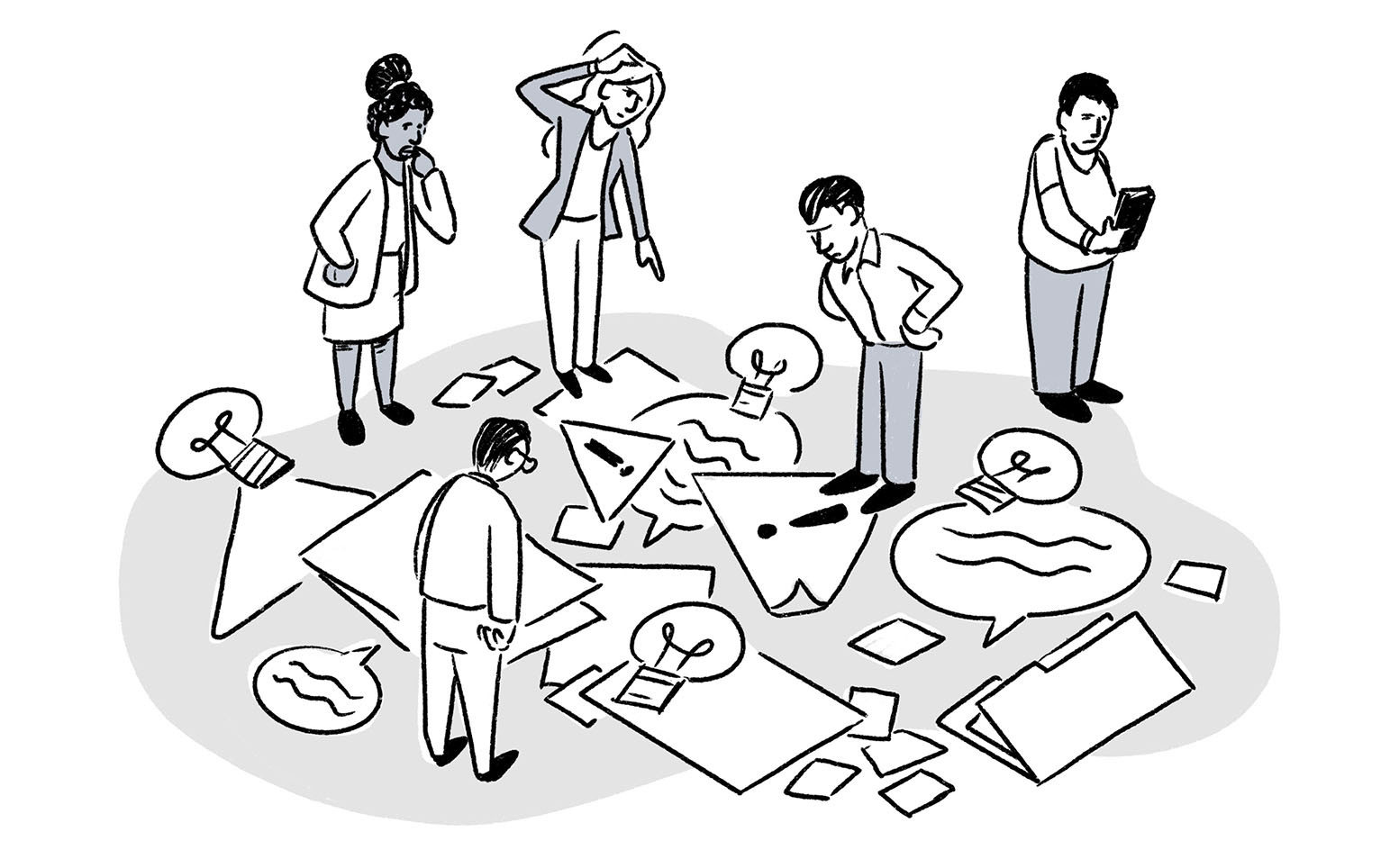
Everyone goes back to their desks, glad that the work about the work is done and the real work can continue.
I spent a large part of my career as a designer having moments like these, as did so many others around me. Whether it was a design critique meeting, a strategic planning meeting, a ‘design spike’ (whatever that was meant to be) or a full-on design sprint, I was tired of these group sessions missing the mark.
That’s how I became a facilitator. Out of frustration, I decided to take on the running of the meetings whenever I could. Over the last 20 years, I’ve honed my mindset, skillset and toolset for helping groups face tough challenges, solve problems, make decisions, and communicate solutions.
That’s what’s at the heart of this newsletter.
I chose this name very deliberately.
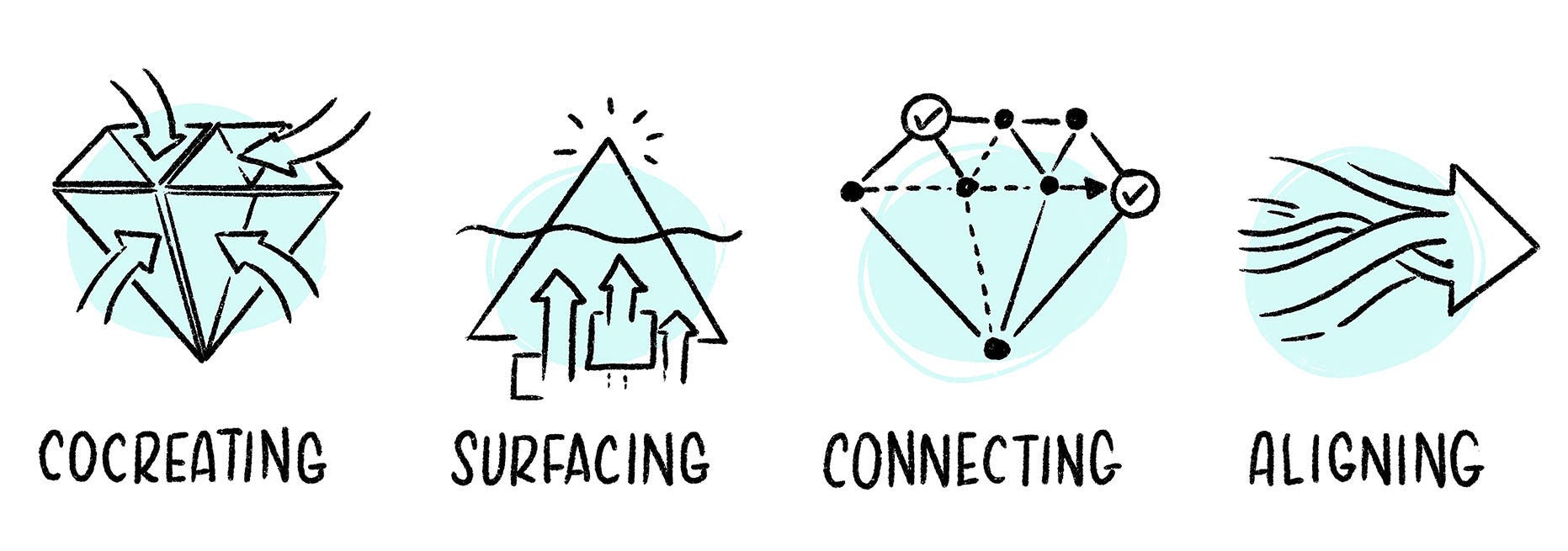
The most important work in organisations isn’t done by individuals having clever ideas in isolation. It happens when people:
build a shared picture;
surface what matters;
see connections they couldn’t see alone; and
move forward with enough alignment to act.
What I see in a lot of meetings in particular (and work in general) is people trying to do all this good stuff by simplifying. We all know that we’re all drowning in too much information, and it’s understandable (and useful) to simplify. Less text. Less options. Less decisions to make. Love all that.
But simplification isn’t enough, because usually the process to get to that simplified information is also simplified. What this ends up looking like is that we cut corners, we rely too heavily on templates not suited for purpose, and we skip consultation.
What’s the point trying to push through a shortened piece of work if nobody understands it, let alone is invested in it?
Sense-making is not about simplifying things until they’re short and neat. Brevity isn’t always useful.
It’s about finding and seeing clarity and connection amongst the moving parts of the system of your work – the product you sell or the service you provide, the processes you use, the decisions you make – as well as between the work and people.
And it’s almost always a collective act. You can’t shortcut it with a slide deck telling people a solution. What usually works better is a structured and visualised conversation to help a co-created solution emerge.
You have to do it together. You have to see it together.
I get it, trying to get that clarity and connection can be really hard. I’ve been in enough strategic planning sessions and change management meetings to see all the fancy slides, hear all the useless corporate lingo, and see all the biases at play. But it can be done. This newsletter is about the practical craft of helping people make sense together at work, using facilitation and visualisation.
That includes things like:
Running meetings that lead somewhere
Using visual thinking to unlock clarity and connection
Framing strategic conversations so decisions can actually be made
Navigating change without overwhelming people
Designing moments where insight turns into action
Sometimes that will show up as short insights, drawings and reflections.
Sometimes as concrete tips and templates you can try in your very next meeting.
Sometimes as stories from facilitation work with my own clients; what worked, what didn’t, and why.
If you spend any time:
facilitating groups and running meetings
leading teams
guiding change
designing strategy
or sitting in meetings wishing they were more useful
…this is for you.
You definitely don’t need to be a “facilitator” by title. You just need to care about helping people think, decide, and act together more effectively.
For now, everything here is free.
I’ll publish as regularly as I can, aiming for ideas that respect your time.
Later on, I’ll introduce optional paid posts with more detailed how-to guides and downloadable templates, for people who want more hands-on tools. You’ll always be able to choose what’s useful for you.
No pressure. No funnels. Just my own practical thinking, shared openly.
If there’s one idea I hope runs through everything here, it’s this:
Better work doesn’t come from having all the answers. It comes from creating the conditions where the best answers can emerge.
That’s what making sense together is really about.
I’m glad you’re here.
Ben
No posts
Comments
Nothing yet. Say the first thing.
Sign in to join the conversation.